
 IN
Epoxy Industrial Flooring
11 products available
What are Epoxy Industrial Flooring?
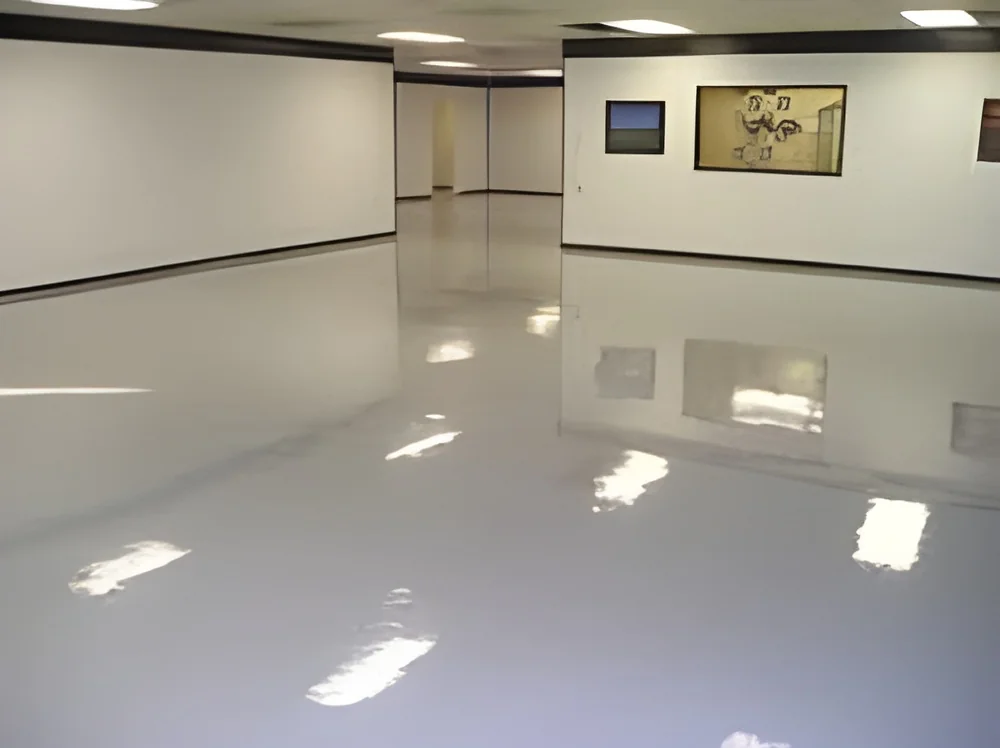
Epoxy industrial flooring is a high-performance flooring solution made from a mixture of resins and hardeners. This flooring type forms a durable, chemical-resistant surface that is ideal for industrial and commercial environments. Its seamless finish not only enhances the aesthetic appeal but also simplifies cleaning and maintenance, making it a popular choice in various sectors.
Primarily, epoxy flooring is used in warehouses, manufacturing plants, laboratories, and retail spaces. Its resistance to chemicals and stains makes it suitable for environments where spills and heavy machinery are common. Businesses benefit from its longevity and ability to withstand heavy foot traffic, contributing to lower long-term maintenance costs. The growing demand for durable flooring solutions in industries such as automotive, pharmaceuticals, and food processing highlights its relevance in the current market.
In a competitive landscape, epoxy industrial flooring stands out due to its versatility and performance. With increasing regulations on workplace safety and hygiene, epoxy flooring meets the stringent standards required in many industries, making it a preferred choice among facility managers and business owners.
Key Features and Specifications
Epoxy industrial flooring boasts several features that make it suitable for a wide range of applications. Its properties include excellent durability, resistance to chemicals, and a seamless finish. The following key specifications provide a deeper understanding of its capabilities.
Key specifications include:
1. Durability
- High resistance to wear and tear
- Suitable for heavy loads and high foot traffic
2. Chemical Resistance
- Resistant to oils, solvents, and other industrial chemicals
- Essential for environments with potential chemical spills
3. Surface Finish
- Available in various textures and colors
- Provides aesthetic appeal and enhances visibility
4. Temperature Tolerance
- Can withstand extreme temperature variations
- Suitable for both hot and cold environments
5. Installation
- Requires professional installation for optimal performance
- Curing time varies depending on environmental conditions
6. Maintenance
- Easy to clean and maintain
- Resistant to staining and discoloration
7. Safety Features
- Non-slip surface options available
- Improves safety in high-traffic areas
In summary, the specifications of epoxy flooring make it a reliable choice for industrial settings, offering durability and safety while also being aesthetically pleasing.
Common Applications and Use Cases
Epoxy industrial flooring serves various industries effectively due to its unique properties and advantages.
1. Manufacturing: In manufacturing facilities, epoxy flooring can withstand heavy machinery and frequent spills, providing a safe and durable surface.
2. Warehousing: Warehouses benefit from epoxy flooring’s resistance to heavy loads and ease of cleaning, making it ideal for high-traffic areas.
3. Food Processing: Epoxy flooring meets hygiene standards, making it suitable for food processing plants where cleanliness is paramount.
4. Automotive: In automotive shops, epoxy flooring can resist oil and chemical spills, ensuring a safe working environment.
5. Healthcare: Hospitals and laboratories utilize epoxy flooring for its antimicrobial properties and ease of maintenance, contributing to a sterile environment.
6. Retail: Retail spaces benefit from the aesthetic versatility of epoxy flooring, creating an inviting atmosphere for customers.
7. Education: Schools and universities use epoxy flooring for its durability and low maintenance, accommodating high foot traffic.
Product Variants and Subcategories
Epoxy industrial flooring is available in various formulations to suit different needs and applications.
Standard Epoxy Flooring
This variant is designed for general use in commercial and industrial settings. It provides a durable surface that is resistant to chemicals and impacts, making it ideal for warehouses and manufacturing facilities.
Self-Leveling Epoxy
This variant is specially formulated to create a smooth, level surface. It is commonly used in environments requiring a seamless finish, such as retail spaces and showrooms.
Anti-Static Epoxy
Designed for environments sensitive to static electricity, this variant helps dissipate static charges. It is suitable for electronics manufacturing and laboratories.
Color Flake Epoxy
This decorative option incorporates colored flakes into the epoxy mixture, allowing for customization in aesthetic design. It is popular in commercial spaces and garages.
Benefits and Advantages
Epoxy industrial flooring offers numerous benefits that make it an attractive option for businesses.
1. Longevity: Epoxy flooring can last for many years with proper maintenance, reducing the need for frequent replacements.
2. Cost-Effectiveness: The durability of epoxy flooring minimizes repair costs and extends the life of the flooring, providing long-term savings.
3. Versatility: Available in various colors and finishes, epoxy flooring can be tailored to match specific business aesthetics or branding.
4. Safety: With options for non-slip surfaces, epoxy flooring improves safety in environments with high foot traffic.
5. Environmental Resistance: Its resistance to chemicals, oils, and moisture makes it suitable for a wide range of industries, enhancing its applicability.
6. Easy Maintenance: The seamless nature of epoxy flooring allows for quick and easy cleaning, which is crucial in maintaining hygiene standards.
Buying Guide for B2B Buyers
When sourcing epoxy industrial flooring, several factors should be considered to ensure a successful purchase.
1. Quality Assessment: Evaluate the quality of the epoxy flooring by reviewing product specifications and testing results. Look for certifications and compliance with industry standards.
2. Supplier Verification: Verify suppliers by checking their reputation, customer reviews, and industry experience. A reliable supplier should provide clear information about their products.
3. Pricing and MOQ: Understand the pricing structure and minimum order quantities. This helps in budgeting and ensures you meet your needs without excess costs.
4. Delivery and Lead Times: Discuss delivery timelines and logistics with suppliers to ensure the flooring can be installed when needed.
5. Compliance Requirements: Ensure that the flooring meets all regulatory and safety standards relevant to your industry, including certifications like CE.
Compliance and Certifications
Epoxy industrial flooring must adhere to various quality standards and certifications to ensure safety and performance. Common standards include ISO 9001, which focuses on quality management systems, and HACCP, which is critical for food safety in food processing environments. Additionally, CE certification indicates compliance with European safety standards, ensuring the flooring meets essential health and safety requirements.
Testing for safety and performance is crucial. Epoxy flooring should undergo rigorous testing to guarantee its resistance to chemicals, slips, and other environmental factors. Regional compliance considerations may vary, so it is essential to consult local regulations and standards when selecting epoxy flooring for specific applications.
Why Source Epoxy Industrial Flooring from Pepagora?
Pepagora offers a trusted platform for sourcing epoxy industrial flooring, providing several advantages to B2B buyers.
Verified Supplier Network: Pepagora features a network of verified suppliers, ensuring that buyers have access to quality products from reputable manufacturers. This verification process helps mitigate risks associated with sourcing.
Streamlined RFQ Process: The request for quotation (RFQ) system simplifies the procurement process, allowing buyers to compare multiple offers efficiently. This feature saves time and enables informed decision-making.
Trade Assurance and Support: Pepagora provides trade assurance, protecting buyers from potential issues during transactions. Their support team is available to assist with queries and concerns throughout the purchasing process.
Regional Coverage: With a strong presence in India, the GCC, and Southeast Asia, Pepagora connects buyers with suppliers across these regions, enhancing accessibility and options for sourcing epoxy industrial flooring.


 India


 India
 India

Frequently Asked Questions
What are Epoxy Industrial Flooring?
Epoxy Industrial Flooring is a type of flooring system made from a mixture of resin and hardener, which creates a durable and resistant surface. It is commonly used in industrial settings due to its ability to withstand heavy loads, chemicals, and abrasions.
What are the different types of Epoxy Industrial Flooring?
There are several types of Epoxy Industrial Flooring, including self-leveling epoxy, epoxy mortar flooring, and antistatic epoxy flooring. Each type serves specific applications, such as providing enhanced durability, chemical resistance, or static control.
How do I choose the right Epoxy Industrial Flooring?
To choose the right Epoxy Industrial Flooring, consider factors such as the intended use, load-bearing requirements, chemical exposure, and aesthetic preferences. Consulting with suppliers or manufacturers can also help tailor the selection to specific operational needs.
What are the standard specifications for Epoxy Industrial Flooring?
Standard specifications for Epoxy Industrial Flooring typically include thickness, tensile strength, compressive strength, and chemical resistance ratings. These specifications may vary based on the type of epoxy used and the requirements of the installation environment.
What is the price range for Epoxy Industrial Flooring?
The price of Epoxy Industrial Flooring can vary widely depending on factors such as material quality, type, and installation costs. Generally, prices can range from INR 80 to INR 300 per square foot.
What quality standards apply to Epoxy Industrial Flooring?
Epoxy Industrial Flooring is often subject to quality standards such as ASTM, ISO, and BIS certifications. These standards ensure that the flooring meets specific performance criteria related to durability, safety, and environmental impact.
Where can I find Epoxy Industrial Flooring suppliers in India?
You can find Epoxy Industrial Flooring suppliers in India through online marketplaces like Pepagora, industry trade shows, and directories. It's advisable to review supplier credentials and customer feedback before making a purchase.
Can Epoxy Industrial Flooring be customized?
Yes, Epoxy Industrial Flooring can be customized to meet specific design and performance requirements. Customization options may include color choices, thickness variations, and additional features like anti-slip surfaces.
What is the typical minimum order quantity for Epoxy Industrial Flooring?
The typical minimum order quantity (MOQ) for Epoxy Industrial Flooring varies by supplier but usually ranges from 100 to 500 square feet. It is recommended to confirm the MOQ with the supplier before placing an order.
What is the typical lead time for Epoxy Industrial Flooring?
The typical lead time for Epoxy Industrial Flooring can range from 1 to 4 weeks, depending on factors such as availability, customization, and the supplier's production schedule. It's best to confirm lead times directly with the supplier.
Why Businesses Trust Pepagora
Thousands of companies trust Pepagora to source smarter and sell faster
Expand Your Sales Globally

Source Smarter,Grow Faster
