IN
IN₹
Apparel & Fashion
Loading subcategories...
View More
Description
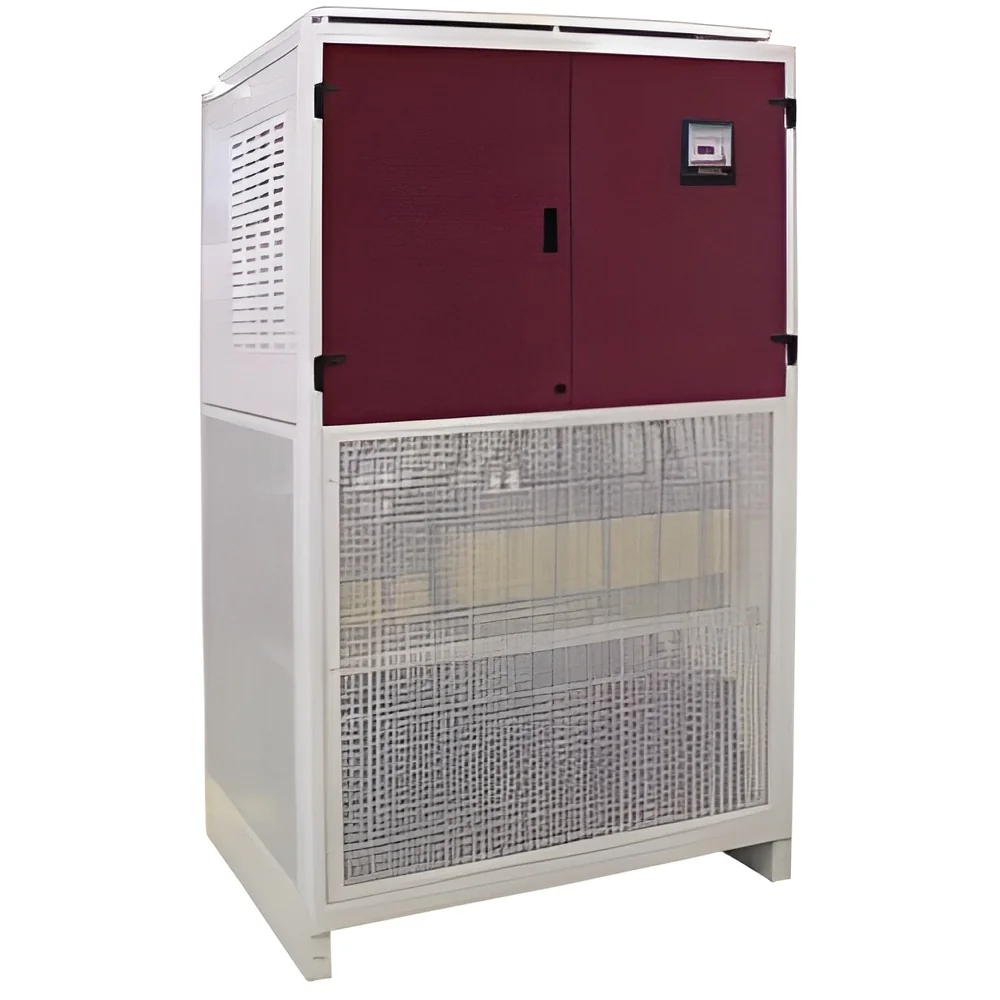
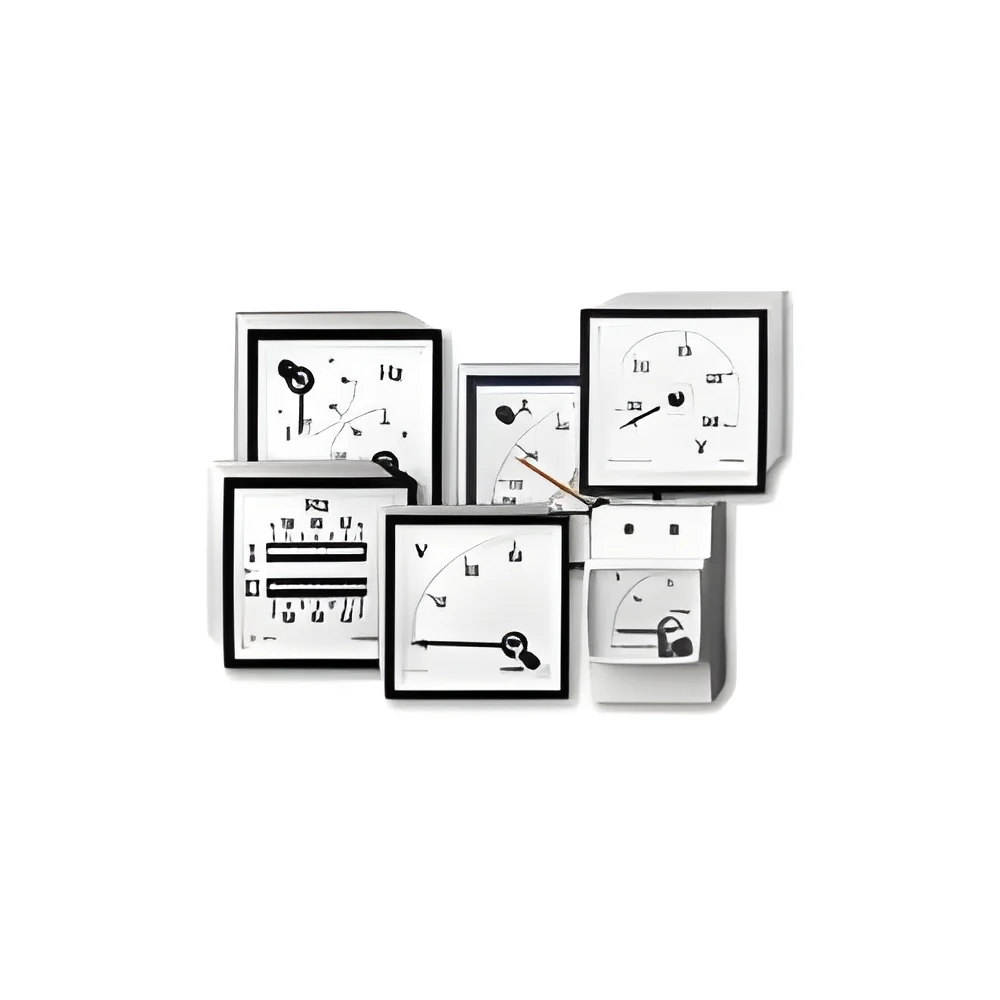
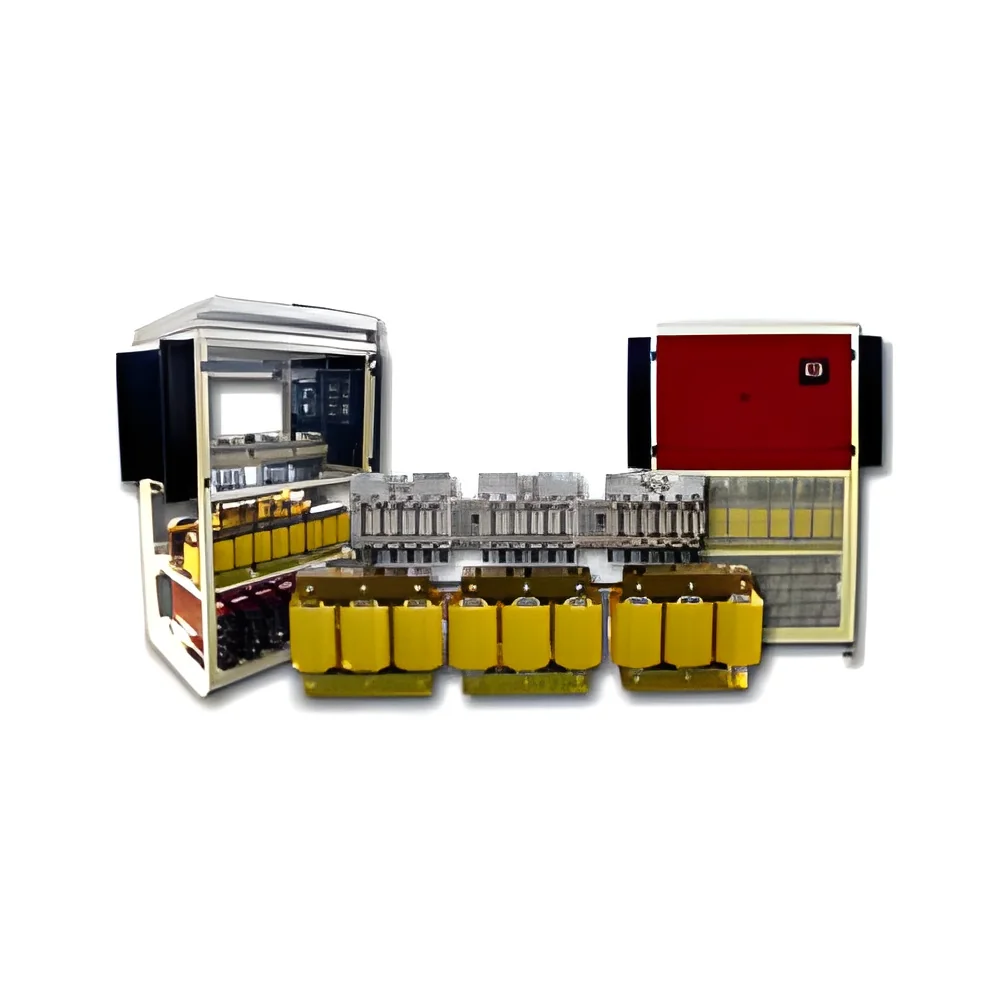
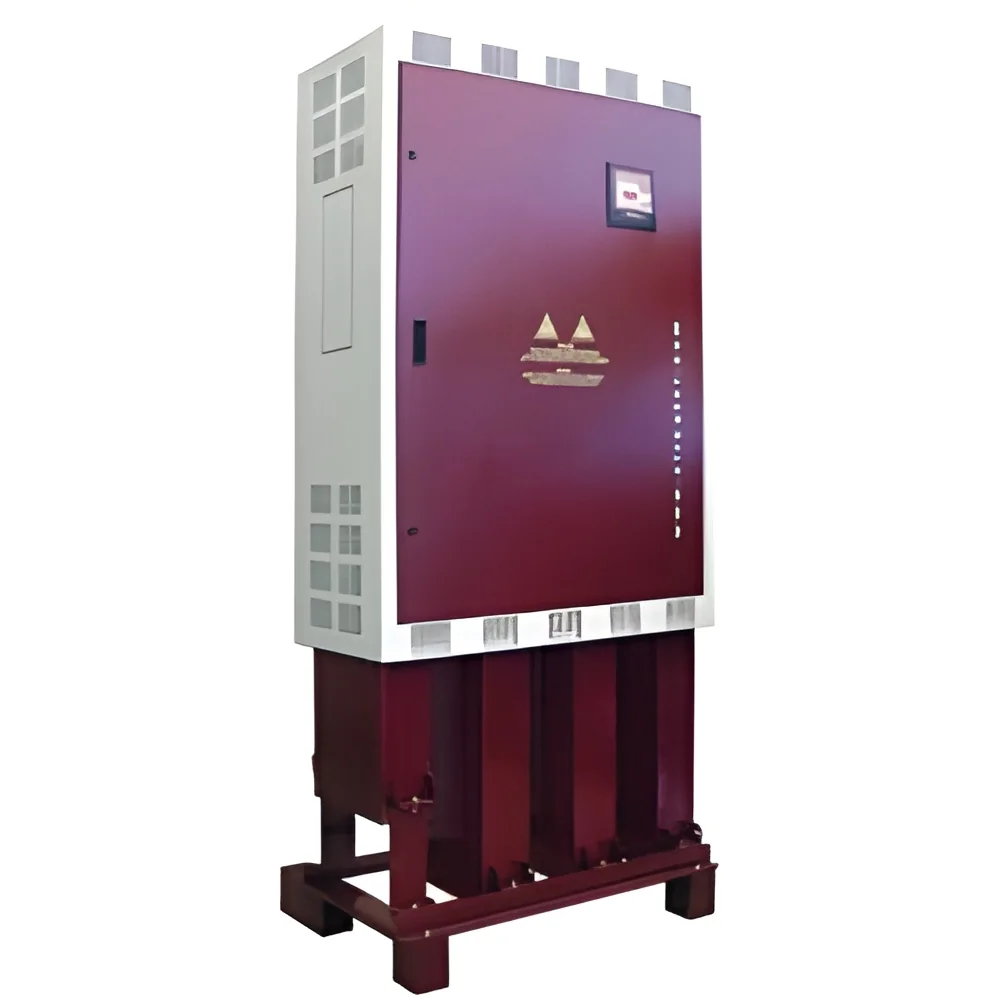
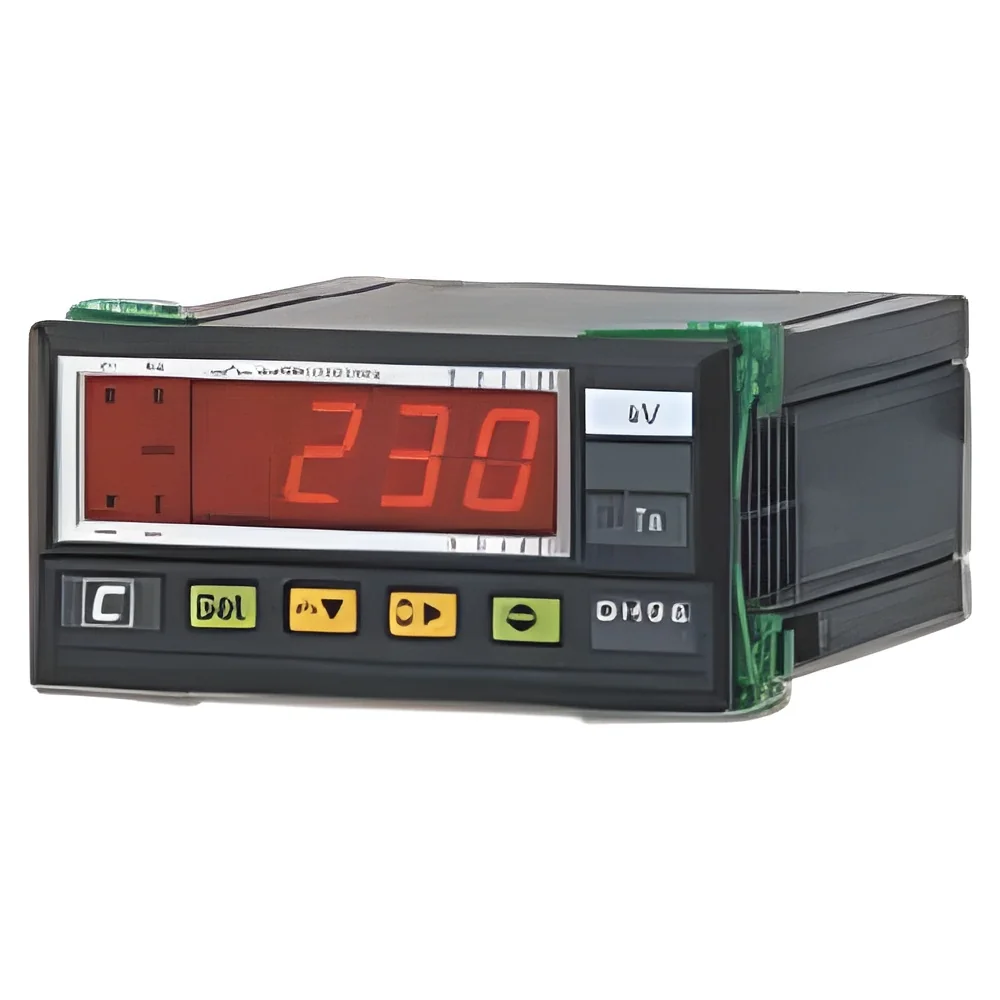
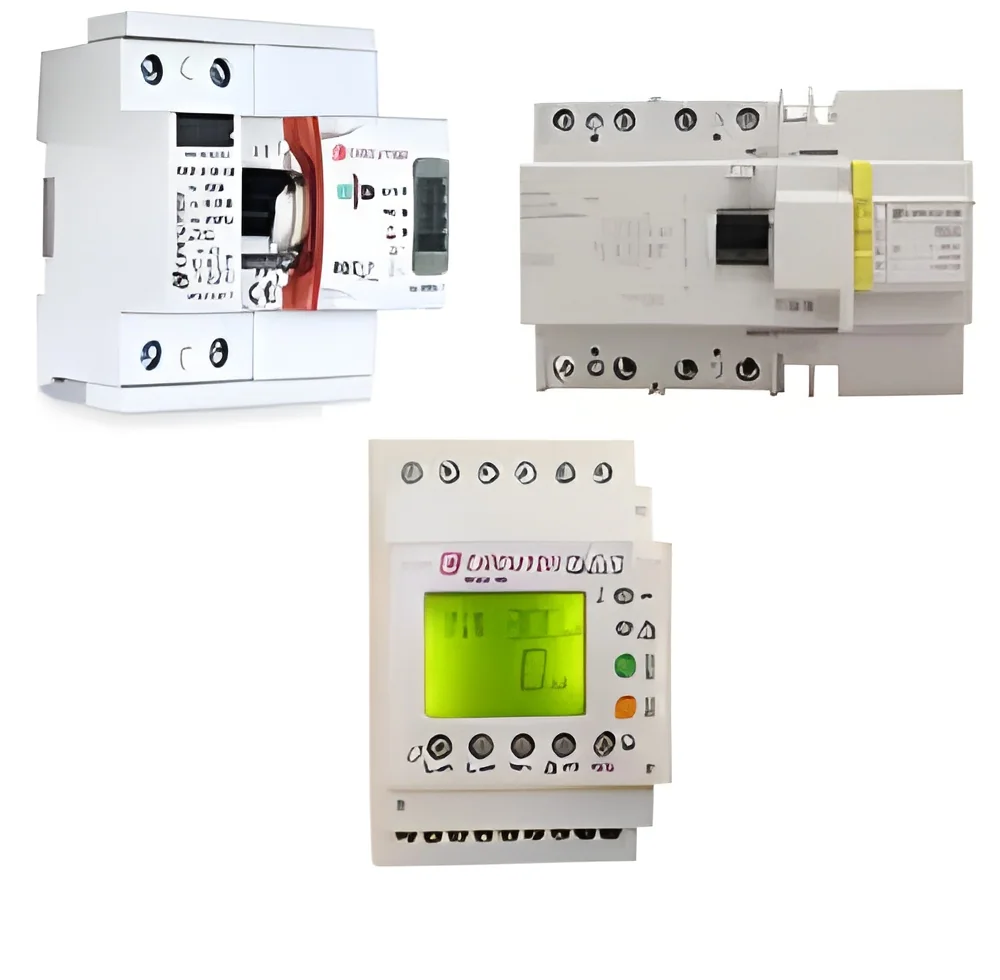
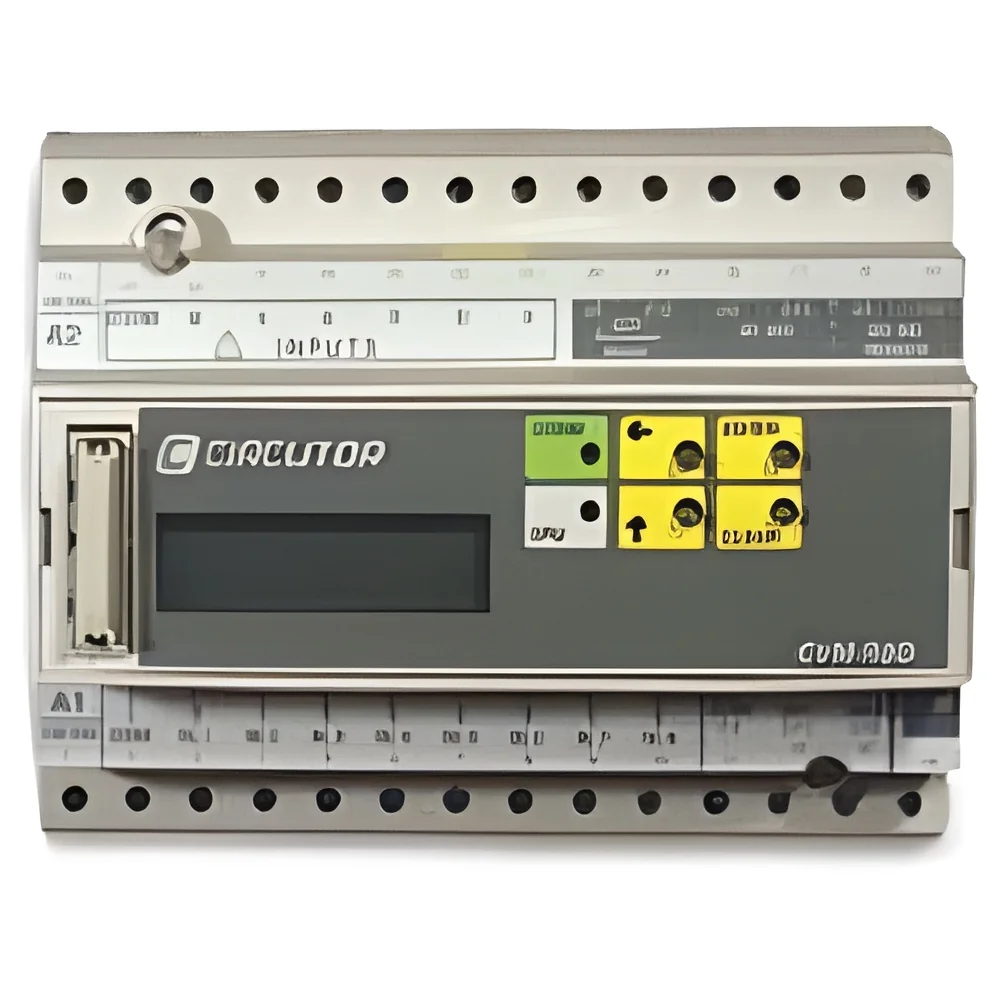
Industrial Maximum Demand Controllers are sophisticated energy management systems designed to monitor and control electrical demand in real-time. These devices help businesses avoid exceeding utility-set maximum demand limits, which can result in substantial financial penalties and inefficient energy consumption. By continuously tracking power usage and automatically shedding non-essential loads when demand approaches predefined thresholds, these controllers ensure operational efficiency while significantly reducing energy costs. With features including customizable setpoints, real-time alerts, and seamless integration capabilities, they provide a comprehensive solution for organizations seeking to optimize their energy footprint and enhance operational reliability across various facilities.

These controllers serve critical roles across multiple industries including manufacturing, healthcare, commercial real estate, hospitality, and data centers. Manufacturing facilities utilize them ...
Industrial Maximum Demand Controllers are sophisticated energy management systems designed to monitor and control electrical demand in real-time. These devices help businesses avoid exceeding utility-set maximum demand limits, which can result in substantial financial penalties and inefficient energy consumption. By continuously tracking power usage and automatically shedding non-essential loads when demand approaches predefined thresholds, these controllers ensure operational efficiency while significantly reducing energy costs. With features including customizable setpoints, real-time alerts, and seamless integration capabilities, they provide a comprehensive solution for organizations seeking to optimize their energy footprint and enhance operational reliability across various facilities.

These controllers serve critical roles across multiple industries including manufacturing, healthcare, commercial real estate, hospitality, and data centers. Manufacturing facilities utilize them to manage heavy machinery loads and prevent sudden demand surges that could disrupt operations. Healthcare institutions implement these systems to prioritize critical medical equipment while controlling ancillary power loads. Commercial buildings integrate them with HVAC and lighting systems for optimized energy utilization. Data centers depend on these controllers to balance cooling requirements with server loads, ensuring uninterrupted service delivery. Their adaptability makes them suitable for any high-energy-consumption environment focused on minimizing operational costs and improving energy accountability.

Investing in Industrial Maximum Demand Controllers delivers measurable business value through reduced electricity bills, avoidance of demand penalties, and extended equipment lifespan through managed usage patterns. Their proven reliability across diverse operational conditions stems from robust construction and precise monitoring capabilities. These systems support compliance with energy regulations and sustainability objectives, positioning them as strategic assets for cost-conscious businesses. The straightforward operation and minimal maintenance requirements ensure long-term performance consistency and return on investment, making them essential for organizations committed to both financial savings and responsible energy management practices.

Key Features:
- Real-time power monitoring with precise demand tracking capabilities
- Automated load shedding functionality to prevent demand limit breaches
- Customizable setpoints and adjustable thresholds for operational flexibility
- Seamless integration with existing energy management and building systems
- Durable industrial-grade construction suitable for demanding environments

Benefits:
- Significant reduction in electricity costs through peak demand management
- Elimination of utility penalty charges for exceeding contracted demand limits
- Extended equipment lifespan through controlled and optimized usage patterns
- Enhanced operational reliability with continuous power monitoring and alerts
- Support for sustainability goals with improved energy efficiency and reporting
Specifications
| Additional Information | |
|---|---|
| Country of Origin | India |
| Customisable | No |
Application
Industrial Maximum Demand Controllers provide real-time monitoring and automatic load control to prevent exceeding utility demand limits. They help facilities avoid costly peak demand charges by managing electrical consumption efficiently. These systems are essential for maintaining operational stability and reducing energy expenses in high-consumption environments.
These controllers are widely used across manufacturing, commercial real estate, healthcare, education, and data centers. They enable precise load management during peak periods, enhance equipment longevity, and support automated energy reporting. Their robust design ensures reliable performance in demanding industrial and commercial settings.
- Manufacturing plants schedule heavy machinery operation during off-peak hours to minimize demand charges
- Commercial buildings control HVAC and lighting systems based on real-time electrical load monitoring
- Hospitals manage non-critical loads to ensure uninterrupted power for essential medical equipment
- Data centers optimize cooling system operation to maintain energy efficiency during high server loads
- Educational institutions integrate controllers with campus building management systems for centralized energy control
Trade Details
| Available Stock | In Stock |
| Sample Availability | No |
Payment Terms
| Payment Terms |
|
Company Profile

Circutor India, Karnataka
 Karnataka, India
Karnataka, IndiaElectronics & Electrical•Manufacturer•Trading Company•Importer / Exporter
Factory Details
Factory SizeBelow 1000 sqm
Annual Production Capacity0
Industrial Maximum Demand Controller For Energy Cost Reduction
Industrial Maximum Demand Controller monitors and controls peak electricity usage to reduce energy costs and avoid penalties. Ideal for manufacturing plants, commercial buildings, and large facilities requiring reliable power management solutions.
Min. Order Quantity: 1 unit
Shipping
Shipping fee and delivery date to be negotiated. Contact supplier now for more details.
Circutor India
 Karnataka, India
Karnataka, IndiaElectronics & ElectricalManufacturer