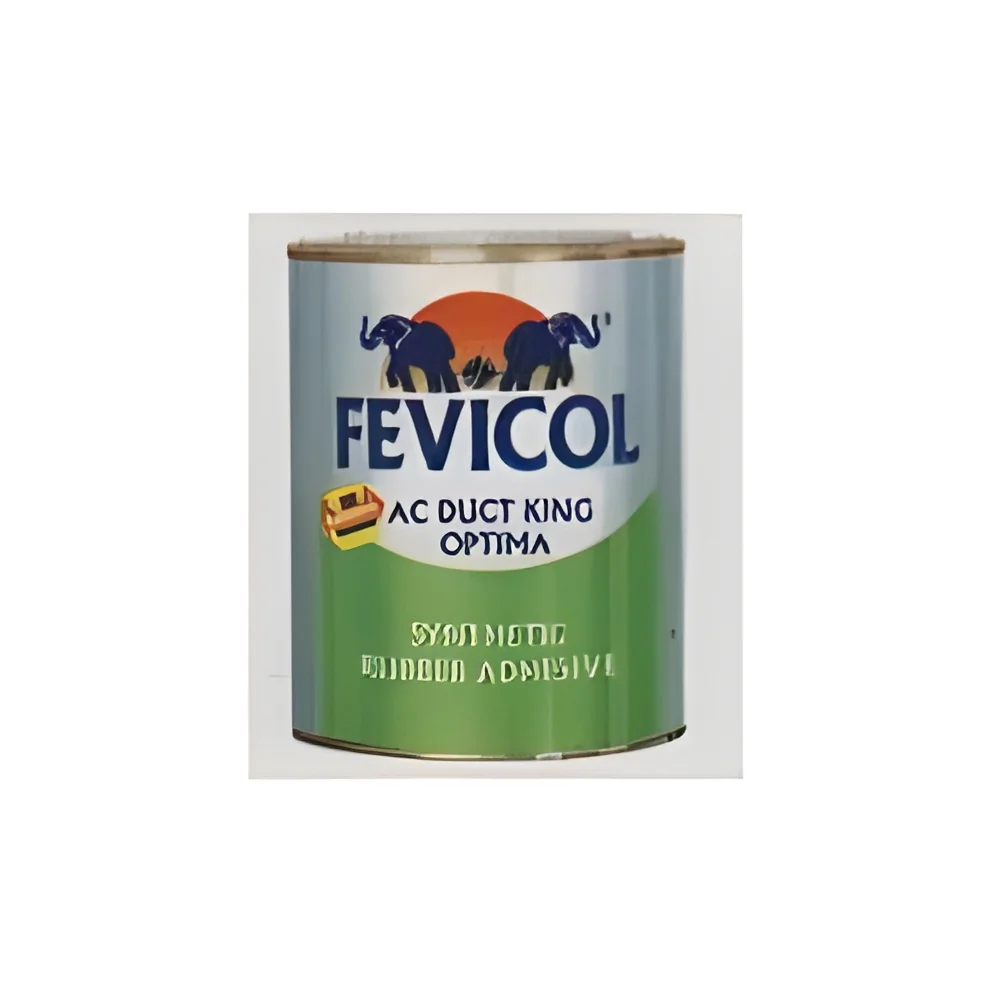
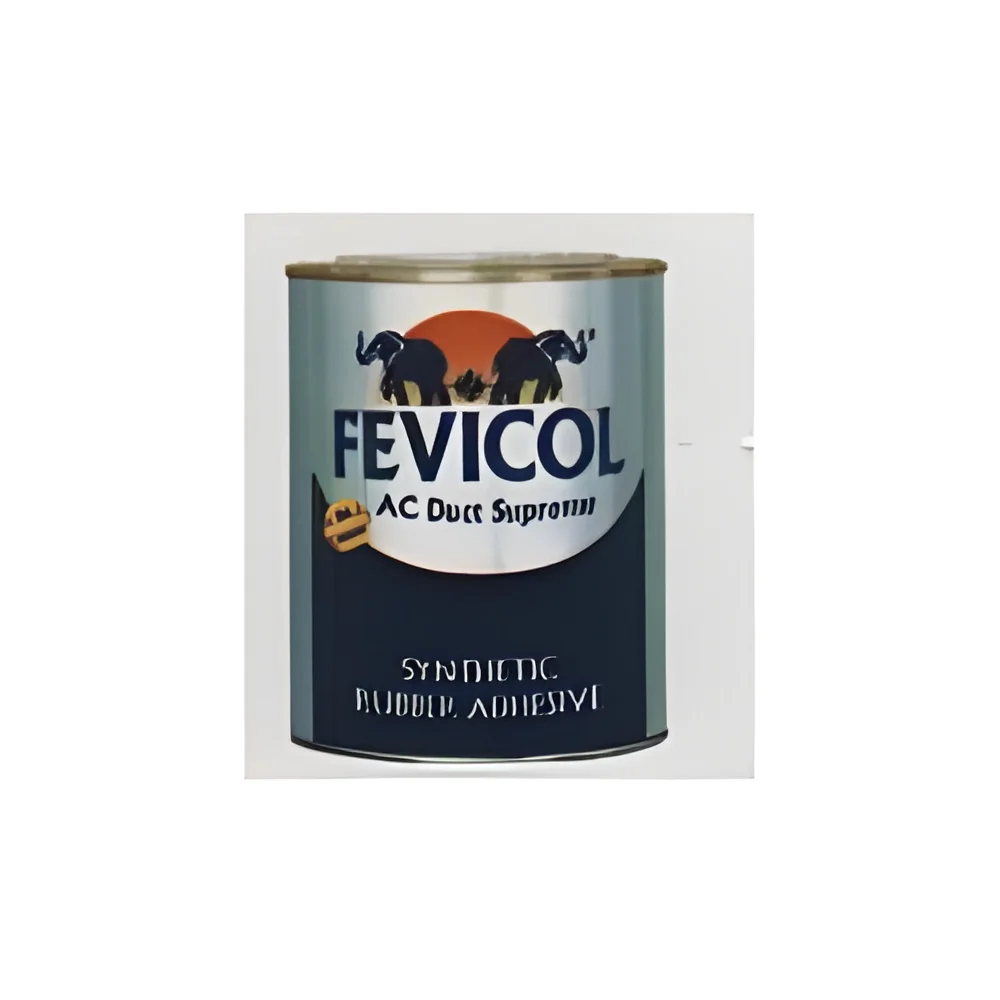
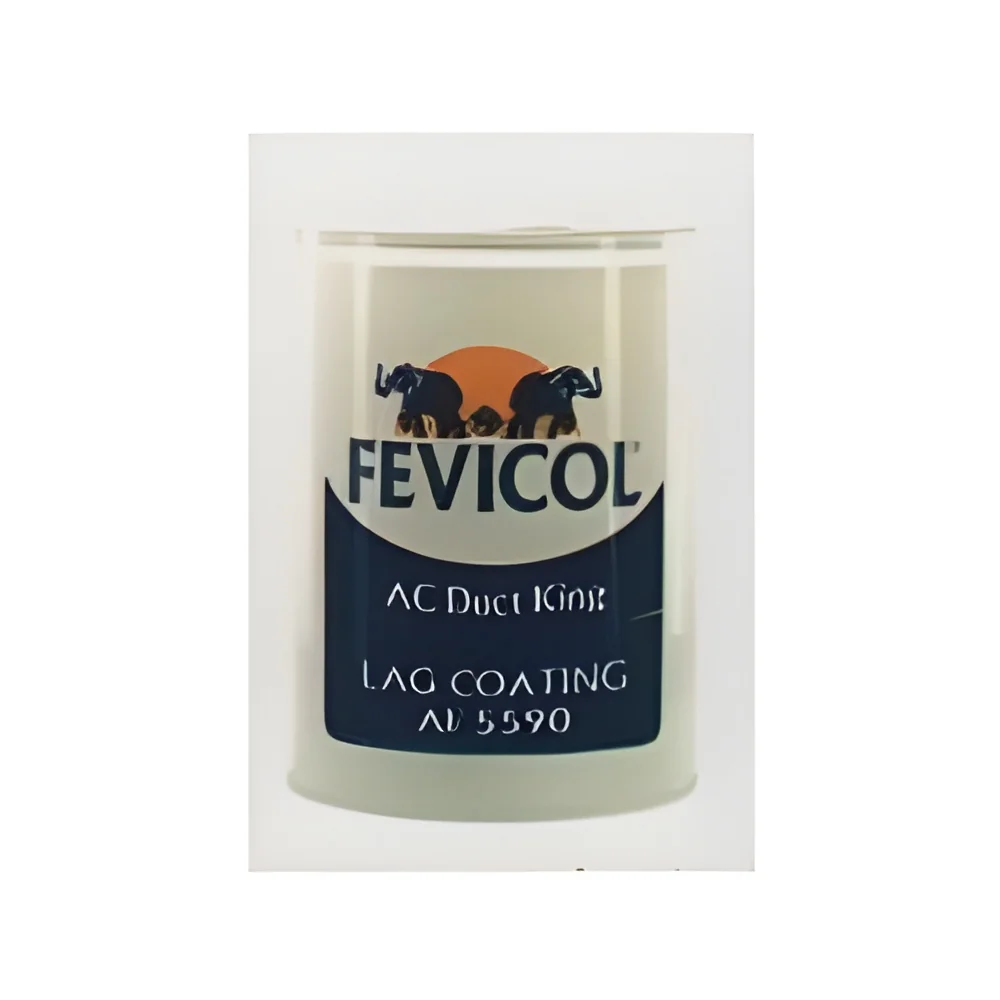
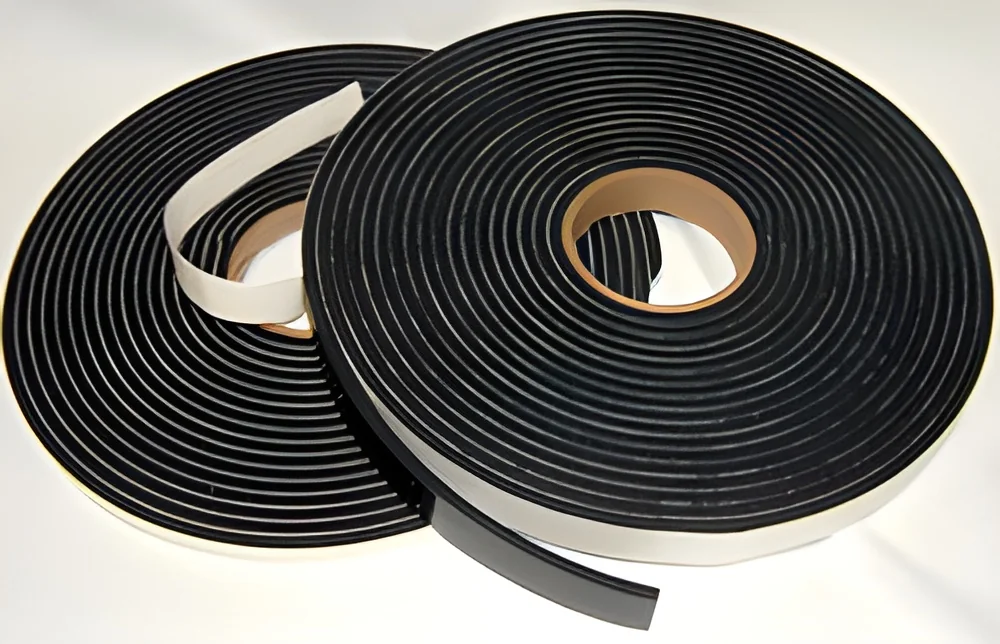
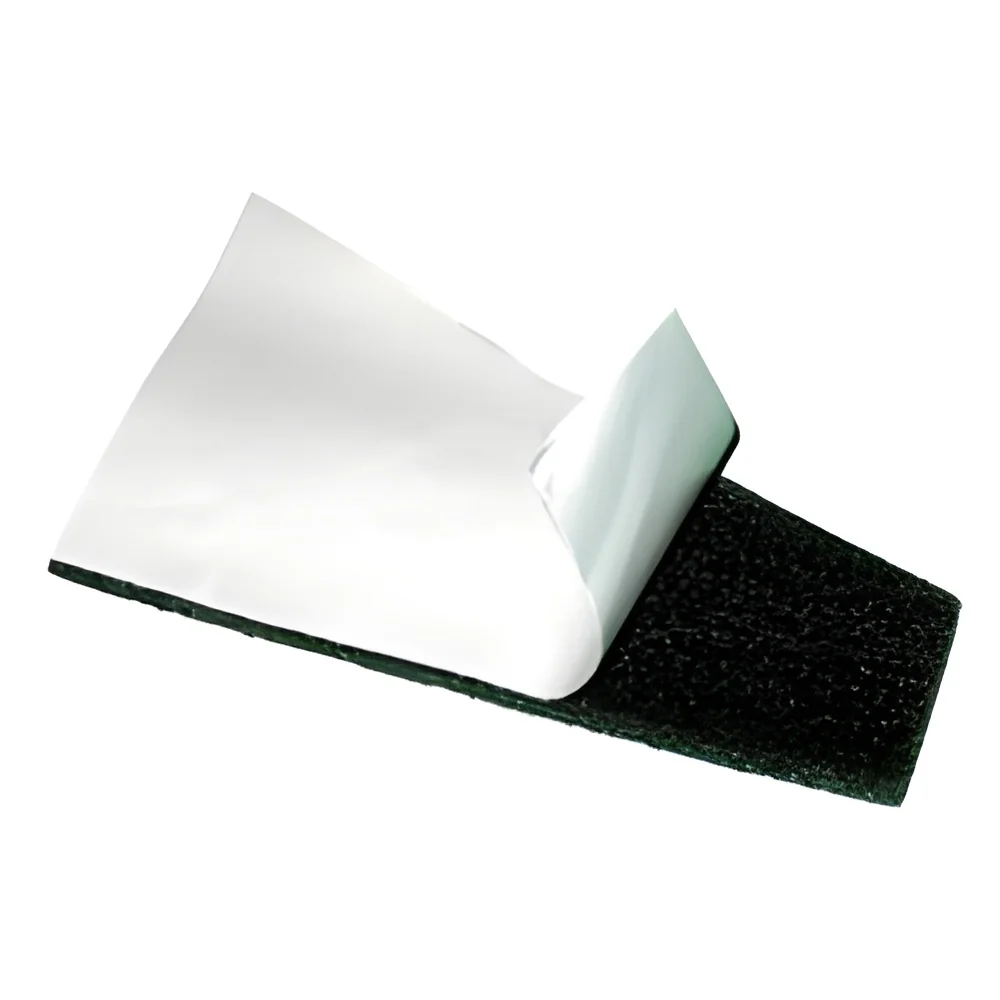
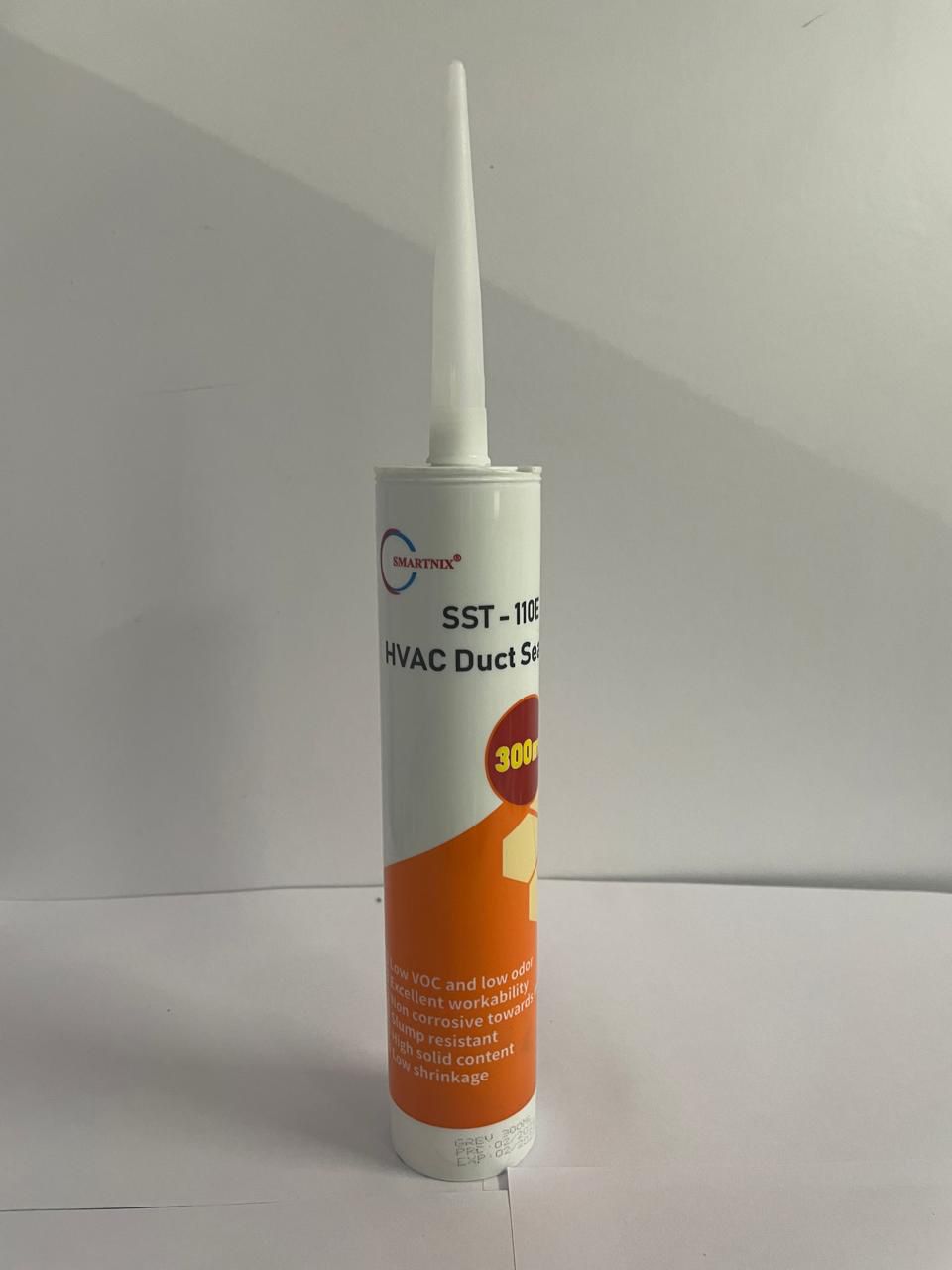
What are Duct Sealants & Adhesives?
Duct sealants and adhesives are specialized compounds designed to create airtight and watertight seals in HVAC ductwork and other industrial applications. These products help to prevent air leaks, ensuring that systems operate at peak efficiency. They can be used to bond materials together or to seal joints, seams, and gaps in duct systems. The effectiveness of duct sealants and adhesives is critical in maintaining energy efficiency and optimizing the performance of heating, ventilation, and air conditioning systems.
The primary applications of duct sealants and adhesives are found in HVAC installations, construction projects, and various manufacturing processes. They are commonly used in residential, commercial, and industrial settings to ensure that air and fluid movement is controlled and efficient. By minimizing leaks, these products contribute to lower energy costs and improved indoor air quality. In an increasingly energy-conscious market, the relevance of duct sealants and adhesives continues to grow, making them essential components in many industrial operations.
Key Features and Specifications
Duct sealants and adhesives come with a range of features and specifications tailored to meet the specific needs of various applications. Understanding these specifications can help businesses choose the right product for their requirements.
Key specifications include:
1. Adhesion Strength
- This measures the ability of the sealant to bond materials together.
- Typically ranges from moderate to high strength based on the formulation.
2. Temperature Resistance
- Indicates the range of temperatures the sealant can withstand without losing effectiveness.
- Commonly rated for use in temperatures from -20°F to 200°F.
3. Cure Time
- Refers to the time required for the sealant to set and achieve full strength.
- This can vary from a few minutes to several hours depending on the product.
4. Flexibility
- Measures how well the sealant can accommodate movement without cracking.
- Important for systems that may expand or contract with temperature changes.
5. Chemical Resistance
- Indicates the sealant's ability to resist degradation from exposure to various chemicals.
- Essential in industrial environments where exposure to solvents and oils may occur.
6. VOC Content
- Refers to the volatile organic compound levels in the product.
- Low VOC options are available for environmentally conscious applications.
7. Application Method
- Specifies whether the product can be applied with a caulking gun, brush, or spray.
- Different methods may be more suitable for various project requirements.
8. Compliance Standards
- Indicates adherence to relevant industry standards and regulations.
- Ensures that the product meets safety and performance criteria.
In summary, choosing the right duct sealant or adhesive involves understanding these key specifications to ensure optimal performance and compatibility with specific applications.
Common Applications and Use Cases
Duct sealants and adhesives serve a variety of industries, each requiring specific characteristics based on their unique applications.
1. HVAC Industry: In heating, ventilation, and air conditioning systems, these products are used to seal joints and seams in ductwork, preventing energy loss and maintaining efficiency.
2. Construction: Sealants are utilized in building projects to bond materials and provide weatherproofing for various structures, enhancing durability and performance.
3. Automotive: In automotive manufacturing, duct sealants are used to seal air intake systems and exhaust components, ensuring optimal engine performance and emissions control.
4. Aerospace: These products are critical for sealing and bonding components in aircraft, where weight and aerodynamics are essential.
5. Marine: Sealants are used in boat construction and repair to create waterproof seals that protect against corrosion and moisture damage.
6. Industrial Manufacturing: In manufacturing processes, duct sealants are applied to machinery and equipment to prevent leaks and ensure operational efficiency.
7. Food and Beverage: In food processing facilities, sealants that comply with safety standards are used to seal ducts and equipment, ensuring hygiene and preventing contamination.
Product Variants and Subcategories
Duct sealants and adhesives come in various formulations, each designed to meet specific application needs.
Acrylic Sealants
These are water-based options that provide good adhesion and flexibility. They are easy to apply and clean up, making them suitable for indoor applications and DIY projects.
Silicone Sealants
Silicone sealants offer excellent temperature resistance and flexibility. They are ideal for outdoor use and applications requiring exposure to moisture and varying temperatures.
Polyurethane Sealants
These are known for their strong adhesion and durability. They are often used in industrial applications where heavy-duty performance is required.
Latex Sealants
Latex-based sealants are easy to work with and can be painted over after curing. They are suitable for residential applications where aesthetics are important.
Benefits and Advantages
Duct sealants and adhesives provide numerous benefits that enhance operational efficiency and performance.
1. Energy Efficiency: By sealing leaks in ductwork, these products help reduce energy consumption, leading to lower utility bills.
2. Improved Air Quality: Proper sealing prevents dust and contaminants from entering the air system, promoting healthier indoor environments.
3. Durability: Many duct sealants are designed to withstand harsh conditions, ensuring long-lasting performance in various applications.
4. Versatility: Sealants can be used in a wide range of industries and applications, making them a valuable addition to any toolkit.
5. Cost-Effectiveness: Investing in quality duct sealants and adhesives can save businesses money over time by reducing energy costs and maintenance requirements.
6. Easy Application: Many products are user-friendly, allowing for quick and efficient application without the need for specialized tools.
Buying Guide for B2B Buyers
When sourcing duct sealants and adhesives, it is important to consider several key factors to ensure the best fit for your business needs.
1. Quality Assessment: Look for products that meet industry standards and have been tested for performance. Reviews and certifications can provide insights into product reliability.
2. Supplier Verification: Ensure that suppliers are reputable and have a history of providing quality products. Check for references and customer feedback.
3. Pricing and MOQ: Be aware of the pricing structure and minimum order quantities. This helps in budgeting and ensuring that you do not overstock or face supply shortages.
4. Delivery and Lead Times: Consider the logistics involved in obtaining the products. Check lead times to ensure timely delivery for your projects.
5. Compliance Requirements: Make sure the products meet relevant regulatory standards for your industry. This is crucial for safety and legal compliance.
Compliance and Certifications
Duct sealants and adhesives must adhere to various quality standards and certifications to ensure safety and performance.
ISO 9001 is a standard that outlines effective quality management systems. Products meeting this standard demonstrate a commitment to quality and continuous improvement.
CE marking indicates compliance with European health, safety, and environmental protection standards, which is critical for products sold within the EU.
Safety and testing requirements are also essential. Products should undergo rigorous testing to ensure they meet performance specifications under various conditions.
Regional compliance considerations may apply depending on where the products will be used. Buyers should familiarize themselves with local regulations to ensure adherence.
Why Source Duct Sealants & Adhesives from Pepagora?
Pepagora provides a trusted platform for sourcing duct sealants and adhesives, offering several key advantages to B2B buyers.
Verified Supplier Network: We maintain a network of verified suppliers who are committed to quality and reliability. This helps buyers find trusted products without the hassle of extensive vetting.
Streamlined RFQ Process: Our request for quotation system allows buyers to easily obtain competitive pricing and product information from multiple suppliers, saving time and effort.
Trade Assurance and Support: Pepagora offers buyer protection through trade assurance, ensuring that transactions are secure and that buyers receive the products as described.
Regional Coverage: With a focus on India, the GCC, and Southeast Asia, Pepagora provides access to a wide range of products and suppliers, catering to diverse market needs.

 IN
IN


 India
India