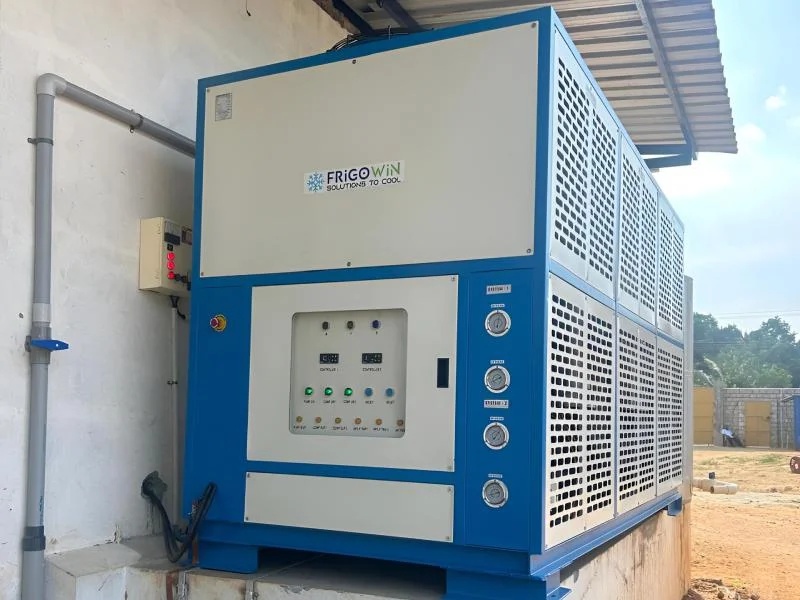
What are Cooling Towers (FRP, Wooden)?
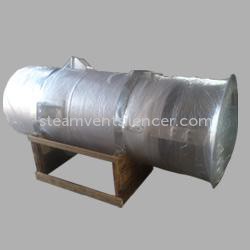
Cooling towers are heat rejection devices that dissipate heat from industrial processes to the atmosphere. They operate on the principle of cooling water through evaporation, allowing warm water to lose heat and return to a cooler state. The two common types of cooling towers are FRP (Fiberglass Reinforced Plastic) and wooden cooling towers. FRP cooling towers are known for their durability and resistance to corrosion, while wooden cooling towers are often chosen for their traditional construction and natural insulation properties.
These cooling towers are primarily used in various industrial applications, including power generation, chemical processing, and HVAC systems. They play a vital role in maintaining optimal operating temperatures for equipment and processes, ensuring efficiency and longevity. As industries increasingly focus on sustainability and energy efficiency, the demand for effective cooling solutions like FRP and wooden cooling towers continues to grow.
In the current market context, cooling towers are essential for industries that require significant heat management. With rising energy costs and stricter environmental regulations, businesses are looking for advanced cooling technologies that offer reliable performance while minimizing environmental impact. The cooling tower market is evolving, with innovations aimed at enhancing efficiency and reducing water consumption.
𝗞𝗲𝘆 𝗙𝗲𝗮𝘁𝘂𝗿𝗲𝘀 𝗮𝗻𝗱 𝗦𝗽𝗲𝗰𝗶𝗳𝗶𝗰𝗮𝘁𝗶𝗼𝗻𝘀
Cooling towers come with various features and specifications that cater to different industrial needs. The choice between FRP and wooden options can depend on several factors, including durability, maintenance, and installation requirements.
Key specifications include:
1. Material Type
- FRP cooling towers are lightweight and corrosion-resistant.
- Wooden cooling towers are constructed from treated timber for insulation.
2. Capacity
- Cooling towers are available in various capacities to suit different applications.
- Typical capacities range from small units for commercial use to larger systems for industrial applications.
3. Design Configuration
- Crossflow and counterflow designs are common, affecting performance and installation.
- Each design has distinct advantages in terms of cooling efficiency and space requirements.
4. Fan Type
- Cooling towers may utilize axial or centrifugal fans.
- Fan choice impacts airflow efficiency and noise levels.
5. Heat Exchanger Area
- The surface area available for heat exchange is crucial for cooling performance.
- Larger heat exchanger areas can enhance cooling efficiency.
6. Water Distribution System
- Effective water distribution systems ensure uniform cooling across the tower.
- Options may include spray nozzles or gravity-fed systems.
7. Noise Level
- Noise emissions can be a concern in urban settings.
- Selecting low-noise models can enhance workplace comfort.
8. Maintenance Requirements
- Different materials come with varying maintenance needs.
- FRP cooling towers typically require less maintenance than wooden towers.
In summary, understanding these specifications can help businesses select the most suitable cooling tower for their specific operational needs.
𝗖𝗼𝗺𝗺𝗼𝗻 𝗔𝗽𝗽𝗹𝗶𝗰𝗮𝘁𝗶𝗼𝗻𝘀 𝗮𝗻𝗱 𝗨𝘀𝗲 𝗖𝗮𝘀𝗲𝘀
Cooling towers have a wide range of applications across various industries, ensuring efficient heat management.
1. Power Generation: Cooling towers are essential in power plants, where they help dissipate heat generated during electricity production.
2. Chemical Processing: In chemical manufacturing, cooling towers control temperatures during reactions, ensuring safety and efficiency.
3. HVAC Systems: Many commercial buildings utilize cooling towers to manage the temperature of air conditioning systems, improving energy efficiency.
4. Food Processing: Cooling towers are used in food production to regulate temperatures during cooling processes, ensuring product safety.
5. Data Centers: These facilities require cooling towers to manage heat generated by servers and equipment, maintaining optimal operating conditions.
6. Oil and Gas: Cooling towers are utilized in oil refineries to dissipate heat from various processes, enhancing safety and productivity.
7. Textile Industry: In textile manufacturing, cooling towers help regulate temperatures in dyeing and finishing processes.
𝗣𝗿𝗼𝗱𝘂𝗰𝘁 𝗩𝗮𝗿𝗶𝗮𝗻𝘁𝘀 𝗮𝗻𝗱 𝗦𝘂𝗯𝗰𝗮𝘁𝗲𝗴𝗼𝗿𝗶𝗲𝘀
Cooling towers offer diversity in design and application, catering to different industrial needs.
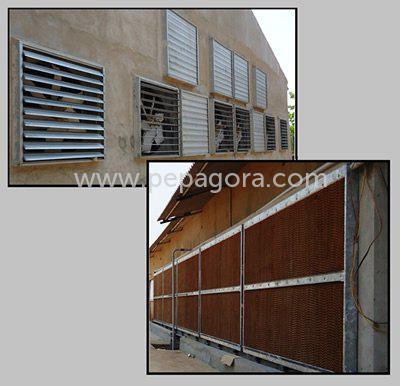
FRP Cooling Towers: These towers are made of fiberglass reinforced plastic, offering durability and resistance to corrosion. They are often lightweight and easier to install, making them suitable for various applications.
Wooden Cooling Towers: Constructed from treated timber, wooden cooling towers provide natural insulation and are often preferred for their traditional appearance. They are typically used in industries where aesthetics are important or in applications requiring larger heat dissipation.
𝗕𝗲𝗻𝗲𝗳𝗶𝘁𝘀 𝗮𝗻𝗱 𝗔𝗱𝘃𝗮𝗻𝘁𝗮𝗴𝗲𝘀
Choosing the right cooling tower can provide significant advantages to businesses.
1. Enhanced Efficiency: Cooling towers improve the efficiency of industrial processes by maintaining optimal temperatures.
2. Cost Savings: Efficient cooling can lead to lower energy costs and reduced operational expenses.
3. Environmental Impact: Modern cooling towers are designed to minimize water usage and reduce environmental footprints.
4. Durability: FRP cooling towers offer long-lasting performance with minimal maintenance, while wooden towers provide natural insulation.
5. Customization Options: Many manufacturers offer customization to meet specific industrial requirements.
6. Easy Installation: Lightweight designs, especially in FRP models, facilitate quicker and more straightforward installation.
𝗕𝘂𝘆𝗶𝗻𝗴 𝗚𝘂𝗶𝗱𝗲 𝗳𝗼𝗿 𝗕𝟮𝗕 𝗕𝘂𝘆𝗲𝗿𝘀
When sourcing cooling towers, several factors should be considered to ensure a successful purchase.
1. Quality Assessment: Evaluate cooling towers based on material quality, construction standards, and manufacturer reputation to ensure reliability.
2. Supplier Verification: It's essential to vet suppliers for their credibility, experience, and customer reviews to ensure a trustworthy partnership.
3. Pricing and MOQ: Understand the pricing structures and minimum order quantities to align with budget constraints and project needs.
4. Delivery and Lead Times: Confirm delivery schedules and lead times to ensure timely project execution without delays.
5. Compliance Requirements: Verify compliance with local regulations and industry standards to avoid legal issues and ensure safety.
𝗖𝗼𝗺𝗽𝗹𝗶𝗮𝗻𝗰𝗲 𝗮𝗻𝗱 𝗖𝗲𝗿𝘁𝗶𝗳𝗶𝗰𝗮𝘁𝗶𝗼𝗻𝘀
Cooling towers must adhere to specific industry standards and certifications to ensure quality and safety.
Relevant quality standards include ISO 9001, which outlines requirements for quality management systems. Compliance with HACCP and GDP is also vital in industries like food processing to guarantee safety and quality.
Industry certifications such as CE signify that the cooling towers meet European safety and environmental requirements. Additionally, manufacturers must adhere to safety and testing standards to ensure the performance and reliability of cooling towers.
Regional compliance considerations can vary, so it is crucial for buyers to be aware of local regulations that may affect installation and operation.
Why Source Cooling Towers (FRP, Wooden) from Pepagora?
Pepagora is a trusted platform for sourcing cooling towers, offering several key advantages to B2B buyers.
Verified Supplier Network: Pepagora maintains a network of verified suppliers, ensuring that buyers have access to quality products from reputable manufacturers. This reduces the risk of purchasing substandard equipment.
Streamlined RFQ Process: The request for quotation process on Pepagora is designed to be user-friendly, allowing buyers to easily compare offers from multiple suppliers. This efficiency helps in making informed purchasing decisions.
Trade Assurance and Support: Pepagora provides trade assurance, protecting buyers' investments and ensuring that transactions are secure. The platform also offers support throughout the purchasing process, helping to resolve any issues that may arise.
Regional Coverage: With a strong presence in India, the GCC, and Southeast Asia, Pepagora provides extensive geographic reach. This allows businesses in various regions to access quality cooling towers tailored to their specific industrial needs.

 IN
IN
 India
India