
 IN
Continuous Ribbon Mixers
7 products available
What are Continuous Ribbon Mixers?
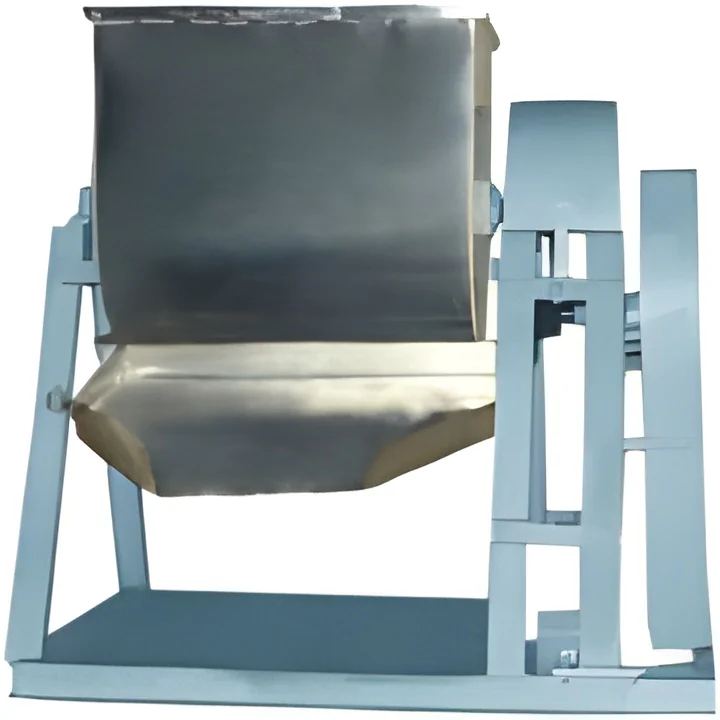
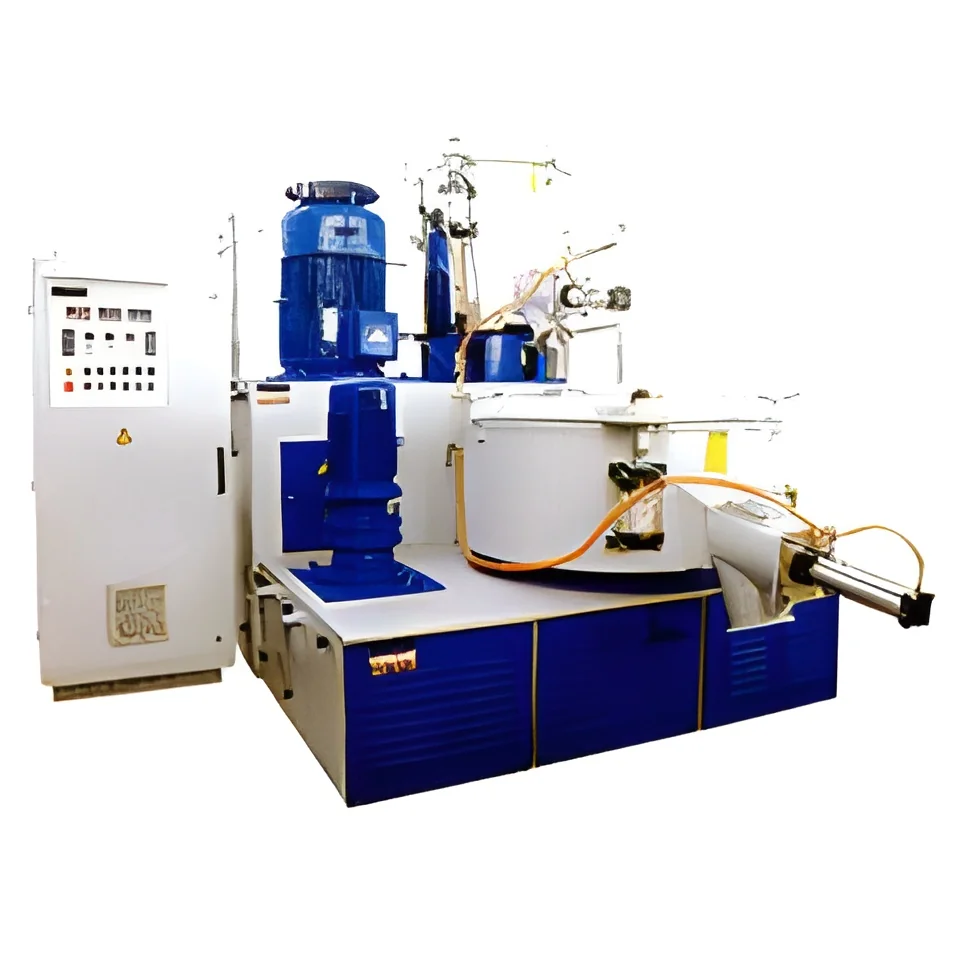
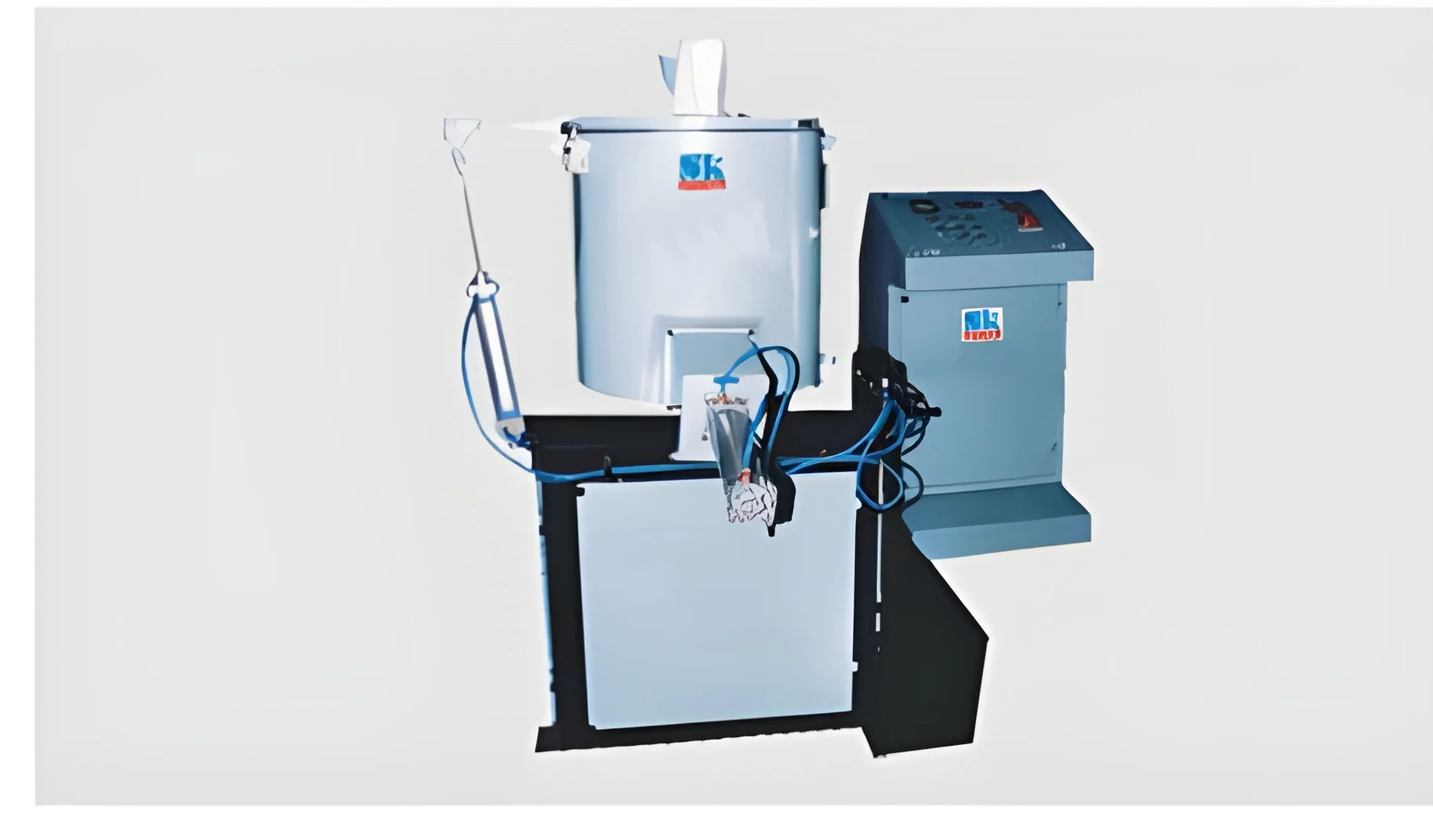
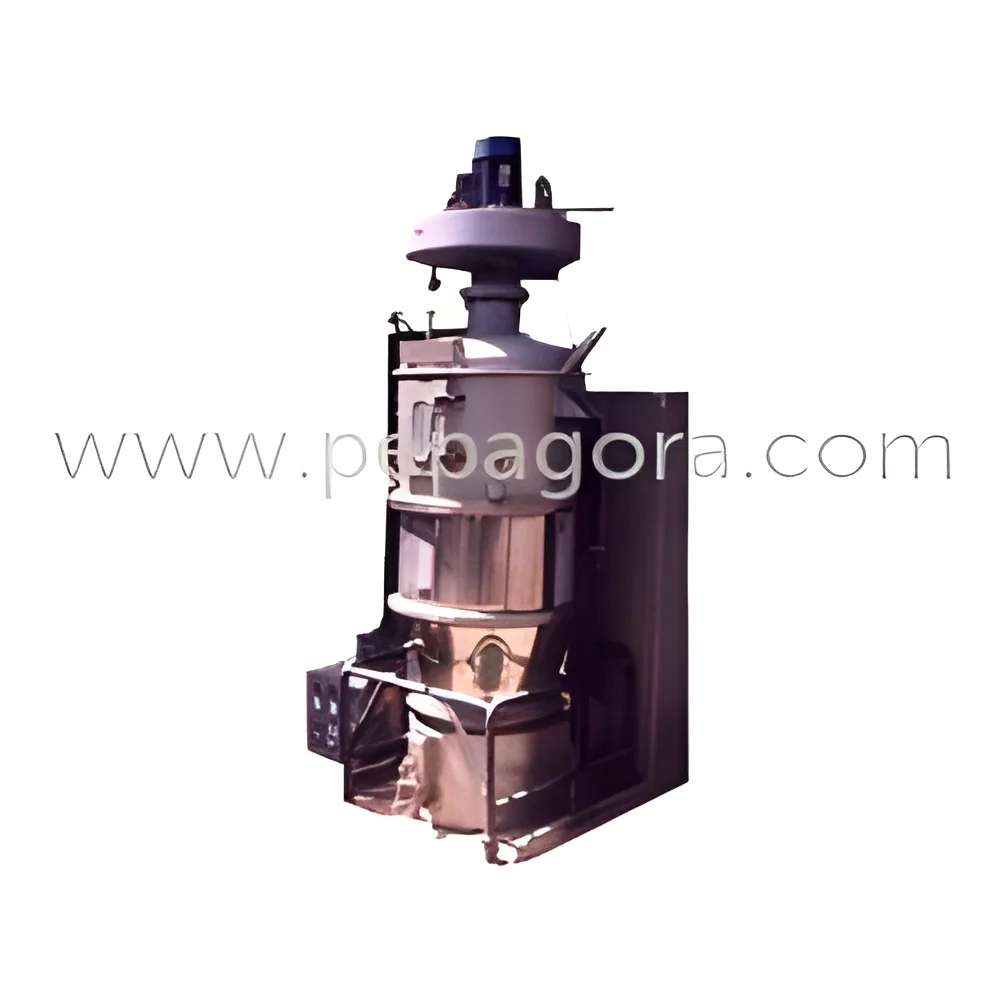
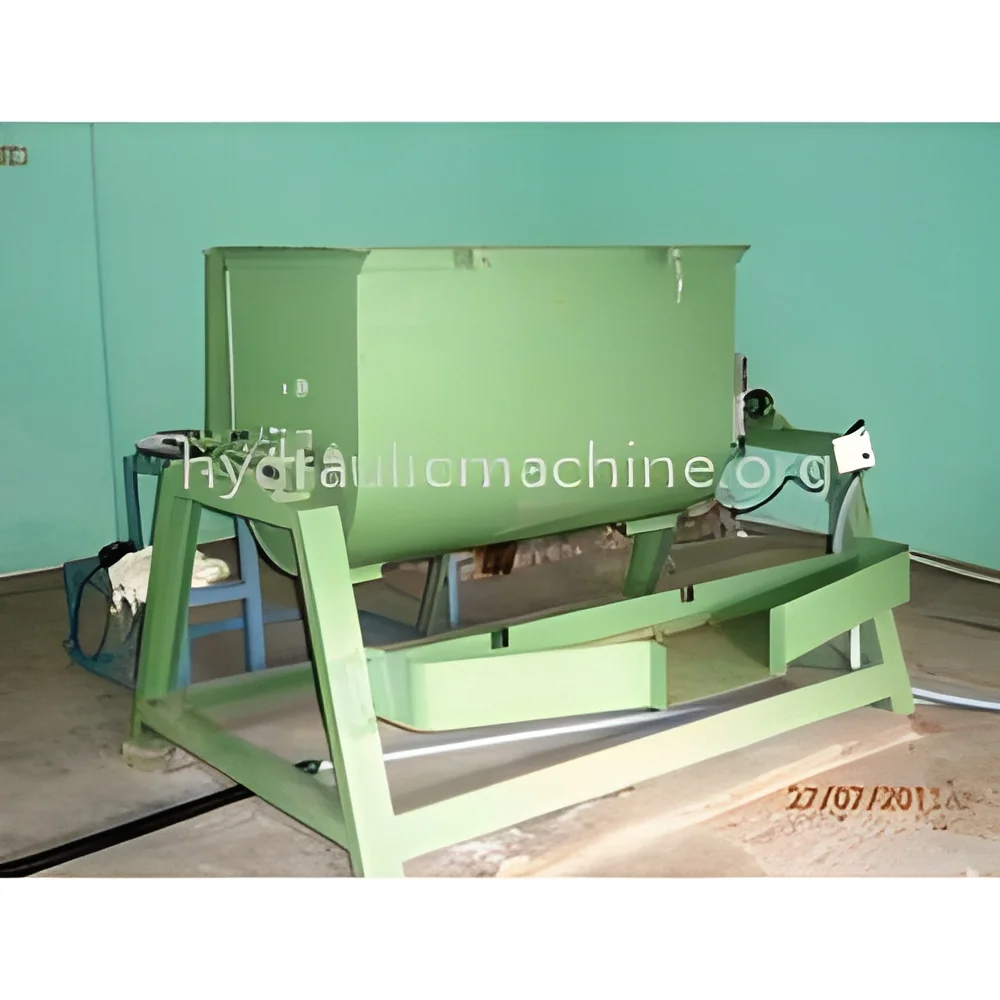
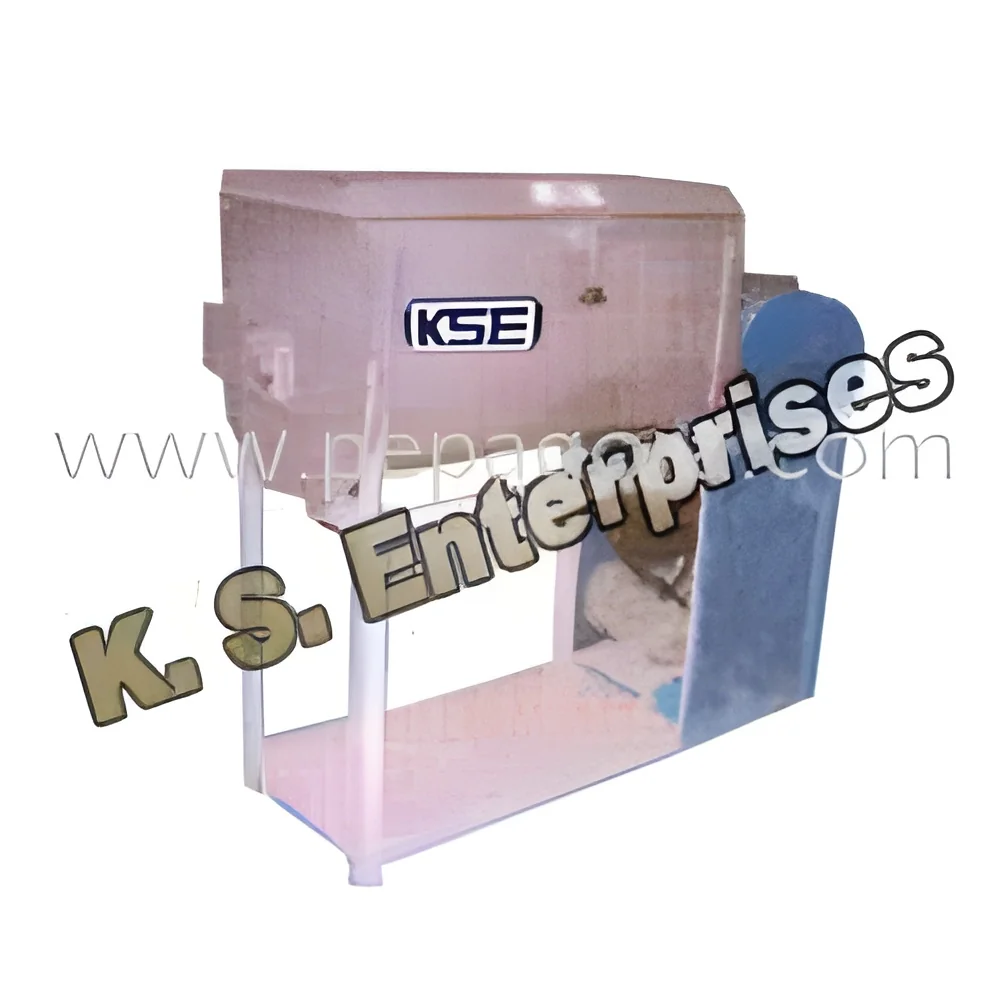
Continuous ribbon mixers are industrial mixing machines designed for the efficient blending of bulk materials. They utilize a helical ribbon agitator that moves materials through the mixing chamber in a continuous flow. This design allows for uniform mixing of powders, granules, and other bulk solids, making continuous ribbon mixers an essential piece of equipment in many production processes.
These mixers are primarily used in industries such as food processing, pharmaceuticals, chemicals, and plastics. Their ability to handle large volumes of material makes them ideal for operations that require consistent product quality and reduced processing times. Continuous ribbon mixers are particularly effective for applications that require gentle mixing without damaging fragile materials.
In the current market, continuous ribbon mixers are gaining traction due to the growing demand for efficiency and productivity in manufacturing processes. As industries increasingly focus on automation and streamlined operations, the relevance of these mixers continues to rise, making them a valuable asset for businesses looking to enhance their mixing capabilities.
Key Features and Specifications
Continuous ribbon mixers come equipped with several key features that enhance their performance and usability. These machines are designed to provide high mixing efficiency while ensuring minimal product degradation.
Key specifications include:
1. Mixing Capacity
- Varies based on model and design
- Typically ranges from 100 to 10,000 liters
2. Agitator Design
- Features a helical ribbon that provides effective mixing
- Designed to minimize dead zones and ensure uniformity
3. Material Construction
- Often made from stainless steel for durability and ease of cleaning
- Options for carbon steel or other materials based on application needs
4. Drive Mechanism
- Can be equipped with electric motors of various power ratings
- Direct drive or gear drive options available
5. Discharge Configuration
- Various discharge options such as slide gates or rotary valves
- Designed for efficient material flow and reduced downtime
6. Control Features
- May include automated controls for monitoring mixing parameters
- Options for batch control and continuous feed
7. Safety Features
- Includes overload protection and emergency stop functions
- Compliance with relevant safety standards
8. Size Variability
- Available in different sizes to fit specific production requirements
- Customization options may be offered by manufacturers
In summary, continuous ribbon mixers are designed with advanced features to ensure efficient and reliable mixing in various industrial applications.
Common Applications and Use Cases
Continuous ribbon mixers are utilized across multiple industries due to their versatility and efficiency.
1. Food Industry: These mixers are commonly used for blending dry ingredients such as flour, sugar, and spices. Their gentle mixing action helps maintain product integrity.
2. Pharmaceutical Industry: Continuous ribbon mixers are used to combine powders for tablets and capsules. Precise mixing is essential for ensuring consistent dosage.
3. Chemical Industry: They are employed for mixing chemicals, fertilizers, and powders, allowing for uniform consistency and quality.
4. Plastics Industry: Continuous ribbon mixers are used to blend plastic granules, ensuring an even distribution of additives and colorants.
5. Building Materials: These mixers are effective for blending raw materials like cement, sand, and aggregates for concrete production.
6. Animal Feed Production: Continuous ribbon mixers help in mixing various feed components to ensure nutritional balance and uniformity.
7. Metal Industry: Used for mixing metal powders and additives in the production of sintered components.
Product Variants and Subcategories
Continuous ribbon mixers come in various configurations to meet diverse industrial needs.
Standard Continuous Ribbon Mixer: This variant is designed for general applications and is equipped with a standard helical ribbon for effective mixing. It is suitable for a wide range of materials.
Heavy-Duty Continuous Ribbon Mixer: Engineered for more demanding applications, this variant features reinforced construction and larger capacity. It is ideal for blending heavier and more abrasive materials.
Custom Continuous Ribbon Mixer: Some manufacturers offer customizable options tailored to specific client requirements. These mixers can be designed to accommodate unique materials or mixing processes.
Benefits and Advantages
Continuous ribbon mixers offer numerous benefits that enhance operational efficiency and product quality.
1. Efficient Mixing: The design allows for thorough mixing of materials, resulting in consistent product quality.
2. High Capacity: Continuous operation enables large volumes of material to be processed quickly, reducing production time.
3. Versatility: Suitable for various materials, including powders, granules, and pastes, making them adaptable to different industries.
4. Low Maintenance: Durable construction reduces wear and tear, leading to lower maintenance costs over time.
5. Customizable Features: Options for customization allow businesses to tailor the mixer to their specific requirements, enhancing usability.
6. Improved Safety: Incorporation of safety features ensures operator protection and compliance with industry standards.
Buying Guide for B2B Buyers
When considering the purchase of continuous ribbon mixers, it is essential to evaluate several factors to ensure an informed decision.
1. Quality Assessment: Look for mixers that meet industry quality standards. Consider the materials used and the manufacturer's reputation for reliability.
2. Supplier Verification: Vet suppliers to ensure they have a proven track record in manufacturing and delivering high-quality mixers. Check for customer reviews and references.
3. Pricing and MOQ: Understand the pricing structure and minimum order quantities. Compare quotes from multiple suppliers to ensure competitive pricing.
4. Delivery and Lead Times: Inquire about lead times for delivery to ensure timely acquisition of equipment. Consider logistics and shipping options.
5. Compliance Requirements: Ensure the mixers comply with relevant safety and quality regulations. Check for certifications such as CE and industry standards.
Compliance and Certifications
Continuous ribbon mixers must adhere to various compliance and certification standards to ensure safety and effectiveness in industrial applications.
ISO 9001 is a widely recognized quality management standard that applies to manufacturers of continuous ribbon mixers. Adherence to this standard indicates a commitment to quality and continuous improvement processes.
In addition, CE certification is essential for equipment sold in European markets. It signifies compliance with health, safety, and environmental protection standards.
Safety and testing requirements are critical to ensure that the mixers operate efficiently without posing risks to operators or products. Manufacturers should conduct thorough testing to validate performance under various conditions.
Regional compliance considerations can vary based on local regulations. Buyers should be aware of these requirements when sourcing mixers from different regions.
Why Source Continuous Ribbon Mixers from Pepagora?
Pepagora provides a trusted platform for sourcing continuous ribbon mixers, offering several key advantages for B2B buyers.
Verified Supplier Network: Pepagora connects buyers with a network of verified suppliers, ensuring that all listed manufacturers meet stringent quality standards. This reduces the risk of sourcing subpar equipment.
Streamlined RFQ Process: The platform simplifies the request for quotation process, allowing buyers to easily compare offers from multiple suppliers. This enhances the procurement experience and saves valuable time.
Trade Assurance and Support: Pepagora offers trade assurance, providing buyers with protection throughout the purchasing process. This includes support for resolving disputes and ensuring timely fulfillment of orders.
Regional Coverage: With a focus on India, the GCC, and Southeast Asia, Pepagora caters to a diverse geographic market. This regional coverage ensures that buyers have access to local suppliers and can benefit from shorter lead times.


 India
 India
 India
 India
Frequently Asked Questions
What are Continuous Ribbon Mixers?
Continuous Ribbon Mixers are industrial equipment designed for the efficient mixing of bulk materials. They utilize a ribbon-like agitator to ensure a homogeneous blend of powders, granules, or pastes in a continuous flow process.
What are the different types of Continuous Ribbon Mixers?
There are several types of Continuous Ribbon Mixers, including single and double ribbon mixers. Single ribbon mixers are suitable for lighter materials, while double ribbon mixers provide better mixing efficiency and are ideal for heavier or more viscous substances.
How do I choose the right Continuous Ribbon Mixers?
Choosing the right Continuous Ribbon Mixer involves considering factors such as the material type, mixing capacity, and desired consistency. Additionally, evaluating the mixer’s design and construction materials can help ensure compatibility with your specific application.
What are the standard specifications for Continuous Ribbon Mixers?
Standard specifications for Continuous Ribbon Mixers typically include dimensions, mixing capacity (measured in liters or cubic feet), motor power, and material of construction. Other specifications may include the type of drive system and the mixer’s operating speed.
What is the price range for Continuous Ribbon Mixers?
The price range for Continuous Ribbon Mixers can vary widely depending on specifications, size, and manufacturer. Generally, prices can range from a few thousand to several lakhs of Indian Rupees, based on the mixer’s features and capabilities.
What quality standards apply to Continuous Ribbon Mixers?
Continuous Ribbon Mixers must comply with relevant industry standards such as ISO and CE certifications to ensure safety and performance. Manufacturers often adhere to quality control processes that guarantee the reliability and durability of their mixers.
Where can I find Continuous Ribbon Mixers suppliers in India?
You can find Continuous Ribbon Mixers suppliers in India through online B2B marketplaces like Pepagora, trade shows, and industrial equipment exhibitions. Additionally, searching for manufacturers directly can yield a list of reputable suppliers in the industry.
Can Continuous Ribbon Mixers be customized?
Yes, Continuous Ribbon Mixers can be customized to meet specific operational requirements. Customization options may include variations in size, material, and additional features such as enhanced control systems or specialized mixing elements.
What is the typical minimum order quantity for Continuous Ribbon Mixers?
The typical minimum order quantity (MOQ) for Continuous Ribbon Mixers varies by manufacturer. Generally, MOQs can range from one unit for standard models to multiple units for customized or specialized mixers.
What is the typical lead time for Continuous Ribbon Mixers?
The typical lead time for Continuous Ribbon Mixers varies based on the manufacturer's production capacity and the complexity of the order. Generally, standard models may take a few weeks, while custom orders could require several weeks to months for delivery.
Why Businesses Trust Pepagora
Thousands of companies trust Pepagora to source smarter and sell faster
Expand Your Sales Globally

Source Smarter,Grow Faster
