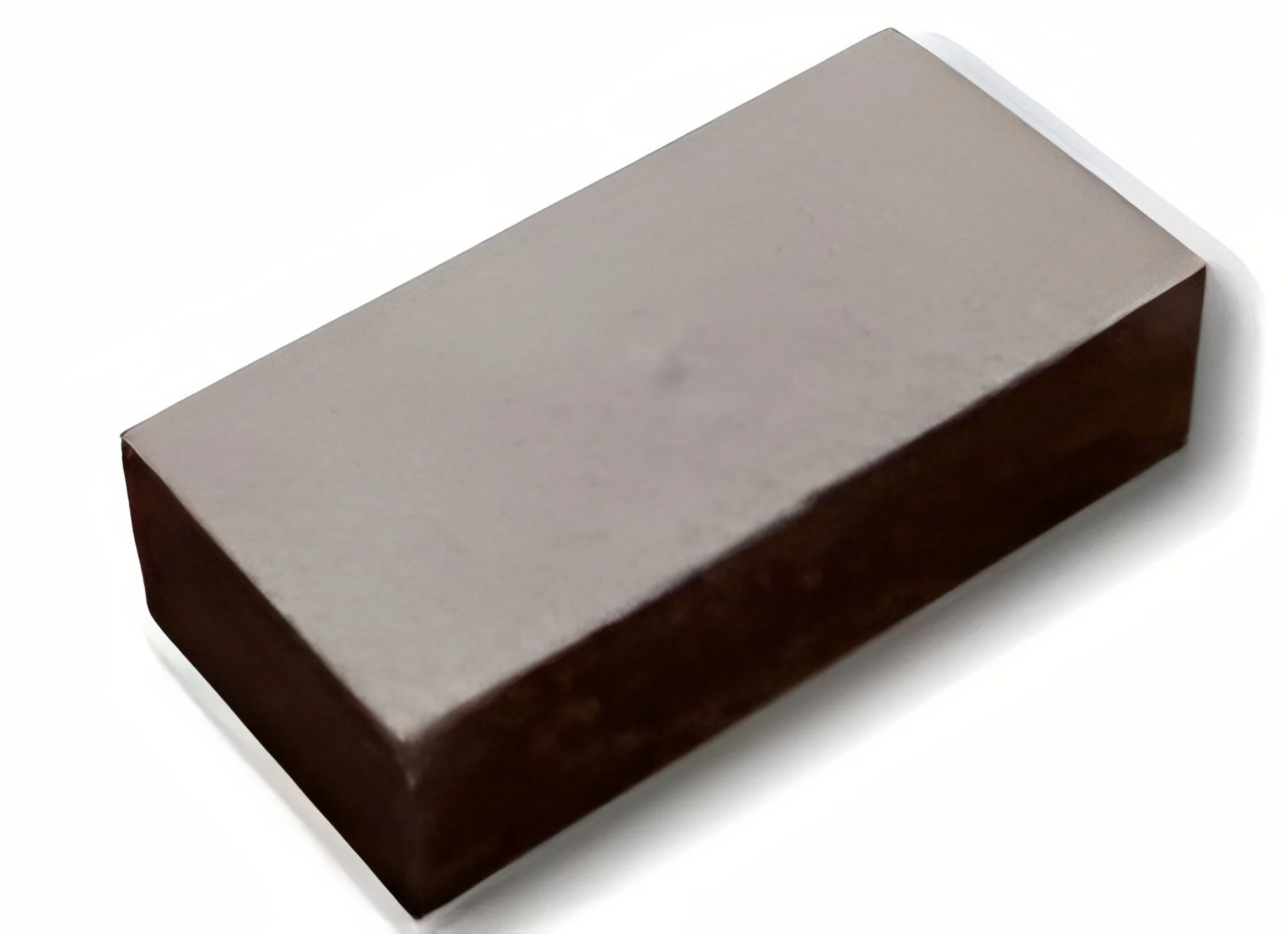
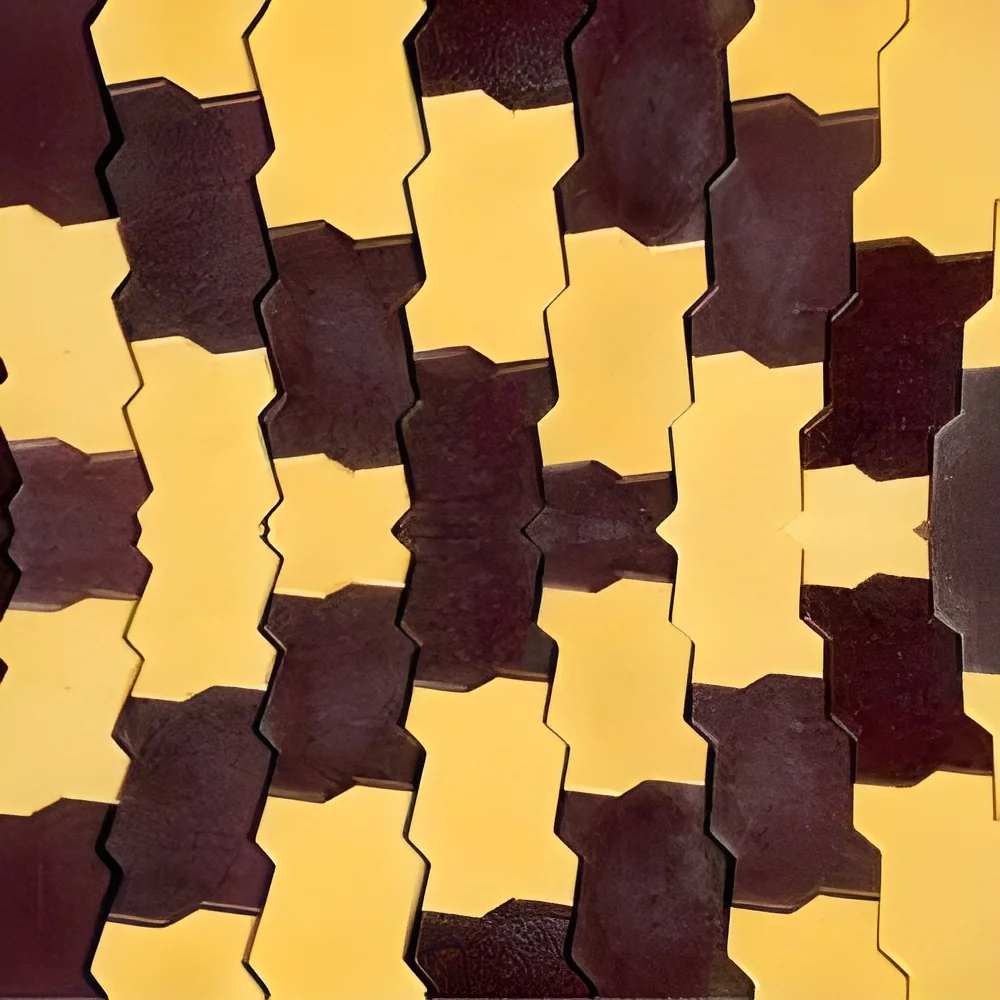
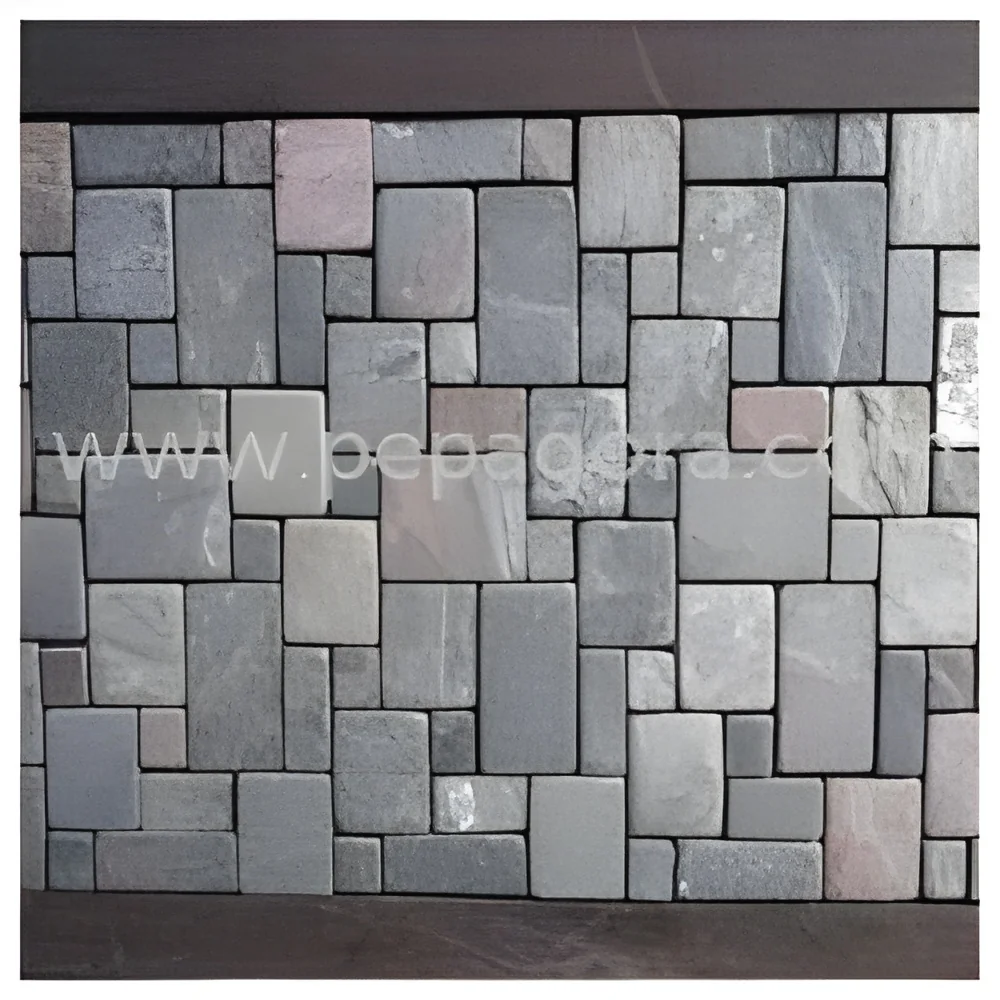
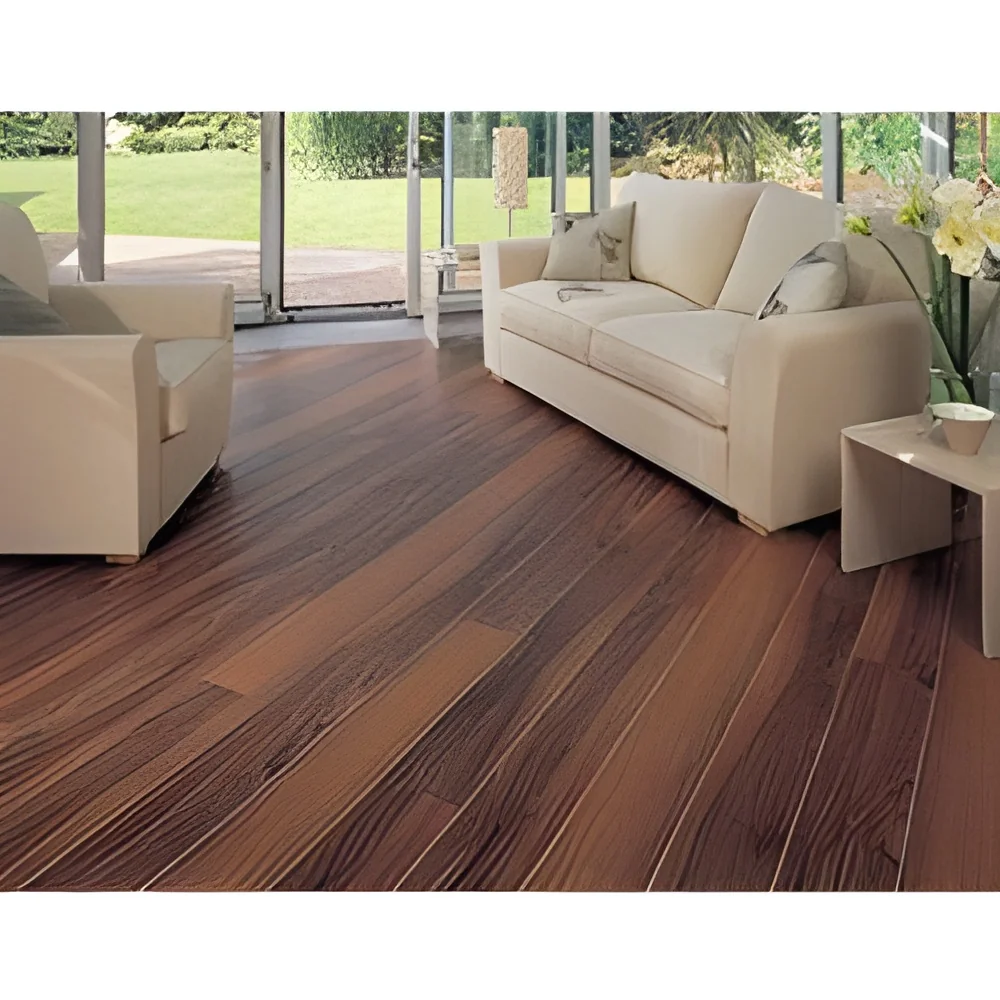
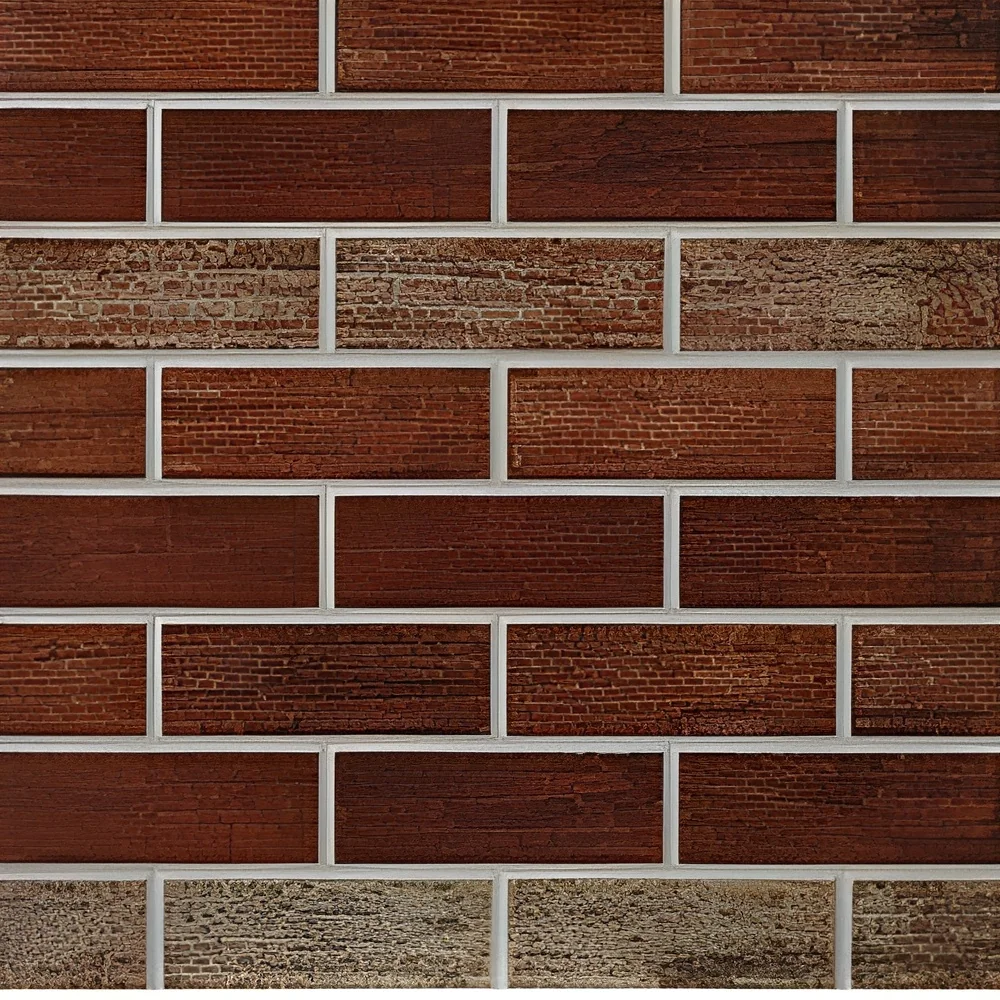
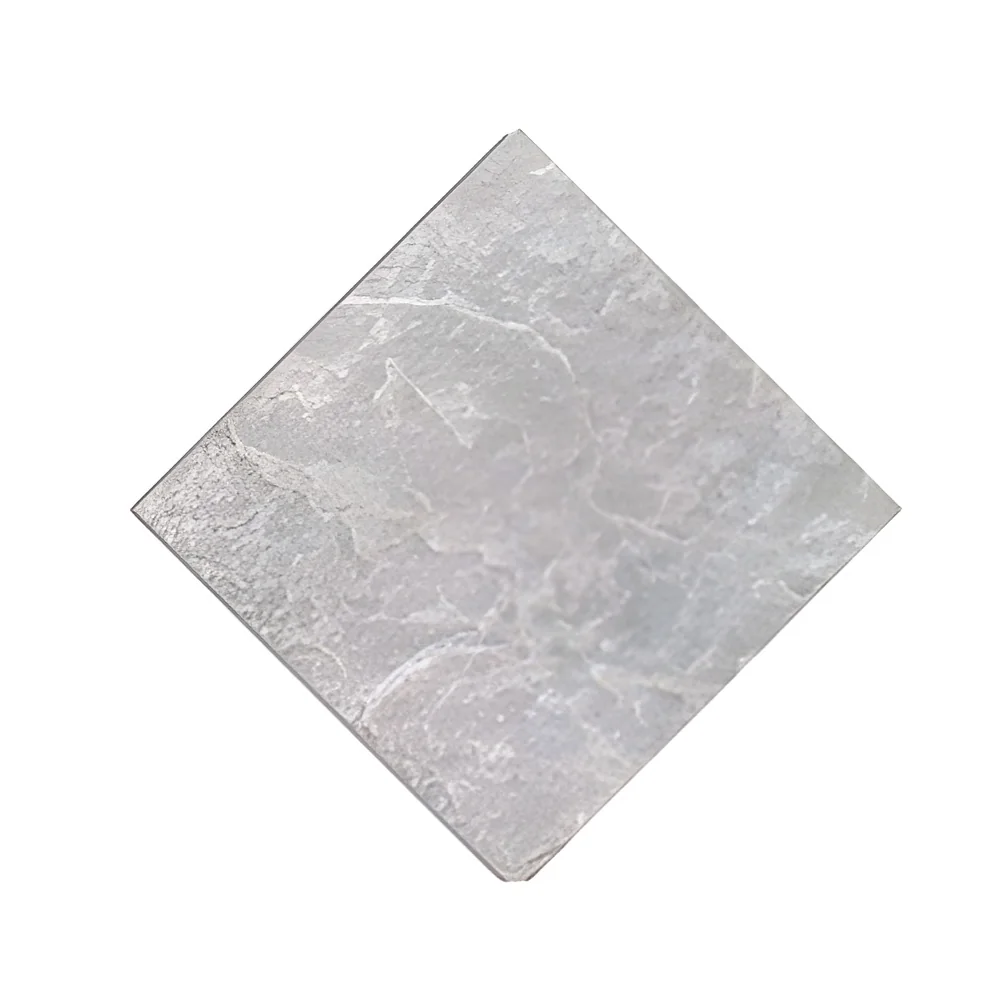
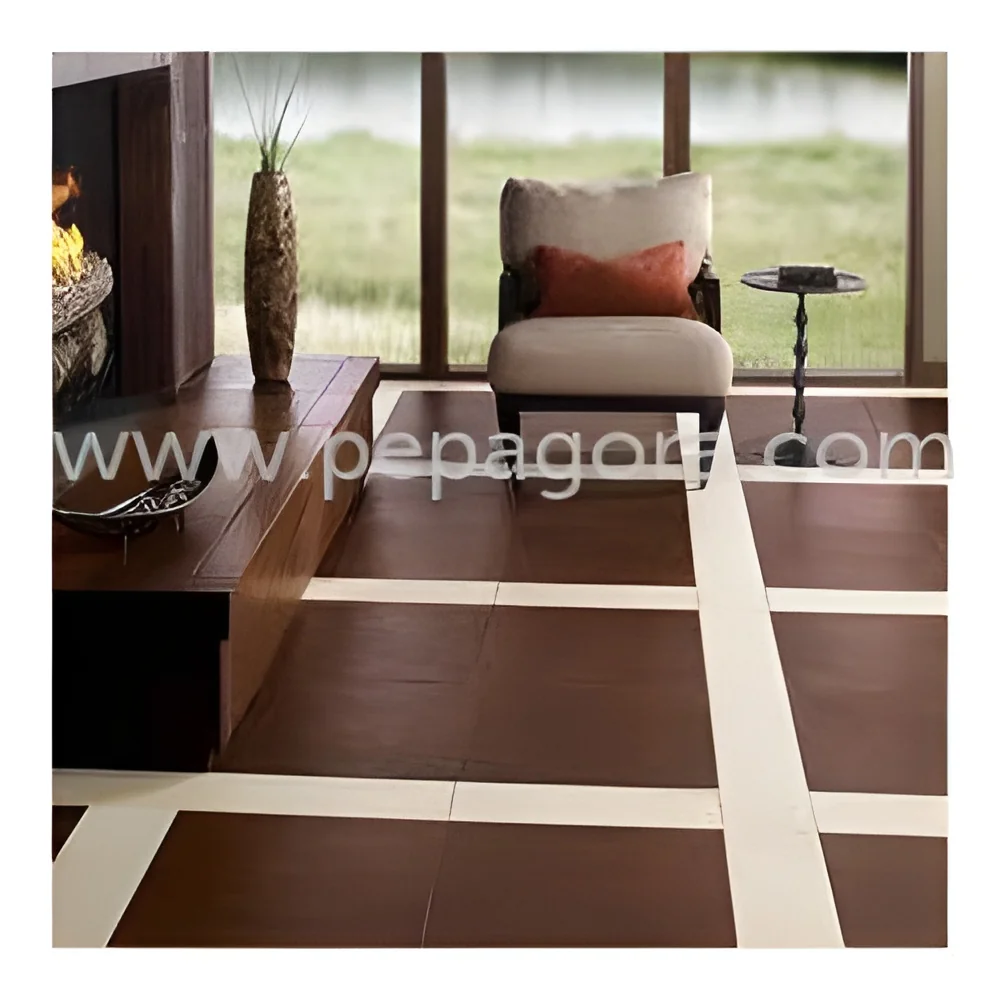
What are Ceramic Wall Tiles?
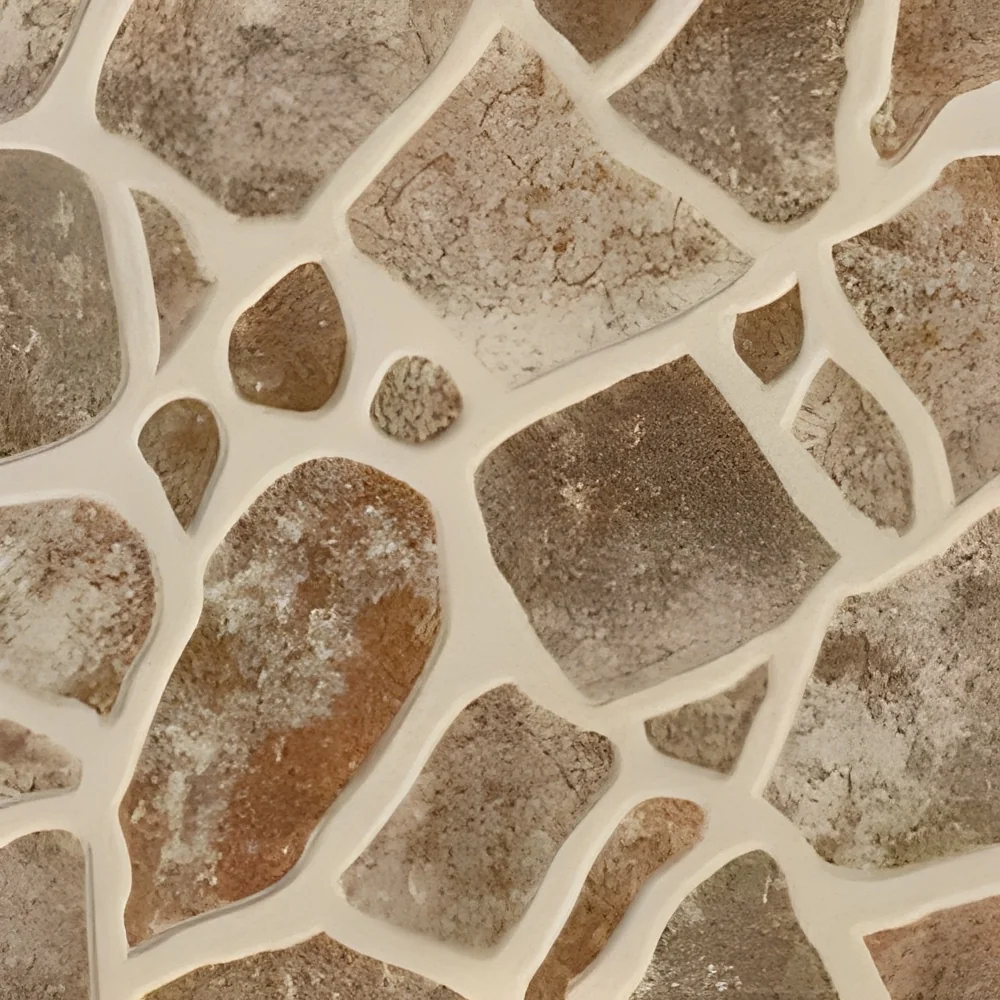
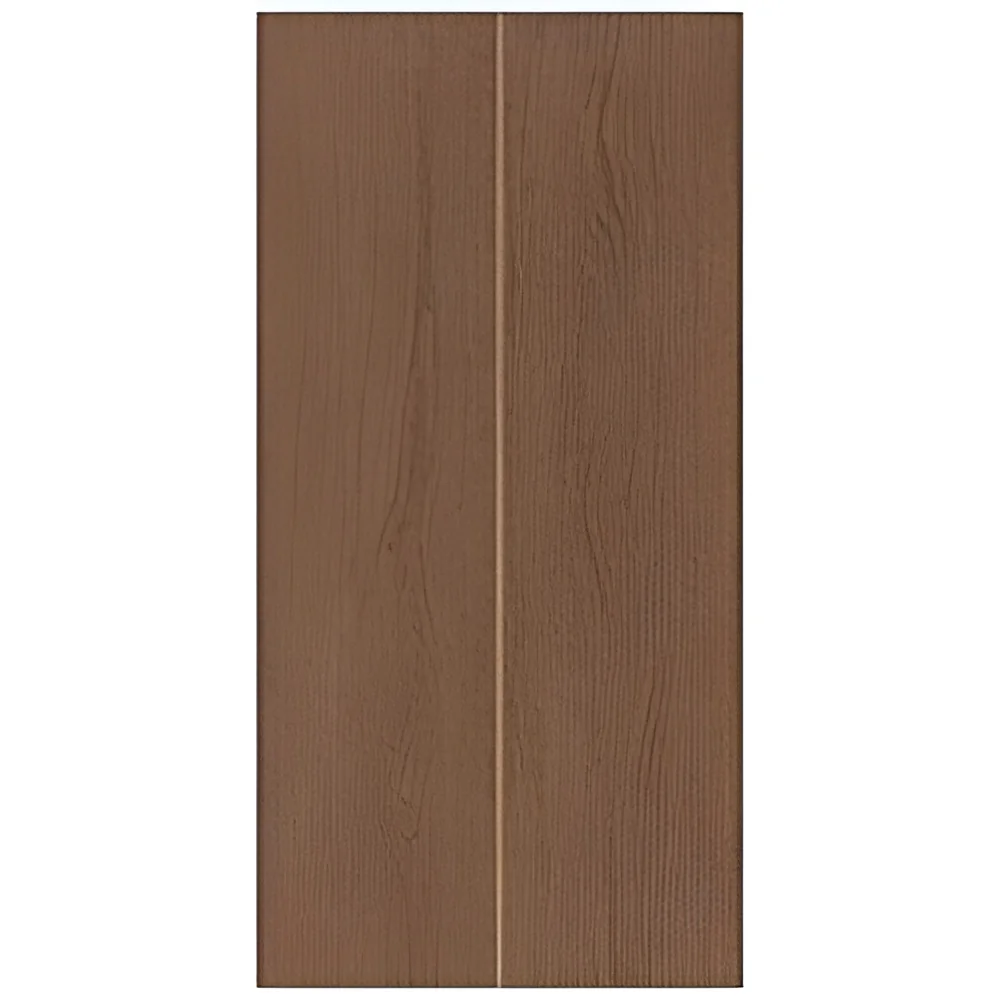
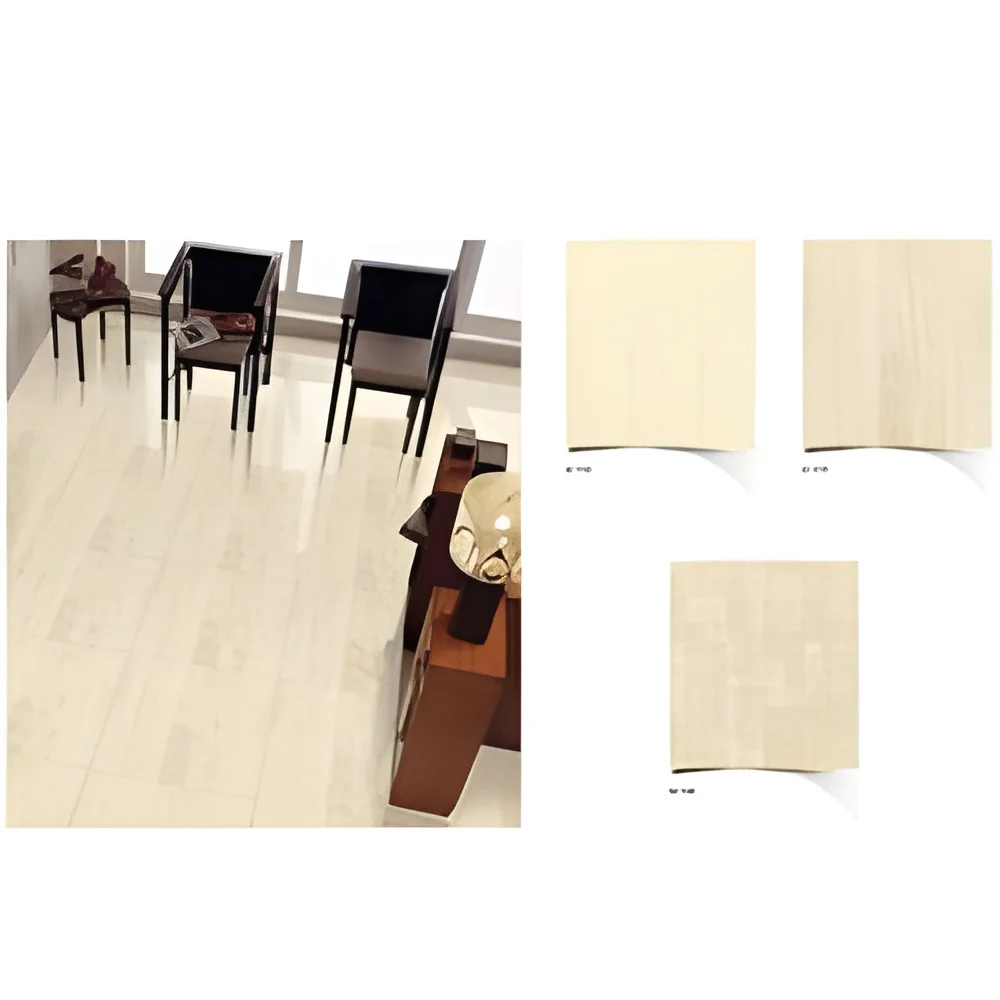
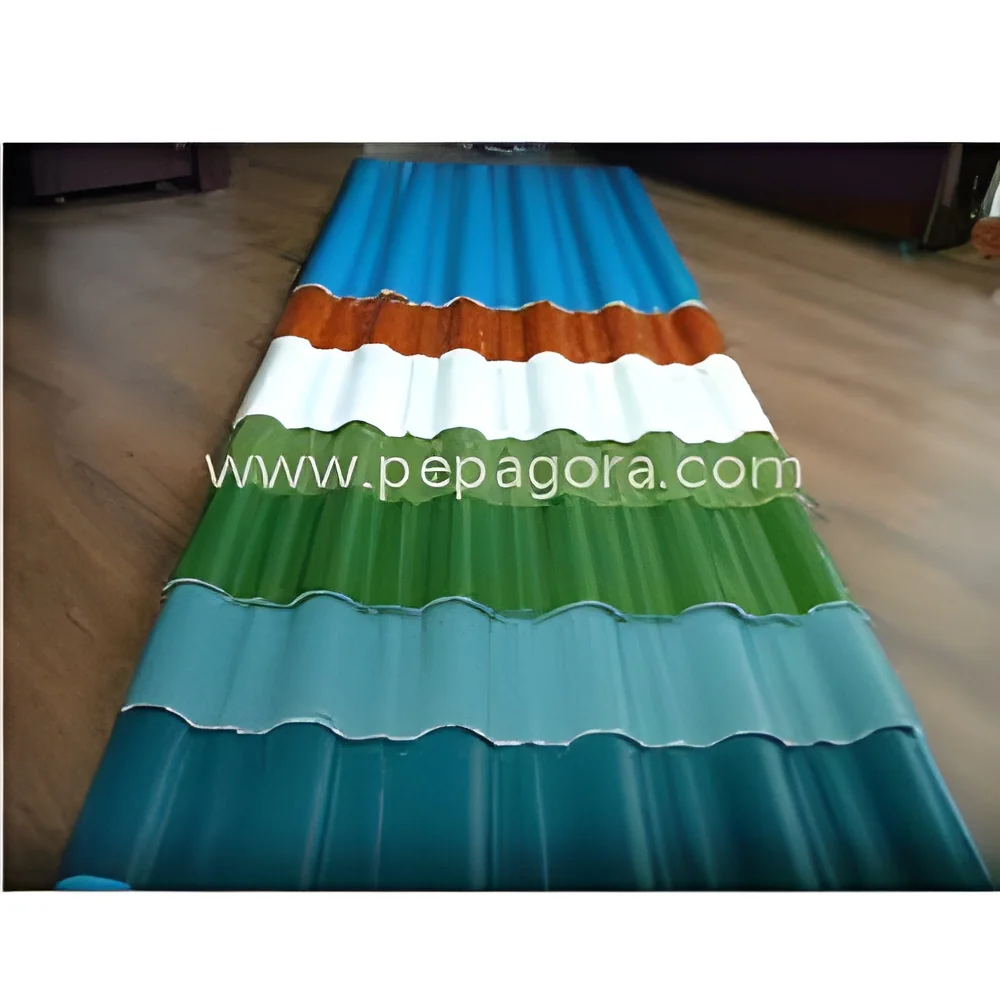
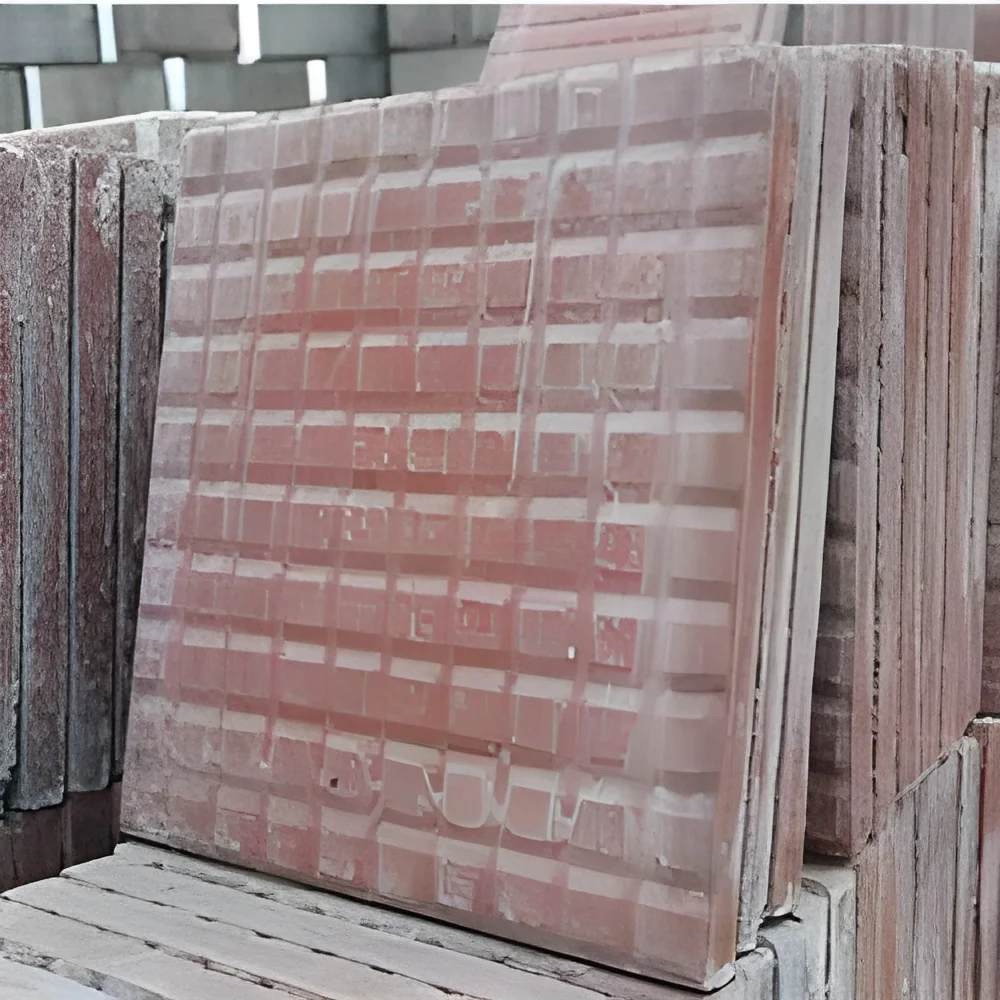
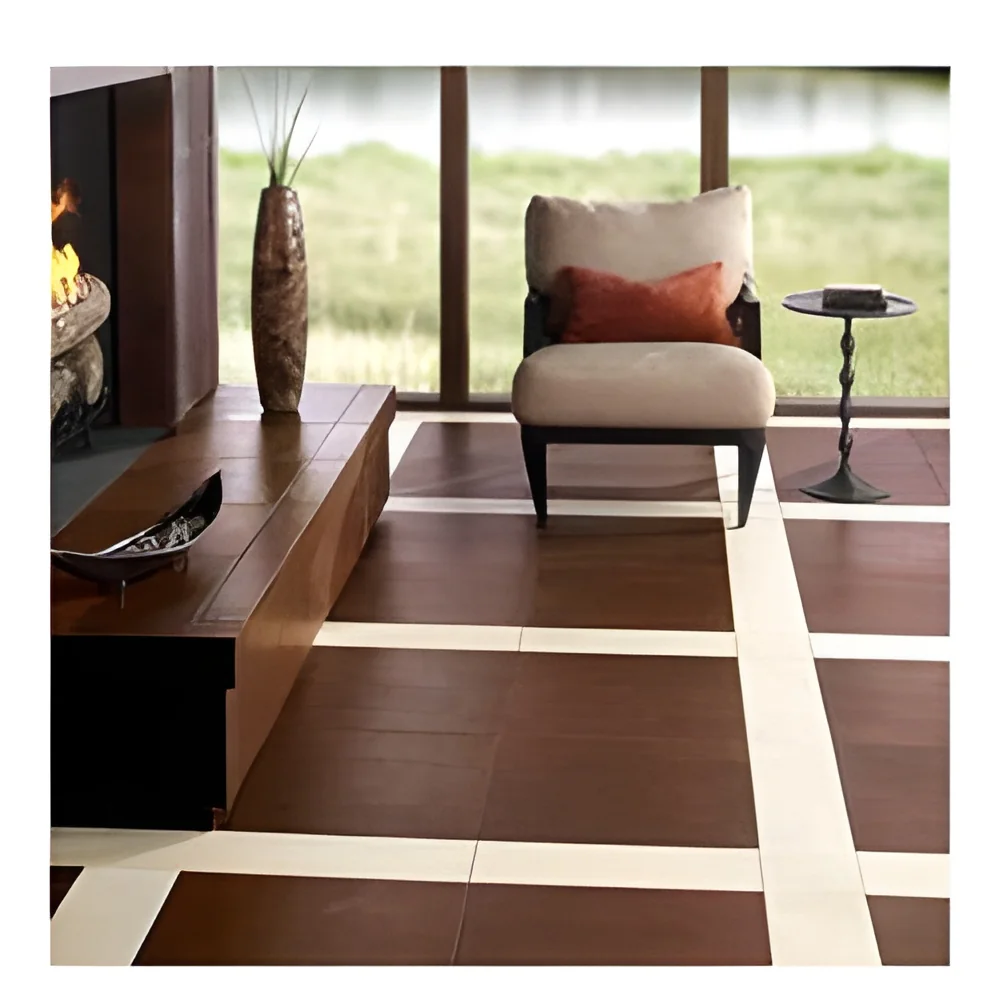
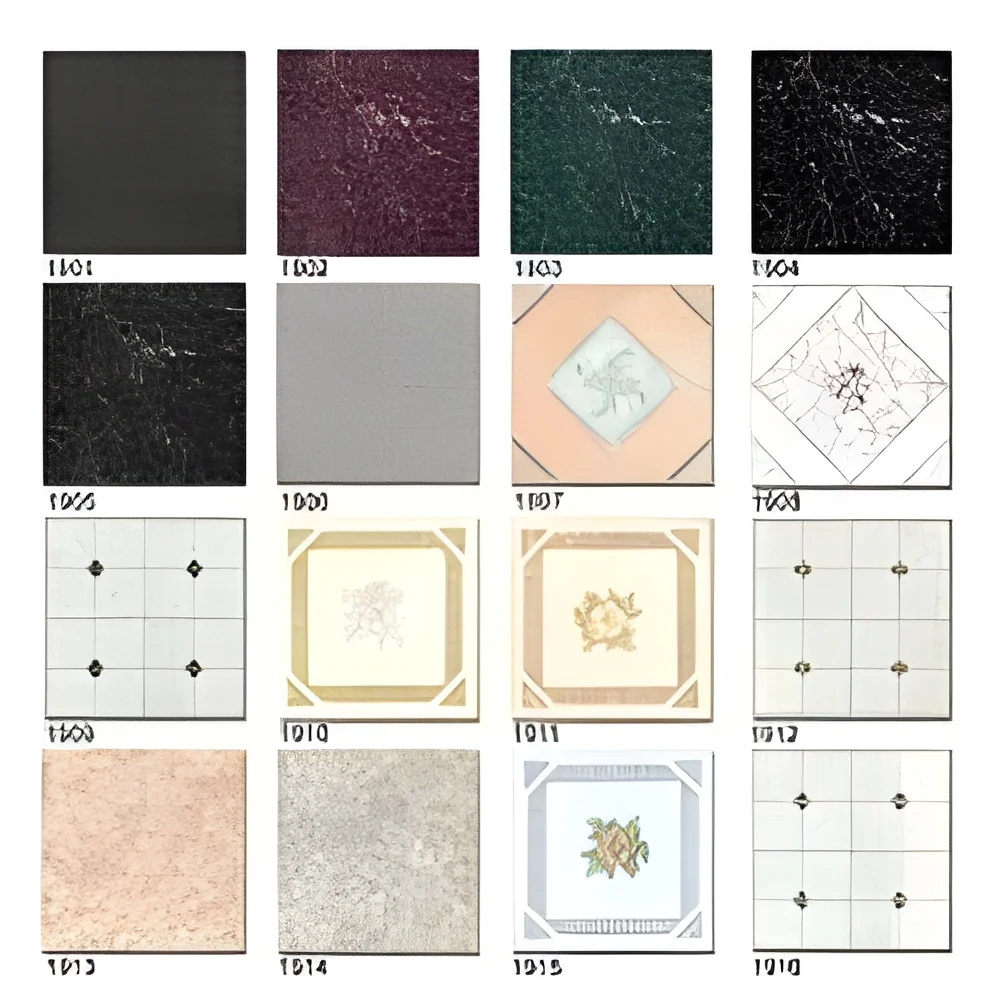
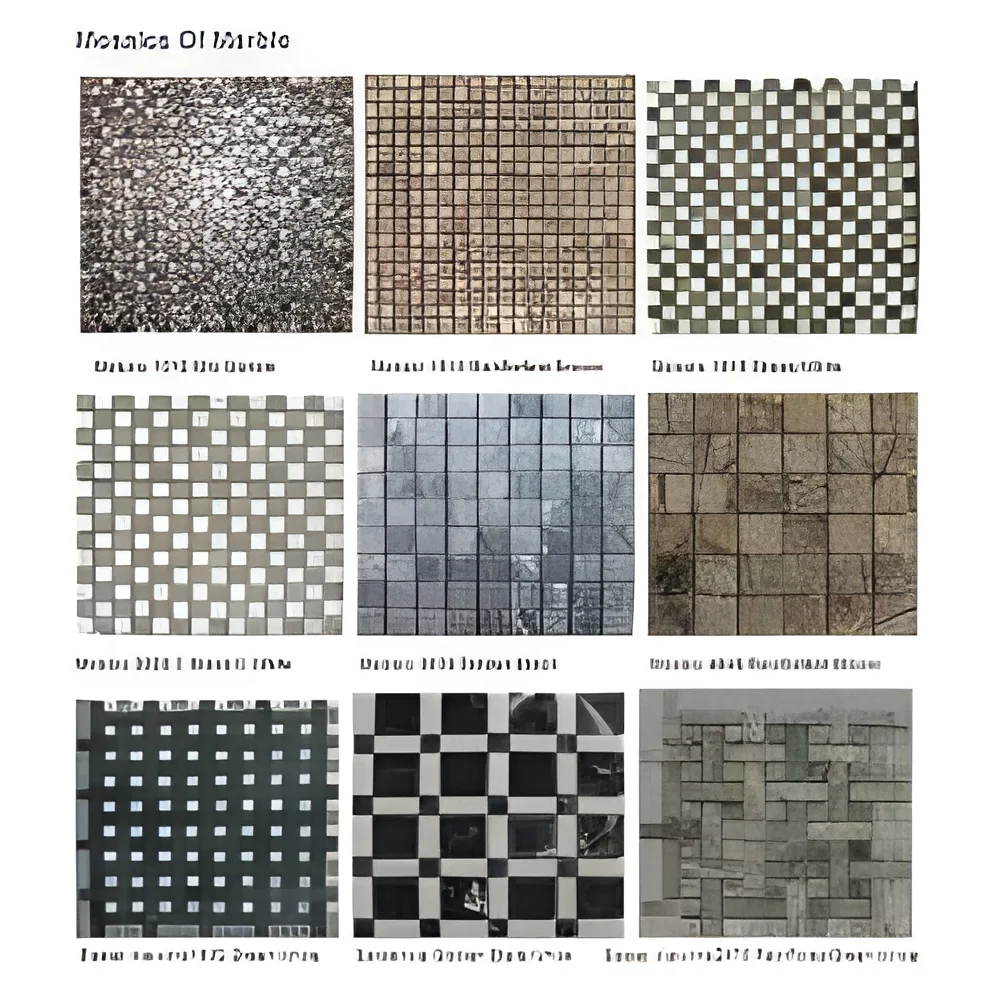
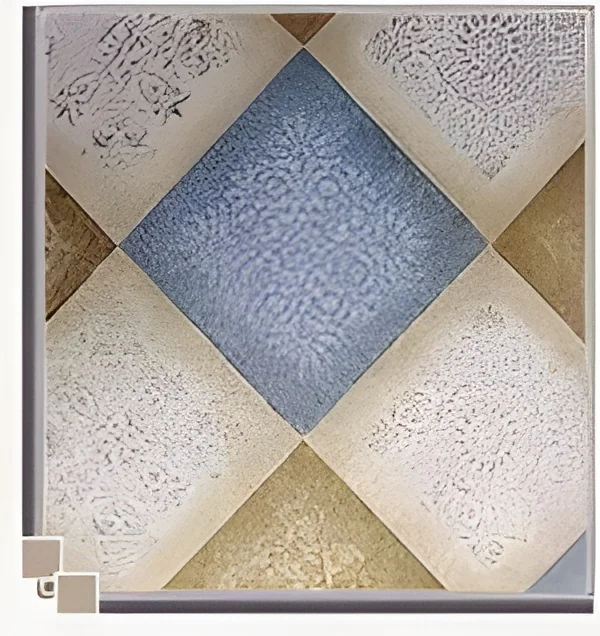
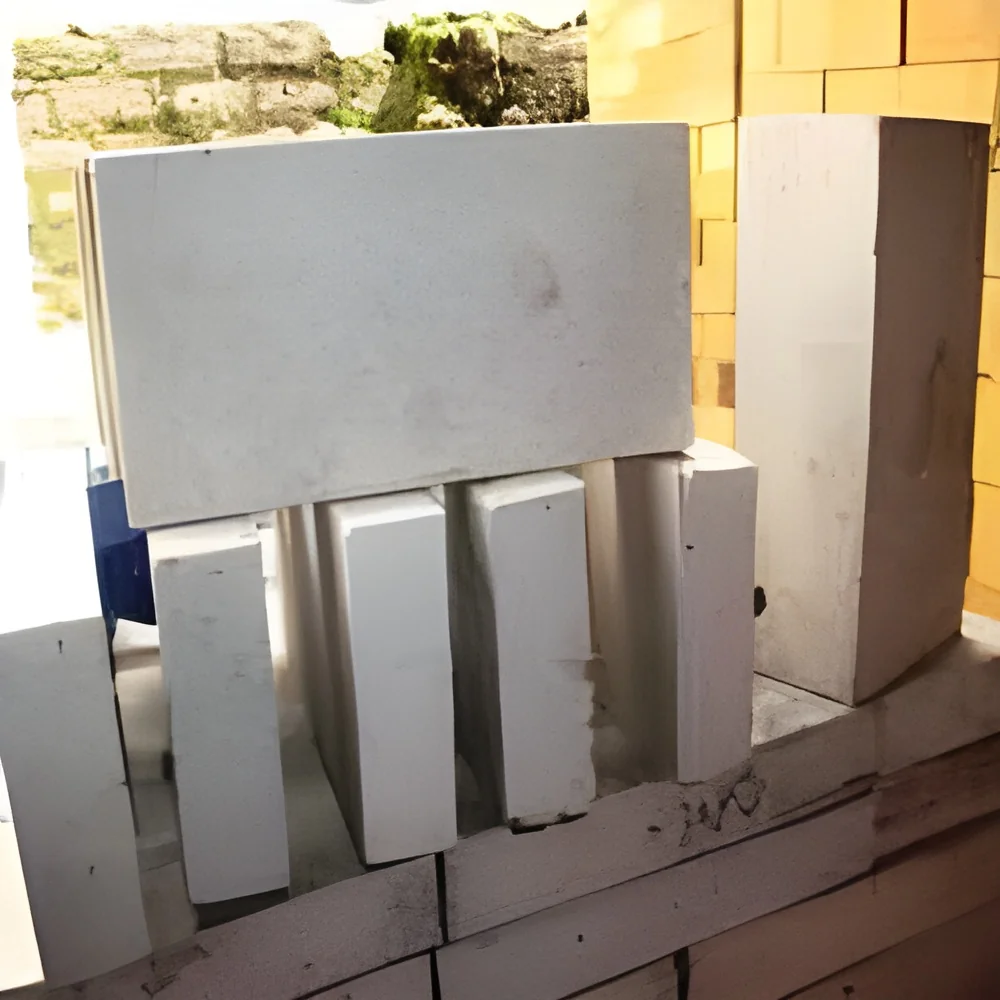
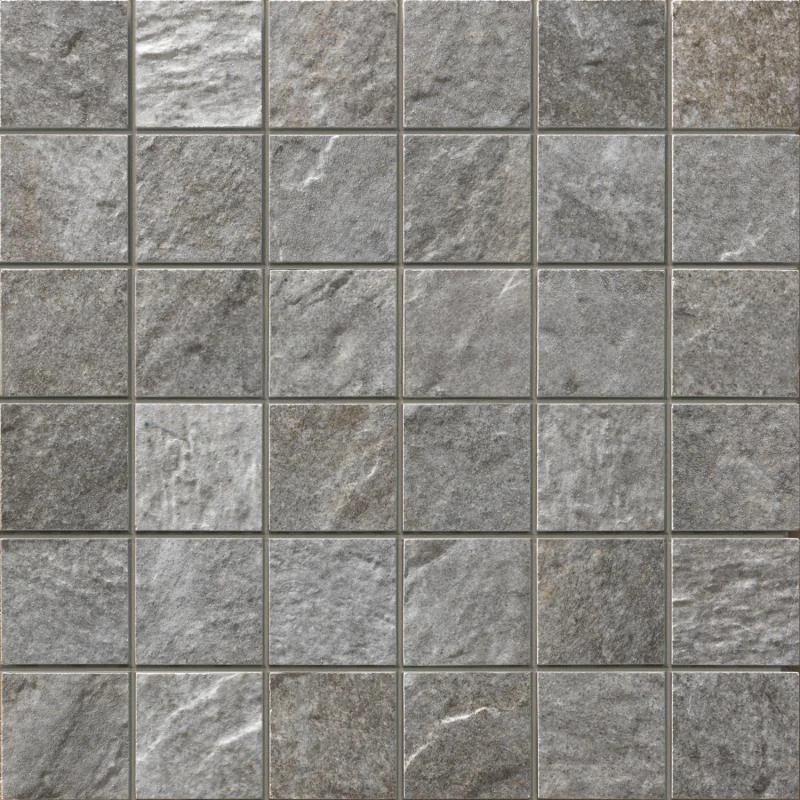
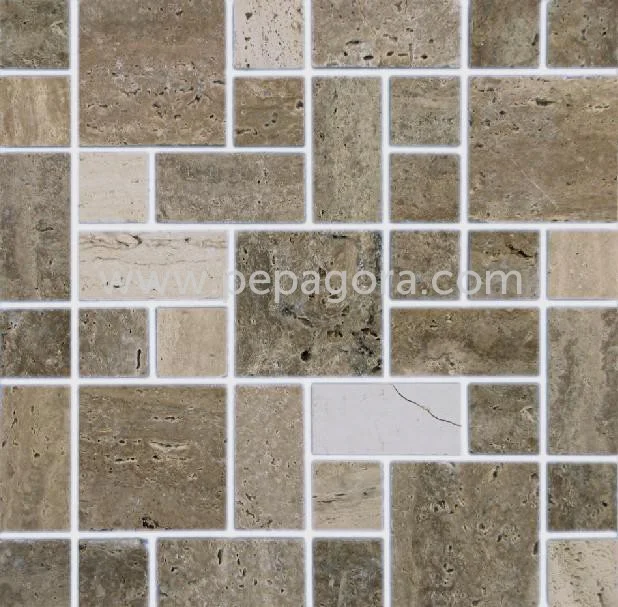
Ceramic wall tiles are versatile, durable products made from clay and other natural materials, which are fired at high temperatures to create a hard, water-resistant surface. These tiles exhibit a range of aesthetic options, including various colors, patterns, and finishes, making them suitable for different design preferences. Ceramic tiles are often glazed, providing them with a protective layer that enhances their appearance and durability.
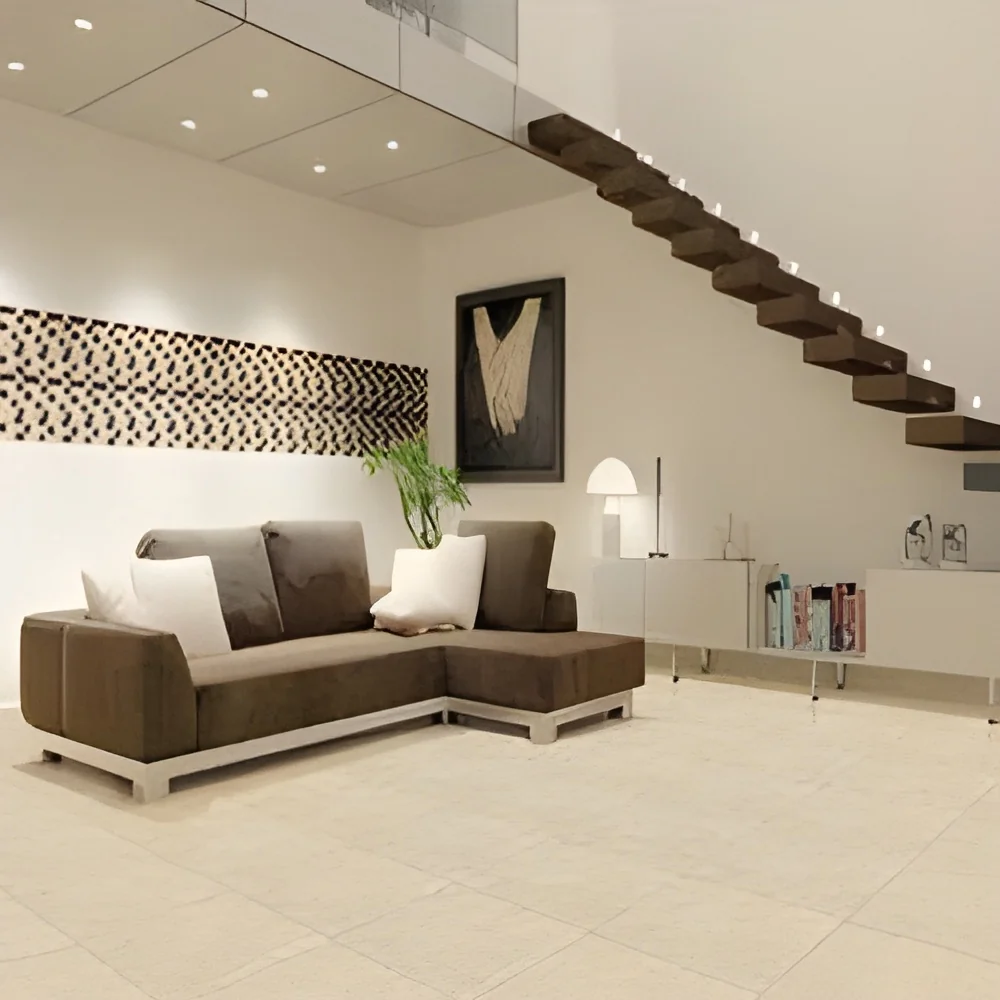
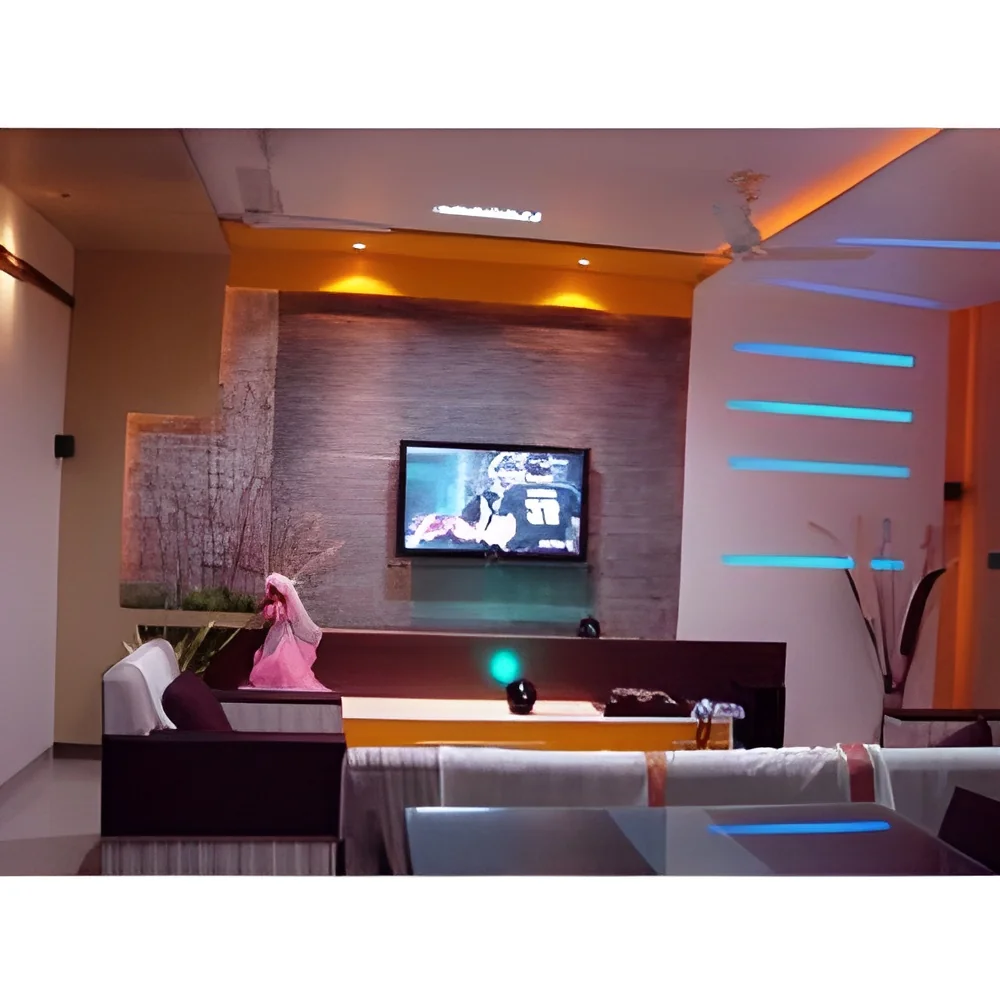
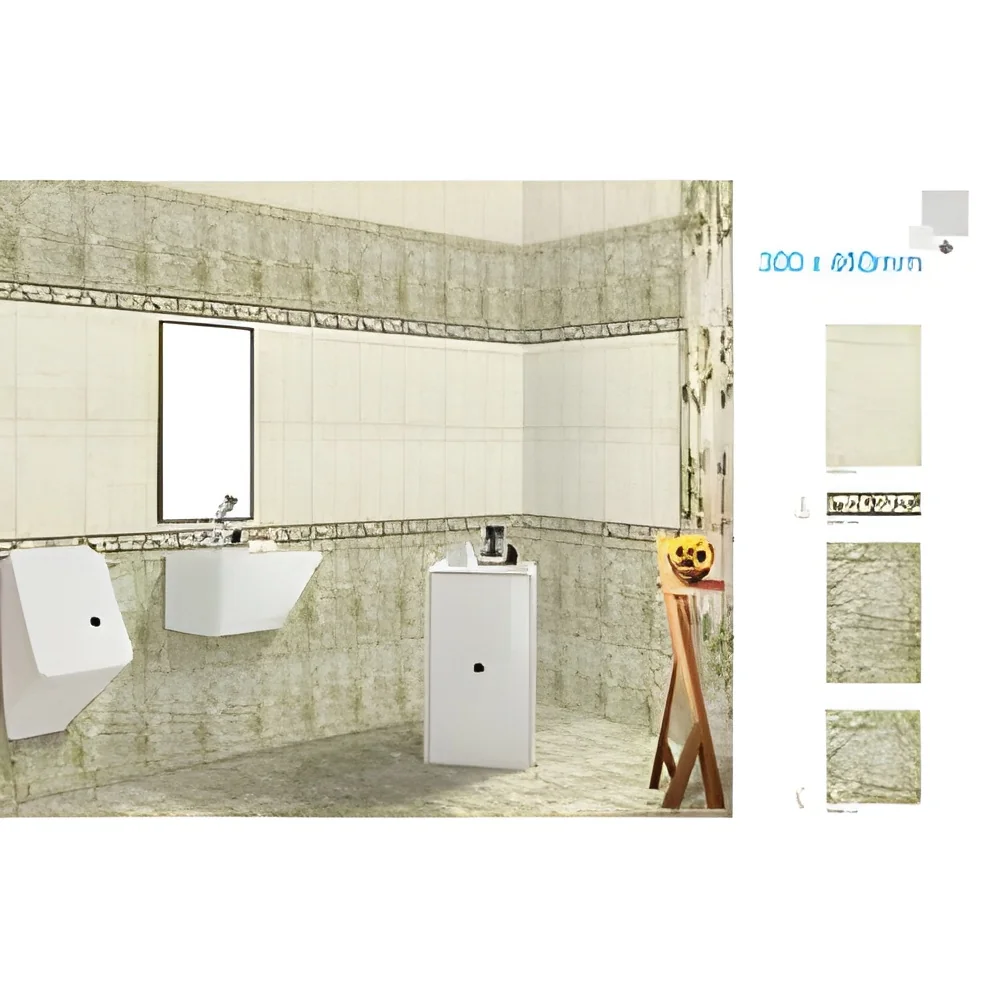
The primary applications of ceramic wall tiles are found in residential and commercial spaces. They are commonly used in kitchens, bathrooms, and living areas due to their moisture resistance and ease of cleaning. These tiles can also be applied in commercial settings, such as restaurants and retail spaces, where durability and design are crucial. In the current market, ceramic wall tiles are a popular choice due to their cost-effectiveness and wide availability, making them a staple in the construction and renovation industries.
Key Features and Specifications
Ceramic wall tiles offer numerous features that cater to both aesthetic and functional needs. They are available in various sizes, colors, and textures, allowing for creative designs. The following specifications define the qualities of ceramic wall tiles.
Key specifications include:
1. Size Variability
- Available in multiple dimensions, typically ranging from 4x4 inches to 12x24 inches.
2. Water Absorption Rate
- Generally low, often below 3%, ensuring resistance to moisture.
3. Surface Finish
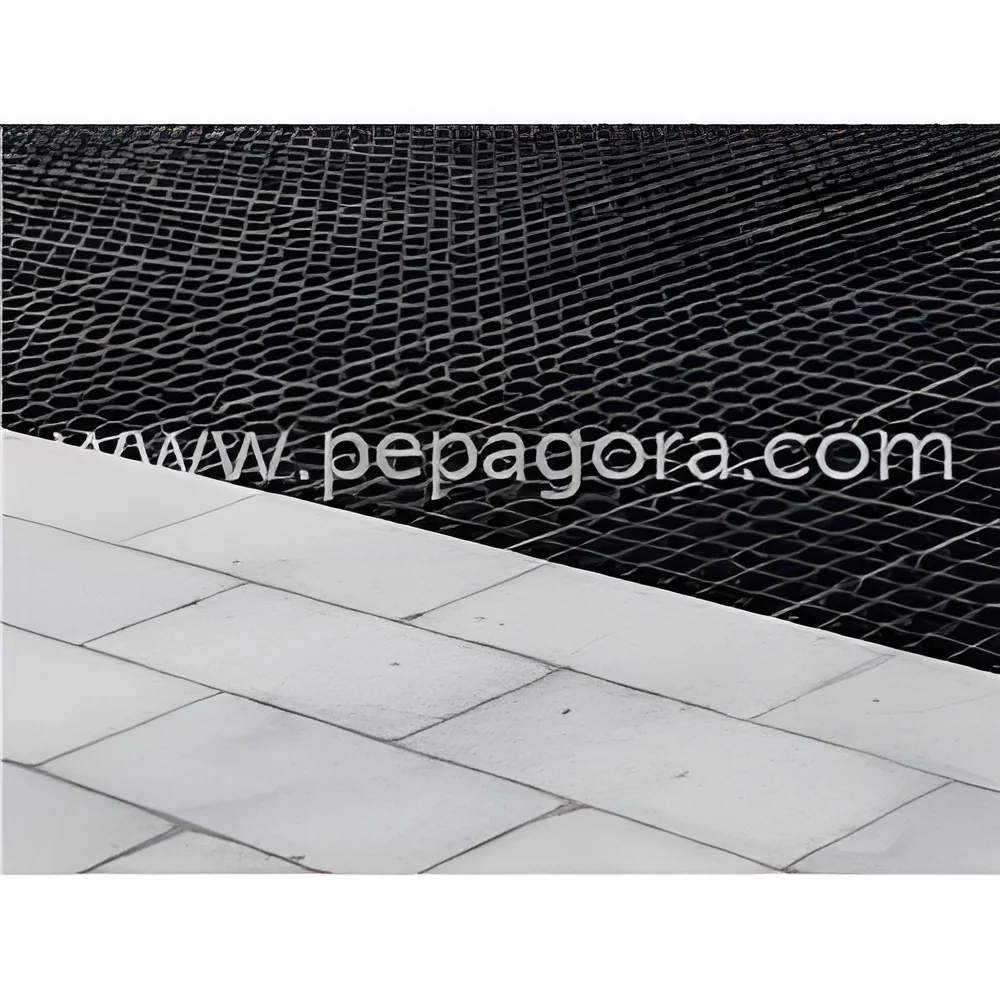
- Options include glazed, unglazed, matte, and glossy, catering to different aesthetic requirements.
4. Thickness
- Common thickness ranges from 6mm to 12mm, providing flexibility for installation.
5. Durability Rating
- Typically rated on the PEI scale, often between PEI 3 to PEI 5, suitable for medium to heavy foot traffic.
6. Chemical Resistance
- Resistant to many household chemicals, making them ideal for kitchens and bathrooms.
7. Fire Resistance
- Non-combustible materials, offering safety in various applications.
8. Certification
- Many tiles are CE certified, ensuring compliance with European safety and quality standards.
In summary, ceramic wall tiles are a robust and versatile option for various applications, offering a blend of durability and design flexibility.
Common Applications and Use Cases
Ceramic wall tiles are utilized across a multitude of industries and settings.
1. Residential Construction: Ceramic tiles are widely used in homes for kitchens, bathrooms, and entryways, providing a stylish yet practical surface.
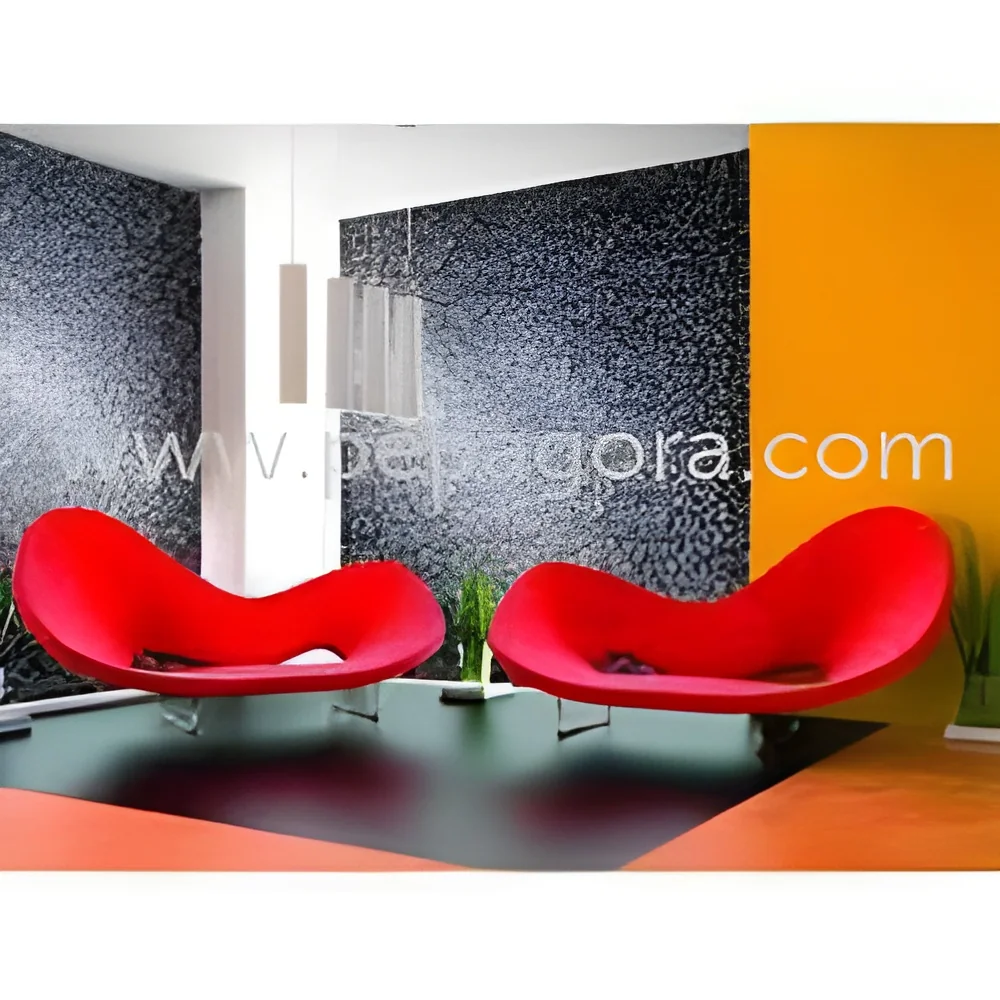
2. Hospitality Industry: Hotels and restaurants favor ceramic wall tiles for their aesthetic appeal and ease of maintenance, often using them in lobbies and dining areas.
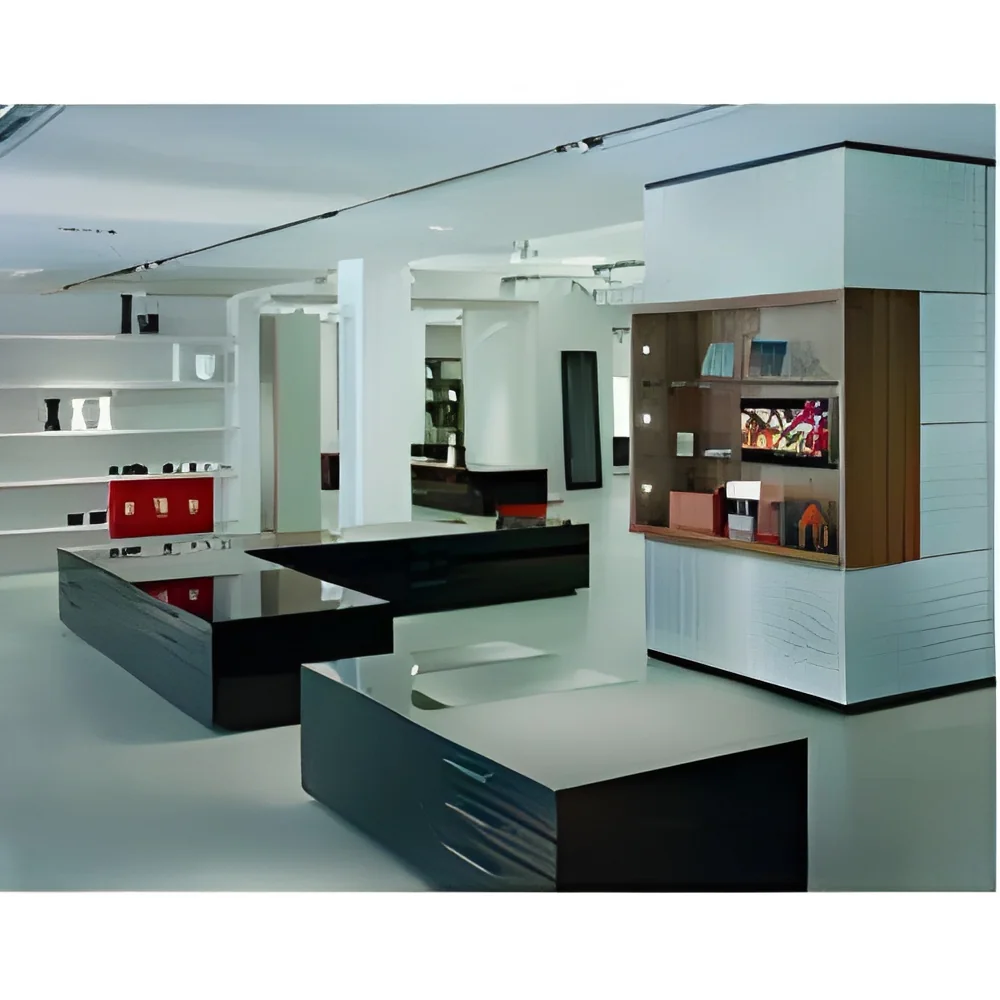
3. Retail Spaces: Retailers use ceramic tiles to create visually appealing displays and durable flooring in showrooms and sales areas.
4. Healthcare Facilities: Hospitals and clinics use ceramic wall tiles for their hygienic properties and ease of cleaning in areas like patient rooms and restrooms.
5. Educational Institutions: Schools and universities often install ceramic tiles in hallways and restrooms due to their durability and low maintenance requirements.
6. Office Buildings: Ceramic wall tiles are also suitable for office environments, providing a professional look while being easy to maintain.
7. Industrial Settings: Some industrial environments utilize ceramic tiles for their chemical resistance and durability in manufacturing and production areas.
Product Variants and Subcategories
Ceramic wall tiles come in various forms to meet diverse needs and preferences.
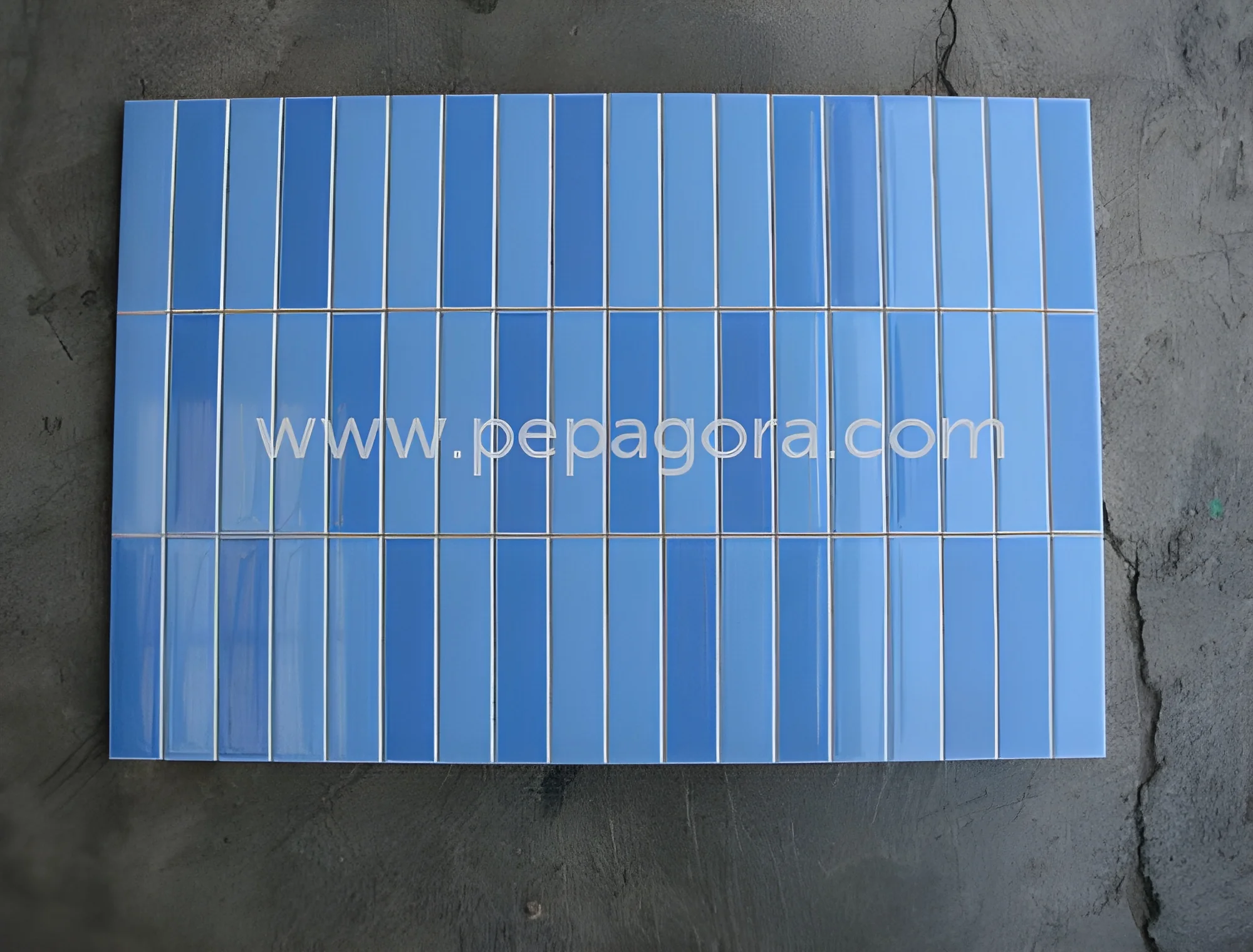
Glossy Ceramic Wall Tiles
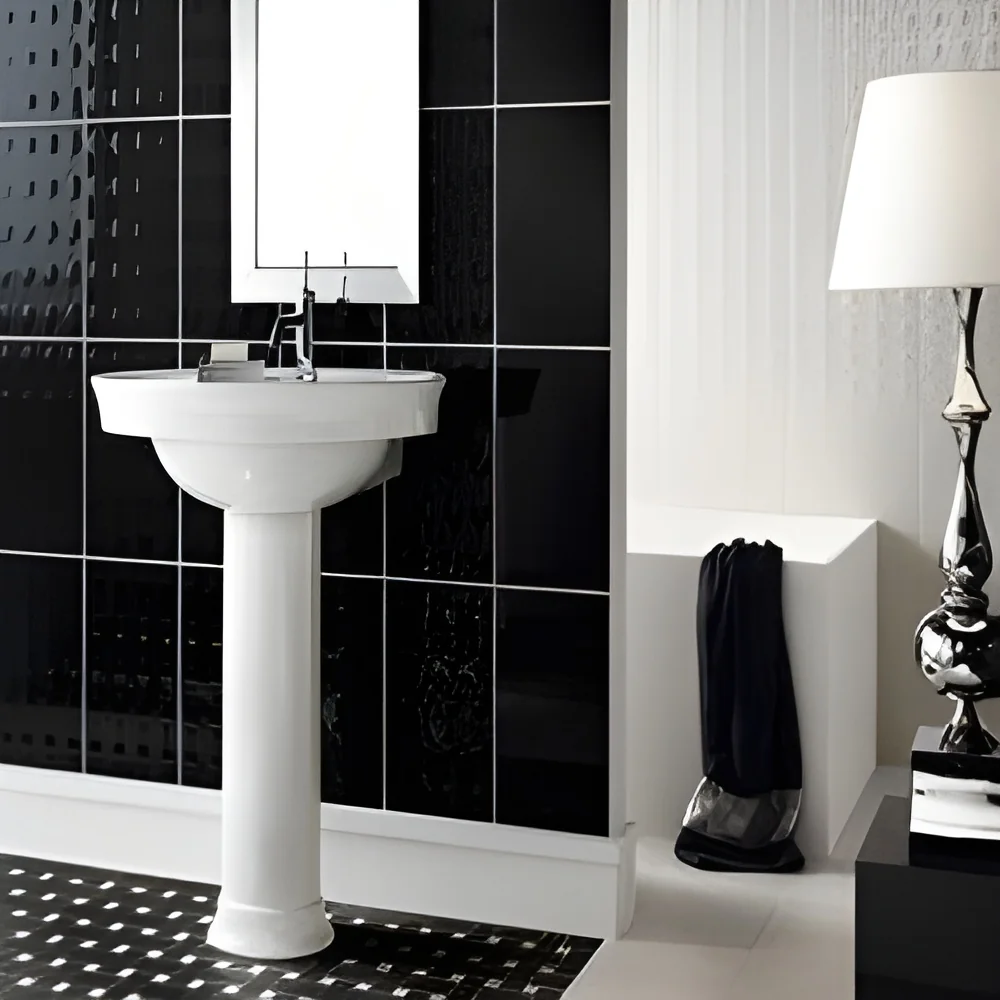
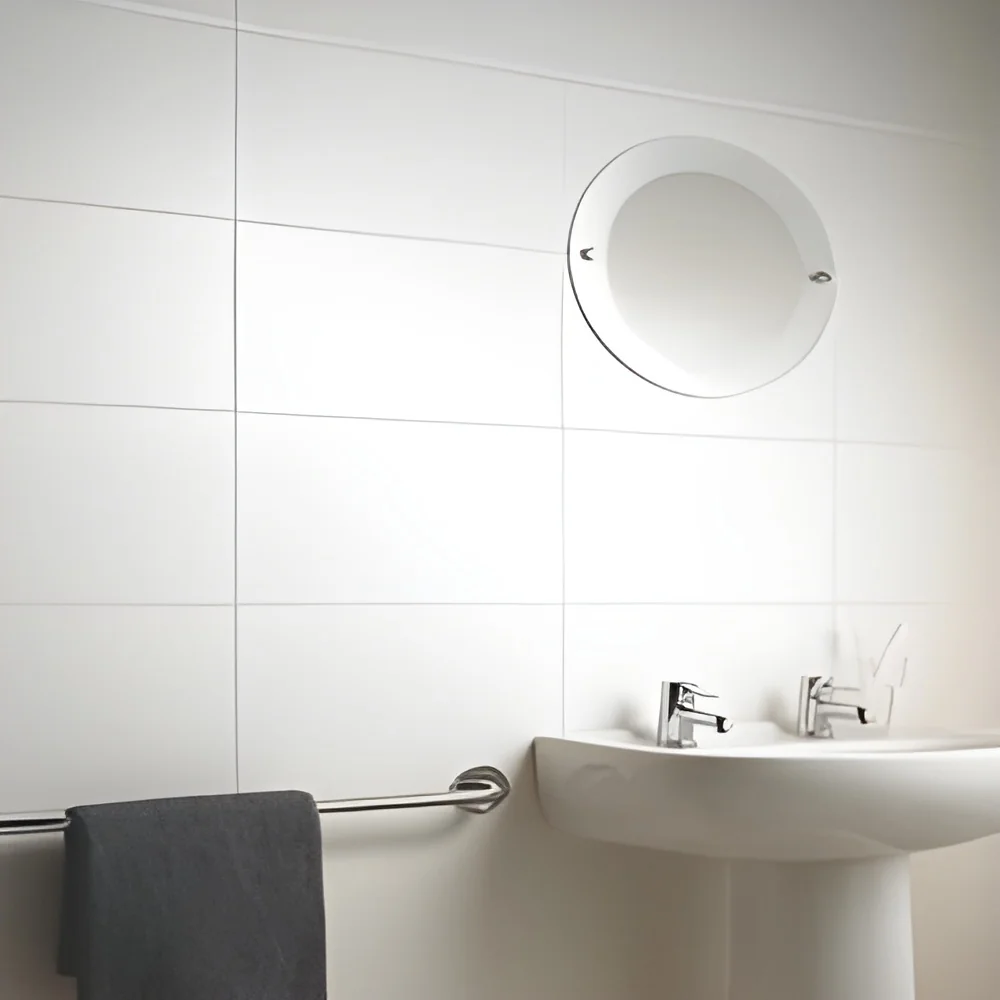
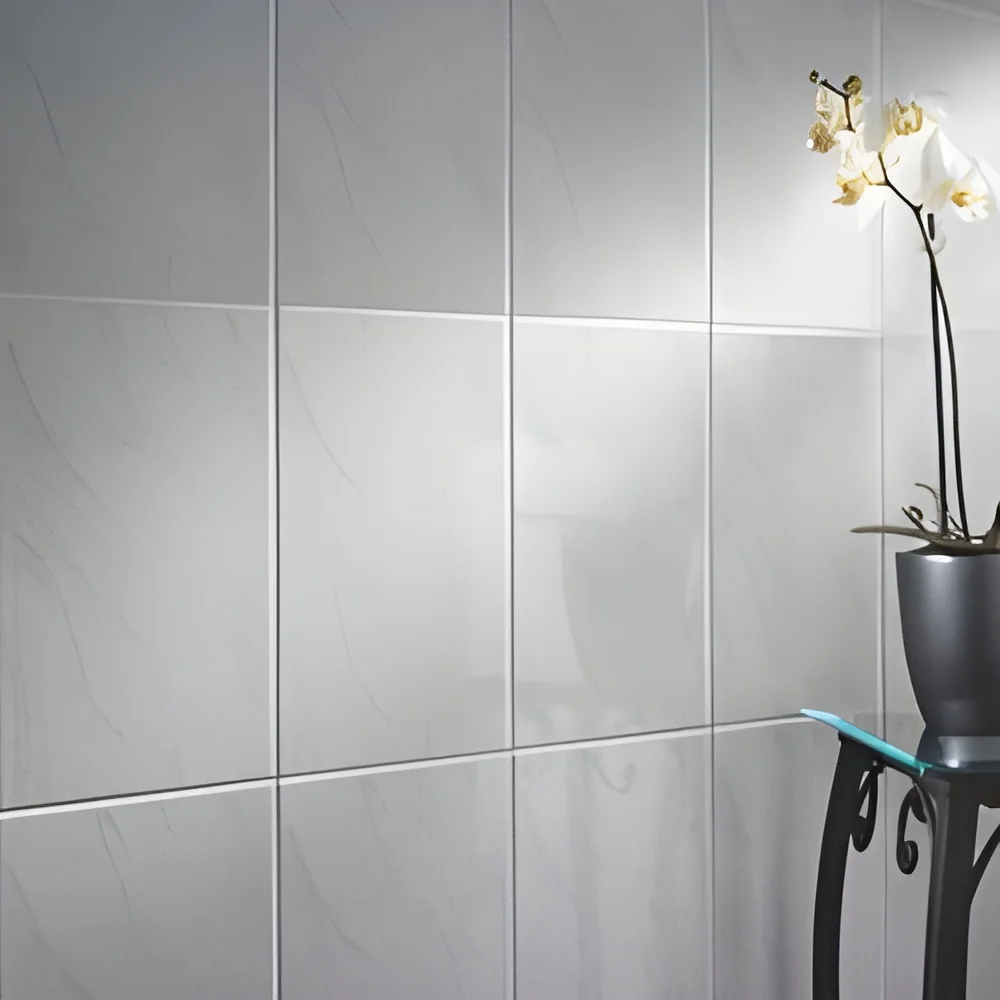
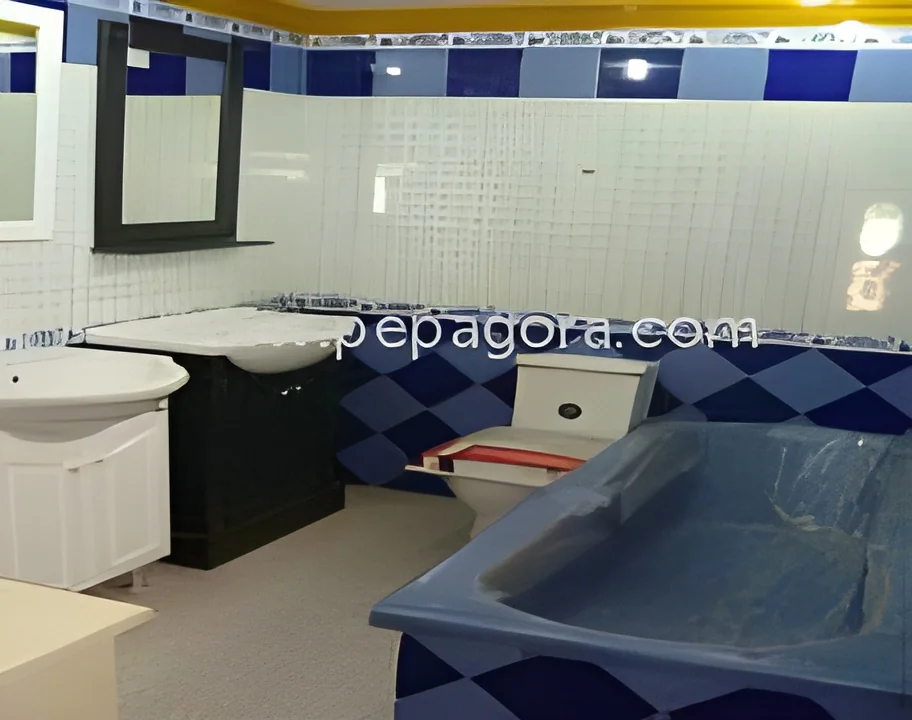
These tiles have a shiny surface that reflects light, making them ideal for modern and contemporary designs. They are often used in bathrooms and kitchens to create a bright and inviting atmosphere.
Matte Ceramic Wall Tiles
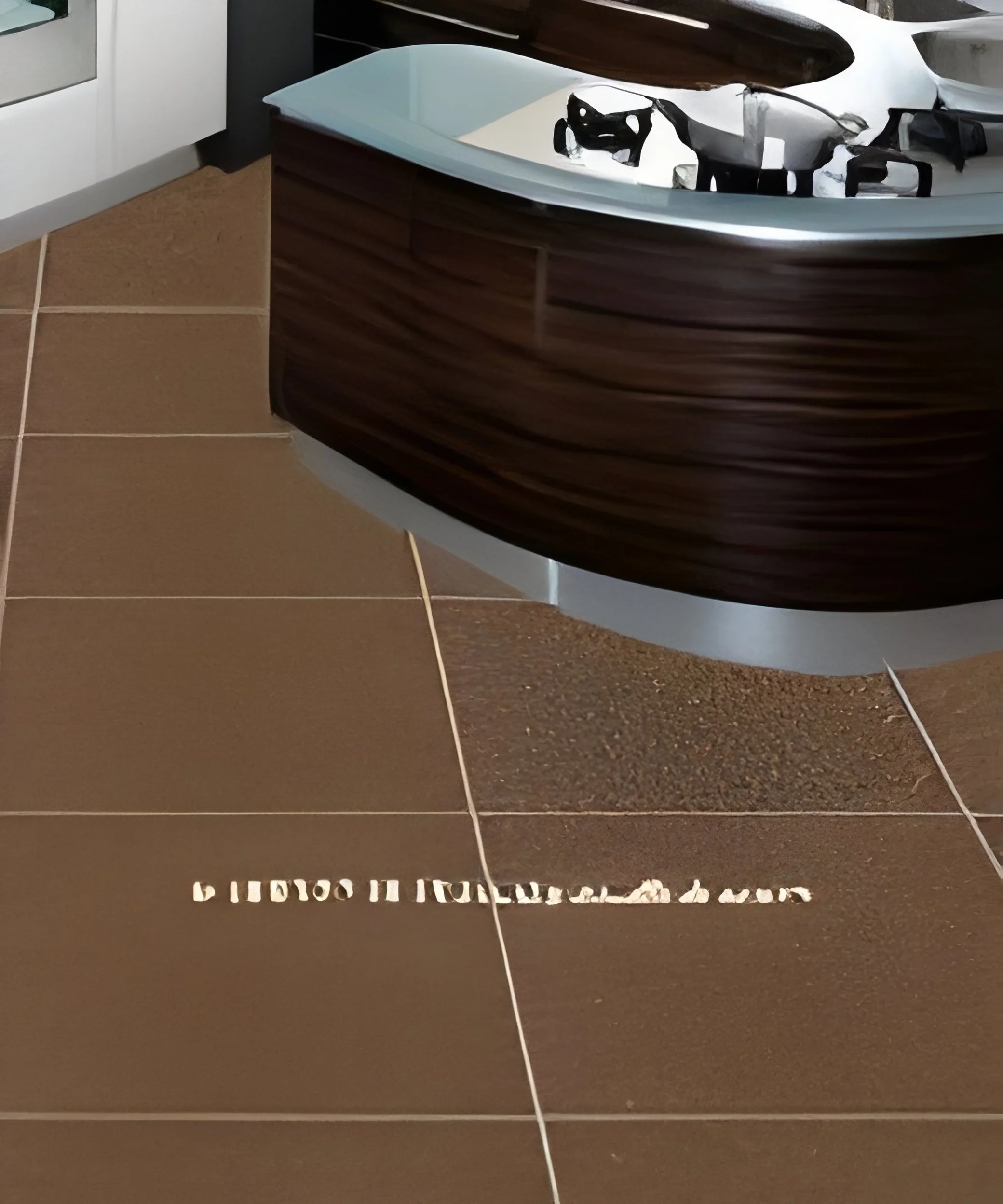
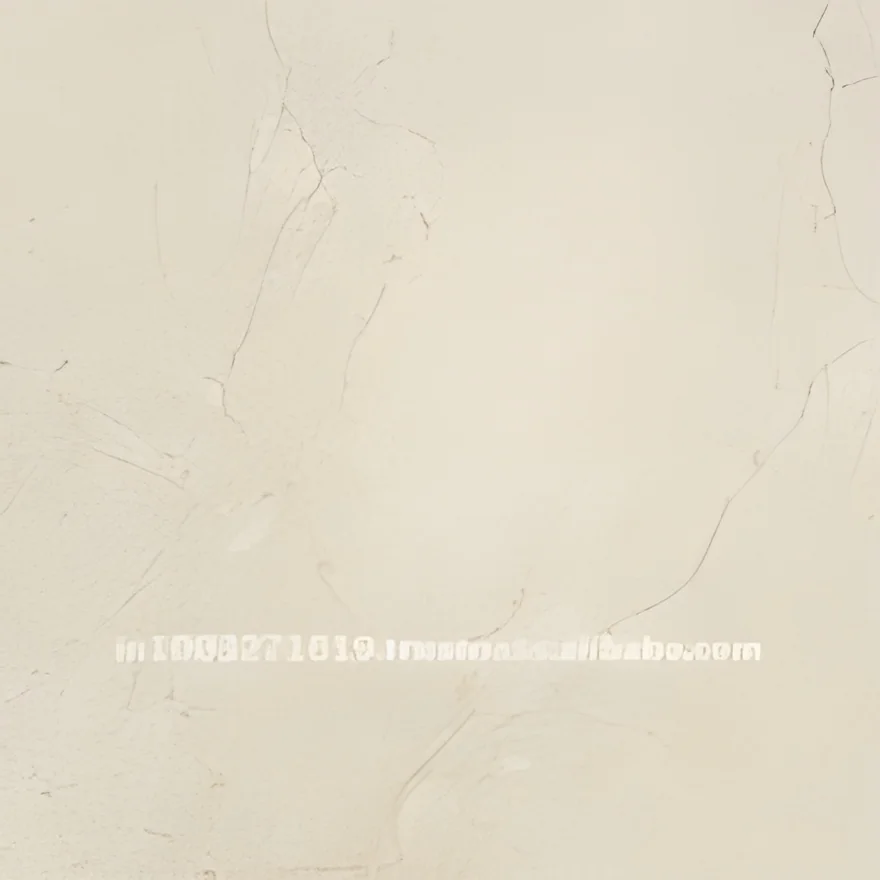
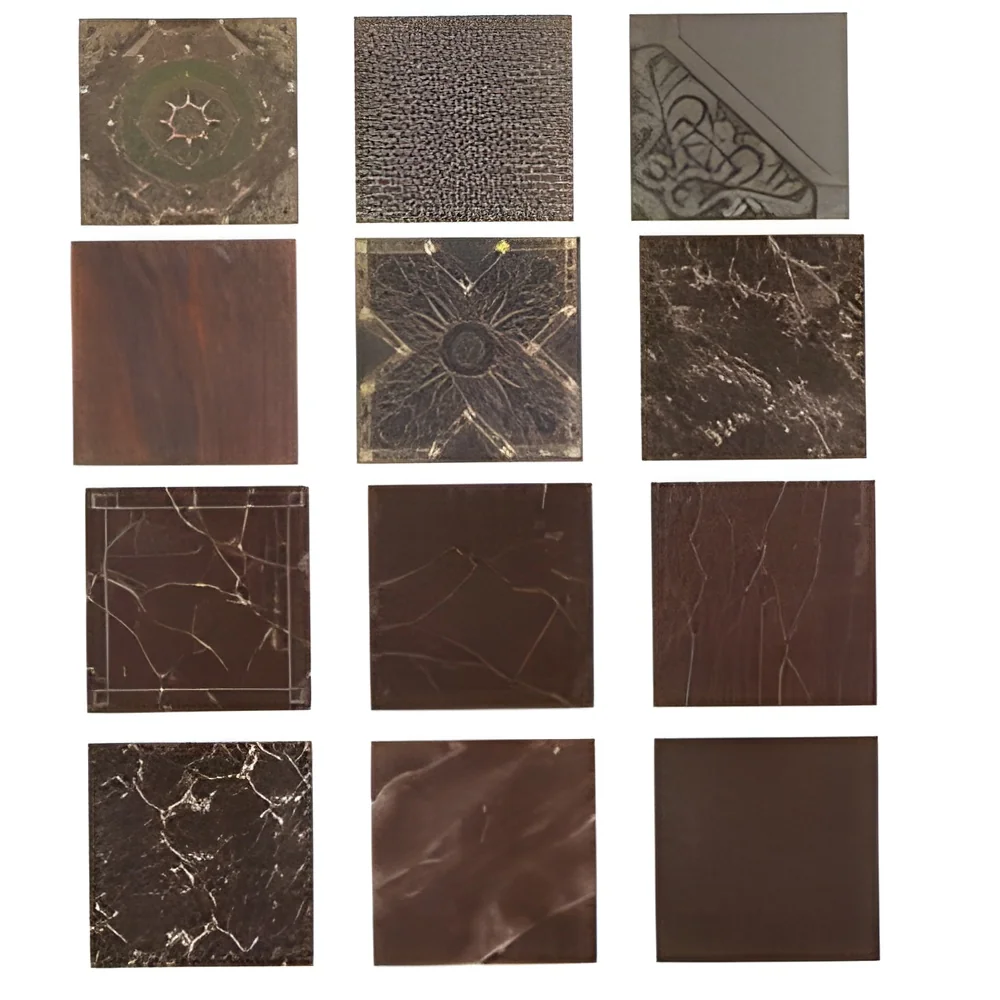
With a non-reflective surface, matte tiles provide a sophisticated look that is less slippery, making them suitable for flooring and wall applications in residential and commercial spaces.
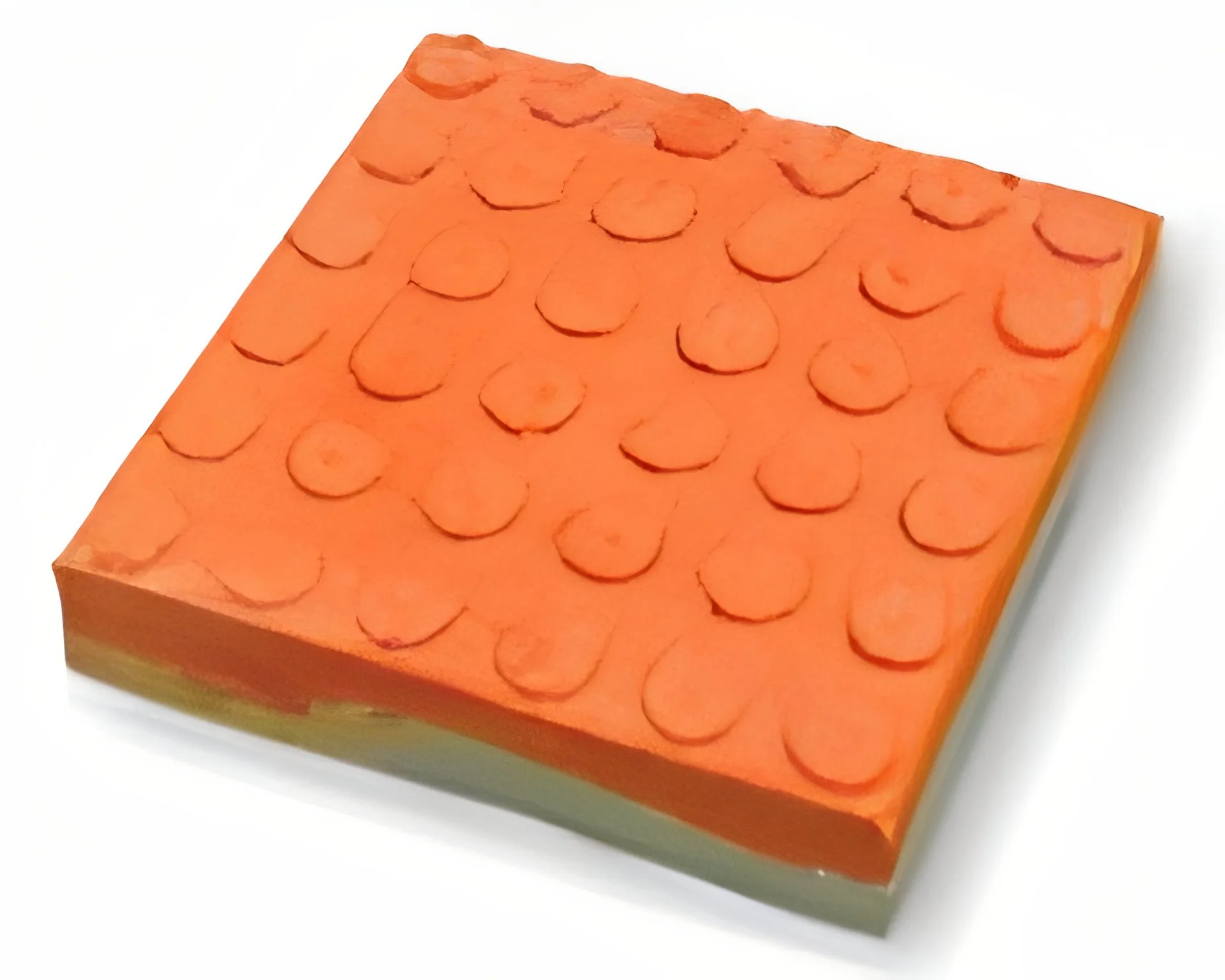
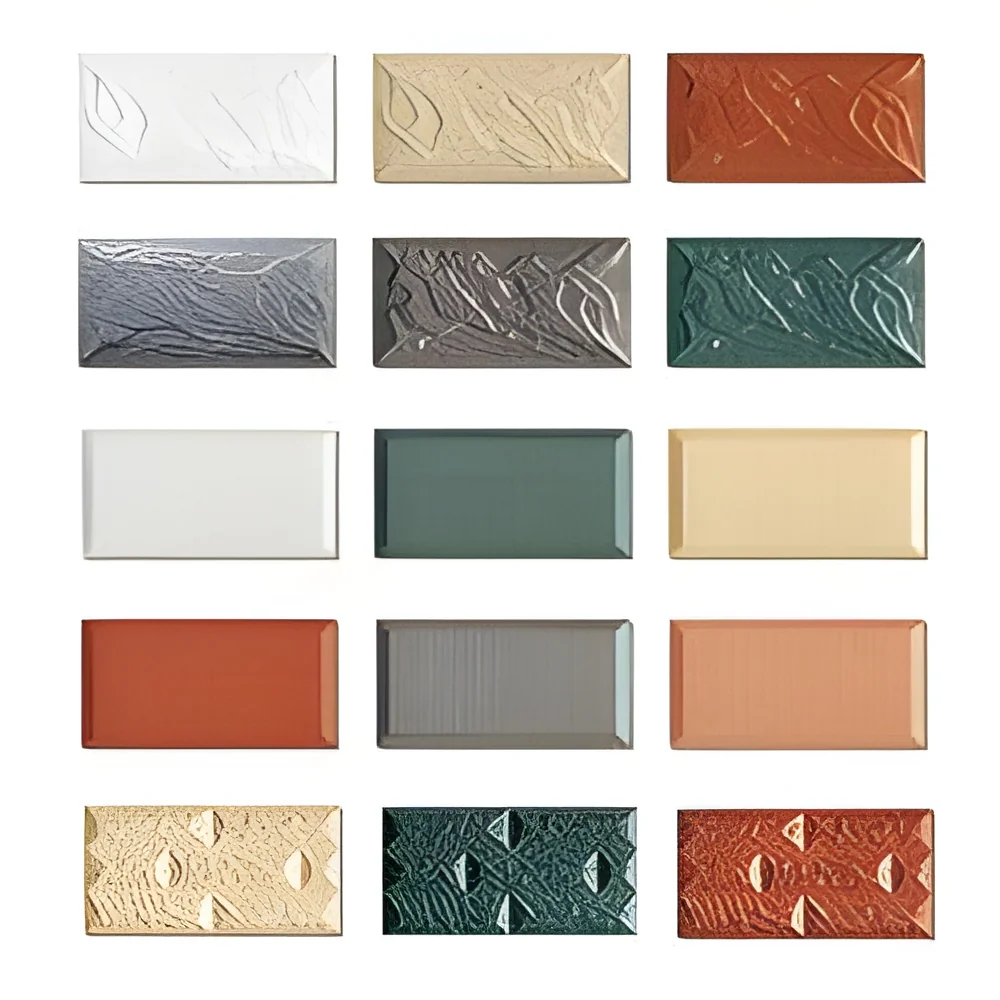
Textured Ceramic Wall Tiles
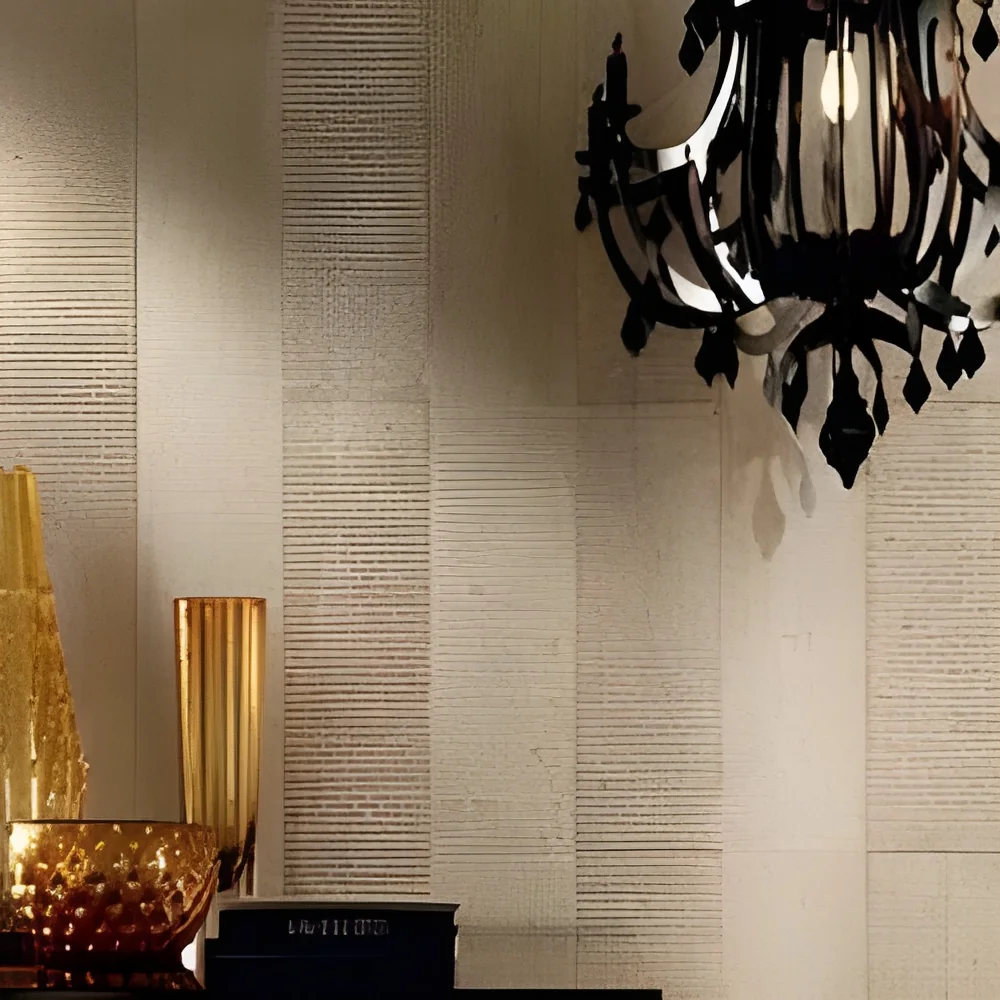
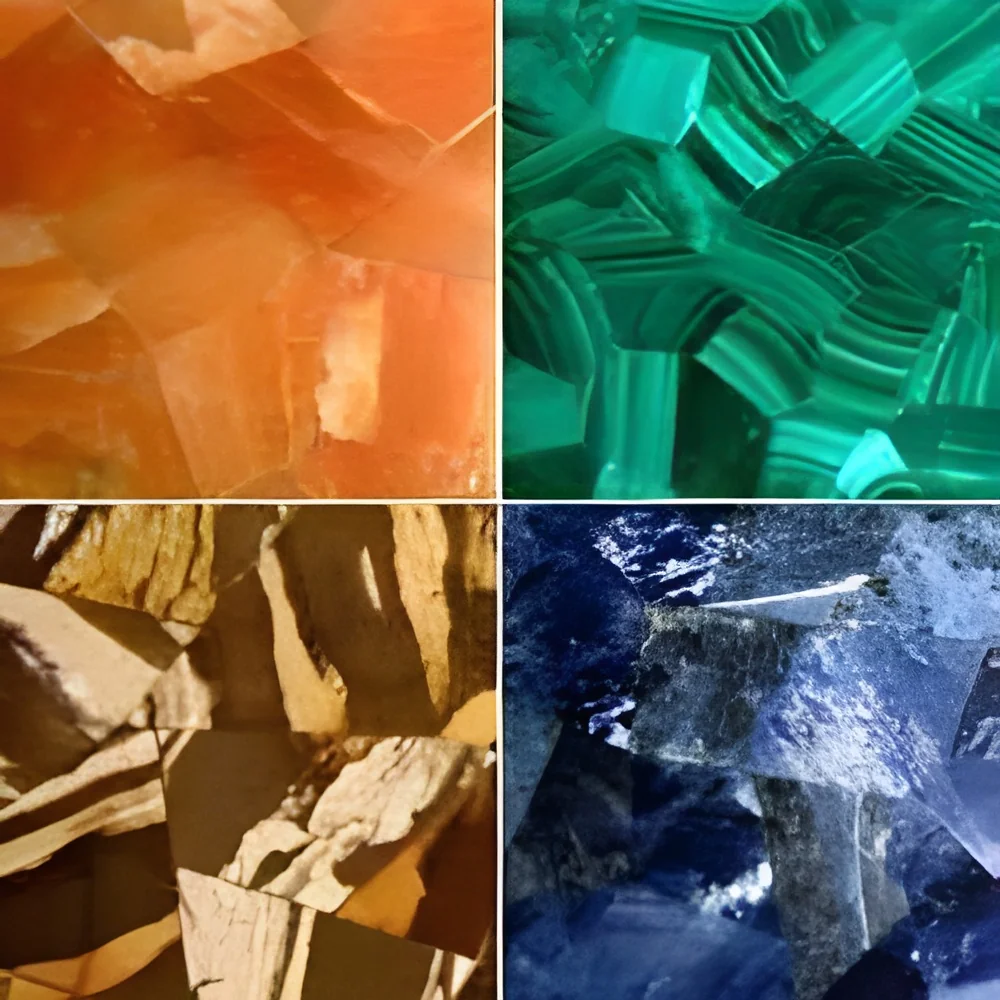
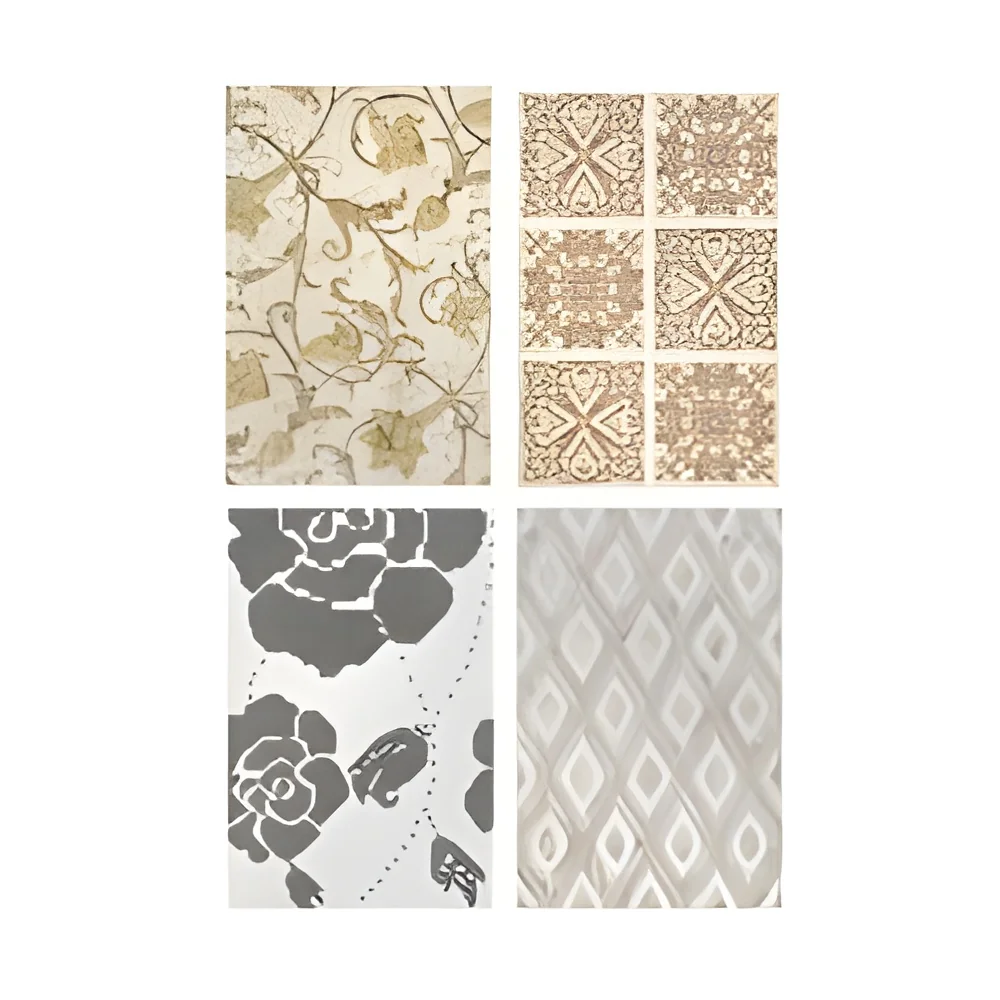
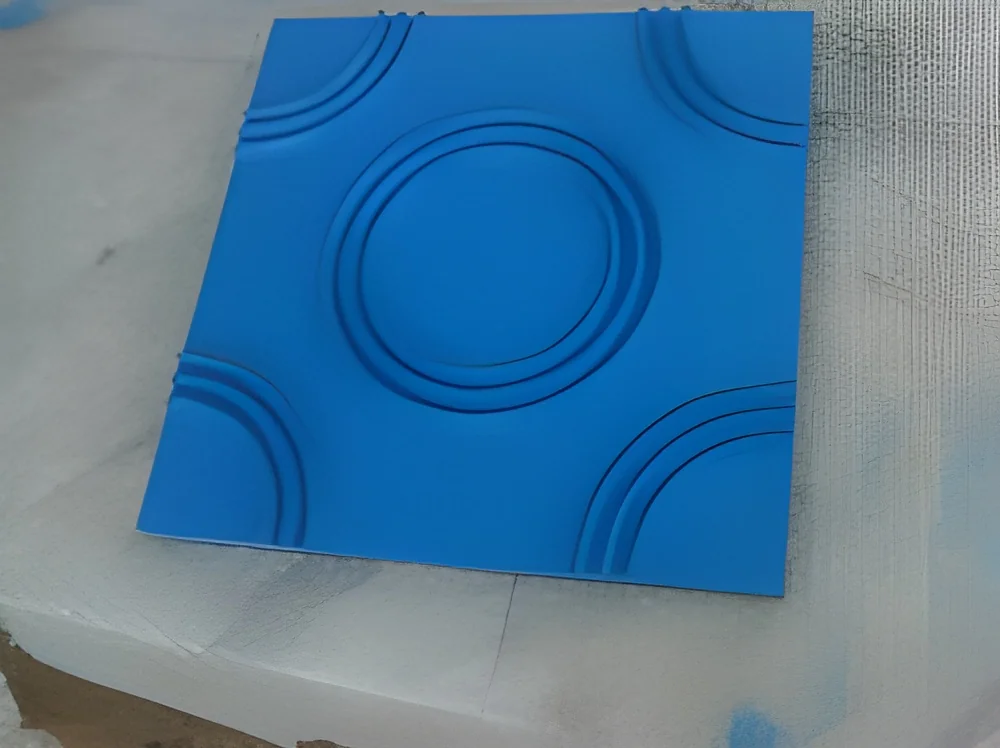
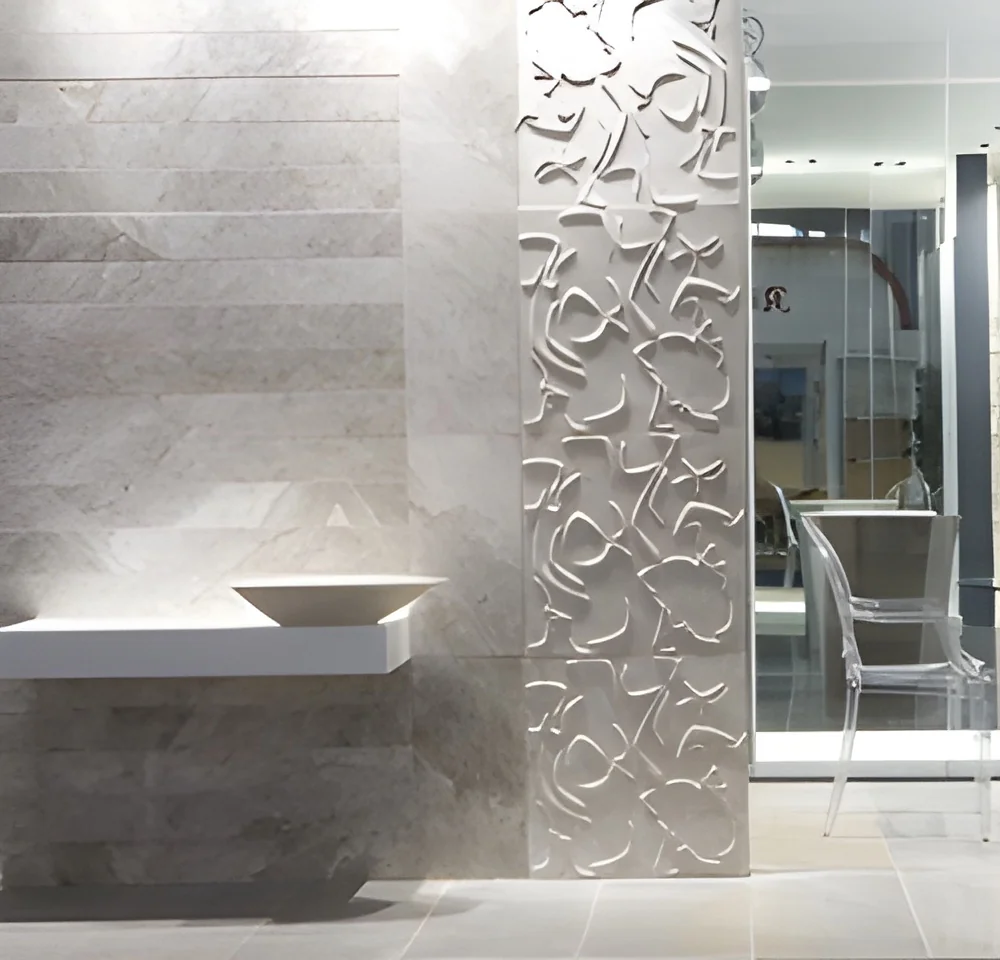
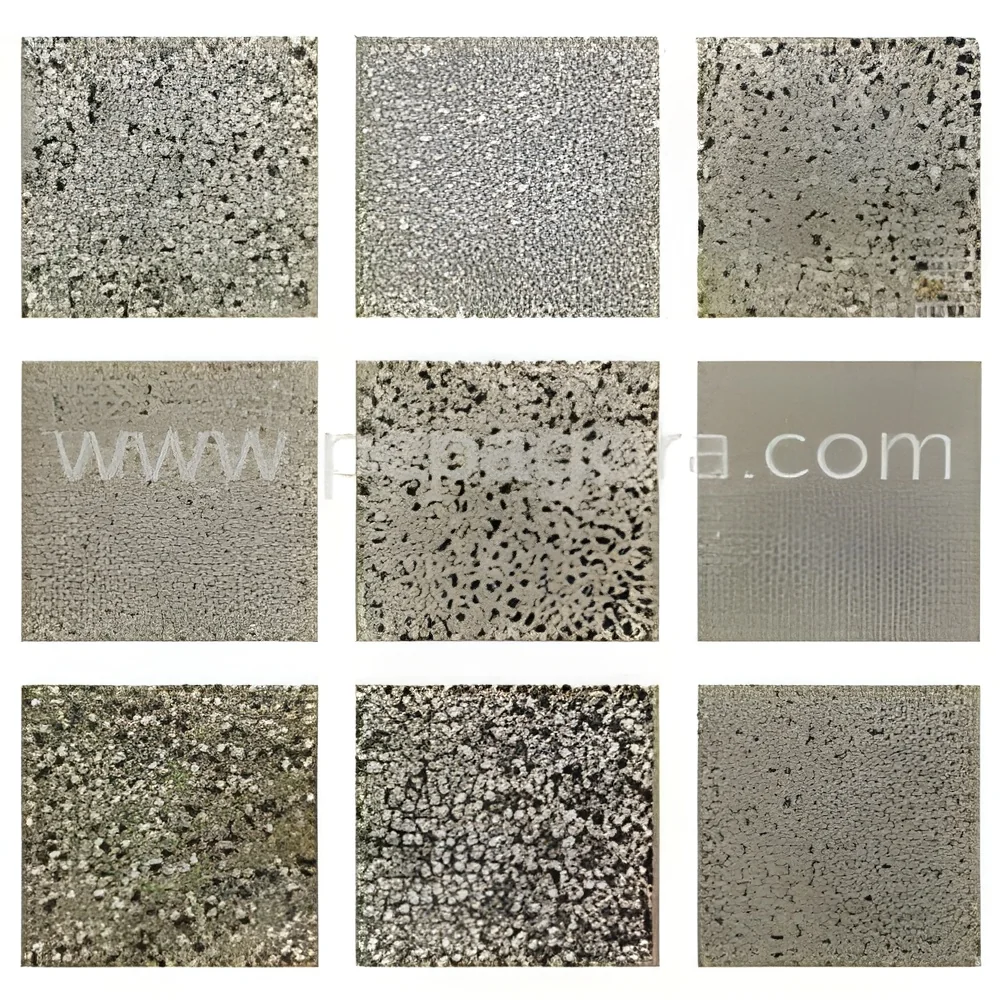
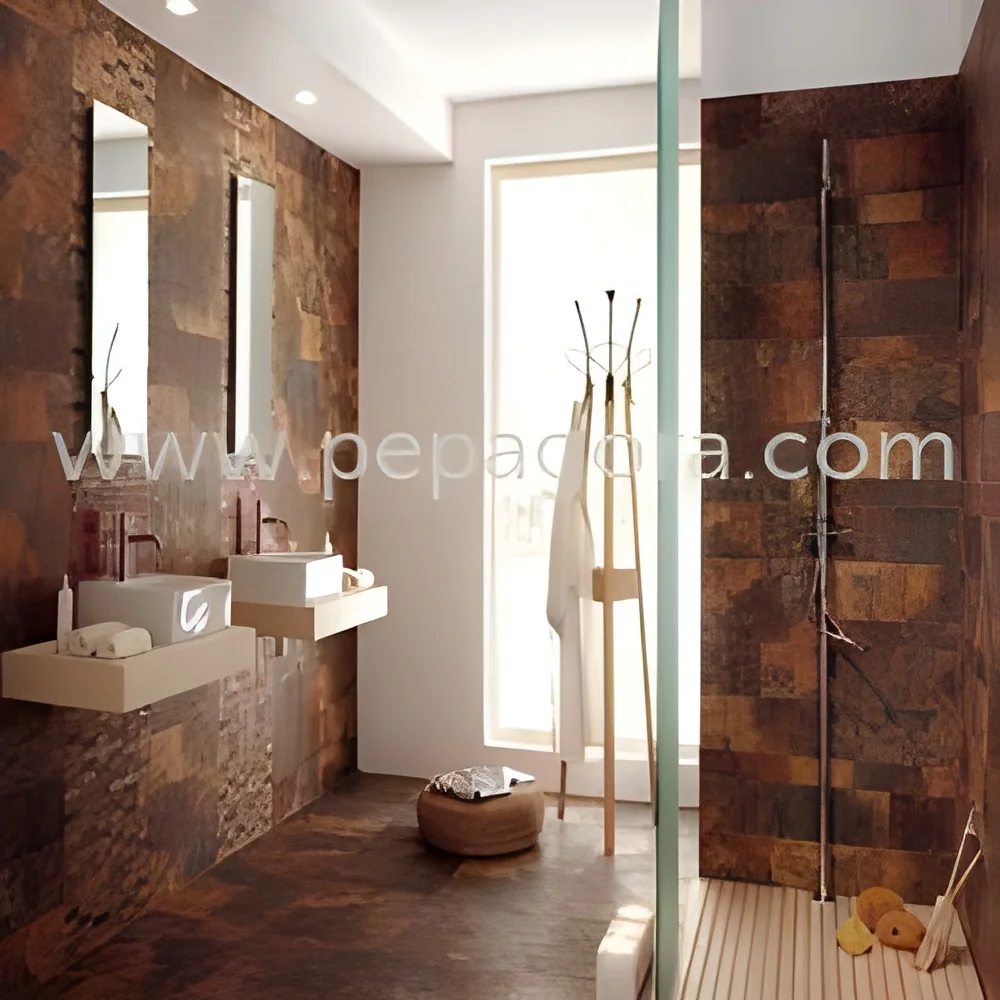
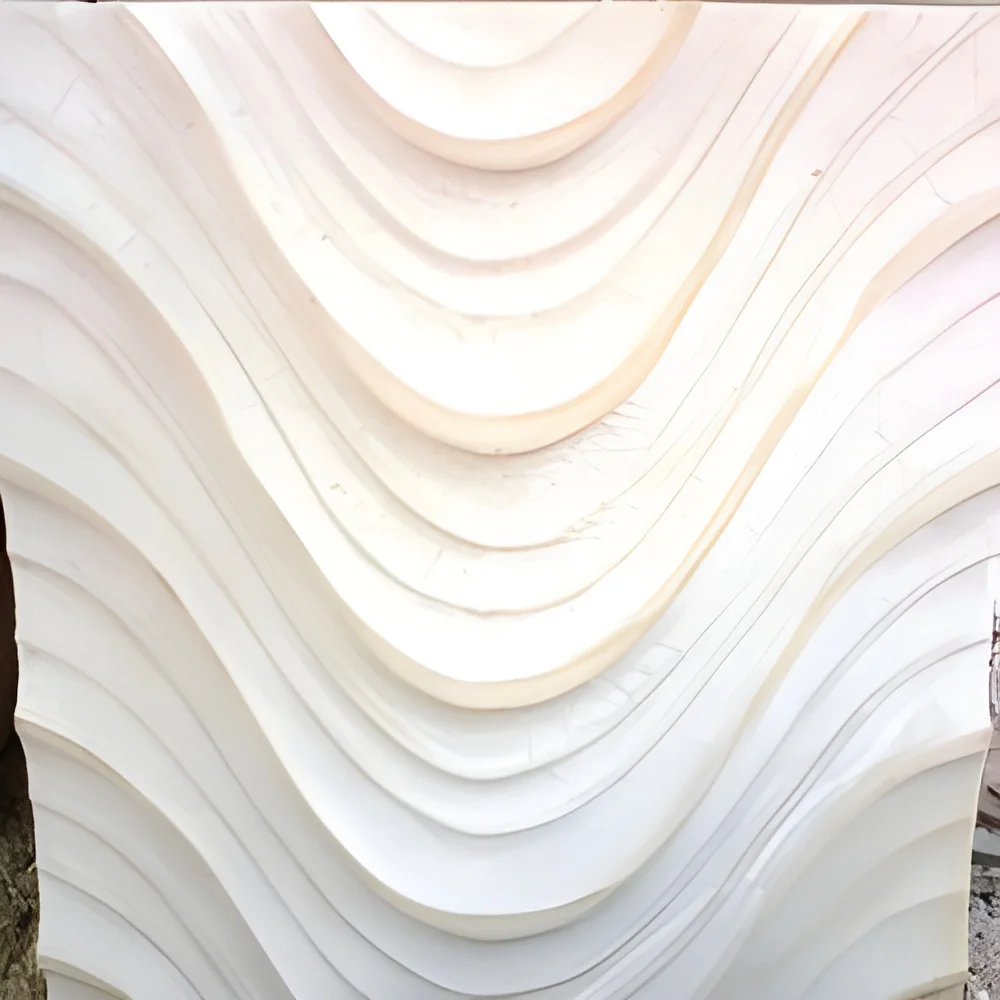
These tiles feature raised patterns or designs, adding depth and character to walls. They are often used as accent pieces in interior design.
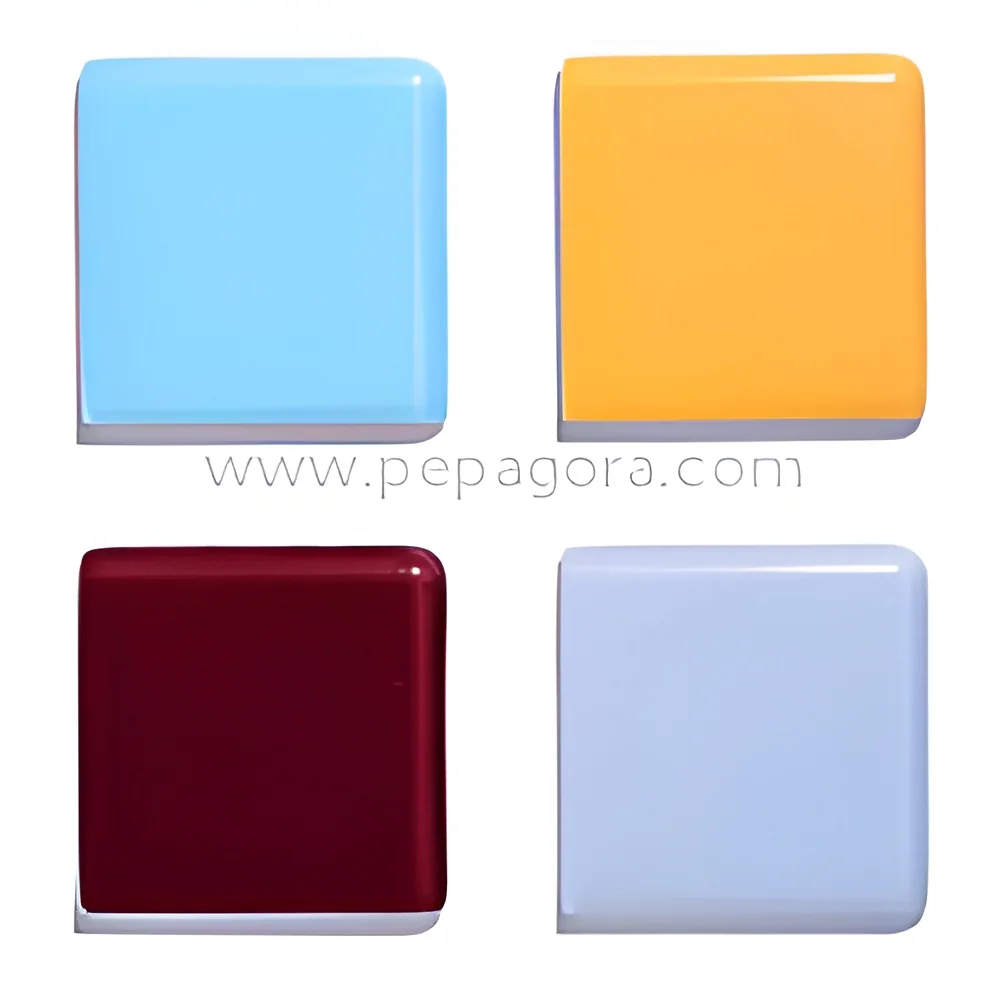
Colored Ceramic Wall Tiles
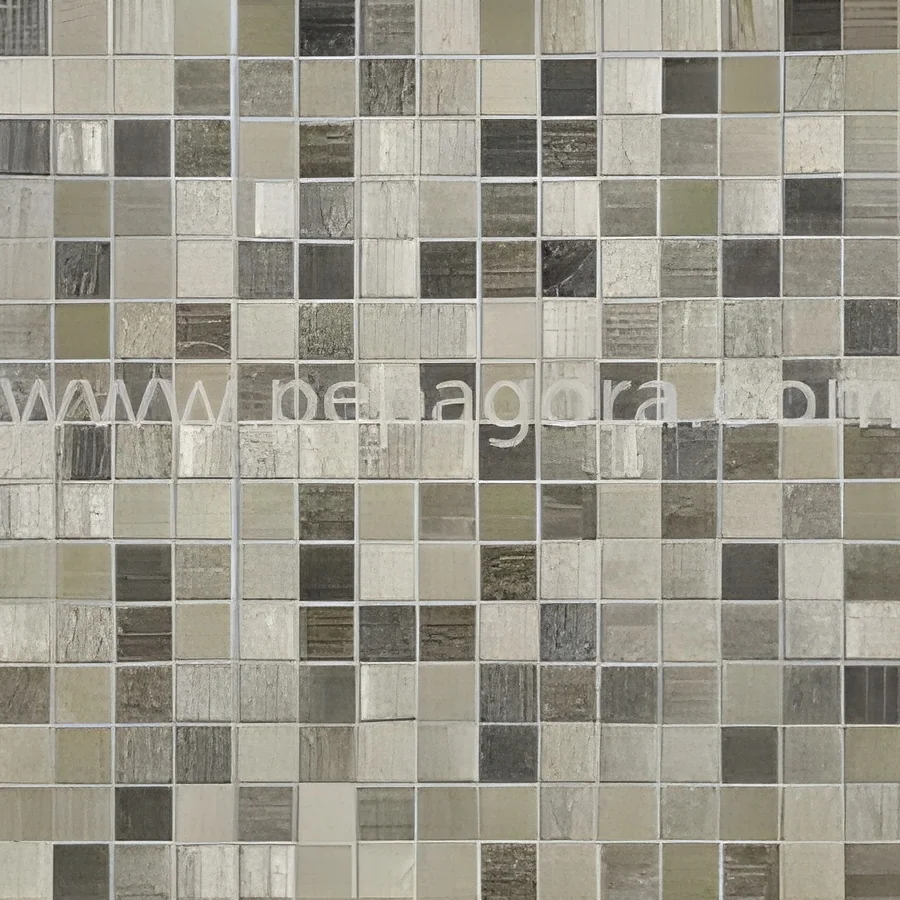
Available in a wide range of colors, these tiles allow for personalization and can be used to create unique patterns or murals on walls.
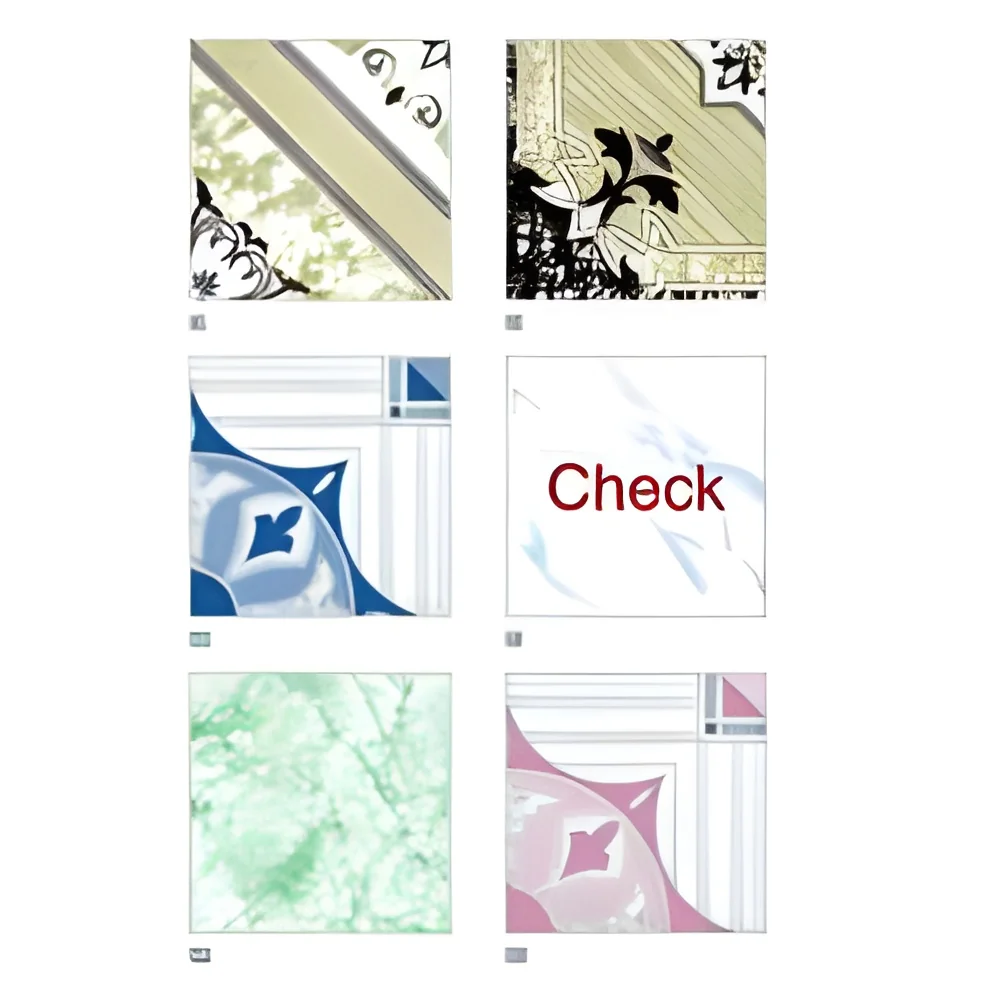
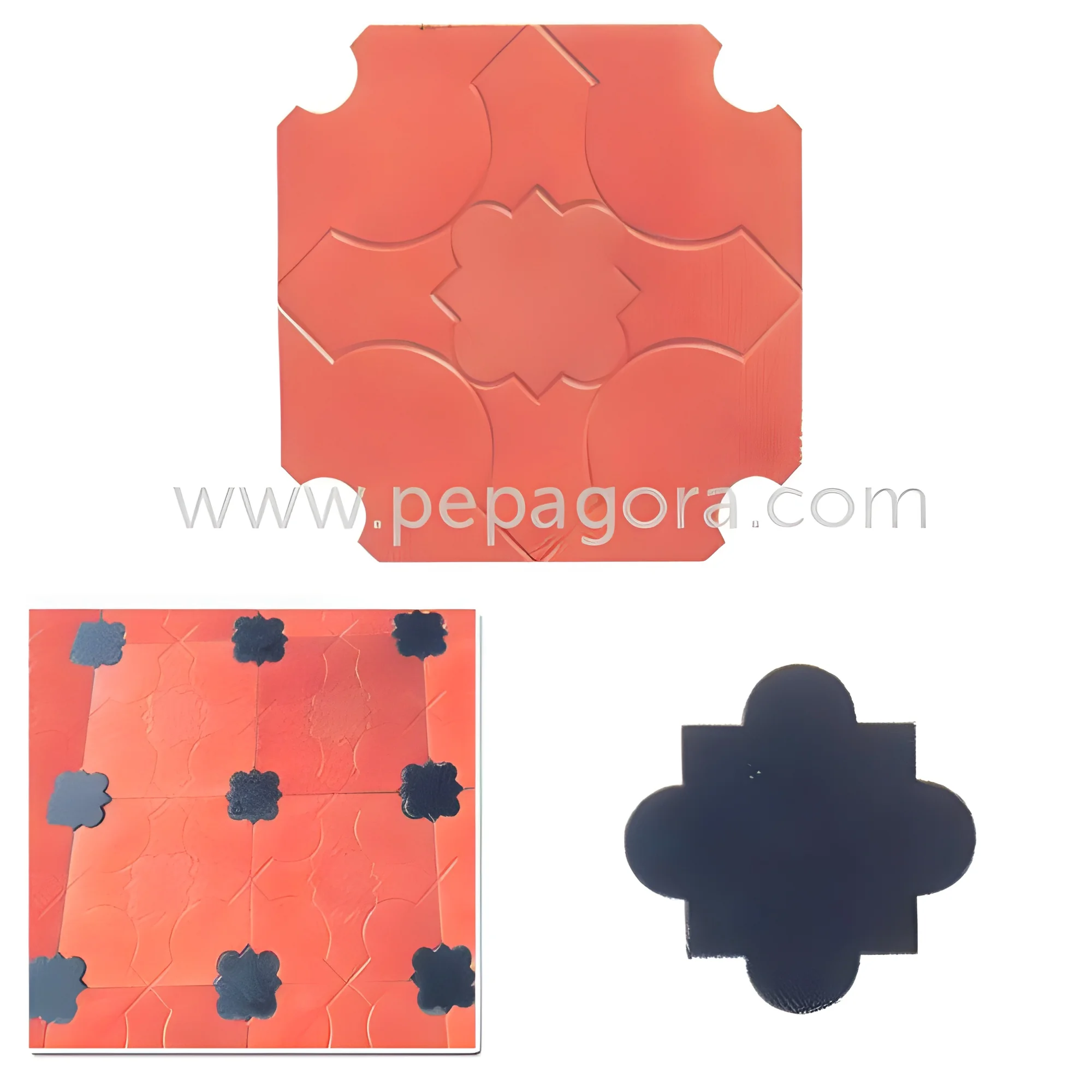
Decorative Ceramic Wall Tiles
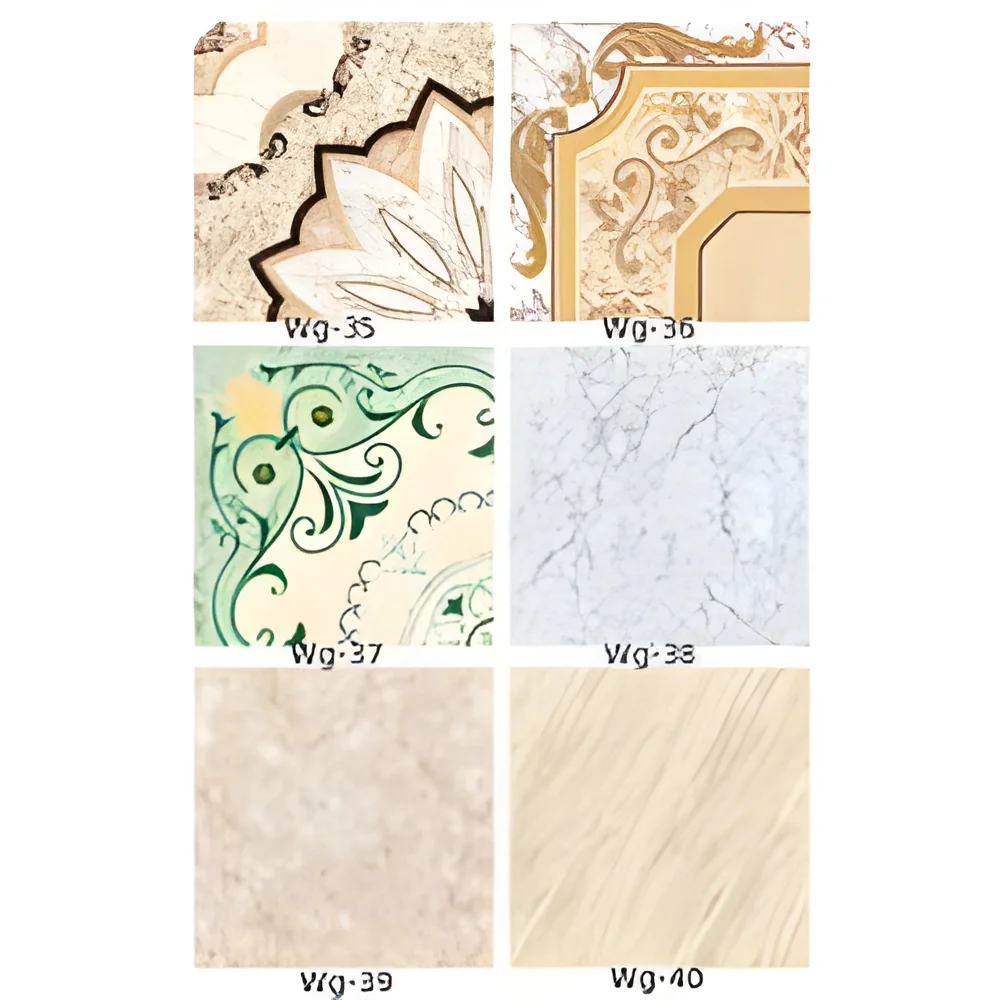
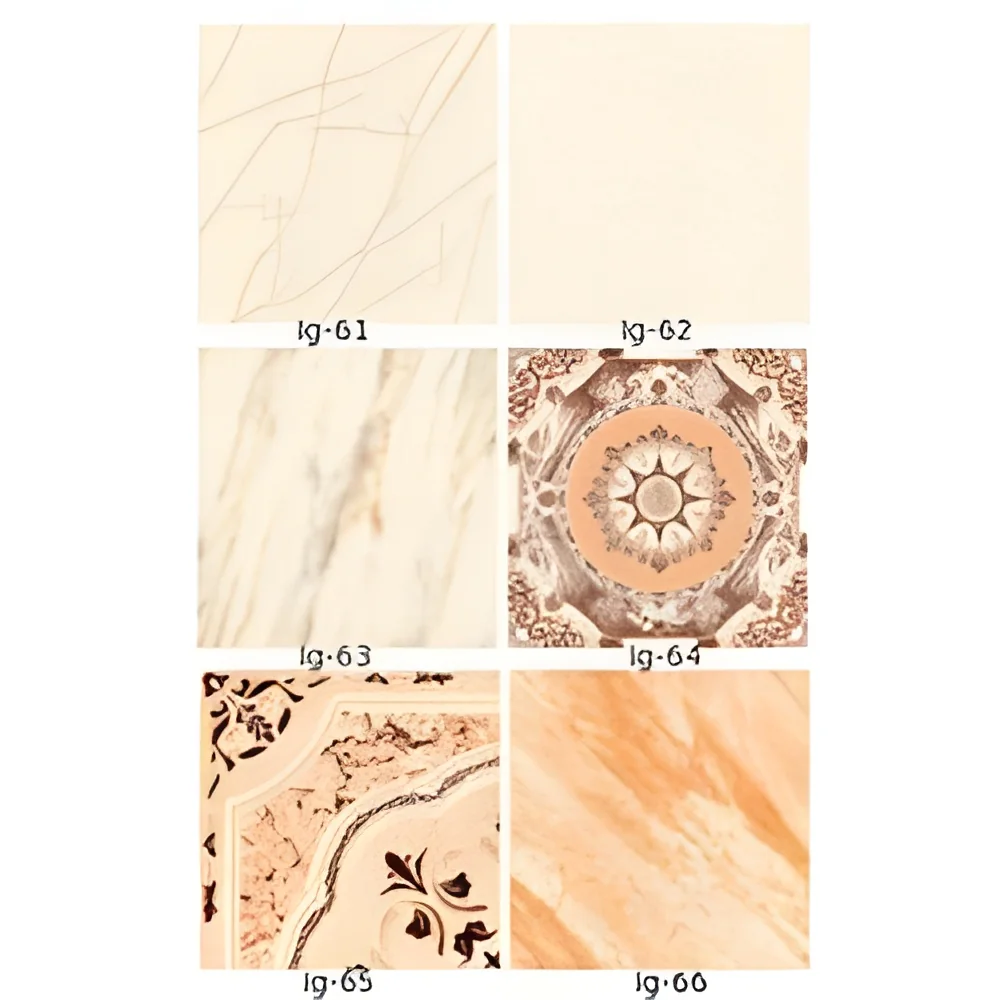
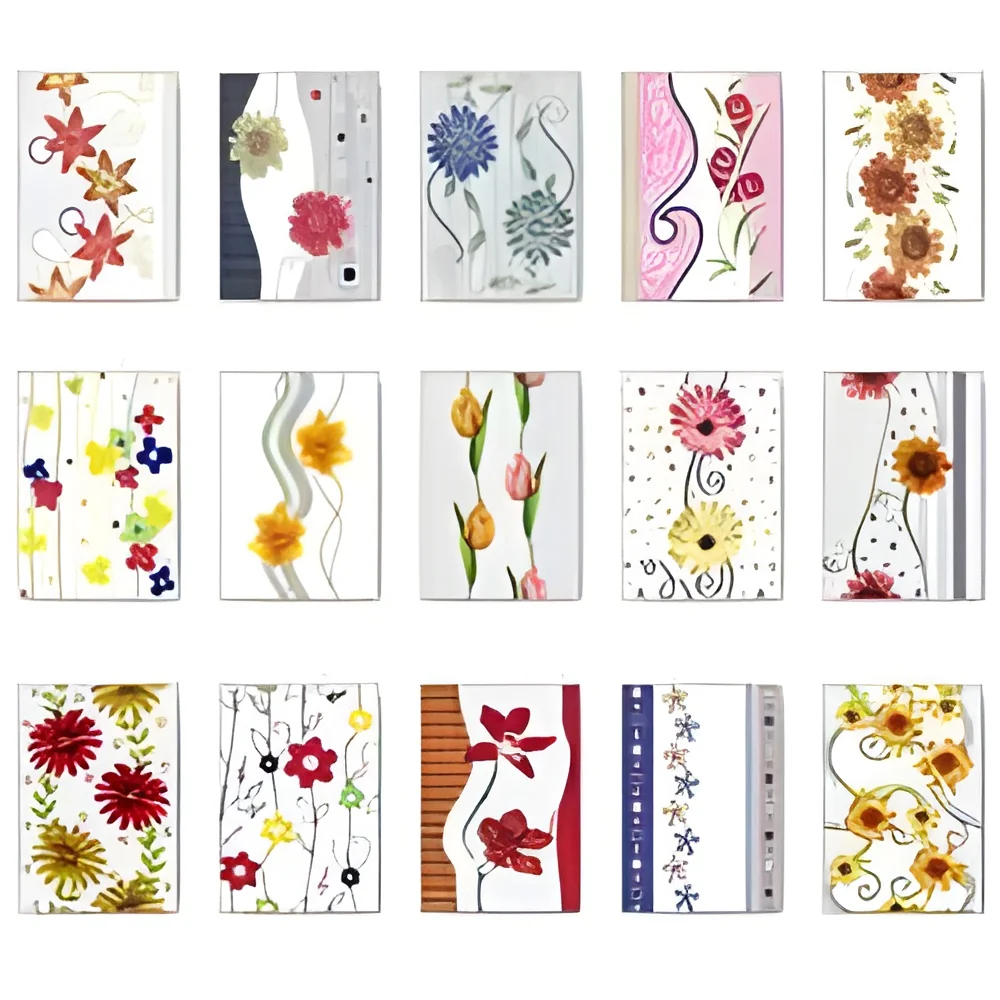
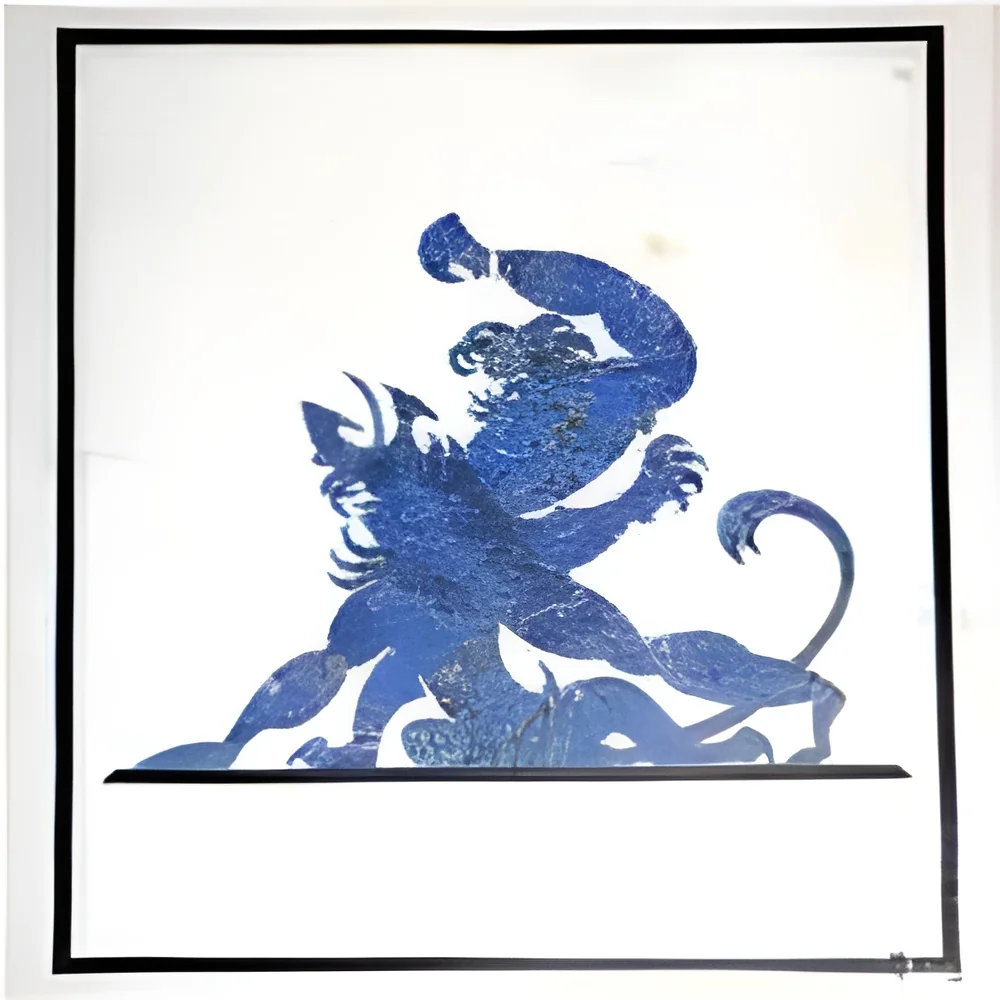
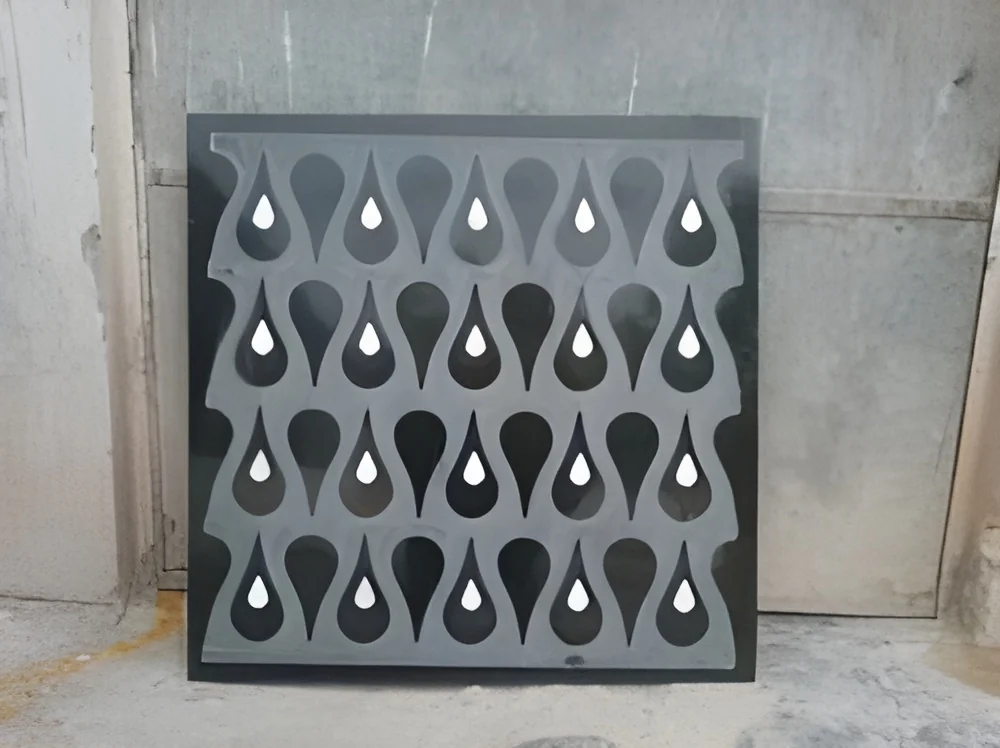
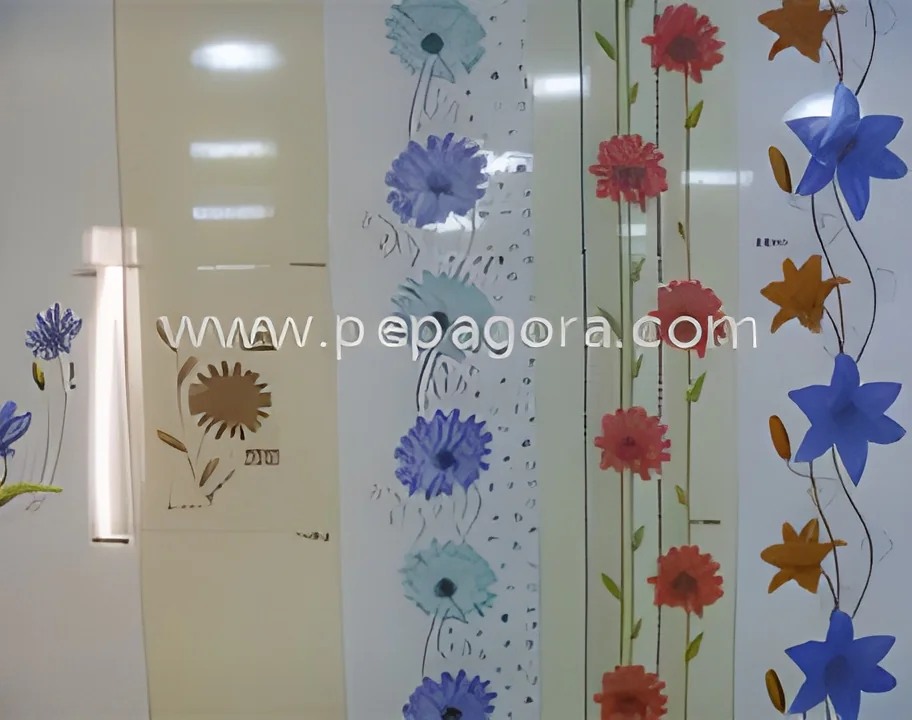
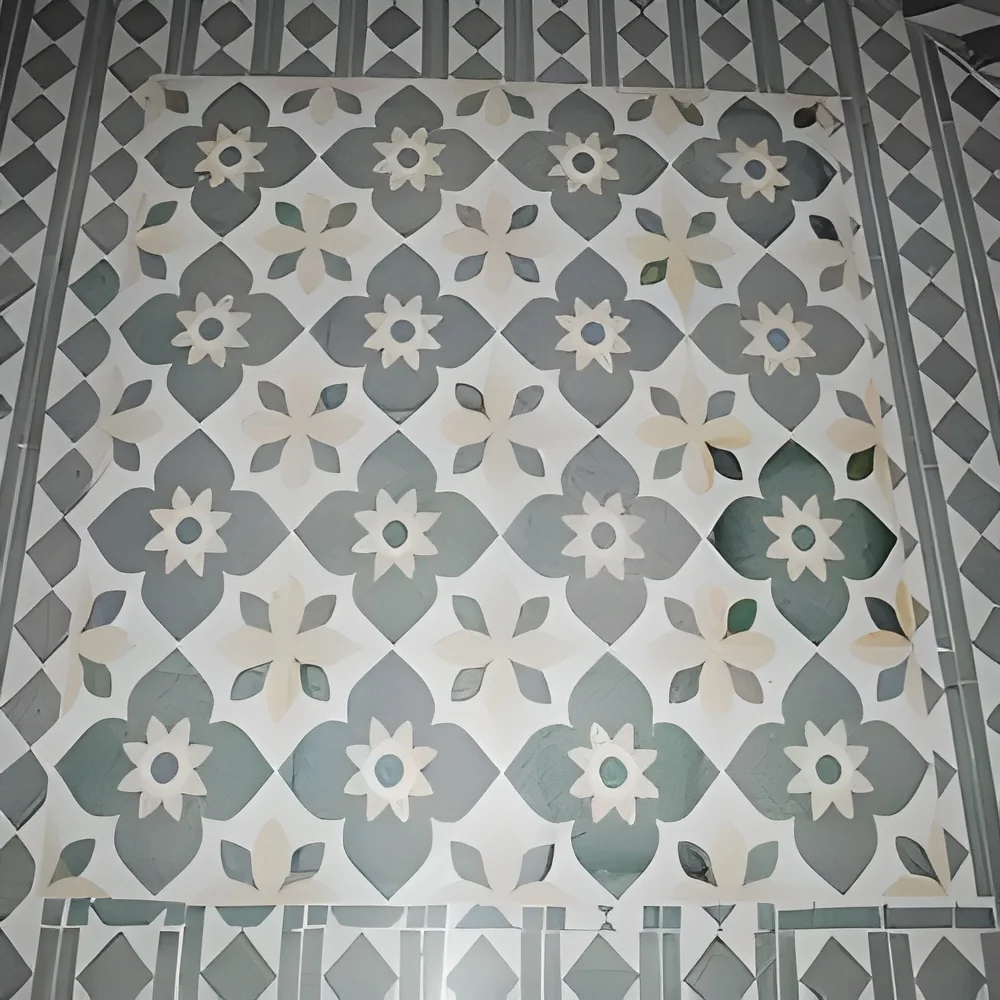
These tiles often feature intricate designs or motifs, making them perfect for focal points or artistic displays in homes and businesses.
Benefits and Advantages
Ceramic wall tiles offer numerous advantages for B2B buyers.
1. Durability: Ceramic tiles are resistant to scratches, stains, and fading, ensuring a long-lasting surface that withstands daily wear and tear.
2. Low Maintenance: Their glazed surface makes cleaning easy, requiring only regular wiping to maintain their appearance.
3. Aesthetic Versatility: With a wide variety of styles, colors, and finishes, ceramic tiles can fit any design theme, from traditional to modern.
4. Cost-Effectiveness: Ceramic wall tiles provide a budget-friendly solution for both new construction and renovation projects, balancing quality with affordability.
5. Eco-Friendly Options: Many ceramic tiles are made from natural materials and can be produced using sustainable practices.
6. Safety Features: Ceramic tiles are often slip-resistant, making them a safe choice for high-traffic areas.
Buying Guide for B2B Buyers
When sourcing ceramic wall tiles, it is essential to consider several factors to ensure a successful purchase.
1. Quality Assessment: Evaluate the quality of tiles based on their durability, finish, and resistance to wear. Look for tiles that meet relevant quality standards.
2. Supplier Verification: Vet potential suppliers to ensure reliability and consistency in product delivery. Check reviews, certifications, and their history in the industry.
3. Pricing and MOQ: Understand the pricing structures and minimum order quantities (MOQ) from different suppliers to find the best deal that meets project needs.
4. Delivery and Lead Times: Clarify delivery schedules and lead times with suppliers to ensure timely availability for your project timelines.
5. Compliance Requirements: Ensure that the selected ceramic wall tiles adhere to local regulations and industry standards, including safety and environmental compliance.
Compliance and Certifications
Ceramic wall tiles must meet various quality standards and certifications to ensure safety and reliability.
Relevant standards include ISO 9001, which focuses on quality management systems, ensuring manufacturers consistently provide products that meet customer and regulatory requirements.
CE certification is also vital, as it indicates that the tiles comply with European Union safety, health, and environmental protection standards.
Safety and testing requirements are crucial to guarantee that the tiles are free from harmful substances and perform effectively in their intended environment.
Regional compliance considerations may vary, so it is important for buyers to be aware of local regulations that apply to ceramic wall tiles in their area.
Why Source Ceramic Wall Tiles from Pepagora?
Pepagora offers a trusted platform for sourcing ceramic wall tiles, presenting several key advantages to B2B buyers.
Verified Supplier Network: Pepagora connects buyers with a network of verified suppliers, ensuring that products meet quality standards and are delivered on time.
Streamlined RFQ Process: The platform facilitates a straightforward Request for Quotation (RFQ) process, allowing buyers to easily compare prices and offerings from multiple suppliers.
Trade Assurance and Support: Pepagora provides trade assurance, protecting buyers throughout the transaction process and ensuring a secure purchasing experience.
Regional Coverage: With a strong presence in India, the GCC, and Southeast Asia, Pepagora offers extensive geographic reach, making it easier for businesses to find the right ceramic wall tiles for their specific needs.

 IN
IN

 India
India