
 IN
Capsule Filling Machines
23 products available
What are Capsule Filling Machines?
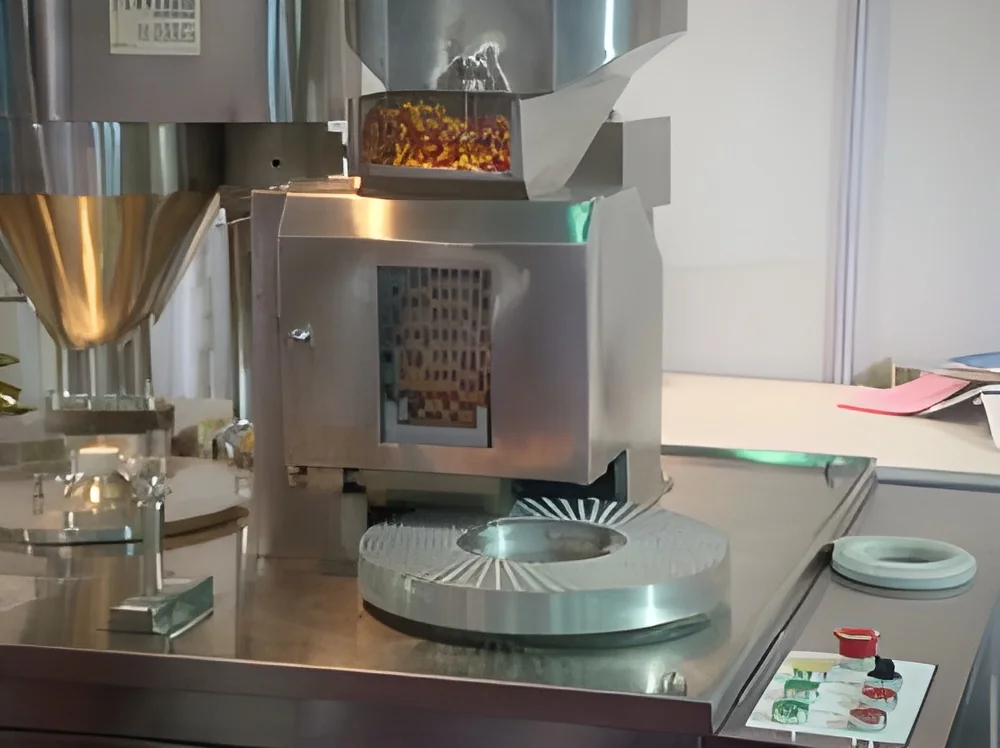
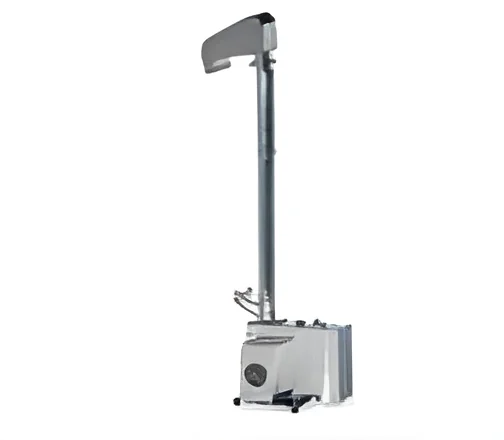
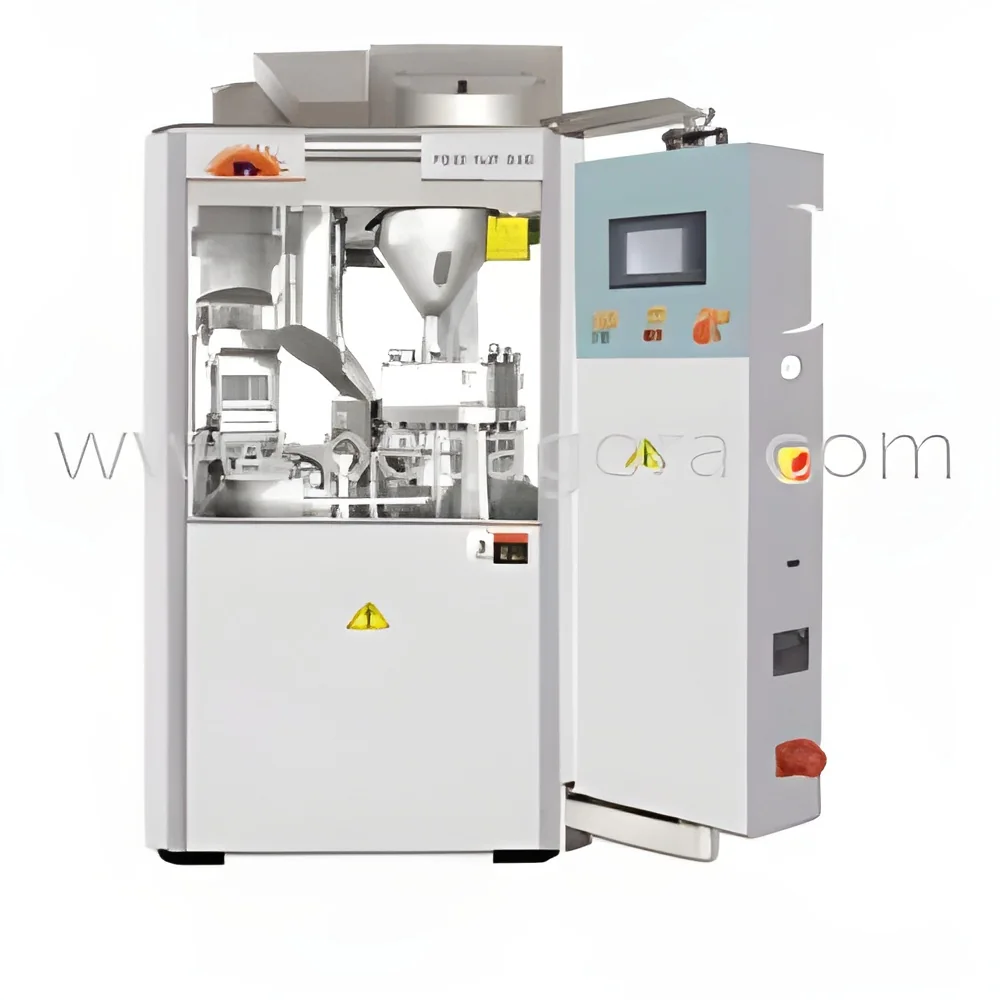
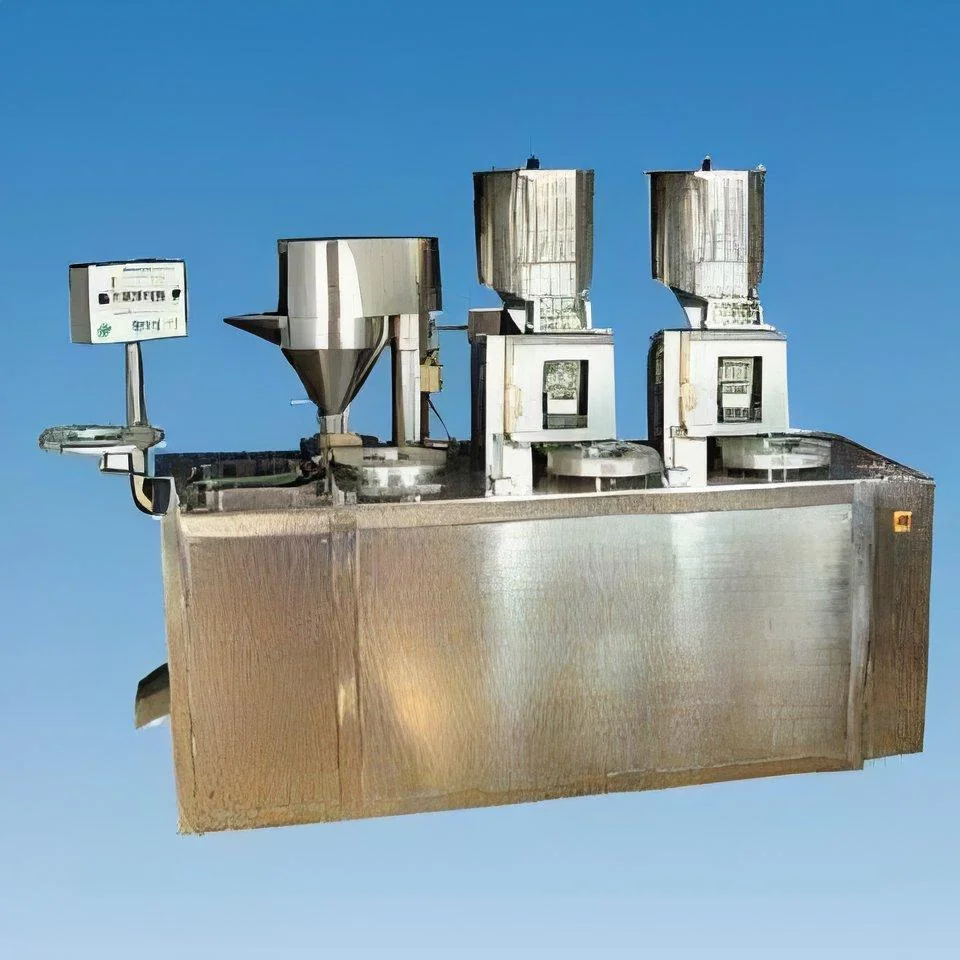
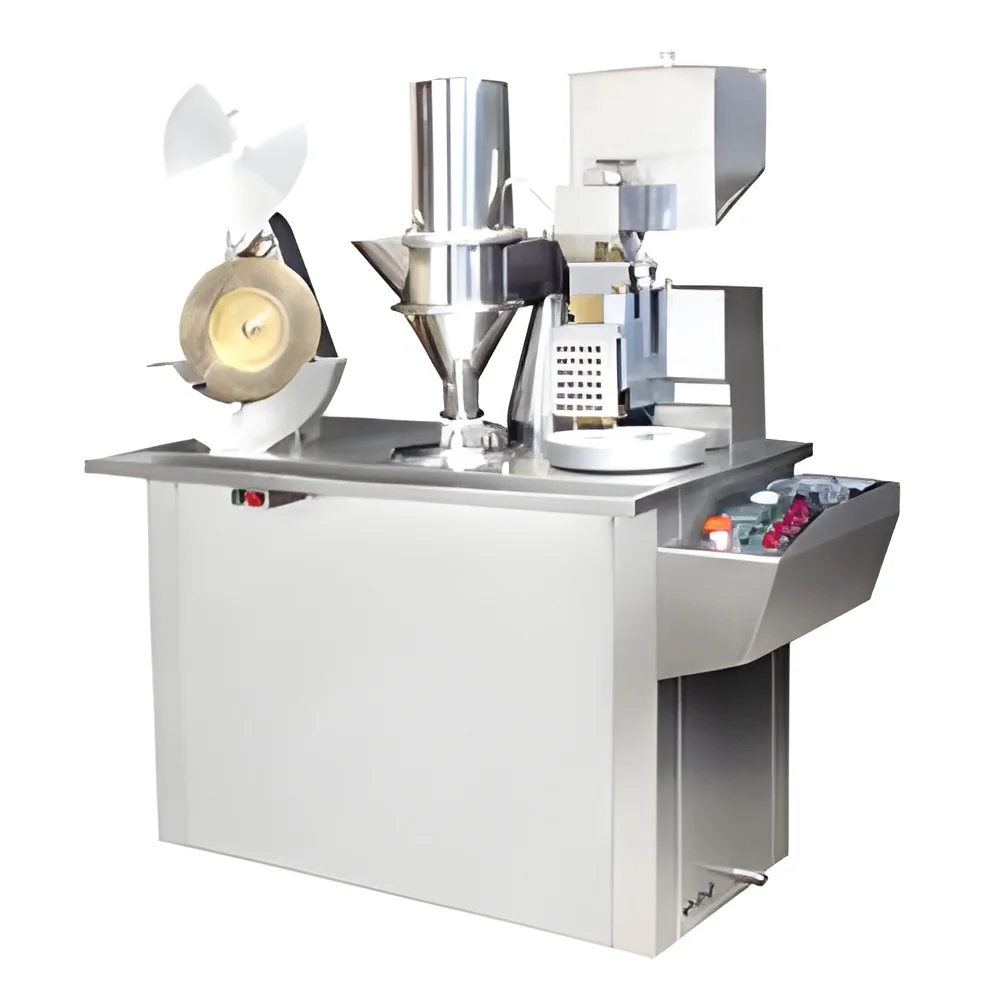
Capsule filling machines are specialized equipment designed for the automated filling of capsules with various substances, including powders, granules, and pellets. These machines streamline the process of capsule production, catering to pharmaceutical, nutraceutical, and dietary supplement industries. By ensuring precise dosing and consistent quality, capsule filling machines enhance production efficiency and reduce labor costs.
These machines are primarily used in production environments where high volumes of capsules need to be filled quickly and accurately. Businesses utilize them for manufacturing dietary supplements, pharmaceutical products, and other applications that require encapsulation. The ability to automate this process not only speeds up production but also minimizes human error, making it a critical asset in any facility focused on capsule-based products.
In the current market, the demand for capsule filling machines is driven by the growth of the pharmaceutical and health supplement industries. As consumers increasingly seek convenient dosage forms, manufacturers are turning to these machines to meet their production needs. This has led to advancements in technology and design, ensuring that capsule filling machines can accommodate a wide range of formulations while maintaining compliance with industry standards.
Key Features and Specifications
Capsule filling machines come equipped with a variety of features that enhance their efficiency, accuracy, and usability. Understanding the key specifications is essential for making informed purchasing decisions.
Key specifications include:
1. Filling Capacity
- This refers to the number of capsules filled per hour.
- Typical ranges can vary from 1,000 to 60,000 capsules per hour, depending on the machine model.
2. Capsule Size Compatibility
- Capsule filling machines can handle various capsule sizes, from size 000 to size 4.
- Machines must be selected based on the specific capsule sizes required for production.
3. Power Requirements
- Machines typically operate on standard electrical inputs.
- Power consumption varies, usually between 1 kW and 5 kW, depending on the machine's design and capabilities.
4. Control System
- Many machines feature PLC (Programmable Logic Controller) systems for enhanced automation.
- User interfaces may include touch screens for easier operation.
5. Material Construction
- Common materials include stainless steel, which offers durability and ease of cleaning.
- Machines should be constructed to meet hygiene and safety standards.
6. Production Efficiency
- The efficiency of the machine often relates to the speed and accuracy of filling.
- Modern models may include features like automatic shutdown in case of errors.
7. Compliance Standards
- Machines should adhere to quality standards such as ISO 9001, ensuring manufacturing quality.
- Certification from bodies like CE and UL indicates compliance with safety and regulatory standards.
8. Maintenance Requirements
- Machines should be designed for easy maintenance to minimize downtime.
- Regular servicing might be needed to ensure optimal performance.
In summary, understanding the features and specifications of capsule filling machines is crucial for businesses looking to optimize their production processes. These machines not only enhance efficiency but also ensure compliance with industry standards.
Common Applications and Use Cases
Capsule filling machines are versatile and find applications across various industries.
1. Pharmaceutical Industry: These machines are essential for producing medications in capsule form, enabling precise dosing and consistent quality across large batches.
2. Nutraceutical Industry: Companies manufacturing dietary supplements rely on capsule filling machines to encapsulate vitamins, minerals, and herbal products, ensuring accurate dosage and stability.
3. Food Industry: Capsule filling machines are used for encapsulating flavors, essential oils, and other food additives, allowing for convenient consumption and enhanced product delivery.
4. Cosmetic Industry: Manufacturers of cosmetic products use capsule filling machines for encapsulating active ingredients in beauty supplements, ensuring proper dosage and formulation.
5. Veterinary Industry: These machines are employed to produce capsules for animal medications, providing an efficient method for delivering necessary treatments.
6. Research and Development: In laboratories, capsule filling machines are utilized for small-scale production of experimental formulations, facilitating testing and development.
7. Cannabis and CBD Products: The rise of cannabis products has led to the use of capsule filling machines for encapsulating oils and extracts for easy consumption.
Product Variants and Subcategories
Capsule filling machines come in various models and configurations to cater to different production needs.
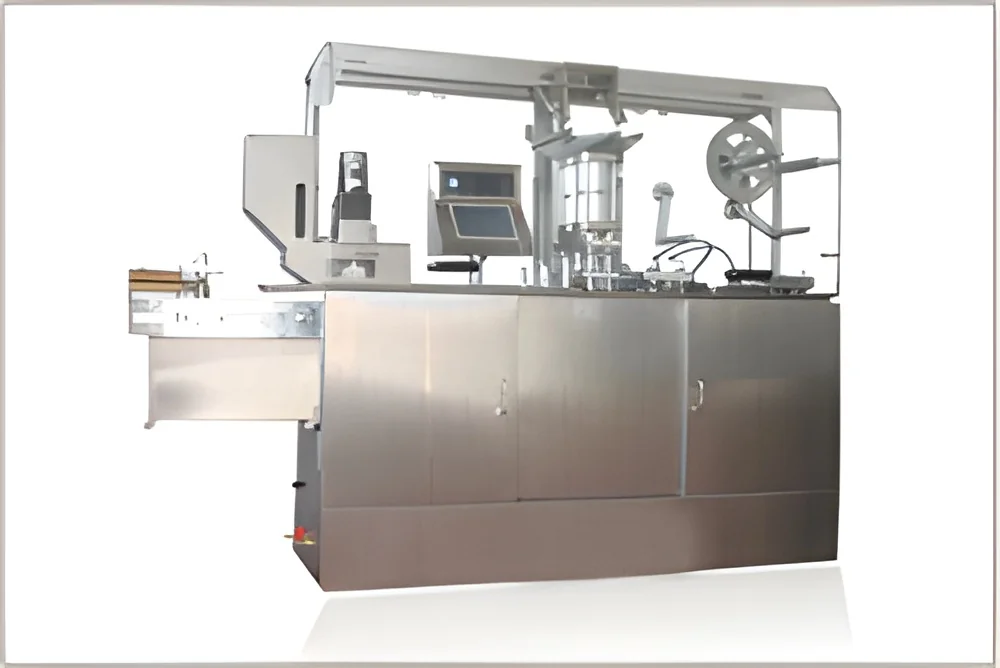
Semi-Automatic Capsule Filling Machines: These machines require some manual intervention for capsule loading but automate the filling process. They are suitable for small to medium production runs and are user-friendly.
Fully Automatic Capsule Filling Machines: Designed for high-volume production, these machines handle the entire process from capsule feeding to filling and sealing without manual input. They are ideal for large manufacturers looking to maximize efficiency.
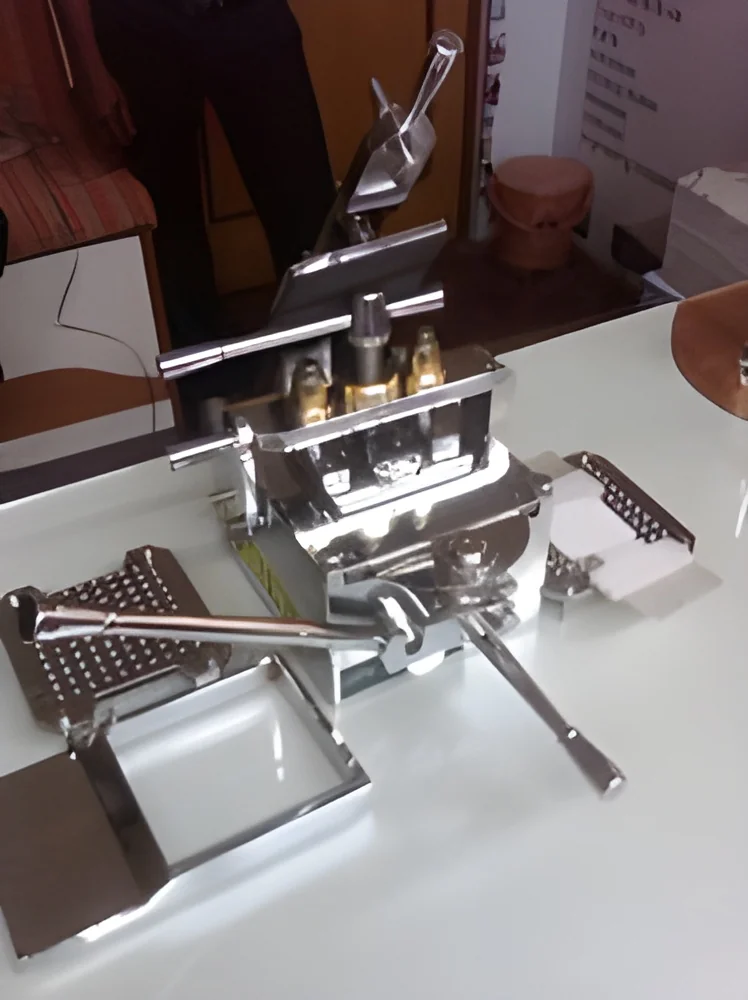
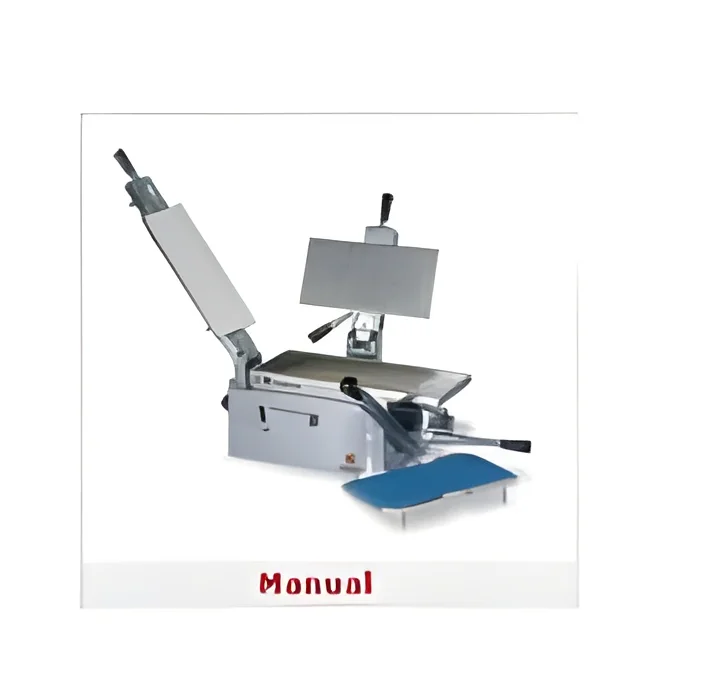
Manual Capsule Filling Machines: These machines are designed for small-scale operations, allowing users to fill capsules manually. They are cost-effective and suitable for startups or businesses with low production volumes.
Benefits and Advantages
Investing in capsule filling machines offers numerous benefits for businesses looking to improve their production capabilities.
Key benefits include:
1. Increased Efficiency: These machines automate the filling process, significantly reducing production time and labor costs.
2. Enhanced Accuracy: With precise dosing capabilities, capsule filling machines minimize the risk of human error, ensuring consistent product quality.
3. Versatile Applications: Capsule filling machines can be configured to handle various substances, accommodating different formulations and industries.
4. Scalability: As production needs grow, businesses can select machines with varying capacities, allowing for seamless scaling of operations.
5. Improved Hygiene: Many machines are designed with easy-to-clean materials and features, ensuring compliance with hygiene standards.
6. Cost-Effectiveness: By reducing labor and production time, capsule filling machines can lead to significant cost savings over time.
Buying Guide for B2B Buyers
When sourcing capsule filling machines, several important factors should be taken into account to ensure the right choice.
1. Quality Assessment: Evaluate the quality of the machine based on construction materials, ease of maintenance, and adherence to industry standards. Look for machines that have passed relevant certifications.
2. Supplier Verification: Vet suppliers by checking their reputation, customer reviews, and history in the market. A reliable supplier should provide support and be transparent about their products.
3. Pricing and MOQ: Consider the pricing structure and minimum order quantities (MOQ). Ensure that the investment aligns with your budget and production needs.
4. Delivery and Lead Times: Discuss logistics and expected delivery times with potential suppliers. Timely delivery is crucial for maintaining production schedules.
5. Compliance Requirements: Ensure that the machines meet local and international compliance standards. Understanding regulatory needs is essential for avoiding costly penalties.
Compliance and Certifications
Capsule filling machines must adhere to various compliance standards and certifications to ensure safety and reliability in production.
Relevant quality standards include ISO 9001, which ensures that manufacturers maintain effective quality management systems. This certification is crucial for companies aiming to deliver consistent products.
Industry certifications such as UL and CE indicate that the machines meet safety and performance standards. These certifications help build trust with consumers and regulatory bodies.
Safety and testing requirements are vital, as they ensure that machines operate reliably without posing risks to operators or end-users. Regular testing and maintenance are necessary to uphold these standards.
Regional compliance considerations may vary depending on the market. Businesses should be aware of specific regulations in their operational areas to ensure that their machines are compliant.
Why Source Capsule Filling Machines from Pepagora?
Pepagora provides a trusted platform for sourcing capsule filling machines, offering several key advantages for businesses.
Verified Supplier Network: Pepagora boasts a robust network of verified suppliers, ensuring that buyers can find reliable manufacturers. This network helps businesses connect with suppliers who meet quality and compliance standards.
Streamlined RFQ Process: The request for quotation (RFQ) system simplifies the sourcing process, allowing buyers to receive competitive quotes from multiple suppliers. This feature saves time and helps in making informed purchasing decisions.
Trade Assurance and Support: Pepagora offers trade assurance, providing buyers with protection throughout the purchasing process. This support enhances buyer confidence and minimizes risks associated with procurement.
Regional Coverage: With a strong presence in regions such as India, GCC, and Southeast Asia, Pepagora connects businesses with local suppliers, facilitating smoother logistics and communication. This regional coverage helps businesses tap into growing markets efficiently.

 India
 India
 India
 India
 India
 India
 India
 India
 India
Frequently Asked Questions
What are Capsule Filling Machines?
Capsule Filling Machines are devices used to fill capsules with pharmaceutical or nutritional products. These machines automate the process of filling hard or soft gelatin capsules with powders, granules, or pellets, ensuring accurate dosages and improved efficiency in production.
What are the different types of Capsule Filling Machines?
There are several types of Capsule Filling Machines, including manual, semi-automatic, and fully automatic machines. Manual machines are operated by hand, while semi-automatic machines require some manual input but offer greater efficiency. Fully automatic machines handle the entire filling process with minimal human intervention.
How do I choose the right Capsule Filling Machines?
Choosing the right Capsule Filling Machine involves considering factors such as production volume, type of capsules being used, and the specific filling material. It's important to evaluate the machine's capacity, ease of use, maintenance requirements, and compatibility with your production line.
What are the standard specifications for Capsule Filling Machines?
Standard specifications for Capsule Filling Machines may include filling speed, capsule size compatibility, and dosing accuracy. Additionally, features such as material construction, power requirements, and dimensions play a crucial role in determining the machine's suitability for specific applications.
What is the price range for Capsule Filling Machines?
The price of Capsule Filling Machines can vary significantly based on type and features, typically ranging from a few thousand to several lakhs of Indian Rupees. Manual machines are generally less expensive, while fully automatic machines may cost considerably more due to advanced technology and increased capacity.
What quality standards apply to Capsule Filling Machines?
Capsule Filling Machines must comply with various quality standards, including Good Manufacturing Practices (GMP) and ISO certifications. These standards ensure that the machines are designed, manufactured, and maintained to meet safety and efficiency requirements in pharmaceutical production.
Where can I find Capsule Filling Machines suppliers in India?
You can find Capsule Filling Machines suppliers in India through online B2B marketplaces like Pepagora, industry trade shows, and manufacturing directories. It's advisable to research suppliers, check reviews, and compare offerings to identify the best options for your needs.
Can Capsule Filling Machines be customized?
Yes, many manufacturers offer customization options for Capsule Filling Machines to meet specific production requirements. Customizations may include size adjustments, added features, or specialized configurations to accommodate different filling materials and capsule types.
What is the typical minimum order quantity for Capsule Filling Machines?
The minimum order quantity (MOQ) for Capsule Filling Machines varies by supplier and machine type. Typically, MOQs can range from one unit for high-end models to larger quantities for lower-cost, manual machines.
What is the typical lead time for Capsule Filling Machines?
The lead time for Capsule Filling Machines can vary depending on the manufacturer and order specifications. Generally, it can range from a few weeks to several months, especially for custom machines or during peak production periods.
Why Businesses Trust Pepagora
Thousands of companies trust Pepagora to source smarter and sell faster
Expand Your Sales Globally

Source Smarter,Grow Faster
