IN
IN₹
Apparel & Fashion
Description
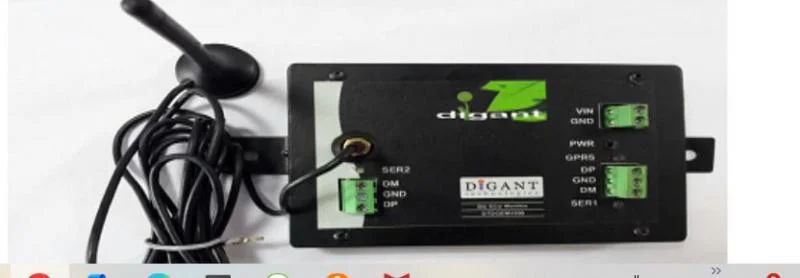
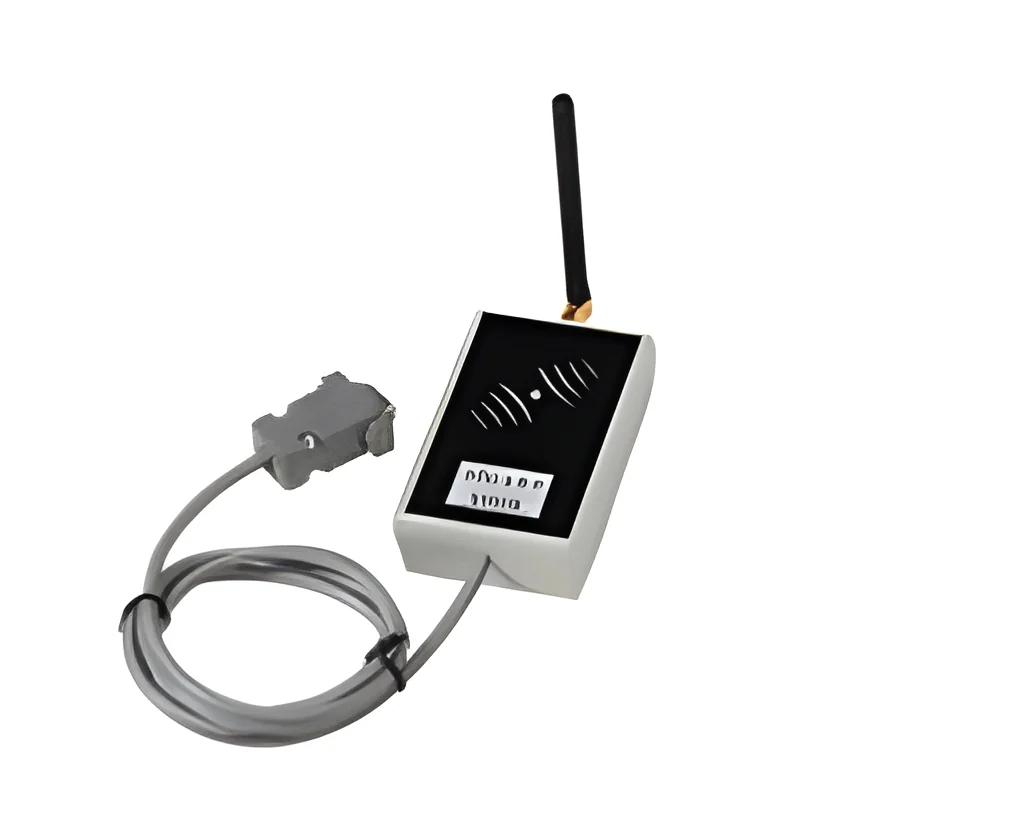
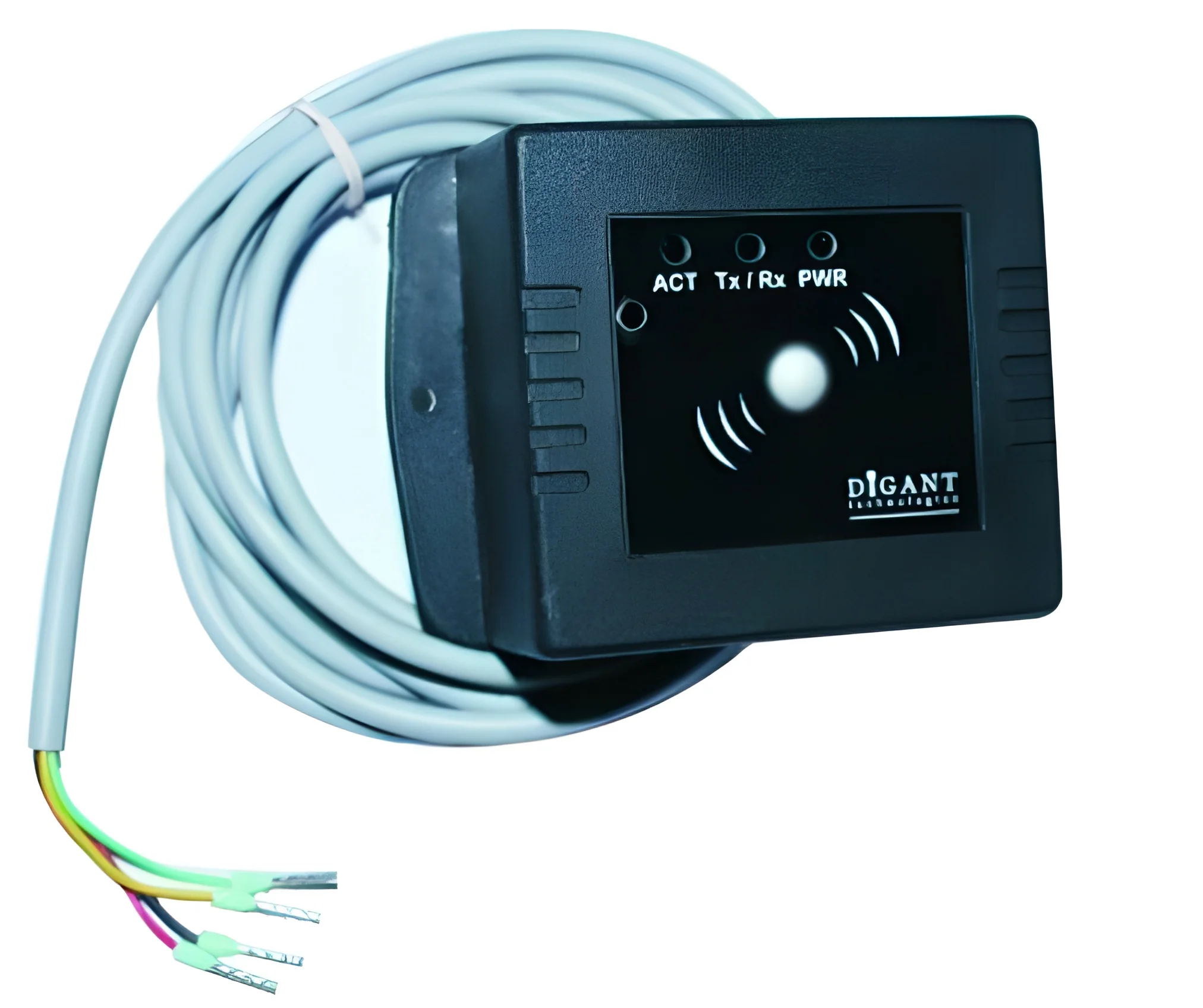
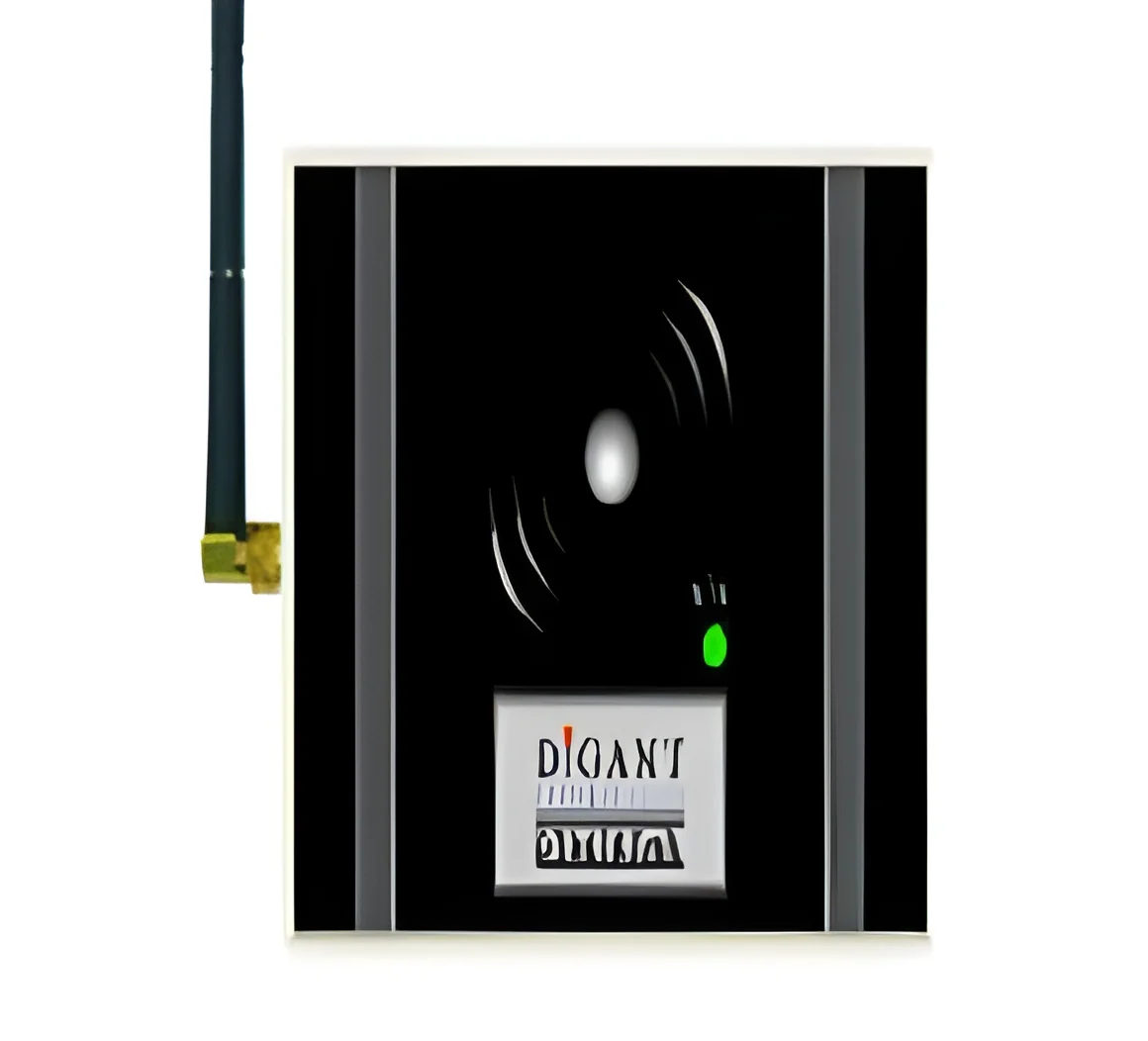
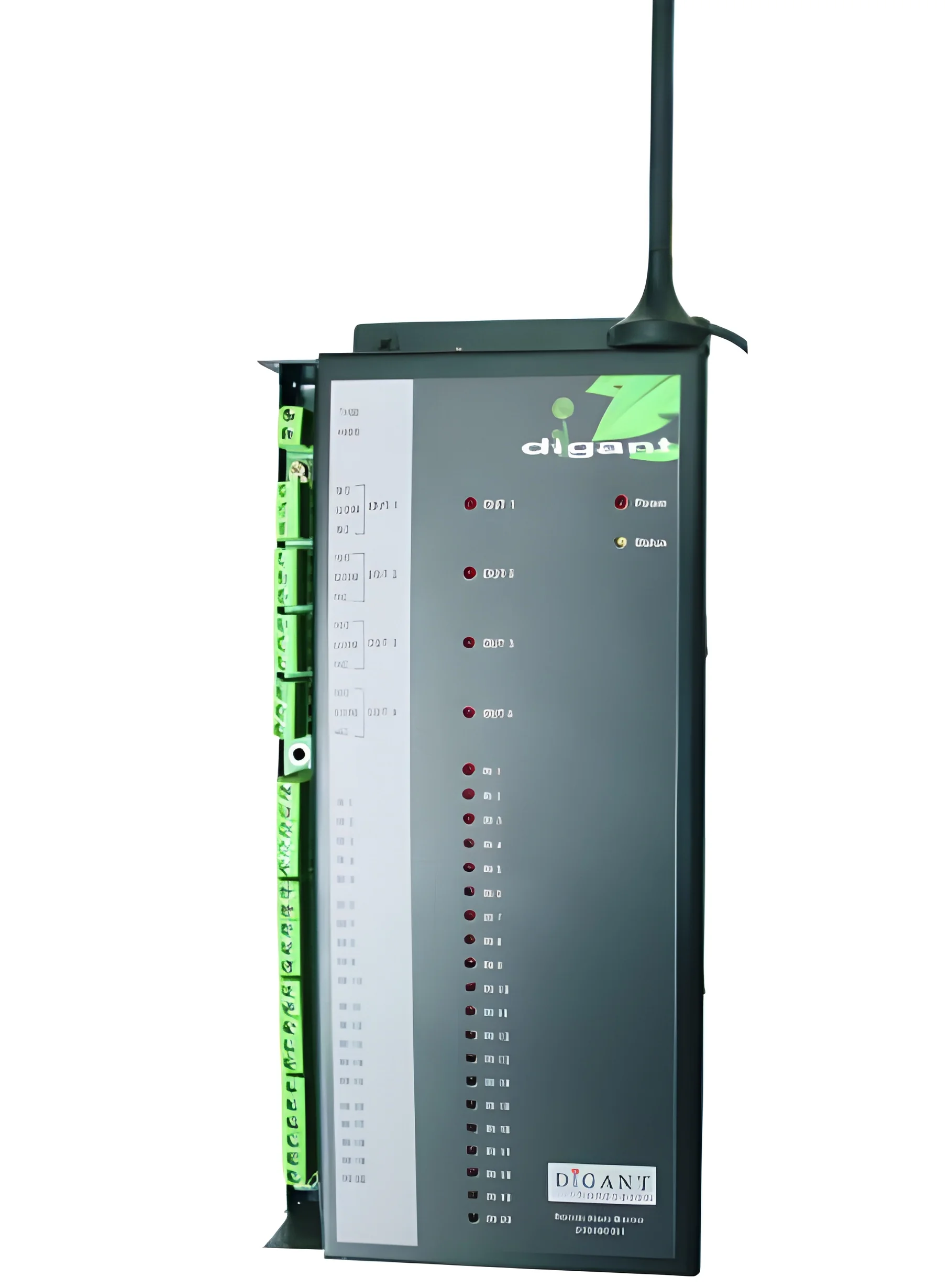
The DTRAM1001 Remote Alarm Monitor represents cutting-edge monitoring technology designed specifically for mission-critical infrastructure applications. This compact yet powerful unit continuously tracks alarm status and fault data across distributed sites, transmitting real-time information via reliable GSM/GPRS connectivity to central monitoring systems. Even during network disruptions, the system maintains functionality through SMS-based status reporting, ensuring uninterrupted oversight of remote locations. Built with industrial-grade components, it delivers exceptional reliability while reducing operational costs through minimized site visits and proactive maintenance capabilities.

Telecom infrastructure providers rely heavily on the DTRAM1001 for monitoring tower sites, power systems, and environmental conditions across their network footprint. The system's robust design and comprehensive input capabilities make it equally valuable for industrial automation, energy management, a...
The DTRAM1001 Remote Alarm Monitor represents cutting-edge monitoring technology designed specifically for mission-critical infrastructure applications. This compact yet powerful unit continuously tracks alarm status and fault data across distributed sites, transmitting real-time information via reliable GSM/GPRS connectivity to central monitoring systems. Even during network disruptions, the system maintains functionality through SMS-based status reporting, ensuring uninterrupted oversight of remote locations. Built with industrial-grade components, it delivers exceptional reliability while reducing operational costs through minimized site visits and proactive maintenance capabilities.

Telecom infrastructure providers rely heavily on the DTRAM1001 for monitoring tower sites, power systems, and environmental conditions across their network footprint. The system's robust design and comprehensive input capabilities make it equally valuable for industrial automation, energy management, and security applications. Manufacturing facilities utilize it for equipment monitoring, while utility companies deploy it for remote substation supervision. The unit's flexibility and reliability have made it the preferred choice for businesses requiring dependable remote monitoring across multiple dispersed locations.

The business value of the DTRAM1001 extends beyond basic monitoring to deliver tangible operational improvements and cost savings. By providing instant fault alerts and remote diagnostic capabilities, it significantly reduces equipment downtime and maintenance expenses. The system's reliability ensures continuous operation in harsh environmental conditions, while its customization options allow businesses to tailor monitoring parameters to specific operational needs. This combination of features delivers superior return on investment through improved operational efficiency, reduced labor costs, and enhanced system reliability that protects critical infrastructure investments.

Key Features:
- 20 optically isolated inputs for comprehensive monitoring
- Real-time GSM/GPRS connectivity with SMS fallback
- Temperature sensing and environmental monitoring
- Data logging capability for historical analysis
- Remote control outputs for equipment management

Benefits:
- Reduces maintenance costs and unnecessary site visits
- Minimizes equipment downtime through instant alerts
- Improves operational efficiency across distributed sites
- Provides reliable performance in harsh conditions
- Offers customization options for specific business needs
Specifications
| Additional Information | |
|---|---|
| Country of Origin | India |
Application
The DTRAM1001 remote alarm monitor is essential for maintaining uninterrupted operations across distributed telecom infrastructure. Its real-time GSM/GPRS connectivity enables instant fault reporting and remote status checks, eliminating the need for physical inspections while ensuring continuous network performance monitoring across multiple locations.
This robust monitoring solution serves diverse industries including telecommunications, power distribution, and industrial automation. With 20 optically isolated inputs and temperature sensing capabilities, it provides comprehensive environmental and equipment monitoring for critical infrastructure sites, helping businesses prevent downtime and optimize maintenance operations. Real-world applications:
Real-world applications:
- Telecom tower site monitoring for power failures and environmental alarms
- Remote infrastructure management for distributed network equipment
- Industrial equipment monitoring and control systems
- Energy shelter supervision for temperature and security alerts
- Preventive maintenance through real-time fault diagnostics and SMS alerts
Trade Details
| Available Stock | In Stock |
| Sample Availability | No |
Payment Terms
| Payment Terms |
|
Company Profile

Digant Technologies Pvt Ltd, Karnataka
 Karnataka, India
Karnataka, IndiaPackaging & Printing•Manufacturer
Factory Details
Factory SizeBelow 1000 sqm
Telecom Infrastructure Remote Alarm Monitor GSM GPRS Real Time Fault Alerts
DTRAM1001 GSM/GPRS remote alarm monitor delivers real-time fault alerts for telecom infrastructure, reducing maintenance costs and site visits while improving operational reliability for B2B clients.
Min. Order Quantity: 1
Shipping
Shipping fee and delivery date to be negotiated. Contact supplier now for more details.
Digant Technologies Pvt Ltd
 Karnataka, India
Karnataka, IndiaPackaging & PrintingManufacturer