IN
IN₹
Apparel & Fashion
Loading subcategories...
View More
Description
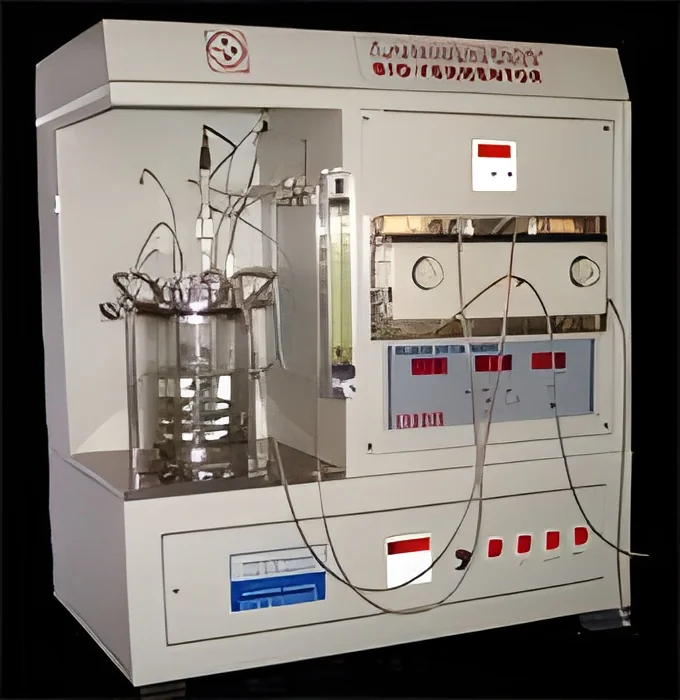
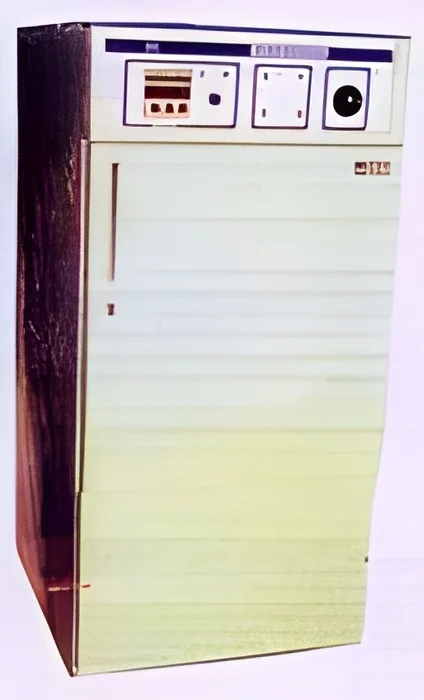
The Lab B.O.D. Incubator Shak represents advanced laboratory technology combining precise temperature control with orbital shaking capabilities. This specialized instrument maintains temperatures from 5°C to 50°C while providing gentle, consistent shaking motion essential for optimal culture development. Designed for laboratories requiring both incubation and agitation functions, this unit eliminates the need for separate equipment while ensuring uniform nutrient distribution and oxygen availability. The robust construction incorporates reliable components that maintain stable conditions throughout extended operation periods. User-friendly controls allow researchers to easily set and monitor parameters, while the durable design ensures consistent performance even in high-usage environments. This integration of temperature precision and shaking functionality makes it an essential tool for laboratories focused on biological research and testing protocols.

Multiple industries rely on thi...
The Lab B.O.D. Incubator Shak represents advanced laboratory technology combining precise temperature control with orbital shaking capabilities. This specialized instrument maintains temperatures from 5°C to 50°C while providing gentle, consistent shaking motion essential for optimal culture development. Designed for laboratories requiring both incubation and agitation functions, this unit eliminates the need for separate equipment while ensuring uniform nutrient distribution and oxygen availability. The robust construction incorporates reliable components that maintain stable conditions throughout extended operation periods. User-friendly controls allow researchers to easily set and monitor parameters, while the durable design ensures consistent performance even in high-usage environments. This integration of temperature precision and shaking functionality makes it an essential tool for laboratories focused on biological research and testing protocols.

Multiple industries rely on this incubator for critical processes requiring controlled environmental conditions. Pharmaceutical companies utilize it for drug development stages including cell line maintenance and enzyme reaction studies. Biotechnology firms employ the unit for protein expression work and fermentation process development. Environmental testing laboratories depend on its precise temperature control for accurate biochemical oxygen demand analysis in water quality assessment. Academic and research institutions incorporate the equipment into teaching laboratories and experimental workflows, providing students and researchers with reliable tools for scientific investigation. The incubator's versatility across these sectors demonstrates its fundamental role in advancing scientific knowledge and supporting quality assurance protocols.

The business value of this incubator lies in its reliability, operational efficiency, and contribution to consistent results. Laboratories benefit from reduced equipment downtime due to the unit's durable construction and minimal maintenance requirements. The precise control systems ensure reproducible experimental conditions, which is crucial for maintaining quality standards and regulatory compliance. This reliability translates to cost savings through reduced recalibration needs and extended equipment lifespan. The incubator's consistent performance supports laboratories in delivering accurate, verifiable results that build credibility with clients and stakeholders. By investing in this equipment, businesses demonstrate commitment to precision and quality, enhancing their competitive position in scientific and industrial markets.

Key Features:
- Precise temperature control maintaining 5°C to 50°C range
- Gentle orbital shaking mechanism for uniform culture agitation
- Robust construction ensuring long-term operational reliability
- User-friendly interface with accurate monitoring capabilities
- Consistent performance supporting reproducible experimental conditions

Benefits:
- Enhanced culture growth through optimal temperature and shaking conditions
- Improved experimental consistency and result reproducibility
- Reduced maintenance requirements and operational downtime
- Versatile application across multiple research and testing protocols
- Reliable performance supporting quality assurance standards
Specifications
| Additional Information | |
|---|---|
| Country of Origin | India |
| Customisable | No |
Application
The B.O.D. Incubator Shak provides simultaneous temperature regulation and orbital shaking for laboratories requiring stable culture conditions. It maintains precise temperatures from 5°C to 50°C while ensuring gentle, consistent shaking action. This dual functionality supports optimal growth conditions for various biological samples, making it indispensable for research and testing protocols where environmental control is critical for reproducible results. The unit's reliable performance and consistent operation make it suitable for demanding laboratory environments that cannot compromise on accuracy or stability.
This equipment serves multiple sectors including pharmaceutical development, biotechnology research, and environmental analysis. Laboratories benefit from its ability to maintain consistent conditions during extended experiments and high-throughput testing. The incubator's design supports various biological processes including cell culture growth, fermentation studies, and enzymatic reactions. Its robust construction ensures continuous operation with minimal maintenance requirements, making it ideal for quality control laboratories and research facilities where equipment reliability directly impacts operational efficiency and result validity.
- Bacterial culture incubation and growth in microbiology research facilities
- Cell culture maintenance and development for biotechnology applications
- Fermentation process optimization in pharmaceutical manufacturing
- Biochemical oxygen demand testing in environmental water analysis
- Sample preparation and quality testing in food safety laboratories
Trade Details
| Available Stock | In Stock |
| Sample Availability | No |
Payment Terms
| Payment Terms |
|
Company Profile
Instrumentation India, West Bengal
 West Bengal, India
West Bengal, IndiaTrading Company
Factory Details
Factory SizeBelow 1000 sqm
Annual Production Capacity0
Main Markets
South Asia
Lab B.O.D. Incubator Shak 5C to 50C with Orbital Shaking
Lab B.O.D. Incubator Shak delivers precise temperature control from 5°C to 50°C with orbital shaking for optimal culture growth in microbiology and biotechnology laboratories requiring reliable performance.
Min. Order Quantity: 1 unit
Shipping
Shipping fee and delivery date to be negotiated. Contact supplier now for more details.
Instrumentation India
 West Bengal, India
West Bengal, IndiaTrading Company