
 IN
Blister Packing Machines
3 products available
What are Blister Packing Machines?
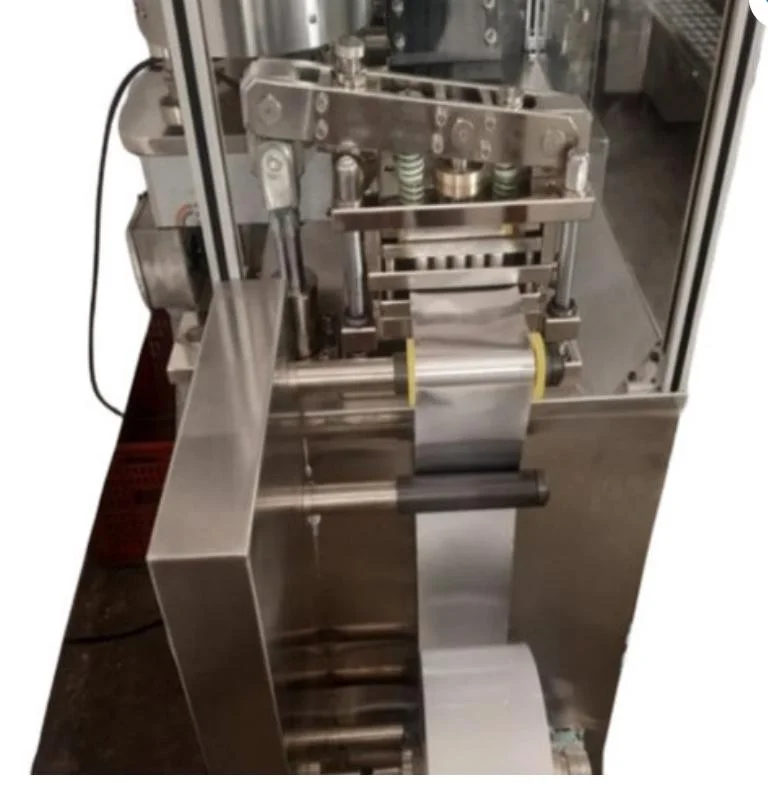
Blister packing machines are specialized equipment used for packaging products in a protective blister, typically made from plastic. These machines are designed to form a cavity or pocket that securely holds the product, which is then covered with a backing material, usually made of aluminum or paperboard. The result is a tamper-proof and visually appealing package that enhances product visibility while ensuring safety and hygiene.
These machines are widely used across various industries, including pharmaceuticals, consumer goods, and electronics. In the pharmaceutical sector, for example, blister packing machines are essential for packaging tablets, capsules, and other medications, providing protection against moisture and contamination. In consumer goods, they help package items such as toys and small electronics. The relevance of blister packing machines is underscored by their ability to improve product shelf life, reduce waste, and enhance consumer appeal, making them a vital component in modern manufacturing processes.
Key Features and Specifications
Blister packing machines come equipped with various features designed to enhance efficiency and effectiveness in packaging processes. These machines are engineered to meet the demands of high-speed production while maintaining quality and accuracy.
Key specifications include:
1. Production Speed
- Capable of producing varying quantities per minute
- Typically ranges from 30 to 150 cycles per minute
2. Material Compatibility
- Designed to work with different types of materials, including PVC, PET, and aluminum
- Accommodates various thicknesses and forms
3. Machine Dimensions
- Compact designs are available for smaller spaces
- Standard dimensions can vary based on machine capacity
4. Control Systems
- Equipped with user-friendly interfaces for easy operation
- Advanced systems may include PLCs for automation
5. Temperature Control
- Some machines feature advanced heating systems for sealing
- Temperature ranges are typically adjustable based on material requirements
6. Safety Features
- Designed with emergency stop buttons and safety guards
- Complies with industry safety regulations
7. Customization Options
- Machines can often be tailored to specific production needs
- Custom molds may be available for unique blister shapes
8. Maintenance Requirements
- Low maintenance designs with easy access to parts
- Regular cleaning and servicing recommendations provided
This comprehensive range of specifications ensures that businesses can select machines that best fit their operational requirements.
Common Applications and Use Cases
Blister packing machines are utilized in a variety of industries, each benefiting from their unique packaging capabilities.
1. Pharmaceuticals: These machines are crucial for packaging medications, providing tamper-evident and moisture-resistant solutions that extend shelf life.
2. Consumer Goods: In the retail sector, blister packing is ideal for packaging small electronics, toys, and other consumer products, enhancing visibility and appeal on store shelves.
3. Food Industry: Some blister machines are designed for food packaging, ensuring freshness and hygiene while easily displaying the product.
4. Medical Devices: Blister packing is often used for packaging surgical instruments and medical devices, ensuring safety and compliance with health standards.
5. Automotive: Blister packing is employed for packaging small automotive parts, providing protection during transport and storage.
6. Cosmetics: The beauty industry utilizes blister packing for items like samples and travel-size products, appealing to consumers with attractive packaging.
7. Electronics: Blister packing machines are effective for securely packaging electronic components, reducing the risk of damage during shipping.
Product Variants and Subcategories
Blister packing machines come in various configurations to meet specific needs and preferences within different industries.
Automatic Blister Packing Machines
These machines are fully automated, allowing for high-speed production without manual intervention. They are suitable for large-scale operations and can handle complex blister designs, making them ideal for pharmaceutical and consumer goods industries.
Semi-Automatic Blister Packing Machines
These machines require some manual operation but offer a balance between efficiency and flexibility. They are often used by smaller businesses or for specialty products that do not require high-volume production.
Thermoforming Blister Packing Machines
These machines utilize heat to mold plastic into blisters. They are particularly useful for products that require precise shapes and sizes, such as medical devices and specialty consumer goods.
Benefits and Advantages
Blister packing machines offer numerous advantages that can significantly enhance production processes for businesses.
1. Increased Product Visibility: Blister packaging allows consumers to see the product clearly, improving marketability and sales potential.
2. Enhanced Protection: The packaging provides a barrier against moisture, dust, and contamination, ensuring product integrity.
3. Cost Efficiency: By reducing material waste and increasing production speed, these machines can lower overall packaging costs.
4. Customization Flexibility: Businesses can create unique blister designs tailored to specific product requirements, enhancing branding efforts.
5. Improved Shelf Life: Blister packaging extends the shelf life of products, reducing spoilage and waste in supply chains.
6. Compliance with Regulations: These machines often meet industry standards for safety and quality, aiding companies in maintaining compliance with regulatory requirements.
Buying Guide for B2B Buyers
When sourcing blister packing machines, several critical factors should be considered to ensure the best fit for your operations.
1. Quality Assessment: Evaluate the machine's build quality and durability. Look for certifications and reviews from other users to gauge performance reliability.
2. Supplier Verification: Research potential suppliers to ensure they have a solid reputation in the industry. Check for experience, customer feedback, and after-sales support.
3. Pricing and MOQ: Understand the pricing structure and minimum order quantities (MOQ) required by suppliers. This can vary significantly based on machine specifications and features.
4. Delivery and Lead Times: Inquire about the estimated delivery times and logistics involved in shipping the machines to your facility. Ensure that lead times align with your project schedules.
5. Compliance Requirements: Confirm that the machines comply with relevant industry standards and regulations, such as safety certifications and quality assurance protocols.
Compliance and Certifications
Blister packing machines must adhere to various compliance standards to ensure safety and quality in production. One of the most recognized standards is ISO 9001, which focuses on quality management systems and guarantees consistent quality in manufacturing processes.
Additionally, certifications such as CE are vital for machines marketed in Europe, indicating compliance with health, safety, and environmental protection standards. Safety and testing requirements also play a crucial role, requiring that machines undergo rigorous testing before being approved for use.
Regional compliance is another essential aspect, as different areas may have specific regulations that machines must meet. Companies should remain informed about these regional standards to ensure they operate within legal frameworks.
Why Source Blister Packing Machines from Pepagora?
Pepagora serves as a trusted platform for sourcing blister packing machines, offering several advantages to B2B buyers.
Verified Supplier Network: Pepagora connects buyers with a network of verified suppliers who have been thoroughly vetted for quality and reliability. This ensures that businesses receive high-quality machinery.
Streamlined RFQ Process: The request for quotation (RFQ) process is designed to be efficient, allowing buyers to quickly receive and compare multiple quotes from different suppliers. This saves time and helps in making informed decisions.
Trade Assurance and Support: Pepagora provides trade assurance, ensuring that buyers are protected throughout the purchasing process. This includes support in case of disputes or issues with suppliers.
Regional Coverage: With a strong presence in India, the GCC, and Southeast Asia, Pepagora offers comprehensive regional coverage, making it easier for businesses in these areas to find suitable blister packing machine suppliers. The platform's extensive reach ensures that buyers can access a wide variety of options tailored to their specific needs.

 India

 India
Frequently Asked Questions
What are Blister Packing Machines?
Blister Packing Machines are specialized equipment used for packaging pharmaceutical products, consumer goods, and food items in blister packs. These machines form a cavity or pocket in a material, typically plastic, to securely hold the product while providing protection from external factors.
What are the different types of Blister Packing Machines?
There are various types of Blister Packing Machines, including flat plate, rotary, and continuous motion machines. Each type is designed to handle different production speeds and product sizes, catering to the specific needs of manufacturers.
How do I choose the right Blister Packing Machines?
To choose the right Blister Packing Machine, consider factors such as production volume, product dimensions, and packaging materials. Additionally, evaluate the machine's compatibility with your production line and ensure it meets industry standards.
What are the standard specifications for Blister Packing Machines?
Standard specifications for Blister Packing Machines typically include dimensions, speed (units per minute), power consumption, and material compatibility. It's crucial to check the machine's operating temperature and humidity requirements, as these can affect packaging quality.
What is the price range for Blister Packing Machines?
The price range for Blister Packing Machines can vary widely, typically starting from INR 1,00,000 and going up to several lakhs, depending on the machine's features, capacity, and manufacturer. Customization and additional functionalities can also influence the overall cost.
What quality standards apply to Blister Packing Machines?
Blister Packing Machines must comply with various quality standards, including ISO and GMP (Good Manufacturing Practices) certifications. These standards ensure the machines maintain high levels of safety, efficiency, and reliability in the packaging process.
Where can I find Blister Packing Machines suppliers in India?
You can find Blister Packing Machines suppliers in India through online B2B marketplaces, trade shows, and industry directories. Websites like Pepagora.com offer a platform to connect with reputable manufacturers and suppliers across the country.
Can Blister Packing Machines be customized?
Yes, Blister Packing Machines can often be customized to meet specific production requirements. Manufacturers may offer options to modify machine size, speed, and other features to suit particular products or packaging needs.
What is the typical minimum order quantity for Blister Packing Machines?
The typical minimum order quantity (MOQ) for Blister Packing Machines varies by supplier and machine type. Generally, MOQs can range from one unit for standard machines to multiple units for customized models.
What is the typical lead time for Blister Packing Machines?
The typical lead time for Blister Packing Machines can range from a few weeks to several months, depending on the complexity of the machine and the supplier's production schedule. It's advisable to confirm lead times with the supplier during the ordering process.
Why Businesses Trust Pepagora
Thousands of companies trust Pepagora to source smarter and sell faster
Expand Your Sales Globally

Source Smarter,Grow Faster
