
 IN
Autoclaves & Sterilizers
98 products available
What are Autoclaves & Sterilizers?
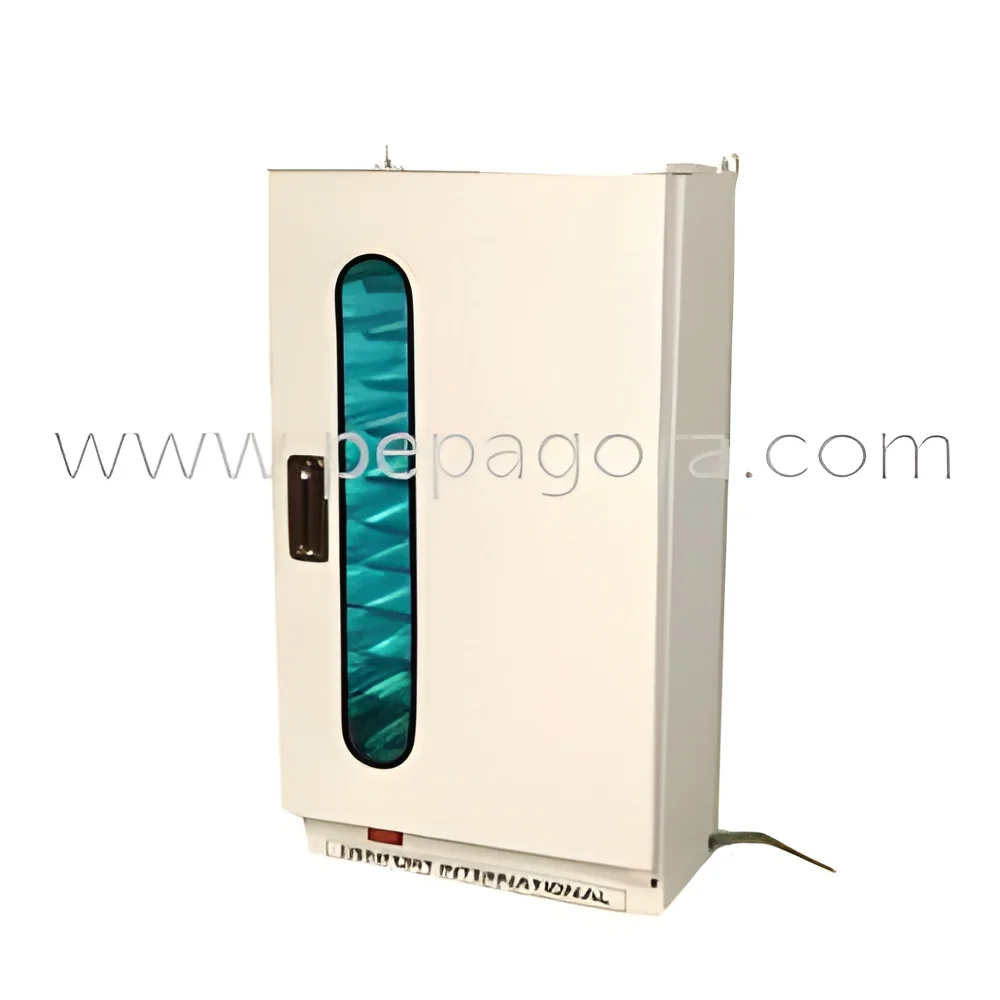
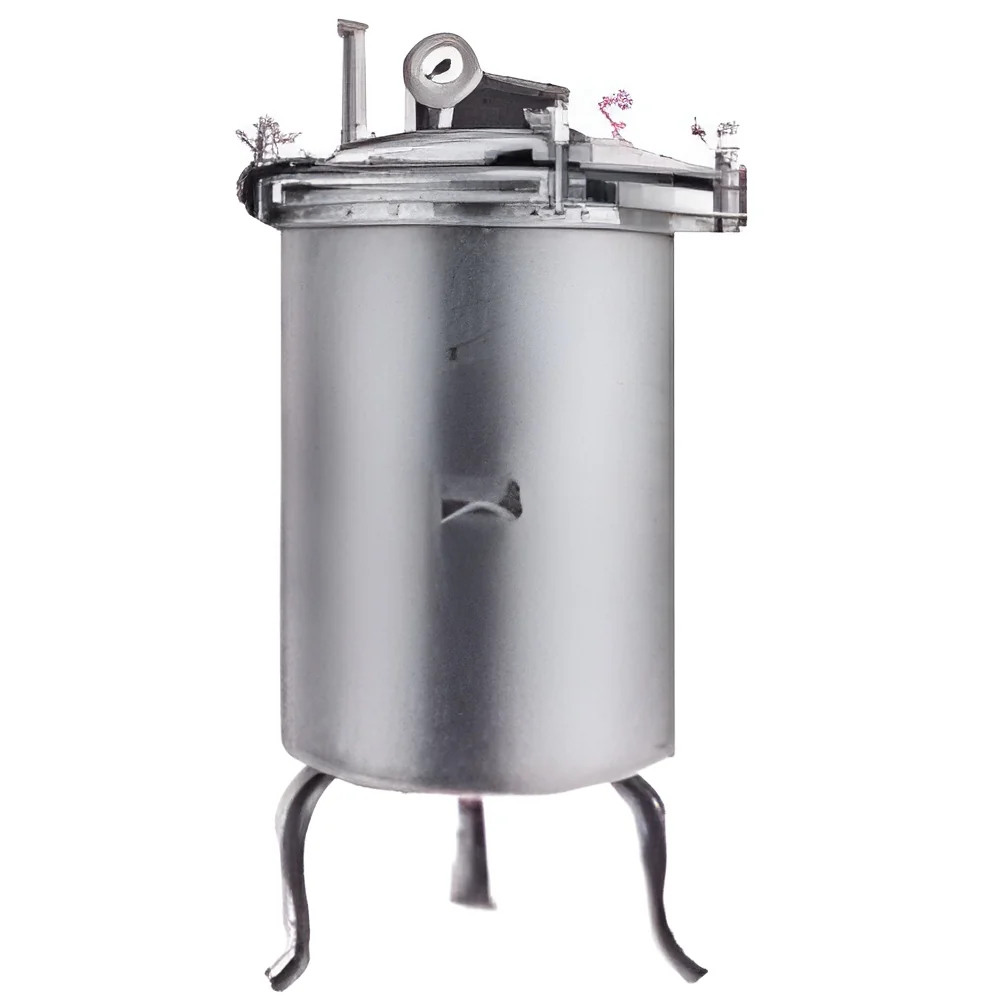
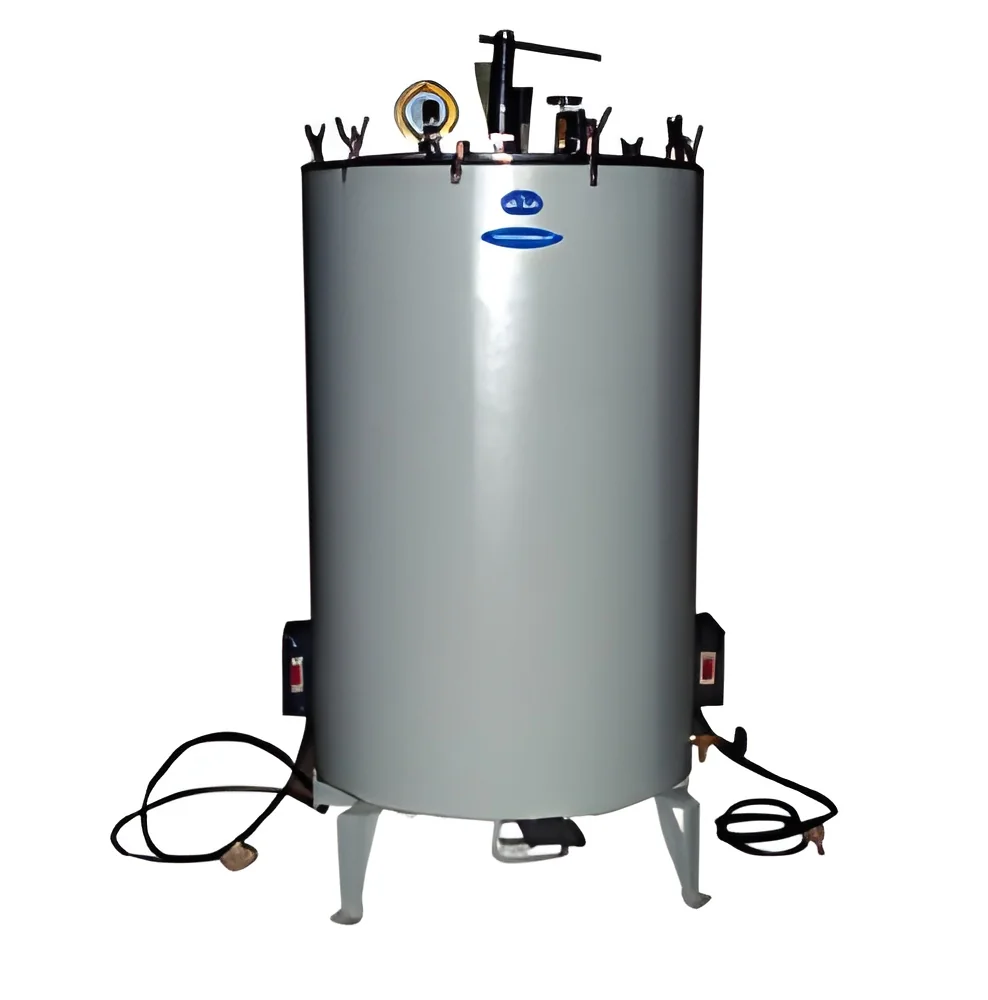
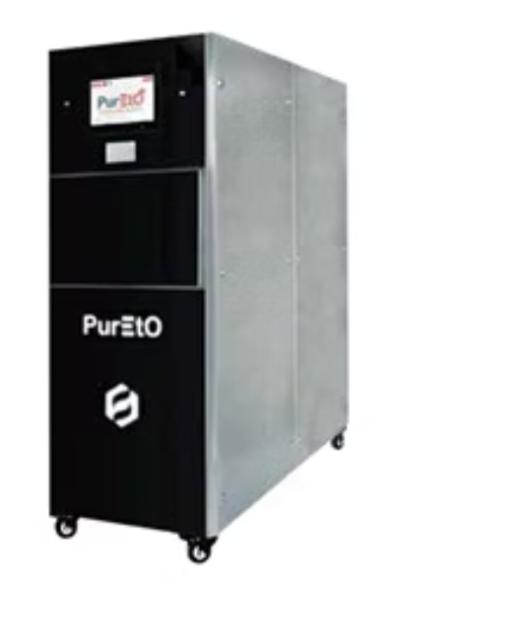
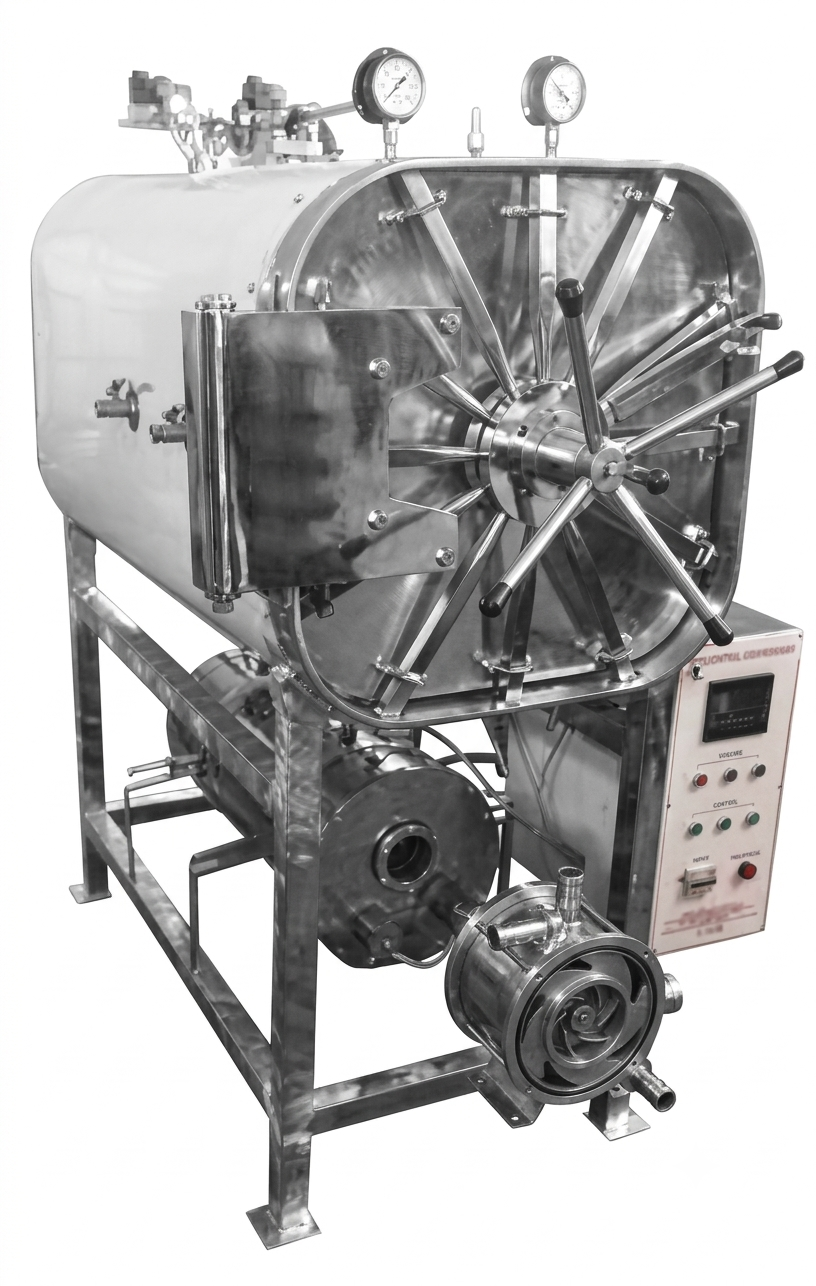
Autoclaves and sterilizers are essential devices used for sterilization in various industries. An autoclave uses high-pressure steam to eliminate bacteria, viruses, and other microorganisms from equipment and materials. This process ensures that items are free from contaminants, making them safe for use in critical applications. Sterilizers encompass a broader category, which includes any device or method that achieves sterilization.
These devices are primarily used in healthcare environments such as hospitals and laboratories, as well as in industries like food processing, pharmaceuticals, and biotechnology. Their critical function is to ensure that tools and materials are sterilized before use, preventing infections and contamination. In a market driven by stringent safety and quality standards, autoclaves and sterilizers play a crucial role in maintaining industry compliance and protecting public health.
Key Features and Specifications
Autoclaves and sterilizers come equipped with various features that enhance their functionality and safety. Understanding these specifications is vital for businesses when selecting the right model for their needs.
Key specifications include:
1. Capacity
- Determines the volume of items that can be processed at one time.
- Common ranges include small (10-20 liters) to large (100 liters or more).
2. Temperature Control
- Essential for achieving effective sterilization.
- Typical ranges are between 121°C to 134°C.
3. Pressure Settings
- Allows for the adjustment of steam pressure for different sterilization cycles.
- Standard settings often range from 15 to 30 psi.
4. Cycle Time
- Refers to the time taken to complete a sterilization cycle.
- Cycle times can vary from 30 minutes to several hours.
5. Safety Features
- Includes automatic shut-off, pressure relief valves, and door locking mechanisms.
- Designed to prevent accidents and ensure user safety.
6. Monitoring Systems
- Enables real-time tracking of sterilization cycles.
- Often includes digital displays and data logging capabilities.
7. Compliance Standards
- Must meet industry regulations such as CE certification.
- Ensures that the device adheres to safety and quality benchmarks.
8. User Interface
- Refers to the ease of operation, including digital controls and programming options.
- User-friendly interfaces help in minimizing errors during operation.
In summary, understanding the key features and specifications of autoclaves and sterilizers is crucial for making informed purchasing decisions.
Common Applications and Use Cases
Autoclaves and sterilizers serve a wide range of industries, each with specific applications that highlight their importance.
1. Healthcare: Autoclaves are extensively used in hospitals for sterilizing surgical instruments and medical equipment to prevent infections.
2. Pharmaceuticals: These devices are crucial for ensuring that production equipment and containers are sterilized, maintaining product integrity and safety.
3. Biotechnology: Research laboratories utilize autoclaves for sterilizing microbiological media and cultures to prevent contamination.
4. Food Processing: Sterilizers play a key role in ensuring food safety by eliminating pathogens and spoilage organisms in packaged food products.
5. Veterinary Services: Veterinary clinics employ autoclaves to sterilize surgical tools and equipment used in animal care.
6. Tattoo and Body Piercing: Sterilization of tools is essential in the tattoo industry to ensure the safety of clients and prevent infections.
7. Educational Institutions: Science labs in schools and universities use autoclaves to sterilize lab equipment and materials used in experiments.
Product Variants and Subcategories
The diversity of autoclaves and sterilizers allows businesses to choose models that best suit their specific needs.
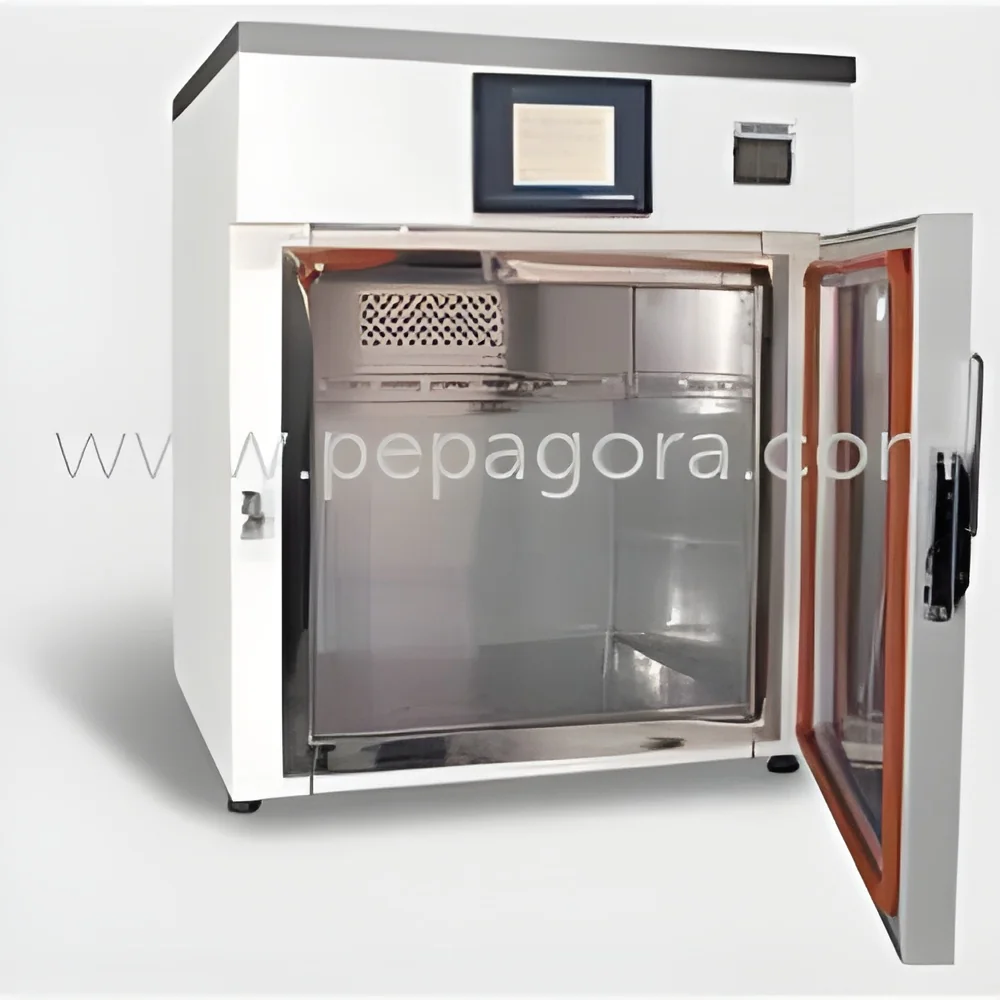
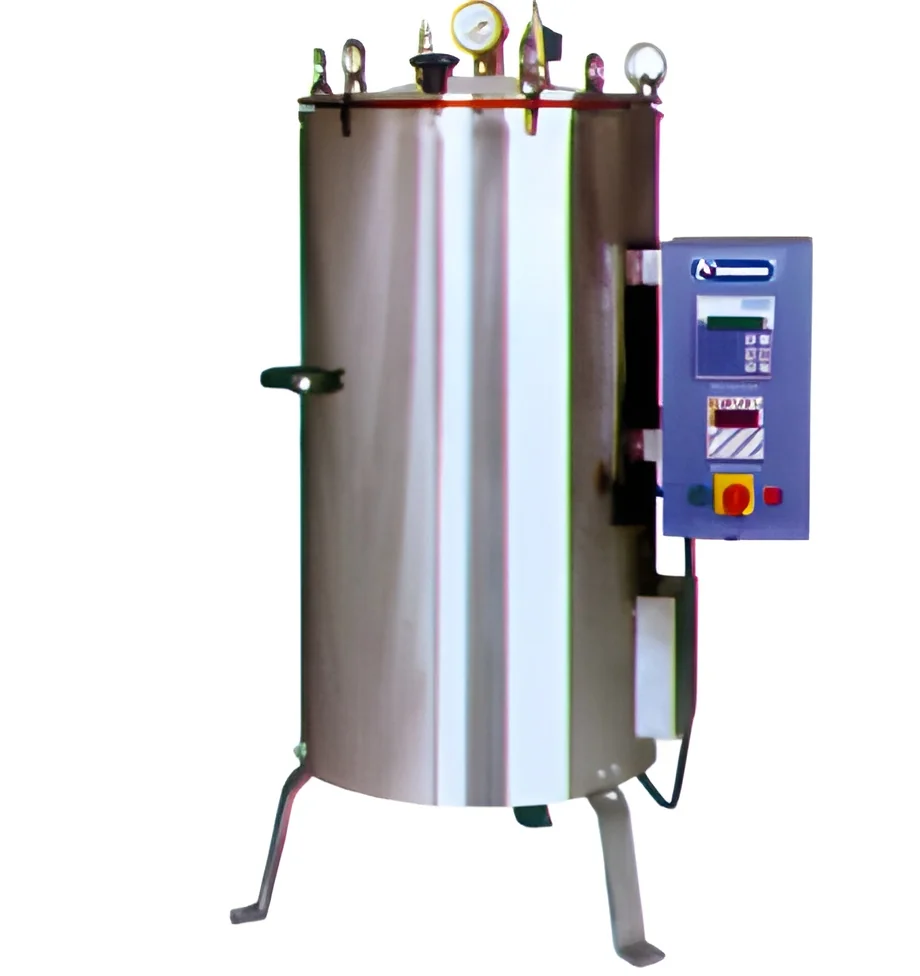
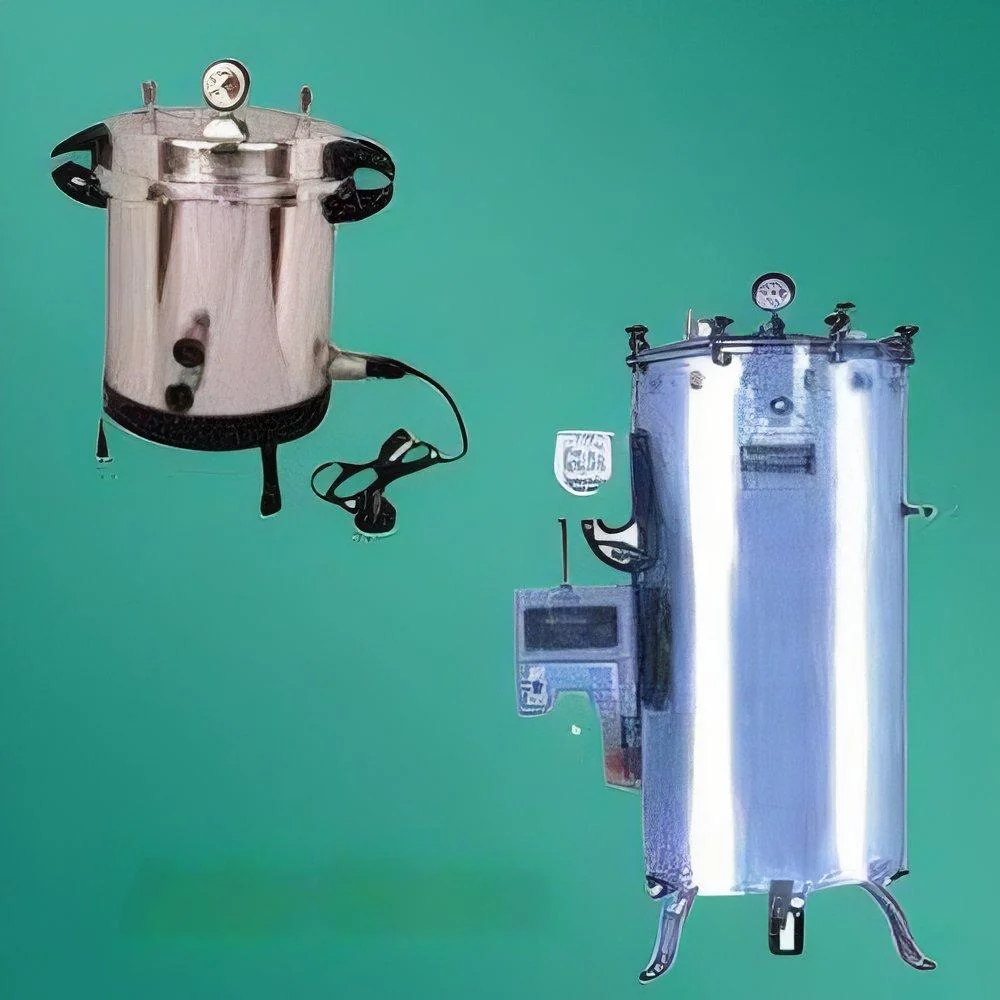
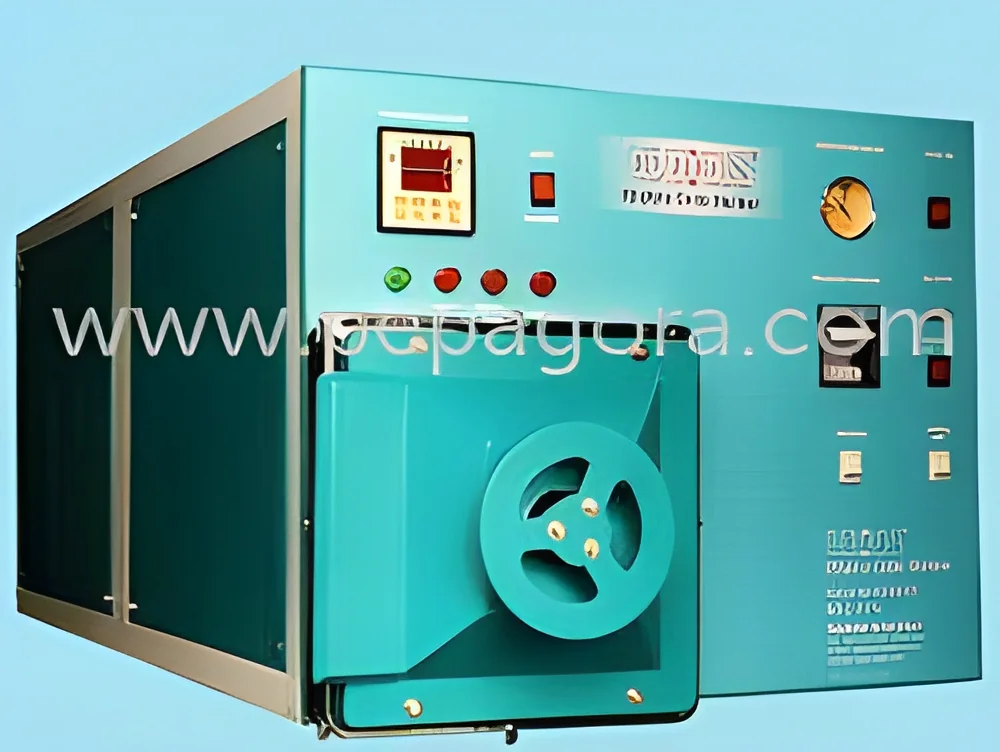
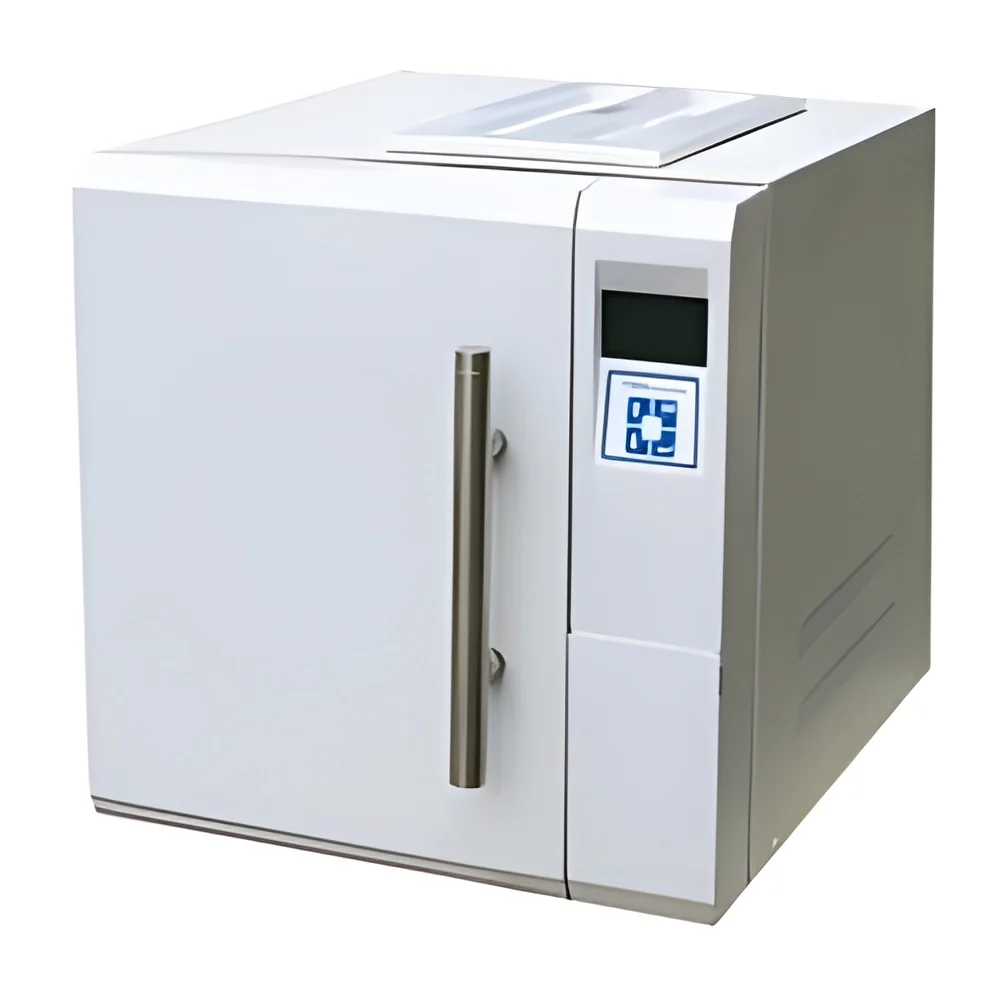
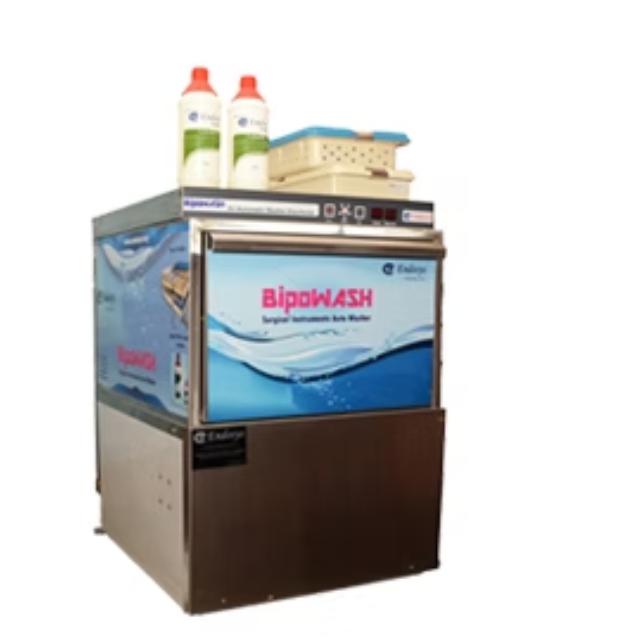
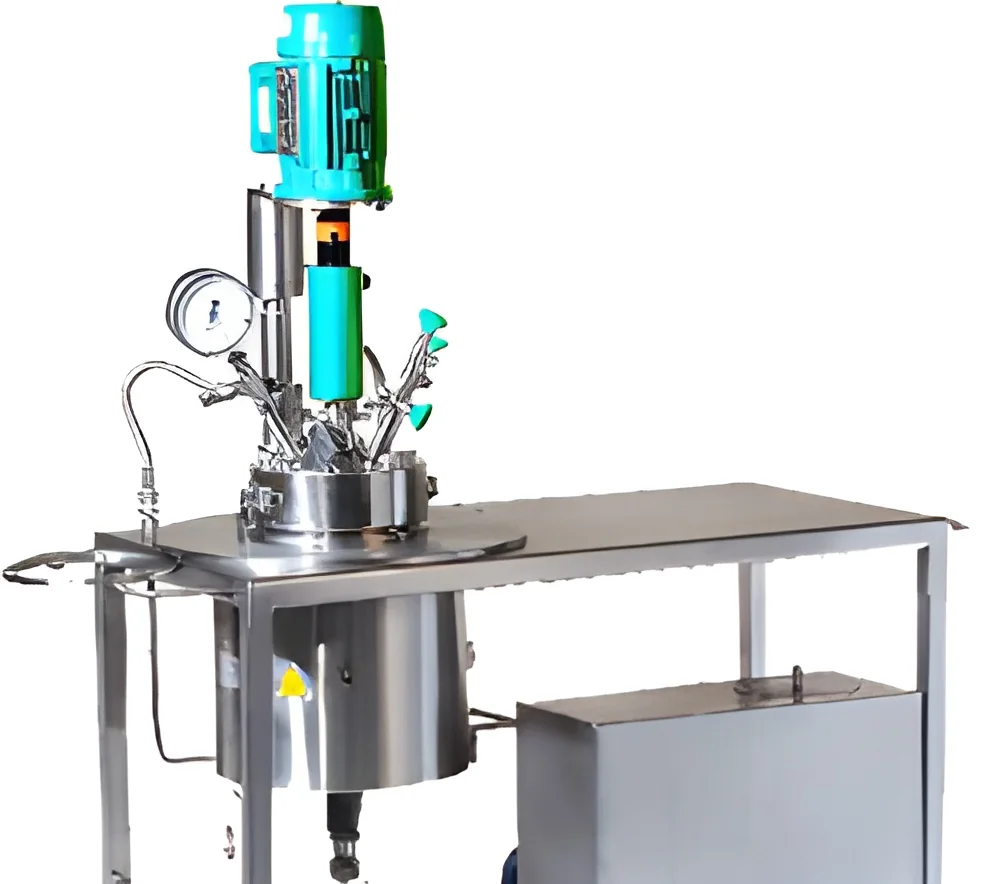
Benchtop Autoclaves: These compact devices are ideal for small labs and clinics. They offer efficient sterilization for smaller loads and are easy to operate.
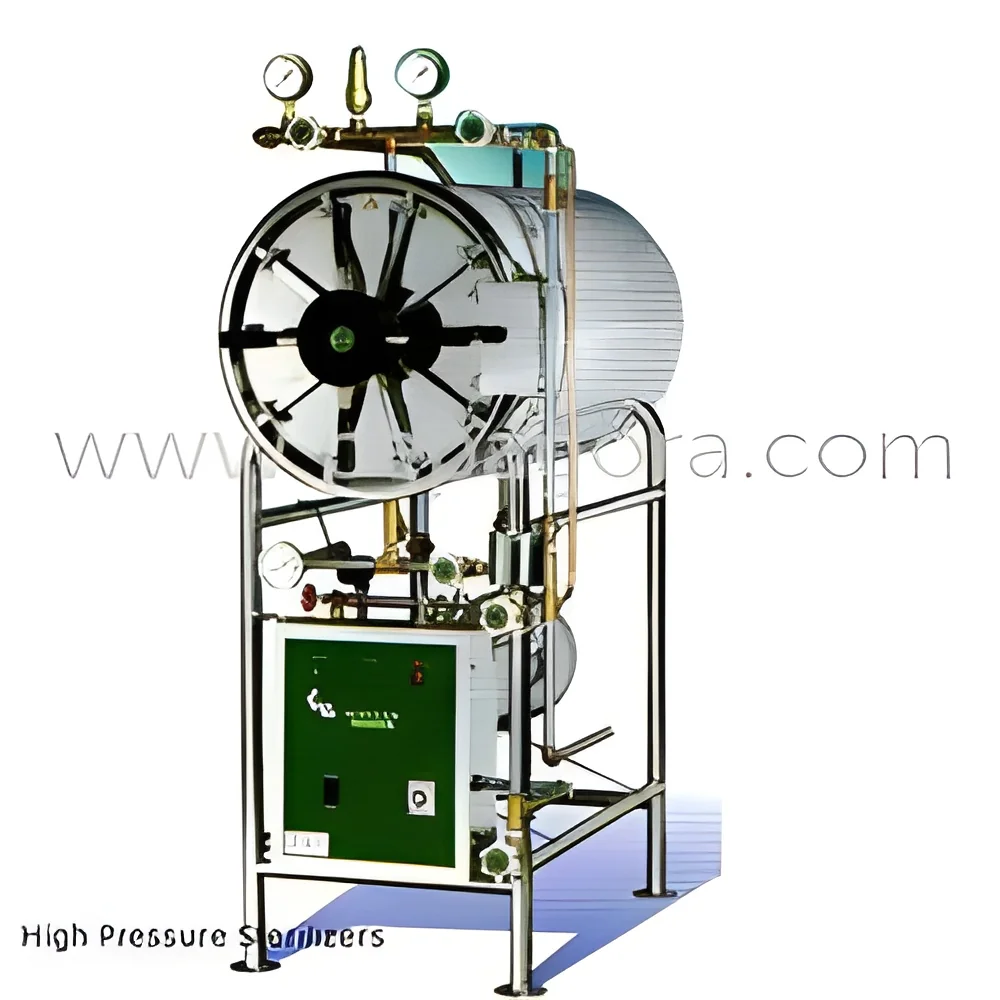
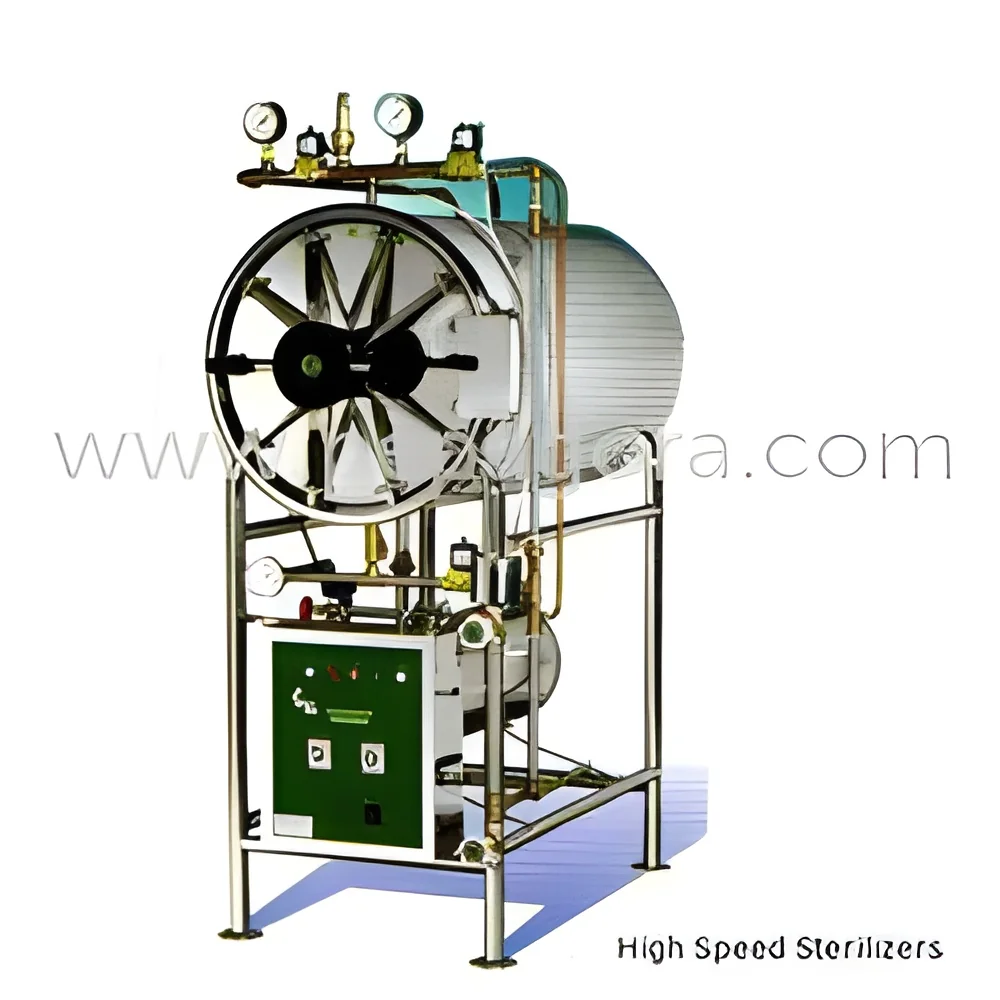
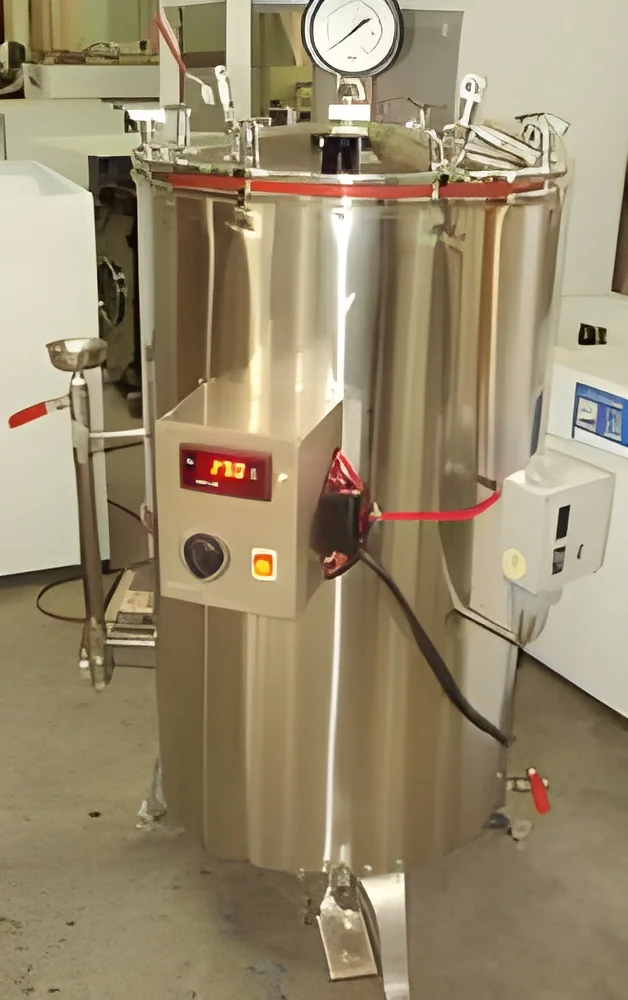
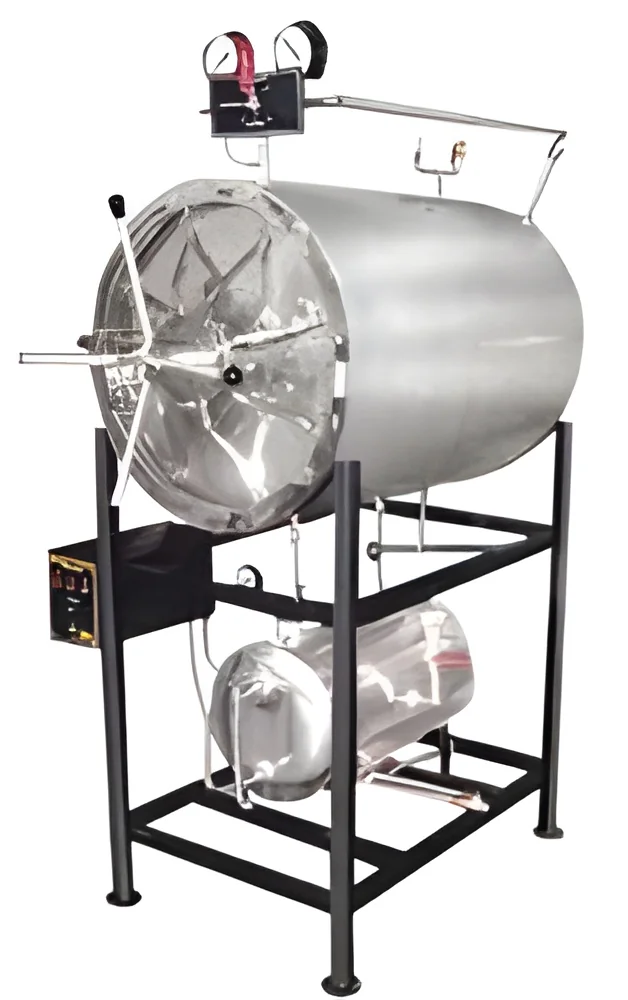
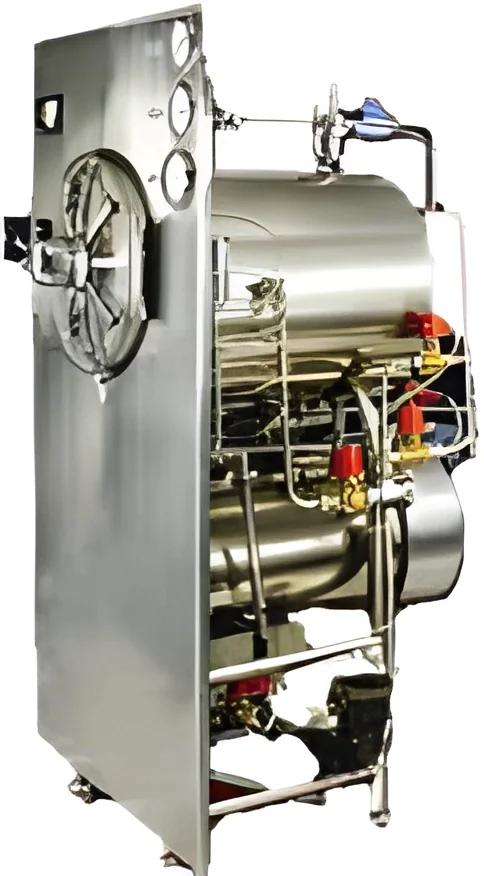
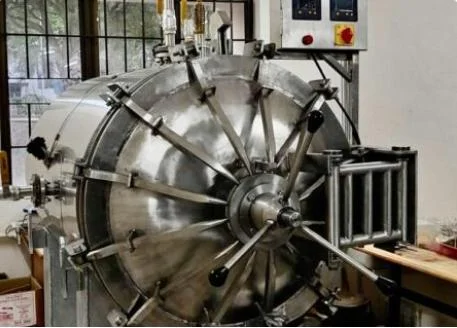
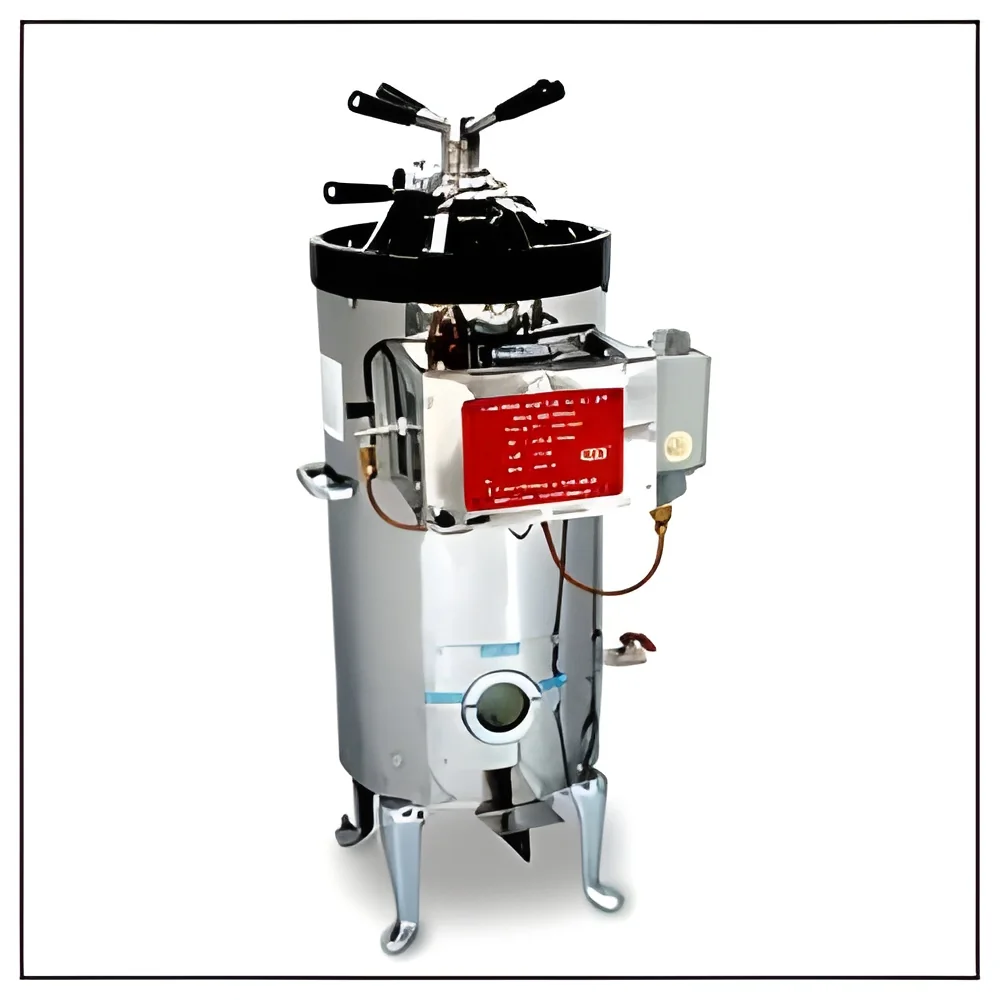
Steam Sterilizers: These units utilize steam under pressure to achieve sterilization. They are widely used in healthcare and laboratory settings due to their effectiveness.
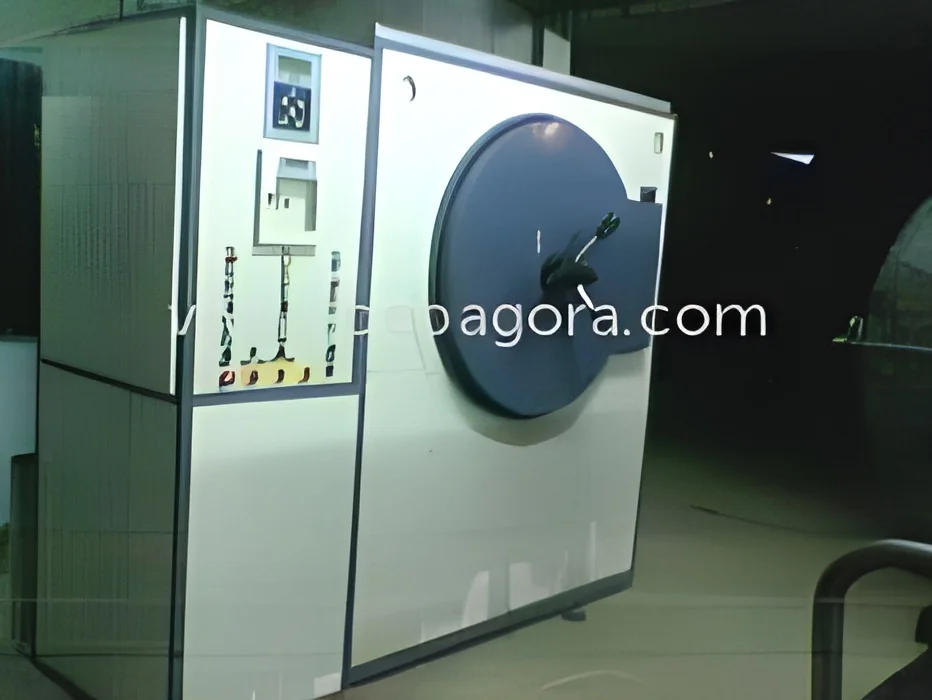
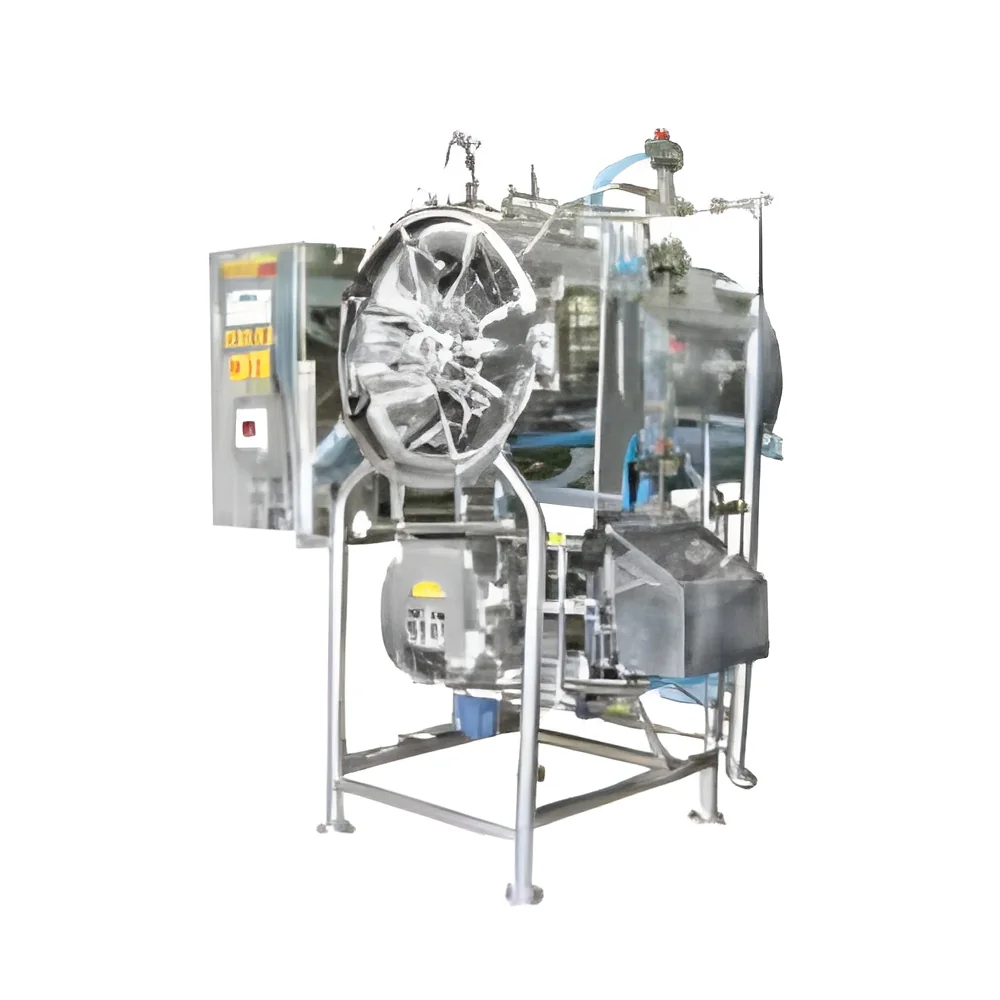
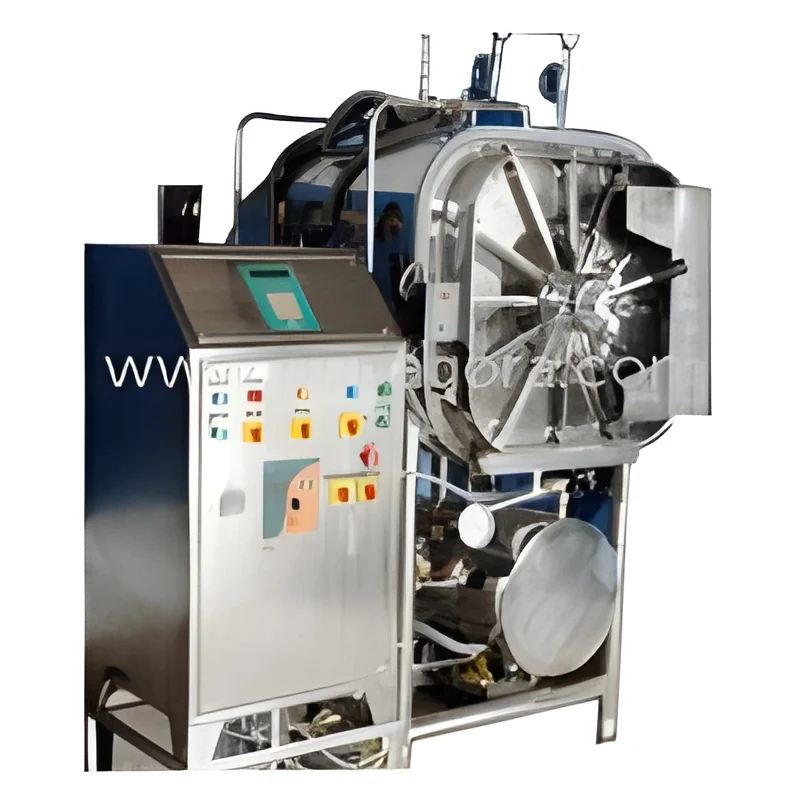
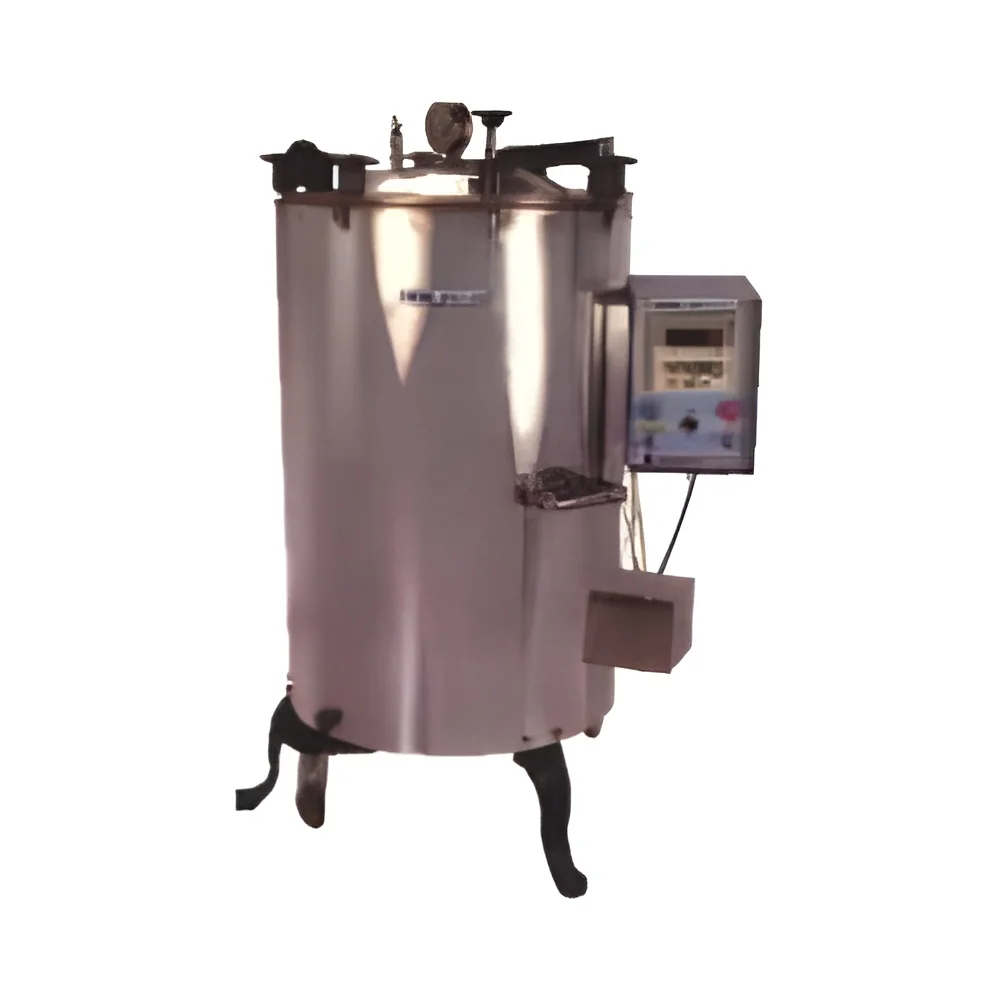
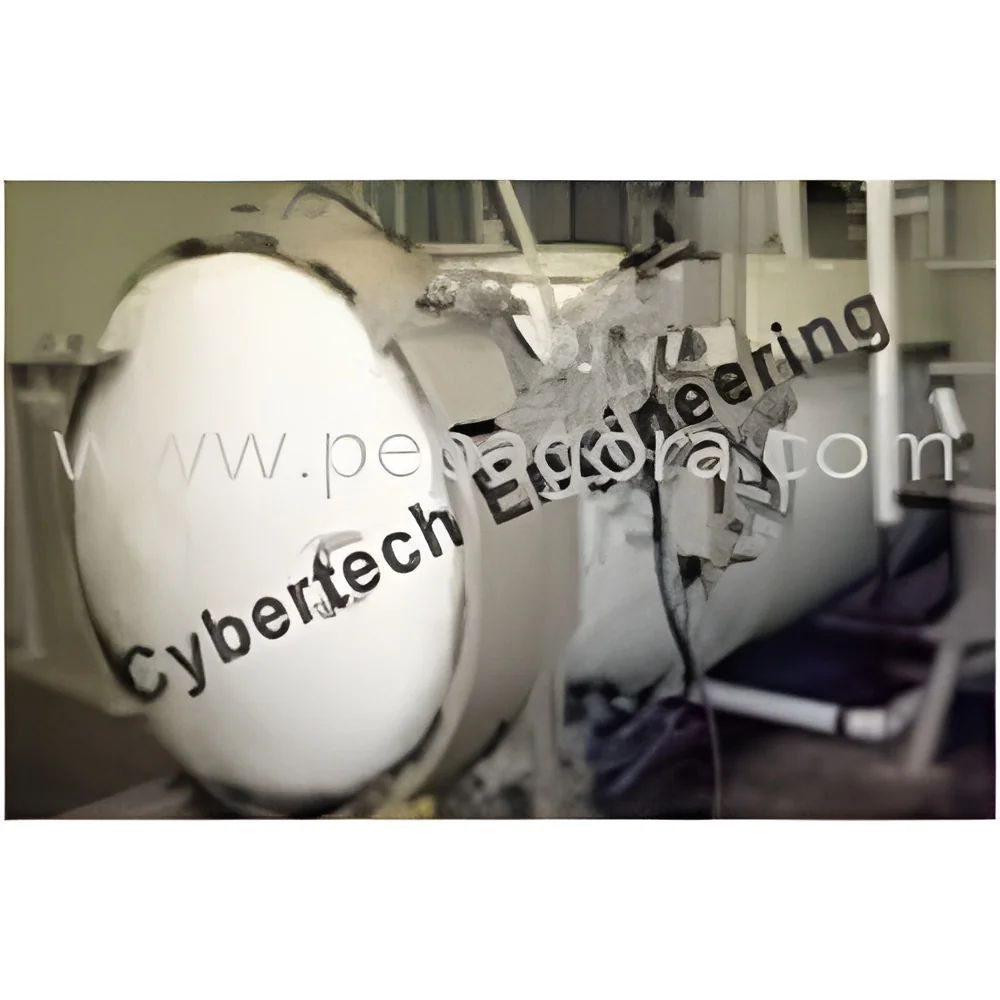
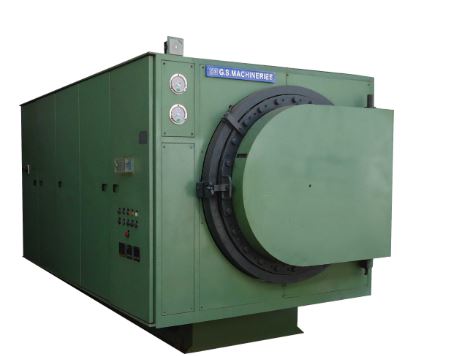
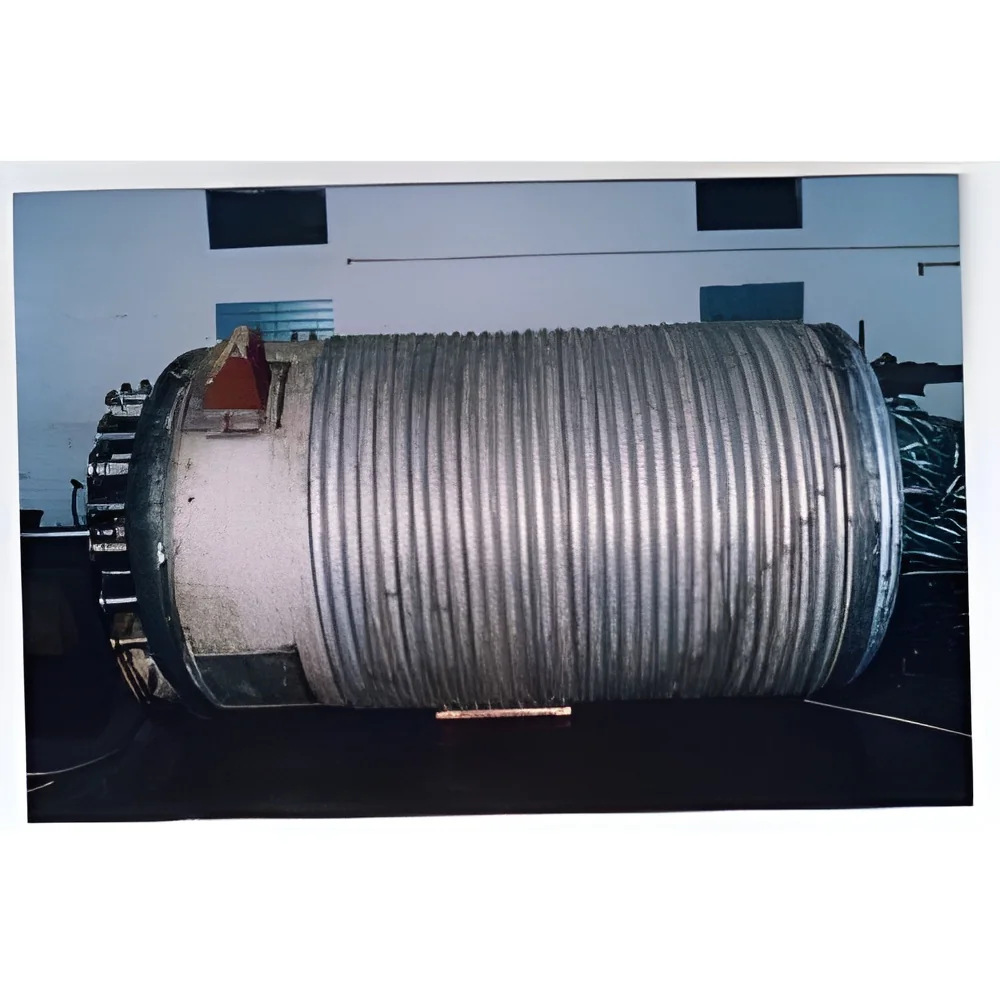
Large Industrial Sterilizers: Designed for high-capacity sterilization, these units cater to large-scale operations in pharmaceutical and food processing industries.
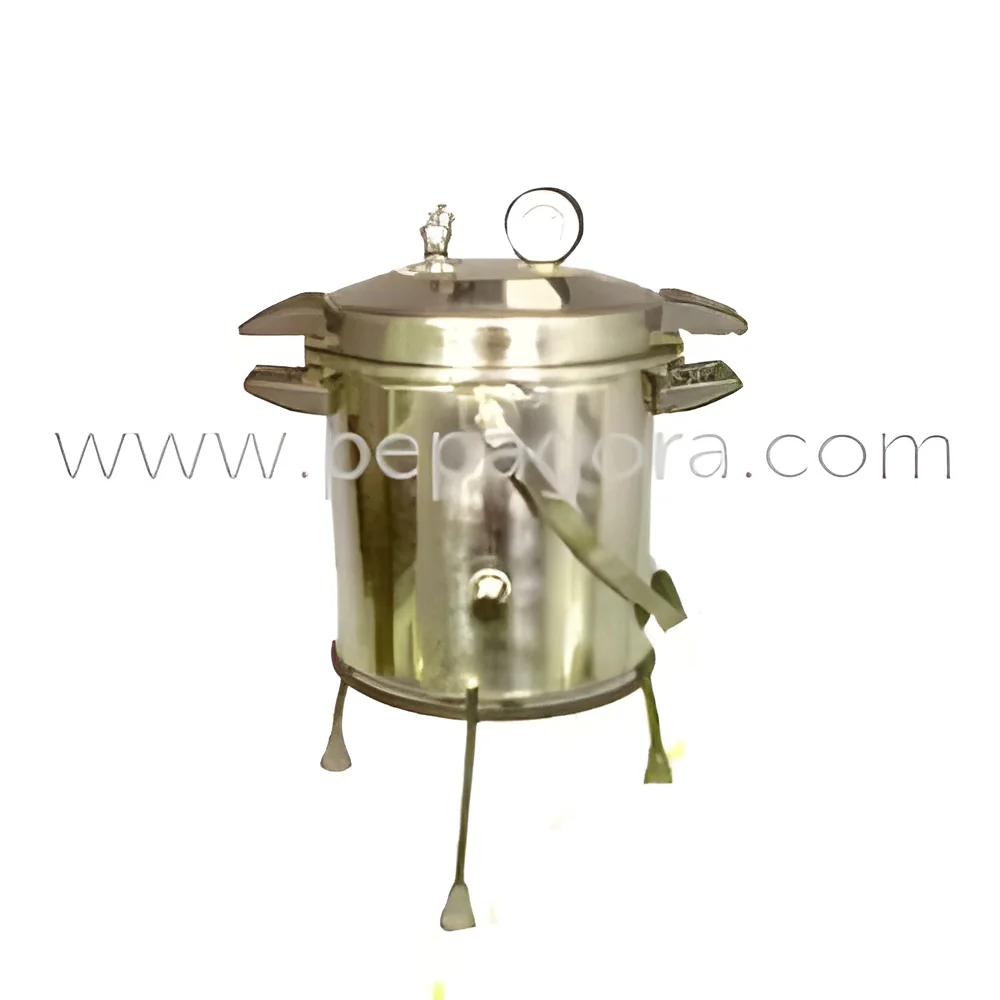
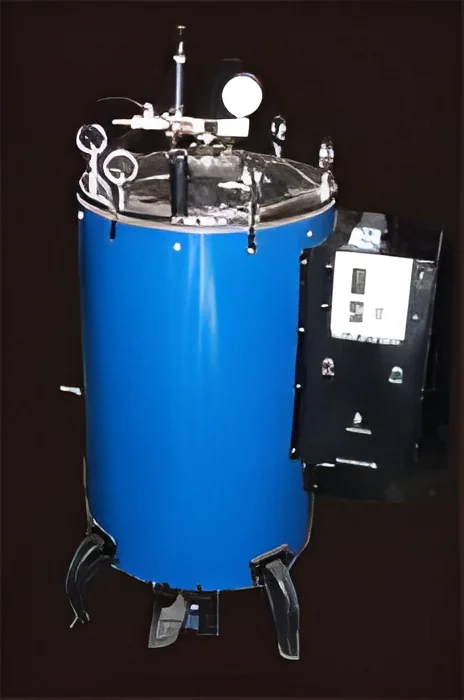
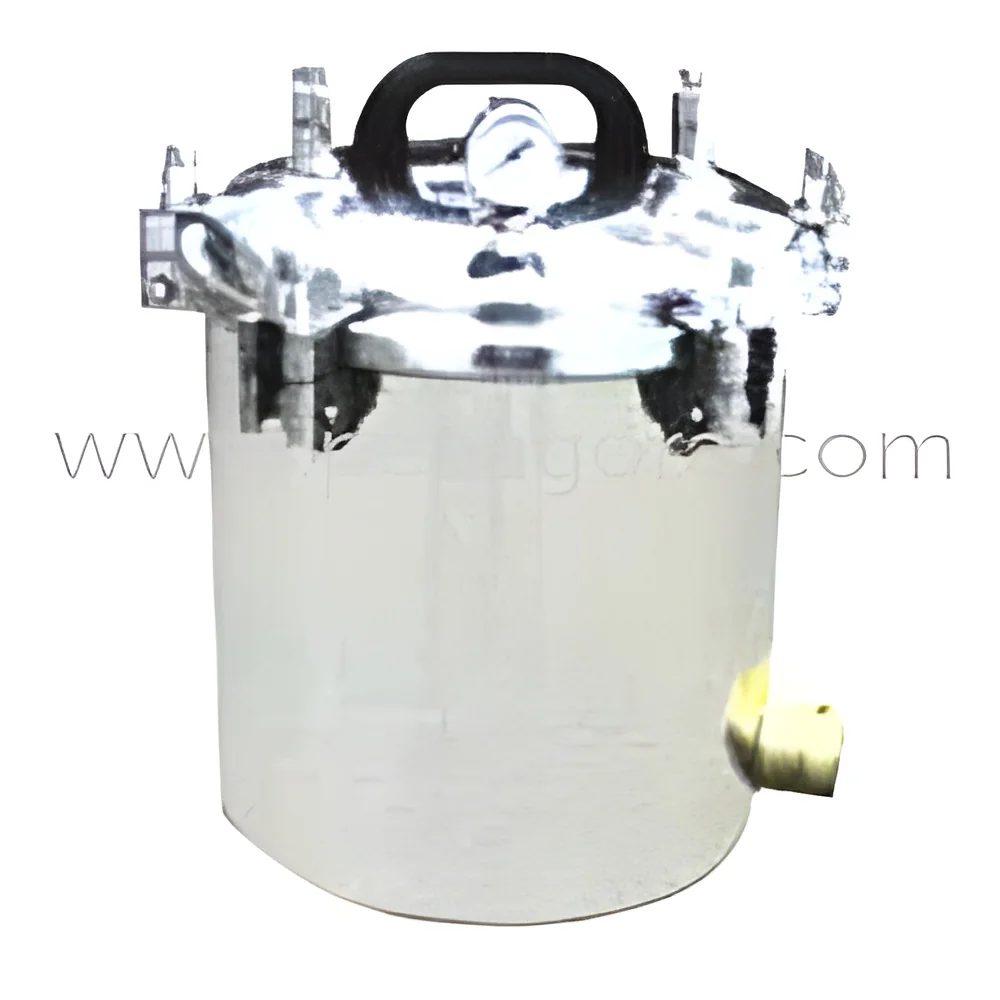
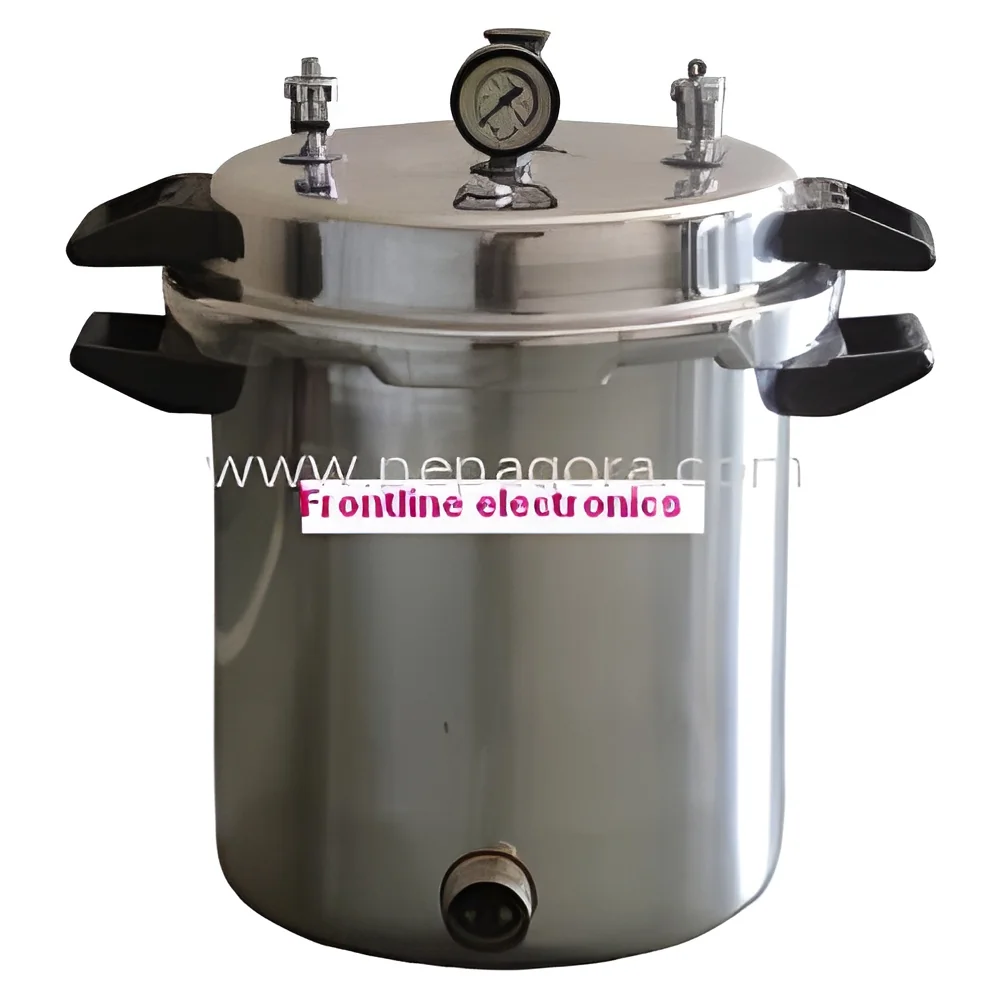
Portable Autoclaves: These models are designed for field use, making them suitable for remote locations or on-site sterilization needs.
Benefits and Advantages
Using autoclaves and sterilizers offers several key benefits that can enhance operational efficiency and safety.
1. Effective Sterilization: High temperatures and pressures ensure the complete eradication of microorganisms, delivering reliable results.
2. Compliance Assurance: Meeting industry standards and regulations helps businesses maintain compliance and avoid legal issues.
3. Cost Efficiency: Investing in quality sterilization equipment reduces the risk of infections and associated costs from potential product recalls or lawsuits.
4. Versatile Applications: Suitable for various industries, autoclaves and sterilizers can be adapted to meet different sterilization needs.
5. Enhanced Safety: Built-in safety features protect users from potential hazards associated with high-pressure steam and temperature.
6. Time-Saving: Automated cycles and monitoring systems streamline the sterilization process, allowing for quicker turnaround times.
Buying Guide for B2B Buyers
When sourcing autoclaves and sterilizers, it is important for buyers to consider several key factors to ensure they make the right choice.
1. Quality Assessment: Evaluate the quality of the equipment by reviewing manufacturer credentials, customer reviews, and product testing results.
2. Supplier Verification: Vet potential suppliers by checking their reputation, certifications, and previous client feedback to ensure reliability.
3. Pricing and MOQ: Understand the pricing structure and minimum order quantities required by suppliers to avoid unexpected costs.
4. Delivery and Lead Times: Discuss logistics with suppliers to establish realistic delivery timelines that align with operational needs.
5. Compliance Requirements: Ensure that the autoclaves and sterilizers meet all necessary regulatory and safety standards relevant to your industry.
Compliance and Certifications
Compliance and certifications are critical aspects of autoclaves and sterilizers, impacting both functionality and marketability.
Relevant quality standards such as ISO 9001 and HACCP ensure that manufacturers adhere to consistent production practices, which are crucial for maintaining product quality and safety.
Industry certifications like CE indicate that the equipment meets European safety, health, and environmental protection standards. This certification is vital for gaining trust in international markets.
Safety and testing requirements are essential to guarantee that the devices operate effectively without posing risks to users. Regular testing for performance and safety features helps in identifying any potential issues before they become problematic.
Regional compliance considerations also play a role, as different markets may have specific regulations regarding the operation and certification of sterilization equipment. Understanding these regional requirements is vital for businesses looking to source autoclaves and sterilizers globally.
Why Source Autoclaves & Sterilizers from Pepagora?
Pepagora provides a trusted platform for sourcing autoclaves and sterilizers, offering several key advantages that benefit B2B buyers.
Verified Supplier Network: Pepagora takes pride in connecting buyers with verified suppliers. This network ensures that all suppliers meet industry standards for quality and reliability, reducing the risk of subpar products.
Streamlined RFQ Process: The platform simplifies the request for quotation process, allowing buyers to easily compare prices and specifications from multiple suppliers. This transparency helps in making informed purchasing decisions.
Trade Assurance and Support: Pepagora offers trade assurance, providing an added layer of protection for buyers. This support helps mitigate risks associated with ordering equipment from unfamiliar suppliers.
Regional Coverage: With a focus on regions such as India, the GCC, and Southeast Asia, Pepagora ensures that buyers have access to a wide range of products tailored to their specific market needs. This geographic reach enhances the sourcing process and ensures timely delivery.


Frequently Asked Questions
What are Autoclaves & Sterilizers?
Autoclaves & Sterilizers are devices used to sterilize equipment and supplies by subjecting them to high-pressure steam at high temperatures. This process effectively eliminates all forms of microbial life, including spores, making them essential in healthcare, laboratories, and various industrial applications.
What are the different types of Autoclaves & Sterilizers?
There are several types of Autoclaves & Sterilizers, including gravity displacement autoclaves, vacuum autoclaves, and steam-flush pressure pulse autoclaves. Each type operates on different principles and is suited for specific sterilization needs, such as the sterilization of solid instruments or porous loads.
How do I choose the right Autoclaves & Sterilizers?
Choosing the right Autoclave or Sterilizer depends on factors such as the types of materials to be sterilized, required cycle times, and available space. It's crucial to assess your specific sterilization needs and consult with suppliers to understand which models meet your requirements.
What are the standard specifications for Autoclaves & Sterilizers?
Standard specifications for Autoclaves & Sterilizers typically include chamber size, operating temperature, pressure settings, and cycle time. Additionally, features such as automatic controls, monitoring systems, and safety mechanisms can also be important considerations.
What is the price range for Autoclaves & Sterilizers?
The price range for Autoclaves & Sterilizers can vary widely based on the type, size, and features of the unit. Generally, prices can start from around INR 50,000 for basic models and can go up to several lakhs for advanced, high-capacity systems.
What quality standards apply to Autoclaves & Sterilizers?
Autoclaves & Sterilizers must adhere to various quality standards such as ISO 13485 for medical devices and specific sterilization standards like ISO 11135. These standards ensure that the devices are safe, effective, and reliable in their sterilization processes.
Where can I find Autoclaves & Sterilizers suppliers in India?
You can find Autoclaves & Sterilizers suppliers in India through B2B marketplaces like Pepagora, trade shows, and industry directories. It is recommended to compare suppliers based on their product range, certifications, and customer reviews.
Can Autoclaves & Sterilizers be customized?
Yes, many manufacturers offer customization options for Autoclaves & Sterilizers to meet specific operational needs. Customizations can include modifications to size, features, and controls based on the client's requirements.
What is the typical minimum order quantity for Autoclaves & Sterilizers?
The typical minimum order quantity (MOQ) for Autoclaves & Sterilizers varies by manufacturer but often starts at one unit for smaller companies. Larger manufacturers may have higher MOQs, so it's advisable to check with suppliers directly.
What is the typical lead time for Autoclaves & Sterilizers?
The typical lead time for Autoclaves & Sterilizers can range from a few weeks to several months, depending on the manufacturer and the complexity of the order. It is best to inquire about lead times when placing an order to ensure timely delivery.
Why Businesses Trust Pepagora
Thousands of companies trust Pepagora to source smarter and sell faster
Expand Your Sales Globally

Source Smarter,Grow Faster
