
 IN
Artisanal Breads & Sourdough
1 products available
What are Artisanal Breads & Sourdough?
Artisanal breads and sourdough are specialty baked goods that emphasize traditional methods and high-quality ingredients. Artisanal bread is typically handcrafted, often using organic flour, natural leavening agents, and minimal processing. Sourdough, a type of artisanal bread, is made through a fermentation process that utilizes wild yeast and lactic acid bacteria, giving it a distinct tangy flavor and chewy texture. This method not only enhances the bread's taste but also improves its digestibility and shelf life.
These breads find extensive use in various food service settings, including restaurants, cafes, and bakeries. They are prized for their unique flavors and textures, making them ideal for gourmet sandwiches, artisanal toasts, and as accompanying items for specialty dishes. The growing consumer interest in authentic, locally produced foods has led to increased demand for artisanal breads and sourdough in both retail and wholesale markets, highlighting their relevance in the contemporary food industry.
Key Features and Specifications
Artisanal breads and sourdough come with distinct features and specifications that cater to diverse business needs. These breads are known for their quality, flavor profiles, and traditional baking techniques. Businesses should consider the following key specifications when sourcing these products.
Key specifications include:
1. Flavor Profile
- Varieties range from mildly sweet to tangy.
- Unique flavors influenced by fermentation ingredients.
2. Texture
- Characterized by a crunchy crust and chewy interior.
- Varies based on baking time and temperature.
3. Ingredients
- Typically made from organic flour, water, salt, and natural leaven.
- No artificial additives or preservatives used.
4. Shelf Life
- Generally lasts longer than commercial bread due to natural fermentation.
- Can be extended with proper storage.
5. Baking Method
- Often baked in traditional stone ovens for enhanced flavor.
- Techniques may include steam injection for crust development.
6. Nutritional Aspects
- Rich in vitamins and minerals due to whole grain usage.
- Contains probiotics beneficial for gut health.
7. Sourcing Options
- Available from local bakeries or wholesale suppliers.
- Custom formulations may be offered by some manufacturers.
8. Packaging
- Typically offered in bulk or retail packaging.
- Eco-friendly options increasingly available.
Artisanal breads and sourdough provide a unique culinary experience and cater to an evolving market that values quality over quantity.
Common Applications and Use Cases
Artisanal breads and sourdough serve a wide range of industries, enhancing menus and product offerings.
1. Food Service Industry: Restaurants and cafes use artisanal breads for gourmet sandwiches, toast, and pairings with soups and salads, elevating their dining experience.
2. Retail Bakeries: Bakeries offer fresh artisanal breads, appealing to customers seeking high-quality, authentic baked goods in their daily purchases.
3. Catering Services: Catering firms incorporate artisanal breads into their menus for events, providing a touch of sophistication and flavor to their offerings.
4. Hotels and Resorts: High-end establishments serve artisanal breads as part of breakfast buffets or on fine dining menus to attract discerning guests.
5. Health and Wellness Sector: Health food stores promote sourdough for its digestive benefits, appealing to health-conscious consumers.
6. Specialty Food Retailers: Gourmet shops feature artisanal breads as premium products, often pairing them with gourmet cheeses and meats.
7. Meal Kit Services: Companies providing meal kits often include artisanal breads to enhance the overall dining experience for home cooks.
Product Variants and Subcategories
Artisanal breads and sourdough encompass a diverse array of variants, catering to different tastes and dietary preferences.
Whole Wheat Sourdough: This variant combines whole grain flour with the traditional sourdough process, offering a nutty flavor and added nutritional benefits, appealing to health-conscious consumers.
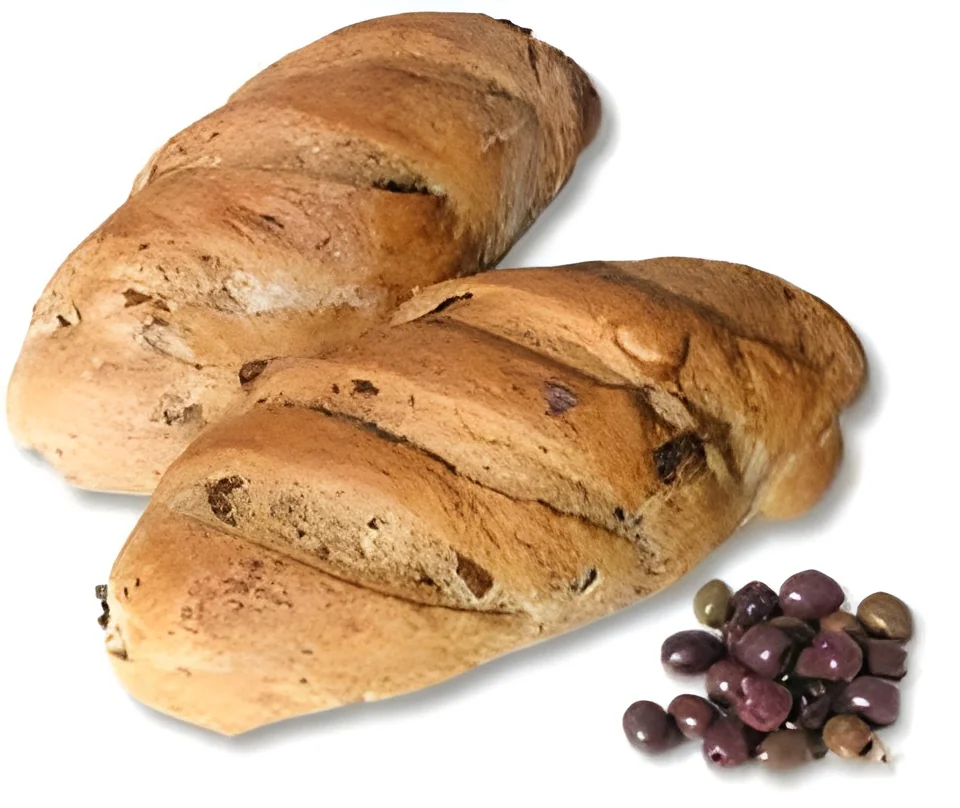
Olive and Herb Focaccia: A flavorful option infused with olives and herbs, this bread is perfect for dipping in oils or serving as a side with Mediterranean dishes.
Multigrain Sourdough: Featuring a blend of various grains and seeds, this variant provides a hearty texture and complex flavor, ideal for sandwiches or standalone consumption.
Seeded Artisan Bread: Topped with a mix of seeds, this bread adds a crunchy texture and nutty flavor, well-suited for gourmet applications.
Benefits and Advantages
Sourcing artisanal breads and sourdough provides several strategic advantages for businesses.
Key benefits include:
1. Quality Assurance: These breads are often made with high-quality, natural ingredients, ensuring a superior product that attracts customers.
2. Unique Selling Proposition: The distinctive flavors and textures of artisanal breads set businesses apart in a competitive market, drawing in customers seeking authentic options.
3. Consumer Demand: The growing trend towards health-conscious eating boosts the appeal of sourdough and artisanal breads, aligning with consumer preferences for minimal processing and natural ingredients.
4. Versatile Applications: These breads can be used in a variety of culinary contexts, from casual dining to fine dining, making them adaptable to different business models.
5. Support for Local Producers: Sourcing from local bakers fosters community relationships and supports the local economy, enhancing brand image.
6. Customization Opportunities: Many suppliers offer customization options, allowing businesses to create unique products tailored to their specific needs.
Buying Guide for B2B Buyers
When sourcing artisanal breads and sourdough, buyers should consider several important factors to ensure they make informed decisions.
1. Quality Assessment: Evaluate the quality of ingredients and production methods. Look for certifications that indicate high standards.
2. Supplier Verification: Research potential suppliers to confirm their reputation and reliability. Request references or samples to assess product quality before committing.
3. Pricing and MOQ: Understand the pricing structure and minimum order quantity requirements of suppliers. This helps in budgeting and ensures alignment with business needs.
4. Delivery and Lead Times: Inquire about delivery schedules and lead times to ensure that products arrive fresh and meet operational demands.
5. Compliance Requirements: Be aware of any regulatory standards and certifications that the products must meet. This ensures compliance with health and safety regulations.
Compliance and Certifications
Artisanal breads and sourdough must adhere to certain quality standards and certifications to ensure safety and consumer trust.
Relevant quality standards such as ISO 9001 and HACCP are essential for maintaining consistent quality and food safety practices throughout the production process. These standards help businesses manage risks associated with food production and ensure compliance with applicable regulations.
Industry certifications, including CE marking, signify that the products meet European safety, health, and environmental protection standards. This certification is particularly important for businesses exporting to European markets.
Safety and testing requirements include regular assessments of ingredients and finished products to ensure they are free from contaminants and safe for consumption. This is vital for maintaining customer trust and meeting regulatory obligations.
Regional compliance considerations may vary, so businesses should familiarize themselves with local laws and regulations regarding food production and labeling.
Why Source Artisanal Breads & Sourdough from Pepagora?
Pepagora provides a trusted platform for sourcing artisanal breads and sourdough, offering numerous key advantages for businesses.
Verified Supplier Network: Pepagora has established a network of verified suppliers, ensuring that buyers can access high-quality products from reputable sources. This minimizes the risk associated with sourcing.
Streamlined RFQ Process: The quotation system simplifies the procurement process, allowing businesses to easily request quotes from multiple suppliers, leading to better pricing and options.
Trade Assurance and Support: Pepagora offers buyer protection through its trade assurance program, giving businesses confidence in their purchases and providing support throughout the sourcing process.
Regional Coverage: With a strong presence in India, the GCC, and Southeast Asia, Pepagora serves a diverse range of markets, making it easier for businesses to find artisanal breads and sourdough tailored to their regional needs.


Frequently Asked Questions
What are Artisanal Breads & Sourdough?
Artisanal breads are handcrafted, high-quality breads made using traditional methods and natural ingredients. Sourdough is a specific type of artisanal bread that uses a natural fermentation process, which involves wild yeast and lactic acid bacteria, resulting in a distinct flavor and texture.
What are the different types of Artisanal Breads & Sourdough?
There are various types of artisanal breads, including sourdough, whole grain, rye, focaccia, and ciabatta. Each type has unique characteristics in terms of flavor, texture, and ingredients, catering to different consumer preferences.
How do I choose the right Artisanal Breads & Sourdough?
Choosing the right artisanal bread depends on factors such as flavor preference, dietary restrictions, and intended use. Consider trying samples from different suppliers to assess quality and taste before making a decision.
What are the standard specifications for Artisanal Breads & Sourdough?
Standard specifications for artisanal breads and sourdough include ingredients like flour, water, salt, and natural leavening agents. The texture should be crusty on the outside and soft on the inside, with a moist crumb and distinct flavor.
What is the price range for Artisanal Breads & Sourdough?
The price range for artisanal breads and sourdough can vary significantly based on quality and ingredients. Generally, prices can range from INR 100 to INR 500 per loaf, depending on size and supplier.
What quality standards apply to Artisanal Breads & Sourdough?
Quality standards for artisanal breads include adherence to hygiene practices, use of high-quality ingredients, and proper fermentation processes. Certifications like FSSAI in India may also apply to ensure food safety and quality.
Where can I find Artisanal Breads & Sourdough suppliers in India?
You can find artisanal bread and sourdough suppliers in India through B2B marketplaces like Pepagora, local bakeries, and specialty food suppliers. Online directories and food expos can also provide valuable contacts.
Can Artisanal Breads & Sourdough be customized?
Yes, many suppliers offer customization options for artisanal breads and sourdough, including variations in ingredients, flavors, and sizes. It is advisable to discuss specific requirements with the supplier before placing an order.
What is the typical minimum order quantity for Artisanal Breads & Sourdough?
The typical minimum order quantity (MOQ) for artisanal breads and sourdough can vary by supplier, but it usually ranges from 10 to 50 loaves. It's best to confirm the MOQ with the specific supplier you are considering.
What is the typical lead time for Artisanal Breads & Sourdough?
The typical lead time for artisanal breads and sourdough can range from 2 to 7 days, depending on the supplier and the complexity of the order. It's recommended to place orders in advance to ensure timely delivery.
Why Businesses Trust Pepagora
Thousands of companies trust Pepagora to source smarter and sell faster
Expand Your Sales Globally

Source Smarter,Grow Faster
