
 IN
Anti-Static & ESD Flooring
11 products available
What are Anti-Static & ESD Flooring?
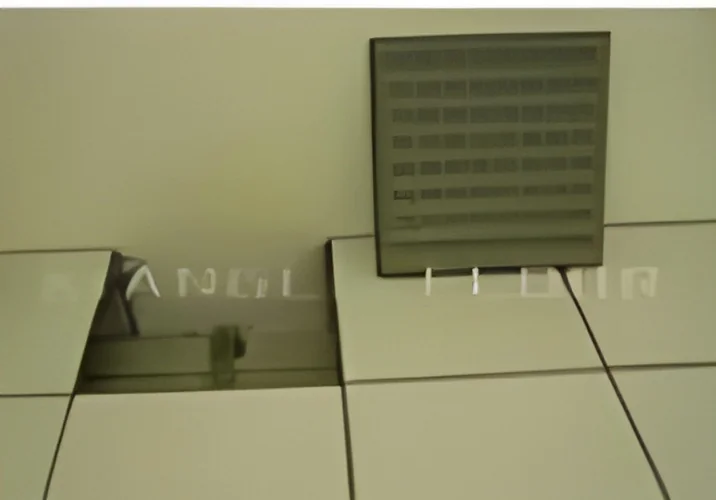
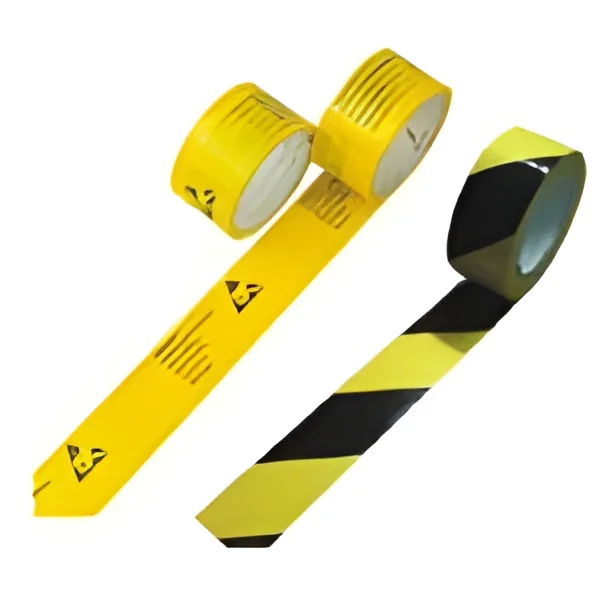
Anti-Static and Electrostatic Discharge (ESD) flooring are specialized flooring solutions designed to prevent the build-up of static electricity in environments sensitive to electrostatic damage. These flooring materials are made from conductive or dissipative materials that facilitate the safe dissipation of electric charges. By controlling static electricity, these floors help to protect electronic components and sensitive equipment from potential damage that can be caused by static shocks.
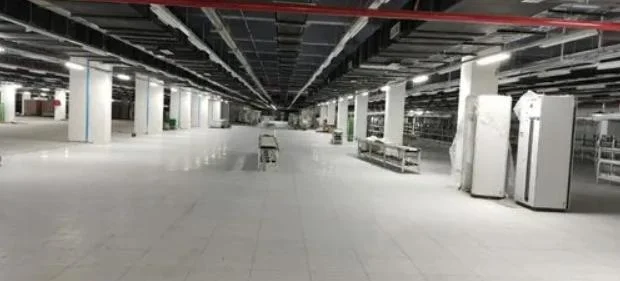
These flooring solutions are primarily used in industries such as electronics manufacturing, data centers, laboratories, and healthcare facilities. In environments where electronic devices are handled or stored, the risk of electrostatic discharge can lead to costly damage and safety hazards. Anti-static and ESD flooring is critical in maintaining a controlled environment, ensuring operational efficiency and safety.
The relevance of anti-static and ESD flooring is growing in various sectors due to the increasing dependency on technology and electronic components. With advancements in electronics, the need for protective measures against static electricity is more critical than ever. The market for these flooring solutions is expanding as industries recognize the importance of safeguarding their assets and ensuring compliance with safety standards.
Key Features and Specifications
Anti-static and ESD flooring offer a variety of features that make them suitable for sensitive environments. These include durability, ease of maintenance, and compliance with safety regulations. Understanding the specifications of these flooring options is crucial for making informed purchasing decisions.
Key specifications include:
1. Conductive Properties
- Ability to dissipate static electricity effectively
- Measured in ohms, typically between 10^6 and 10^9 ohms for dissipative flooring
2. Surface Finish
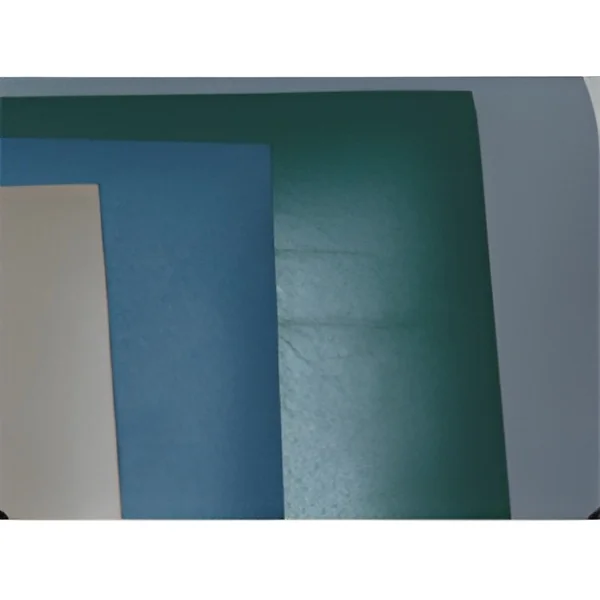
- Options for smooth or textured surfaces
- Textured surfaces can provide better traction
3. Installation Method
- Glue-down, interlocking tiles, or loose lay options
- Installation method can impact durability and maintenance
4. Resistance to Chemicals
- Resistance to various industrial cleaning agents and chemicals
- Important for maintaining integrity in industrial settings
5. Temperature Tolerance
- Designed to withstand a range of temperatures
- Specific temperature ranges not available
6. Humidity Control
- Some variants help to regulate humidity levels
- Specific humidity control features not available
7. Monitoring Features
- Potential integration with monitoring systems
- Specific monitoring features not available
8. Compliance Standards
- Adherence to industry standards like CE certification
- Ensures safety and quality in applications
In summary, these key features and specifications highlight the importance of selecting the right anti-static and ESD flooring to meet the specific requirements of various industrial applications.
Common Applications and Use Cases
Anti-static and ESD flooring are used across various industries where electronic components and sensitive devices are handled. Their applications are essential for maintaining a safe and efficient working environment.
1. Electronics Manufacturing: In this sector, ESD flooring protects sensitive electronic components from damage during assembly and testing processes.
2. Data Centers: These facilities require anti-static flooring to safeguard servers and other hardware from electrostatic discharge, ensuring uninterrupted operations.
3. Laboratories: In scientific and research labs, ESD flooring protects delicate instruments and ensures accuracy in experiments by preventing static interference.
4. Healthcare Facilities: Hospitals and clinics use anti-static flooring to maintain sterile environments while protecting medical equipment from potential damage.
5. Aerospace: ESD flooring ensures that sensitive aerospace components are not compromised during manufacturing and maintenance activities.
6. Automotive: In automotive production, anti-static flooring safeguards electronic systems and components from static-related issues.
7. Telecommunications: ESD flooring is essential in telecommunications to protect sensitive communication equipment from electrostatic discharge.
Product Variants and Subcategories
Anti-static and ESD flooring come in various forms to cater to different needs and environments. Each variant is designed to offer specific benefits based on the application.
Vinyl ESD Flooring
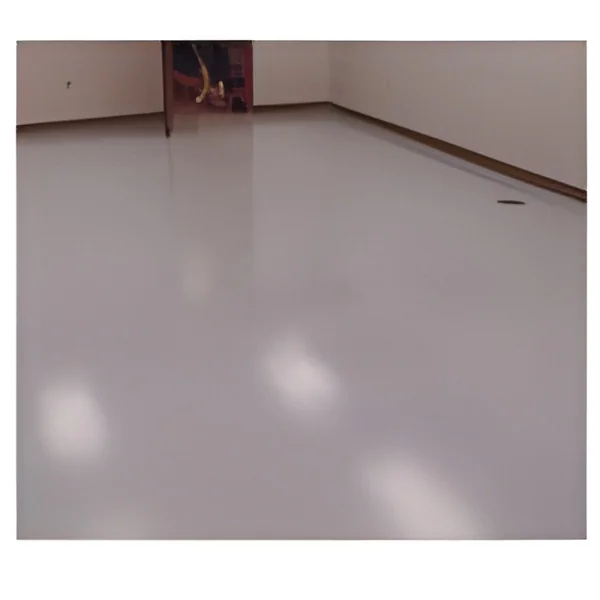
Vinyl ESD flooring is a popular choice for many industries. It is durable, easy to clean, and provides excellent static control. This flooring is often used in electronics manufacturing and data centers due to its reliability and performance.
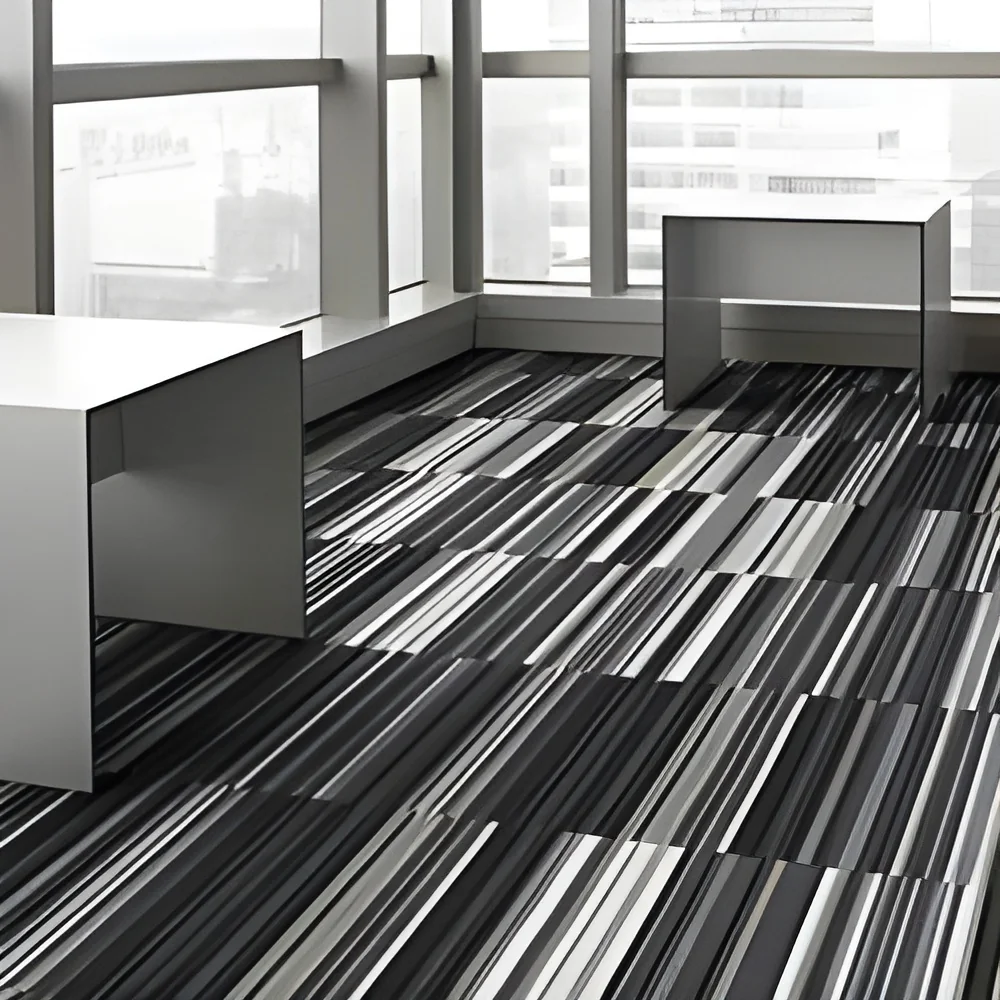
Carpet Tile ESD Flooring
Carpet tile ESD flooring combines comfort with functionality. It is suitable for office environments and provides a softer surface while maintaining anti-static properties. This variant is ideal for areas where foot traffic is high, and comfort is a priority.
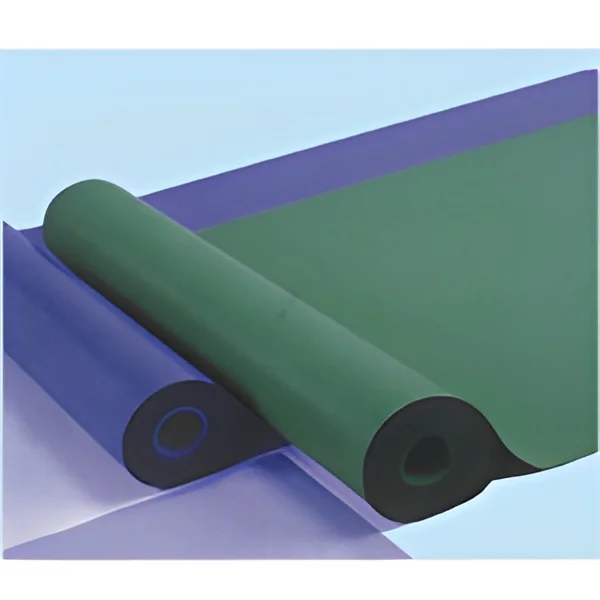
Rubber ESD Flooring
Rubber ESD flooring is known for its resilience and slip resistance. It is commonly used in heavy-duty industrial environments where durability is essential. This variant is ideal for warehouses and manufacturing facilities.
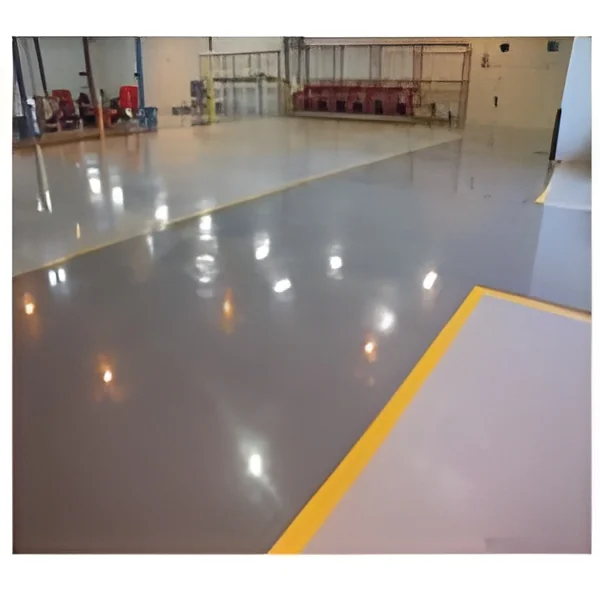
Static Dissipative Epoxy Flooring
Static dissipative epoxy flooring offers a seamless and durable solution. It is ideal for clean rooms and laboratories, where a smooth surface is necessary for hygiene and maintenance.
Benefits and Advantages
Choosing anti-static and ESD flooring provides several key benefits that contribute to operational efficiency and safety in sensitive environments.
1. Enhanced Safety: These flooring solutions significantly reduce the risk of static-related incidents, protecting employees and equipment alike.
2. Equipment Protection: Anti-static flooring safeguards sensitive electronic components from electrostatic discharge, preventing costly damages.
3. Compliance Assurance: By using ESD flooring, businesses can ensure compliance with industry standards and regulations, which is crucial for operational integrity.
4. Durability: Most anti-static flooring options are designed for high-traffic areas, offering long-lasting performance even under demanding conditions.
5. Maintenance Ease: These floors are typically easy to clean and maintain, ensuring a hygienic environment without compromising performance.
6. Aesthetic Versatility: Anti-static and ESD flooring come in various designs and colors, allowing businesses to maintain a professional appearance while ensuring functionality.
Buying Guide for B2B Buyers
When sourcing anti-static and ESD flooring, it is important for B2B buyers to consider several factors to ensure they make the best choice for their needs.
1. Quality Assessment: Evaluate the quality of flooring materials and manufacturing processes. Look for certifications and compliance with relevant standards to ensure product reliability.
2. Supplier Verification: Vet suppliers to ensure they have a track record of delivering high-quality products. Check for reviews, ratings, and industry reputation.
3. Pricing and MOQ: Understand the pricing structure and minimum order quantities. This helps in budgeting and ensures that the order aligns with business needs.
4. Delivery and Lead Times: Consider the logistics involved in delivery. Ensure that lead times are acceptable for your operational schedule to avoid delays.
5. Compliance Requirements: Familiarize yourself with industry-specific compliance needs. This ensures that the flooring meets the necessary safety and performance standards.
Compliance and Certifications
Compliance and certifications are critical aspects of anti-static and ESD flooring. These products must adhere to various quality standards to ensure their effectiveness and safety in sensitive environments.
One key standard is ISO 9001, which focuses on quality management systems. Adherence to this standard indicates that the flooring manufacturer maintains a high level of quality in their processes.
Additionally, many anti-static and ESD flooring options carry CE certification, signifying that they meet European safety, health, and environmental protection standards. This certification is crucial for ensuring that the flooring can be safely used in various applications.
Safety and testing requirements are also essential in the production of ESD flooring. These products undergo rigorous testing to confirm their static dissipative properties and overall performance.
Regional compliance considerations may vary, so it is important for buyers to understand the specific regulations that apply to their location and industry. This ensures that the flooring selected is compliant and suitable for use.
Why Source Anti-Static & ESD Flooring from Pepagora?
Pepagora offers a trusted platform for sourcing anti-static and ESD flooring, providing several key advantages for B2B buyers.
Verified Supplier Network: Pepagora has established a network of verified suppliers, ensuring that buyers can access quality products from reputable manufacturers. This reduces the risk associated with sourcing.
Streamlined RFQ Process: The platform features a streamlined request for quotation (RFQ) process, making it easy for buyers to obtain quotes from multiple suppliers quickly. This enhances decision-making efficiency.
Trade Assurance and Support: Pepagora provides trade assurance and buyer protection, giving B2B buyers confidence in their purchases. This support ensures that transactions are secure and reliable.
Regional Coverage: With a strong presence in India, the GCC, and Southeast Asia, Pepagora can cater to a wide geographic range. This allows businesses in these regions to access high-quality anti-static and ESD flooring tailored to their specific needs.


Frequently Asked Questions
What are Anti-Static & ESD Flooring?
Anti-Static & ESD Flooring are specialized flooring materials designed to prevent the accumulation of static electricity. These floors are essential in environments where electronic components are handled, as they help protect sensitive equipment from electrostatic discharge (ESD) damage.
What are the different types of Anti-Static & ESD Flooring?
The main types of Anti-Static & ESD Flooring include vinyl, rubber, and carpet tiles. Each type offers varying levels of durability, maintenance, and aesthetic options, catering to different industrial and commercial needs.
How do I choose the right Anti-Static & ESD Flooring?
Choosing the right Anti-Static & ESD Flooring involves considering factors such as the specific application, foot traffic levels, maintenance requirements, and compatibility with existing materials. Consulting with suppliers can also provide insights into the best options for your facility.
What are the standard specifications for Anti-Static & ESD Flooring?
Standard specifications for Anti-Static & ESD Flooring typically include resistance values, thickness, and surface properties. Common resistance measurements range from 1 x 10^6 to 1 x 10^9 ohms, ensuring effective static control.
What is the price range for Anti-Static & ESD Flooring?
The price range for Anti-Static & ESD Flooring can vary widely based on material, thickness, and installation complexity, typically ranging from INR 100 to INR 500 per square foot. Customization options may also influence the final cost.
What quality standards apply to Anti-Static & ESD Flooring?
Anti-Static & ESD Flooring must comply with various quality standards, such as ASTM and IEC standards for electrical resistance. Additionally, manufacturers often adhere to ISO quality management systems to ensure consistent product performance.
Where can I find Anti-Static & ESD Flooring suppliers in India?
You can find Anti-Static & ESD Flooring suppliers in India through online B2B marketplaces like Pepagora, trade shows, and industry directories. It is advisable to research suppliers to ensure they meet your specific requirements.
Can Anti-Static & ESD Flooring be customized?
Yes, Anti-Static & ESD Flooring can be customized in terms of color, design, and size to meet specific project requirements. Many manufacturers offer customization options to align with branding or aesthetic preferences.
What is the typical minimum order quantity for Anti-Static & ESD Flooring?
The typical minimum order quantity (MOQ) for Anti-Static & ESD Flooring can vary by supplier but generally ranges from 100 to 500 square feet. It's best to confirm MOQs with individual manufacturers.
What is the typical lead time for Anti-Static & ESD Flooring?
The typical lead time for Anti-Static & ESD Flooring is usually between 2 to 6 weeks, depending on the supplier and the complexity of the order. Custom orders may require additional time for production and delivery.
Why Businesses Trust Pepagora
Thousands of companies trust Pepagora to source smarter and sell faster
Expand Your Sales Globally

Source Smarter,Grow Faster
