
 IN
Anchoring Chains & Ropes
3 products available
What are Anchoring Chains & Ropes?
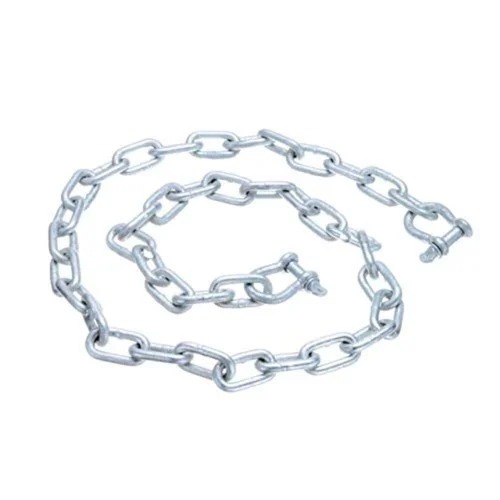
Anchoring chains and ropes are vital components used in various industries for securing vessels, structures, and equipment. These products are designed to withstand significant forces and provide reliable holding power in marine, industrial, and construction applications. Anchoring chains are typically made of steel and are known for their strength and durability, while ropes can be crafted from natural or synthetic fibers, offering flexibility and resistance to environmental factors.
The primary use of anchoring chains and ropes is to secure boats and ships in place, preventing drift in water bodies. In addition to marine applications, these products are also used in construction for stabilizing structures and in industrial settings for securing heavy loads. As industries evolve, the demand for high-quality anchoring solutions continues to grow, making them a critical focus for businesses involved in marine, construction, and logistics sectors.
Key Features and Specifications
Anchoring chains and ropes come with a variety of features that cater to specific needs across industries. Understanding these specifications is crucial for selecting the right product for your application.
Key specifications include:
1. Material Composition
- Anchoring chains are often made from high-tensile steel for strength.
- Ropes can be made from materials such as polypropylene, nylon, or polyester for flexibility and durability.
2. Diameter and Size
- Chains and ropes come in various diameters ranging from small sizes for light-duty applications to larger sizes for heavy-duty use.
- Proper sizing is essential to ensure load capacity and safety.
3. Weight Capacity
- Chains and ropes have specified weight limits depending on their material and construction.
- It is important to select products that can handle the expected load without risk of failure.
4. Length Options
- Available in different lengths to meet specific anchoring requirements.
- Custom lengths may also be available upon request.
5. Corrosion Resistance
- Many anchoring chains are coated or treated to resist rust and corrosion, enhancing their longevity.
- Ropes may also have water-resistant properties depending on the material used.
6. Breaking Strength
- This specification indicates the maximum load that a chain or rope can withstand before failure.
- It is a critical parameter for ensuring safety in high-stress applications.
7. Certification Standards
- Products may adhere to various industry standards, such as CE certification, ensuring reliability and safety.
- Compliance with these standards is essential for regulatory purposes.
In summary, selecting the right anchoring chains and ropes involves understanding their key features and specifications to ensure they meet the demands of specific applications.
Common Applications and Use Cases
Anchoring chains and ropes are employed in a range of industries, each with unique applications.
1. Marine Industry: Used extensively for securing vessels at docks and during anchoring in open waters, ensuring stability against currents and tides.
2. Construction: Utilized for stabilizing scaffolding and securing heavy machinery on-site, preventing accidents and ensuring worker safety.
3. Shipping and Logistics: Essential for securing cargo during transport, both on land and sea, to prevent shifting that could lead to damage or loss.
4. Fishing: Employed in the fishing industry for anchoring boats and securing nets, ensuring efficient operations and safety on the water.
5. Oil and Gas: Used in offshore drilling operations to secure platforms and equipment, withstanding harsh marine environments.
6. Event Management: Used to anchor tents and temporary structures at outdoor events, ensuring stability against wind and other elements.
7. Utility Companies: Used to secure power lines and other infrastructure, providing stability and safety in various weather conditions.
Product Variants and Subcategories
Anchoring chains and ropes come in various forms to meet the diverse needs of different industries.
Standard Anchoring Chains: These chains are designed for general use, providing robust holding power for marine and industrial applications. They are available in various sizes and materials.
Industrial Ropes: Engineered for high-performance applications, these ropes offer superior strength and flexibility. They are ideal for construction and heavy-duty industrial use.
Marine Ropes: Specifically designed for marine environments, these ropes are made from materials resistant to saltwater and harsh weather conditions, ensuring durability.
Benefits and Advantages
Choosing the right anchoring chains and ropes offers several significant advantages.
1. Enhanced Safety: Using high-quality anchoring solutions reduces the risk of accidents and ensures stability in various applications.
2. Durability and Longevity: Products made from robust materials resist wear and tear, leading to longer service life and reduced replacement costs.
3. Versatility: Anchoring chains and ropes can be used across multiple industries, making them a valuable asset for businesses.
4. Cost-Effectiveness: Investing in reliable anchoring solutions minimizes the risk of damage and loss, providing better long-term value.
5. Easy Handling: Many anchoring ropes are lightweight and flexible, making them easy to handle and deploy in various situations.
6. Compliance Assurance: Sourcing products that meet industry standards ensures regulatory compliance and enhances business credibility.
Buying Guide for B2B Buyers
When sourcing anchoring chains and ropes, several critical factors should be considered to ensure the best purchase decision.
1. Quality Assessment: Look for products that meet industry standards and have been tested for durability and strength. Certifications such as CE can indicate compliance with safety regulations.
2. Supplier Verification: Vet potential suppliers to ensure they have a good reputation and a history of providing reliable products. Reviews and testimonials can provide valuable insights.
3. Pricing and MOQ: Understand the pricing structure and minimum order quantities, as these can vary widely among suppliers. Be sure to factor in shipping costs as well.
4. Delivery and Lead Times: Discuss logistics with suppliers to ensure timely delivery, particularly for projects with tight schedules. Confirm lead times before placing orders.
5. Compliance Requirements: Be aware of local regulations and standards that may apply to anchoring products. Ensuring compliance can prevent legal issues and enhance safety.
Compliance and Certifications
Compliance and certifications are essential aspects of anchoring chains and ropes, ensuring that products meet safety and performance standards.
Many anchoring products adhere to relevant quality standards such as ISO 9001, which emphasizes quality management systems. Compliance with such standards indicates that manufacturers maintain consistent quality control processes.
In addition to ISO standards, industry-specific certifications like CE play a crucial role in ensuring that products are safe for use. CE certification indicates that the product meets European safety, health, and environmental protection standards.
Safety and testing requirements are also critical, as they ensure that anchoring products can withstand the forces expected in their respective applications. Testing should be conducted by accredited laboratories to validate performance claims.
Regional compliance considerations may vary, so it is important for buyers to be aware of specific regulations in their locality. This includes understanding any additional certifications that may be required for marine or industrial applications.
Why Source Anchoring Chains & Ropes from Pepagora?
Pepagora provides a trusted platform for sourcing anchoring chains and ropes with several key advantages that enhance the purchasing experience.
The verified supplier network at Pepagora ensures that all suppliers are vetted for reliability and quality. This allows buyers to connect with reputable manufacturers and distributors, reducing the risk of substandard products.
The streamlined RFQ process simplifies the quotation system, enabling buyers to receive multiple quotes quickly. This efficiency can lead to better pricing and more informed decision-making.
Trade assurance and support offered by Pepagora provide peace of mind for buyers. This program protects transactions and ensures that buyers receive the products as promised, enhancing trust in the procurement process.
Pepagora also boasts regional coverage across India, the GCC, and Southeast Asia. This extensive reach allows businesses to access a wide variety of suppliers and products, making it easier to find the right anchoring solutions for their needs.




 India
Frequently Asked Questions
What are Anchoring Chains & Ropes?
Anchoring chains and ropes are essential components used for securing vessels, boats, and other objects in place. These materials are designed to withstand various environmental conditions and provide stability during mooring or anchoring operations.
What are the different types of Anchoring Chains & Ropes?
There are several types of anchoring chains and ropes, including galvanized steel chains, nylon ropes, polypropylene ropes, and anchor lines. Each type has unique properties that make it suitable for different applications, such as marine, industrial, or construction use.
How do I choose the right Anchoring Chains & Ropes?
Choosing the right anchoring chains and ropes depends on factors such as the weight of the object being secured, the environment, and the type of anchoring system used. It is important to consider tensile strength, corrosion resistance, and flexibility when making your selection.
What are the standard specifications for Anchoring Chains & Ropes?
Standard specifications for anchoring chains and ropes include diameter, breaking strength, material type, and length. Additionally, specific industry standards, such as those from the American Boat and Yacht Council (ABYC) or International Organization for Standardization (ISO), may apply.
What is the price range for Anchoring Chains & Ropes?
The price range for anchoring chains and ropes varies widely based on material, size, and quality. Generally, you can expect prices to start from a few hundred rupees for basic ropes or chains and can go up to several thousand rupees for high-quality or specialized products.
What quality standards apply to Anchoring Chains & Ropes?
Quality standards for anchoring chains and ropes typically include requirements for tensile strength, durability, and resistance to corrosion. Compliance with industry standards, such as ISI or ASTM certifications, is often a key indicator of quality.
Where can I find Anchoring Chains & Ropes suppliers in India?
You can find anchoring chains and ropes suppliers in India through B2B marketplaces like Pepagora.com, trade shows, and local marine supply stores. It is advisable to compare multiple suppliers to ensure you find the best products and pricing.
Can Anchoring Chains & Ropes be customized?
Yes, many manufacturers offer customization options for anchoring chains and ropes, including specific lengths, diameters, and materials. Customization can help meet the unique requirements of your project or application.
What is the typical minimum order quantity for Anchoring Chains & Ropes?
The minimum order quantity (MOQ) for anchoring chains and ropes varies by supplier and product type. Typically, MOQs can range from a few meters for ropes to several kilograms for chains, depending on the manufacturer.
What is the typical lead time for Anchoring Chains & Ropes?
The typical lead time for anchoring chains and ropes can vary based on the supplier and customization requirements. Generally, standard orders may take anywhere from a few days to a couple of weeks for delivery.
Why Businesses Trust Pepagora
Thousands of companies trust Pepagora to source smarter and sell faster
Expand Your Sales Globally

Source Smarter,Grow Faster
