IN
IN₹
Apparel & Fashion
Description
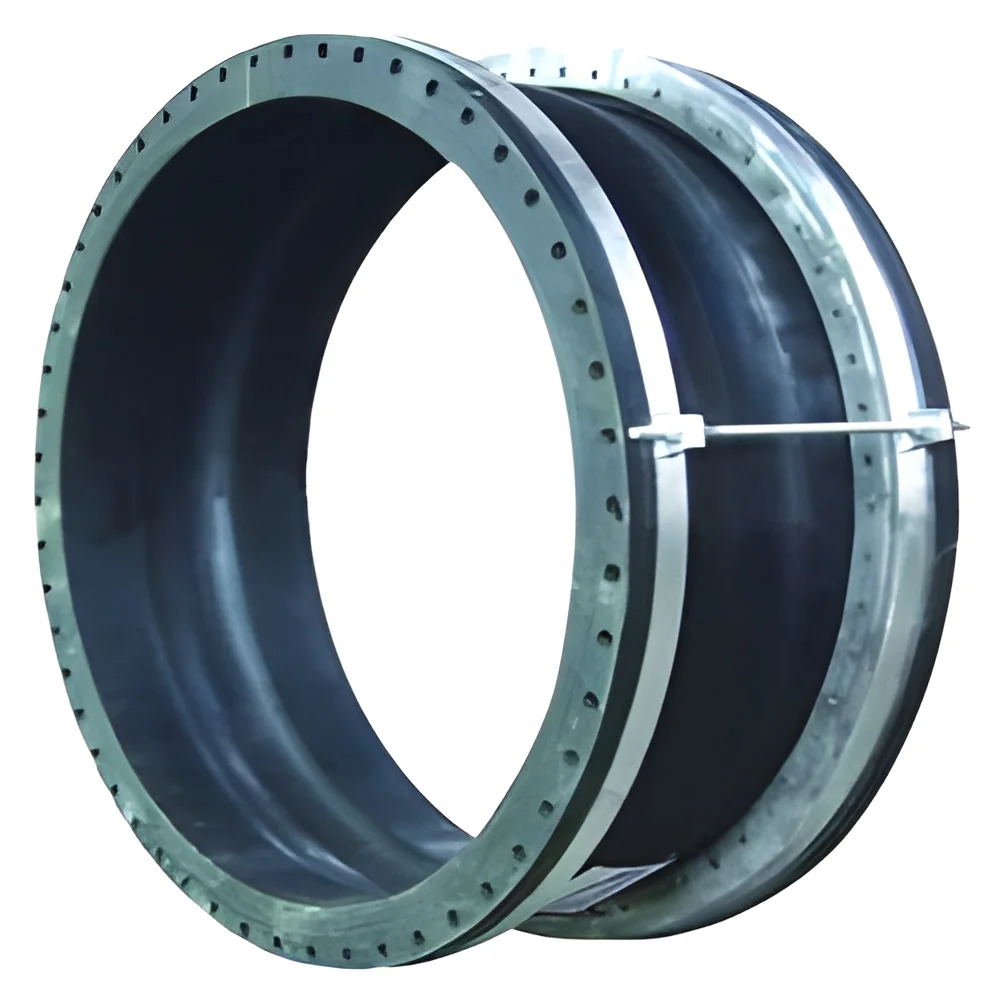
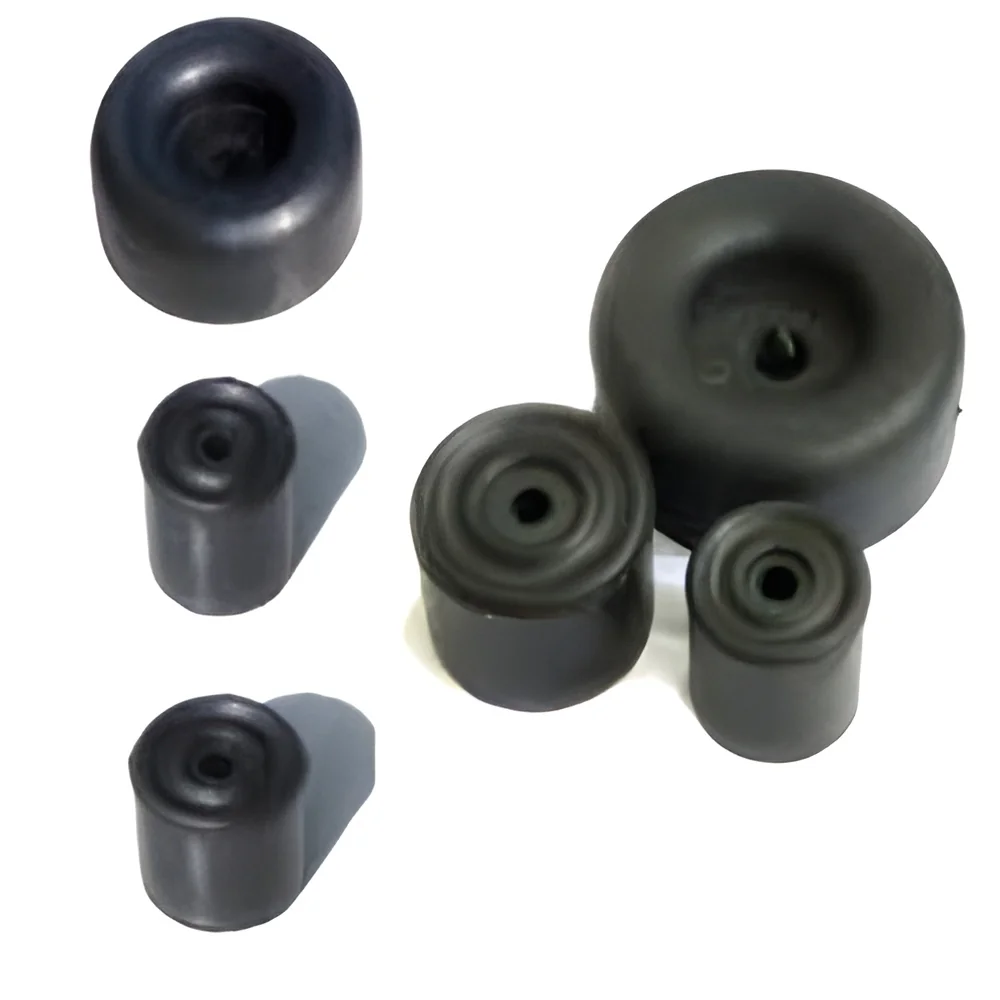
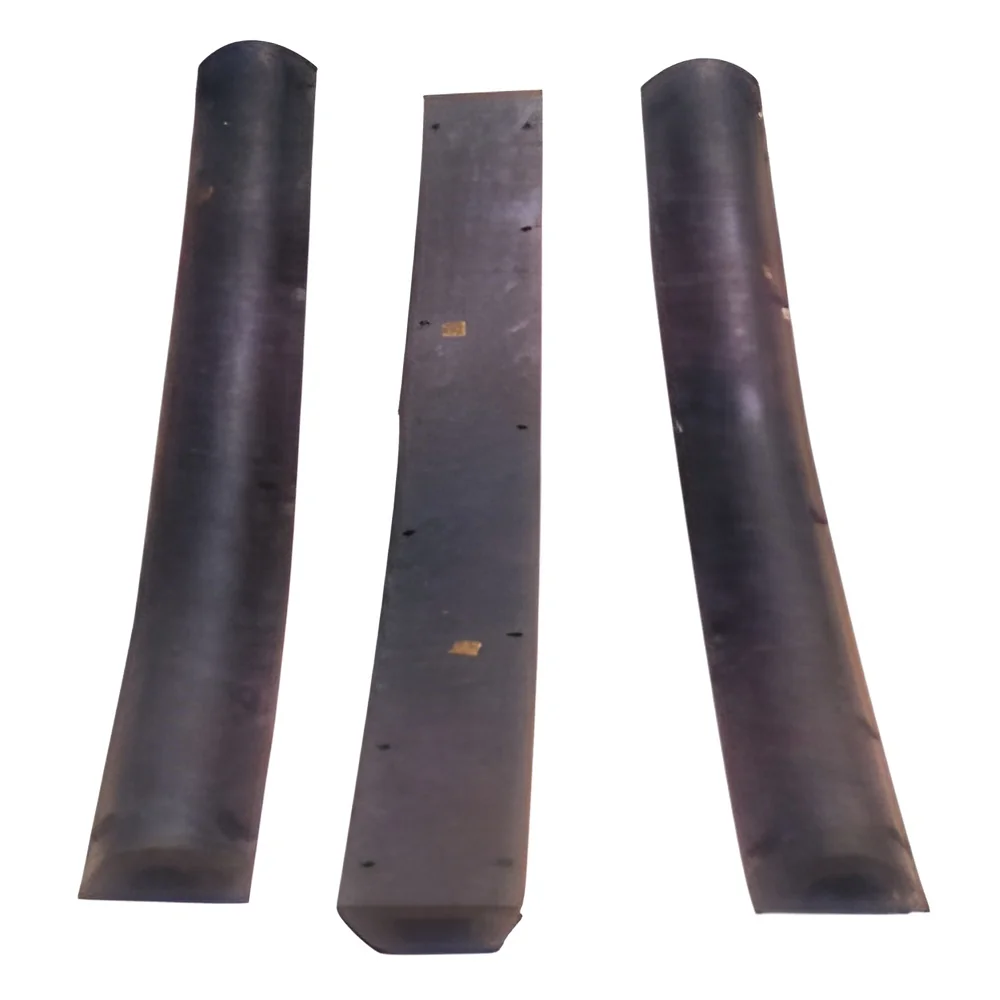
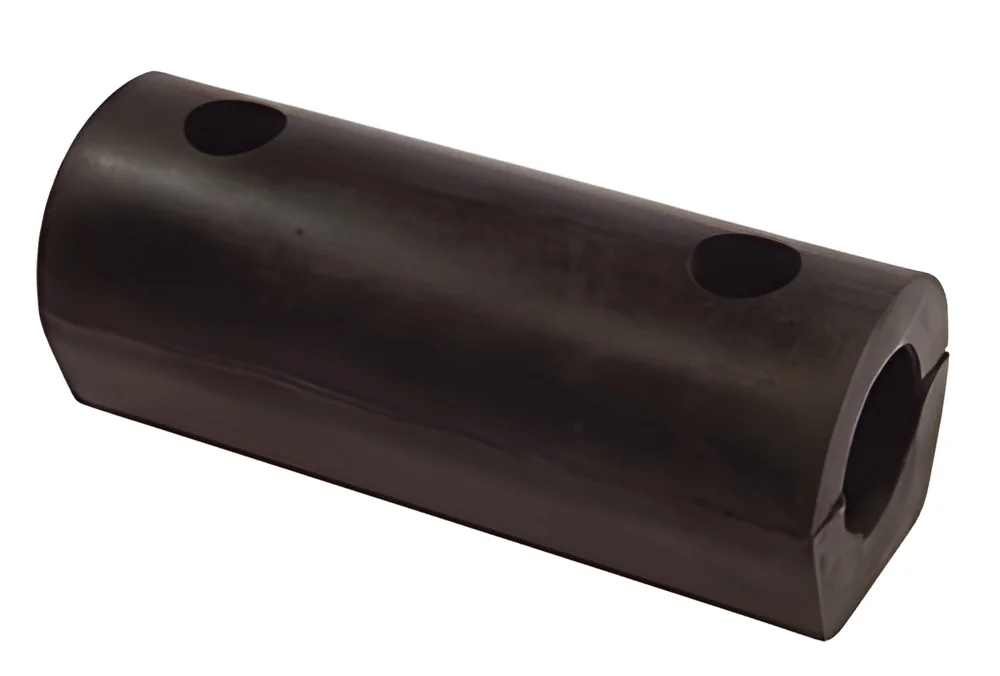
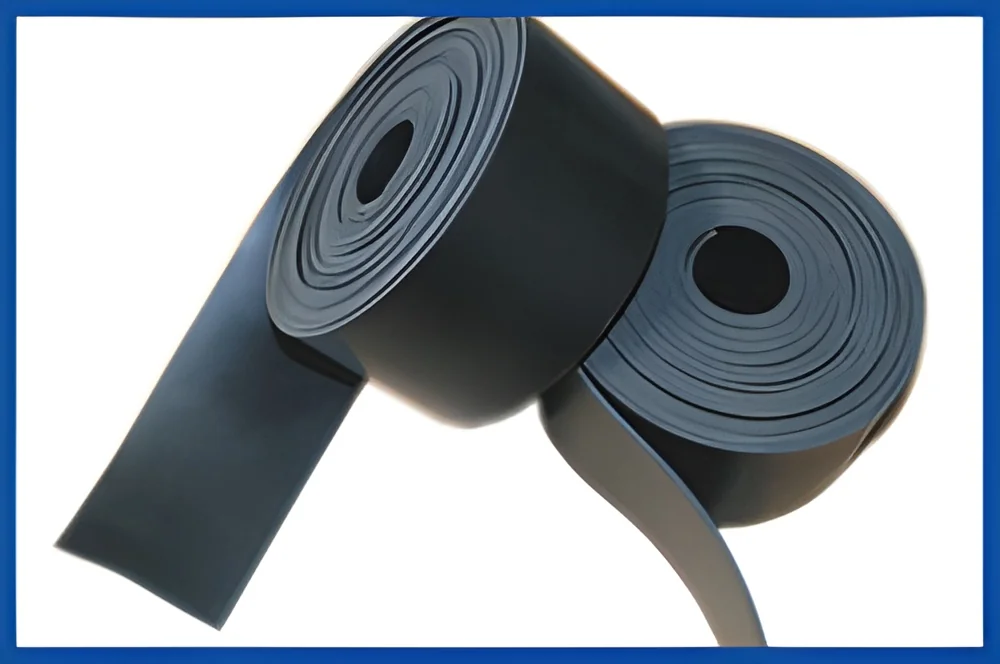
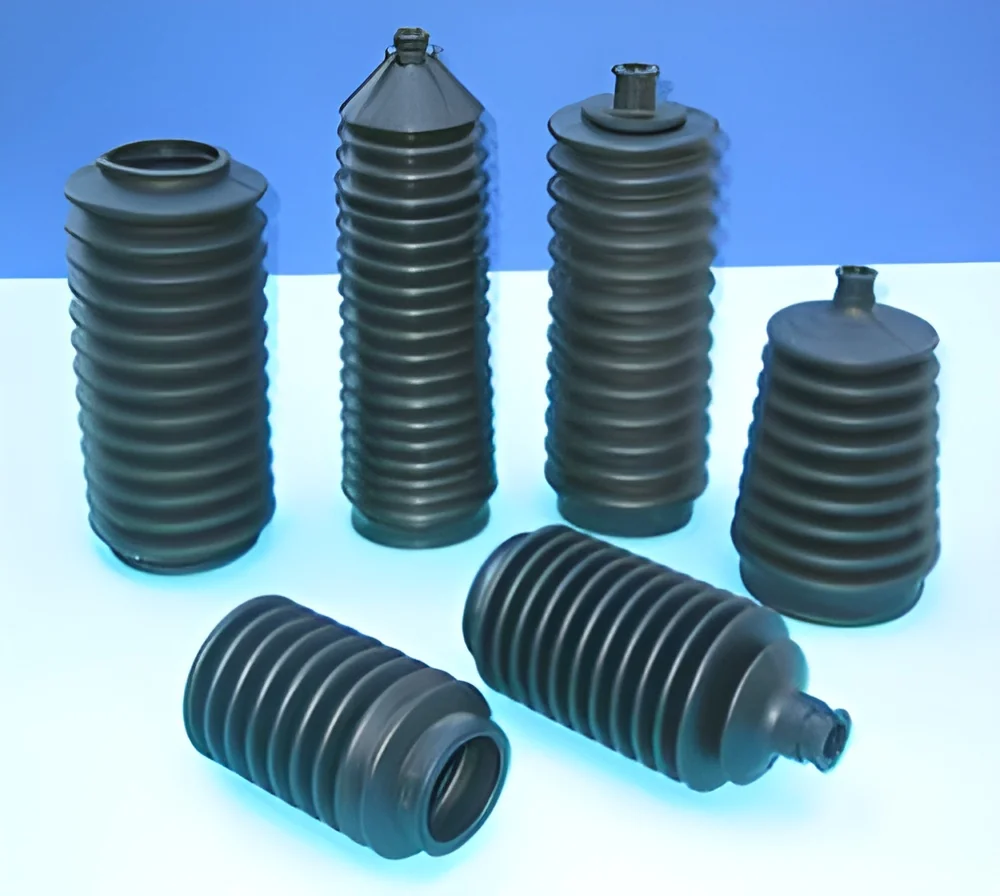
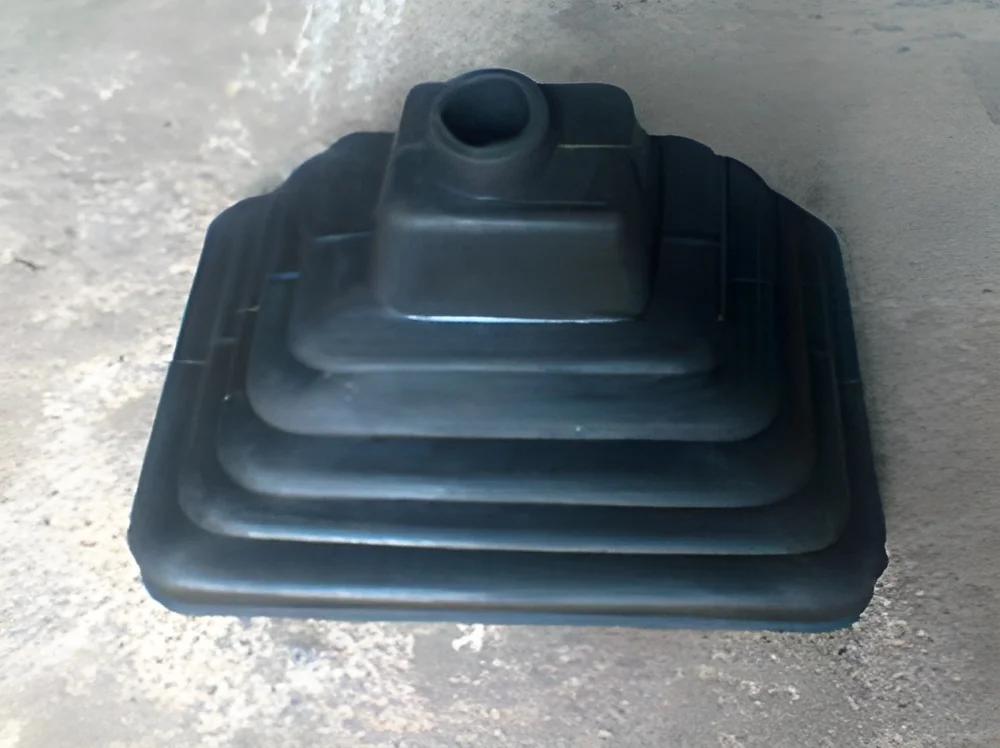
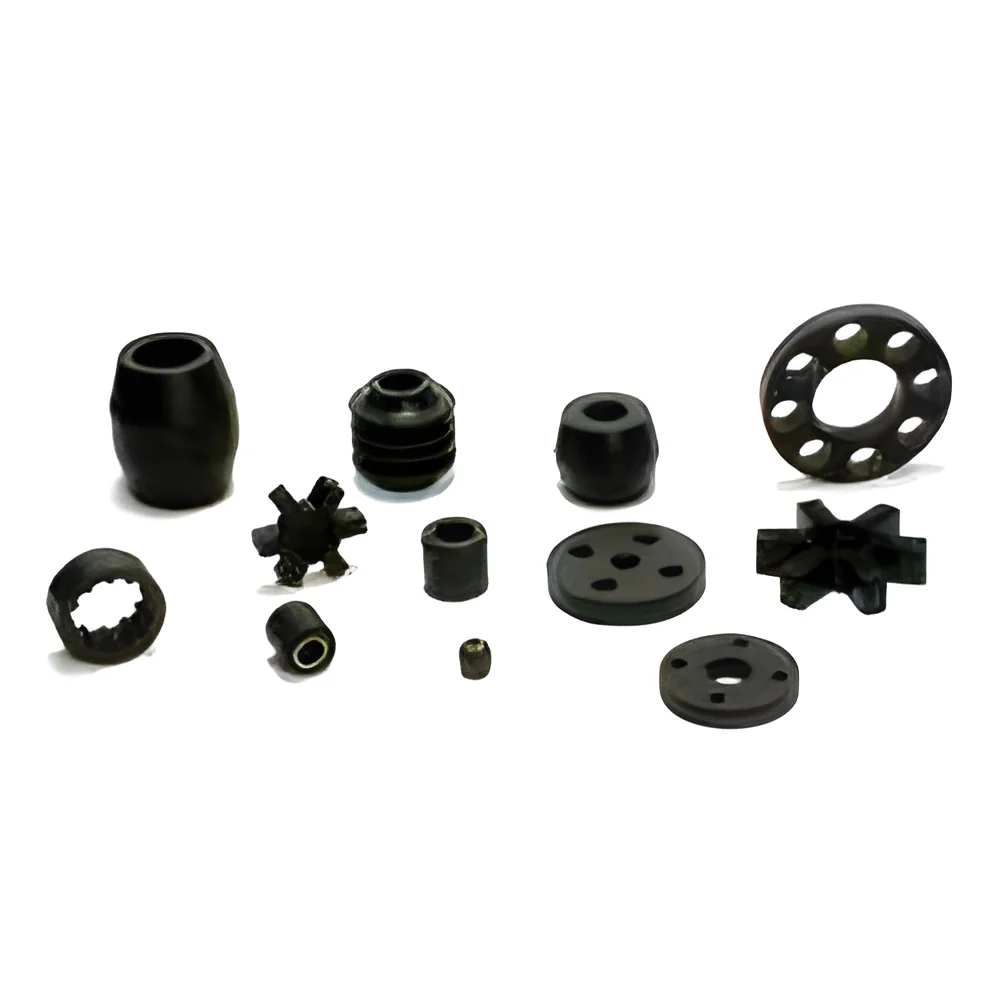
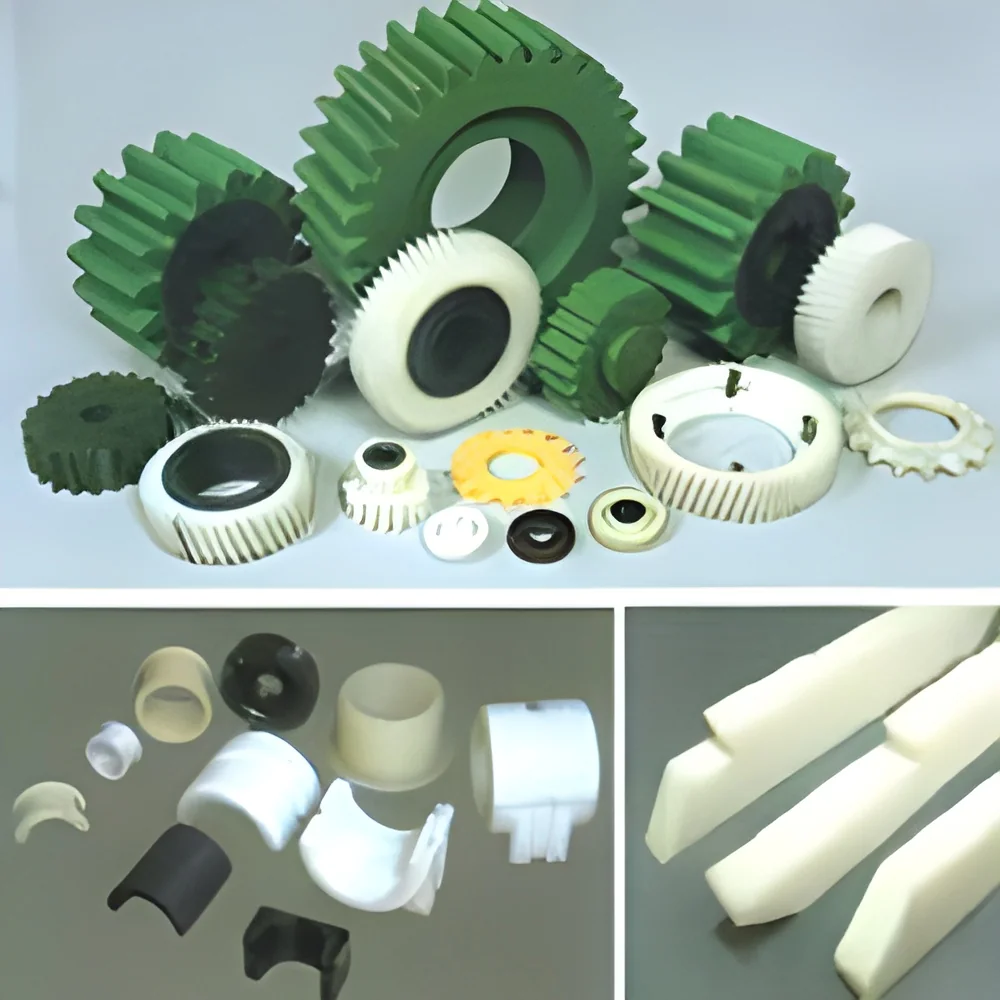
Industrial nylon components represent engineered polymer solutions designed for demanding applications where traditional materials fall short. These high-strength, wear-resistant parts combine durability with lightweight performance, offering superior alternatives to metal components in many industrial settings. Manufactured to precise specifications, they provide consistent mechanical properties including excellent impact resistance, dimensional stability, and natural lubricity. This ensures reliable operation in high-stress environments while reducing maintenance requirements and extending equipment service life across various applications.

These components serve critical functions across multiple industrial sectors. Automotive manufacturers utilize nylon for under-hood components, transmission parts, and structural elements where weight reduction and corrosion resistance improve vehicle performance. Material handling systems depend on nylon for conveyor components, guides, and wear...
Industrial nylon components represent engineered polymer solutions designed for demanding applications where traditional materials fall short. These high-strength, wear-resistant parts combine durability with lightweight performance, offering superior alternatives to metal components in many industrial settings. Manufactured to precise specifications, they provide consistent mechanical properties including excellent impact resistance, dimensional stability, and natural lubricity. This ensures reliable operation in high-stress environments while reducing maintenance requirements and extending equipment service life across various applications.

These components serve critical functions across multiple industrial sectors. Automotive manufacturers utilize nylon for under-hood components, transmission parts, and structural elements where weight reduction and corrosion resistance improve vehicle performance. Material handling systems depend on nylon for conveyor components, guides, and wear surfaces that must withstand constant abrasion without lubrication. Electrical equipment manufacturers benefit from nylon's excellent dielectric properties and flame resistance for insulators and protective housings. The food processing industry values nylon for its chemical resistance and clean operation in machinery components, while packaging automation relies on its low friction and durability for high-speed production lines.

Choosing industrial nylon components delivers measurable business value through improved operational efficiency and reduced total cost of ownership. The material's self-lubricating properties eliminate external lubrication needs, reducing maintenance frequency and preventing contamination in sensitive environments. Corrosion resistance ensures consistent performance in humid or chemically exposed conditions where metals would degrade. Lightweight construction reduces energy consumption in moving parts and simplifies installation processes. These advantages combine to minimize unexpected downtime, extend equipment lifespan, and provide reliable performance that supports continuous production and operational consistency.

Key Features:
- High tensile strength with excellent impact and abrasion resistance
- Superior wear characteristics ensuring long service life in demanding applications
- Natural lubricity providing low friction coefficient without additional lubrication
- Chemical and corrosion resistance for performance in harsh environments
- Dimensional stability maintaining precision under varying temperature and load conditions

Benefits:
- Reduced maintenance requirements and associated labor costs
- Extended equipment lifespan through superior wear resistance
- Lower energy consumption due to lightweight construction and reduced friction
- Consistent performance in diverse environmental and operational conditions
- Cost-effective replacement for metal parts with improved corrosion resistance
Specifications
| Additional Information | |
|---|---|
| Country of Origin | India |
Application
Industrial nylon components deliver exceptional performance where durability and reliability are non-negotiable. Their high tensile strength and excellent wear resistance make them ideal for replacing metal parts in demanding environments, reducing weight while maintaining structural integrity. These components withstand continuous operation without degradation, ensuring consistent performance in automated systems and heavy machinery.
Manufacturers across sectors choose nylon for its versatile mechanical properties and cost-effective operation. The material's natural lubricity reduces friction and eliminates the need for additional lubricants in many applications, minimizing maintenance and contamination risks. This makes nylon components particularly valuable in industries where cleanliness, reduced downtime, and long-term reliability directly impact operational efficiency and profitability.
- Gears, bearings, and bushings in automotive transmissions and industrial machinery
- Conveyor system components, guides, and wear strips in material handling
- Electrical insulators, connectors, and housings in electronic equipment
- Custom fabricated parts for agricultural equipment and food processing machinery
- Wear pads, spacers, and guides in packaging automation and manufacturing lines
Trade Details
| Available Stock | In Stock |
| Sample Availability | No |
Payment Terms
| Payment Terms |
|
Company Profile
Bharat Rubber Products, West Bengal
 West Bengal, India
West Bengal, IndiaIndustrial Equipment & Machinery•Manufacturer•Importer / Exporter
Factory Details
Factory SizeBelow 1000 sqm
Annual Production Capacity0
Industrial Nylon Components Durable High Strength Wear Resistant
Industrial Nylon Components offer durable, high-strength, wear-resistant solutions for machinery, automotive, and material handling applications. These reliable parts provide excellent mechanical properties and long service life.
Min. Order Quantity: 1 unit
Shipping
Shipping fee and delivery date to be negotiated. Contact supplier now for more details.
Bharat Rubber Products
 West Bengal, India
West Bengal, IndiaIndustrial Equipment & MachineryManufacturer