
 IN
Aluminum Ladders
23 products available
What are Aluminum Ladders?
Aluminum ladders are versatile and lightweight access solutions widely used in various industries. Made from high-strength aluminum, these ladders offer durability and stability, making them ideal for both commercial and industrial applications. Their lightweight nature allows for easy transportation and maneuverability, which is essential in settings where quick access is required.
These ladders are commonly utilized in construction, maintenance, and warehousing. They serve purposes such as reaching high shelves, performing repairs, and accessing rooftops. The demand for aluminum ladders continues to grow as businesses seek reliable equipment that can enhance safety and efficiency in their operations. This market relevance is underscored by the increasing focus on workplace safety regulations, which often necessitate the use of compliant and sturdy access equipment.
Key Features and Specifications
Aluminum ladders are designed with a variety of features that enhance their functionality and safety. Understanding these specifications is crucial for selecting the right ladder for specific applications.
Key specifications include:
1. Material Composition
- Constructed from high-grade aluminum
- Provides resistance to rust and corrosion
2. Load Capacity
- Varies typically from 150 to 300 pounds
- Ensures safe use by indicating maximum weight limits
3. Ladder Height
- Available in various heights, usually ranging from 4 to 20 feet
- Supports a wide array of tasks requiring different reach levels
4. Step Width
- Standard step width is approximately 3 inches
- Offers stability for users when climbing
5. Certification
- Complies with safety standards such as CE marking
- Ensures adherence to industry safety regulations
6. Design Type
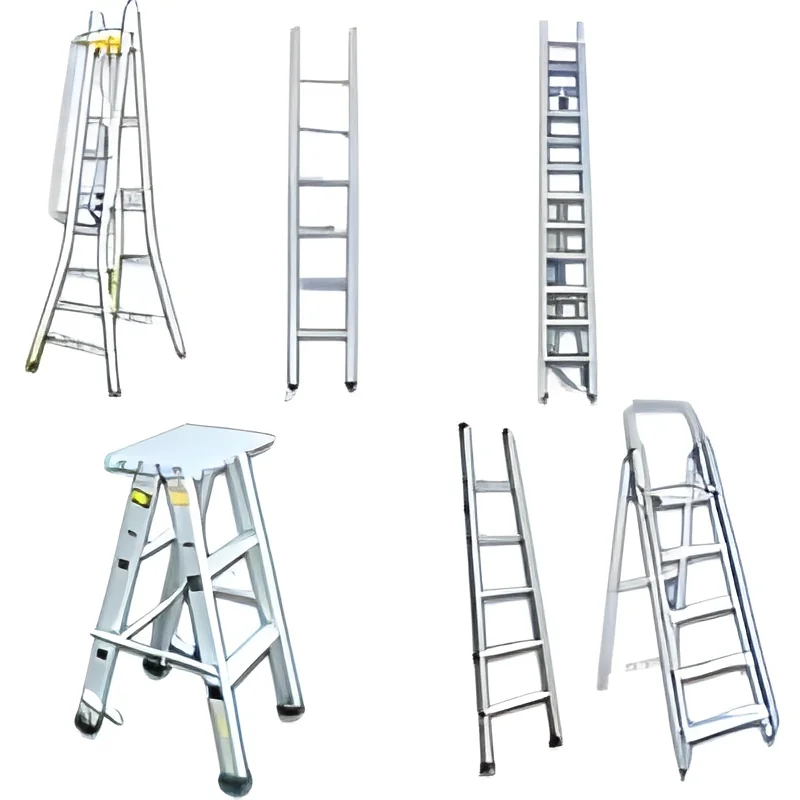
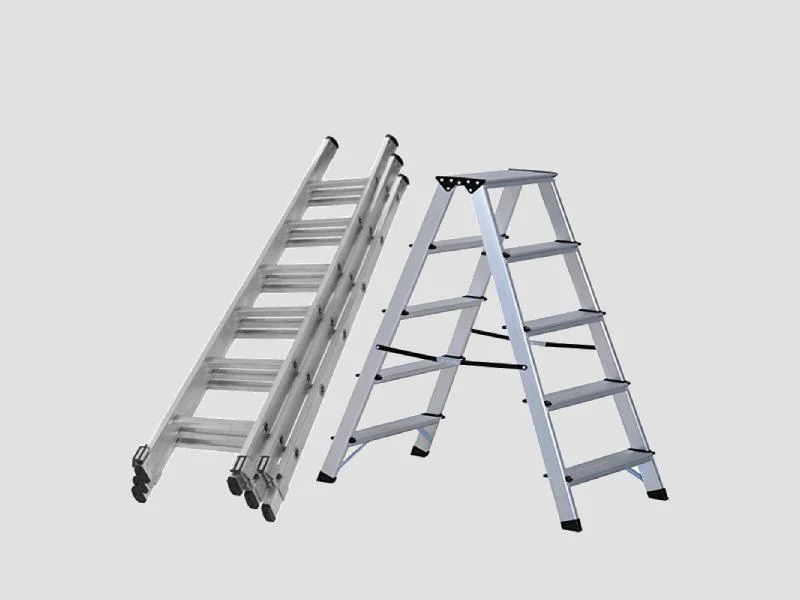
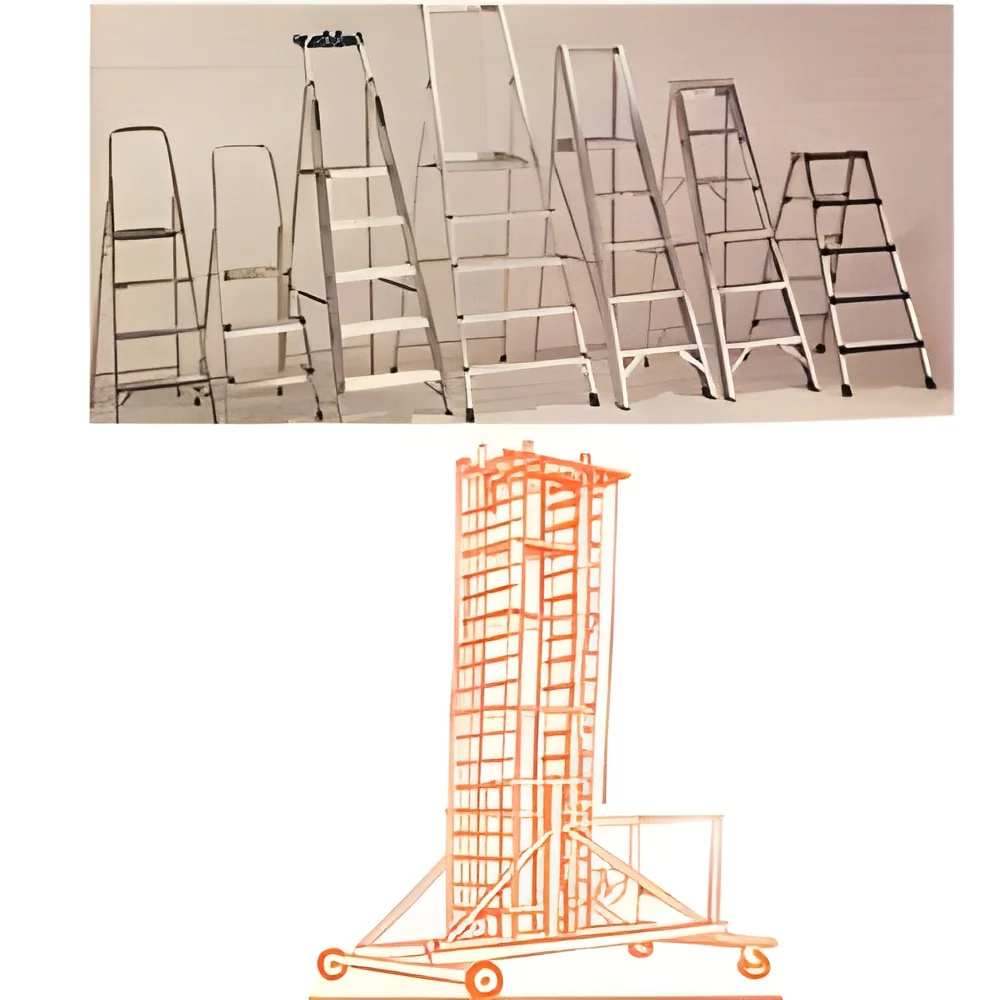
- Includes step ladders, extension ladders, and multi-purpose ladders
- Each design serves specific use cases and environments
7. Foldability
- Many models are designed to be foldable
- Facilitates easy storage and transportation
8. Non-Slip Features
- Equipped with rubber feet for stability
- Reduces the risk of slipping during use
In summary, understanding the features and specifications of aluminum ladders can guide businesses in making informed purchasing decisions, ensuring they select the right ladder for their specific needs.
Common Applications and Use Cases
Aluminum ladders have a broad range of applications across various industries, highlighting their versatility.
1. Construction: In construction sites, aluminum ladders provide access to elevated areas for tasks such as framing, roofing, and electrical work. Their lightweight design allows workers to transport them easily around the site.
2. Warehousing: In warehouse settings, these ladders are essential for reaching high shelving units and performing inventory management tasks. Their sturdy build ensures safety while handling heavy items.
3. Maintenance: Facilities maintenance teams rely on aluminum ladders for routine inspections and repairs. They offer stable access to roofs, HVAC systems, and light fixtures.
4. Retail: Retail environments use aluminum ladders for stocking products on high shelves and for maintenance tasks. Their portable design is perfect for quick setups.
5. Landscaping: In landscaping, these ladders help professionals reach tall trees and perform pruning or installation tasks from above.
6. Aviation: Aluminum ladders are utilized in aviation for accessing different parts of aircraft during maintenance checks. Their lightweight nature allows for efficient movement around the hangar.
7. Event Setup: Event planners use aluminum ladders to set up stages, lighting, and decorations. Their ease of use makes them ideal for dynamic event environments.
Product Variants and Subcategories
Aluminum ladders come in various forms to meet different user needs, showcasing their diversity.
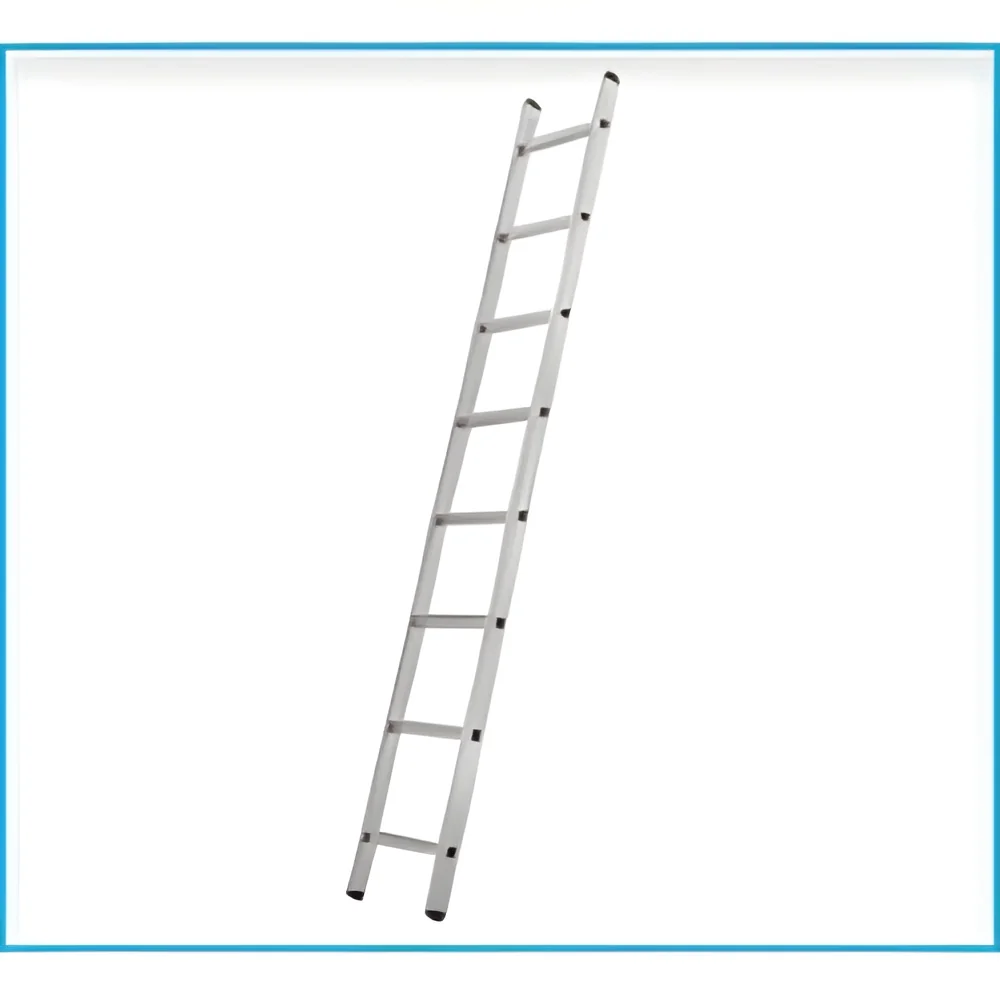
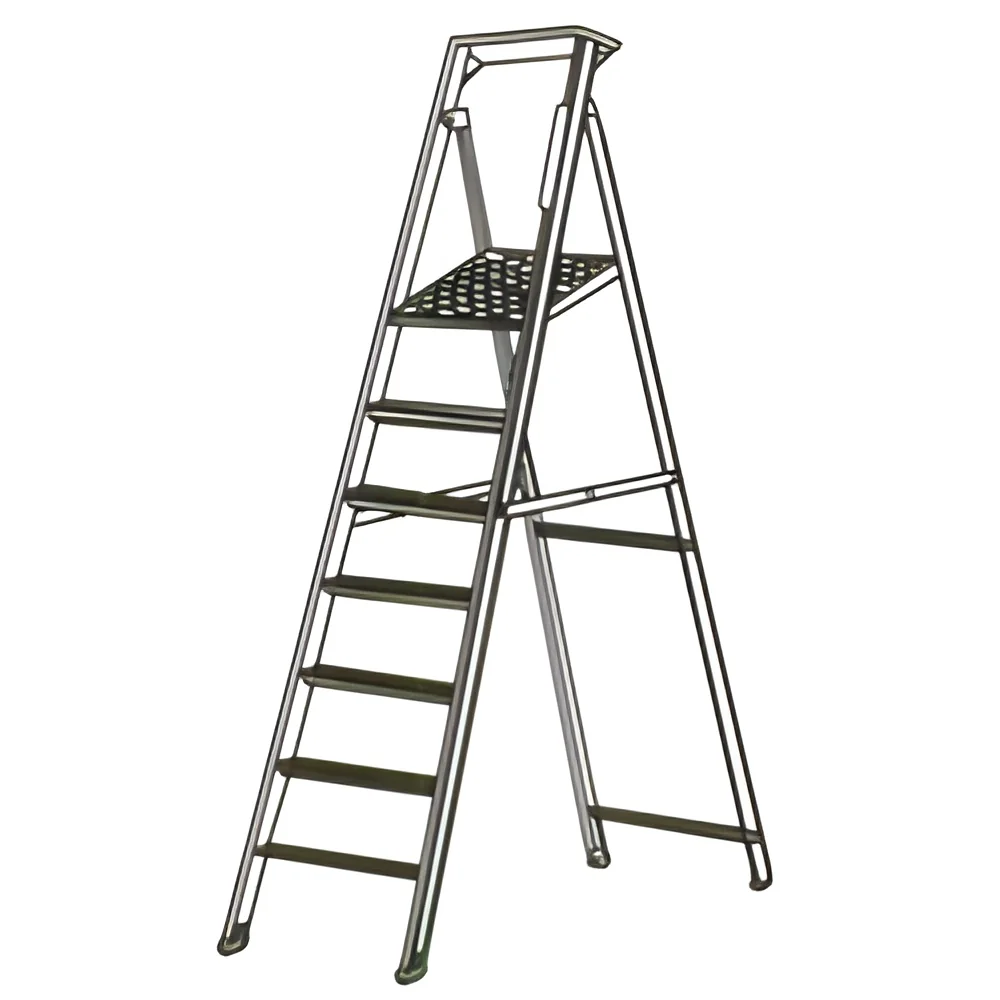
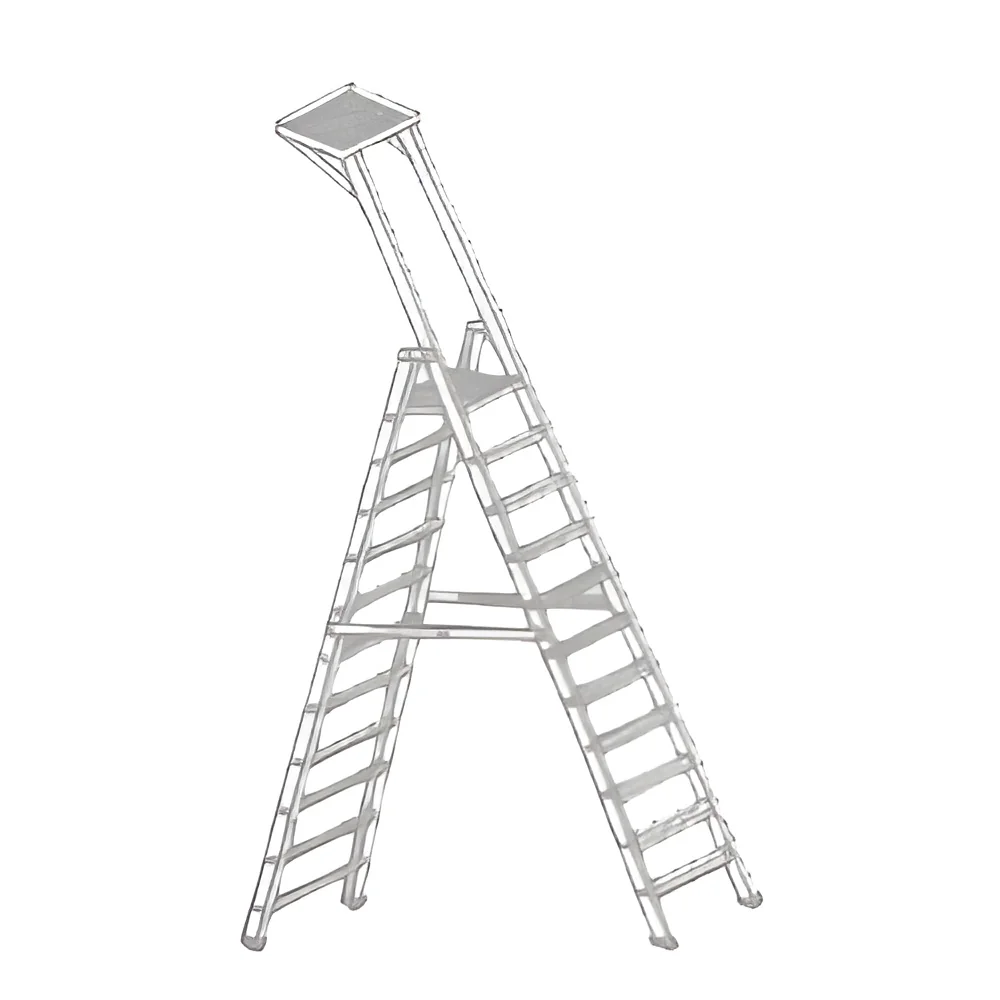
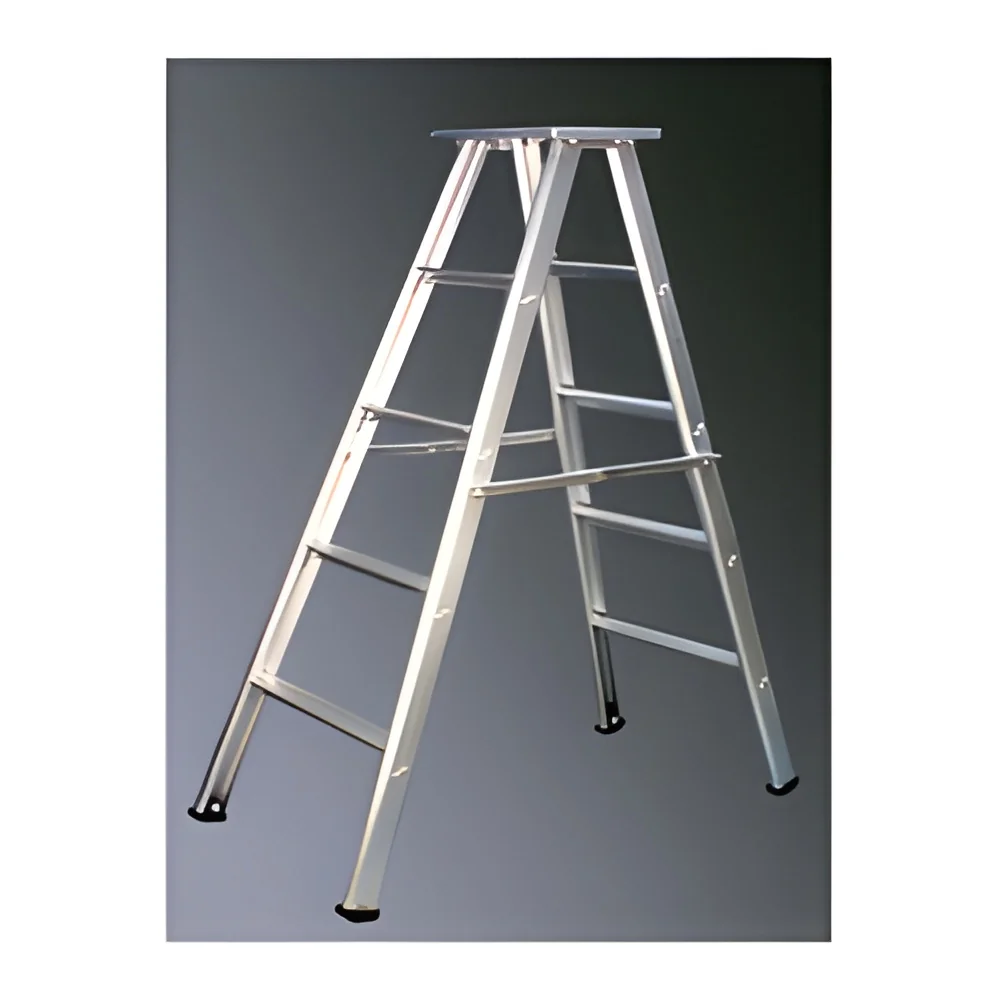
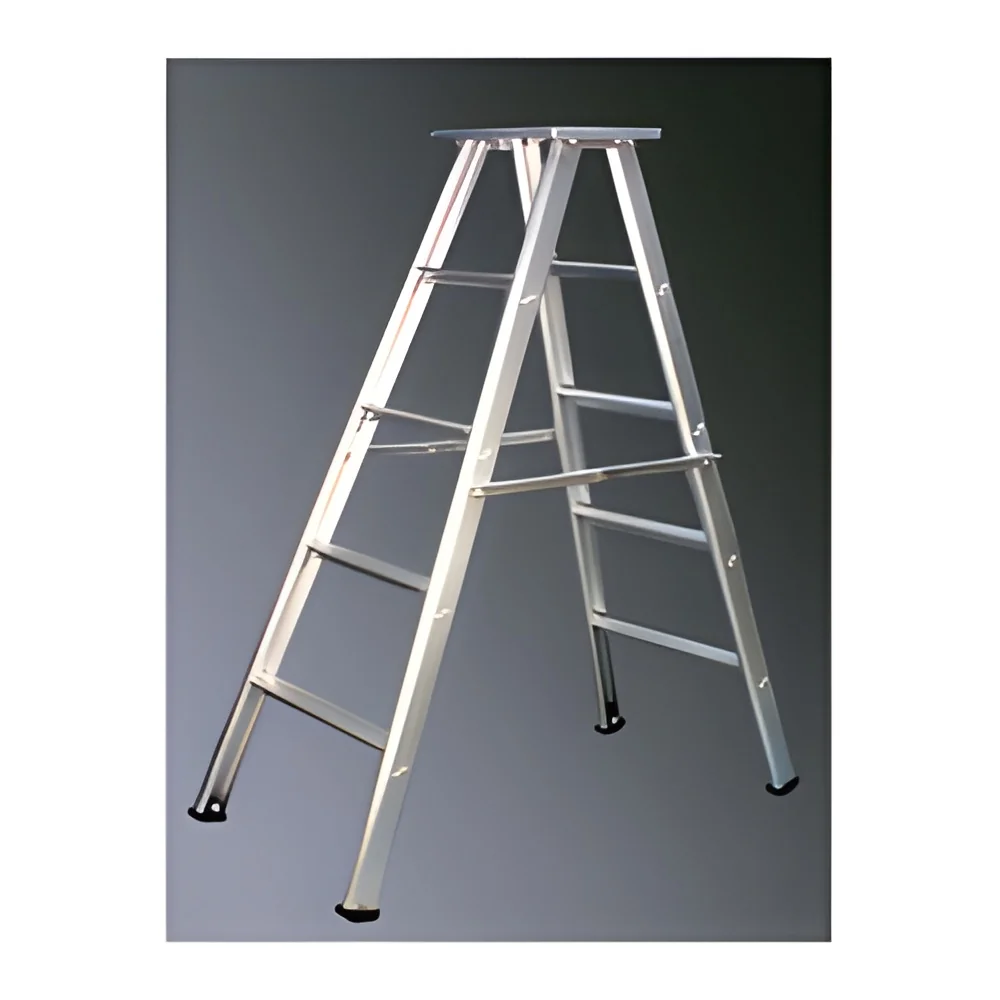
Step Ladders: These self-supporting ladders are ideal for tasks requiring height without needing to lean against a wall. They are perfect for indoor use, such as painting or changing light bulbs.
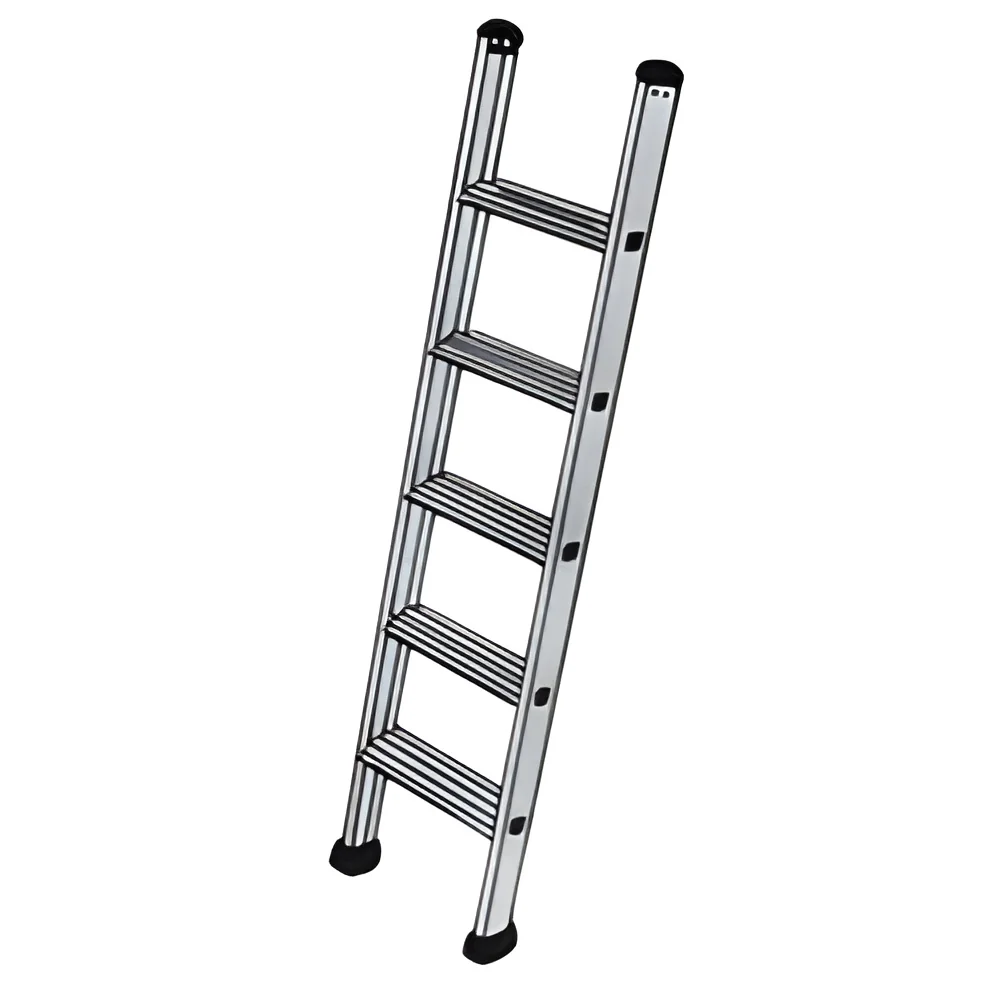
Extension Ladders: Designed to provide extended reach, these ladders can be adjusted to various heights. They are commonly used in construction and maintenance for accessing rooftops or high structures.
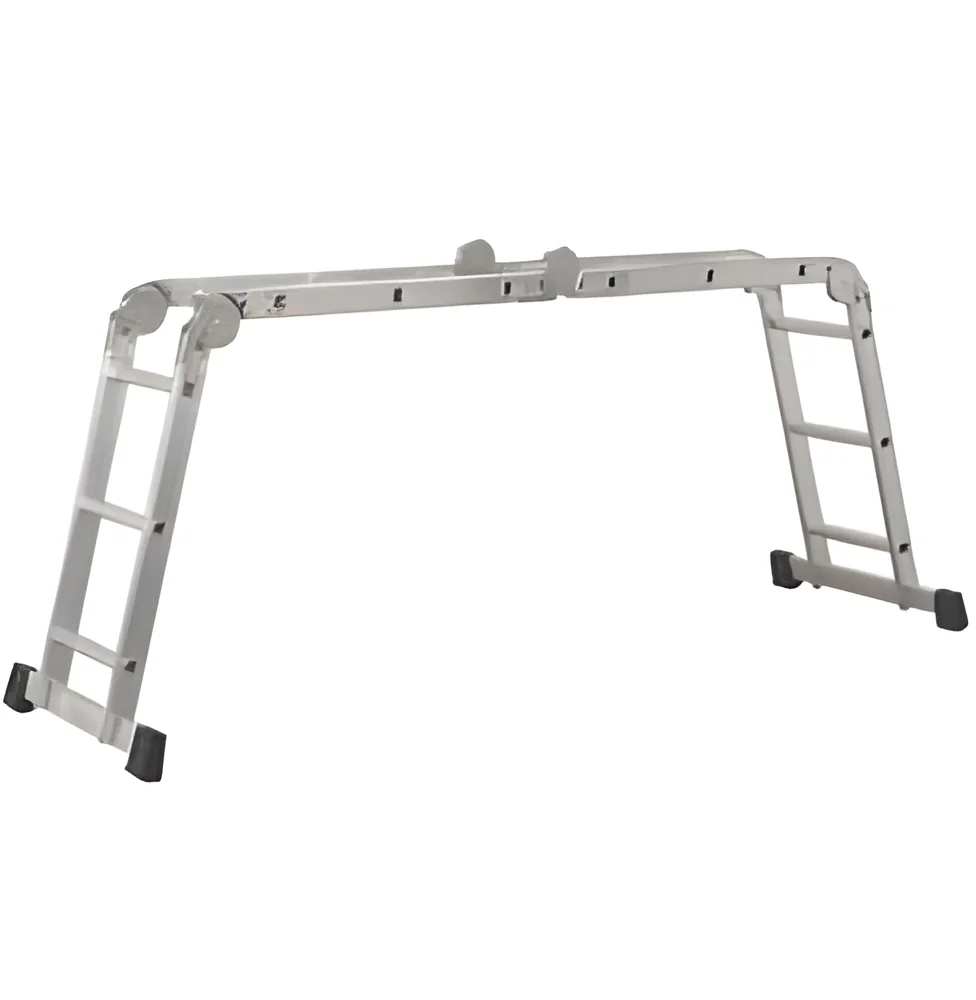
Multi-Purpose Ladders: These versatile ladders can be configured into different shapes, such as A-frame or extension, making them suitable for a range of tasks across different environments.
Telescoping Ladders: Compact and adjustable, these ladders can be collapsed for easy transport. They are especially useful for professionals who require portability.
Benefits and Advantages
Aluminum ladders offer numerous benefits that make them a preferred choice for many businesses.
1. Lightweight Design: Their lightweight construction allows for easy handling and transport, reducing fatigue for users during extended use.
2. Durability: Aluminum is resistant to rust and corrosion, ensuring a longer lifespan and reduced maintenance costs.
3. High Load Capacity: Many models can support substantial weight, making them suitable for various heavy-duty applications.
4. Safety Features: Equipped with non-slip feet and wide steps, aluminum ladders enhance user safety during operations.
5. Versatility: Available in multiple designs and configurations, they can be used in diverse settings, from construction sites to warehouses.
6. Cost-Effectiveness: Generally, aluminum ladders offer competitive pricing when compared to other materials, making them a cost-effective solution for businesses.
Buying Guide for B2B Buyers
When sourcing aluminum ladders, various factors should be considered to ensure a suitable selection.
1. Quality Assessment: Evaluate the quality of materials used in the ladder's construction. Look for ladders that meet safety standards and have a proven track record of durability.
2. Supplier Verification: Research potential suppliers to ensure they are reputable and have positive reviews from other B2B customers. This helps in establishing trust and reliability.
3. Pricing and MOQ: Understand the pricing structure and minimum order quantities. Compare offers from different suppliers to find the best deal for your needs.
4. Delivery and Lead Times: Inquire about delivery times and logistics to ensure that the ladders will arrive when needed. Timely delivery is crucial for project planning.
5. Compliance Requirements: Check for compliance with local and international safety standards. Ensure the ladders have the necessary certifications to meet industry regulations.
Compliance and Certifications
Aluminum ladders must adhere to various quality and safety standards to ensure their reliability in professional environments. Important standards include ISO 9001, which emphasizes quality management systems, ensuring that products meet customer expectations consistently.
Additionally, the CE marking signifies compliance with European safety standards, indicating that the ladder has been tested and meets high safety requirements. This certification is crucial for businesses operating in regions that mandate compliance with such standards.
Safety and testing requirements are also vital in the manufacturing process. Ladders are often subjected to rigorous testing to assess their load capacity and stability under various conditions. Regional compliance considerations may also apply, as different countries have specific regulations regarding ladder safety and performance.
Why Source Aluminum Ladders from Pepagora?
Pepagora offers a reliable platform for sourcing aluminum ladders, providing several key advantages to B2B buyers.
Verified Supplier Network: Pepagora connects buyers with a network of verified suppliers. This ensures that businesses can find trustworthy vendors who meet quality and safety standards.
Streamlined RFQ Process: The Request for Quotation (RFQ) system simplifies the procurement process. Buyers can easily request quotes from multiple suppliers, enabling comparison and informed decision-making.
Trade Assurance and Support: Pepagora offers trade assurance, protecting buyers against potential issues in transactions. This support instills confidence in sourcing decisions.
Regional Coverage: With a broad geographic reach, including India, the GCC, and Southeast Asia, Pepagora caters to businesses across multiple regions, ensuring access to a diverse range of aluminum ladders.
In conclusion, sourcing aluminum ladders through Pepagora provides businesses with quality assurance, competitive pricing, and a streamlined procurement process, making it an ideal solution for B2B buyers.


 India
 India

 India

 India
 India
 India

Frequently Asked Questions
What are Aluminum Ladders?
Aluminum ladders are lightweight, durable ladders made from aluminum, known for their resistance to rust and corrosion. They are commonly used in various industries and households for tasks that require reaching elevated areas safely.
What are the different types of Aluminum Ladders?
The different types of aluminum ladders include step ladders, extension ladders, multi-purpose ladders, and folding ladders. Each type is designed for specific tasks, such as reaching high places or providing stable access for tasks at varying heights.
How do I choose the right Aluminum Ladders?
When choosing aluminum ladders, consider the height you need to reach, the weight capacity required, and the type of tasks you will be performing. It's also important to evaluate the ladder's stability and whether it meets safety standards.
What are the standard specifications for Aluminum Ladders?
Standard specifications for aluminum ladders typically include height, weight capacity, rung spacing, and overall dimensions. Additionally, ladders should comply with safety standards such as those set by the Bureau of Indian Standards (BIS).
What is the price range for Aluminum Ladders?
The price range for aluminum ladders varies widely depending on the type, height, and brand, typically starting from around INR 1,500 and going up to INR 15,000 or more. Custom features and higher weight capacities may also influence the price.
What quality standards apply to Aluminum Ladders?
Aluminum ladders should adhere to quality standards such as IS 3696, which ensures safety and performance. Manufacturers often conduct tests for load capacity, stability, and durability to meet regulatory requirements.
Where can I find Aluminum Ladders suppliers in India?
You can find aluminum ladders suppliers in India through B2B marketplaces like Pepagora, trade directories, and local hardware stores. Online platforms often provide a comprehensive list of manufacturers and their products.
Can Aluminum Ladders be customized?
Yes, aluminum ladders can often be customized based on specific requirements such as height, size, and additional features like safety grips or specialized coatings. It's advisable to discuss customization options with suppliers before placing an order.
What is the typical minimum order quantity for Aluminum Ladders?
The typical minimum order quantity (MOQ) for aluminum ladders can vary by supplier, but it usually ranges from 5 to 50 units, depending on the manufacturer and type of ladder. Always check with the supplier for their specific MOQ.
What is the typical lead time for Aluminum Ladders?
The typical lead time for aluminum ladders varies based on the supplier and order size, generally ranging from 1 to 4 weeks. Custom orders may require additional time for fabrication and testing.
Why Businesses Trust Pepagora
Thousands of companies trust Pepagora to source smarter and sell faster
Expand Your Sales Globally

Source Smarter,Grow Faster
