
 IN
Air Quality Monitoring Devices
2 products available
What are Air Quality Monitoring Devices?
Air Quality Monitoring Devices are specialized instruments designed to measure various pollutants and parameters in the air. These devices can detect a range of harmful substances, including particulate matter, volatile organic compounds, carbon dioxide, and other gases. By providing real-time data on air quality, these devices allow users to assess environmental conditions and take necessary action to improve air quality.
The primary uses of Air Quality Monitoring Devices span various sectors, including industrial, commercial, and residential applications. Businesses use these devices to comply with regulatory standards, ensuring a safe working environment. Additionally, they support environmental monitoring initiatives, helping organizations assess the impact of their operations on air quality. As awareness of air pollution increases, the demand for these devices is also growing in the market, driven by regulatory requirements and public health concerns.
In a global context, air quality monitoring has become essential for industries aiming to enhance sustainability. Regulatory bodies are establishing stricter standards for air quality, leading to an increase in the adoption of monitoring devices across various sectors. This trend highlights the importance of these devices in promoting public health and environmental protection.
Key Features and Specifications
Air Quality Monitoring Devices come equipped with a range of features designed to provide accurate and reliable air quality data. When considering these devices, it is essential to understand their key specifications.
Key specifications include:
1. Measurement Range
- Refers to the range of pollutants that can be detected.
- Typically includes PM2.5, PM10, CO2, CO, and VOCs.
2. Response Time
- The time it takes for the device to provide a reading after detecting changes in air quality.
- Usually ranges from a few seconds to several minutes, depending on the sensor type.
3. Data Logging Capability
- Allows the device to store historical data for analysis.
- Essential for trend analysis and compliance reporting.
4. Connectivity Options
- Includes Wi-Fi, Bluetooth, or wired connections for data transfer.
- Enables remote monitoring and data access via mobile or web applications.
5. Calibration Requirements
- Specifies how often the device needs calibration to maintain accuracy.
- Important for ensuring compliance with industry standards.
6. Power Supply
- Indicates whether the device operates on batteries, AC power, or solar energy.
- Affects deployment options and operational flexibility.
7. Operating Temperature Range
- Refers to the range of temperatures within which the device functions optimally.
- Important for outdoor applications and extreme environments.
8. Humidity Tolerance
- Indicates the device's ability to operate effectively in varying humidity levels.
- Critical for accurate readings in diverse climates.
In summary, understanding the specifications of Air Quality Monitoring Devices is crucial for making informed purchasing decisions. These features ensure that businesses can effectively monitor and manage air quality.
Common Applications and Use Cases
Air Quality Monitoring Devices are utilized across various industries to ensure compliance and enhance operational efficiency.
1. Manufacturing: In manufacturing facilities, these devices monitor emissions and air quality to comply with environmental regulations. They help identify potential hazards and improve workplace safety.
2. Healthcare: Hospitals and clinics use air quality monitoring to ensure a safe environment for patients. Monitoring respiratory irritants and pathogens is crucial for infection control.
3. Agriculture: Farmers utilize these devices to monitor air quality in greenhouses and livestock facilities. Maintaining optimal air quality is essential for crop growth and animal health.
4. Education: Schools and universities deploy air quality monitoring to create a healthy learning environment. Poor air quality can negatively impact students' concentration and overall well-being.
5. Indoor Air Quality: Building management systems in commercial spaces use these devices to monitor and improve indoor air quality, enhancing comfort for occupants.
6. Environmental Research: Researchers rely on air quality monitoring devices to collect data for environmental studies and assessments. This data is vital for understanding pollution sources and impacts.
7. Transportation: Airports and transport hubs use these devices to monitor air quality, ensuring safe environments for travelers and staff.
Product Variants and Subcategories
Air Quality Monitoring Devices come in various forms to cater to different needs and applications.
Portable Air Quality Monitors
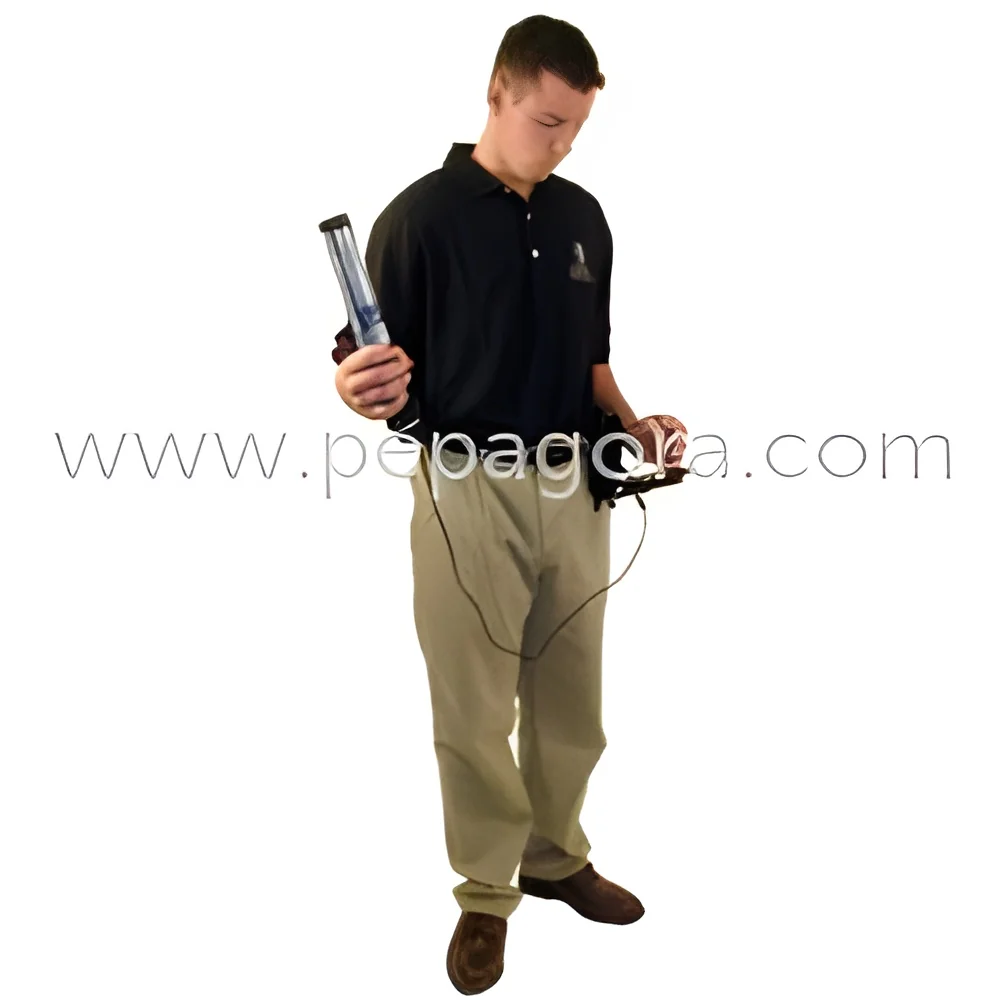
These devices are designed for mobility, allowing users to assess air quality in various locations. They are typically battery-operated and offer real-time data, making them ideal for field studies.
Fixed Air Quality Monitoring Stations
These systems are installed permanently at specific locations to provide continuous monitoring. They are often used in industrial settings and urban areas to track pollution levels over time.
Multi-Gas Detectors
These specialized devices can simultaneously monitor multiple gases, providing comprehensive air quality data. They are widely used in industrial applications where exposure to various harmful gases is a concern.
Indoor Air Quality Sensors
These sensors focus on measuring indoor pollutants, such as CO2 and particulate matter, to ensure a healthy indoor environment. They are commonly used in offices, schools, and healthcare facilities.
Benefits and Advantages
Investing in Air Quality Monitoring Devices presents numerous benefits for businesses and organizations.
1. Regulatory Compliance: These devices help businesses meet legal requirements regarding air quality standards, avoiding potential fines and penalties.
2. Enhanced Safety: Continuous monitoring of air quality ensures a safe environment for employees and customers, reducing health risks associated with poor air quality.
3. Data-Driven Decisions: Reliable data from monitoring devices enables organizations to make informed decisions regarding environmental practices and operational changes.
4. Increased Productivity: Maintaining good air quality can lead to improved employee morale and productivity, as clean air positively impacts health and comfort.
5. Environmental Responsibility: By monitoring air quality, organizations can demonstrate their commitment to sustainability and corporate social responsibility.
6. Cost Savings: Identifying and addressing air quality issues can lead to reduced energy costs and improved efficiency in operations.
Buying Guide for B2B Buyers
When sourcing Air Quality Monitoring Devices, several factors should be considered to ensure the right choice for your organization.
1. Quality Assessment: Evaluate the quality of devices by reviewing certifications and standards, such as CE marking. Look for devices with proven accuracy and reliability in industry applications.
2. Supplier Verification: Conduct thorough research on potential suppliers, checking their reputation and customer reviews. Ensure they have a track record of delivering quality products.
3. Pricing and MOQ: Understand the pricing structure and minimum order quantities. Compare costs across suppliers to find competitive pricing without compromising quality.
4. Delivery and Lead Times: Assess the supplier's delivery capabilities and lead times. Timely delivery is crucial for operational planning and project timelines.
5. Compliance Requirements: Ensure that the devices meet relevant regulatory and compliance requirements specific to your industry or region. This will help avoid issues in the future.
Compliance and Certifications
Air Quality Monitoring Devices must adhere to various quality standards and certifications to ensure reliability and safety. One of the most recognized standards is ISO 9001, which pertains to quality management systems. Adherence to this standard indicates that a manufacturer follows consistent processes that meet customer and regulatory requirements.
Additionally, certifications such as CE demonstrate that the device complies with health, safety, and environmental protection standards mandated by European Union legislation. Ensuring that devices meet these certifications is critical for businesses looking to invest in reliable monitoring systems.
Safety and testing requirements are also essential. Devices need to undergo rigorous testing to ensure they function correctly under various conditions. This includes assessing their performance in extreme temperatures and humidity levels.
Finally, organizations must consider regional compliance requirements. Different countries may have specific regulations regarding air quality monitoring. Understanding these requirements ensures that the devices will be accepted and effective in the intended market.
Why Source Air Quality Monitoring Devices from Pepagora?
Pepagora offers a trusted platform for sourcing Air Quality Monitoring Devices, presenting several key advantages for buyers and businesses.
Verified Supplier Network: Pepagora connects buyers with a network of verified suppliers. This ensures that organizations can source quality devices from reputable manufacturers, minimizing risks associated with procurement.
Streamlined RFQ Process: The platform features a streamlined Request for Quotation (RFQ) process, allowing buyers to easily compare offerings from multiple suppliers. This system saves time and simplifies decision-making.
Trade Assurance and Support: Pepagora provides trade assurance and support, protecting buyers throughout the purchasing process. This includes assistance with negotiations and after-sales support, ensuring a smooth experience.
Regional Coverage: With a strong presence in markets such as India, the GCC, and Southeast Asia, Pepagora enables businesses to source devices that meet their specific regional needs. This geographic reach facilitates access to diverse products and suppliers.
In conclusion, sourcing Air Quality Monitoring Devices through Pepagora not only enhances procurement efficiency but also supports informed decision-making in a crucial area of environmental management.

 India
 India
Frequently Asked Questions
What are Air Quality Monitoring Devices?
Air Quality Monitoring Devices are instruments designed to measure and analyze the quality of air in a specific environment. They monitor various pollutants and parameters such as particulate matter (PM), carbon dioxide (CO2), ozone (O3), and volatile organic compounds (VOCs) to assess air quality levels.
What are the different types of Air Quality Monitoring Devices?
Air Quality Monitoring Devices can be categorized into several types, including portable monitors, stationary monitors, and remote sensing devices. Portable monitors are used for personal tracking, while stationary monitors are installed in fixed locations, and remote sensing devices provide data over larger areas.
How do I choose the right Air Quality Monitoring Devices?
Selecting the right Air Quality Monitoring Device depends on your specific needs, such as the pollutants you want to monitor and the environment in which the device will be used. Consider factors such as measurement range, sensitivity, and whether you need real-time data or long-term monitoring.
What are the standard specifications for Air Quality Monitoring Devices?
Standard specifications for Air Quality Monitoring Devices typically include measurement accuracy, detection limits, response time, and data logging capabilities. Additionally, many devices come equipped with connectivity options such as Wi-Fi or Bluetooth for data sharing and remote access.
What is the price range for Air Quality Monitoring Devices?
The price range for Air Quality Monitoring Devices varies widely based on features, brand, and specifications. Basic portable units may start around INR 5,000, while advanced stationary systems can cost upwards of INR 50,000 or more.
What quality standards apply to Air Quality Monitoring Devices?
Air Quality Monitoring Devices are often required to meet international quality standards such as ISO 17025 for calibration and testing. Compliance with local regulations and environmental standards is also crucial, ensuring the devices provide accurate and reliable data.
Where can I find Air Quality Monitoring Devices suppliers in India?
You can find Air Quality Monitoring Devices suppliers in India through online B2B marketplaces like Pepagora.com. Additionally, trade shows, industry directories, and manufacturer websites can provide a list of reputable suppliers.
Can Air Quality Monitoring Devices be customized?
Yes, many manufacturers offer customization options for Air Quality Monitoring Devices to meet specific client requirements. Customizations can include modifications in sensor types, data output formats, or additional features tailored to particular applications.
What is the typical minimum order quantity for Air Quality Monitoring Devices?
The typical minimum order quantity (MOQ) for Air Quality Monitoring Devices varies by manufacturer, but it usually ranges from 5 to 20 units. Larger orders may lead to better pricing and options for customization.
What is the typical lead time for Air Quality Monitoring Devices?
The typical lead time for Air Quality Monitoring Devices can range from a few days to several weeks, depending on the manufacturer and the complexity of the order. Custom orders may require longer lead times for production and calibration.
Why Businesses Trust Pepagora
Thousands of companies trust Pepagora to source smarter and sell faster
Expand Your Sales Globally

Source Smarter,Grow Faster
