
 IN
Air Handling Units (AHU)
5 products available
Key Features and Specifications
Air Handling Units are designed with several key features that enhance their performance and efficiency. These specifications are crucial for ensuring that the units meet the specific needs of various applications.
Key specifications include:
1. Airflow Capacity
- This specification refers to the volume of air that the unit can handle, typically measured in cubic feet per minute (CFM).
- Capacity ranges can vary widely based on the application, from small units handling a few hundred CFM to large units exceeding several thousand CFM.
2. Energy Efficiency Ratio (EER)
- The EER indicates the efficiency of the unit in terms of energy consumption.
- Higher EER values signify more efficient units, which can help reduce operating costs.
3. Filter Efficiency
- This specifies the efficiency of the filters used in the AHU, measured by MERV (Minimum Efficiency Reporting Value).
- Higher MERV ratings indicate better filtration capabilities, which are essential for improving indoor air quality.
4. Heating and Cooling Coils
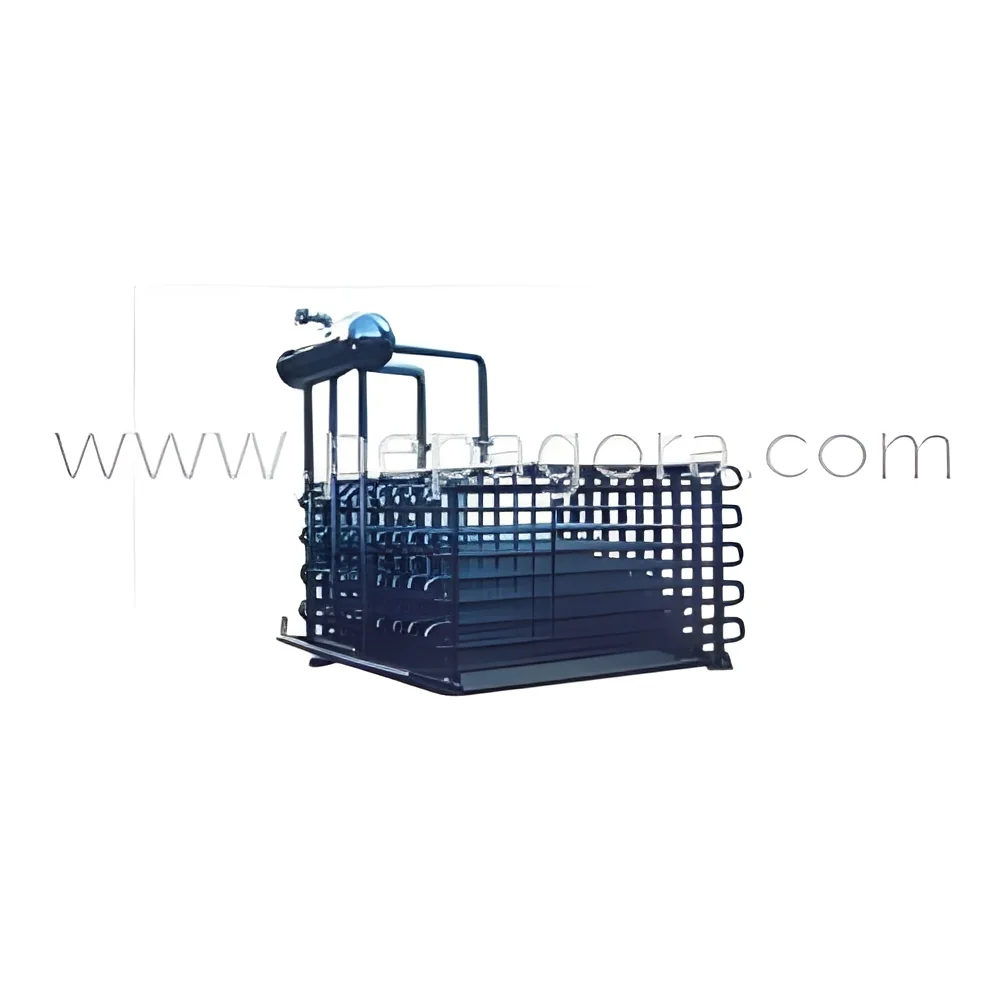
- These coils are integral to the AHU, as they are responsible for heating or cooling the air.
- The materials and design of the coils can impact their thermal efficiency and responsiveness.
5. Noise Levels
- The noise produced by the unit during operation is an important consideration, especially in noise-sensitive environments.
- Noise levels are typically measured in decibels (dB).
6. Control Systems
- Advanced AHUs may include integrated control systems for optimizing performance and energy usage.
- These systems can be programmed for various operational modes based on occupancy and external conditions.
7. Construction Material
- The materials used in the construction of the AHU can affect durability and maintenance requirements.
- Common materials include galvanized steel, stainless steel, and aluminum.
8. Dimensions and Weight
- The physical size and weight of the unit are important for installation and integration into existing systems.
- Specifications will vary based on the design and intended application.
Understanding these specifications helps businesses choose the right AHU for their specific needs.
Common Applications and Use Cases
Air Handling Units are versatile and can be found in numerous industries, each with unique requirements.
1. Commercial Buildings: In office environments, AHUs maintain comfortable temperatures and air quality, enhancing employee productivity and satisfaction.
2. Healthcare Facilities: Hospitals and clinics use AHUs to ensure sterile environments by filtering airborne pathogens and controlling humidity levels.
3. Manufacturing Facilities: In industrial settings, AHUs help regulate temperature and humidity, which is crucial for equipment performance and product quality.
4. Retail Spaces: Shopping centers and stores utilize AHUs to create a pleasant shopping experience by maintaining comfortable indoor climates.
5. Educational Institutions: Schools and universities rely on AHUs to provide fresh air and comfortable conditions for students and staff.
6. Hospitality: Hotels and restaurants use AHUs to create inviting atmospheres for guests, ensuring comfort and satisfaction.
7. Data Centers: AHUs are critical in cooling data centers, where maintaining optimal temperatures is essential for equipment functionality.
Product Variants and Subcategories
Air Handling Units come in various types to cater to specific applications and performance needs.
Modular AHUs
These units offer flexibility in design and installation, allowing for easy customization based on space and capacity requirements. Modular AHUs are ideal for expanding businesses or facilities.
Packaged AHUs
Packaged units combine all essential components into a single unit for easier installation and maintenance. They are commonly used in smaller commercial applications.
Centrifugal AHUs
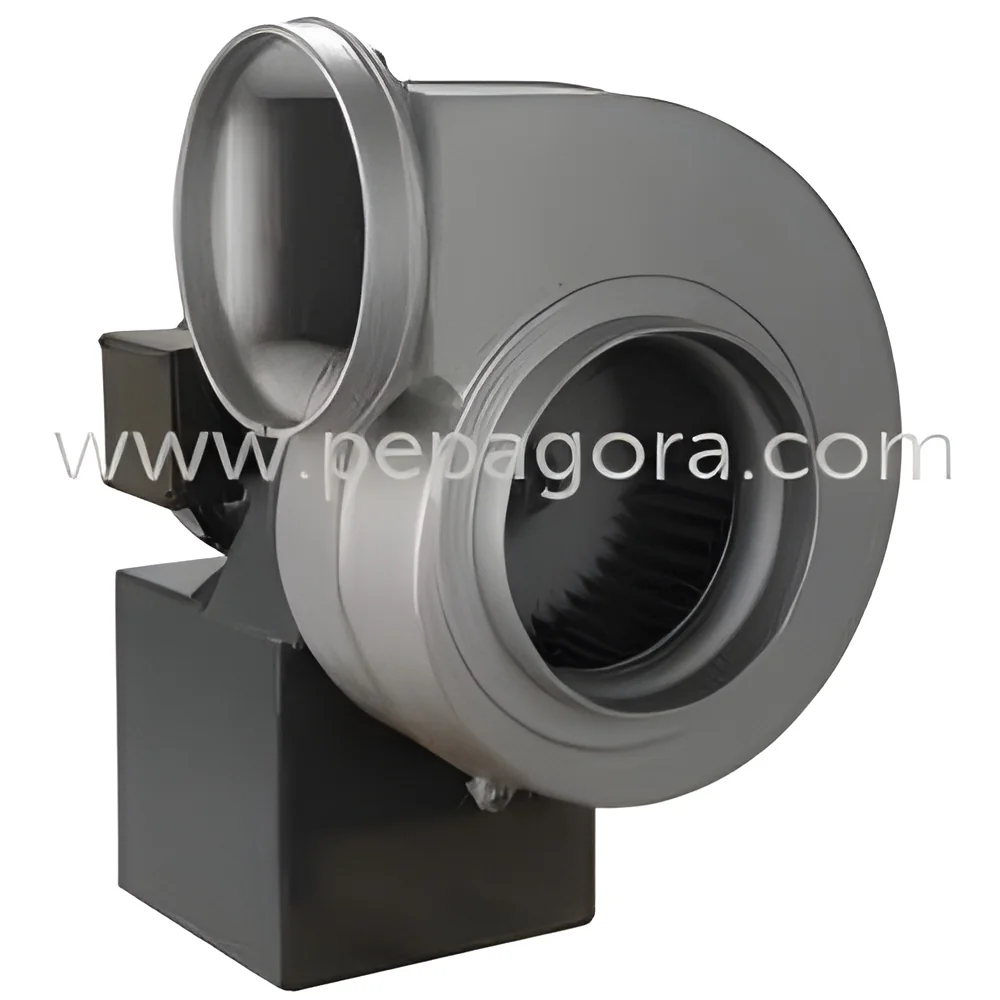
These units use centrifugal fans to move air efficiently and are suitable for larger applications requiring high airflow rates. They are often used in industrial settings.
Benefits and Advantages
Investing in Air Handling Units provides numerous advantages for businesses.
1. Improved Indoor Air Quality: AHUs filter and condition the air, removing contaminants and providing a healthier environment for occupants.
2. Energy Efficiency: Modern AHUs are designed to optimize energy usage, leading to reduced operational costs and a smaller carbon footprint.
3. Enhanced Comfort: By maintaining consistent temperatures and humidity levels, AHUs ensure a comfortable indoor environment for employees and customers alike.
4. Customization: Many AHUs can be customized to meet specific needs, allowing businesses to tailor their systems for optimal performance.
5. Reliability: High-quality AHUs are built to perform consistently over time, reducing the need for frequent repairs and replacements.
6. Regulatory Compliance: AHUs help businesses meet air quality and environmental regulations, which is increasingly important in today’s market.
Buying Guide for B2B Buyers
When sourcing Air Handling Units, it is essential for B2B buyers to consider several key factors to ensure they make informed decisions.
1. Quality Assessment: Evaluate the quality of the AHUs by looking for certifications and compliance with industry standards. This ensures that the units meet performance and safety criteria.
2. Supplier Verification: Vet potential suppliers thoroughly. Check their reputation, customer feedback, and industry experience to ensure reliability and trustworthiness.
3. Pricing and MOQ: Understand the pricing structure and minimum order quantities. This will help in budgeting and negotiating favorable terms.
4. Delivery and Lead Times: Inquire about delivery schedules and lead times. Timely delivery is critical for project planning and execution.
5. Compliance Requirements: Ensure that the AHUs meet local and regional compliance standards, including safety and environmental regulations.
Compliance and Certifications
Air Handling Units must adhere to various quality standards and certifications to ensure safety and performance.
ISO 9001 is a globally recognized standard for quality management systems. Compliance with this standard indicates that the manufacturer follows strict quality control processes.
CE marking signifies that the product meets European health, safety, and environmental protection standards. This certification is essential for AHUs sold in the European market.
Safety and testing requirements are critical for ensuring that AHUs operate safely and efficiently. Manufacturers often conduct rigorous testing to verify performance and reliability.
Regional compliance considerations may vary based on local regulations. It is vital for businesses to understand these requirements, especially when sourcing AHUs from different regions.
Why Source Air Handling Units (AHU) from Pepagora?
Pepagora is a trusted platform for sourcing Air Handling Units, offering several key advantages to B2B buyers.
Verified Supplier Network: Pepagora connects buyers with a network of verified suppliers. This ensures that businesses can source high-quality AHUs from reputable manufacturers.
Streamlined RFQ Process: The platform provides a streamlined Request for Quotation (RFQ) process, making it easier for buyers to obtain competitive pricing and specifications quickly.
Trade Assurance and Support: Pepagora offers trade assurance, protecting buyers throughout the purchasing process. This includes support for resolving disputes and ensuring timely delivery.
Regional Coverage: With a strong presence in India, the GCC, and Southeast Asia, Pepagora provides extensive regional coverage. This allows businesses to access a wide range of suppliers and products to meet their specific needs.

 India
 India
 India
 India
Frequently Asked Questions
What are Air Handling Units (AHU)?
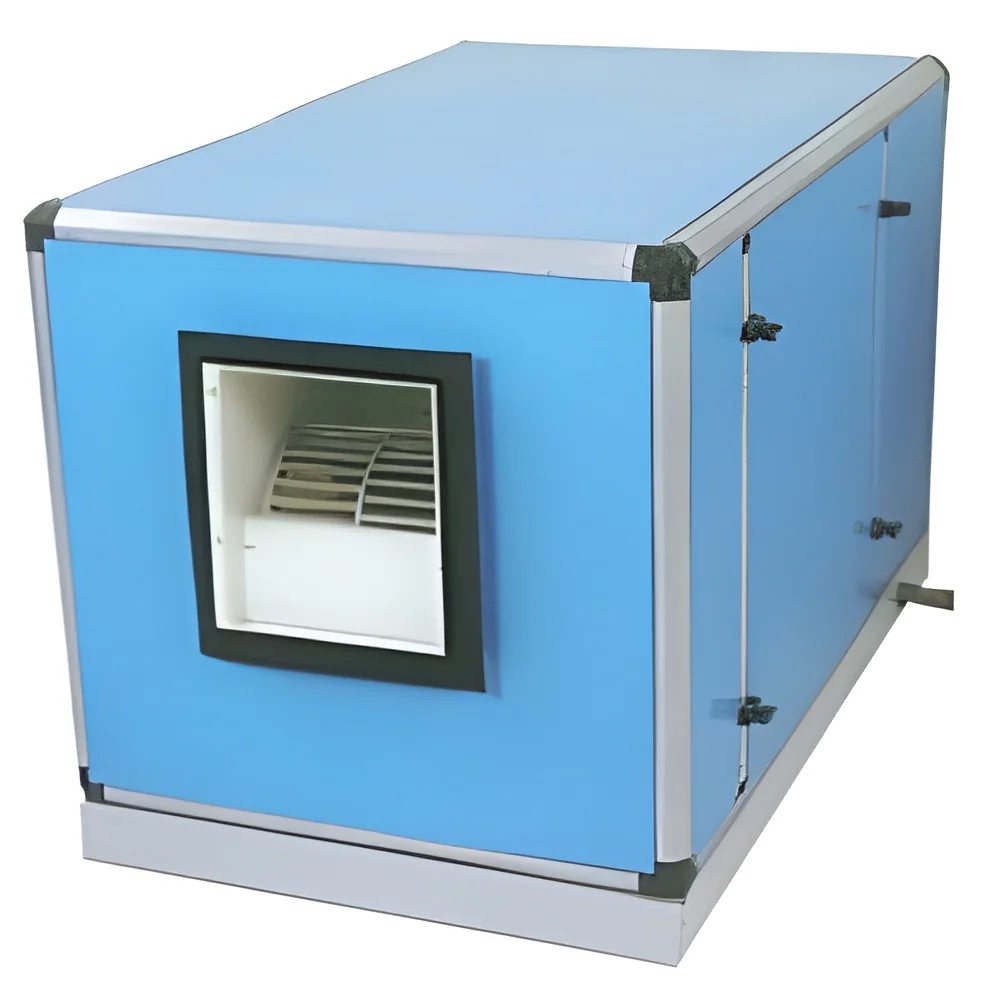
Air Handling Units (AHU) are vital components in heating, ventilation, and air conditioning (HVAC) systems. They are responsible for regulating and circulating air within a building, ensuring proper air quality and thermal comfort.
What are the different types of Air Handling Units (AHU)?
The different types of Air Handling Units (AHU) include packaged AHUs, modular AHUs, and custom-built AHUs. Each type varies in design and application, catering to specific requirements such as size, capacity, and intended use.
How do I choose the right Air Handling Units (AHU)?
Choosing the right Air Handling Unit (AHU) involves assessing factors such as the size of the space, airflow requirements, and energy efficiency. Consulting with HVAC professionals can help ensure that the selected AHU meets the specific needs of your facility.
What are the standard specifications for Air Handling Units (AHU)?
Standard specifications for Air Handling Units (AHU) typically include airflow capacity, dimensions, power consumption, and noise levels. Additionally, they may feature filters, fans, and heating or cooling coils depending on the application.
What is the price range for Air Handling Units (AHU)?
The price range for Air Handling Units (AHU) can vary significantly based on factors such as size, complexity, and manufacturer. Generally, prices can start from a few thousand rupees and go up to several lakhs, depending on specifications and customization.
What quality standards apply to Air Handling Units (AHU)?
Air Handling Units (AHU) must adhere to various quality standards, including ISO certifications and standards set by the American Society of Heating, Refrigerating and Air-Conditioning Engineers (ASHRAE). Compliance with these standards ensures reliability, safety, and performance.
Where can I find Air Handling Units (AHU) suppliers in India?
You can find Air Handling Units (AHU) suppliers in India through various online B2B marketplaces, industry directories, and trade shows. Platforms like Pepagora.com can help connect you with reputable manufacturers and suppliers in the region.
Can Air Handling Units (AHU) be customized?
Yes, Air Handling Units (AHU) can be customized to meet specific operational requirements and constraints. Customization options may include modifications in size, airflow capacity, and additional features such as heating or cooling components.
What is the typical minimum order quantity for Air Handling Units (AHU)?
The typical minimum order quantity (MOQ) for Air Handling Units (AHU) can vary by manufacturer and the complexity of the unit. Generally, MOQs can range from one unit for standard models to larger quantities for custom or specialized units.
What is the typical lead time for Air Handling Units (AHU)?
The typical lead time for Air Handling Units (AHU) can range from a few weeks to several months depending on factors such as manufacturing processes and customization requirements. It is advisable to consult suppliers for precise timelines based on your order specifications.
Why Businesses Trust Pepagora
Thousands of companies trust Pepagora to source smarter and sell faster
Expand Your Sales Globally

Source Smarter,Grow Faster
