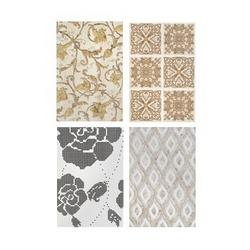
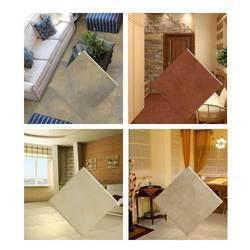
𝗪𝗵𝗮𝘁 𝗮𝗿𝗲 𝟯𝗗 𝗣𝗿𝗶𝗻𝘁𝗲𝗱 𝗧𝗶𝗹𝗲𝘀?
3D printed tiles are innovative building materials created using additive manufacturing techniques. This technology allows for the precise layering of materials to form intricate patterns and designs that traditional tile manufacturing methods cannot achieve. The process involves a digital model that guides the printer in constructing each tile layer by layer, offering customization and versatility in design.
These tiles are primarily used in various commercial and industrial applications, including flooring, wall coverings, and decorative elements in architecture. They cater to a wide array of sectors such as hospitality, retail, and residential projects, providing aesthetic appeal alongside functional benefits. As businesses increasingly seek sustainable and unique materials, 3D printed tiles are gaining traction in the market for their ability to meet specific design requirements while minimizing waste.
In the context of the construction and design industries, 3D printed tiles represent a shift towards more modern manufacturing processes. The growing demand for customized products and eco-friendly solutions highlights the relevance of this technology in today's market. As industries evolve, 3D printed tiles are poised to become a staple in innovative design and construction practices.
𝗞𝗲𝘆 𝗙𝗲𝗮𝘁𝘂𝗿𝗲𝘀 𝗮𝗻𝗱 𝗦𝗽𝗲𝗰𝗶𝗳𝗶𝗰𝗮𝘁𝗶𝗼𝗻𝘀
3D printed tiles offer several key features that enhance their appeal for various applications. These features contribute to the overall functionality, aesthetic, and sustainability of the product.
Key specifications include:
1. Material Composition
- Typically made from high-quality plastics or ceramics
- Options for eco-friendly materials available
2. Customization Capability
- Ability to create unique designs tailored to client specifications
- Supports intricate patterns and textures that enhance visual appeal
3. Durability
- Resistant to wear, moisture, and temperature fluctuations
- Long lifespan compared to traditional tiles
4. Weight
- Lightweight materials that ease installation processes
- Reduced shipping costs due to lower transportation weight
5. Surface Finish
- Available in various surface textures, from matte to glossy
- Options for additional treatments to enhance visual characteristics
6. Size Variability
- Customizable dimensions to suit specific project needs
- Standard sizes also available for common applications
7. Environmental Impact
- Reduced waste during manufacturing compared to traditional methods
- Options for recyclable materials
In summary, 3D printed tiles combine modern technology with practical benefits, making them a versatile choice for various industries.
𝗖𝗼𝗺𝗺𝗼𝗻 𝗔𝗽𝗽𝗹𝗶𝗰𝗮𝘁𝗶𝗼𝗻𝘀 𝗮𝗻𝗱 𝗨𝘀𝗲 𝗖𝗮𝘀𝗲𝘀
3D printed tiles find applications across multiple industries due to their versatile nature and innovative design.
1. Hospitality: Hotels and resorts utilize 3D printed tiles for unique flooring and wall designs, creating memorable guest experiences.
2. Retail: Retail spaces incorporate these tiles in displays and store interiors, allowing for eye-catching designs that enhance brand identity.
3. Residential: Homeowners use 3D printed tiles for custom kitchen backsplashes and bathroom designs, providing personal touches to their living spaces.
4. Commercial Spaces: Offices and corporate environments leverage 3D printed tiles in lobby areas and meeting rooms to create professional and modern aesthetics.
5. Healthcare: Hospitals and clinics use durable, easy-to-clean 3D printed tiles in patient areas to maintain hygiene and comfort.
6. Education: Schools and universities adopt 3D printed tiles in classrooms and common areas, showcasing innovative design while providing functional surfaces.
7. Public Spaces: Parks and community centers implement 3D printed tiles in walkways and installations, enhancing public engagement through artistic expression.
𝗣𝗿𝗼𝗱𝘂𝗰𝘁 𝗩𝗮𝗿𝗶𝗮𝗻𝘁𝘀 𝗮𝗻𝗱 𝗦𝘂𝗯𝗰𝗮𝘁𝗲𝗴𝗼𝗿𝗶𝗲𝘀
3D printed tiles come in various forms, catering to different aesthetic and functional needs.
Variant 1: Decorative Tiles
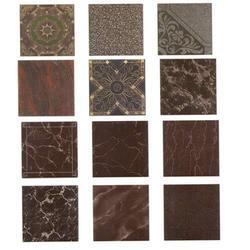
These tiles feature intricate patterns and designs, making them ideal for accent walls and artistic installations. Their customizable nature allows designers to create truly unique pieces that stand out.
Variant 2: Functional Tiles
Designed for practical applications, these tiles focus on durability and ease of maintenance. They are perfect for high-traffic areas and environments requiring robust materials.
Variant 3: Eco-Friendly Tiles
Made from sustainable materials, these variants appeal to environmentally conscious businesses. They offer the same aesthetic benefits while promoting sustainability.
𝗕𝗲𝗻𝗲𝗳𝗶𝘁𝘀 𝗮𝗻𝗱 𝗔𝗱𝘃𝗮𝗻𝘁𝗮𝗴𝗲𝘀
3D printed tiles offer numerous benefits that make them an attractive option for businesses.
1. Customization: The ability to create tailored designs allows businesses to express their unique brand identity and style.
2. Sustainability: Many 3D printed tiles are made from eco-friendly materials, contributing to environmentally sustainable construction practices.
3. Quick Turnaround: The additive manufacturing process allows for faster production times, enabling quicker project completion.
4. Cost-Effectiveness: Reduced waste and efficient manufacturing processes can lead to lower overall costs for businesses.
5. Lightweight: The lightweight nature of these tiles facilitates easier handling and installation, reducing labor costs.
6. Versatile Applications: Suitable for various settings, 3D printed tiles can be used in numerous industries, providing flexibility for businesses.
𝗕𝘂𝘆𝗶𝗻𝗴 𝗚𝘂𝗶𝗱𝗲 𝗳𝗼𝗿 𝗕𝟮𝗕 𝗕𝘂𝘆𝗲𝗿𝘀
When sourcing 3D printed tiles, there are several important factors to consider to ensure product quality and supplier reliability.
1. Quality Assessment: Evaluate the production techniques and materials used by potential suppliers to ensure they meet industry standards.
2. Supplier Verification: Conduct thorough background checks on suppliers to confirm their credibility and expertise in 3D printing technology.
3. Pricing and MOQ: Understand the pricing structure and minimum order quantities to budget effectively for projects.
4. Delivery and Lead Times: Inquire about the expected delivery times and logistics to ensure timely project execution.
5. Compliance Requirements: Verify that the tiles meet relevant regulatory standards and certifications, ensuring safety and reliability.
𝗖𝗼𝗺𝗽𝗹𝗶𝗮𝗻𝗰𝗲 𝗮𝗻𝗱 𝗖𝗲𝗿𝘁𝗶𝗳𝗶𝗰𝗮𝘁𝗶𝗼𝗻𝘀
Compliance with industry standards is crucial for 3D printed tiles to ensure safety and quality. Relevant quality standards such as ISO 9001 focus on effective quality management systems, ensuring consistent production processes. Additionally, adherence to HACCP principles can ensure that tiles used in sensitive environments, such as healthcare facilities, maintain high safety standards.
Industry certifications like CE indicate that the products meet European safety, health, and environmental protection requirements. It is essential for businesses to verify these certifications as part of their procurement process. Regional compliance considerations may also come into play, depending on local regulations governing construction materials and safety standards. Ensuring that 3D printed tiles meet these compliance requirements will help mitigate risks and enhance product reliability.
𝗪𝗵𝘆 𝗦𝗼𝘂𝗿𝗰𝗲 𝟯𝗗 𝗣𝗿𝗶𝗻𝘁𝗲𝗱 𝗧𝗶𝗹𝗲𝘀 𝗳𝗿𝗼𝗺 𝗣𝗲𝗽𝗮𝗴𝗼𝗿𝗮?
Pepagora provides a trusted platform for sourcing 3D printed tiles, offering several key advantages to buyers.
Verified Supplier Network: Pepagora ensures that all suppliers on the platform undergo rigorous verification processes. This builds trust and confidence in sourcing reliable products.
Streamlined RFQ Process: The Request for Quotation system allows buyers to quickly compare offers from multiple suppliers, facilitating informed purchasing decisions.
Trade Assurance and Support: Pepagora offers buyer protection through trade assurance services, ensuring that transactions are secure and satisfactory.
Regional Coverage: With a strong presence in India, GCC, and Southeast Asia, Pepagora provides extensive regional coverage, making it easier for businesses to access local suppliers and products tailored to their needs.

 IN
IN
 India
India