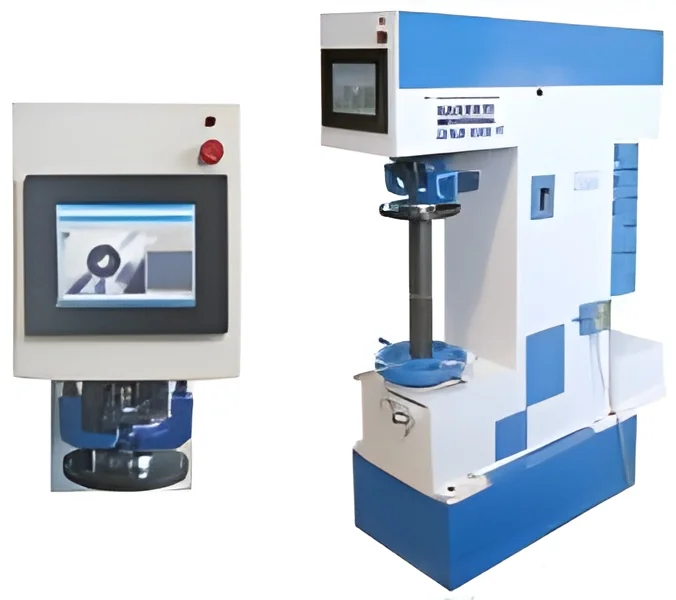
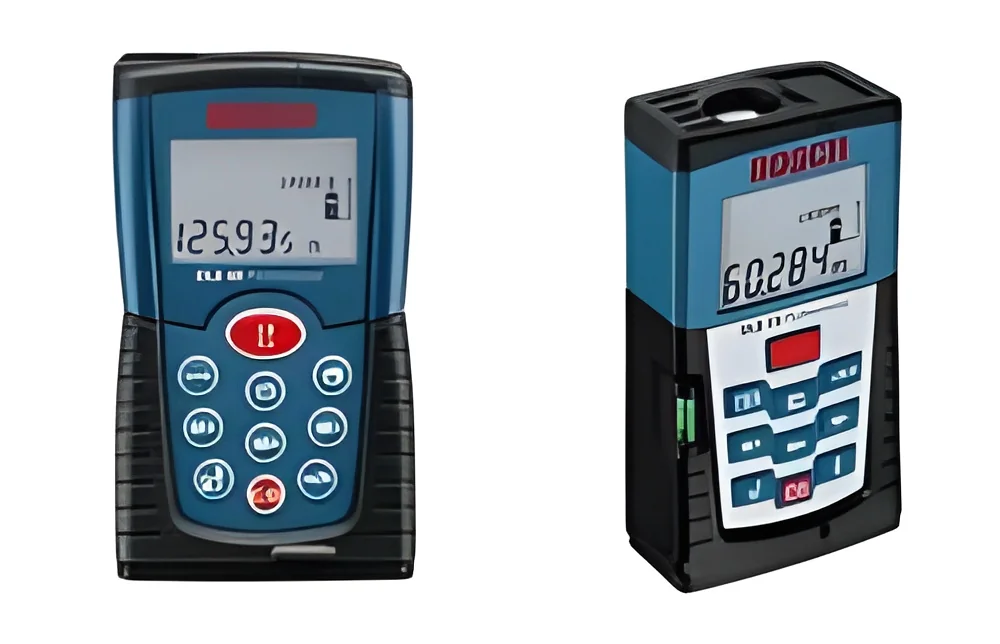
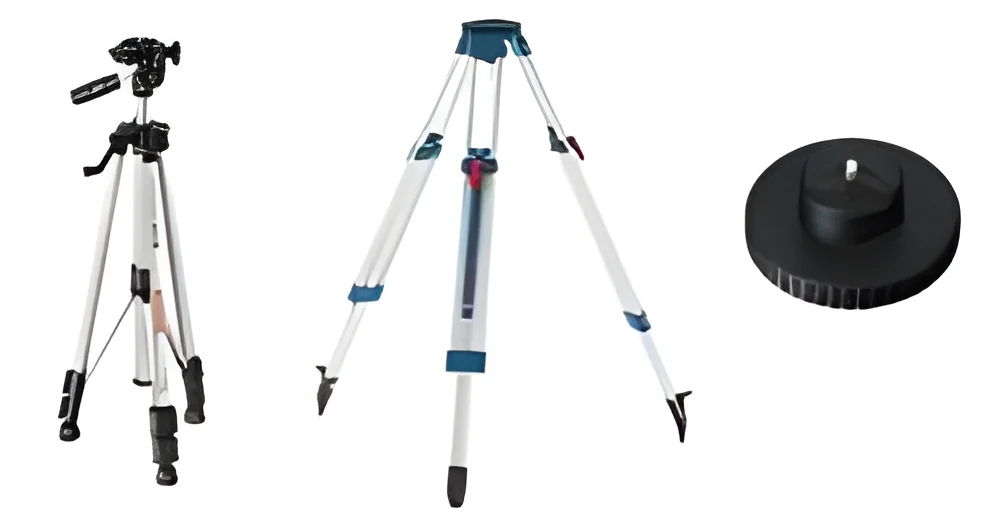
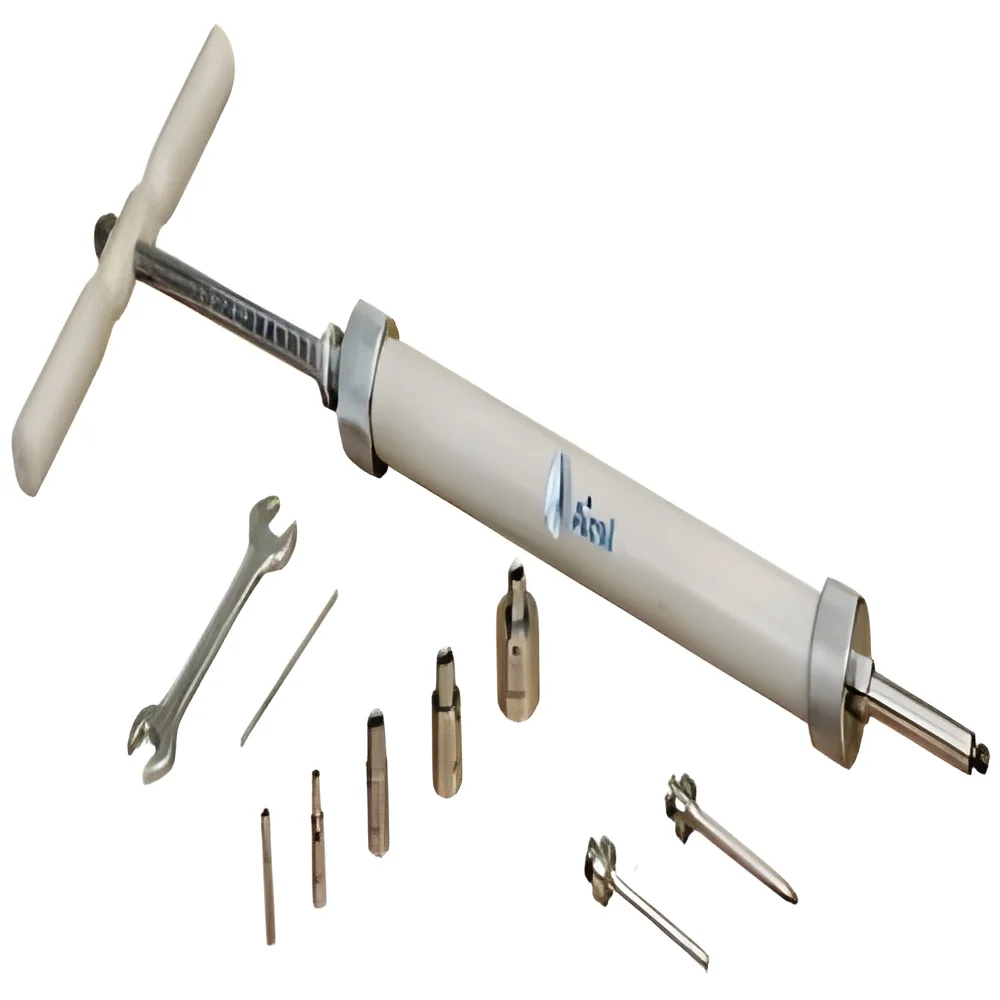
𝗪𝗵𝗮𝘁 𝗮𝗿𝗲 𝗦𝘂𝗿𝘃𝗲𝘆𝗶𝗻𝗴 𝗘𝗾𝘂𝗶𝗽𝗺𝗲𝗻𝘁?
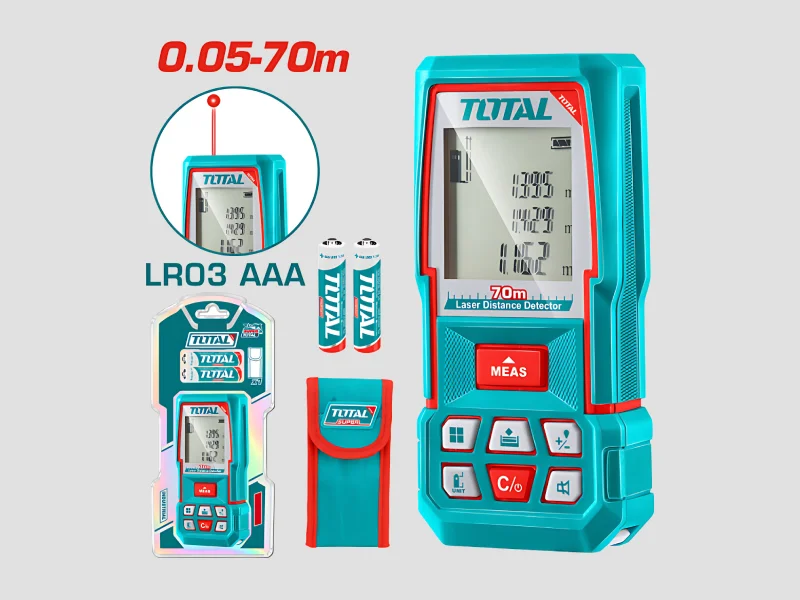
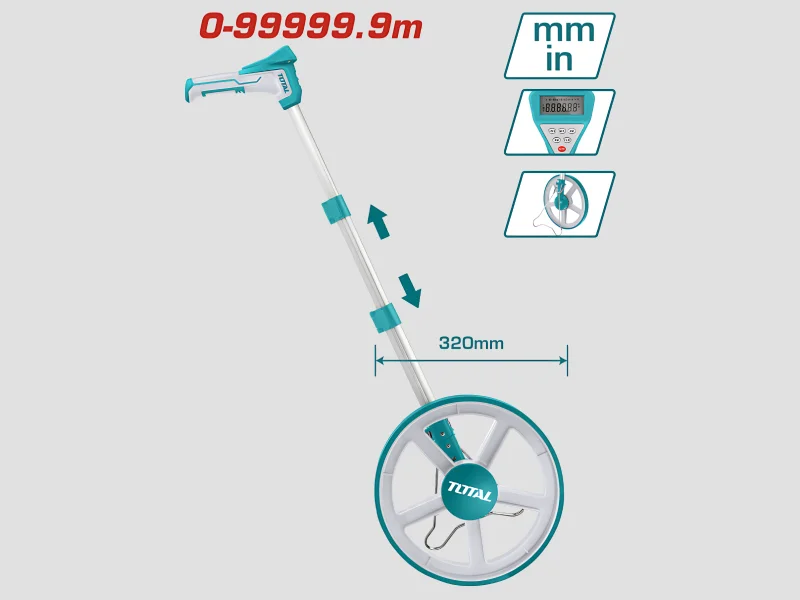
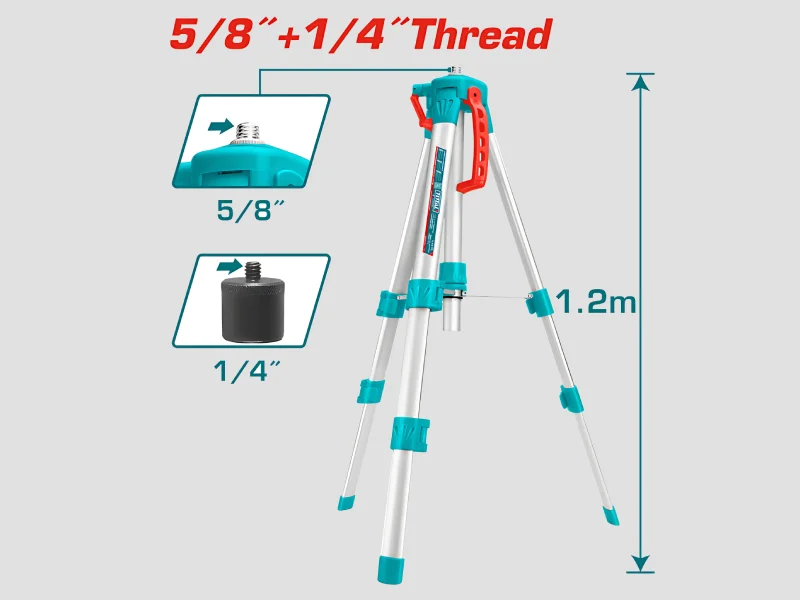
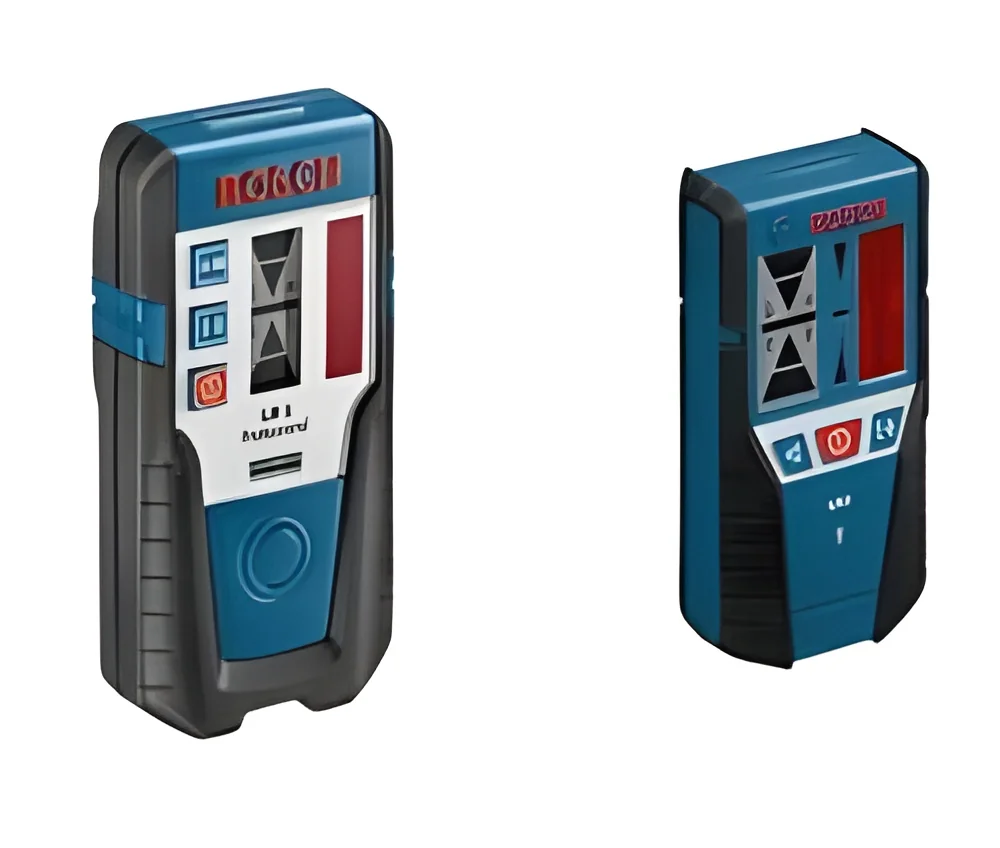
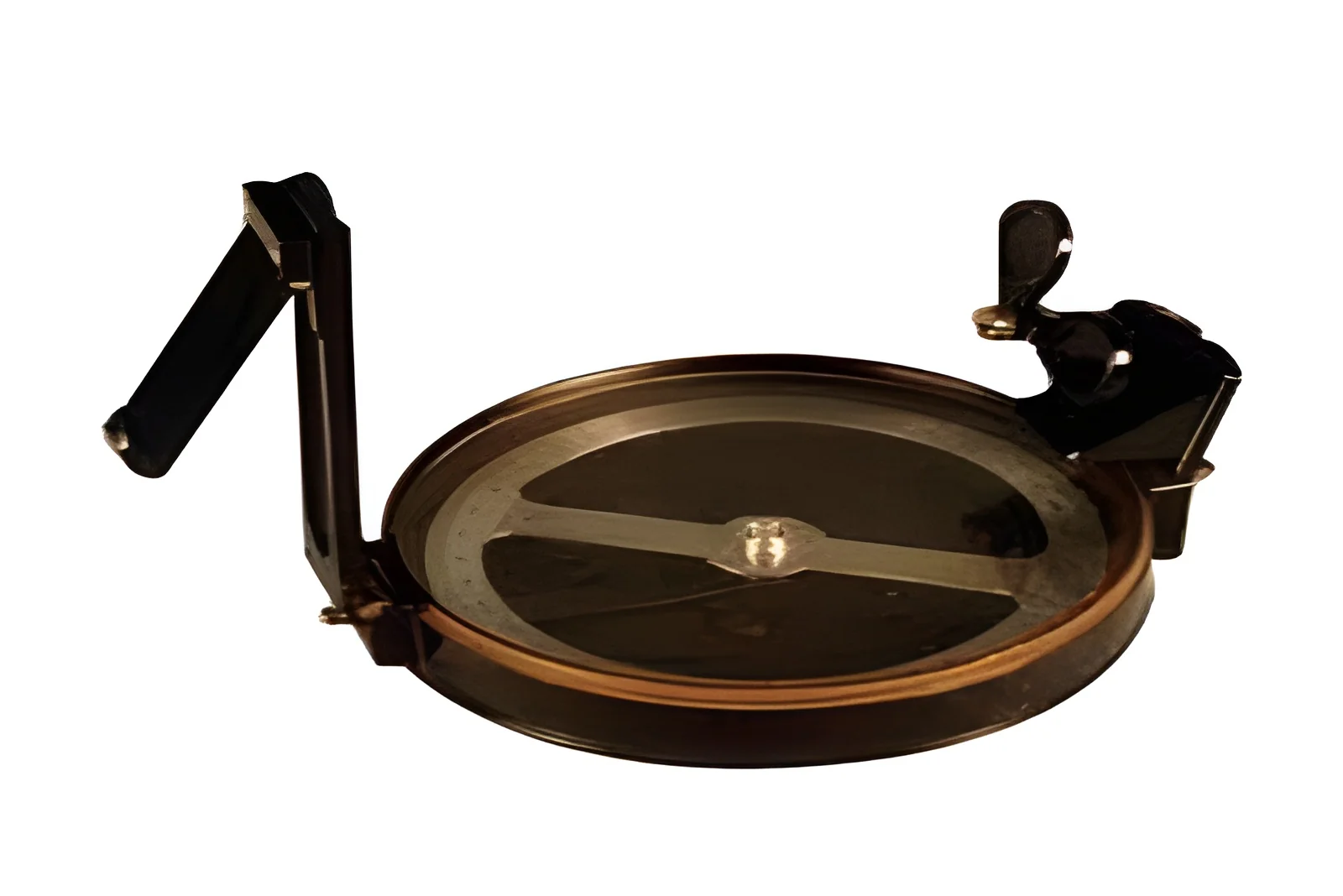
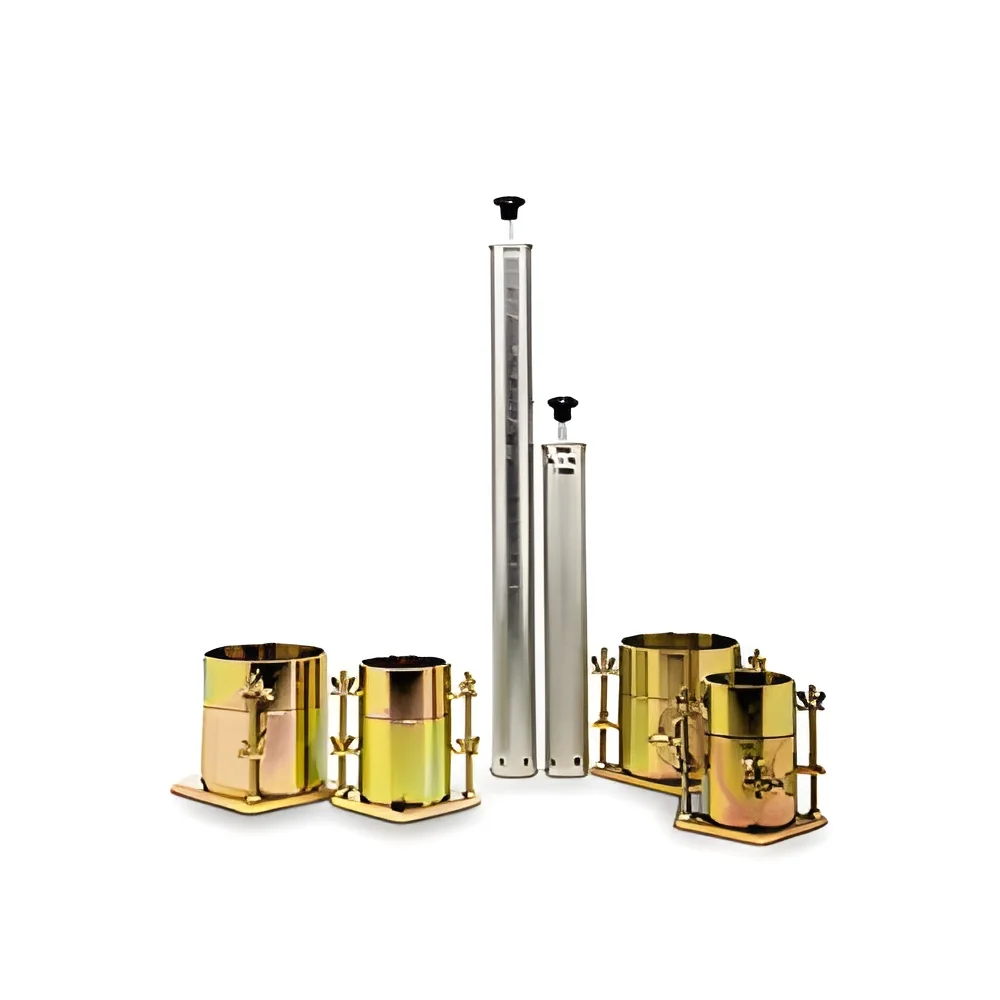
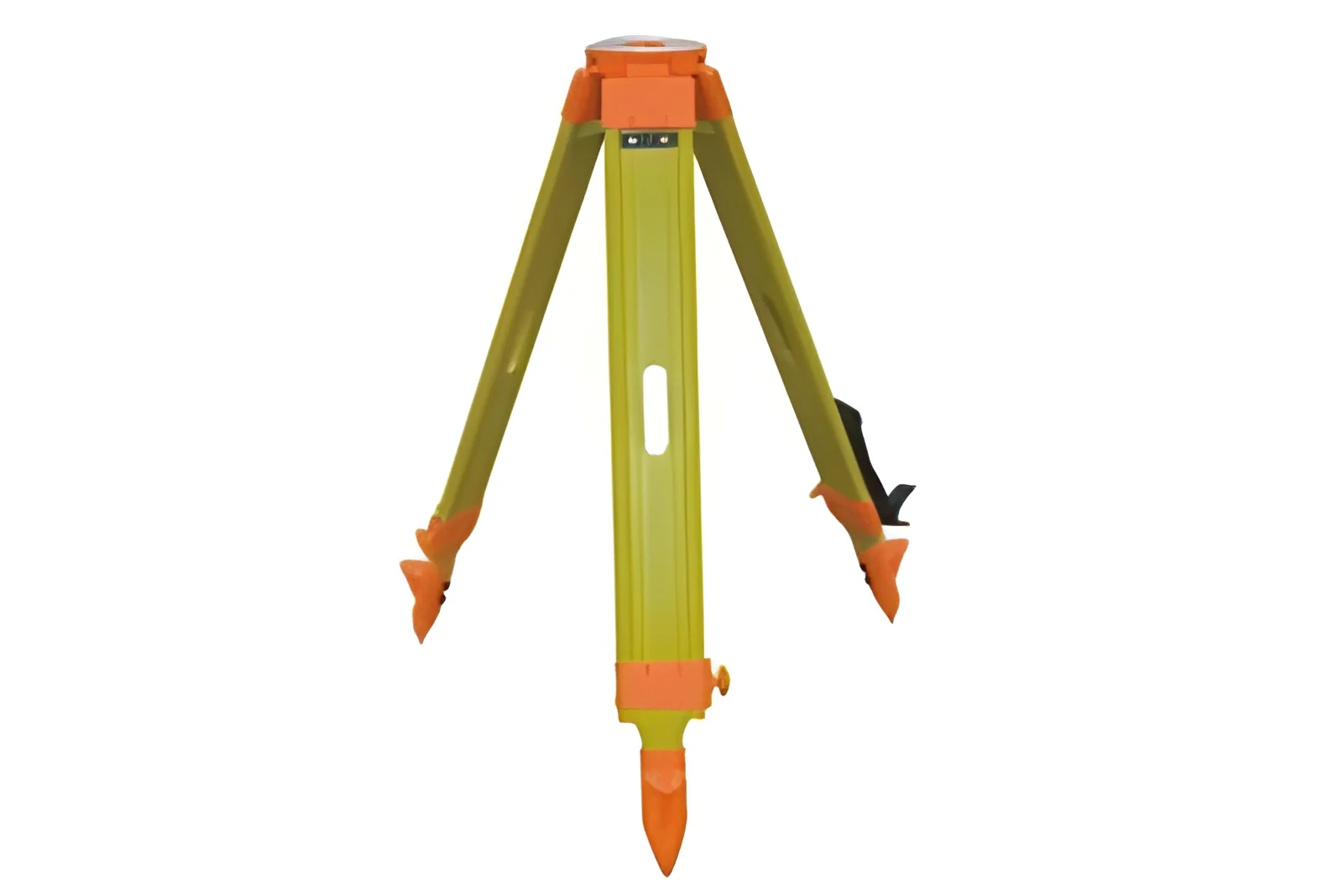
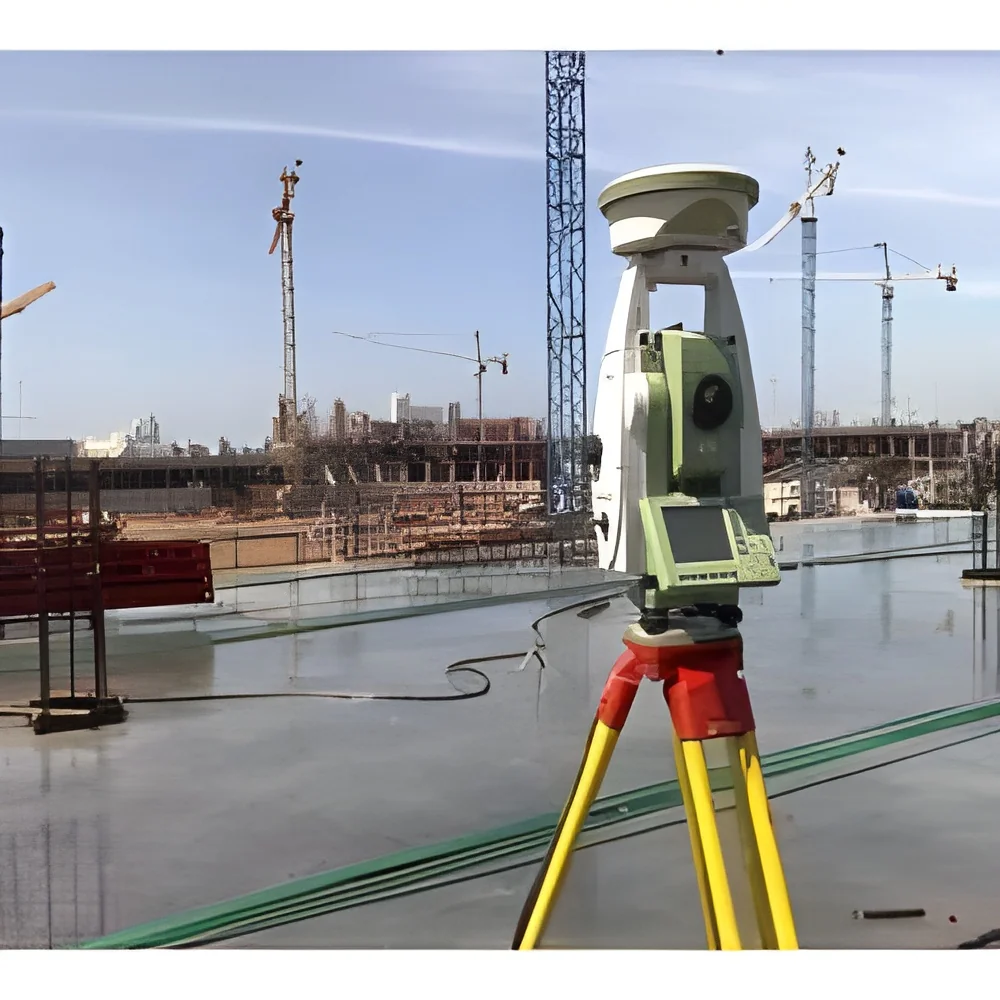
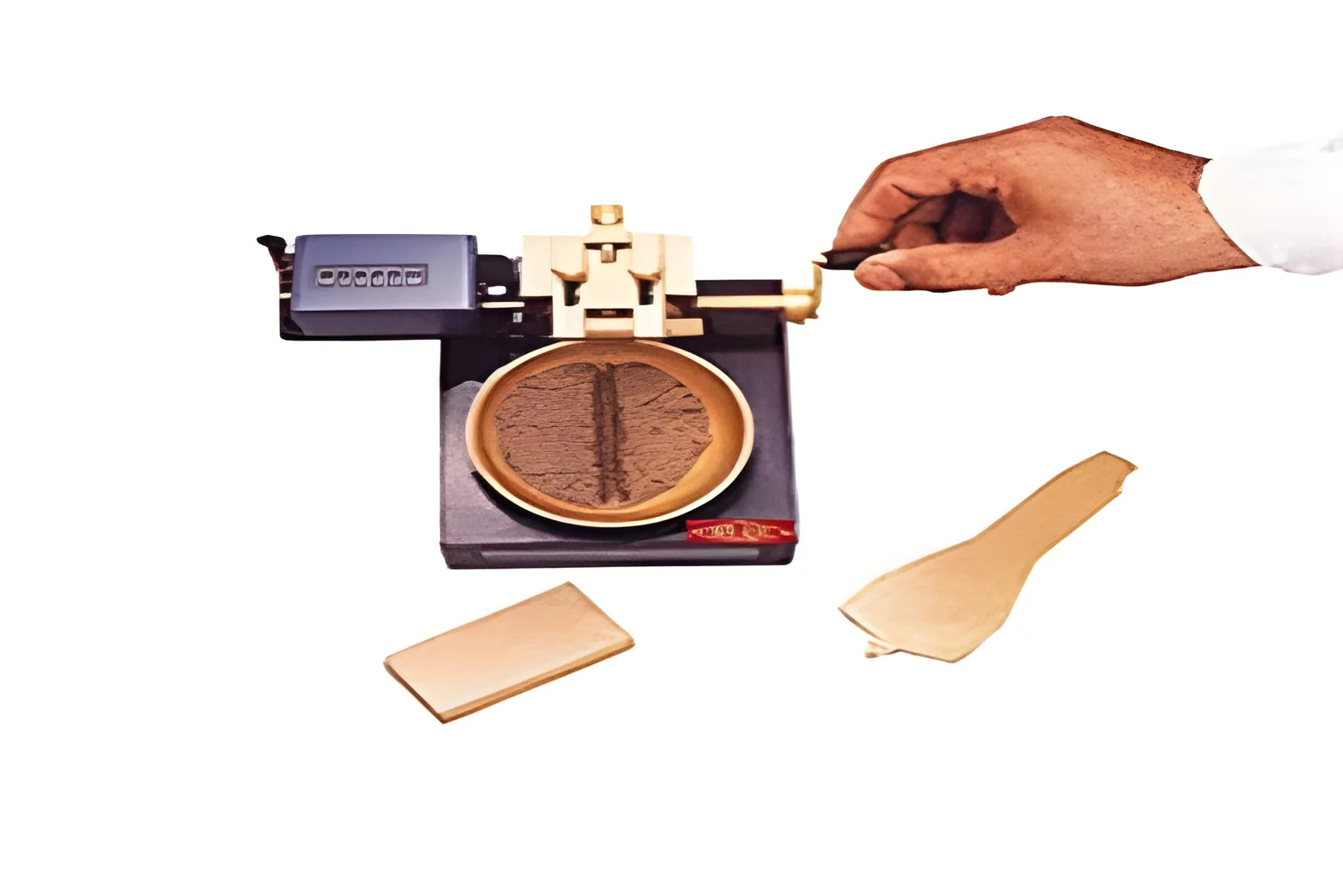
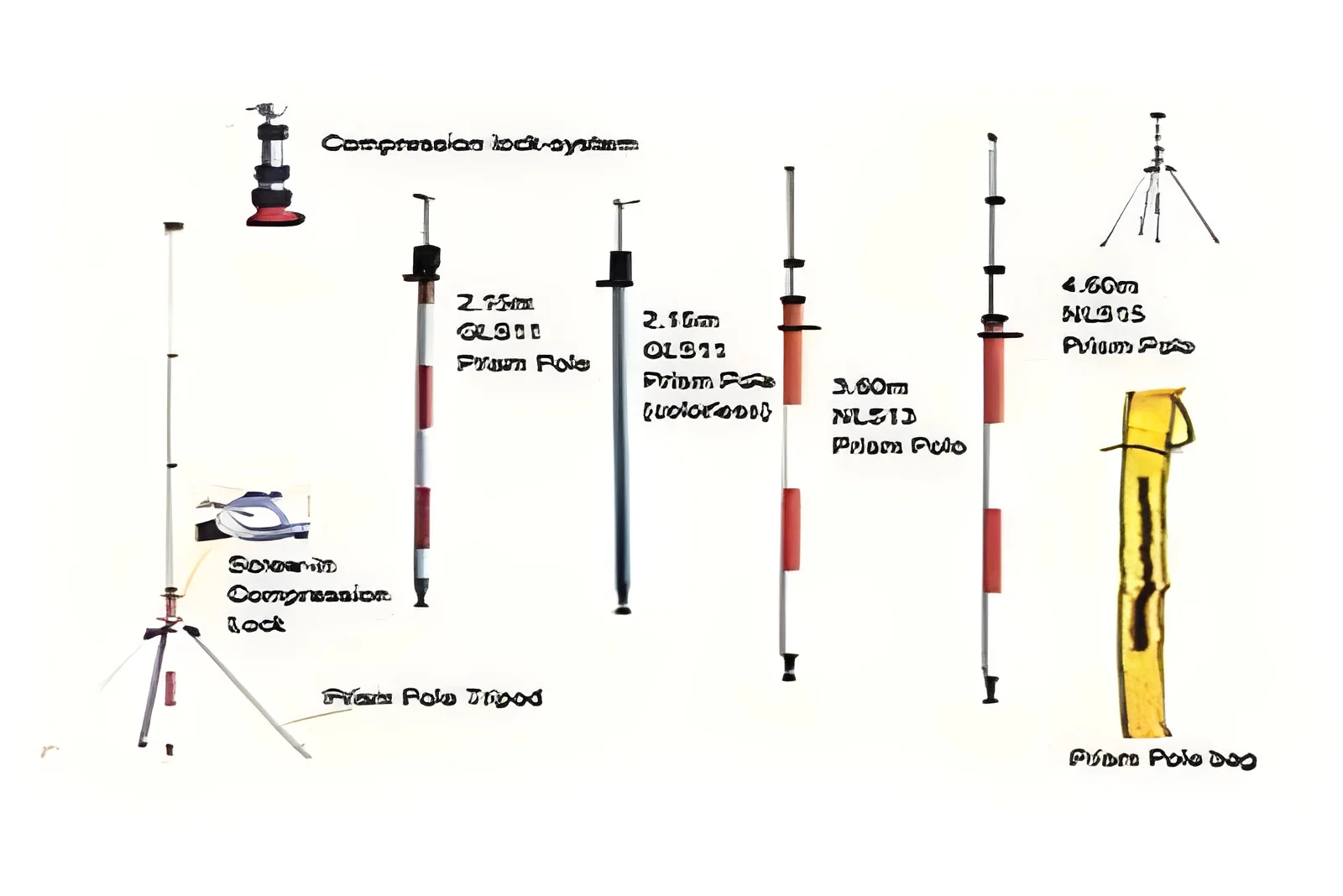
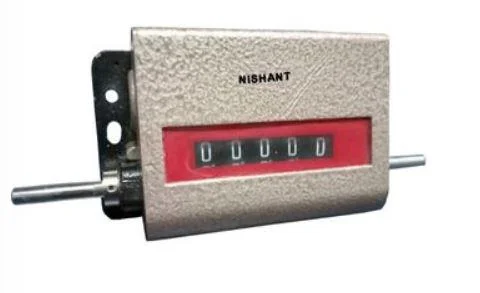
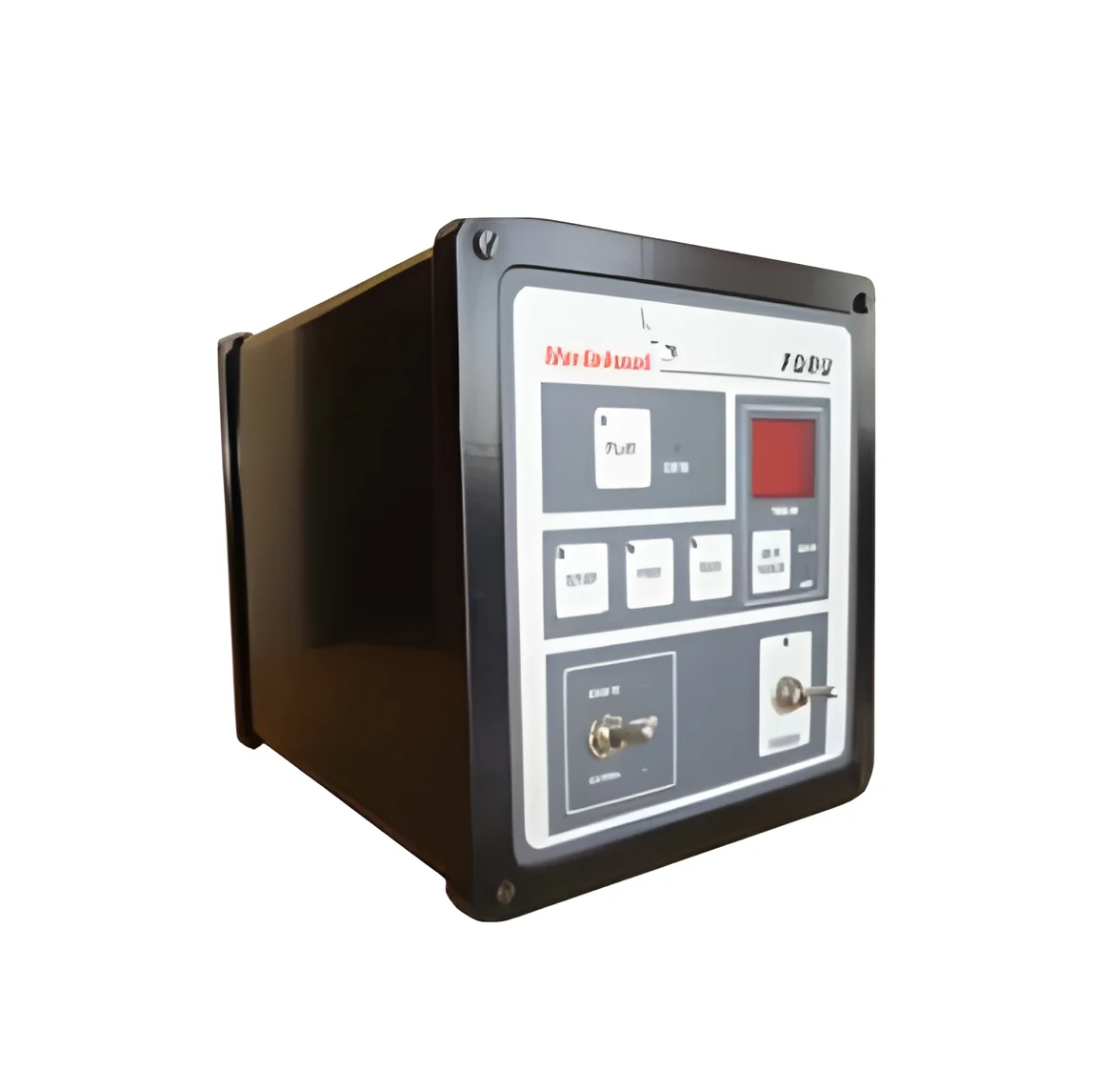
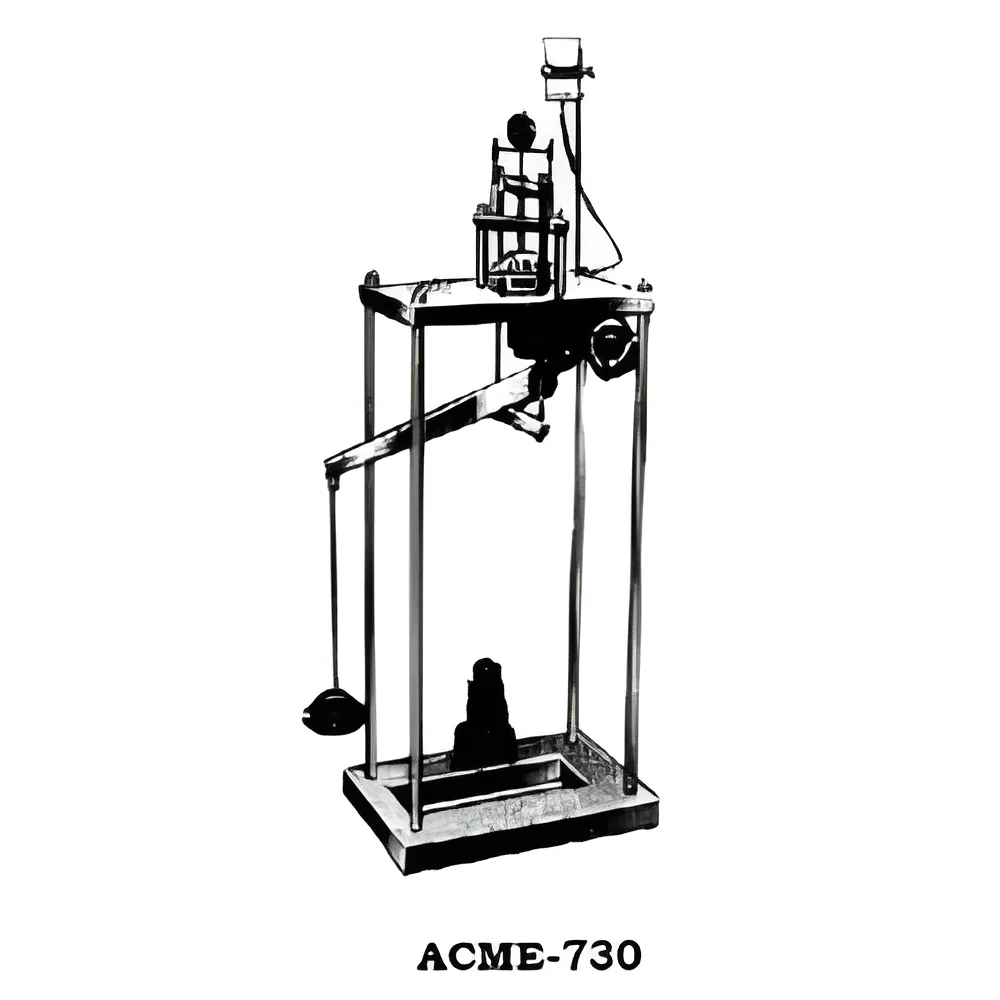
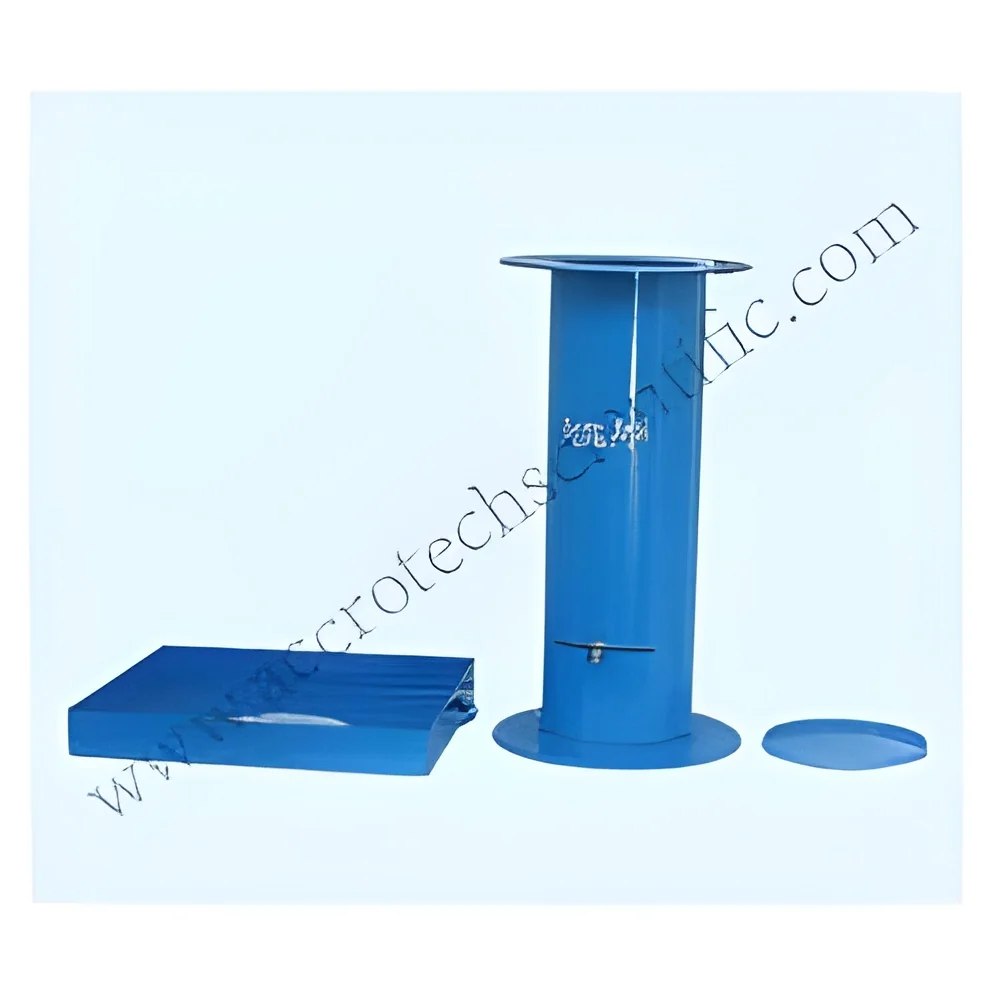
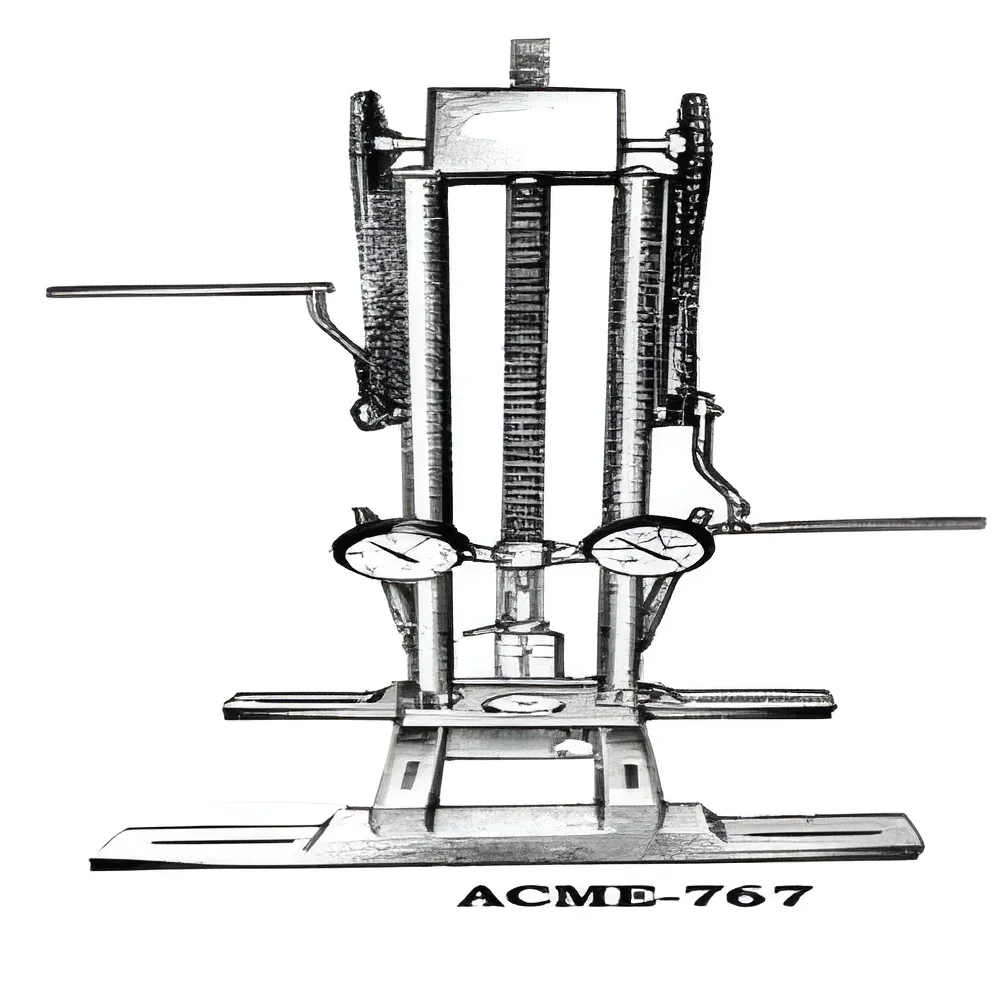
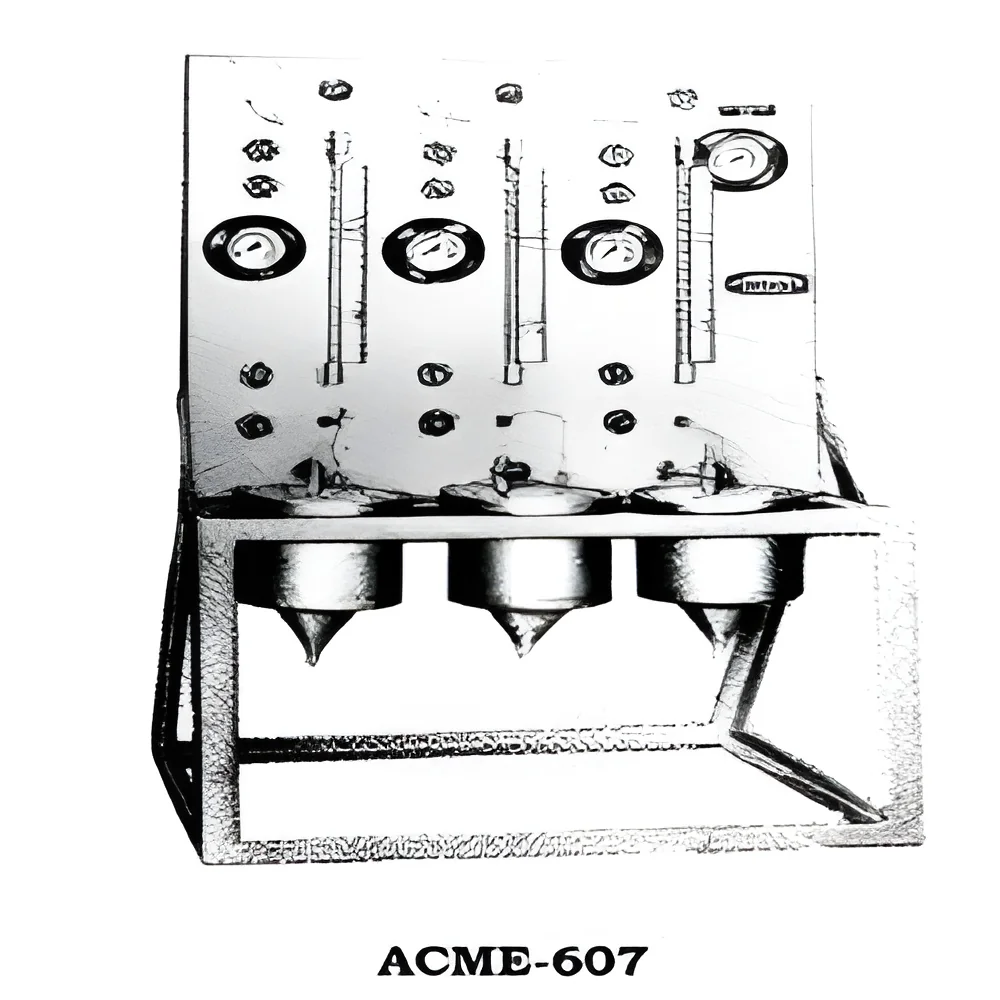
Surveying equipment refers to a range of tools and instruments used to measure and analyze land, structures, and other physical features on the Earth’s surface. These instruments help surveyors gather accurate data, which is crucial for various applications including construction, engineering, and land development. Common types of surveying equipment include total stations, theodolites, GPS systems, and leveling instruments. These tools enable precise measurements of distances, angles, and elevations, supporting the planning and execution of projects.
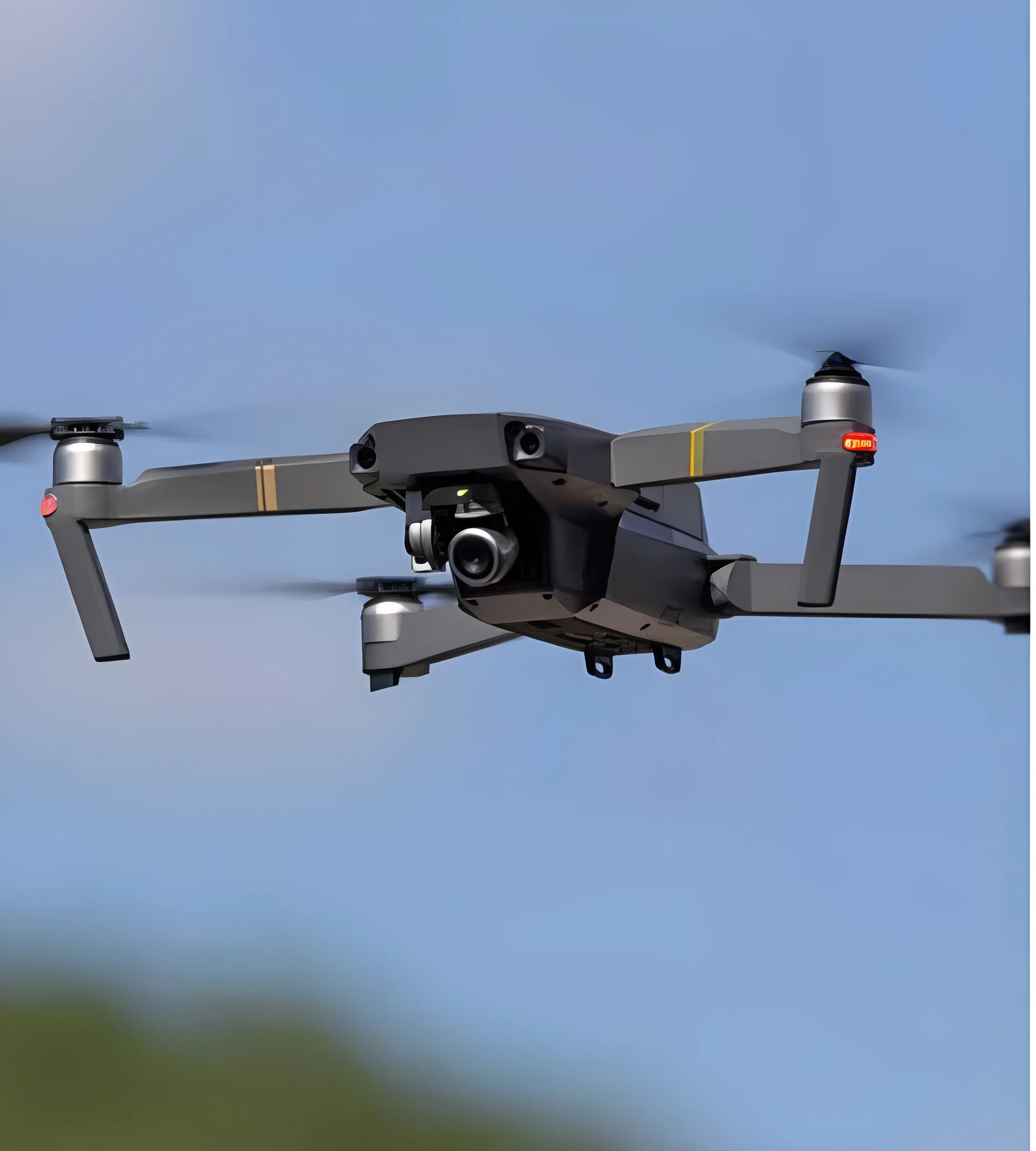
The primary uses of surveying equipment span numerous business applications. In construction, these tools are essential for determining land boundaries, laying out buildings, and ensuring compliance with zoning regulations. In civil engineering, surveying equipment assists in road and infrastructure design, as well as in the monitoring of existing structures. The industry relevance of surveying equipment is underscored by advancements in technology, which have led to the integration of digital and automated systems. This evolution has expanded the capabilities of surveying, making it more efficient and accurate in today’s fast-paced market.
𝗞𝗲𝘆 𝗙𝗲𝗮𝘁𝘂𝗿𝗲𝘀 𝗮𝗻𝗱 𝗦𝗽𝗲𝗰𝗶𝗳𝗶𝗰𝗮𝘁𝗶𝗼𝗻𝘀
Surveying equipment comes with a variety of features designed to enhance functionality and usability. Understanding these specifications is essential for selecting the right equipment for specific applications.
Key specifications include:
1. Measurement Accuracy
- Detail about this specification: This refers to how closely a measured value corresponds to the actual value.
- Technical parameters or ranges: Accuracy can range from ±1 mm to ±10 mm, depending on the equipment type.
2. Range
- Detail about this specification: This indicates the maximum distance over which measurements can be taken.
- Technical parameters or ranges: Effective ranges may vary from 300 meters to several kilometers for advanced devices.
3. Data Storage Capacity
- Detail about this specification: This determines how much measurement data can be stored for later retrieval and analysis.
- Technical parameters or ranges: Capacities can range from hundreds to thousands of data points.
4. Connectivity Options
- Detail about this specification: This includes capabilities for data transfer to computers or mobile devices.
- Technical parameters or ranges: Options may include Bluetooth, USB, and Wi-Fi connections.
5. Battery Life
- Detail about this specification: This indicates how long the equipment can operate on a single charge.
- Technical parameters or ranges: Battery life can range from 8 hours to over 24 hours.
6. Durability Ratings
- Detail about this specification: This reflects the equipment's ability to withstand harsh environmental conditions.
- Technical parameters or ranges: Ratings may indicate resistance to dust, water, and shock.
7. User Interface
- Detail about this specification: This refers to how intuitive and easy the equipment is to operate.
- Technical parameters or ranges: Equipment may feature touchscreens, simple button layouts, or voice commands.
8. Calibration Requirements
- Detail about this specification: This indicates how often and in what manner the equipment needs to be calibrated for optimal performance.
- Technical parameters or ranges: Calibration intervals may vary from daily to yearly, depending on usage.
In summary, understanding the key features and specifications of surveying equipment is crucial for selecting the right tools that meet specific project demands and enhance productivity.
𝗖𝗼𝗺𝗺𝗼𝗻 𝗔𝗽𝗽𝗹𝗶𝗰𝗮𝘁𝗶𝗼𝗻𝘀 𝗮𝗻𝗱 𝗨𝘀𝗲 𝗖𝗮𝘀𝗲𝘀
Surveying equipment is used across various industries, each with unique applications.
1. Construction: Surveying equipment is vital in construction for site layout, boundary determination, and ensuring that structures are built according to design specifications.
2. Civil Engineering: Engineers utilize these tools for designing roads, bridges, and other infrastructure, as well as for conducting site assessments.
3. Mining: In the mining industry, surveying equipment is used to map out mining sites, assess resource quantities, and ensure compliance with safety regulations.
4. Agriculture: Farmers use surveying tools for land mapping, irrigation planning, and precision agriculture to optimize crop yields.
5. Environmental Studies: Surveying equipment aids in environmental assessments, helping to monitor land use changes and assess impacts on ecosystems.
6. Land Development: Surveyors use these tools to evaluate land for residential or commercial development, ensuring compliance with zoning laws.
7. Oil and Gas: In this sector, surveying equipment is used for pipeline route surveys and site assessments for drilling operations.
𝗣𝗿𝗼𝗱𝘂𝗰𝘁 𝗩𝗮𝗿𝗶𝗮𝗻𝘁𝘀 𝗮𝗻𝗱 𝗦𝘂𝗯𝗰𝗮𝘁𝗲𝗴𝗼𝗿𝗶𝗲𝘀
Surveying equipment includes a diverse range of products tailored for specific measurement needs and environments.
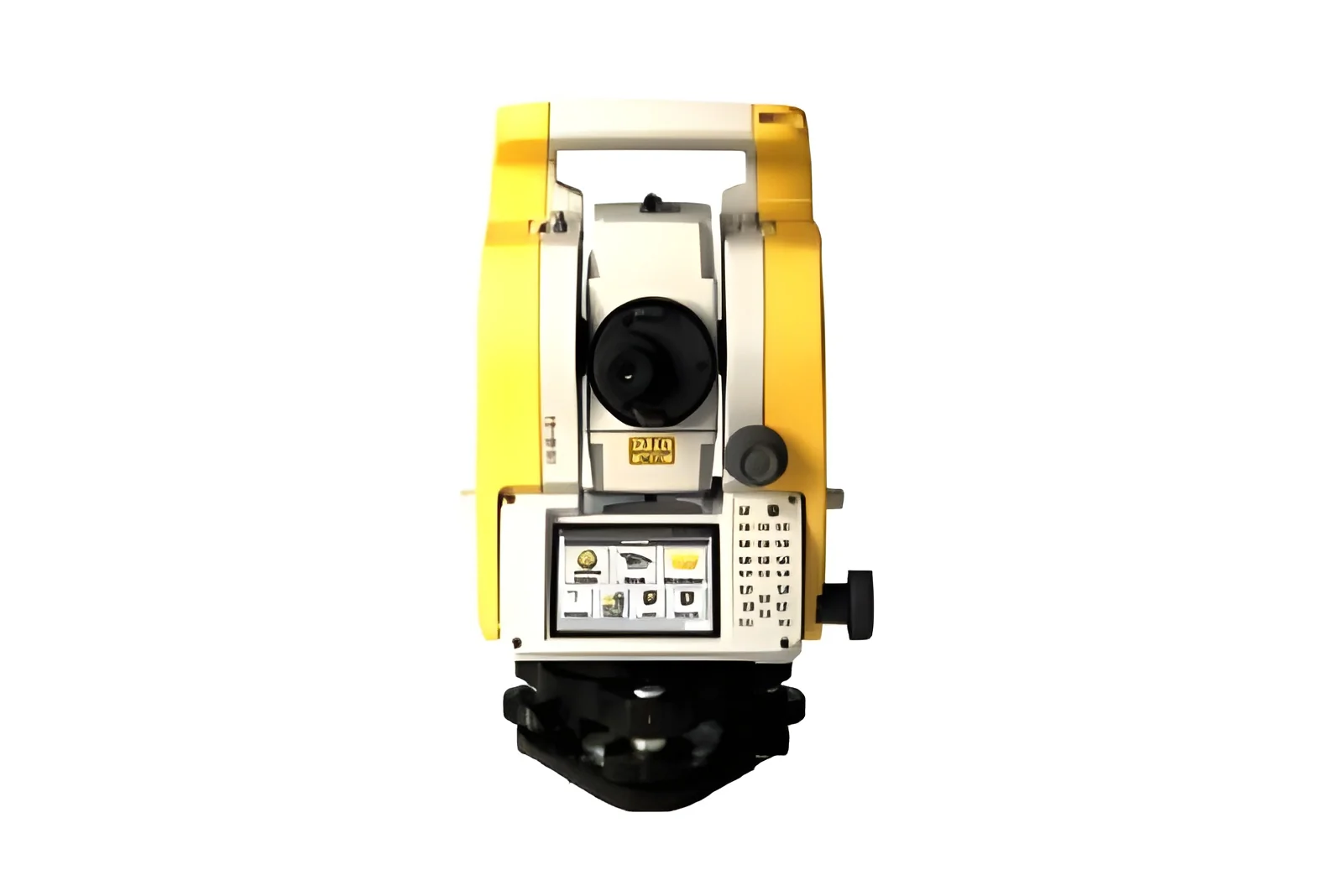
Total Stations: These advanced electronic devices combine the functions of a theodolite and an electronic distance meter. They are used for high-precision measurements in construction and land surveying.
GPS Surveying Equipment: This variant employs satellite technology to provide accurate location data. It is commonly used in large-scale projects where traditional methods may be impractical.
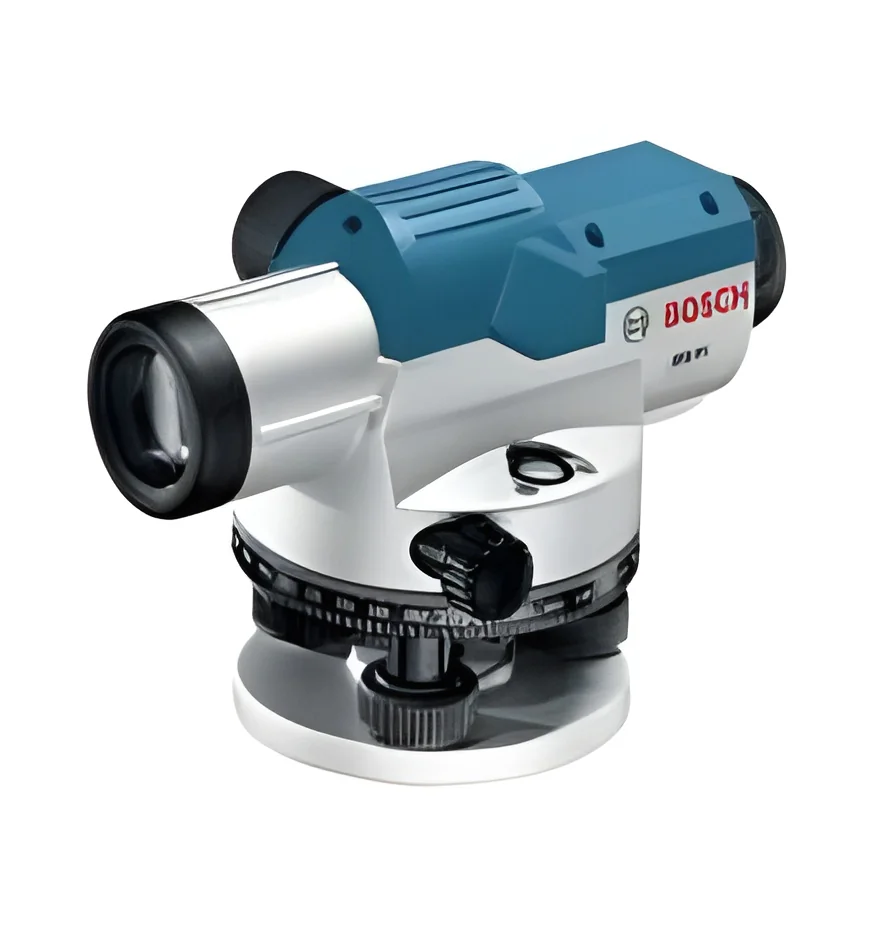
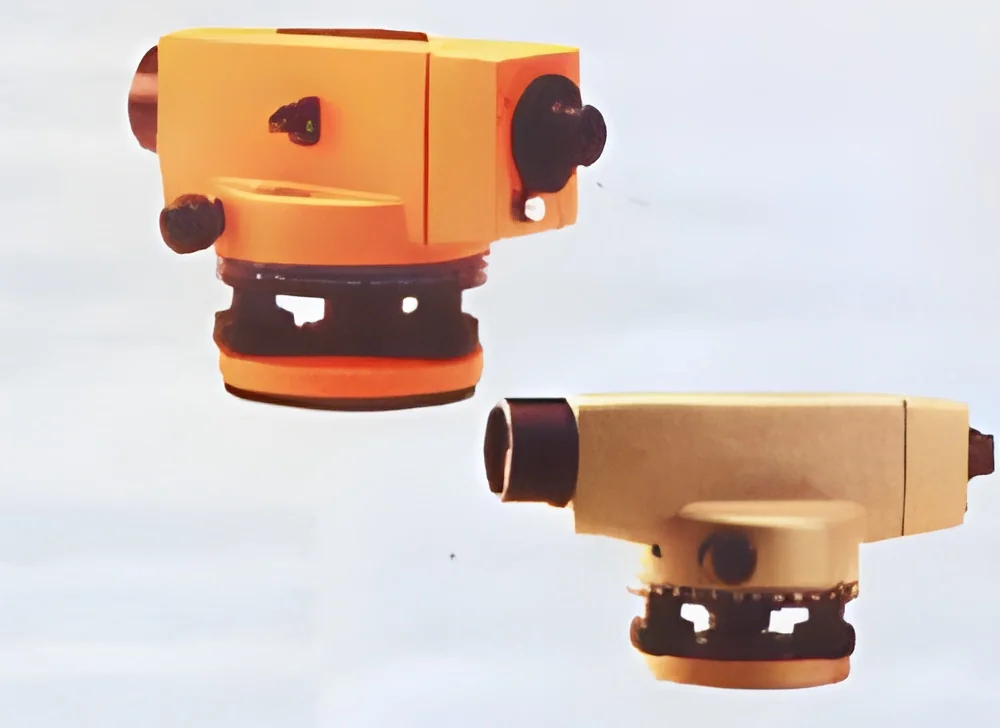
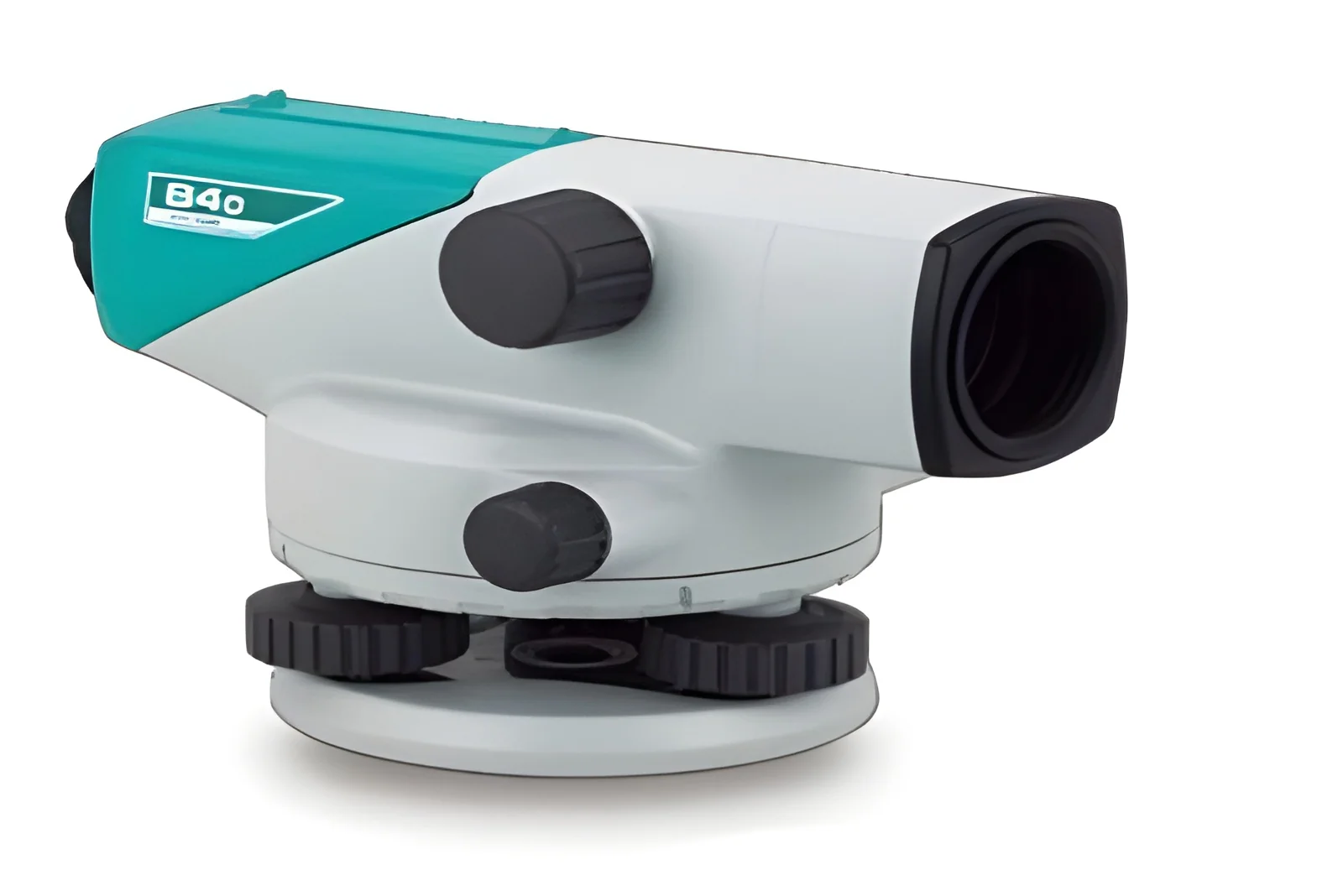
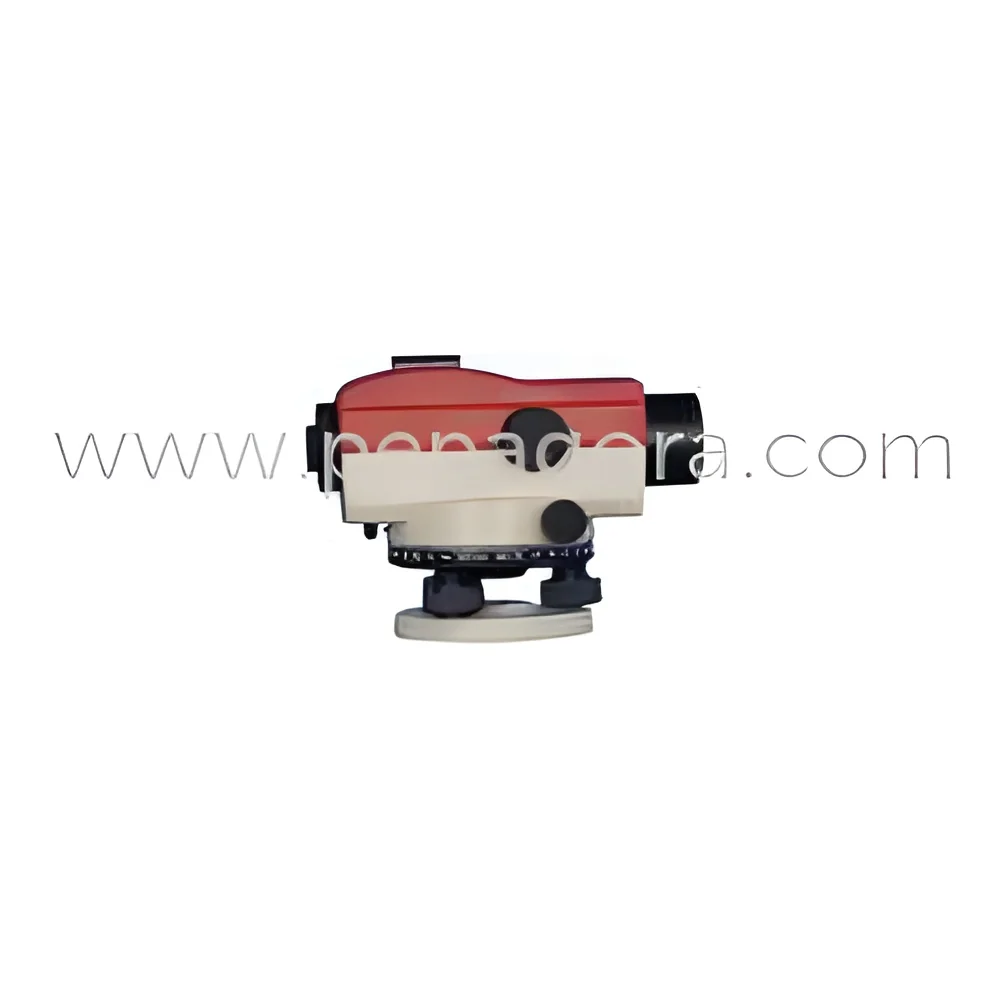
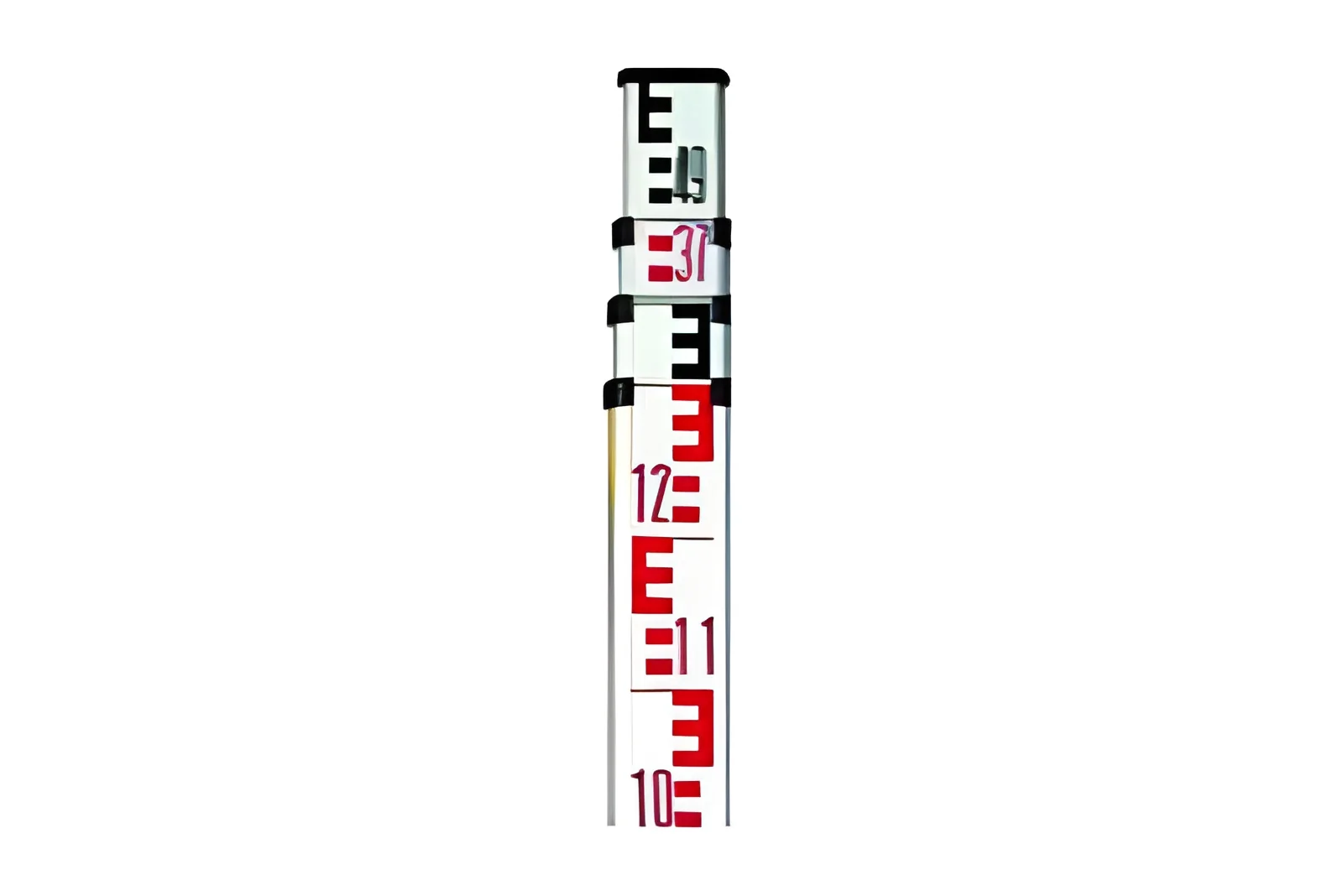
Leveling Instruments: These tools are essential for measuring height differences and ensuring that structures are level. They are widely used in construction and civil engineering.
Theodolites: A traditional yet essential tool in surveying, theodolites measure horizontal and vertical angles with high precision, making them ideal for various surveying tasks.
𝗕𝗲𝗻𝗲𝗳𝗶𝘁𝘀 𝗮𝗻𝗱 𝗔𝗱𝘃𝗮𝗻𝘁𝗮𝗴𝗲𝘀
Investing in surveying equipment offers numerous benefits to businesses and professionals.
1. Enhanced Accuracy: Modern surveying equipment provides high levels of precision, reducing measurement errors and improving overall project quality.
2. Increased Efficiency: Automated features and advanced technology streamline the surveying process, leading to faster project completion times.
3. Cost Savings: By minimizing errors and improving efficiency, businesses can reduce costs associated with rework and delays.
4. Versatility: Surveying equipment can be used in a wide range of applications across various industries, making it a valuable asset for businesses.
5. Improved Data Analysis: Advanced features allow for better data collection and analysis, enhancing decision-making processes.
6. Compliance Assurance: Using reliable surveying equipment helps ensure adherence to industry standards and regulations, minimizing legal risks.
𝗕𝘂𝘆𝗶𝗻𝗴 𝗚𝘂𝗶𝗱𝗲 𝗳𝗼𝗿 𝗕𝟮𝗕 𝗕𝘂𝘆𝗲𝗿𝘀
When sourcing surveying equipment, it is essential to consider various factors to ensure a successful purchase.
1. Quality Assessment: Evaluate the quality of equipment by reviewing specifications, performance ratings, and user feedback. High-quality equipment will provide better accuracy and durability.
2. Supplier Verification: Research potential suppliers to ensure they are reputable and reliable. Look for references, certifications, and customer reviews to assess their credibility.
3. Pricing and MOQ: Understand the pricing structure and minimum order quantities (MOQ) from suppliers. This will help in budgeting and planning for future needs.
4. Delivery and Lead Times: Inquire about the expected delivery times for the equipment. Timely delivery is crucial for keeping projects on schedule.
5. Compliance Requirements: Ensure that the equipment meets relevant compliance and regulatory standards. This is vital for avoiding legal issues and ensuring safety.
𝗖𝗼𝗺𝗽𝗹𝗶𝗮𝗻𝗰𝗲 𝗮𝗻𝗱 𝗖𝗲𝗿𝘁𝗶𝗳𝗶𝗰𝗮𝘁𝗶𝗼𝗻𝘀
Compliance and certifications play a significant role in the quality and reliability of surveying equipment. Key quality standards such as ISO 9001 ensure that manufacturers adhere to strict guidelines regarding production and quality management systems.
Additionally, industry certifications like CE mark indicate compliance with European safety standards, ensuring that the equipment meets essential health and safety requirements.
Manufacturers may also need to comply with safety and testing requirements specific to their region, which can vary significantly. It is important for buyers to verify these certifications to ensure that the equipment they purchase is safe, reliable, and suitable for their intended applications.
𝗪𝗵𝘆 𝗦𝗼𝘂𝗿𝗰𝗲 𝗦𝘂𝗿𝘃𝗲𝘆𝗶𝗻𝗴 𝗘𝗾𝘂𝗶𝗽𝗺𝗲𝗻𝘁 𝗳𝗿𝗼𝗺 𝗣𝗲𝗽𝗮𝗴𝗼𝗿𝗮?
Pepagora offers a trusted platform for sourcing surveying equipment, providing several key advantages for B2B buyers.
Verified Supplier Network: Pepagora maintains a network of verified suppliers, ensuring that buyers can access high-quality products from reputable manufacturers. This reduces the risk of fraud and ensures better quality assurance.
Streamlined RFQ Process: The platform features an efficient request for quotation (RFQ) process, allowing buyers to quickly and easily obtain quotes from multiple suppliers. This saves time and simplifies the purchasing decision.
Trade Assurance and Support: Pepagora offers trade assurance, providing buyers with protection against potential disputes. Dedicated support teams are available to assist with any inquiries or issues that may arise during the purchasing process.
Regional Coverage: With a strong presence in key markets such as India, the Gulf Cooperation Council (GCC), and Southeast Asia, Pepagora offers extensive regional coverage. This makes it easier for businesses to find suitable suppliers and access the equipment they need, regardless of their location.

 IN
IN