
 IN
Surveying Compasses
3 products available
What are Surveying Compasses?
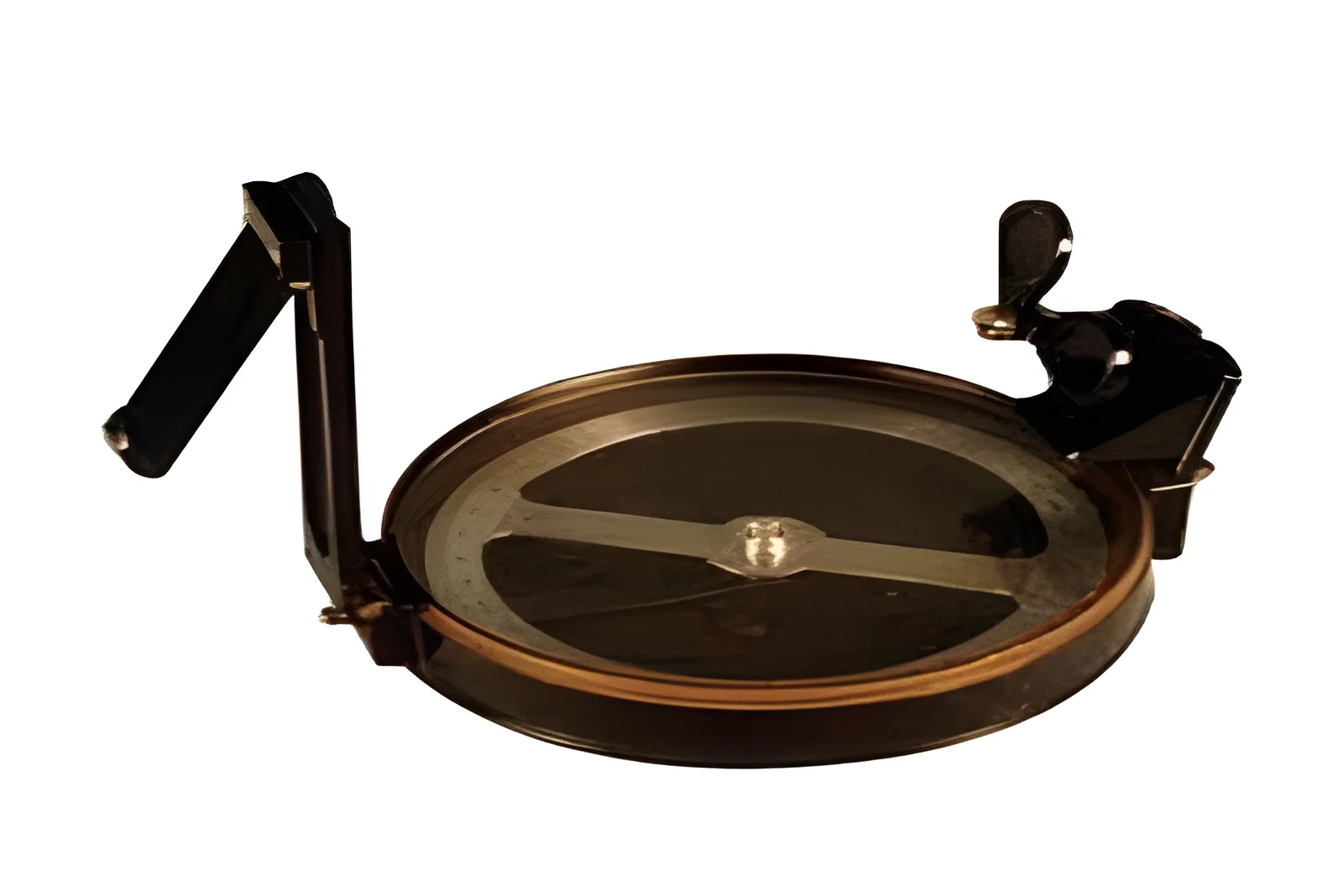
Surveying compasses are precision instruments used primarily for determining directions and measuring angles in surveying and navigation tasks. They function by utilizing magnetic fields to indicate cardinal directions, providing surveyors with accurate orientation for land measurement and construction projects. The design typically includes a magnetic needle that aligns itself with the Earth's magnetic field, housed within a transparent casing to allow for easy reading.
These instruments are essential in various business applications, including civil engineering, land surveying, and construction. They help professionals establish property boundaries, create topographical maps, and ensure that structures are built according to specified plans. The relevance of surveying compasses extends across industries, including real estate, agriculture, and environmental management, where precise measurements are crucial for project success.
Key Features and Specifications
Surveying compasses come equipped with several key features that enhance their usability and effectiveness in various applications. They are designed for durability and precision, ensuring reliable performance in different environmental conditions.
Key specifications include:
1. Accuracy
- Typically within 1-2 degrees
- Ensures precise directional readings
2. Size
- Compact designs available for portability
- Common sizes range from 4 inches to 8 inches in diameter
3. Material
- Constructed from durable materials like brass or aluminum
- Weather-resistant finishes for outdoor use
4. Magnetic Variation Adjustment
- Allows for correction based on geographical location
- Helps in obtaining true north readings
5. Leveling Bubble
- Integrated feature for ensuring the compass is level
- Facilitates accurate angle measurements
6. Sight Vane
- Enhances targeting for accurate directional readings
- Ideal for long-range measurements
7. Graduation
- Markings typically in degrees for easy reading
- Some models include mils for military applications
8. Weight
- Lightweight options available for ease of use
- Standard weight ranges from 200 to 500 grams
These specifications are crucial for ensuring that surveying compasses meet the demands of professional users across various industries.
Common Applications and Use Cases
Surveying compasses are utilized across multiple sectors, reflecting their versatility and importance in precision measurement.
1. Civil Engineering: Surveying compasses are used to establish site boundaries and align structures during construction projects, ensuring compliance with design specifications.
2. Land Surveying: Professionals rely on these instruments to measure land areas accurately, providing essential data for property development and urban planning.
3. Agriculture: Farmers use surveying compasses for land assessment and layout planning, optimizing crop placement and irrigation systems.
4. Environmental Management: These tools assist in mapping out natural resources and conducting environmental assessments, critical for conservation efforts.
5. Forestry: Surveying compasses help foresters navigate and manage forested areas, facilitating efficient resource management.
6. Mining: Surveyors in the mining industry use compasses to map mineral deposits and assess terrain, aiding in safe exploration and extraction.
7. Archaeology: Archaeologists employ surveying compasses to accurately document excavation sites and study historical landscapes.
Product Variants and Subcategories
Surveying compasses come in various designs to cater to different needs and preferences within the industry.
Standard Compass
This variant features a classic design with a magnetic needle and is suitable for general surveying tasks. Its simplicity makes it user-friendly for both novice and experienced users.
Prismatic Compass
This advanced version includes a prism for enhanced accuracy and visibility. It is often used in professional surveying to measure angles and directions with greater precision.
Digital Compass
Equipped with electronic components, this variant provides digital readings and may include additional features such as GPS integration and data logging for modern surveying applications.
Benefits and Advantages
Surveying compasses offer several benefits that make them essential tools for professionals in various industries.
1. Precision: Surveying compasses provide accurate directional readings, which are crucial for effective land measurement and construction.
2. Portability: Most models are designed to be lightweight and compact, making them easy to transport to remote job sites.
3. Durability: Constructed from robust materials, these compasses can withstand harsh environmental conditions, ensuring long-term use.
4. Ease of Use: Their straightforward design allows for quick learning and operation, even for those new to surveying.
5. Versatility: With applications across multiple industries, surveying compasses are valuable tools for a diverse range of professionals.
6. Cost-Effectiveness: Investing in a quality surveying compass can lead to savings in time and resources by improving measurement accuracy.
Buying Guide for B2B Buyers
When sourcing surveying compasses, it is important to consider several factors to ensure you make an informed purchase.
1. Quality Assessment: Look for compasses that comply with industry standards for accuracy and durability. Check for reviews or certifications that indicate reliability.
2. Supplier Verification: Vet suppliers to ensure they have a reputation for providing quality products. Consider reaching out to previous customers for feedback.
3. Pricing and MOQ: Evaluate the cost of compasses based on your budget and the minimum order quantity (MOQ) requirements set by suppliers.
4. Delivery and Lead Times: Confirm the supplier’s delivery capabilities and lead times to ensure timely project execution.
5. Compliance Requirements: Be aware of any regulatory standards or certifications that may apply to the compasses you intend to purchase, especially if they are to be used in specialized industries.
Compliance and Certifications
Surveying compasses must adhere to relevant quality standards to ensure their reliability and performance. One such standard is ISO 9001, which outlines requirements for quality management systems. Compliance with these standards can enhance operational efficiency and customer satisfaction.
Additionally, industry certifications such as CE are important for demonstrating that products meet European safety and health requirements. Surveying compasses should also undergo testing to ensure they can withstand environmental conditions, such as extreme temperatures and humidity levels.
Regional compliance considerations may vary, so it is essential to understand the specific requirements of the regions where the compasses will be used. This ensures that your investment is protected and that you remain compliant with local regulations.
Why Source Surveying Compasses from Pepagora?
Pepagora offers a reliable platform for sourcing surveying compasses, providing several key advantages to buyers.
Verified Supplier Network: Pepagora connects you with a network of verified suppliers, ensuring that you receive high-quality products from trusted manufacturers. This reduces the risk of purchasing inferior or counterfeit items.
Streamlined RFQ Process: The platform features an efficient request for quotation (RFQ) system that simplifies the sourcing process. Buyers can easily request quotes from multiple suppliers, allowing for informed decision-making.
Trade Assurance and Support: Pepagora provides trade assurance, protecting your investment by ensuring that suppliers meet quality and delivery commitments. Additionally, dedicated support is available to assist you throughout the purchasing process.
Regional Coverage: With a focus on geographic areas such as India, the GCC, and Southeast Asia, Pepagora offers broad coverage and access to local suppliers. This facilitates easier sourcing and logistics, making it a convenient choice for B2B buyers.

Frequently Asked Questions
What are Surveying Compasses?
Surveying compasses are precision instruments used in surveying to measure angles and determine directions. They are essential tools for land surveying, allowing surveyors to establish property lines and navigate terrains accurately.
What are the different types of Surveying Compasses?
The main types of surveying compasses include the magnetic compass, the prismatic compass, and the surveyor's compass. Each type has specific features suited for different surveying applications, with variations in accuracy and usability.
How do I choose the right Surveying Compasses?
Choosing the right surveying compass involves considering factors such as the type of surveying work, required accuracy, and environmental conditions. It's also important to assess the build quality and features that best meet your specific surveying needs.
What are the standard specifications for Surveying Compasses?
Standard specifications for surveying compasses typically include the measurement range, accuracy level, size, and weight. Additionally, features such as a sighting device, level bubble, and graduation marks are commonly considered in the specifications.
What is the price range for Surveying Compasses?
The price range for surveying compasses can vary significantly based on type, brand, and features, typically ranging from ₹1,500 to ₹20,000 or more. Higher-end models with advanced features may cost more due to their precision and durability.
What quality standards apply to Surveying Compasses?
Surveying compasses must meet specific quality standards, including accuracy, durability, and ease of use. Common standards are set by organizations such as the International Organization for Standardization (ISO), ensuring reliability in surveying tasks.
Where can I find Surveying Compasses suppliers in India?
You can find surveying compass suppliers in India through online B2B marketplaces like Pepagora, local hardware stores, and specialized surveying equipment suppliers. These platforms often provide a wide range of options from various manufacturers.
Can Surveying Compasses be customized?
Yes, surveying compasses can often be customized to meet specific requirements, such as branding or unique features. Customization options may vary by manufacturer, so it is advisable to inquire directly with suppliers.
What is the typical minimum order quantity for Surveying Compasses?
The typical minimum order quantity (MOQ) for surveying compasses can range from 1 unit for smaller suppliers to larger quantities for bulk orders. It is best to check with individual suppliers for their specific MOQ policies.
What is the typical lead time for Surveying Compasses?
The typical lead time for surveying compasses can vary based on supplier location and order size, generally ranging from a few days to several weeks. It's important to confirm lead times with suppliers when placing an order.
Why Businesses Trust Pepagora
Thousands of companies trust Pepagora to source smarter and sell faster
Expand Your Sales Globally

Source Smarter,Grow Faster
