
 IN
Theodolites
3 products available
What are Theodolites?
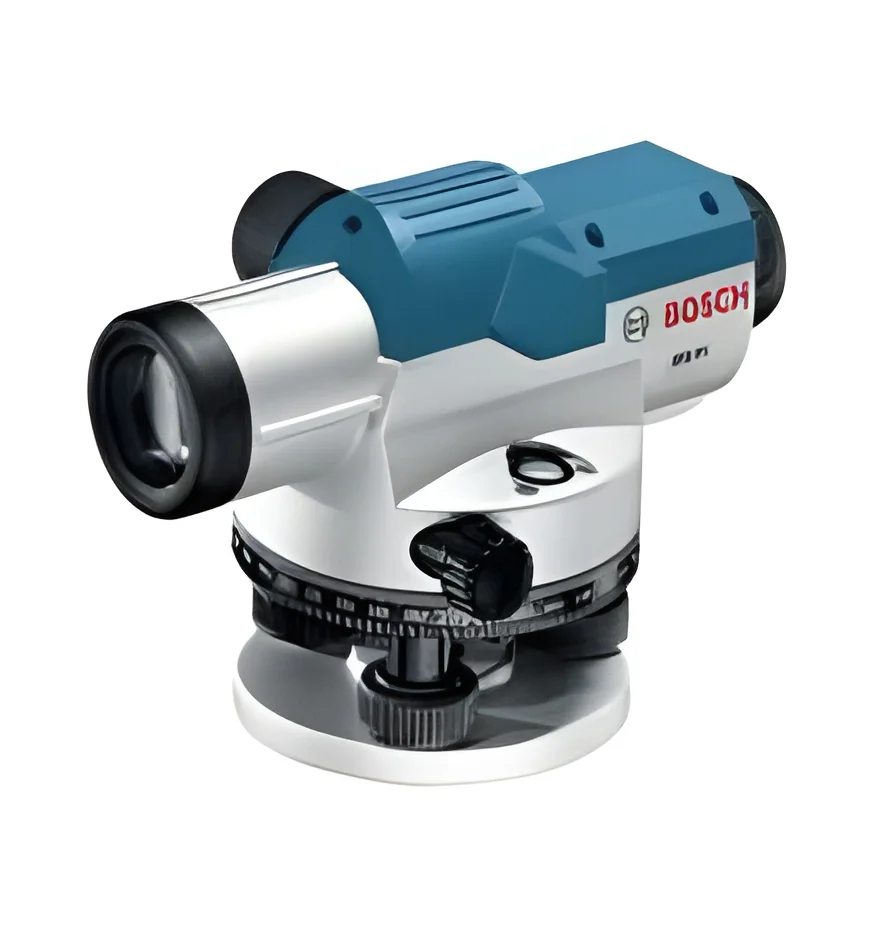
A theodolite is a precision optical instrument used in surveying and construction to measure horizontal and vertical angles. It typically consists of a telescope mounted on a base, which can rotate both horizontally and vertically. Theodolites are fundamental tools in the field of geodesy, allowing for accurate measurements that are crucial for various applications.
The primary uses of theodolites include land surveying, construction layout, and engineering projects. Surveyors utilize these instruments to establish property boundaries, determine elevation, and create topographical maps. In construction, theodolites ensure that structures are built according to specified angles and slopes, which is essential for both safety and functionality. The increasing demand for infrastructure development worldwide enhances the relevance of theodolites in modern industries, making them indispensable in the surveying and construction sectors.
Key Features and Specifications
Theodolites come with various features and specifications designed to enhance accuracy, durability, and usability. Understanding these specifications is vital for selecting the appropriate model for specific applications.
Key specifications include:
1. Measurement Accuracy
- Typically within a range of ±1 second to ±5 seconds
- Higher accuracy options available for specialized applications
2. Telescope Magnification
- Commonly ranges from 20x to 50x
- Higher magnifications can improve visibility over long distances
3. Angle Measurement Type
- Electronic models provide digital readings
- Optical models use graduated circles for manual readings
4. Vertical Circle Reading
- Available in both direct and inverted reading options
- Essential for ease of use depending on user preference
5. Leveling System
- Most theodolites feature automatic and manual leveling options
- Ensures precision during measurements
6. Durability Rating
- Many models are built to withstand harsh environmental conditions
- Look for IP ratings that indicate resistance to dust and water
7. Battery Life
- Electronic models typically offer several hours of continuous use
- Rechargeable options available for convenience
8. Weight and Portability
- Theodolites vary in weight from lightweight models for easy transport
- Heavier models may offer enhanced stability for field measurements
In summary, selecting the right theodolite requires careful consideration of its specifications, ensuring it meets the demands of its intended use while providing the necessary accuracy and reliability.
Common Applications and Use Cases
Theodolites serve a wide range of industries, each utilizing the instrument for specific tasks.
1. Construction: In construction, theodolites are essential for laying out buildings, roads, and bridges, ensuring that structures are aligned and leveled according to design specifications.
2. Civil Engineering: Civil engineers use theodolites for project planning and execution, performing detailed surveys to assess land and design infrastructures such as dams and highways.
3. Mining: In mining operations, theodolites assist in mapping and measuring mineral deposits, ensuring safe and efficient extraction processes.
4. Environmental Studies: Researchers use theodolites to measure and monitor land changes, assisting in environmental impact assessments and conservation efforts.
5. Agriculture: Theodolites help in land surveying for agricultural planning, facilitating accurate plotting of fields, irrigation systems, and crop management.
6. Astronomy: Astronomers leverage theodolites for celestial observations, allowing for precise tracking of stars and planets.
7. Marine Navigation: In marine applications, theodolites are utilized for coastal surveys and navigation, ensuring safe passage for vessels.
Product Variants and Subcategories
Theodolites come in various models, each designed to meet specific needs and applications.
Digital Theodolites
Digital models provide electronic readouts of angles, enhancing accuracy and reducing human error. These are typically favored for their ease of use and quick data processing capabilities.
Optical Theodolites
Optical versions rely on traditional sighting techniques, offering robust functionality in environments where electronic devices may face limitations. These models are often more affordable and simple to operate.
Laser Theodolites
Laser-equipped models enhance visibility and accuracy, particularly in challenging lighting conditions. They are often used in construction and engineering for precise alignment and measurements over long distances.
Benefits and Advantages
Theodolites offer a range of benefits that make them essential tools in surveying and construction.
1. High Accuracy: Theodolites provide precise angle measurements, critical for achieving accurate survey results and successful project outcomes.
2. Versatility: These instruments can be used across various industries, making them valuable for different applications, from construction to environmental studies.
3. Time Efficiency: Electronic models allow for quicker data collection and processing, enhancing productivity on job sites.
4. Enhanced Visibility: With features like telescopes and lasers, theodolites can function effectively in various lighting conditions, improving usability.
5. Durability: Many theodolites are designed to withstand harsh environments, ensuring reliability in field conditions.
6. User-Friendly Designs: Modern theodolites often incorporate intuitive interfaces and digital readouts, making them accessible to both seasoned professionals and newcomers.
Buying Guide for B2B Buyers
When sourcing theodolites, several factors are crucial for making an informed decision.
1. Quality Assessment: Evaluate the build quality and materials used in the theodolite's construction. Look for instruments that meet industry standards to ensure reliability and longevity.
2. Supplier Verification: Conduct thorough background checks on suppliers. Verify their reputation, product quality, and after-sales support to ensure you are buying from a trustworthy source.
3. Pricing and MOQ: Understand the price range for different models and the minimum order quantity (MOQ) required. This will help you budget effectively and avoid unexpected costs.
4. Delivery and Lead Times: Inquire about lead times for delivery to ensure that the equipment can be obtained in a timely manner, especially for projects with tight deadlines.
5. Compliance Requirements: Be aware of any regulatory or compliance standards that apply to theodolites in your region. Ensure that the products you source meet all necessary certifications and safety standards.
Compliance and Certifications
Theodolites must adhere to various quality standards to ensure reliability and safety. Relevant standards include ISO 9001, which focuses on quality management systems, ensuring that manufacturers maintain high quality in their processes.
Additionally, the CE mark indicates compliance with European health, safety, and environmental protection standards. This certification assures users that the equipment meets stringent European safety requirements.
Manufacturers may also follow specific testing protocols to ensure that their products perform accurately under various conditions. Compliance with these standards is crucial for maintaining credibility in the market and ensuring user safety.
Regional compliance considerations may vary based on local regulations. It is advisable to check for any specific compliance requirements that may apply in your region before making a purchase.
Why Source Theodolites from Pepagora?
Pepagora provides a trusted platform for sourcing theodolites, offering several key advantages that facilitate a seamless buying experience.
Verified Supplier Network: Pepagora ensures that all suppliers in its network are thoroughly vetted. This verification process guarantees that buyers can trust the quality of the products they are purchasing.
Streamlined RFQ Process: The Request for Quotation (RFQ) system simplifies the sourcing process. Buyers can easily submit their requirements and receive competitive quotes from multiple suppliers, saving time and effort.
Trade Assurance and Support: Pepagora offers trade assurance to protect buyers, ensuring that their transactions are secure. This support builds confidence in the purchasing process, allowing buyers to focus on their projects.
Regional Coverage: With a strong presence in India, the GCC, and Southeast Asia, Pepagora connects buyers with suppliers across these regions. This geographic reach enhances access to a wide variety of theodolite models, catering to diverse needs and preferences.

Frequently Asked Questions
What are Theodolites?
Theodolites are precision instruments used for measuring angles in horizontal and vertical planes. They are commonly used in surveying, construction, and engineering applications to ensure accurate measurements and alignments.
What are the different types of Theodolites?
The main types of Theodolites include optical theodolites, digital theodolites, and total stations. Optical theodolites rely on manual readings, while digital theodolites provide electronic displays for easier measurements. Total stations combine the functions of a theodolite and an electronic distance measuring device.
How do I choose the right Theodolites?
Choosing the right theodolite depends on your specific needs, including the type of project and required precision. Consider factors like measurement range, accuracy, and whether you need additional features such as data storage or integration with other equipment.
What are the standard specifications for Theodolites?
Standard specifications for theodolites typically include measurement accuracy, minimum and maximum measuring angles, and level of magnification. Other important specifications may include weight, operating temperature range, and battery life for digital models.
What is the price range for Theodolites?
The price range for theodolites can vary widely based on brand, type, and features. Basic optical models may start at around INR 10,000, while advanced digital models and total stations can cost upwards of INR 1,00,000.
What quality standards apply to Theodolites?
Theodolites must meet various quality standards, such as ISO 17123, which defines performance characteristics for optical instruments. Additionally, manufacturers often adhere to national and international standards that ensure precision and reliability in measurement.
Where can I find Theodolites suppliers in India?
You can find theodolites suppliers in India through online B2B marketplaces, hardware stores, and specialized surveying equipment suppliers. Websites like Pepagora.com can help you connect with reputable manufacturers and suppliers in your area.
Can Theodolites be customized?
Yes, some manufacturers offer customization options for theodolites to meet specific project requirements. Customizations may include software modifications, additional attachments, or tailored specifications to enhance functionality.
What is the typical minimum order quantity for Theodolites?
The typical minimum order quantity (MOQ) for theodolites can vary among suppliers but generally ranges from 1 to 10 units. It's advisable to check with the specific supplier for their MOQ to ensure a smooth purchasing process.
What is the typical lead time for Theodolites?
The typical lead time for theodolites can range from a few days to several weeks, depending on the supplier's inventory and customization requirements. Always confirm lead times with your supplier to plan your projects accordingly.
Why Businesses Trust Pepagora
Thousands of companies trust Pepagora to source smarter and sell faster
Expand Your Sales Globally

Source Smarter,Grow Faster
