IN
IN₹
Apparel & Fashion
Description
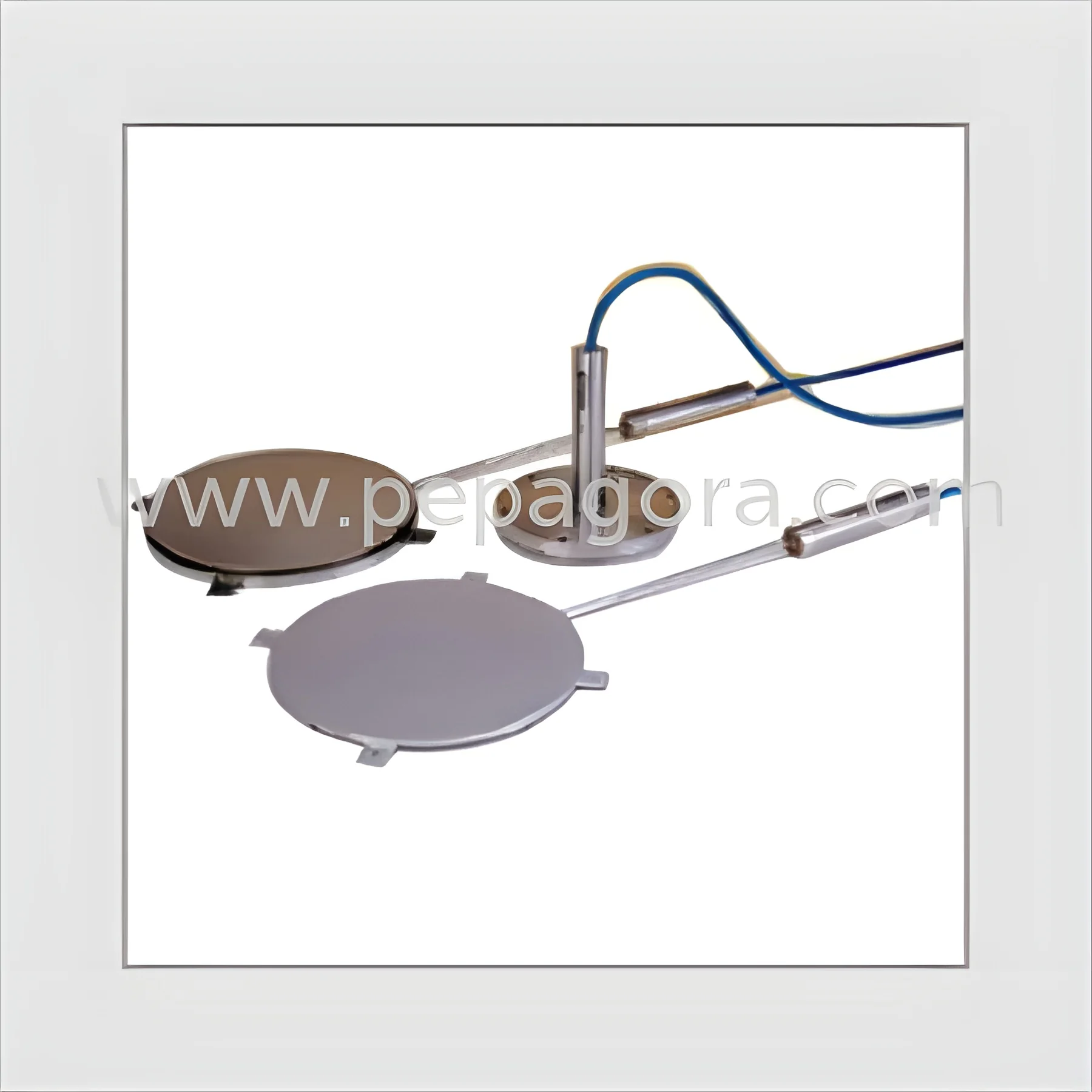
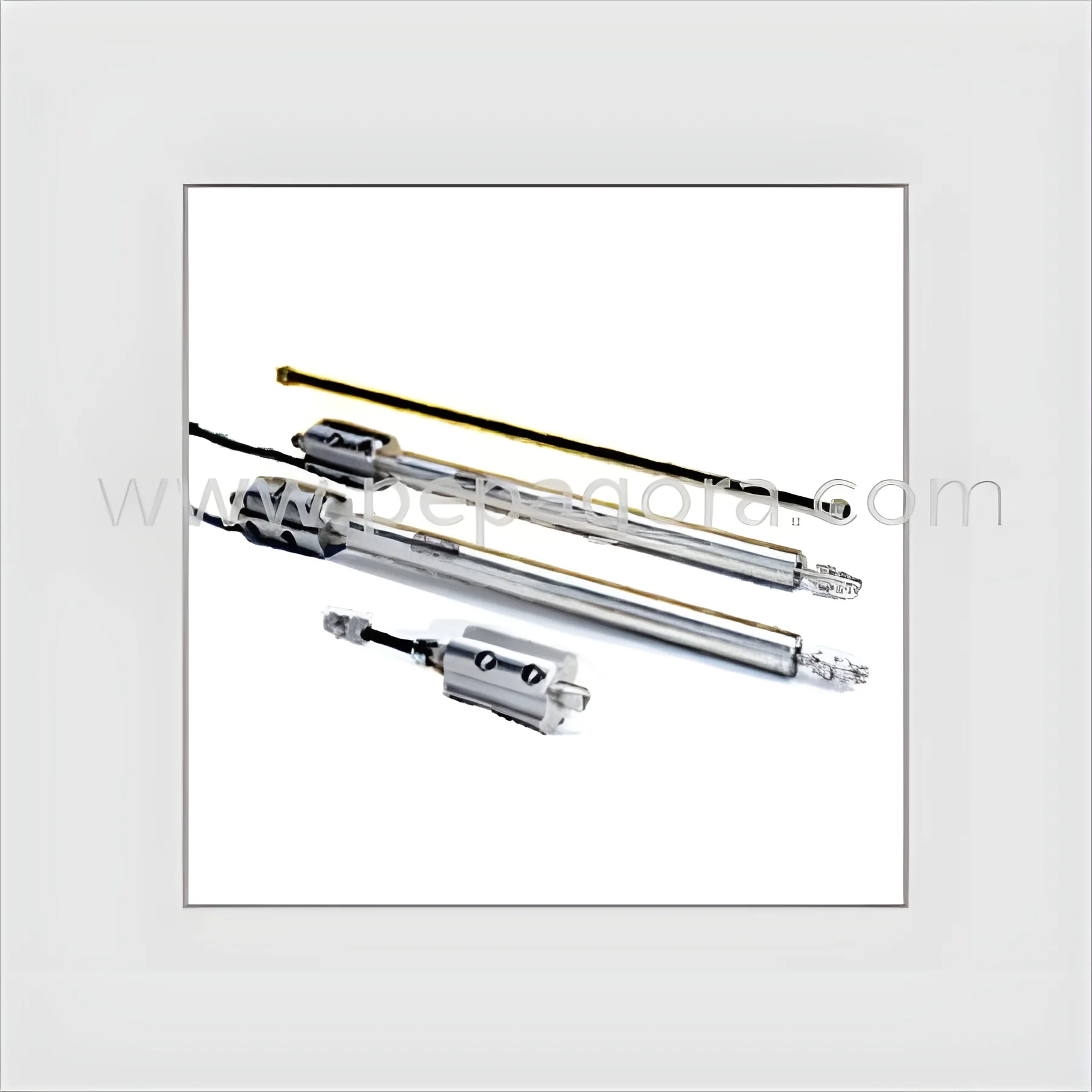
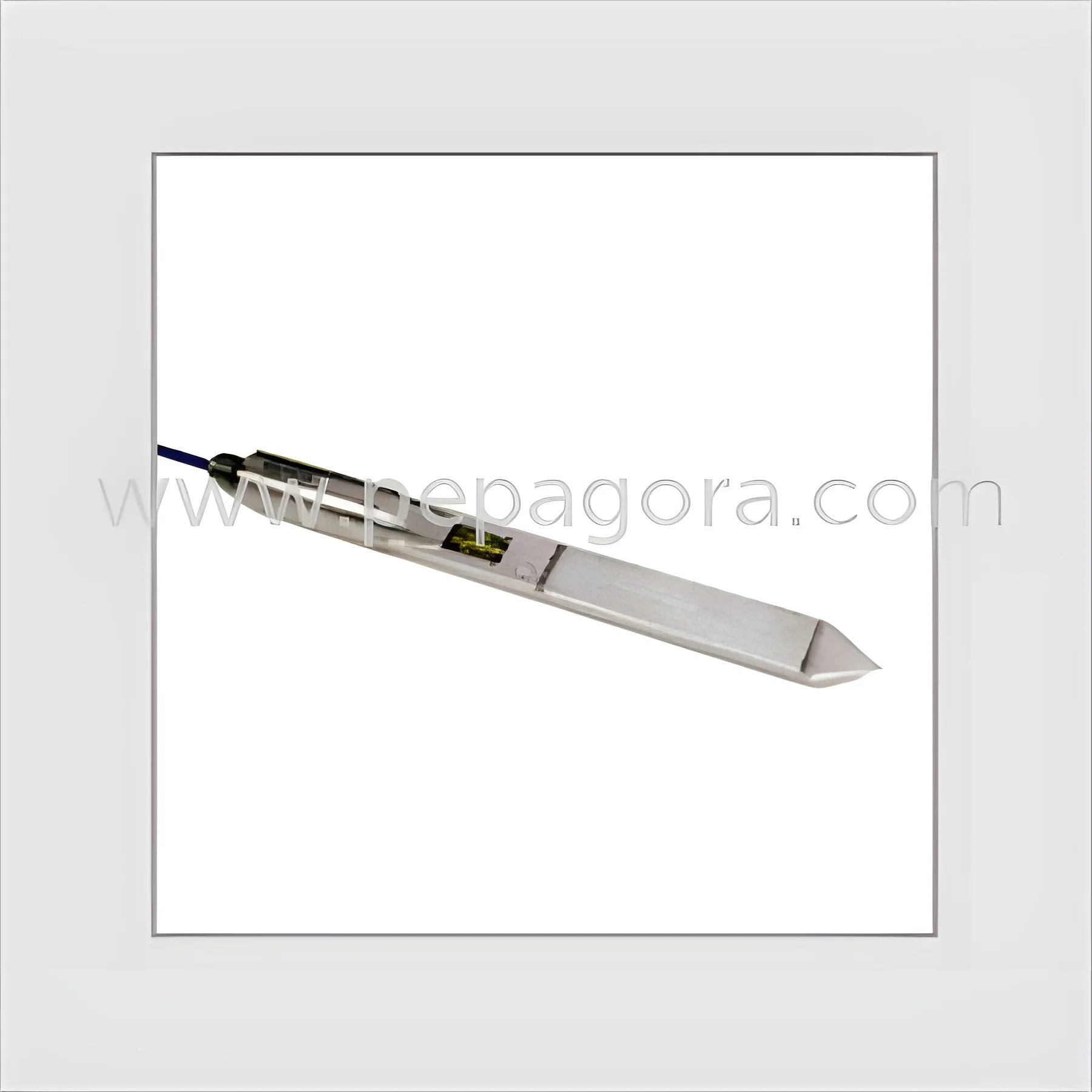
Geotechnical Monitoring Push In Pressure Cells are precision-engineered instruments designed for measuring total pressures in soils and earth fills. Their standout feature is the straightforward push installation method, which eliminates complex setup procedures while delivering reliable, accurate data in demanding field conditions. Built with robust materials to withstand harsh soil environments, these cells provide dependable readings for both temporary investigations and permanent monitoring installations. The design allows for integration with optional integral piezometers when pore water pressure and effective stress measurements are required, offering enhanced versatility for comprehensive geotechnical site analysis. Threaded ends facilitate easy installation using standard pipes and drill rods, ensuring adaptability to various project specifications and site constraints without needing specialized equipment.

These pressure cells serve indispensable roles across geotechnical eng...
Geotechnical Monitoring Push In Pressure Cells are precision-engineered instruments designed for measuring total pressures in soils and earth fills. Their standout feature is the straightforward push installation method, which eliminates complex setup procedures while delivering reliable, accurate data in demanding field conditions. Built with robust materials to withstand harsh soil environments, these cells provide dependable readings for both temporary investigations and permanent monitoring installations. The design allows for integration with optional integral piezometers when pore water pressure and effective stress measurements are required, offering enhanced versatility for comprehensive geotechnical site analysis. Threaded ends facilitate easy installation using standard pipes and drill rods, ensuring adaptability to various project specifications and site constraints without needing specialized equipment.

These pressure cells serve indispensable roles across geotechnical engineering, civil construction, and major infrastructure development. They are extensively deployed in projects involving highway and railway embankments, dam and levee constructions, tunneling operations, and deep foundation works. Environmental and geotechnical consulting firms utilize them for critical applications like landfill stability monitoring, slope integrity assessments, and embankment performance verification. The mining industry relies on them for monitoring pit wall stability, while urban development projects use them to verify foundation pressures beneath high-rise buildings and underground structures. Their application is fundamental to ensuring safety compliance, verifying design assumptions, and maintaining the structural integrity of earthworks and foundations across these diverse sectors.

Investing in these pressure cells delivers significant business value through proven reliability, operational efficiency, and risk reduction. Their robust construction ensures long-term durability with minimal maintenance, providing consistent performance and protecting your investment over time. The high accuracy of measurements helps prevent structural failures, saving substantial costs associated with repairs, project delays, and liability. The efficient push-in design drastically reduces installation time and labor expenses compared to traditional methods. Compatibility with standard drilling equipment eliminates the need for costly, specialized tools, streamlining project logistics. This combination of reliability, ease of use, and accurate data translates into enhanced project safety, optimized budgets, and a strong return on investment for professionals who demand dependable geotechnical instrumentation.

Key Features:
- Direct push installation design enables quick, straightforward deployment without complex machinery or extensive site preparation.
- Robust, durable construction using quality materials to withstand harsh soil conditions and ensure long-term reliability.
- Optional integral piezometer can be included for simultaneous measurement of pore water pressure and effective stress analysis.
- Threaded ends provide compatibility with standard pipes, drill rods, and installation equipment for flexible setup.
- Engineered for high accuracy in measuring total soil and earth fill pressures under various field conditions.

Benefits:
- Saves significant time and reduces labor costs through simple, fast installation that requires minimal specialized equipment.
- Delivers reliable, accurate pressure data critical for ensuring structural safety, compliance, and informed decision-making.
- Minimizes project risks and potential costs associated with structural failures by providing early warning of instability.
- Offers long-term durability and consistent performance with low maintenance needs, protecting your instrumentation investment.
- Provides versatile application across numerous geotechnical and construction scenarios, from foundations to slope monitoring.
Specifications
| Additional Information | |
|---|---|
| Country of Origin | India |
Application
Geotechnical Monitoring Push In Pressure Cells deliver critical data for soil stability and earth pressure measurement across construction and civil engineering projects. Their direct push installation simplifies deployment in various soil conditions without requiring complex machinery, making them suitable for rapid site assessments and long-term monitoring programs where time and accuracy are essential.
These instruments are vital for infrastructure projects requiring precise pressure readings in embankments, foundations, and retaining structures. Industries depend on them for safety compliance, risk mitigation, and ensuring structural integrity in challenging environments. Accurate earth pressure data is non-negotiable for project success, preventing costly failures and ensuring long-term stability of engineered structures.
- Monitoring lateral earth pressure in retaining walls during both construction phases and long-term operation.
- Measuring vertical stress in soil beneath foundations and embankments to analyze load distribution and settlement.
- Assessing pressure changes within earth fills during compaction processes and post-construction settlement.
- Evaluating total stress in landslide-prone areas and slopes for early warning systems and stability studies.
- Installing within dams, levees, and earth structures to monitor internal pressure variations and ensure ongoing structural safety.
Trade Details
| Available Stock | In Stock |
| Sample Availability | No |
Payment Terms
| Payment Terms |
|
Company Profile
Nic Jaipur, Rajasthan
 Rajasthan, India
Rajasthan, IndiaElectronics & Electrical•Manufacturer•Importer / Exporter
Factory Details
Factory SizeBelow 1000 sqm
Annual Production Capacity0
Geotechnical Monitoring Push In Pressure Cells For Soil Stability
Geotechnical Monitoring Push In Pressure Cells measure total soil and earth fill pressures with direct push installation. Ideal for soil stability monitoring with reliable accuracy and robust construction.
Min. Order Quantity: 1 unit
Shipping
Shipping fee and delivery date to be negotiated. Contact supplier now for more details.
Nic Jaipur
 Rajasthan, India
Rajasthan, IndiaElectronics & ElectricalManufacturer