
 IN
Dumpy Levels
2 products available
What are Dumpy Levels?
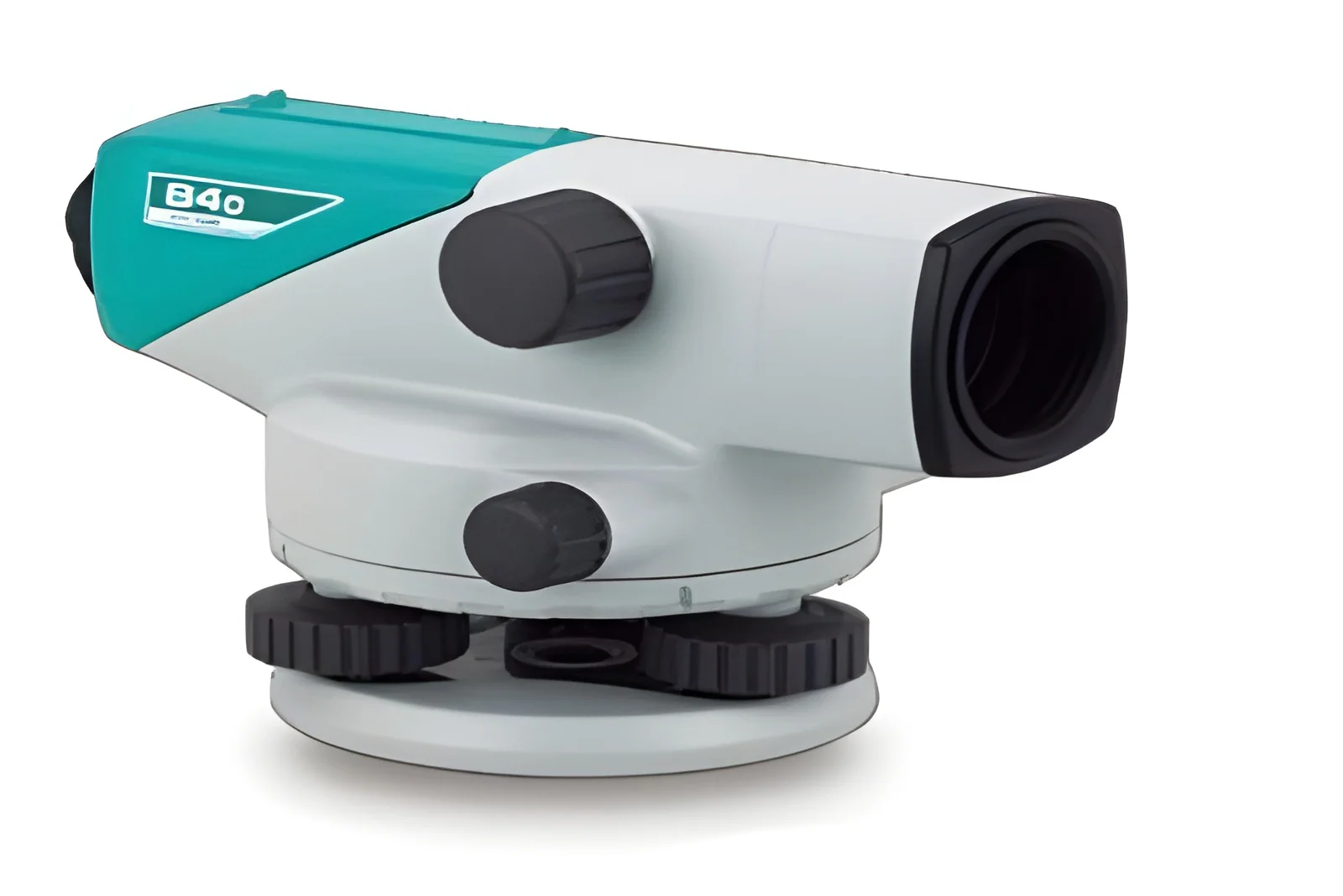
Dumpy levels are essential surveying instruments used primarily for establishing horizontal lines and measuring height differences across a variety of construction and engineering projects. They consist of a telescope mounted on a leveling base, which is designed to ensure stability and accuracy. The user looks through the telescope to align the instrument with a leveling staff or rod, allowing for precise readings of elevation or slope.
These tools are commonly employed in construction, land surveying, and civil engineering. They help in tasks such as grading, foundation laying, and road construction, where accurate level measurements are crucial. The use of dumpy levels enhances efficiency by enabling workers to quickly and accurately assess site elevations, making them a staple in the toolkit of construction professionals.
The demand for dumpy levels remains significant across industries that require precise measurement. With the ongoing expansion of infrastructure projects worldwide, the market for these instruments continues to grow. Organizations rely on high-quality dumpy levels to ensure compliance with industry standards and to achieve optimal results in their projects.
Key Features and Specifications
Dumpy levels come equipped with various features that enhance their functionality and reliability. Understanding these specifications is key to selecting the right instrument for specific applications.
Key specifications include:
1. Telescope Magnification
- Typically ranges from 20x to 32x
- Determines the clarity and detail of distant objects
2. Leveling Accuracy
- Accuracy is usually within ±2 mm at 100 m
- Essential for ensuring precise measurements in construction
3. Horizontal Circle
- Graduated in degrees for easy reading
- Allows for angular measurements when needed
4. Working Range
- Effective range generally extends to 100 m or more
- Important for large-scale projects requiring long-distance measurements
5. Weight
- Average weight ranges from 1.5 kg to 3 kg
- Portable design for easy transport to various job sites
6. Build Quality
- Often constructed from robust materials to withstand harsh conditions
- Weather-resistant models available for outdoor use
7. Adjustment Mechanism
- Fine and coarse adjustment knobs for precise calibration
- Facilitates quick setup and adjustments on site
8. Tripod Compatibility
- Designed to mount on standard tripods for stability
- Ensures ease of use in various terrains
These specifications collectively determine the performance and suitability of dumpy levels for specific applications, making it crucial for buyers to consider them carefully.
Common Applications and Use Cases
Dumpy levels find applications across multiple industries due to their versatility and reliability.
1. Construction: In building projects, dumpy levels are used for establishing foundation levels and ensuring structures are built to the correct height specifications.
2. Land Surveying: Surveyors utilize these instruments to measure land elevations and create accurate topographical maps, which are vital for land development and zoning.
3. Civil Engineering: Dumpy levels assist engineers in designing and constructing roadways, bridges, and other infrastructure, ensuring alignment and grading are precise.
4. Agriculture: Used in agricultural land leveling, these instruments help farmers achieve optimal drainage and irrigation, promoting better crop yields.
5. Landscaping: Landscape professionals use dumpy levels to create graded slopes and ensure proper alignment of outdoor features, enhancing aesthetic and functional design.
6. Mining: In mining operations, dumpy levels are used to measure and maintain the levels of excavated areas, ensuring safety and operational efficiency.
7. Environmental Surveys: They are employed in environmental assessments to gauge land elevations and monitor changes over time, aiding in conservation efforts.
Product Variants and Subcategories
Dumpy levels come in a few variants, each designed to meet specific needs in various applications.
Digital Dumpy Levels: These levels incorporate electronic measurement systems for quick readings. They often feature digital displays that enhance accuracy and reduce human error in reading measurements.
Optical Dumpy Levels: Traditional optical models provide reliable performance without electronic components. They are favored for their durability and simplicity in straightforward leveling tasks.
Automatic Dumpy Levels: These levels include self-leveling capabilities, which allow for quicker setup and adjustments. They are ideal for users who require efficiency in fast-paced projects.
Benefits and Advantages
The use of dumpy levels offers numerous benefits that enhance operational efficiency and measurement accuracy.
1. Precision Measurement: Dumpy levels provide highly accurate measurements, crucial for ensuring compliance with project specifications.
2. User-Friendly Design: Most models are designed for easy handling and operation, allowing even novice users to achieve reliable results.
3. Durability: Constructed to withstand challenging environments, dumpy levels are built for longevity, reducing the need for frequent replacements.
4. Portability: Their lightweight design makes it easy to transport dumpy levels between job sites, ensuring convenience for users.
5. Cost-Effectiveness: Reliable performance at a relatively low cost makes dumpy levels a budget-friendly choice for many businesses.
6. Versatility: Suitable for a wide range of applications across different industries, they can adapt to various project requirements.
Buying Guide for B2B Buyers
When sourcing dumpy levels, it is essential to consider several factors to ensure the right choice for your business needs.
1. Quality Assessment: Evaluate the materials and build quality of the dumpy levels. Look for models from reputable manufacturers to ensure durability and reliability.
2. Supplier Verification: Research and vet potential suppliers to confirm their credibility and track record. This helps in establishing a reliable partnership for ongoing needs.
3. Pricing and MOQ: Understand the pricing structure and minimum order quantities (MOQ) required by suppliers. This information is crucial for budgeting and inventory planning.
4. Delivery and Lead Times: Inquire about delivery schedules and lead times to ensure timely availability of instruments for your projects.
5. Compliance Requirements: Be aware of any regulatory or industry-specific compliance standards that dumpy levels must meet, such as safety certifications.
Compliance and Certifications
Dumpy levels are subject to various quality standards and certifications that ensure their reliability and safety in use.
ISO 9001 is a widely recognized standard that applies to quality management systems. Manufacturers of dumpy levels that comply with ISO 9001 demonstrate a commitment to maintaining high-quality production processes.
CE certification indicates that a product meets European safety and environmental requirements. Dumpy levels bearing this certification are deemed safe for use in relevant markets.
Safety and testing requirements are crucial to ensure that dumpy levels perform reliably under various conditions. Manufacturers often conduct rigorous testing to comply with industry standards.
Additionally, regional compliance considerations may apply depending on where the dumpy levels are used. It is essential for buyers to be aware of these requirements to ensure compliance and avoid potential issues.
Why Source Dumpy Levels from Pepagora?
Pepagora provides a trusted platform for sourcing dumpy levels, offering several key advantages that cater to B2B buyers.
Verified Supplier Network: Pepagora connects buyers with verified suppliers, ensuring that the products offered meet industry standards and quality expectations.
Streamlined RFQ Process: The quotation system allows buyers to request multiple quotes from different suppliers quickly, facilitating informed decision-making.
Trade Assurance and Support: Pepagora offers buyer protection through trade assurance policies, providing peace of mind during transactions and order fulfillment.
Regional Coverage: With a strong presence in India, GCC, and Southeast Asia, Pepagora ensures that buyers have access to a wide range of suppliers and products, streamlining the sourcing process across these regions.

Frequently Asked Questions
What are Dumpy Levels?
Dumpy levels are optical instruments used in construction and surveying to measure horizontal levels. They consist of a telescope mounted on a leveling base, allowing users to establish a horizontal line of sight and determine elevation differences accurately.
What are the different types of Dumpy Levels?
There are primarily two types of dumpy levels: automatic and manual dumpy levels. Automatic dumpy levels self-level using a compensator mechanism, while manual dumpy levels require the user to adjust the leveling screws to achieve a level line of sight.
How do I choose the right Dumpy Levels?
Choosing the right dumpy level depends on your specific surveying needs, budget, and the required accuracy. Consider factors such as the maximum distance for measurements, ease of use, and the environment where the instrument will be used.
What are the standard specifications for Dumpy Levels?
Standard specifications for dumpy levels generally include features such as magnification power, leveling accuracy, and range of measurement. Typical specifications may feature 20x to 32x magnification, an accuracy of ±2.5 mm at 1 km, and a working range of up to 300 meters.
What is the price range for Dumpy Levels?
The price range for dumpy levels can vary significantly based on brand, features, and quality. Generally, you can expect to pay anywhere from ₹5,000 to ₹25,000 or more for a quality dumpy level, with professional-grade models costing higher.
What quality standards apply to Dumpy Levels?
Dumpy levels are typically manufactured according to international quality standards, such as ISO 17123 for optical instruments. These standards ensure the instruments meet specific performance and durability criteria, providing reliable measurements.
Where can I find Dumpy Levels suppliers in India?
You can find dumpy levels suppliers in India through B2B marketplaces like Pepagora, trade shows, and local construction equipment suppliers. Online platforms allow you to compare various manufacturers and their offerings conveniently.
Can Dumpy Levels be customized?
Yes, some manufacturers offer customization options for dumpy levels, such as specialized features or branding. Customization may also include adjustments to specifications based on unique project requirements.
What is the typical minimum order quantity for Dumpy Levels?
The typical minimum order quantity (MOQ) for dumpy levels varies by supplier but often ranges from 5 to 10 units. It is advisable to check with the specific manufacturer or supplier for their MOQ policies.
What is the typical lead time for Dumpy Levels?
The typical lead time for dumpy levels can range from a few days to several weeks, depending on the supplier and stock availability. Custom orders may require longer lead times for production and delivery.
Why Businesses Trust Pepagora
Thousands of companies trust Pepagora to source smarter and sell faster
Expand Your Sales Globally

Source Smarter,Grow Faster
