
 IN
Measuring Wheels
4 products available
What are Measuring Wheels?
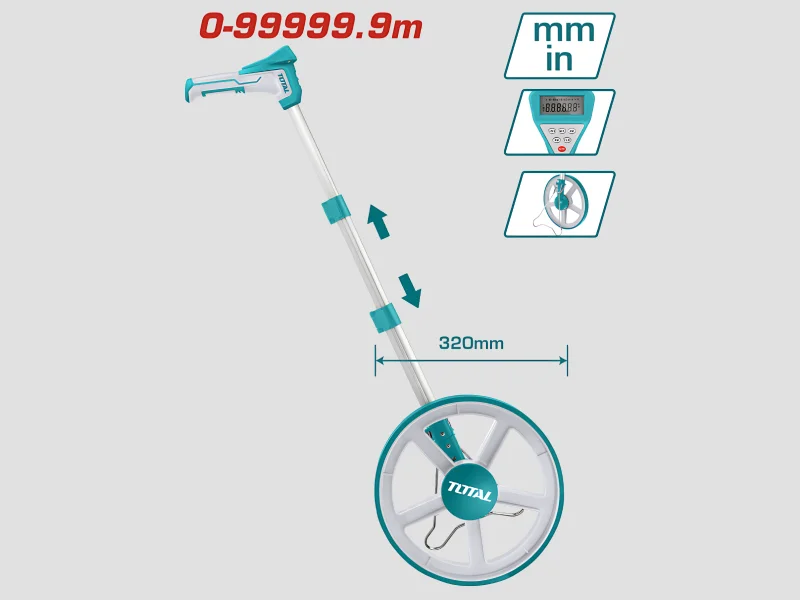
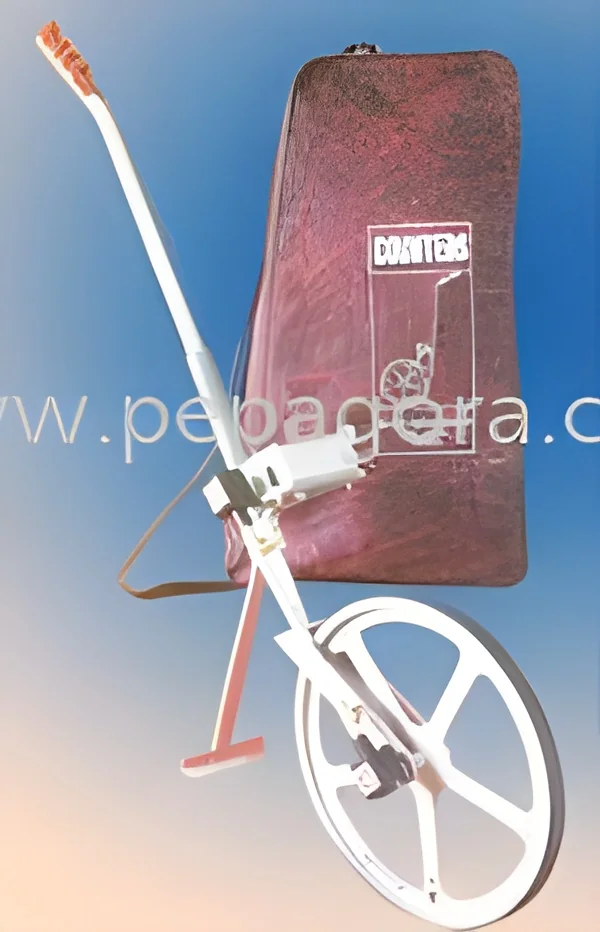
Measuring wheels are precision tools designed to measure distances accurately, often employed in various fields such as construction, surveying, and landscaping. These wheels consist of a wheel mounted on a handle, which the user rolls along the ground to register measurements. The wheel's rotation is typically counted and displayed on an integrated counter, allowing users to quickly and efficiently gauge distances over flat or uneven terrain.
In business applications, measuring wheels are essential for contractors who need to calculate project dimensions, landscapers planning layouts, and surveyors mapping land. Their portability and ease of use make them ideal for outdoor measurements where tape measures may fall short. As industries increasingly rely on precise measurements for project planning, the demand for measuring wheels continues to grow, establishing them as vital tools in the marketplace.
Key Features and Specifications
Measuring wheels come equipped with various features and specifications tailored for different applications. Understanding these aspects can help businesses select the right measuring wheel for their needs.
Key specifications include:
1. Wheel Diameter
- Typical sizes range from 12 to 16 inches.
- Larger diameters facilitate faster measurement over long distances.
2. Measurement Range
- Capable of measuring distances up to 10,000 feet.
- Some models can measure in both metric and imperial units.
3. Counter Type
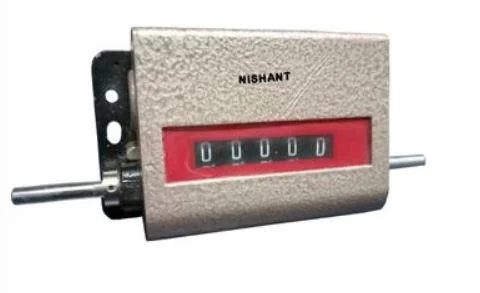
- Mechanical or digital counters are available.
- Digital counters provide more precise readings and easier visibility.
4. Weight Capacity
- Most measuring wheels can withstand weights of up to 250 pounds.
- Robust construction ensures durability in rugged environments.
5. Handle Design
- Ergonomic handles reduce user fatigue during prolonged use.
- Adjustable heights cater to different user preferences.
6. Material Construction
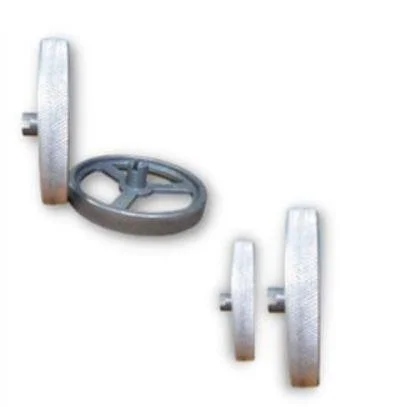
- Wheels may be made of plastic, fiberglass, or aluminum.
- Material choice impacts durability and weight.
7. Folding Mechanism
- Some models feature foldable designs for easy transport and storage.
- Compact designs are beneficial for mobile professionals.
8. Calibration Options
- Certain wheels allow for calibration adjustments for increased accuracy.
- Calibration is crucial for maintaining measurement precision.
These features collectively enhance the functionality of measuring wheels, making them indispensable tools across various industries.
Common Applications and Use Cases
Measuring wheels find utility across multiple sectors, providing essential measurement solutions.
1. Construction: In construction, measuring wheels help contractors determine site dimensions, plan layouts, and calculate material quantities. Their ease of use and portability are significant advantages on job sites.
2. Landscaping: Landscapers utilize measuring wheels to plan garden layouts and determine the size of areas needing sod or plants. Accurate distance measurement ensures efficient resource allocation.
3. Surveying: Surveyors rely on measuring wheels to measure land boundaries and distances between points. Their accuracy is crucial in creating precise maps and conducting land assessments.
4. Municipal Planning: City planners use measuring wheels to assess public spaces and infrastructure projects. They enable quick assessments of distances in urban environments.
5. Event Planning: Event coordinators use measuring wheels to layout event spaces, ensuring optimal placement of tents, stages, and seating. Accurate measurements enhance event logistics.
6. Sports and Recreation: Measuring wheels are commonly employed in sports to mark distances for events like track and field. They assist in setting up fields and ensuring compliance with regulations.
7. Education: Educational institutions may use measuring wheels for teaching purposes, helping students understand measurement concepts through practical applications.
Product Variants and Subcategories
Measuring wheels come in various designs, catering to different user needs and preferences.
Standard Measuring Wheel
This variant features a sturdy wheel and a simple counter, ideal for general-purpose measurements. It is lightweight and easy to handle, making it suitable for both professionals and casual users.
Heavy-Duty Measuring Wheel
Designed for rigorous use, this variant boasts a reinforced wheel and robust construction. It is perfect for construction sites where durability and extended measurement ranges are essential.
Compact Measuring Wheel
This smaller variant is highly portable and features a folding design. It is ideal for professionals on the go who need an easy-to-store option without compromising measurement accuracy.
Digital Measuring Wheel
This variant includes a digital display, offering precise readings and additional features such as distance tracking. It is suitable for users who require advanced functionality for complex measurements.
Benefits and Advantages
Investing in measuring wheels offers several advantages that can enhance operational efficiency.
1. Increased Accuracy: Measuring wheels provide precise distance measurements, reducing the likelihood of errors compared to manual methods.
2. Time Efficiency: Users can measure large distances quickly, significantly speeding up project timelines and improving productivity.
3. Portability: Their lightweight and compact designs make measuring wheels easy to transport to various job sites.
4. User-Friendly: The simple design and intuitive operation make these tools accessible for users of all skill levels.
5. Versatile Applications: Measuring wheels can be used in a wide range of industries, making them a valuable asset for diverse businesses.
6. Cost-Effective: With their durability and long lifespan, measuring wheels provide excellent value, reducing the need for frequent replacements.
Buying Guide for B2B Buyers
When sourcing measuring wheels, businesses should consider several key factors to ensure they select the right product for their needs.
1. Quality Assessment: Evaluate the construction quality and materials used in the measuring wheel. Higher quality wheels may offer greater durability and accuracy.
2. Supplier Verification: Research potential suppliers to ensure they have a reliable reputation and offer quality products. Check for reviews and testimonials from other buyers.
3. Pricing and MOQ: Compare pricing structures among suppliers and inquire about minimum order quantities to find a supplier that aligns with your budget and needs.
4. Delivery and Lead Times: Understand the expected delivery times and logistics involved. Timely delivery is crucial for maintaining project schedules.
5. Compliance Requirements: Ensure that the measuring wheels meet any relevant industry standards and regulations, which may vary by region.
Compliance and Certifications
Measuring wheels must adhere to specific quality standards and certifications to ensure reliability and safety in use. Commonly recognized standards include ISO 9001, which emphasizes quality management systems, and CE marking, indicating compliance with European health, safety, and environmental protection requirements.
Safety and testing requirements are also critical, ensuring that the measuring wheels perform as expected under various conditions. Buyers should verify that their chosen products meet these standards to avoid potential liabilities.
Additionally, regional compliance considerations may apply, depending on the market in which the measuring wheels will be used. Understanding these requirements is essential for businesses to avoid regulatory issues and ensure safe operation.
Why Source Measuring Wheels from Pepagora?
Pepagora offers a trusted platform for sourcing measuring wheels, providing numerous advantages to B2B buyers.
Verified Supplier Network: Pepagora has a robust network of verified suppliers, ensuring that businesses can source high-quality measuring wheels with confidence. Each supplier undergoes a thorough vetting process to ensure reliability.
Streamlined RFQ Process: The platform simplifies the request for quotation process, allowing buyers to easily compare prices and options from multiple suppliers. This efficiency saves time and enhances decision-making.
Trade Assurance and Support: Pepagora provides trade assurance, protecting buyers from potential risks. This support ensures that transactions are secure and that buyers receive the products as promised.
Regional Coverage: With a strong presence in India, the GCC, and Southeast Asia, Pepagora connects buyers with suppliers across a wide geographic area. This regional coverage facilitates smooth transactions and accessibility to a diverse range of measuring wheels.


Frequently Asked Questions
What are Measuring Wheels?
Measuring wheels are mechanical devices used for measuring distances. They consist of a wheel attached to a handle, allowing users to roll the wheel along a surface while recording the distance traveled.
What are the different types of Measuring Wheels?
There are several types of measuring wheels, including standard measuring wheels, digital measuring wheels, and compact measuring wheels. Each type is designed for specific applications, such as construction, landscaping, and surveying.
How do I choose the right Measuring Wheels?
Choosing the right measuring wheel depends on factors such as the distance you need to measure, the terrain, and the precision required. Consider features like wheel size, weight, and whether you prefer a manual or digital display.
What are the standard specifications for Measuring Wheels?
Standard specifications for measuring wheels typically include wheel diameter, measurement range, accuracy, and weight. Many models also feature a resettable counter and a comfortable grip for ease of use.
What is the price range for Measuring Wheels?
The price range for measuring wheels can vary widely based on features and brand, typically ranging from ₹1,500 to ₹15,000. Basic models are generally more affordable, while advanced digital models can be more expensive.
What quality standards apply to Measuring Wheels?
Measuring wheels should comply with quality standards such as ISO 9001 to ensure accuracy and durability. Additionally, manufacturers may follow industry-specific standards depending on the intended use of the measuring wheel.
Where can I find Measuring Wheels suppliers in India?
You can find measuring wheels suppliers in India through online B2B marketplaces like Pepagora.com. Additionally, local hardware stores and specialized measuring tools suppliers may also offer various models.
Can Measuring Wheels be customized?
Yes, some manufacturers offer customization options for measuring wheels, including branding, specific features, or tailored specifications. It is advisable to contact suppliers directly to discuss customization possibilities.
What is the typical minimum order quantity for Measuring Wheels?
The typical minimum order quantity (MOQ) for measuring wheels can vary by supplier, ranging from a single unit for retail buyers to larger quantities for wholesale orders. It is best to check with the supplier for their specific MOQ.
What is the typical lead time for Measuring Wheels?
The typical lead time for measuring wheels can range from a few days to several weeks, depending on the supplier's inventory and whether the order is customized. Always confirm lead times when placing an order.
Why Businesses Trust Pepagora
Thousands of companies trust Pepagora to source smarter and sell faster
Expand Your Sales Globally

Source Smarter,Grow Faster
