
 IN
Laser Distance Meters
1 products available
What are Laser Distance Meters?
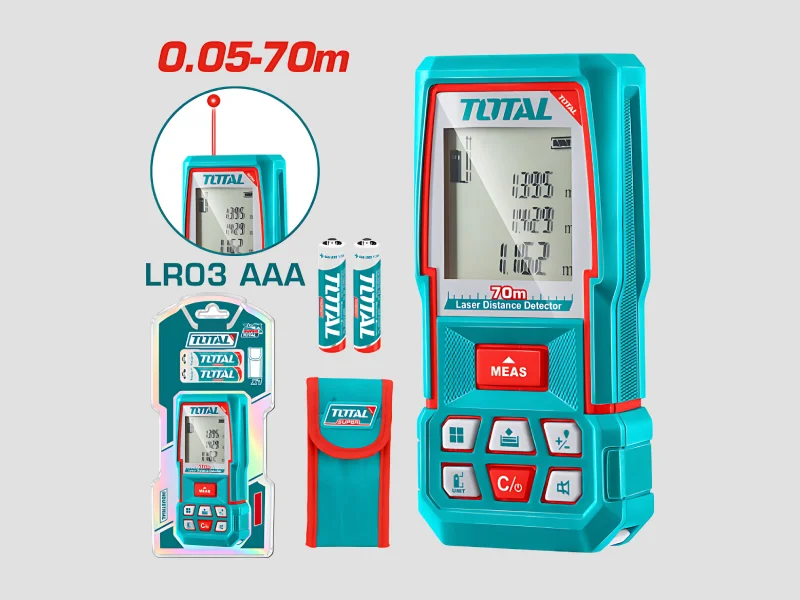
Laser distance meters are precision instruments used to measure distances accurately using laser technology. These devices emit a laser beam that reflects off a target, calculating the distance based on the time it takes for the light to return. Unlike traditional tape measures, laser distance meters provide quick and accurate measurements, eliminating the need for manual calculations and reducing the potential for human error.
These devices are widely used in various business applications, including construction, real estate, and manufacturing. In construction, they help in surveying land, calculating material needs, and determining space requirements. In real estate, laser distance meters are valuable for measuring property dimensions and creating floor plans. The efficiency and accuracy of these tools have made them essential in multiple industries, facilitating better project management and operational efficiency.
The market for laser distance meters is continually growing, driven by advancements in technology and the increasing demand for precision measurement tools. As industries evolve, the need for accurate and efficient measuring solutions becomes more critical, positioning laser distance meters as a vital component in modern measurement practices.
Key Features and Specifications
Laser distance meters come with a range of features and specifications that enhance their functionality and usability. These devices are designed for ease of use while providing accurate measurements, making them suitable for professionals in various fields.
Key specifications include:
1. Measurement Range
- Typically ranges from a few centimeters to several hundred meters, depending on the model.
- High-end models can measure distances over 1000 meters.
2. Measurement Accuracy
- Accuracy is usually within +/- 1-3 mm, ensuring reliable results for precise applications.
- Some advanced models offer even greater accuracy.
3. Display Type
- Most devices feature an easy-to-read digital display, often with backlighting for visibility in low-light conditions.
- Some models include touchscreen interfaces for enhanced usability.
4. Power Source
- Battery-operated, commonly using rechargeable lithium-ion batteries.
- Battery life can vary, with some models offering extended usage between charges.
5. Units of Measurement
- Supports multiple units, including meters, feet, and inches, catering to different user preferences.
- Quick switch between units is generally available.
6. Additional Functions
- Many laser distance meters include functions like area calculation, volume measurement, and continuous measurement mode.
- Some models offer Bluetooth connectivity for data transfer to other devices.
7. Durability
- Often designed to be rugged and withstand harsh conditions, with IP ratings indicating water and dust resistance.
- Some models are shock-resistant to endure drops and impacts.
8. Weight and Portability
- Lightweight designs make them easy to carry, often fitting comfortably in a pocket or tool belt.
In summary, the features and specifications of laser distance meters make them versatile tools that can meet the needs of a wide range of users, enhancing productivity and accuracy in measurement tasks.
Common Applications and Use Cases
Laser distance meters find application across various industries, making them indispensable tools for professionals.
1. Construction: In construction projects, laser distance meters are used for site measurements, layout planning, and determining material quantities. They streamline the measuring process, allowing for quicker decision-making.
2. Real Estate: Real estate agents utilize laser distance meters for accurate property measurements, helping to create floor plans and assess property values. Their precision aids in making informed sales decisions.
3. Manufacturing: In manufacturing, these devices assist in quality control and production line measurements. They help ensure that components are manufactured to the correct specifications.
4. Interior Design: Interior designers use laser distance meters to measure spaces accurately, allowing for optimal layout planning and furniture placement. This ensures that designs are both functional and aesthetically pleasing.
5. Landscaping: Landscapers employ laser distance meters to measure land dimensions and plan outdoor spaces effectively. Accurate measurements help in creating designs that fit well within the available space.
6. Facility Management: Facility managers use these meters for space audits and maintenance planning. They assist in evaluating the physical layout for efficient space utilization.
7. Surveying: Surveyors rely on laser distance meters for precise land measurements and mapping. Their accuracy is essential for creating reliable survey data.
Product Variants and Subcategories
Laser distance meters come in various models, catering to different user needs and preferences. While specific subcategories are not available, there are several notable variants based on features and functionalities.
Basic Laser Distance Meter
This variant offers essential measuring functions, ideal for users who require straightforward distance measurements without advanced features. It is typically lightweight and easy to operate, making it perfect for casual users or small projects.
Advanced Laser Distance Meter
This model includes additional functions such as area and volume calculations, making it suitable for professionals in construction and real estate. Its enhanced features cater to users who need more than just basic measurements, providing greater versatility.
Bluetooth Laser Distance Meter
Equipped with Bluetooth technology, this variant allows users to transfer measurement data to smartphones or tablets. It is particularly useful for professionals who need to compile data for reports or presentations, enhancing productivity and efficiency.
Compact Laser Distance Meter
Designed for portability, this model is lightweight and easy to carry, making it suitable for on-the-go measurements. It is ideal for contractors and field workers who need a reliable measuring tool without added bulk.
Benefits and Advantages
Using laser distance meters offers numerous benefits that enhance measurement accuracy and efficiency.
1. Increased Accuracy: Laser distance meters provide precise measurements, reducing human error associated with traditional measuring tools. This accuracy is vital in professional settings where exact distances are crucial.
2. Time Efficiency: These devices significantly reduce the time needed for measurements, allowing users to complete tasks more quickly. This efficiency translates to increased productivity on job sites.
3. Versatility: Laser distance meters can measure various distances and perform multiple calculations, making them suitable for various applications. This versatility means fewer tools are needed for different tasks.
4. Ease of Use: Many models feature intuitive interfaces and straightforward operation, allowing users to take measurements with minimal training. This user-friendliness is beneficial for both experienced professionals and novices.
5. Portability: Most laser distance meters are compact and lightweight, enabling easy transport to different job sites. Their portability ensures that users can always have a reliable measuring tool on hand.
6. Data Management: Advanced models with Bluetooth connectivity allow for easy data transfer and management. This feature facilitates better project tracking and reporting for professionals.
Buying Guide for B2B Buyers
When sourcing laser distance meters, several factors should be considered to ensure the selection of the right tool for specific needs.
1. Quality Assessment: Evaluate the build quality and accuracy of the laser distance meter. Look for models from reputable manufacturers that adhere to industry standards, ensuring reliability and durability.
2. Supplier Verification: It is essential to vet suppliers thoroughly before making a purchase. Check for their reputation in the market, customer reviews, and their ability to meet delivery timelines.
3. Pricing and MOQ: Understand the pricing structures and minimum order quantities offered by suppliers. This information is crucial for budgeting and ensuring that the purchase aligns with financial constraints.
4. Delivery and Lead Times: Consider the logistics of delivery, including lead times. Ensure that the supplier can meet your deadlines, especially for urgent projects that require timely access to tools.
5. Compliance Requirements: Be aware of any regulatory standards applicable to laser distance meters in your industry. Ensuring compliance with these standards can help avoid legal issues and enhance product reliability.
Compliance and Certifications
Laser distance meters must adhere to various quality standards and regulations to ensure their reliability and safety in industrial applications. One of the primary standards is ISO 9001, which outlines quality management systems that enhance customer satisfaction through effective quality control processes.
Additionally, many laser distance meters are certified with the CE mark, indicating compliance with European health, safety, and environmental protection standards. This certification is crucial for products being sold in the European market, as it assures buyers of the product's safety and reliability.
Safety testing requirements also play a significant role in the compliance of laser distance meters. These devices must undergo rigorous testing to ensure they are safe for use in various environments. Furthermore, regional compliance considerations may vary, making it essential for buyers to understand local regulations regarding measurement tools and equipment.
Why Source Laser Distance Meters from Pepagora?
Pepagora provides a trusted platform for sourcing laser distance meters, offering several advantages that facilitate seamless transactions for B2B buyers.
Verified Supplier Network: Pepagora ensures that all suppliers are thoroughly vetted, providing buyers with confidence in the quality of products and the reliability of service. This verification process helps mitigate risks associated with sourcing tools.
Streamlined RFQ Process: The platform features an efficient Request for Quotation (RFQ) system, allowing buyers to request quotes from multiple suppliers easily. This system simplifies the purchasing process and enables buyers to compare pricing and features effectively.
Trade Assurance and Support: Pepagora offers trade assurance, protecting buyers from potential issues during transactions. Their dedicated support team is available to assist with any inquiries or concerns, ensuring a smooth sourcing experience.
Regional Coverage: With a strong presence in India, the GCC, and Southeast Asia, Pepagora provides extensive geographic reach. This coverage enables buyers to connect with local suppliers and access laser distance meters tailored to their regional needs, enhancing convenience and efficiency in sourcing.

Frequently Asked Questions
What are Laser Distance Meters?
Laser Distance Meters are electronic devices that use laser technology to measure distances accurately. They are commonly used in construction, surveying, and various industrial applications due to their precision and ease of use.
What are the different types of Laser Distance Meters?
Laser Distance Meters can be categorized into several types, including handheld models, professional-grade meters, and remote measurement devices. Each type varies in features, measurement range, and accuracy to suit different applications.
How do I choose the right Laser Distance Meters?
To select the right Laser Distance Meter, consider factors such as measurement range, accuracy, and additional features like Bluetooth connectivity or area calculation. Assess your specific needs and the environment in which you will use the device.
What are the standard specifications for Laser Distance Meters?
Standard specifications for Laser Distance Meters typically include measurement range, accuracy, battery life, and display type. Some models may also feature IP ratings for water and dust resistance, which is essential for outdoor use.
What is the price range for Laser Distance Meters?
The price range for Laser Distance Meters can vary significantly based on features and brand, typically starting from around INR 2,000 for basic models to INR 20,000 or more for advanced professional-grade devices.
What quality standards apply to Laser Distance Meters?
Laser Distance Meters are subject to quality standards such as ISO and IEC certifications, which ensure reliability and safety. Manufacturers often adhere to these standards to maintain product quality and performance.
Where can I find Laser Distance Meters suppliers in India?
You can find Laser Distance Meters suppliers in India through various online B2B marketplaces like Pepagora.com, industry trade shows, and local electronics suppliers. Researching and comparing suppliers can help you find the best options.
Can Laser Distance Meters be customized?
Yes, some manufacturers offer customization options for Laser Distance Meters. Custom features may include specific measurement capabilities, branding, or unique software integrations to meet particular business needs.
What is the typical minimum order quantity for Laser Distance Meters?
The typical minimum order quantity (MOQ) for Laser Distance Meters varies by supplier but generally ranges from 10 to 50 units. It is advisable to check with specific manufacturers or suppliers for their MOQ policies.
What is the typical lead time for Laser Distance Meters?
The typical lead time for Laser Distance Meters can vary depending on the supplier and order size, usually ranging from 7 to 30 days. Factors such as customization and stock availability may also influence delivery times.
Why Businesses Trust Pepagora
Thousands of companies trust Pepagora to source smarter and sell faster
Expand Your Sales Globally

Source Smarter,Grow Faster
