𝗪𝗵𝗮𝘁 𝗮𝗿𝗲 𝗚𝗮𝗿𝗮𝗴𝗲 & 𝗪𝗼𝗿𝗸𝘀𝗵𝗼𝗽 𝗘𝗾𝘂𝗶𝗽𝗺𝗲𝗻𝘁?
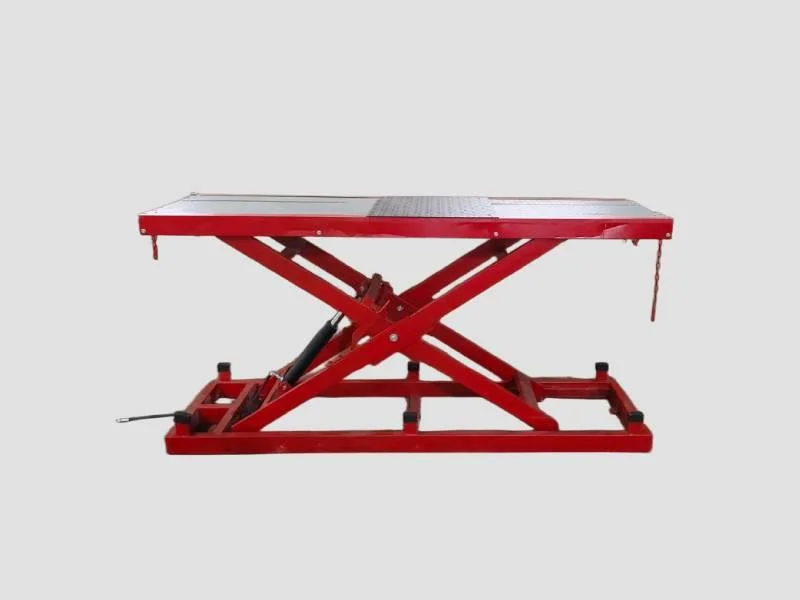
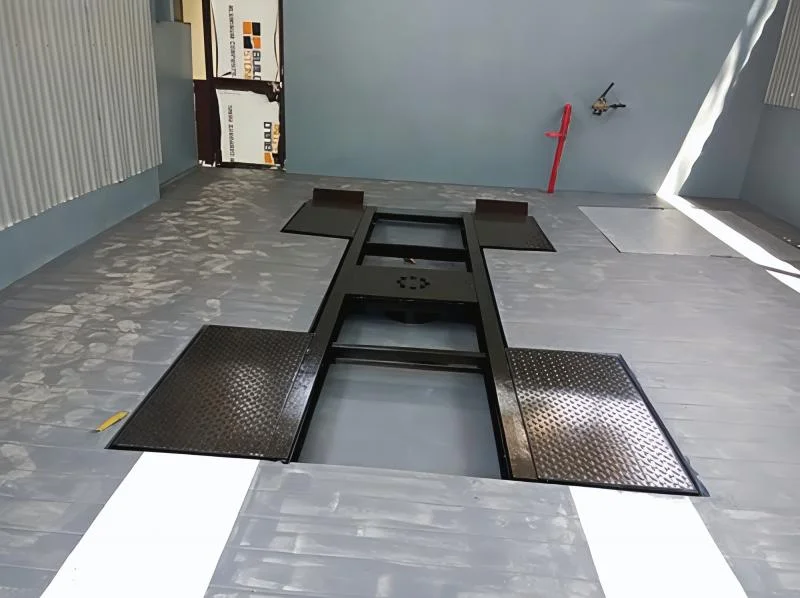
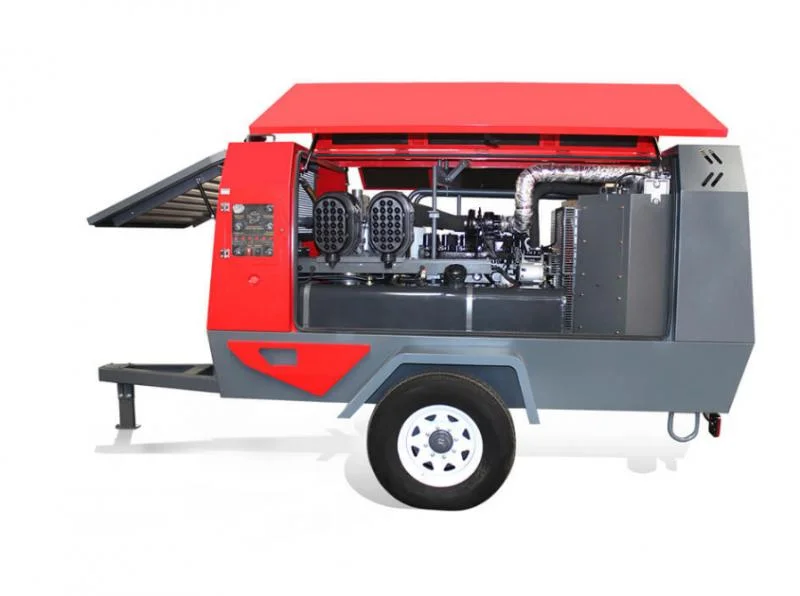
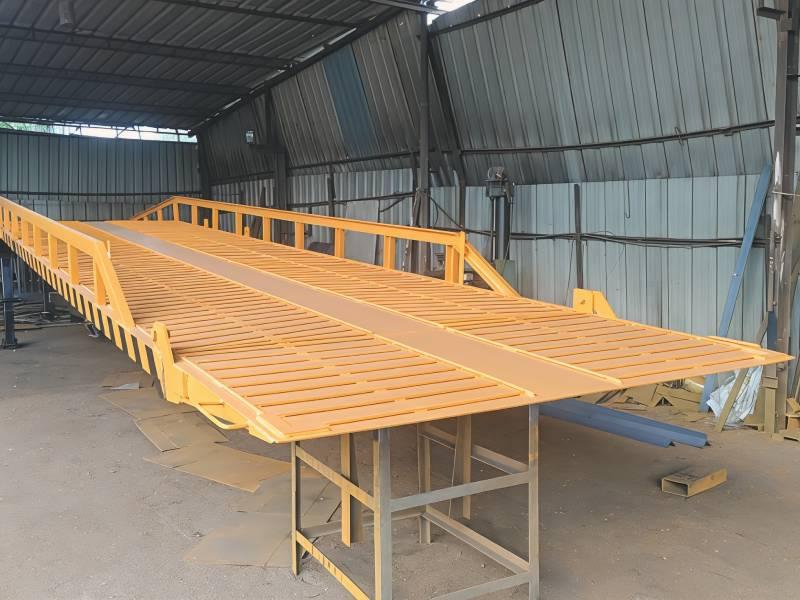
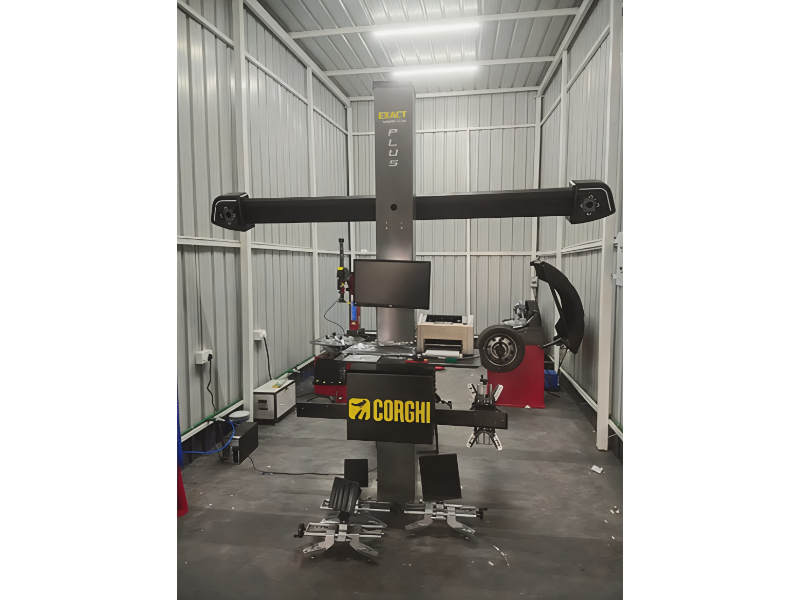
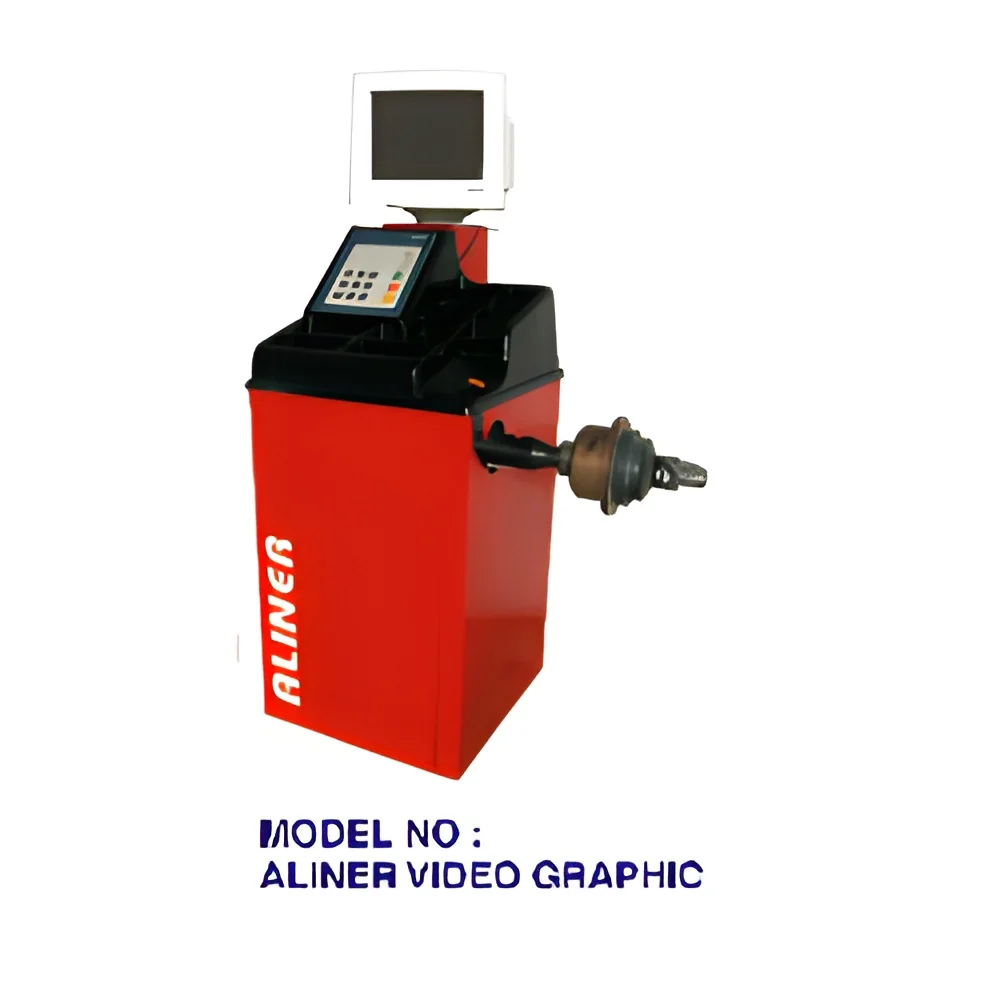
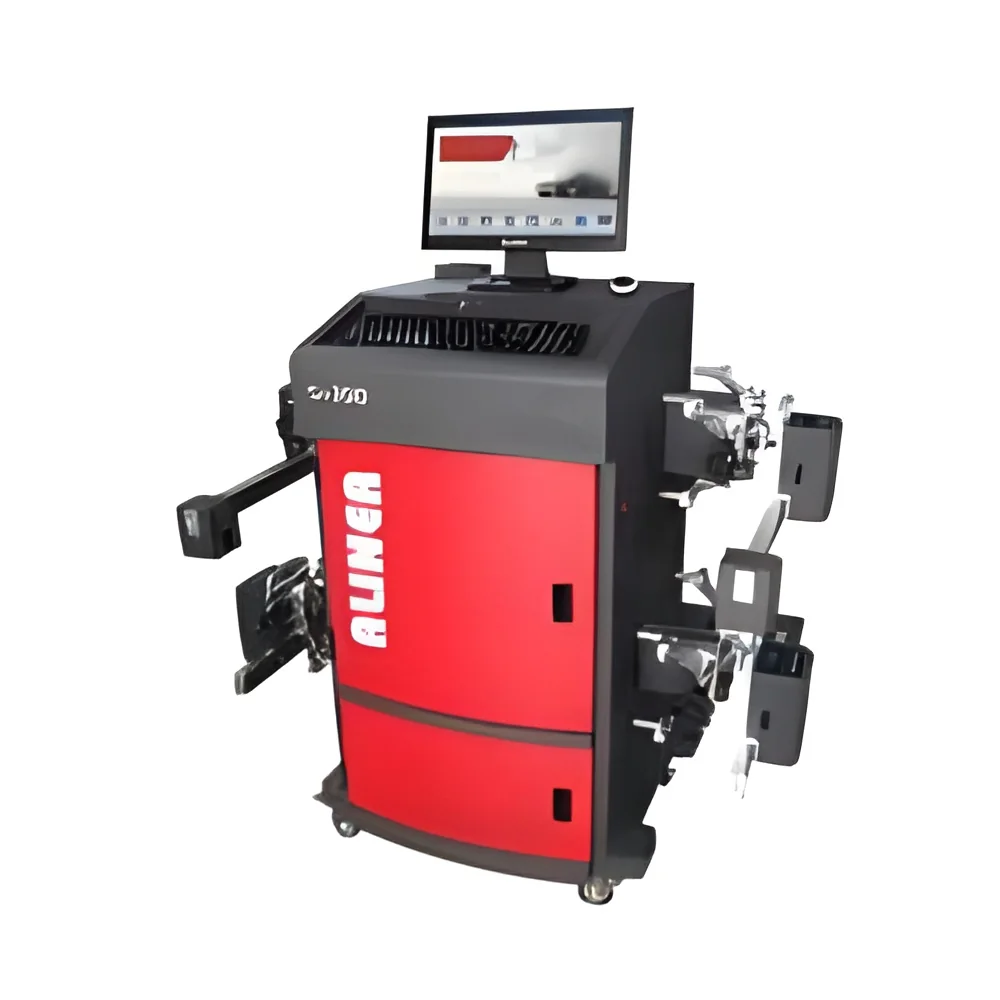
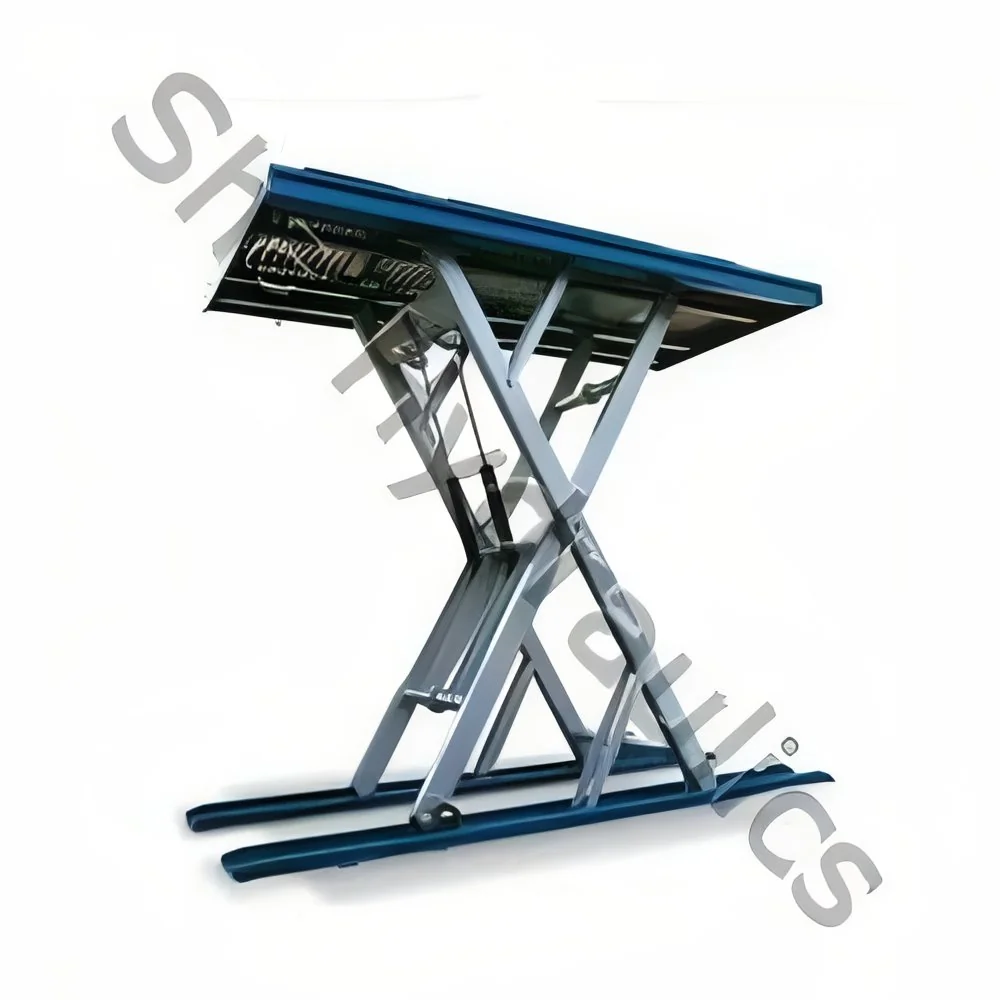
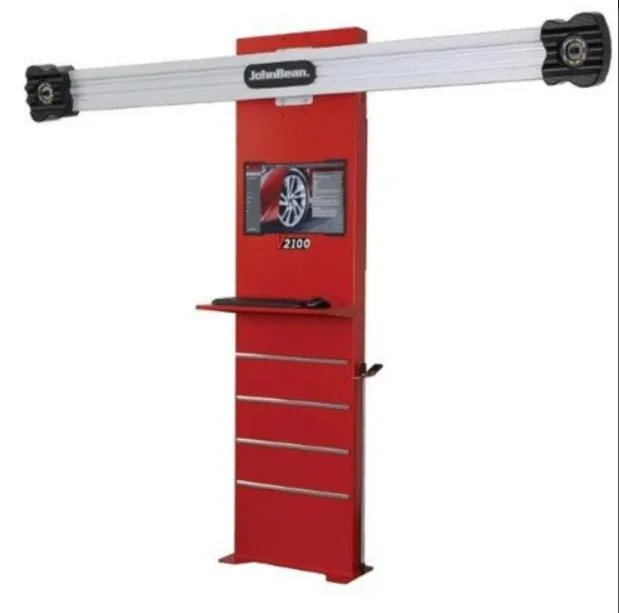
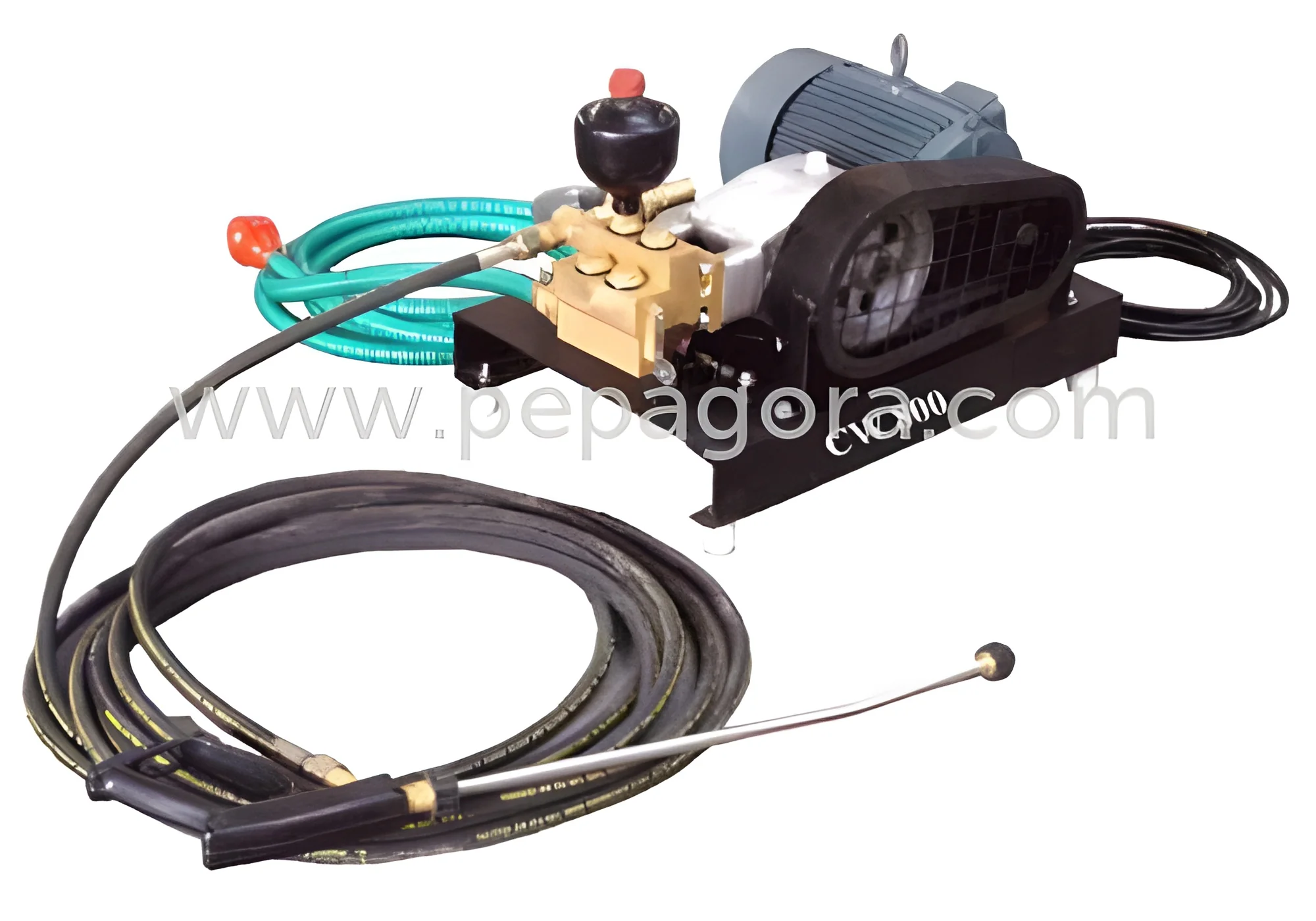
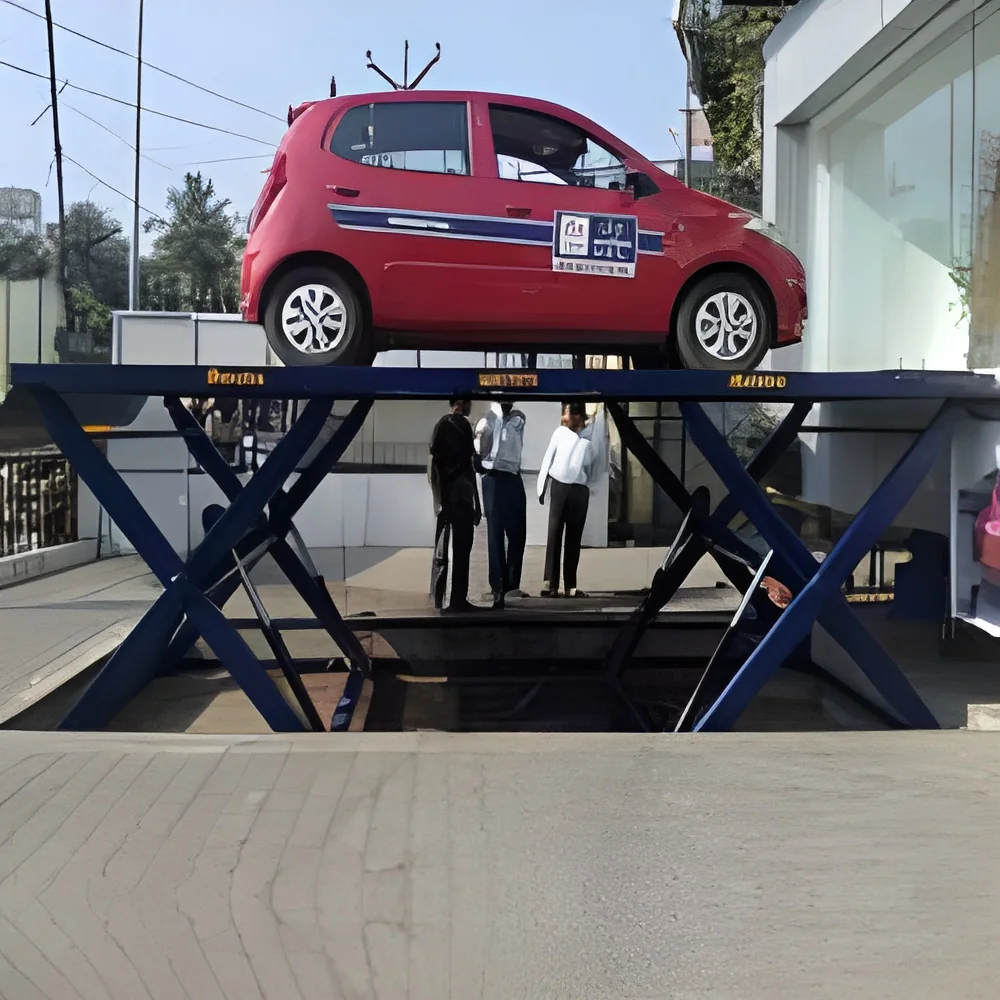
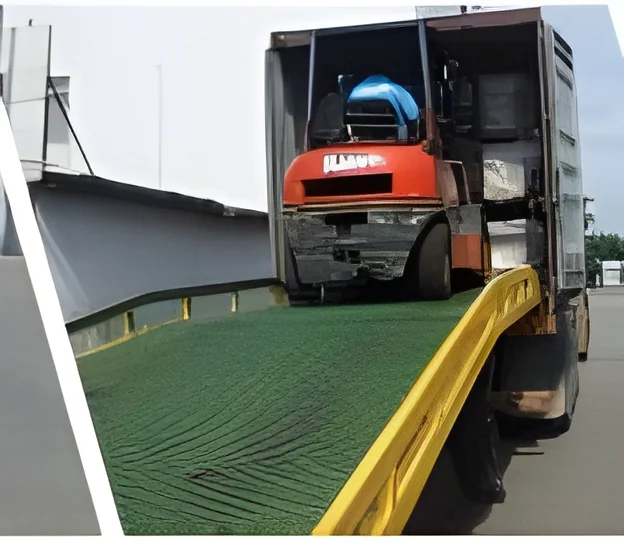
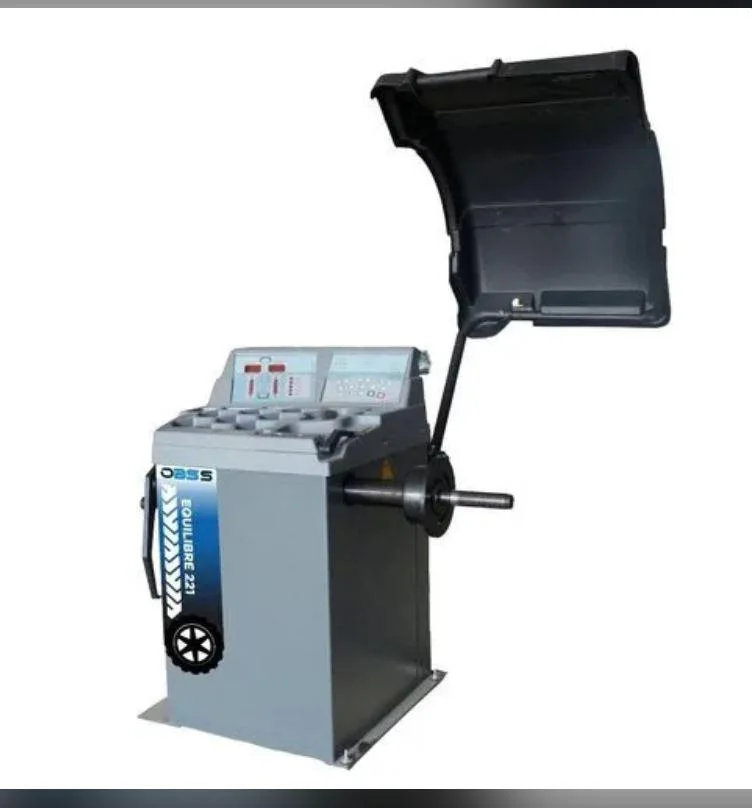
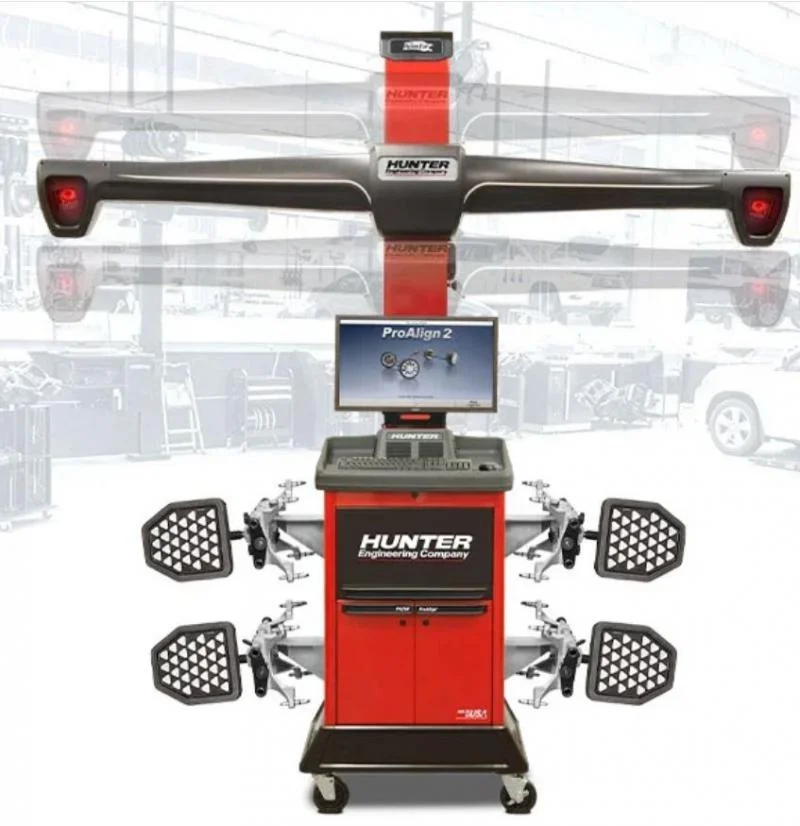
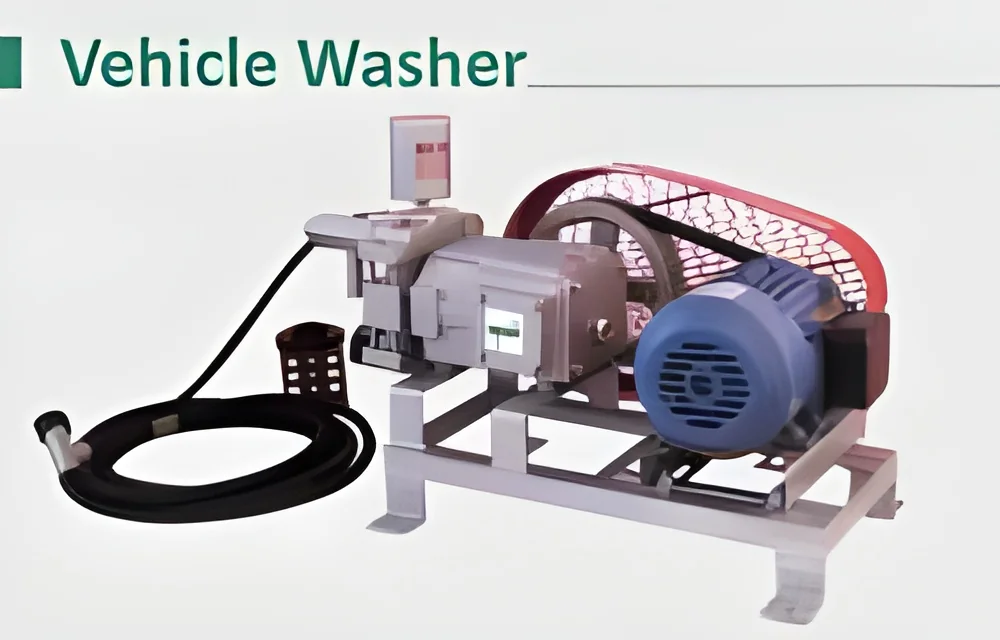
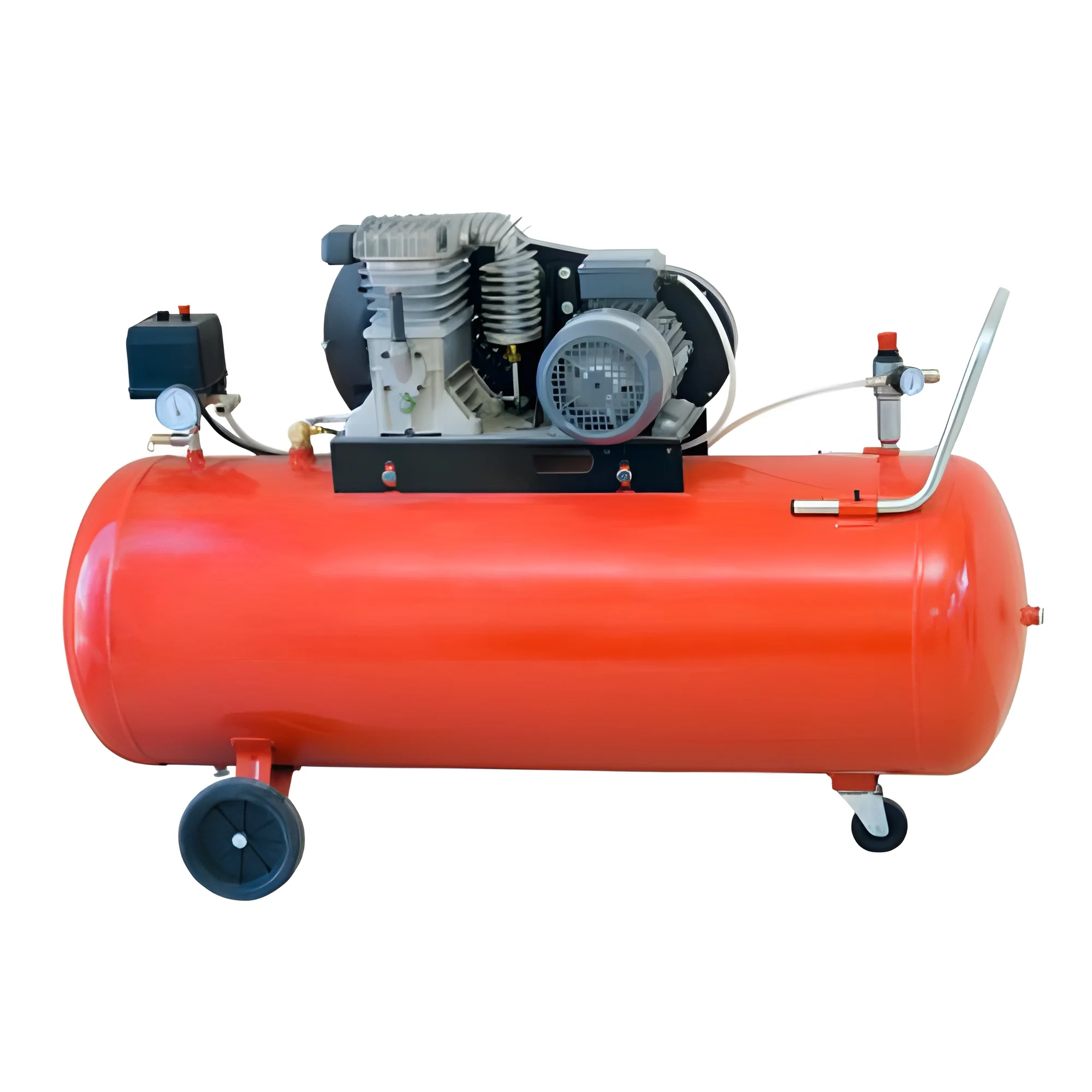
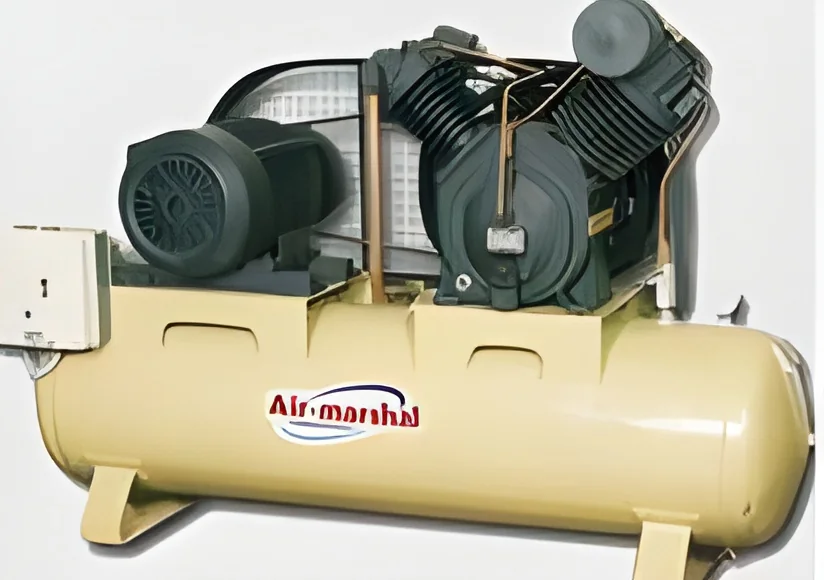
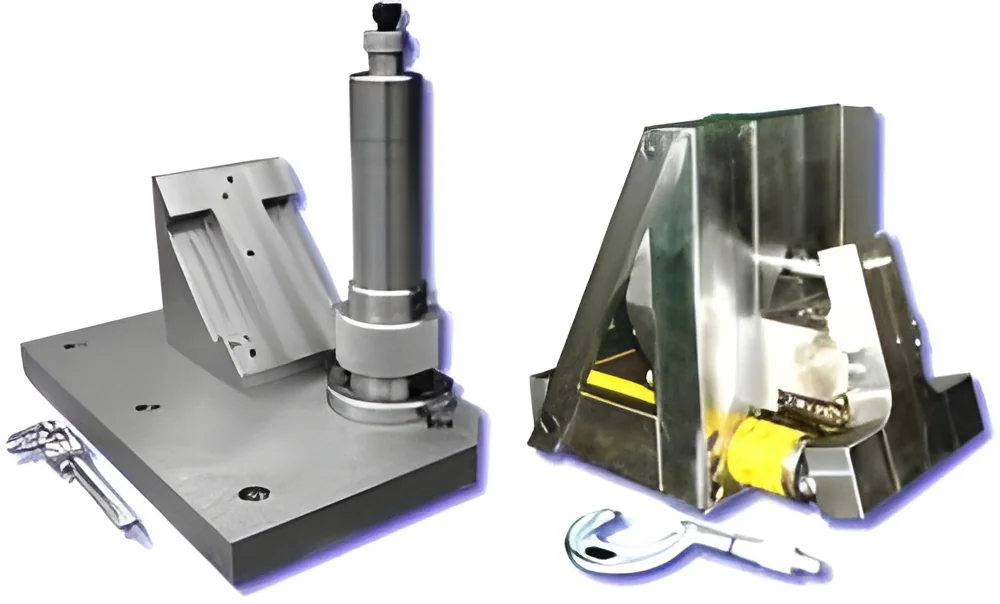
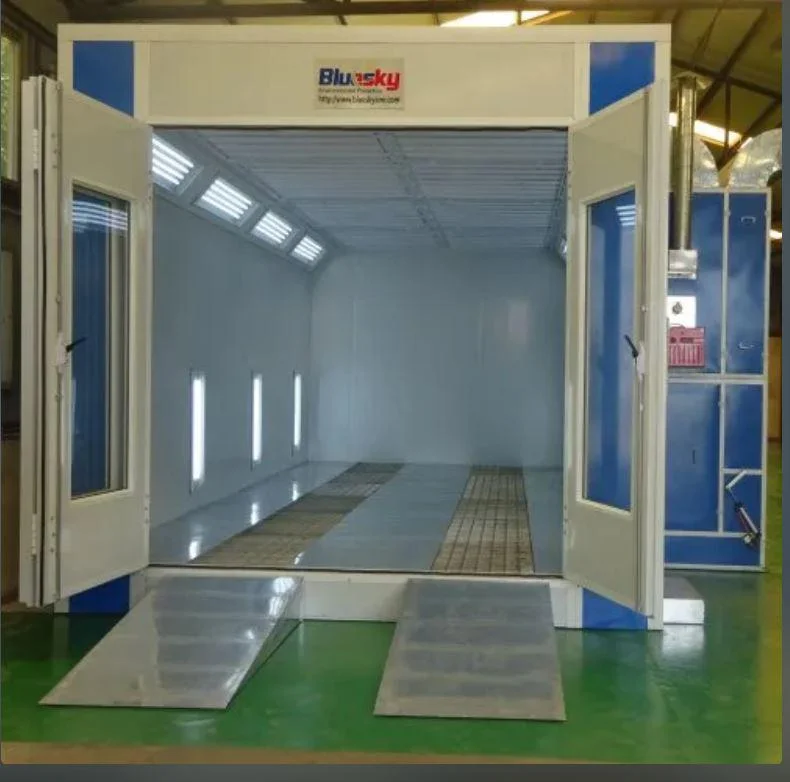
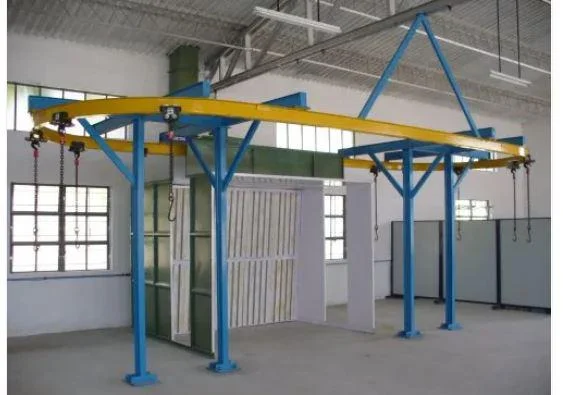
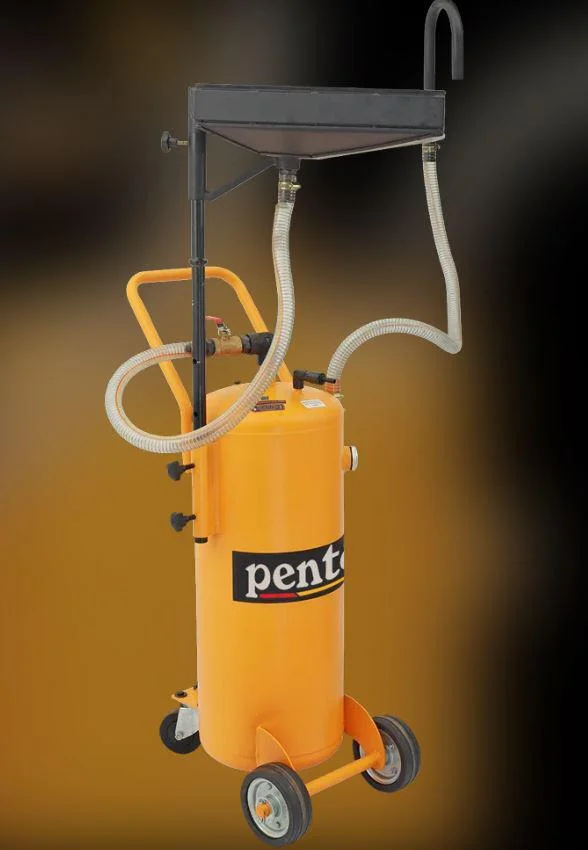
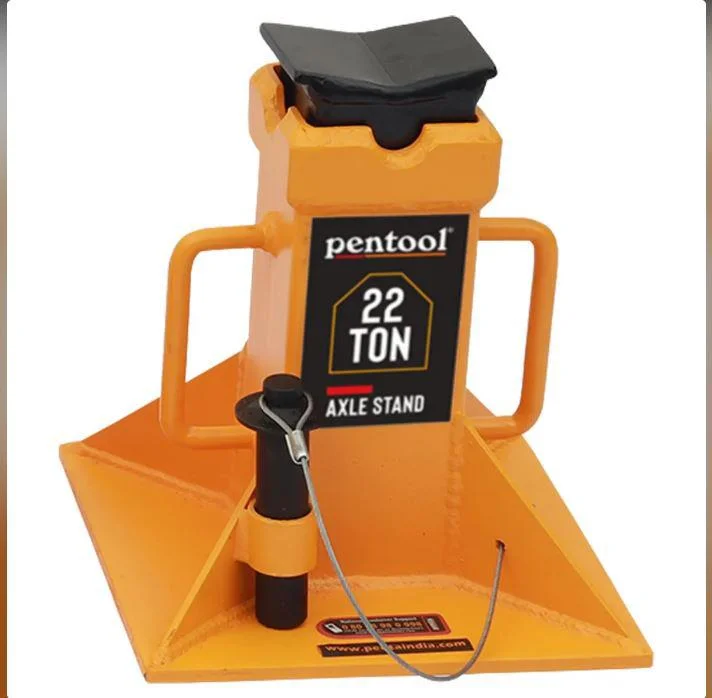
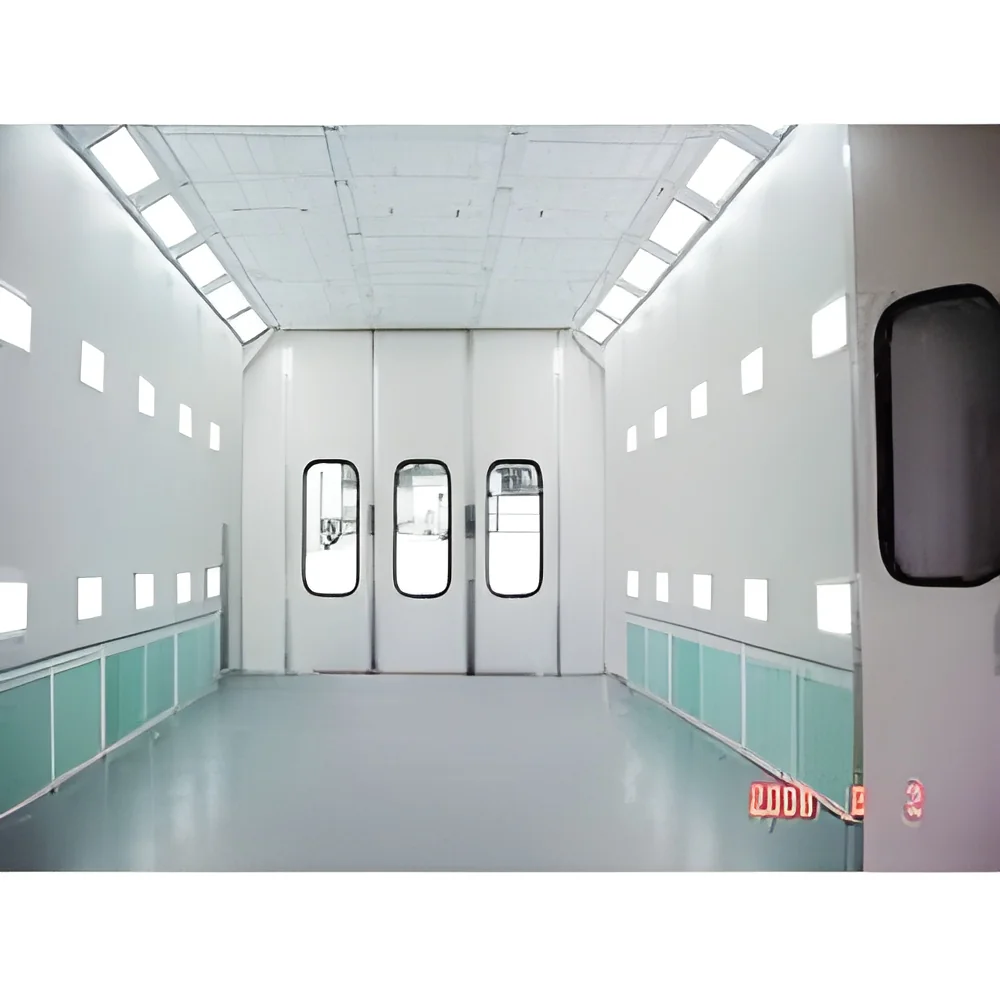
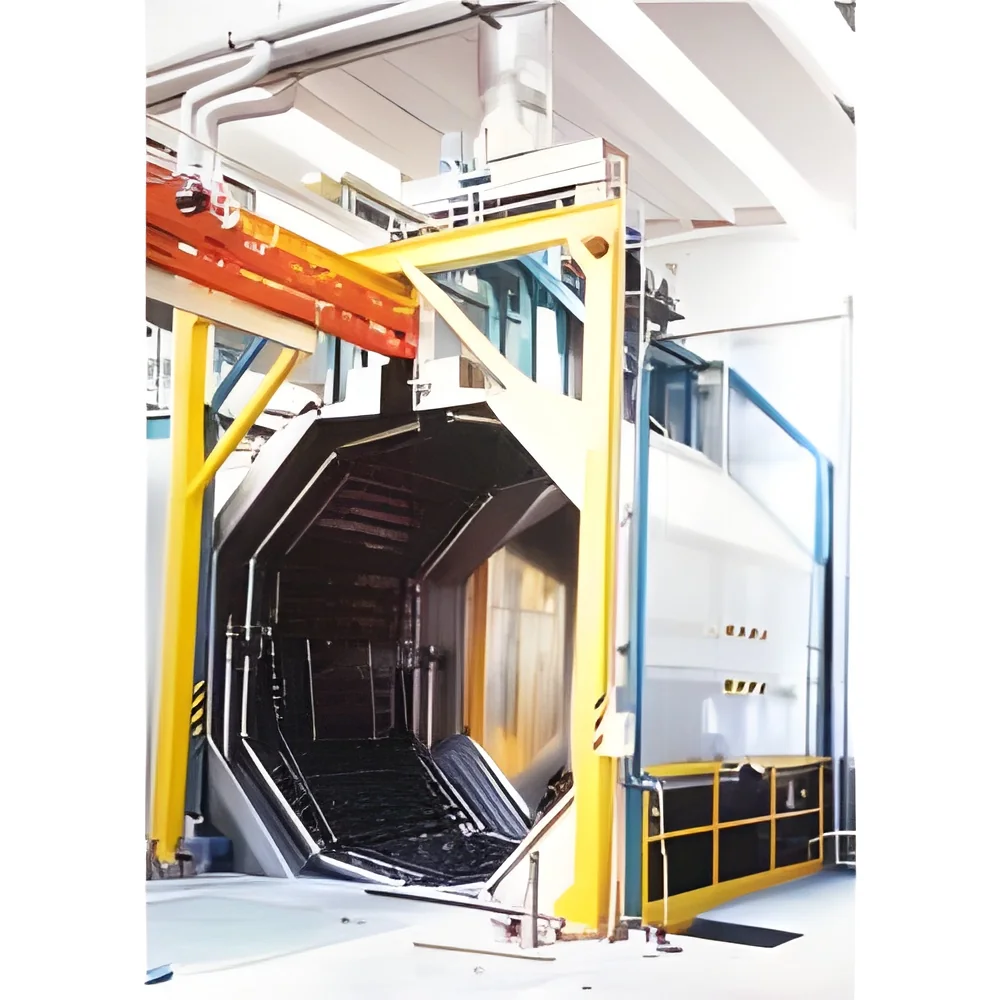
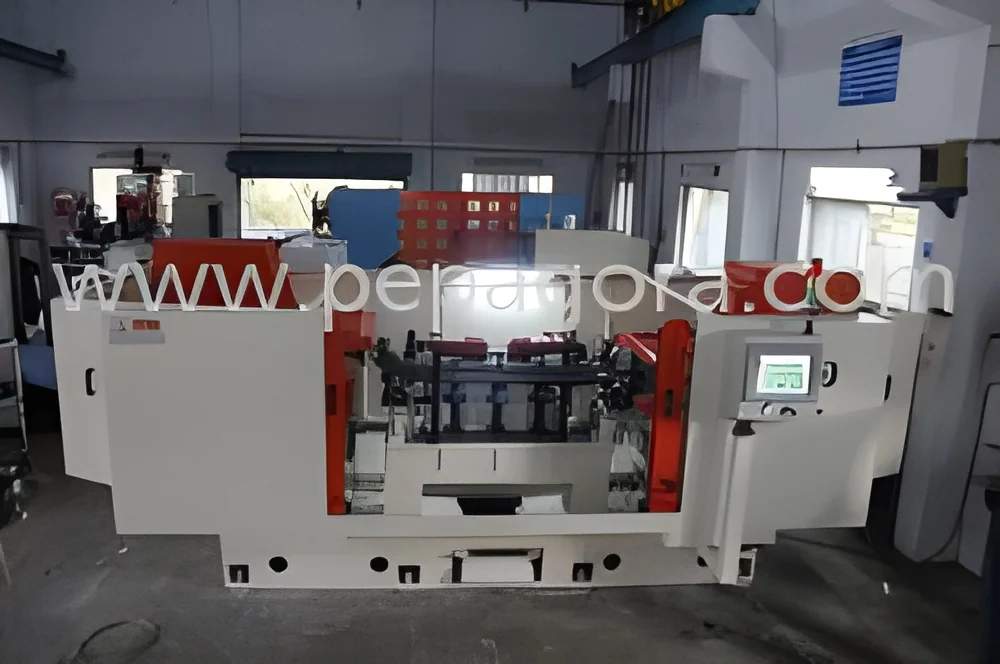
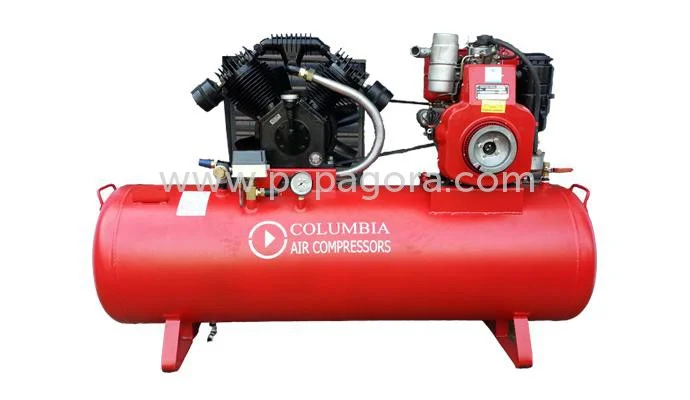
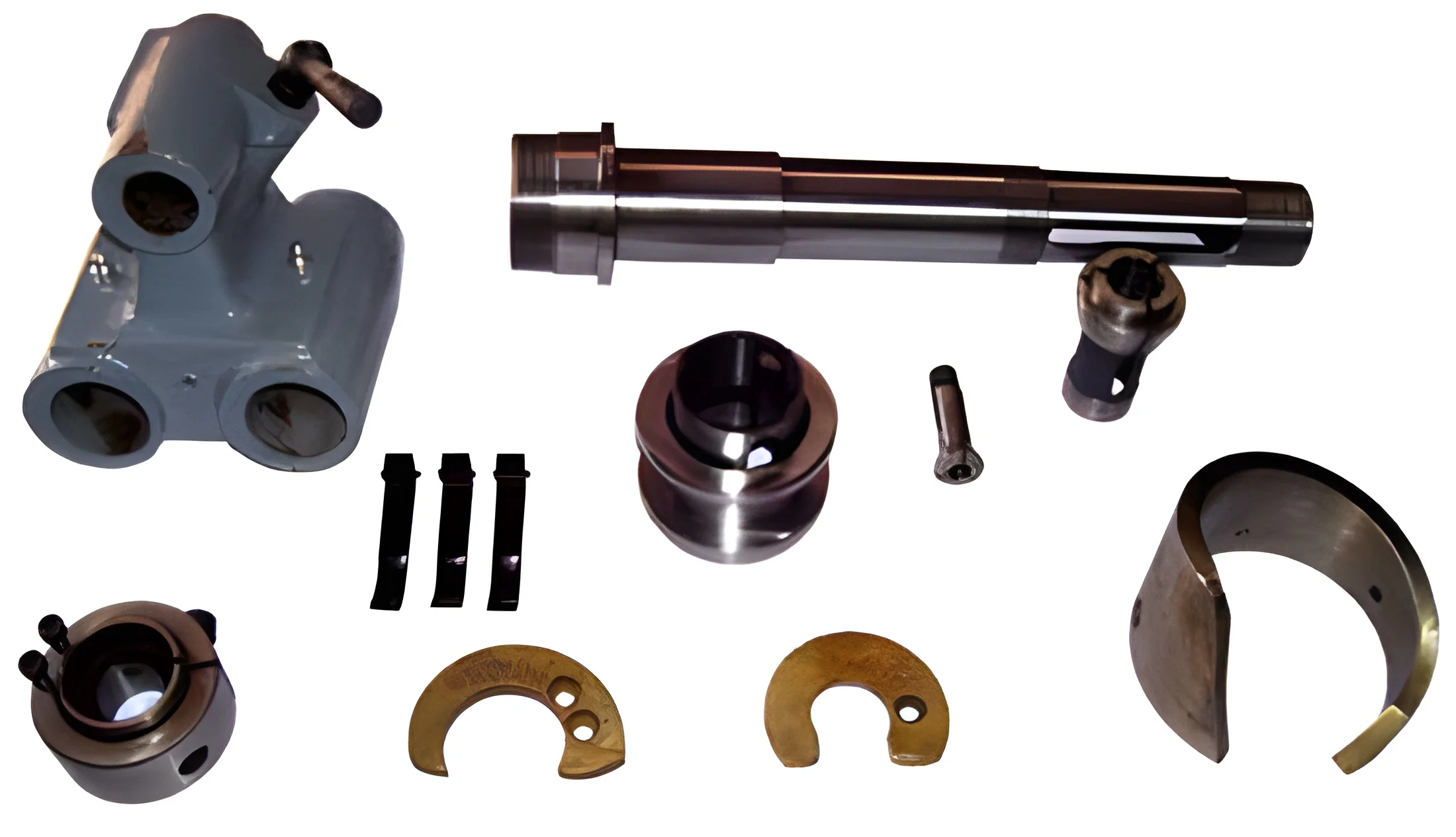
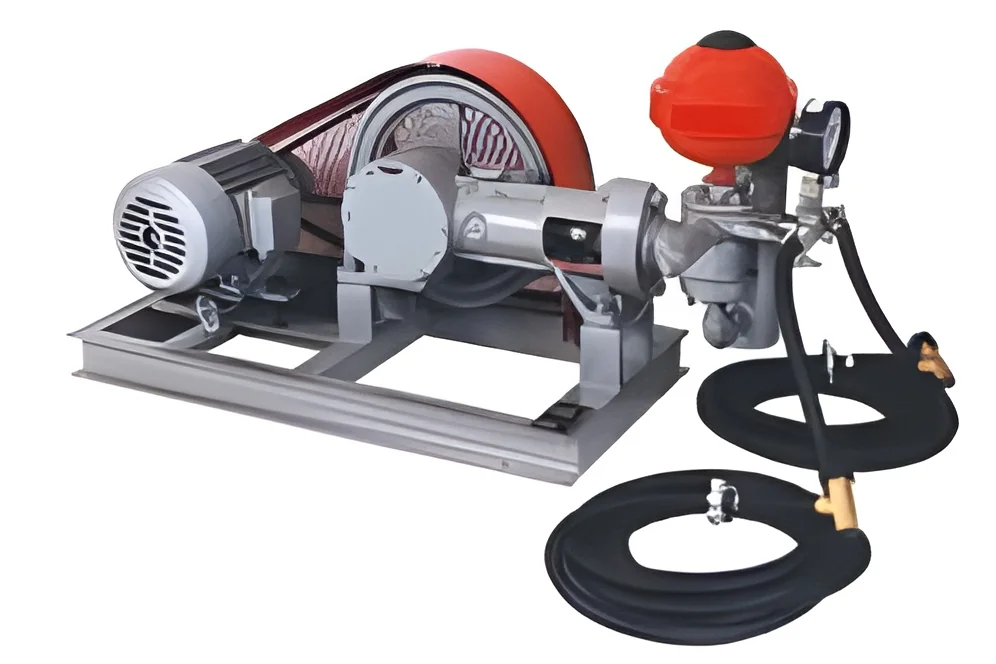
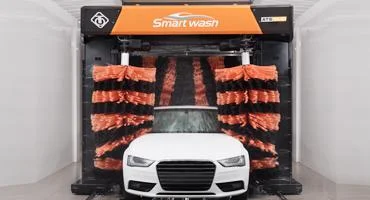
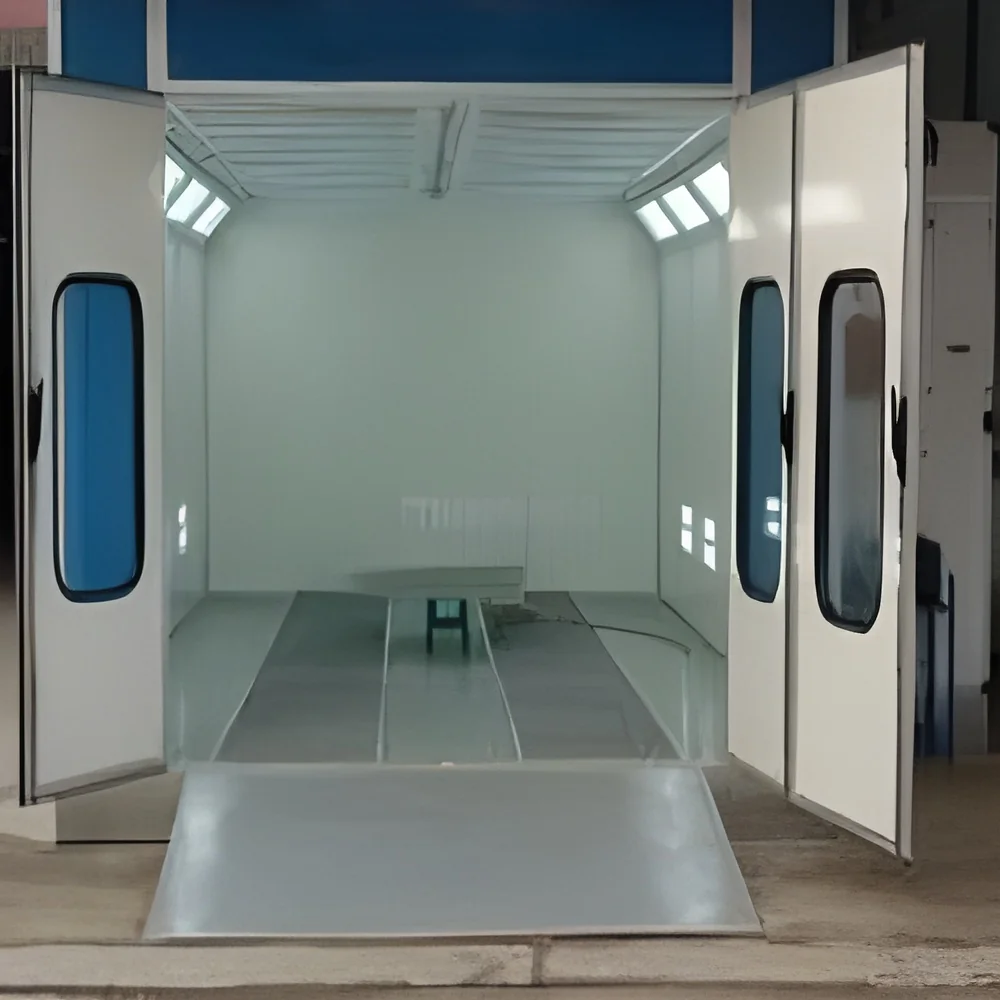
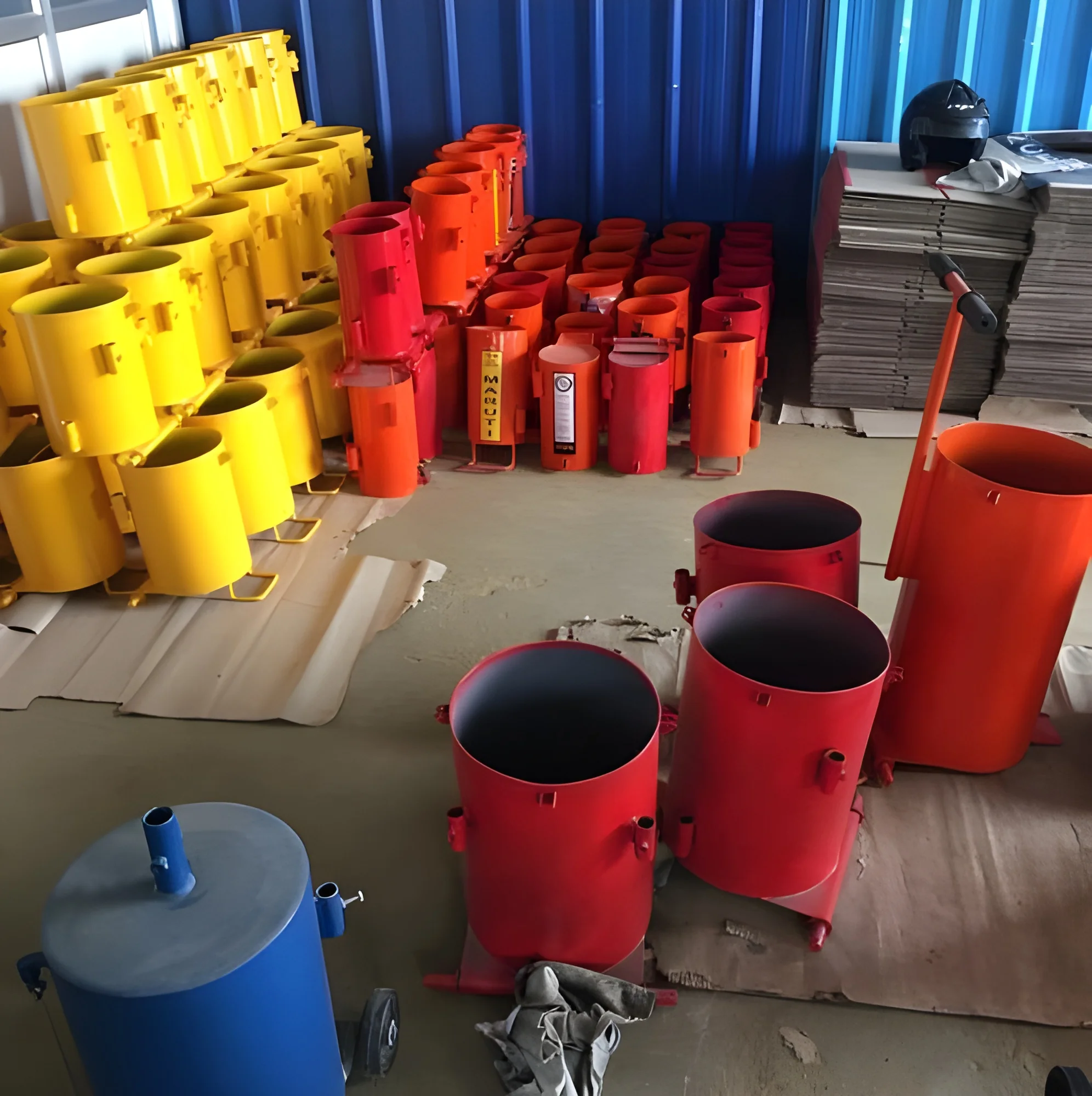
Garage and workshop equipment refers to a wide range of tools and machines designed for automotive, mechanical, and industrial tasks. This equipment is essential for the functioning of garages and workshops, enabling professionals to perform repairs, maintenance, and assembly with efficiency and precision. Common types of equipment include lifts, diagnostic tools, workbenches, and storage solutions.
The primary uses of garage and workshop equipment extend across various sectors, including automotive repair, manufacturing, and maintenance services. Businesses utilize this equipment to enhance productivity, ensure safety, and improve quality standards in their operations. Workshops equipped with the right tools can handle everything from routine maintenance to complex repairs, making them indispensable in their respective industries.
In today's competitive market, the relevance of high-quality garage and workshop equipment cannot be overstated. As industries evolve and technology advances, the demand for reliable and efficient tools continues to grow. This equipment is a vital aspect of operational success, as it directly impacts the quality of work and customer satisfaction.
𝗞𝗲𝘆 𝗙𝗲𝗮𝘁𝘂𝗿𝗲𝘀 𝗮𝗻𝗱 𝗦𝗽𝗲𝗰𝗶𝗳𝗶𝗰𝗮𝘁𝗶𝗼𝗻𝘀
Garage and workshop equipment comes with a range of features designed to meet the diverse needs of various industries. Understanding these specifications helps businesses choose the right equipment for their operations.
Key specifications include:
1. Load Capacity
- This specification indicates the maximum weight the equipment can safely handle.
- Typical ranges can vary from 1,500 pounds to over 10,000 pounds depending on the type of equipment.
2. Power Supply
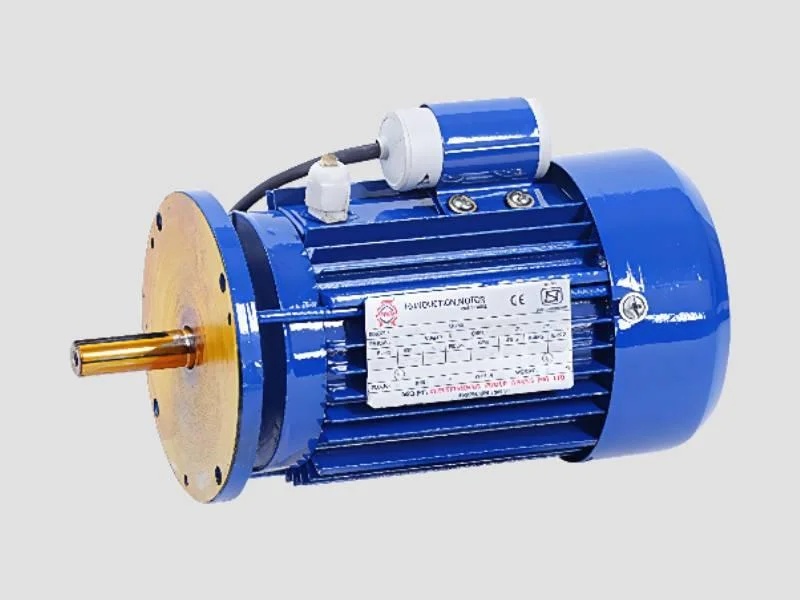
- Equipment may operate on electric, pneumatic, or hydraulic power.
- Voltage ratings often range from 110V to 480V, based on the specific requirements.
3. Dimensions
- Size specifications are crucial for ensuring the equipment fits within the workshop space.
- Common dimensions include length, width, and height, which can vary widely among different tools.
4. Material Composition
- Equipment is typically made from steel, aluminum, or composite materials for durability.
- The choice of material affects weight capacity and longevity.
5. Safety Features
- Equipment may include safety guards, emergency shut-off switches, and overload protection.
- Compliance with safety standards is critical to prevent accidents.
6. Warranty Period
- Most equipment comes with a warranty period that can range from one year to several years.
- Longer warranty periods may indicate higher quality and reliability.
7. Maintenance Requirements
- Equipment may require regular maintenance for optimal performance.
- Details on lubrication, inspection schedules, and parts replacement should be considered.
8. Mobility Options
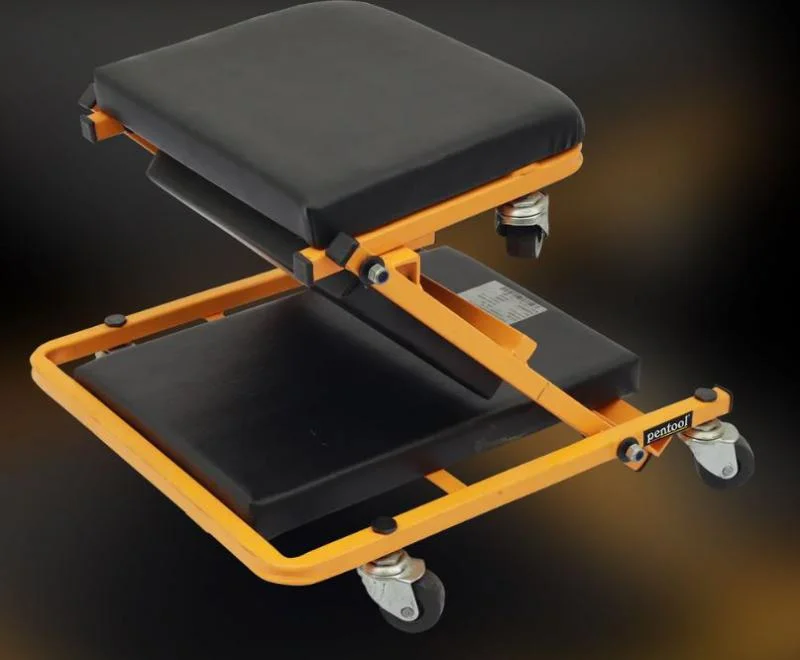
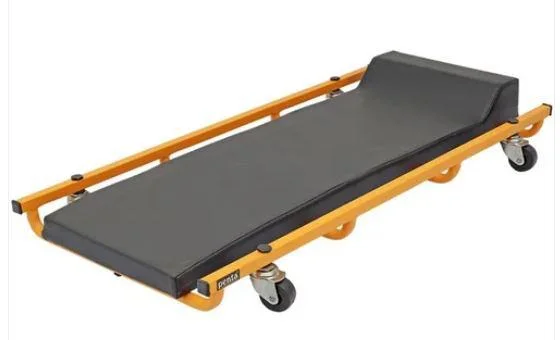
- Some equipment includes wheels or casters for easy movement.
- Fixed or adjustable height features can enhance usability.
In summary, understanding the key features and specifications of garage and workshop equipment is essential for making informed purchasing decisions that align with operational needs.
𝗖𝗼𝗺𝗺𝗼𝗻 𝗔𝗽𝗽𝗹𝗶𝗰𝗮𝘁𝗶𝗼𝗻𝘀 𝗮𝗻𝗱 𝗨𝘀𝗲 𝗖𝗮𝘀𝗲𝘀
Garage and workshop equipment serves a multitude of industries, each with specific applications that highlight the importance of this equipment.
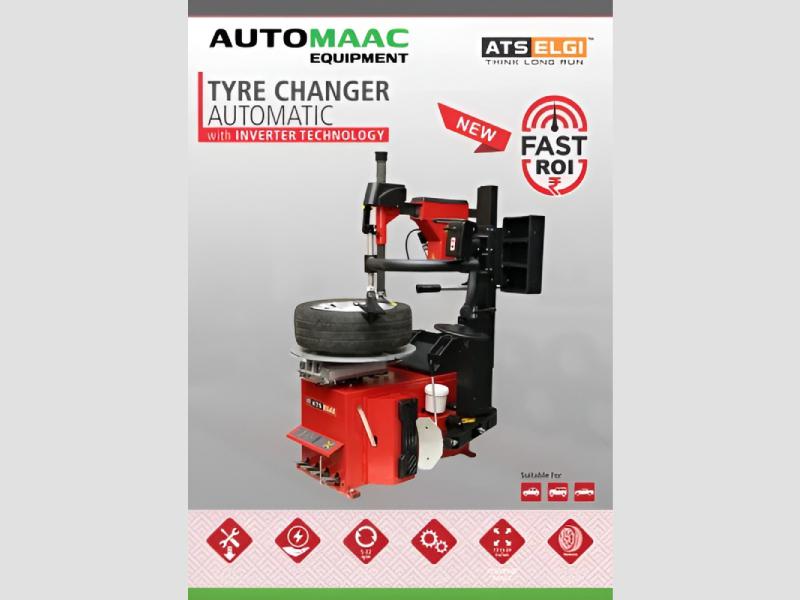
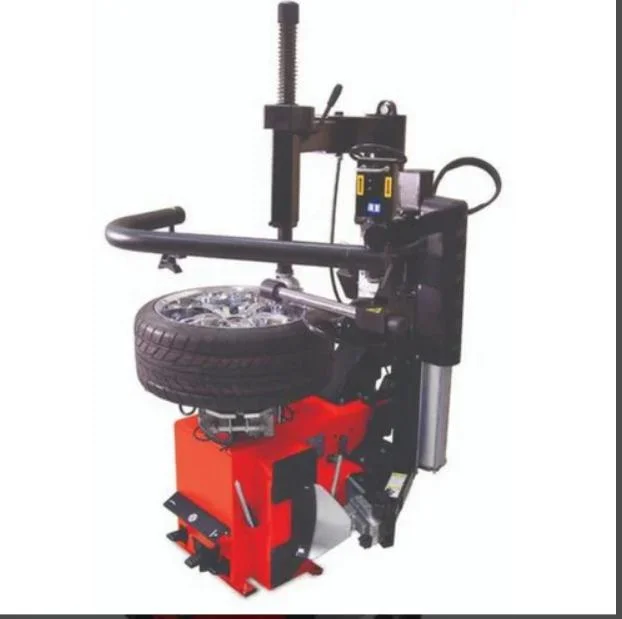
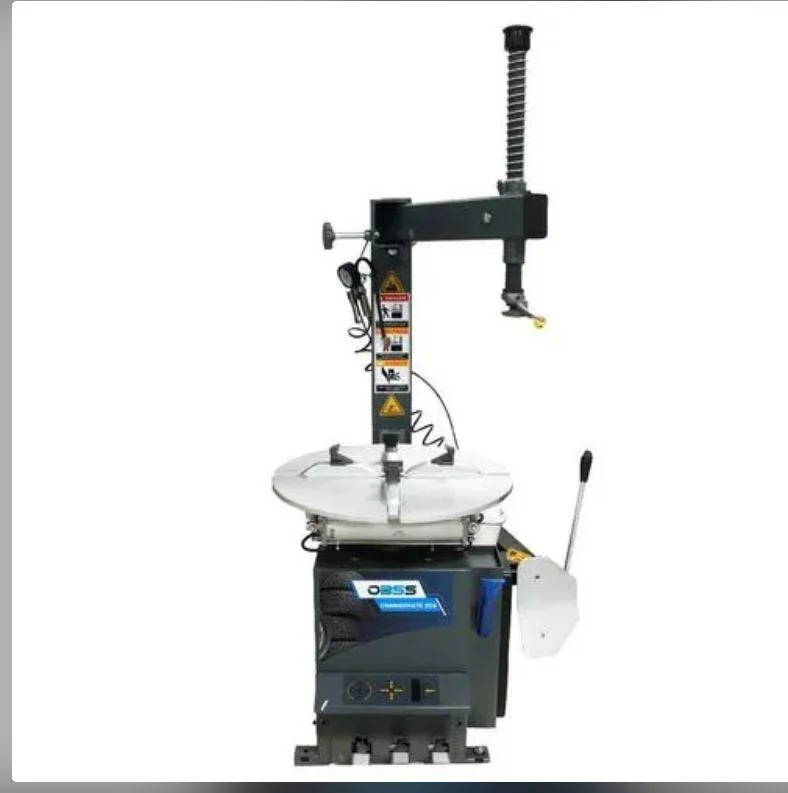
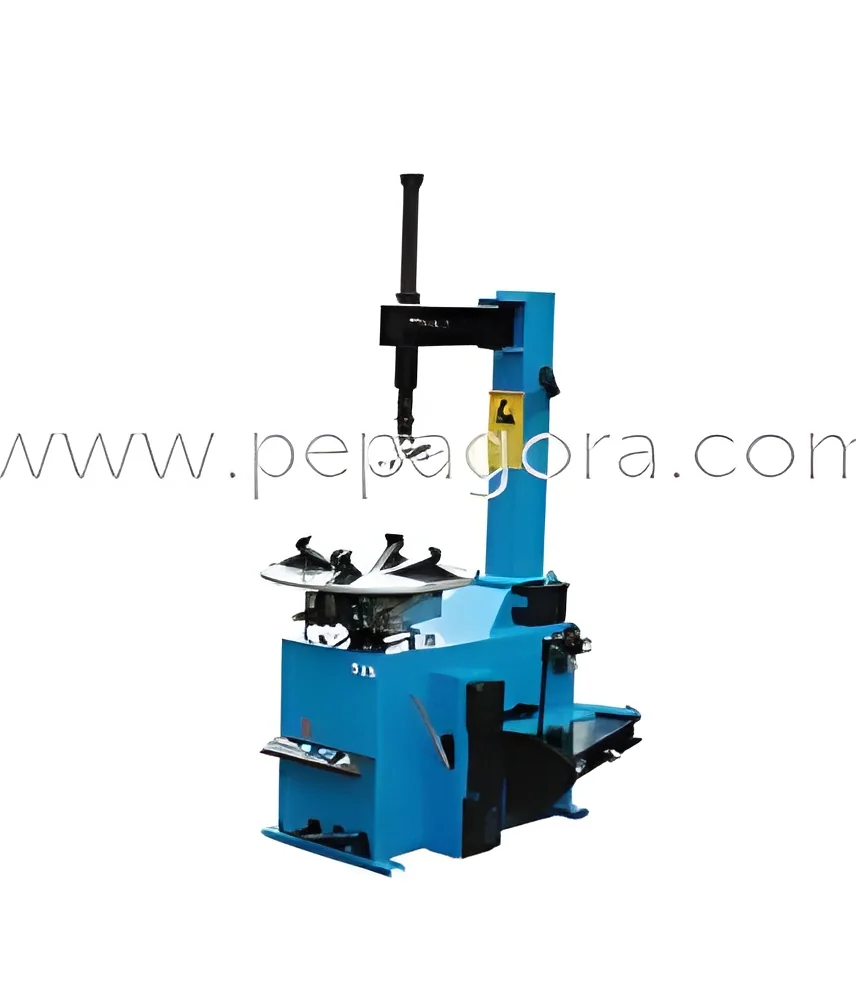
1. Automotive Industry: Equipment like hydraulic lifts and tire changers are crucial for vehicle maintenance and repairs. These tools enable technicians to perform tasks efficiently and safely.
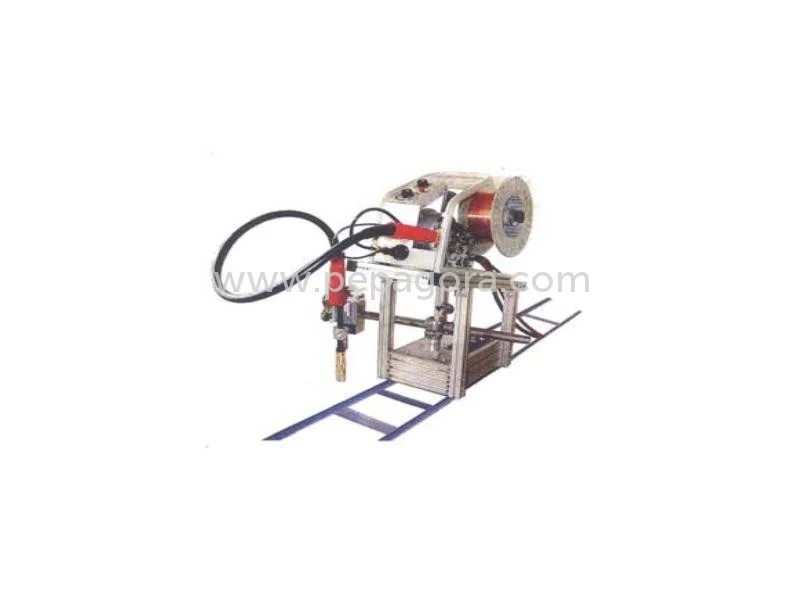
2. Manufacturing Sector: Workshops utilize tools such as CNC machines and welding equipment for production processes. These machines enhance precision and increase productivity in manufacturing environments.
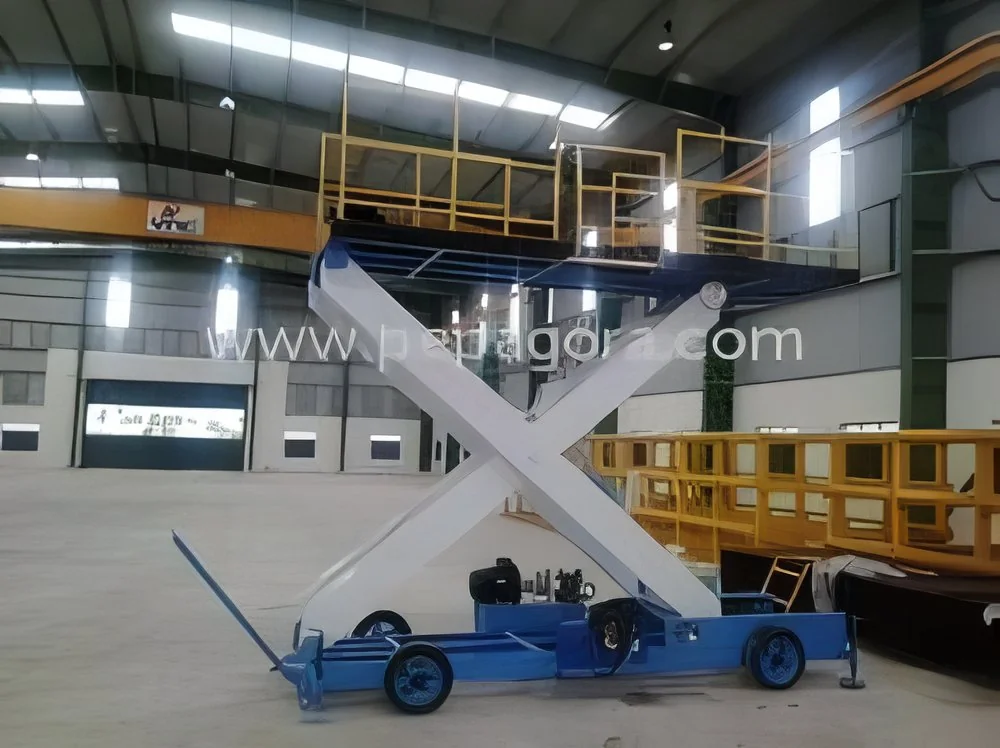
3. Aviation Maintenance: Specialized equipment is used for aircraft inspections and repairs, ensuring compliance with strict safety regulations and operational standards.
4. Construction: Equipment like scaffolds and power tools are essential for building projects. They facilitate construction tasks, ensuring that projects are completed on time and to specification.
5. Marine Services: Workshops servicing boats and marine vehicles require specific tools for repairs and maintenance. This includes hoists and specialized diagnostic equipment.
6. Electrical Services: Electricians use various tools for installations and repairs, including wire strippers and circuit testers. Proper equipment ensures safety and efficiency in electrical work.
7. Home Improvement: DIY enthusiasts and professional contractors alike use workshop equipment for renovations and repairs. This includes saws, drills, and hand tools for various tasks.
𝗣𝗿𝗼𝗱𝘂𝗰𝘁 𝗩𝗮𝗿𝗶𝗮𝗻𝘁𝘀 𝗮𝗻𝗱 𝗦𝘂𝗯𝗰𝗮𝘁𝗲𝗴𝗼𝗿𝗶𝗲𝘀
Garage and workshop equipment encompasses a diverse range of products tailored to various tasks and industries. Understanding the different variants can help buyers make suitable choices.
Lifts and Hoists
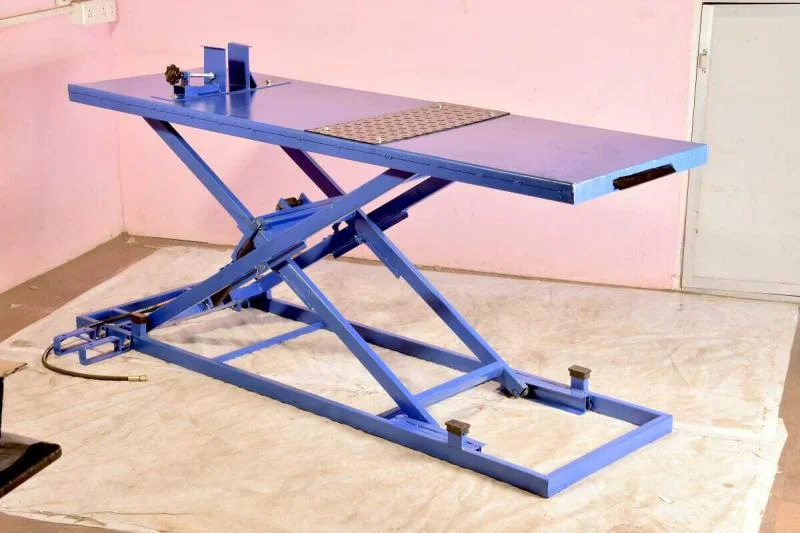
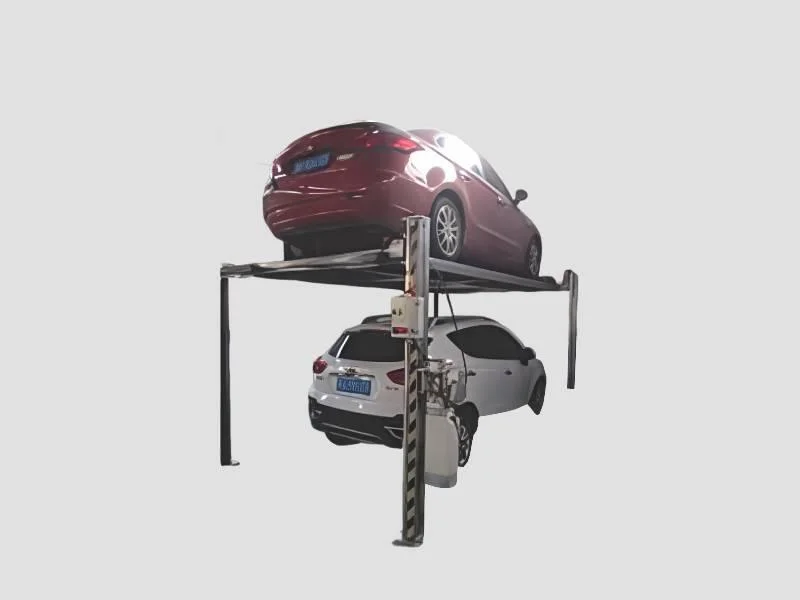
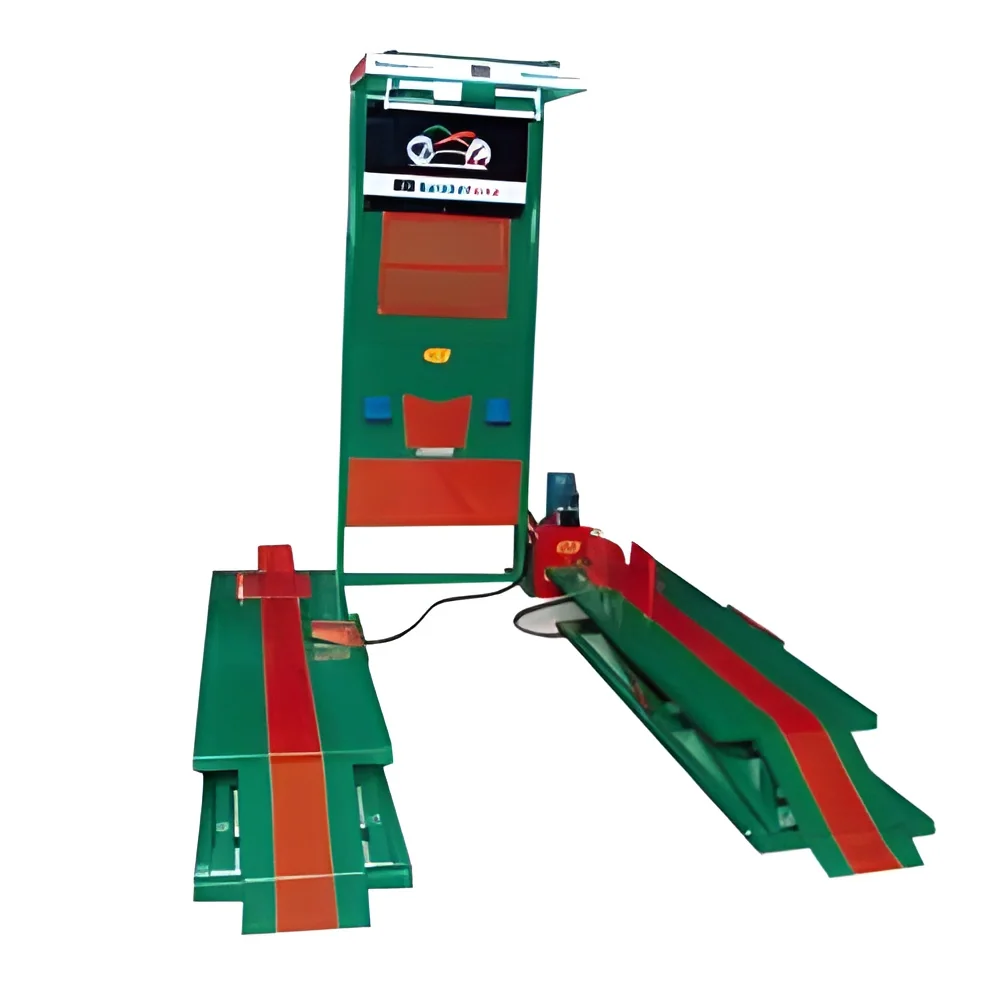
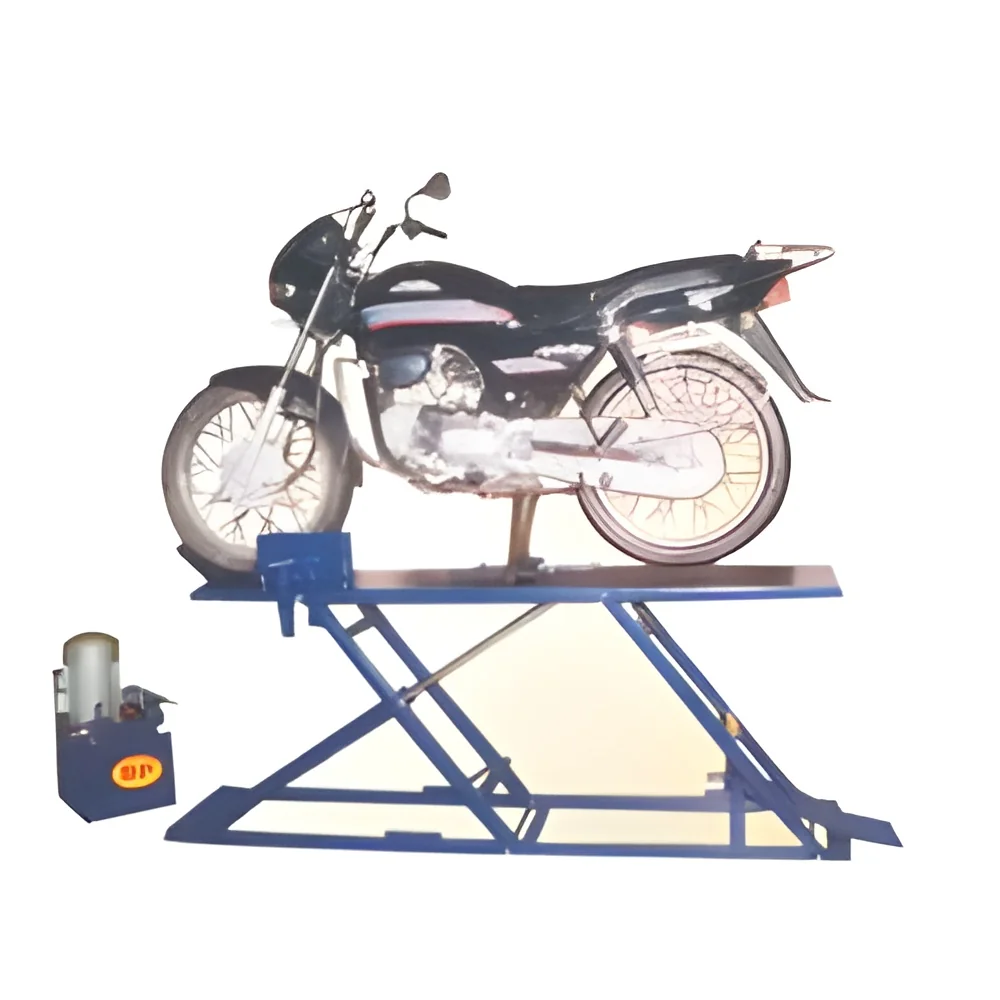
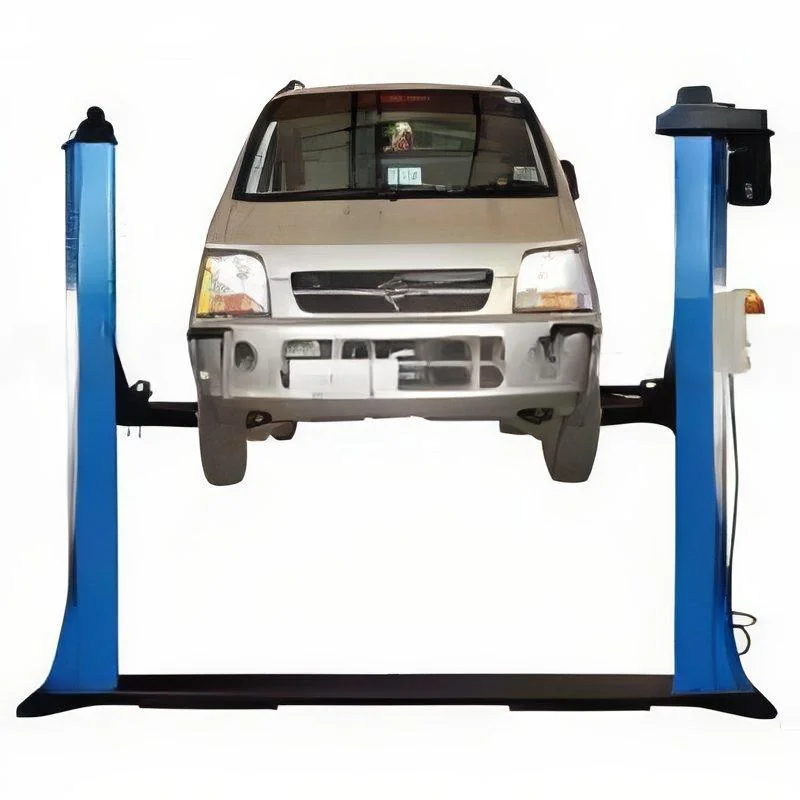
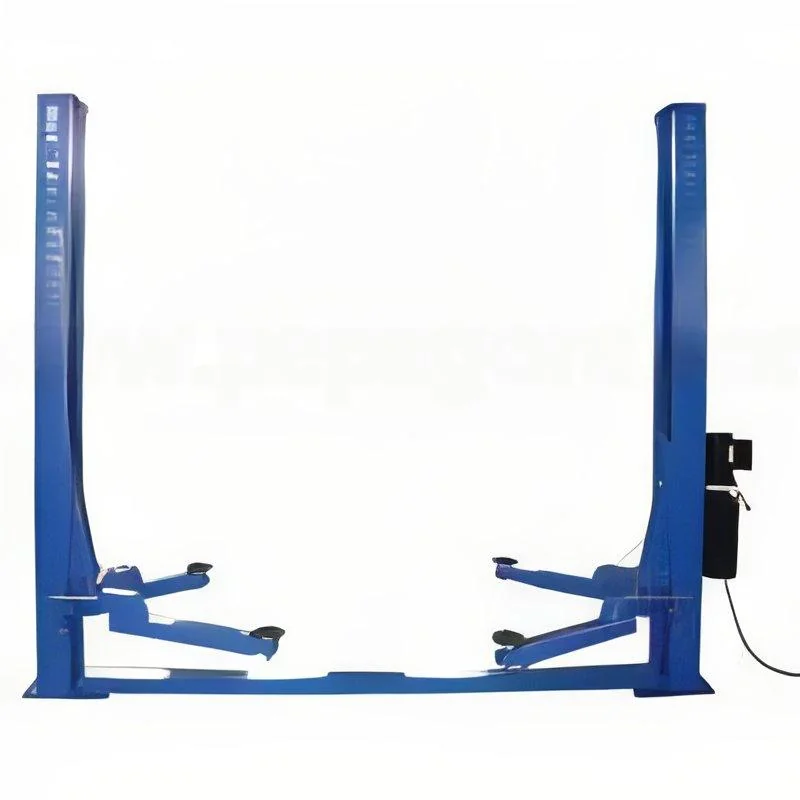
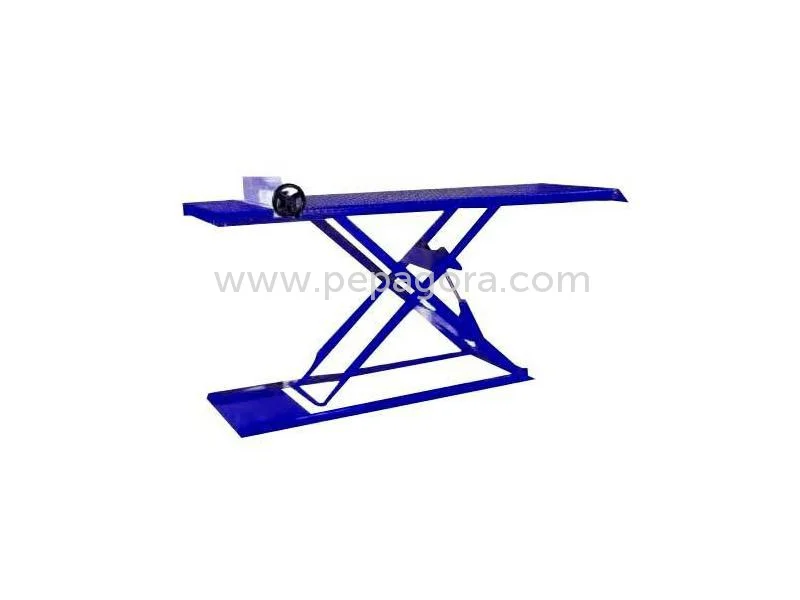
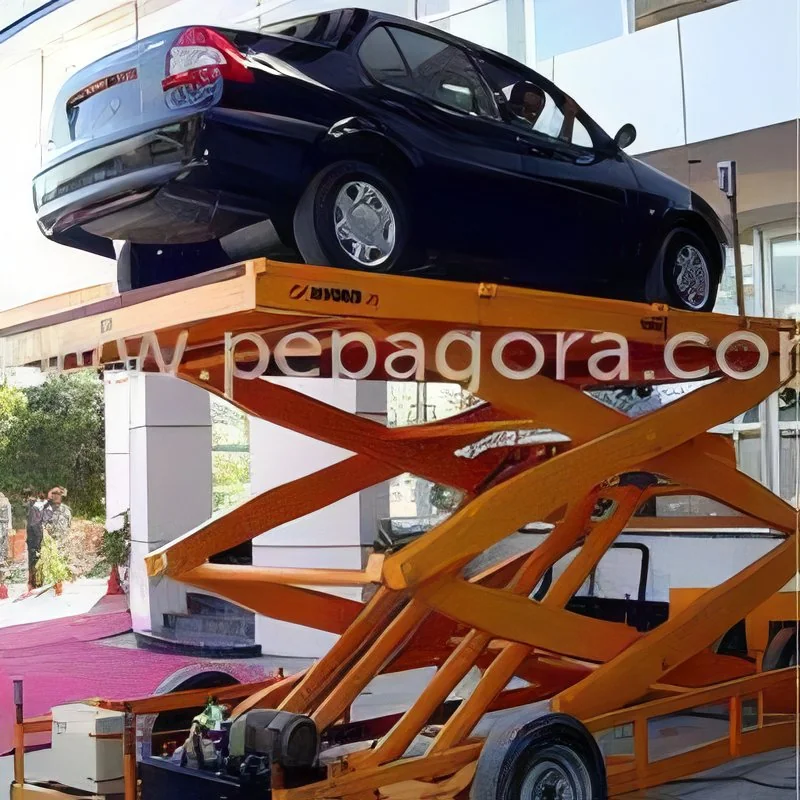
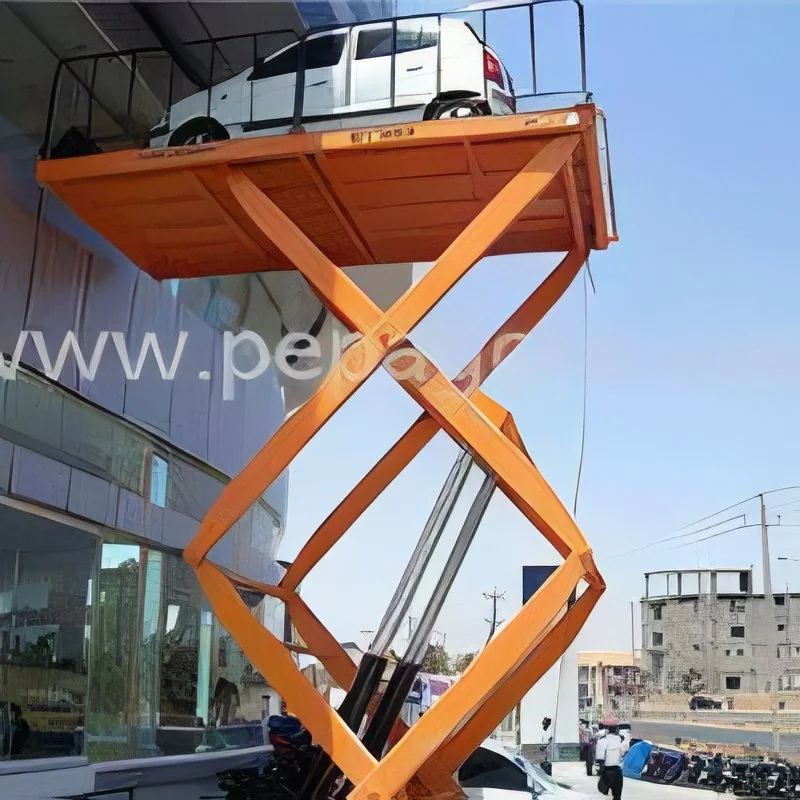
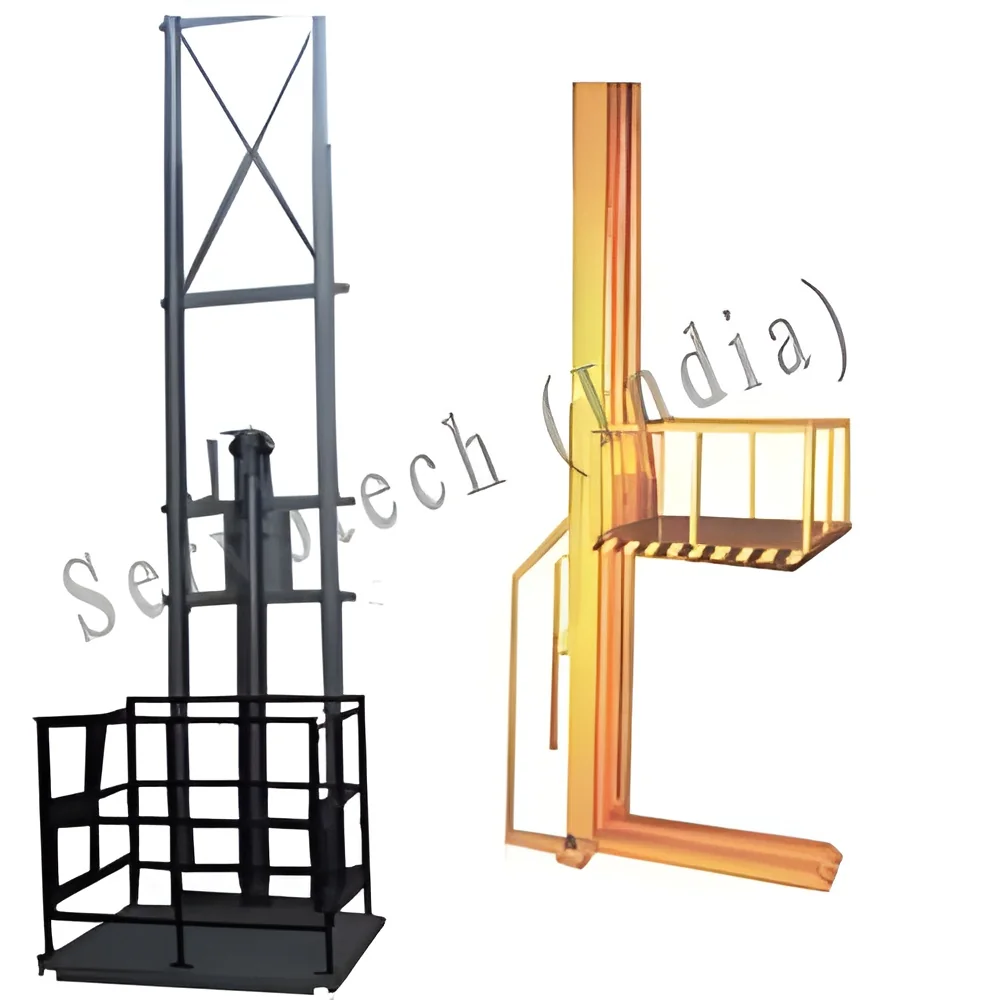
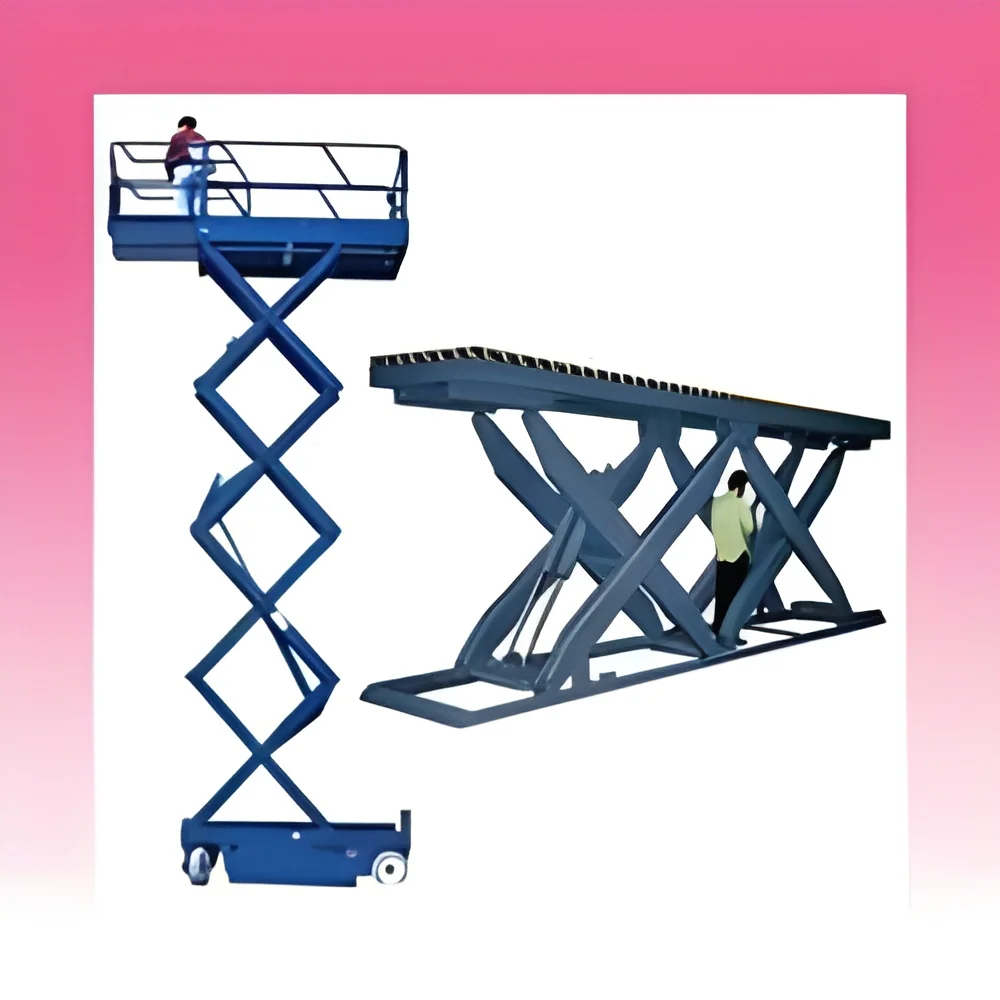
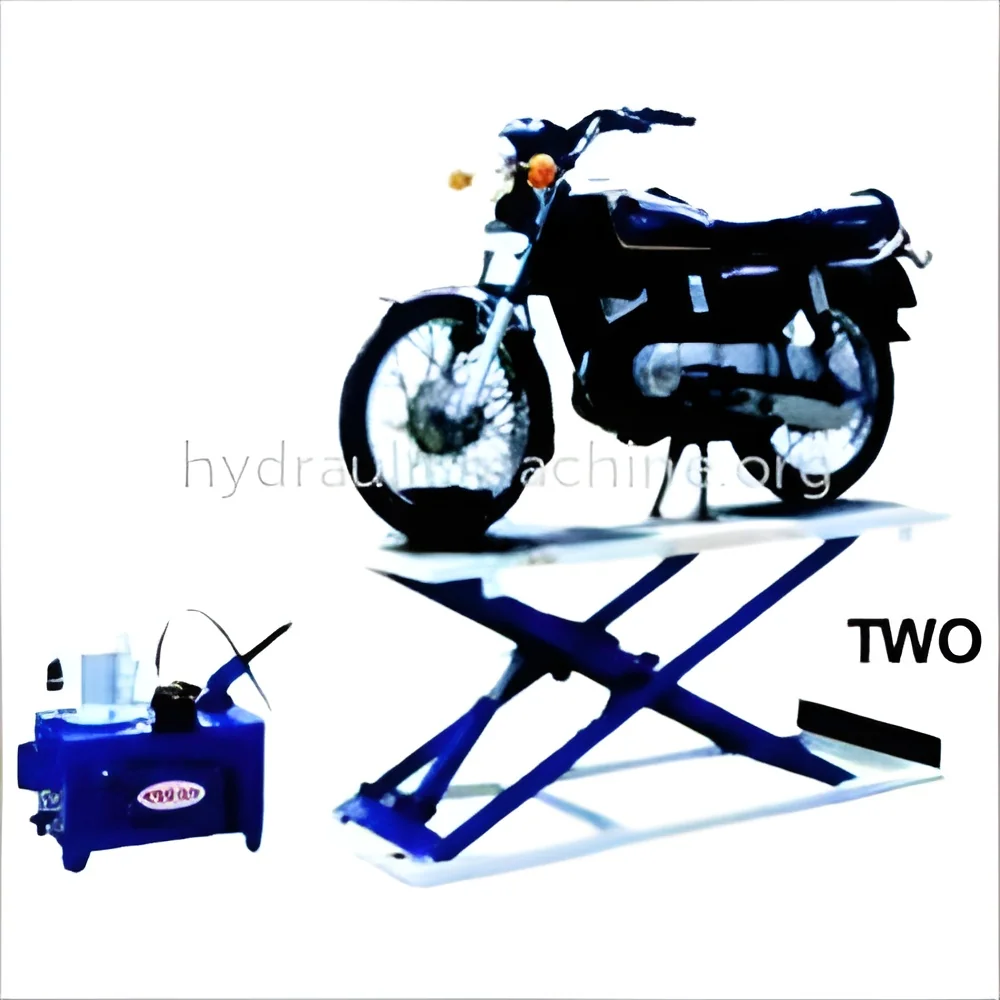
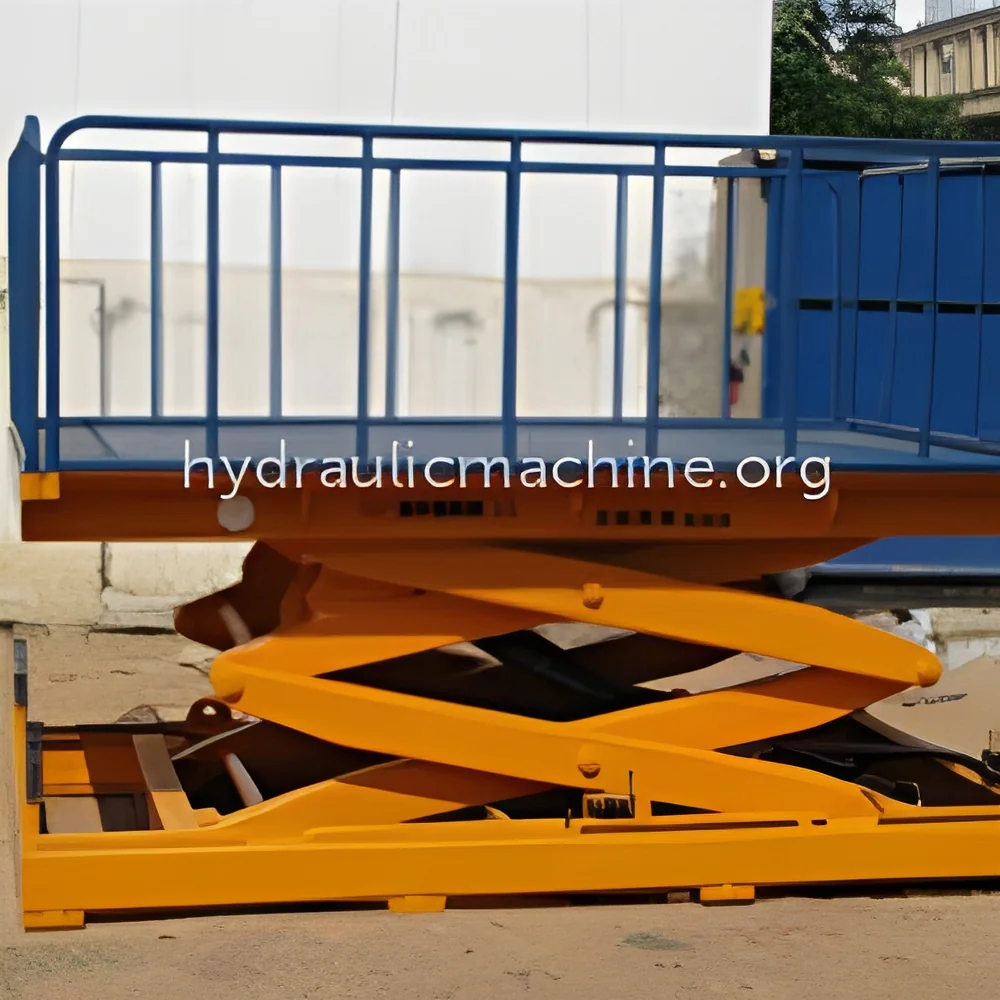
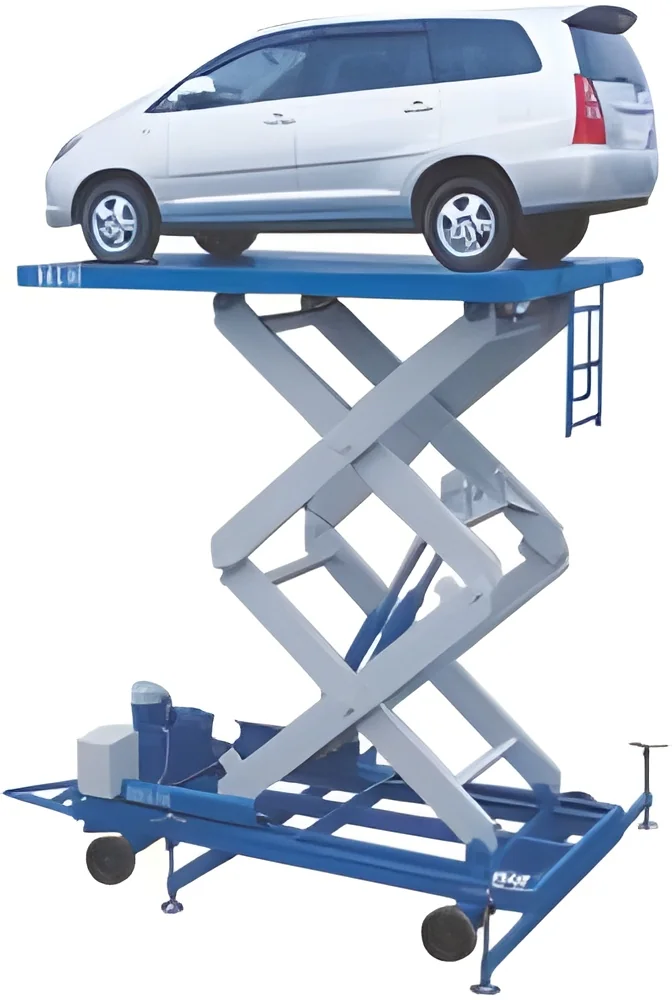
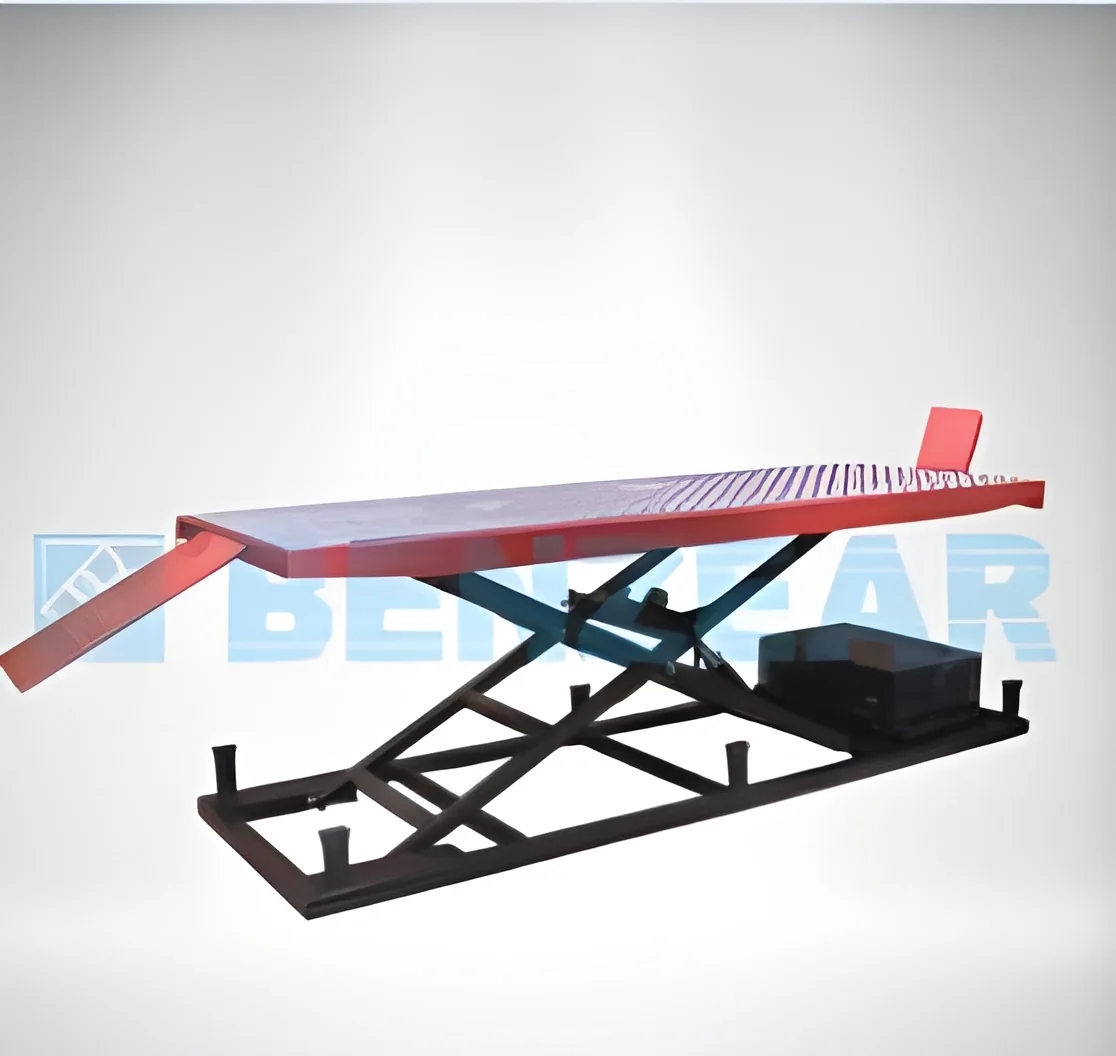
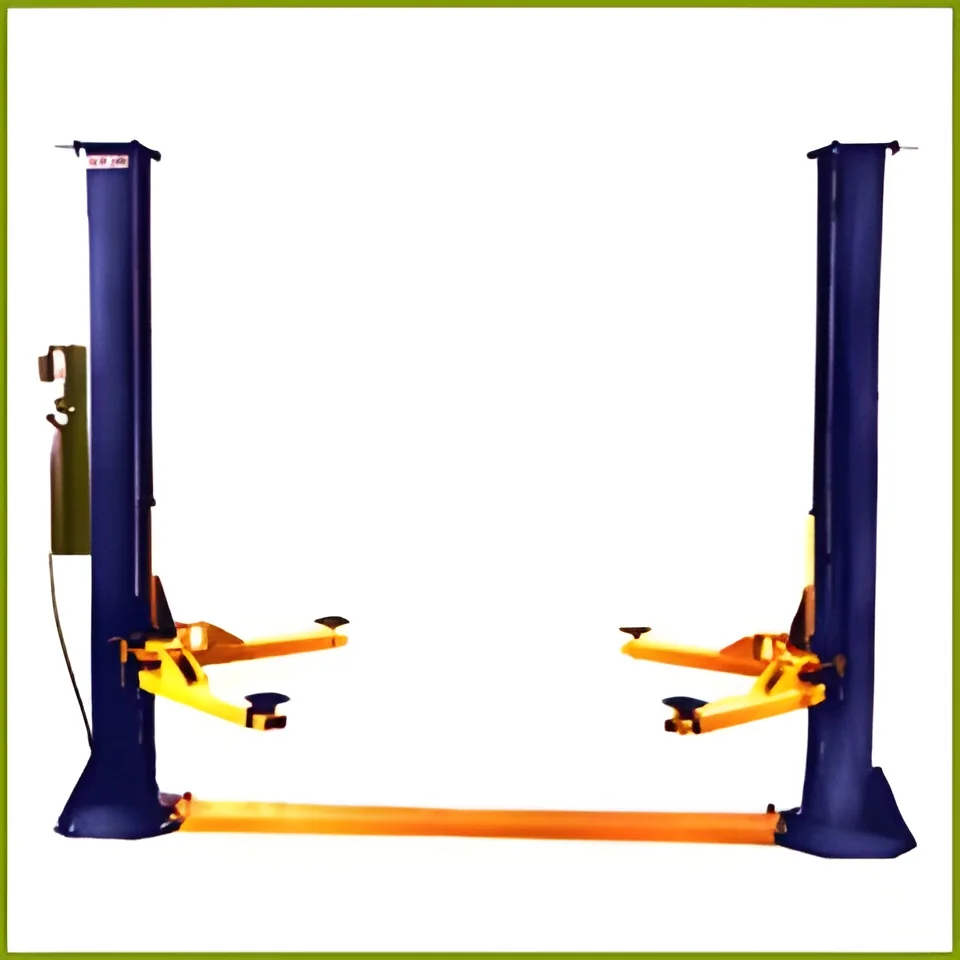
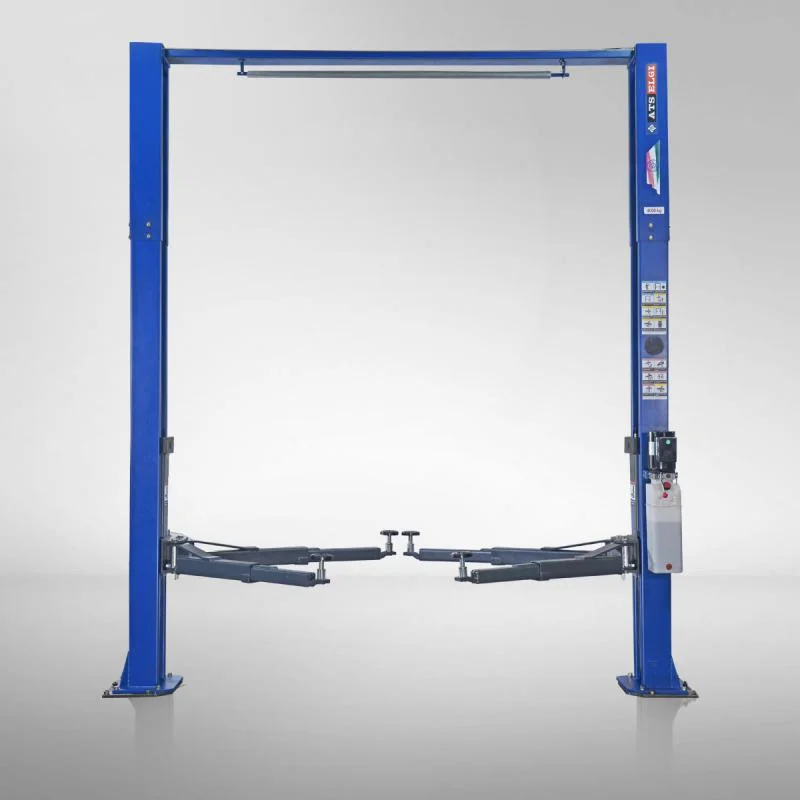
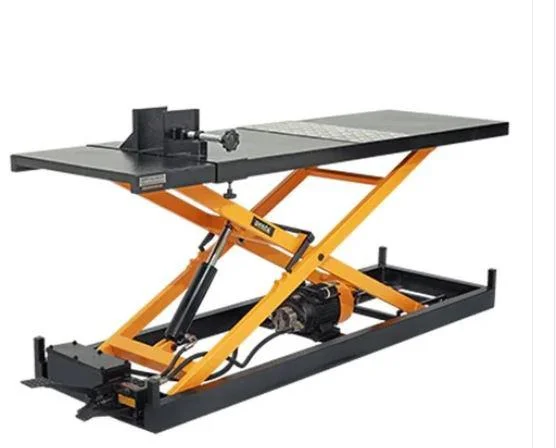
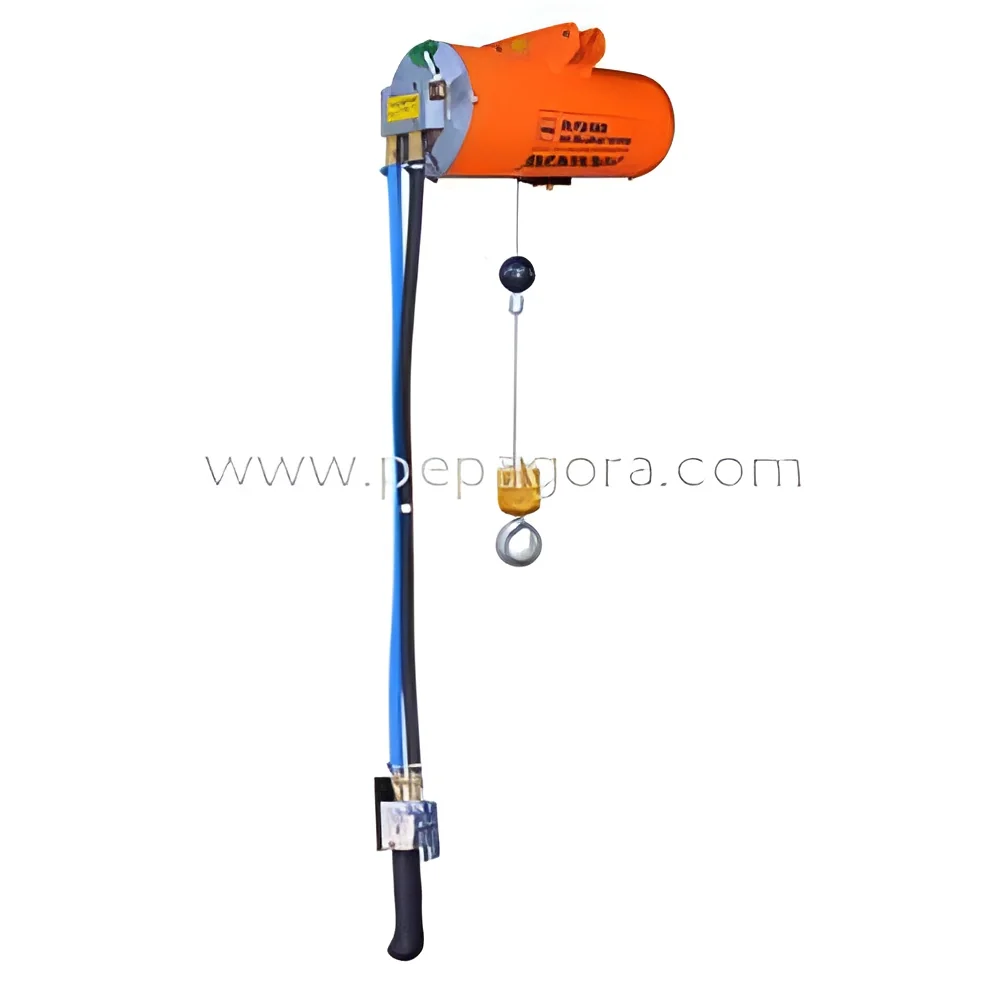
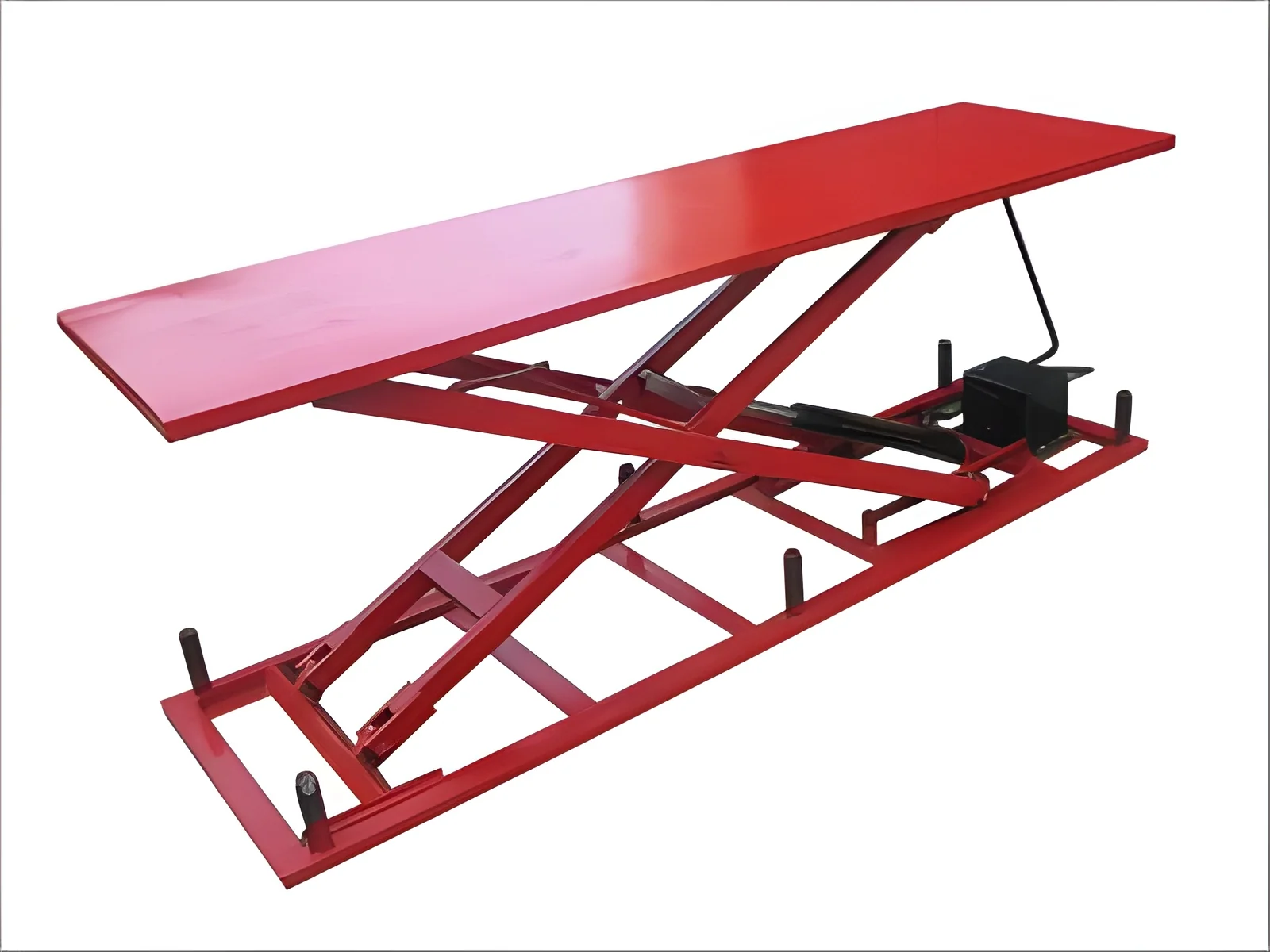
These devices are essential for elevating vehicles for maintenance and repair tasks. They come in various types, including two-post lifts and four-post lifts, each designed for specific applications and weight capacities.
Workbenches
Workbenches serve as a solid surface for working on projects. They may feature built-in storage, adjustable heights, or specialized surfaces for different tasks, making them versatile for various workshop needs.
Diagnostic Tools
These tools are crucial in identifying issues in vehicles and machinery. They include OBD-II scanners and multimeters, providing technicians with the necessary data to conduct repairs effectively.
Storage Solutions
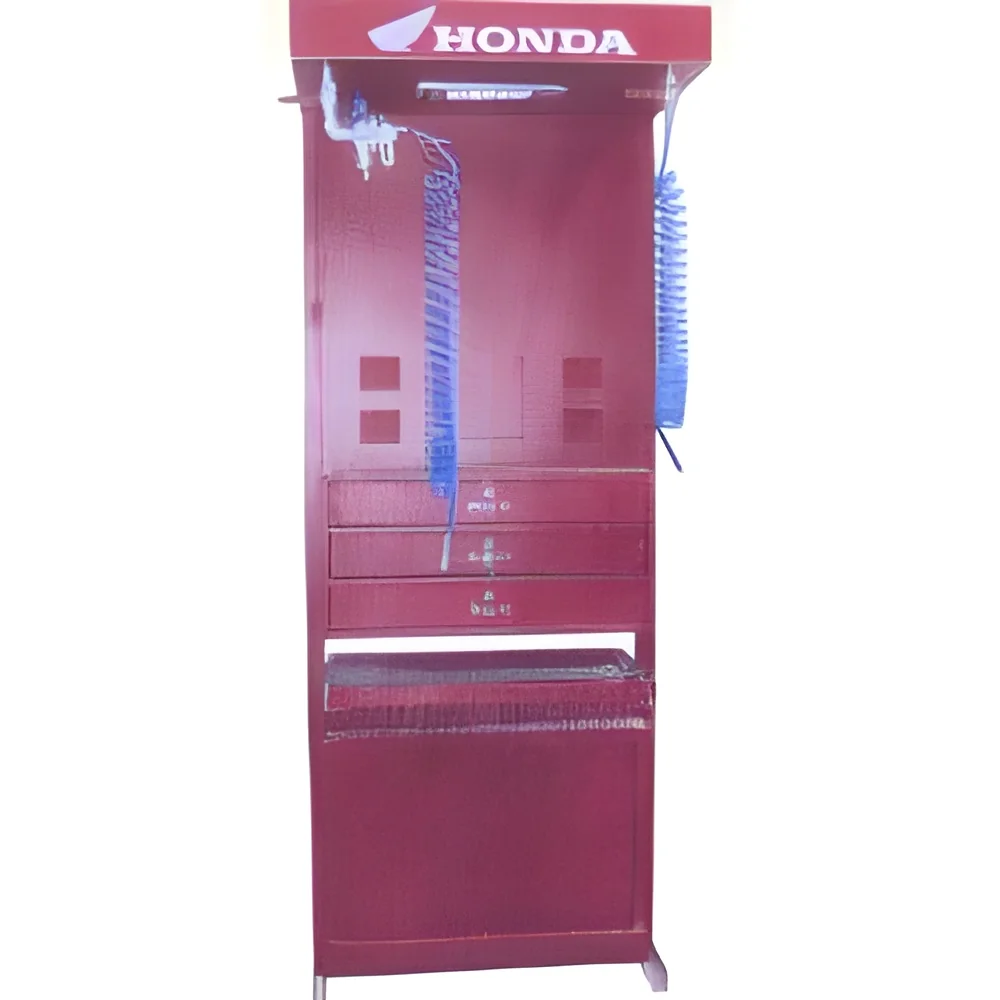
Proper storage is vital for maintaining an organized workshop. This category includes tool cabinets, shelving units, and toolboxes, designed to maximize space and enhance efficiency.
Power Tools
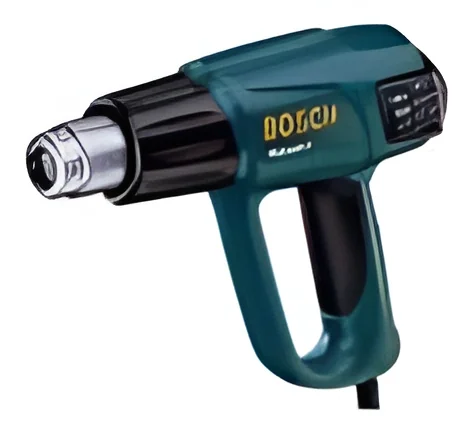
Power tools such as drills, saws, and grinders are essential for various tasks. They improve productivity and precision, making them staples in any workshop setting.
𝗕𝗲𝗻𝗲𝗳𝗶𝘁𝘀 𝗮𝗻𝗱 𝗔𝗱𝘃𝗮𝗻𝘁𝗮𝗴𝗲𝘀
Investing in high-quality garage and workshop equipment offers numerous benefits that enhance operational efficiency and safety.
1. Increased Productivity: Reliable equipment enables faster completion of tasks, allowing businesses to handle more jobs in less time.
2. Enhanced Safety: Modern equipment often incorporates safety features that reduce the risk of accidents, protecting workers and clients alike.
3. Improved Quality: High-quality tools contribute to better workmanship, leading to higher customer satisfaction and repeat business.
4. Cost Efficiency: Investing in durable equipment reduces the need for frequent replacements, saving money in the long run.
5. Versatility: Many tools are designed for multiple uses, allowing businesses to adapt to changing needs without additional investments.
6. Maintenance Support: Reputable manufacturers offer support and maintenance services, ensuring that equipment remains in optimal condition.
𝗕𝘂𝘆𝗶𝗻𝗴 𝗚𝘂𝗶𝗱𝗲 𝗳𝗼𝗿 𝗕𝟮𝗕 𝗕𝘂𝘆𝗲𝗿𝘀
When sourcing garage and workshop equipment, buyers should carefully consider several factors to ensure a successful purchase.
1. Quality Assessment: Evaluate the build quality and materials used in the equipment. Look for established brands known for their durability and reliability.
2. Supplier Verification: Vet suppliers by checking their credentials, customer reviews, and industry reputation. A trustworthy supplier is crucial for a successful partnership.
3. Pricing and MOQ: Understand the price range for the equipment and the minimum order quantity (MOQ) required. This helps in budgeting and ensures that you are making a cost-effective purchase.
4. Delivery and Lead Times: Confirm delivery dates and logistics arrangements. Ensure that the supplier can meet your timeline for equipment acquisition.
5. Compliance Requirements: Be aware of any industry-specific regulatory compliance needs. This may include safety standards and certifications that the equipment must meet.
𝗖𝗼𝗺𝗽𝗹𝗶𝗮𝗻𝗰𝗲 𝗮𝗻𝗱 𝗖𝗲𝗿𝘁𝗶𝗳𝗶𝗰𝗮𝘁𝗶𝗼𝗻𝘀
Compliance with quality standards and certifications is vital for garage and workshop equipment. Many manufacturers adhere to international standards such as ISO 9001, which ensures a consistent level of quality in production processes.
Industry certifications like CE mark indicate that the equipment meets European safety, health, and environmental protection standards. Additionally, equipment may need to comply with specific safety and testing requirements to ensure safe operation.
Regional compliance considerations are also important, as different regions may have unique regulations governing equipment use. Buyers should familiarize themselves with local laws to ensure their equipment meets all necessary compliance standards.
𝗪𝗵𝘆 𝗦𝗼𝘂𝗿𝗰𝗲 𝗚𝗮𝗿𝗮𝗴𝗲 & 𝗪𝗼𝗿𝗸𝘀𝗵𝗼𝗽 𝗘𝗾𝘂𝗶𝗽𝗺𝗲𝗻𝘁 𝗳𝗿𝗼𝗺 𝗣𝗲𝗽𝗮𝗴𝗼𝗿𝗮?
Pepagora provides a trusted platform for sourcing garage and workshop equipment, offering several key advantages to B2B buyers.
Verified Supplier Network: Pepagora partners with reputable suppliers who are vetted for quality and reliability. This ensures that buyers receive high-quality equipment that meets their needs.
Streamlined RFQ Process: The request for quotation (RFQ) system allows buyers to easily request quotes from multiple suppliers, facilitating competitive pricing and better decision-making.
Trade Assurance and Support: Pepagora offers buyer protection through trade assurance services, minimizing risks associated with purchasing equipment online.
Regional Coverage: With a strong presence in regions like India, the GCC, and Southeast Asia, Pepagora connects buyers with suppliers across various markets, enhancing accessibility to quality equipment.

 IN
IN

 India
India