What are Service Ramps & Stands?
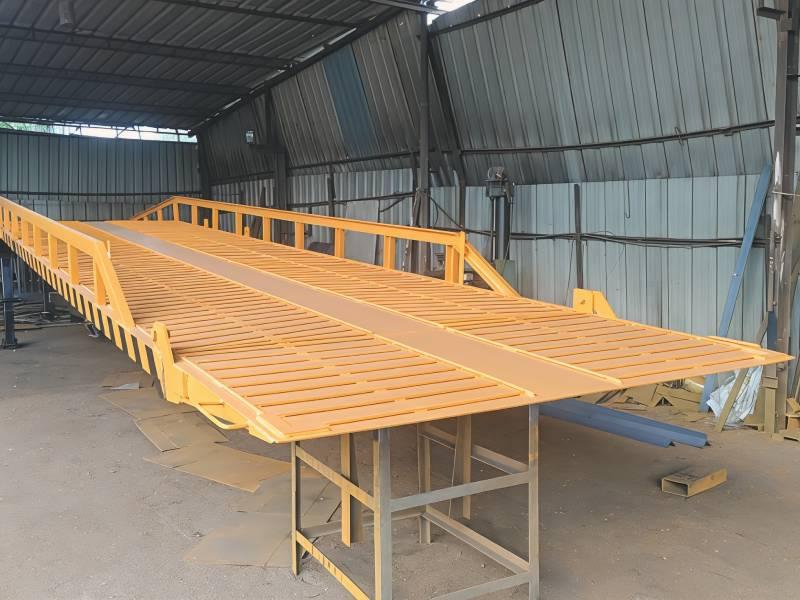
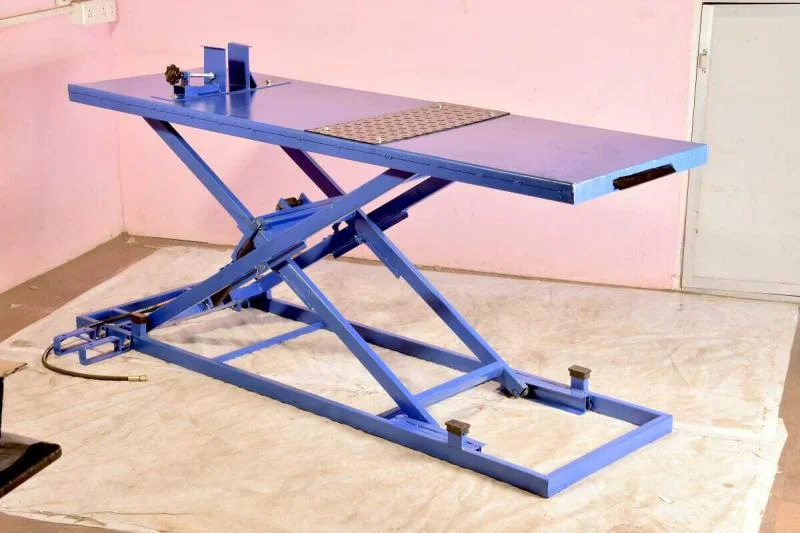
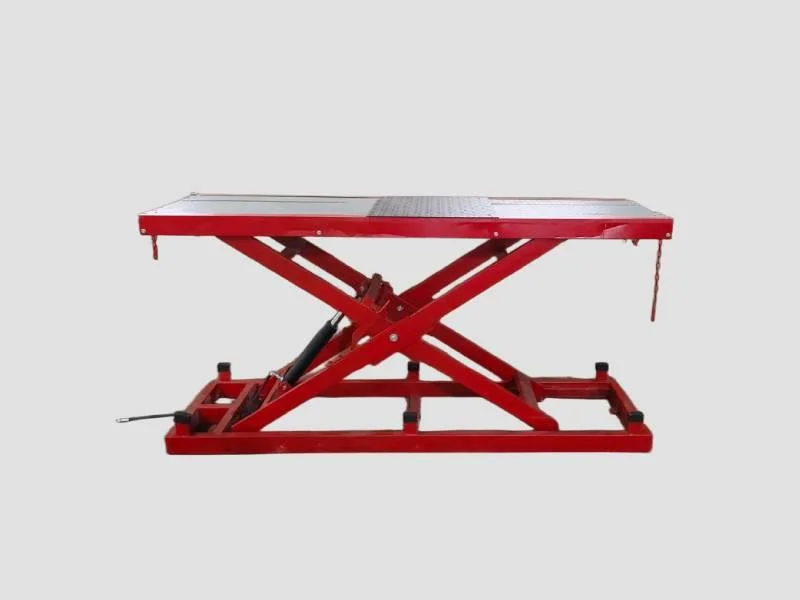
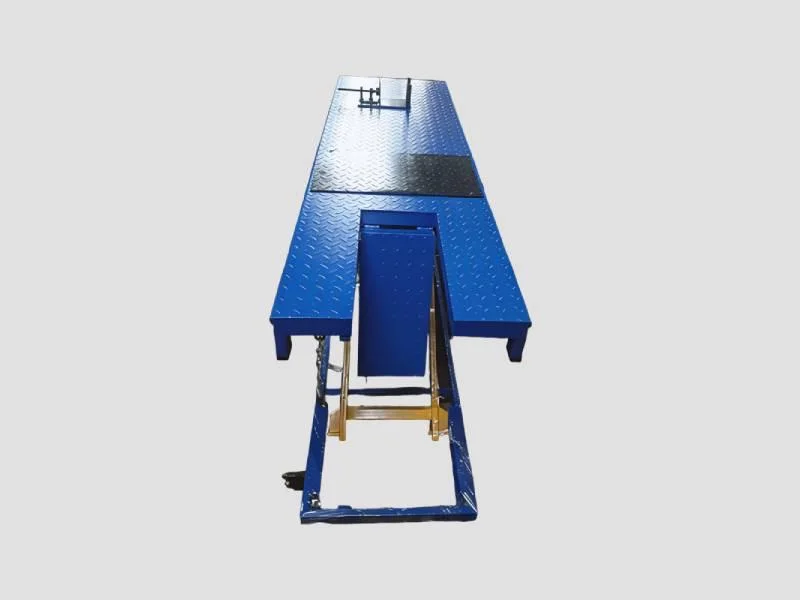
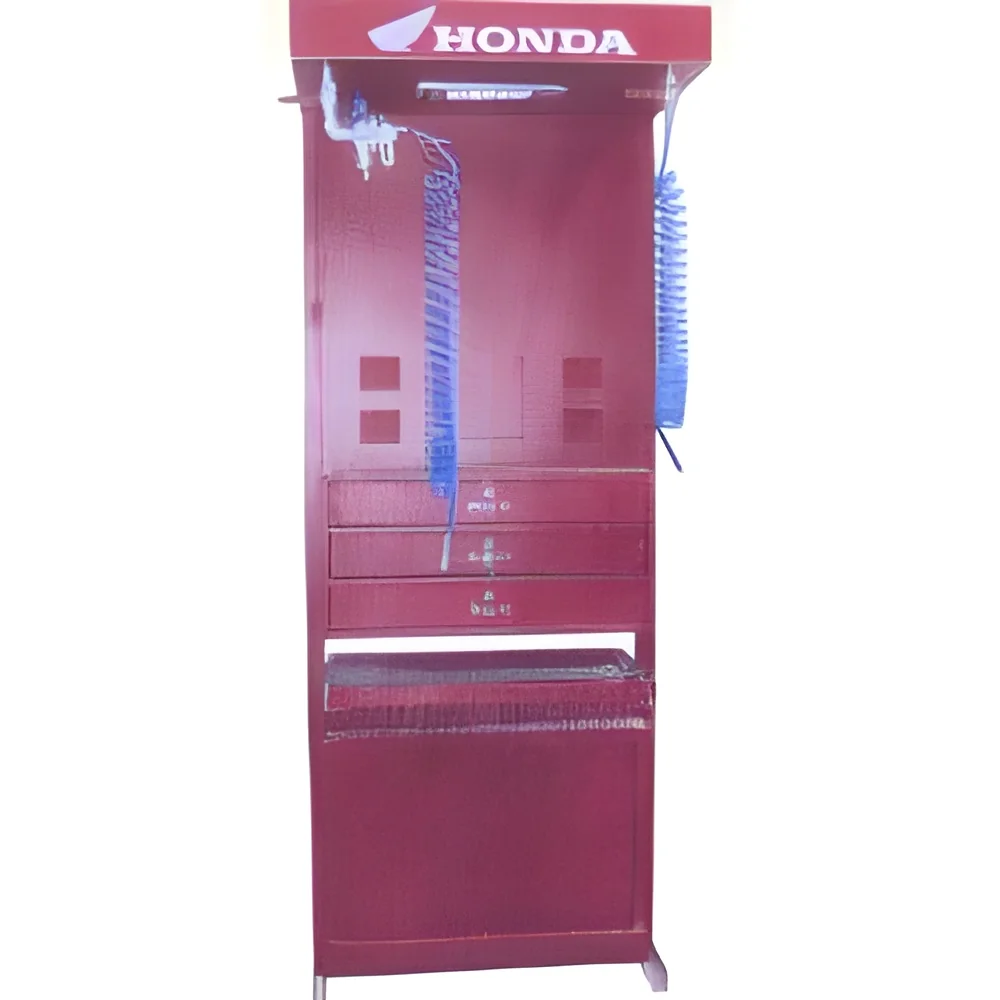
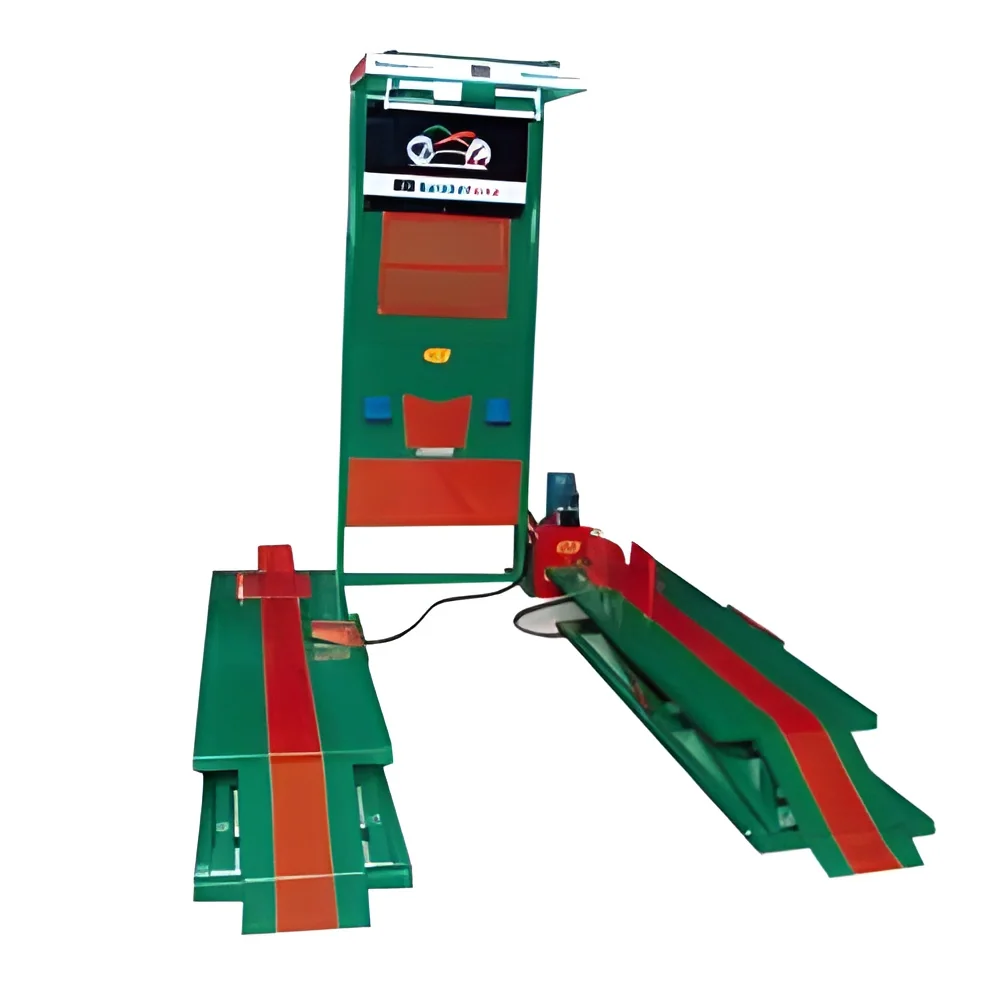
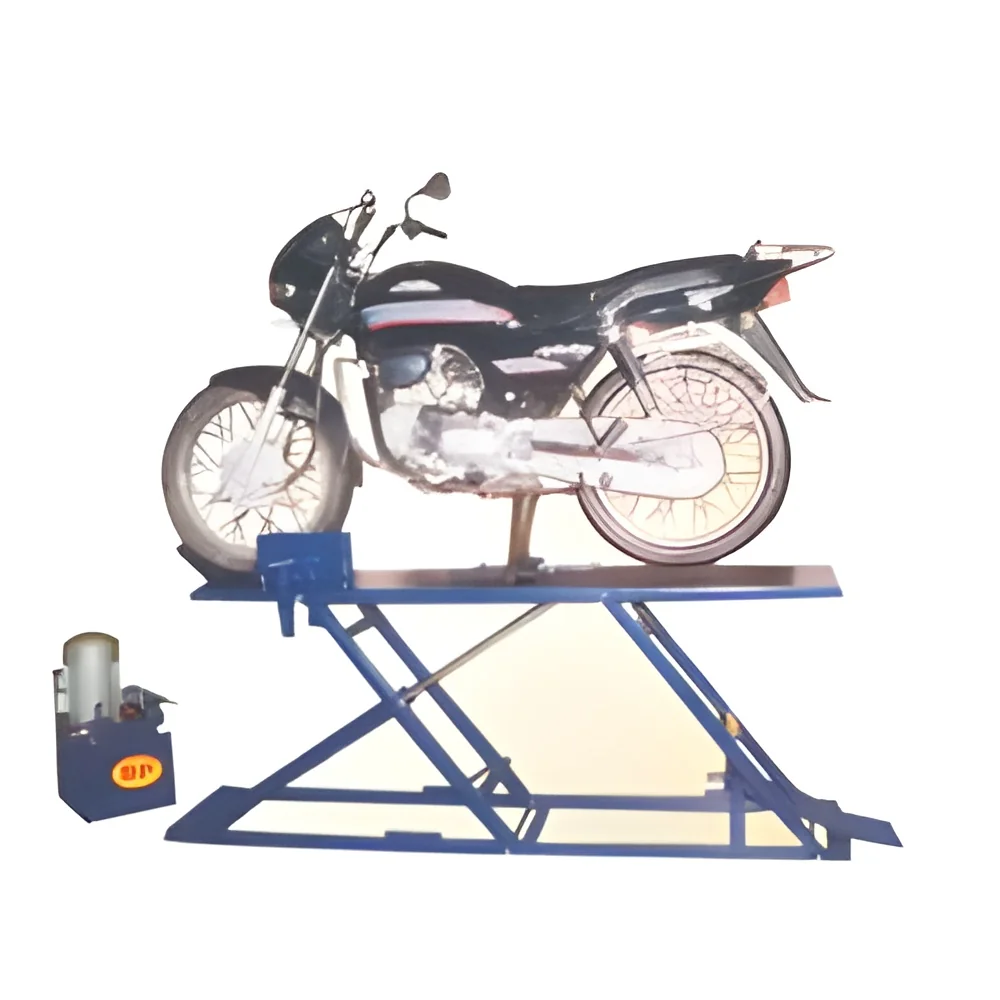
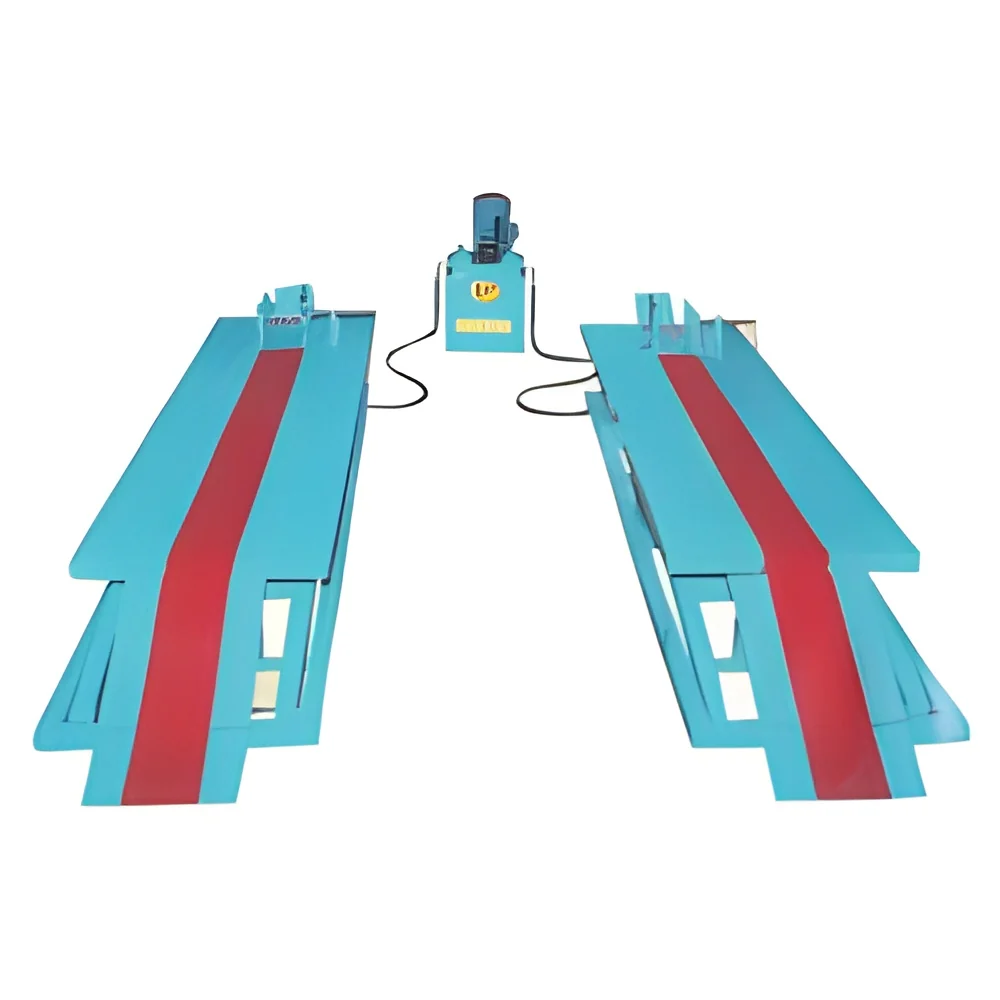
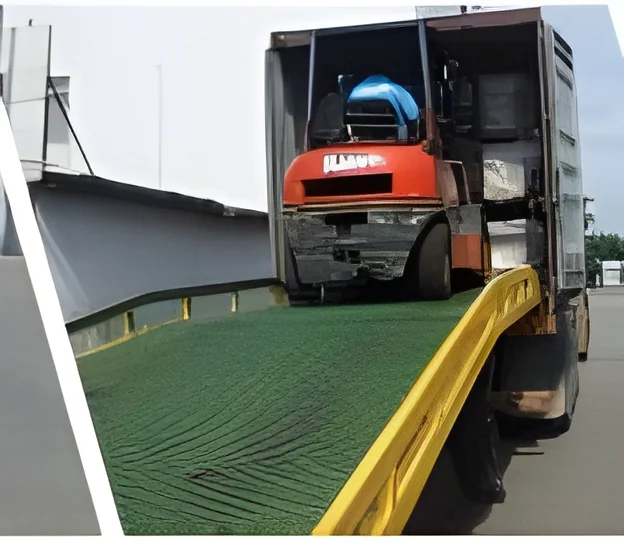
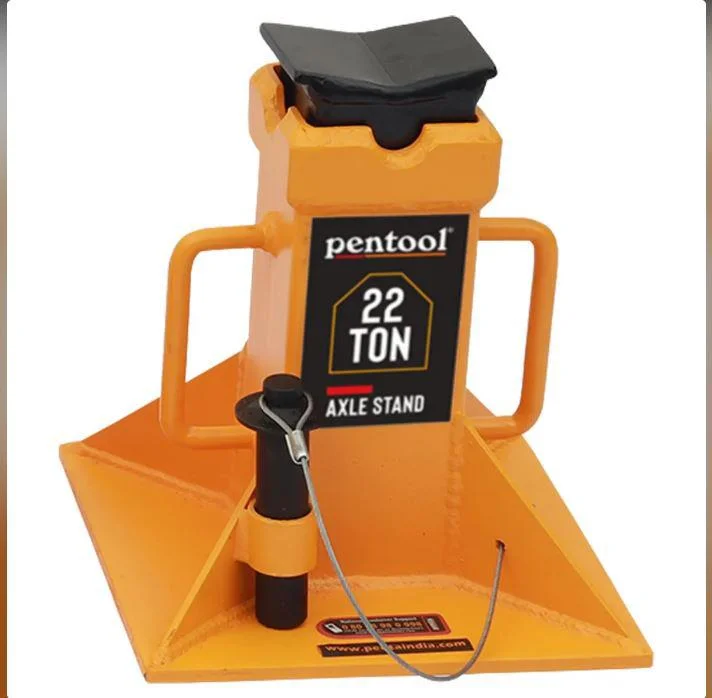
Service ramps and stands are specialized equipment designed to provide safe and efficient access for maintenance and repair tasks in various industrial settings. These products facilitate the lifting and positioning of heavy machinery or vehicles, allowing technicians to perform their work at a more comfortable height. Service ramps are inclined surfaces that enable vehicles to be driven onto them, while stands provide stable support for equipment that needs to be elevated off the ground.
These tools find extensive use across different sectors, including automotive, manufacturing, and construction. They are particularly beneficial in environments where heavy machinery and vehicles require frequent servicing. Service ramps and stands not only enhance productivity by allowing quick access to hard-to-reach areas but also improve safety by minimizing the risk of accidents associated with manual lifting and awkward working positions. In a competitive market, the demand for high-quality ramps and stands continues to grow as businesses prioritize efficiency and worker safety.
Key Features and Specifications
Service ramps and stands come equipped with various features tailored for industrial applications. These features ensure durability, stability, and safety during use.
Key specifications include:
1. Load Capacity
- This specification indicates the maximum weight the ramp or stand can support.
- Typical ranges vary based on design, often between 1,000 to 5,000 pounds.
2. Material Composition
- The materials used in construction impact the durability and weight of the ramps and stands.
- Common materials include steel and aluminum, providing a balance of strength and portability.
3. Dimensions
- The size of the ramps and stands contributes to their usability in different environments.
- Lengths can range from 4 to 12 feet, while width varies to accommodate different vehicle sizes.
4. Surface Texture
- The texture of the ramp or stand surface affects grip and safety.
- Features may include non-slip surfaces or rubberized coatings.
5. Adjustability
- Some models offer adjustable heights or incline angles for customizable use.
- This feature enhances versatility for various tasks.
6. Portability
- Many ramps and stands are designed to be lightweight and easy to transport.
- This is particularly useful for mobile service applications.
7. Safety Features
- Integrated safety features can include guardrails and locking mechanisms.
- These features help prevent accidents during use.
In summary, service ramps and stands are engineered with specific features and specifications that make them essential tools in industrial settings, promoting safety and efficiency.
Common Applications and Use Cases
Service ramps and stands are versatile tools used across multiple industries, each with unique applications.
1. Automotive Industry: These products are commonly used in auto repair shops for servicing vehicles. They allow mechanics to access undercarriages easily, enhancing efficiency during oil changes, tire rotations, and general maintenance.
2. Manufacturing: In manufacturing facilities, service ramps and stands assist in maintaining heavy machinery. They enable technicians to perform routine checks and repairs safely, reducing downtime and preventing accidents.
3. Construction: Construction sites utilize ramps and stands for equipment maintenance and inspections. They provide necessary access for workers to perform tasks at elevated heights while ensuring safety.
4. Aviation: In the aviation sector, these tools help technicians access aircraft for repairs and routine checks. The ramps provide a safe and stable platform for working on various aircraft components.
5. Warehouse Operations: Service ramps are beneficial in warehouses for loading and unloading goods. They facilitate the movement of pallets and heavy items, improving workflow and safety.
6. Agricultural Equipment: Farmers use ramps and stands to service tractors and other heavy equipment. This access is crucial for maintaining equipment efficiency and longevity.
7. Marine Industry: In maritime applications, these tools assist in servicing boats and ships. They provide safe access for repairs and inspections while docked.
Product Variants and Subcategories
Service ramps and stands come in various designs and configurations to suit different needs.
Heavy-Duty Ramps: These ramps are designed to support heavier loads, making them ideal for industrial applications. They often feature reinforced frames and sturdy materials to ensure stability and safety.
Portable Ramps: Lightweight and easy to transport, portable ramps are ideal for mobile service applications. They can be folded or disassembled for convenient storage and transport.
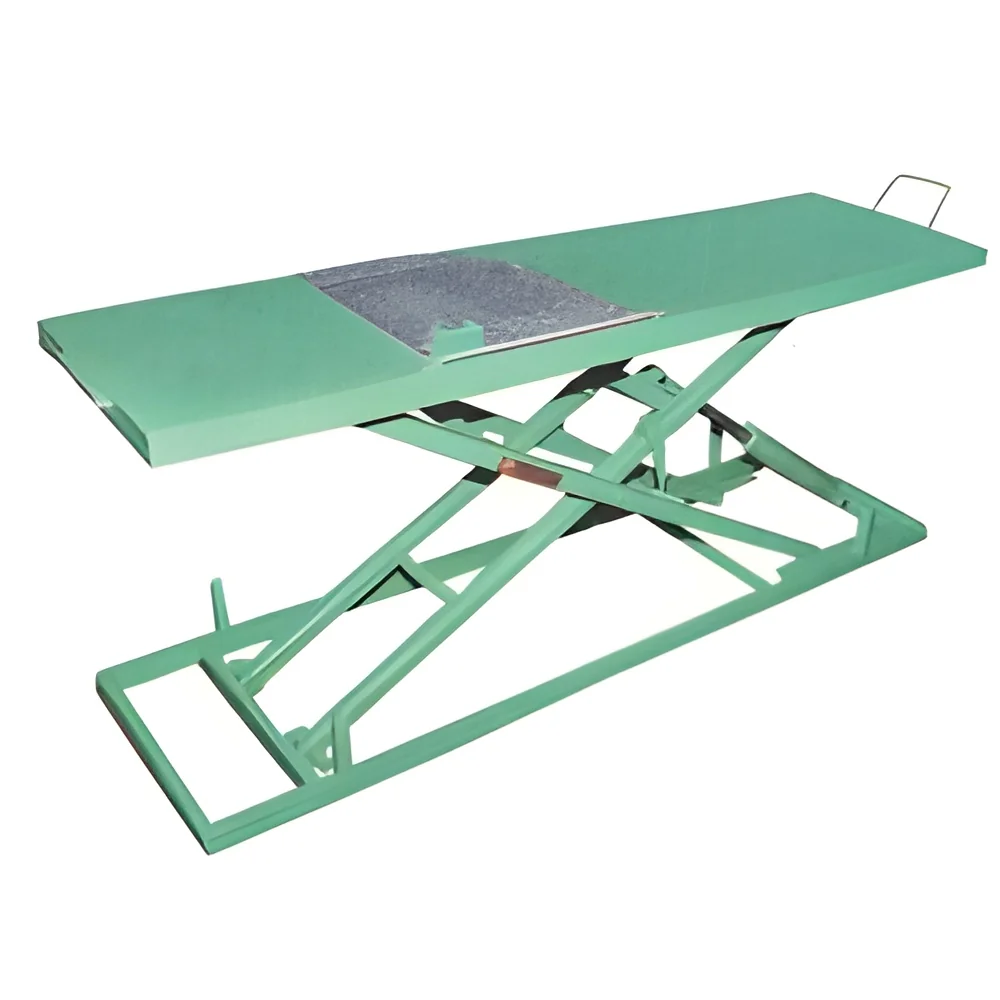
Adjustable Stands: These stands offer adjustable heights to accommodate various tasks. They are especially useful in settings where different equipment sizes are serviced regularly.
Folding Ramps: Designed for easy storage, folding ramps can be compacted when not in use. They provide flexibility for businesses with limited space.
Benefits and Advantages
Service ramps and stands offer numerous benefits that enhance operational efficiency and safety.
1. Improved Safety: These tools significantly reduce the risk of accidents associated with manual lifting and awkward positions. They provide stable support for heavy equipment during maintenance.
2. Increased Efficiency: By allowing quick access to machinery and vehicles, service ramps and stands help technicians complete tasks faster, minimizing downtime.
3. Versatility: With various designs available, these products can be used across multiple industries for different applications, making them a valuable investment.
4. Enhanced Ergonomics: By elevating equipment to a comfortable working height, ramps and stands reduce strain on workers, promoting better ergonomics.
5. Cost-Effectiveness: Investing in high-quality ramps and stands can lead to long-term savings by reducing labor costs and preventing equipment damage.
6. Compliance Support: Using these tools can help businesses meet safety regulations and standards, ensuring a safer working environment.
Buying Guide for B2B Buyers
When sourcing service ramps and stands, buyers should consider several key factors to ensure they select the right products for their needs.
1. Quality Assessment: Evaluate the quality of materials and construction. Look for durable options that can withstand the intended load and usage.
2. Supplier Verification: Vet potential suppliers thoroughly. Check for industry experience, customer reviews, and certifications to ensure reliability.
3. Pricing and MOQ: Understand the pricing structure and minimum order quantities. Compare different suppliers to find the best value for your budget.
4. Delivery and Lead Times: Inquire about delivery options and lead times. Ensure that suppliers can meet your timelines to avoid disruptions in operations.
5. Compliance Requirements: Familiarize yourself with any regulatory requirements related to safety and equipment standards. Ensure that the products meet necessary compliance certifications.
Compliance and Certifications
Service ramps and stands must adhere to various quality standards and regulations to ensure safety and reliability. Relevant quality standards such as ISO 9001 outline requirements for quality management systems, ensuring that manufacturers maintain high production standards.
In addition to general quality standards, these products may require industry-specific certifications such as CE marking, which indicates compliance with European Union safety, health, and environmental protection standards.
Safety and testing requirements are critical, as they ensure that the ramps and stands can withstand specified loads and conditions without failure. Manufacturers should conduct thorough testing to meet these safety standards.
Regional compliance considerations may also apply, depending on the market. Buyers should verify that products comply with local regulations and standards to ensure safe and legal use.
Why Source Service Ramps & Stands from Pepagora?
Pepagora provides an efficient platform for sourcing service ramps and stands, ensuring that buyers find high-quality products with several key advantages.
Verified Supplier Network: Pepagora connects buyers with a network of verified suppliers, ensuring that products meet industry standards and quality expectations. This verification process enhances buyer confidence.
Streamlined RFQ Process: The request for quotation system simplifies the sourcing process. Buyers can easily compare pricing and specifications from multiple suppliers, facilitating informed decision-making.
Trade Assurance and Support: Pepagora offers trade assurance, providing buyers with protection against potential risks. This support fosters a secure purchasing environment, ensuring that transactions are smooth and reliable.
Regional Coverage: With a strong presence in India, the GCC, and Southeast Asia, Pepagora offers extensive geographic reach. This allows buyers to access a wide range of products and suppliers, catering to diverse industrial needs.

 IN
IN