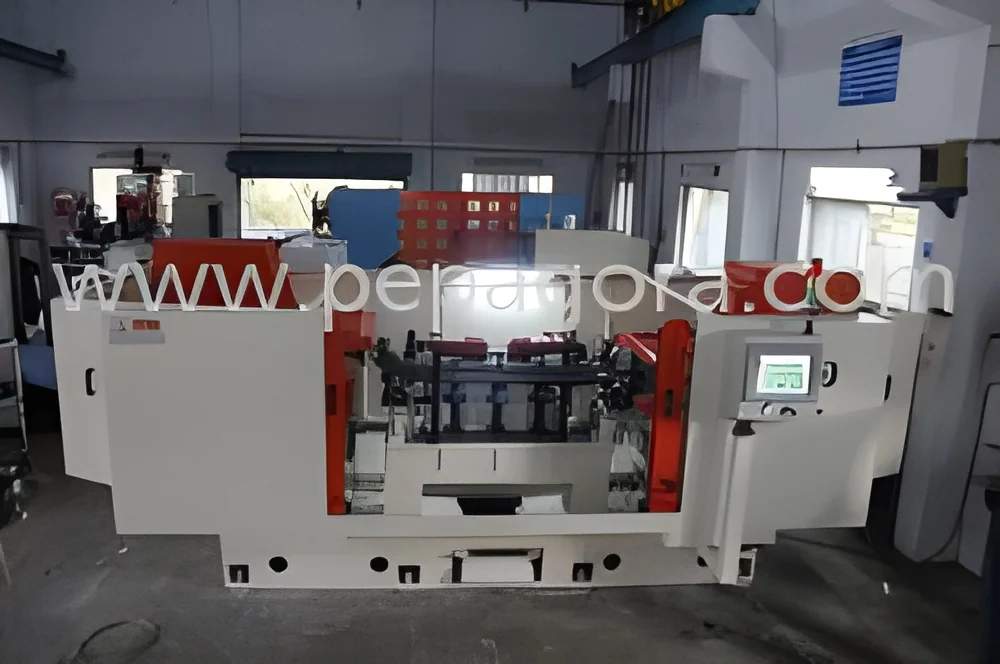
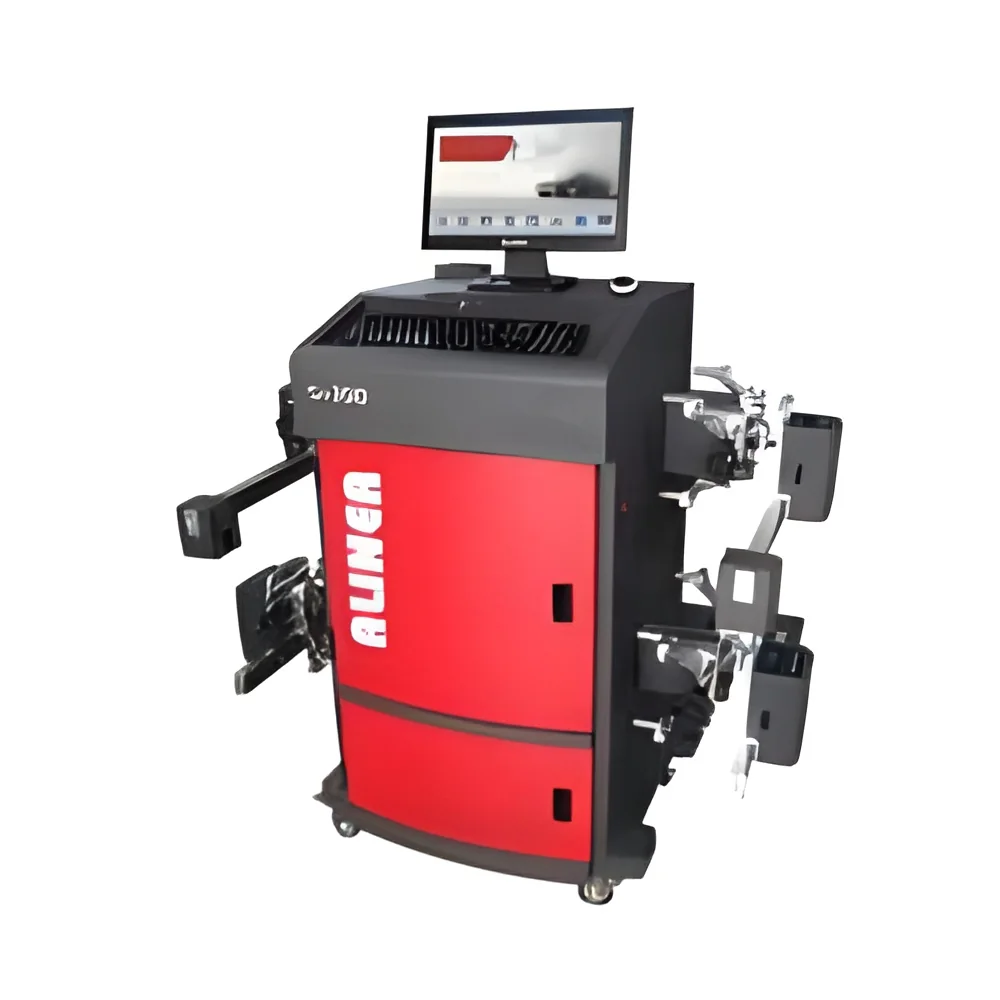
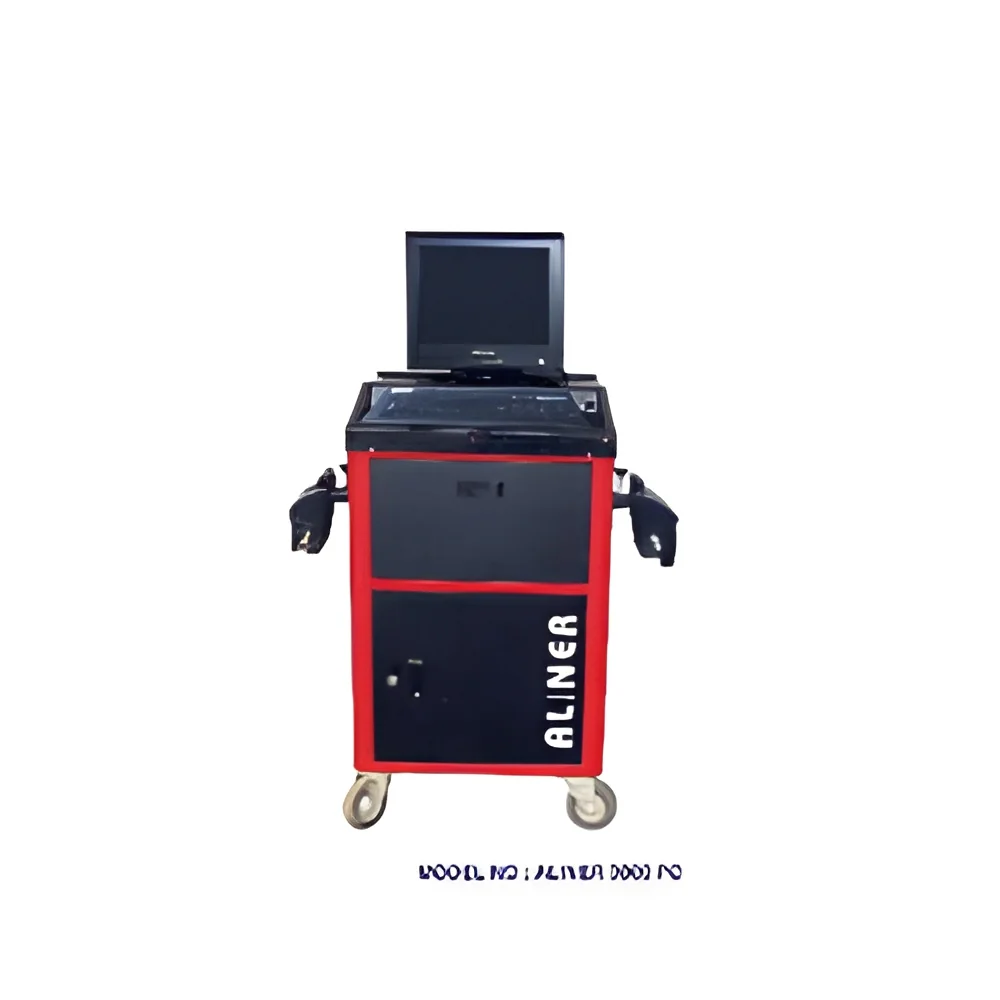
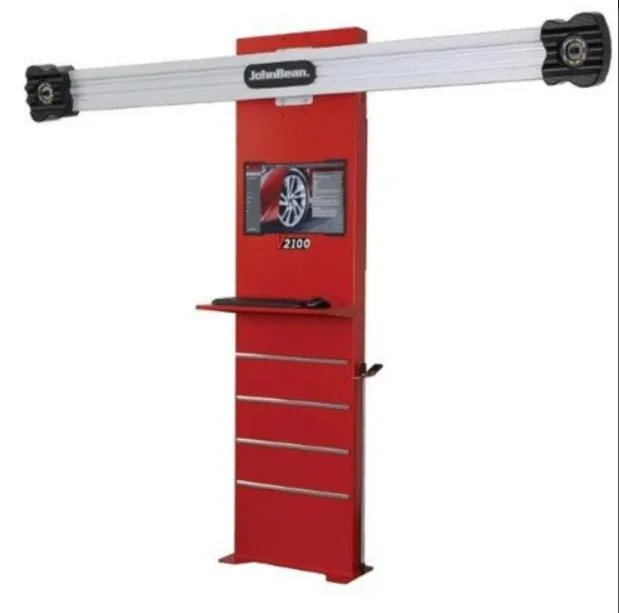
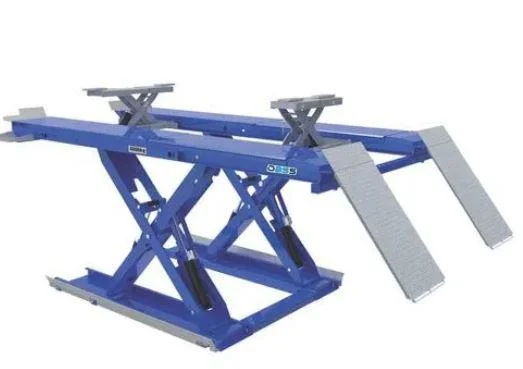
What are Wheel Alignment Machines?
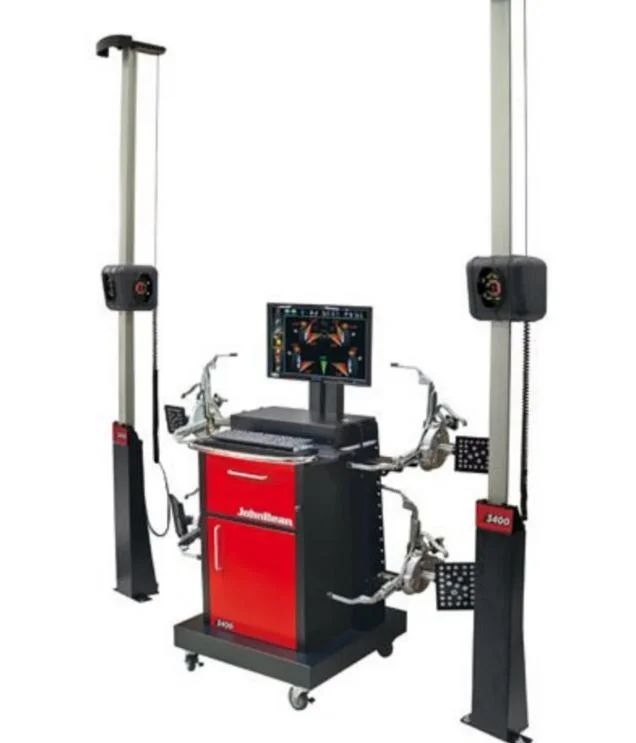
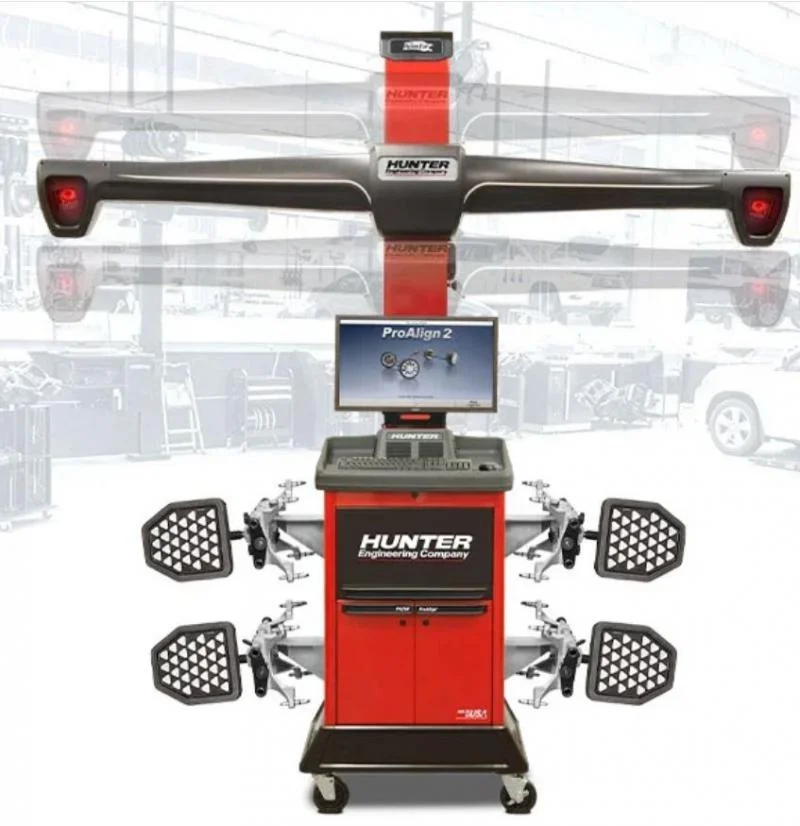
Wheel alignment machines are specialized equipment used to measure and adjust the angles of wheels in vehicles. These machines ensure that wheels are positioned at the correct angles relative to each other and the road, which is crucial for optimal vehicle performance. Proper wheel alignment enhances tire lifespan, improves fuel efficiency, and ensures safer driving conditions.
The primary use of wheel alignment machines is in automotive repair shops and service centers. They are essential for diagnosing alignment issues and making necessary adjustments to the vehicle's suspension and steering systems. Businesses across the automotive industry utilize these machines to provide alignment services, ensuring that vehicles operate smoothly and efficiently. The growing demand for vehicle maintenance and repair services has led to an increase in the adoption of wheel alignment machines, making them a vital part of the automotive service landscape.
In the current market context, wheel alignment machines are relevant due to the increasing number of vehicles on the road and the emphasis on vehicle maintenance. Automotive service providers are expanding their offerings to include advanced wheel alignment technologies, which improve service quality and customer satisfaction. This trend reflects a broader movement towards more efficient and effective automotive service solutions.
Key Features and Specifications
Wheel alignment machines come equipped with a variety of features that enhance their functionality and usability. Understanding these specifications is essential for selecting the right machine for specific business needs.
Key specifications include:
1. Measurement Accuracy
- High precision in angle measurements
- Typically within a range of ±0.1 degree
2. Adjustment Capability
- Ability to adjust camber, caster, and toe angles
- Range of adjustments varies by model
3. Wheel Sizes Supported
- Compatibility with a wide range of wheel sizes
- Generally accommodates wheels ranging from 10 to 24 inches
4. Software Integration
- Advanced software for diagnostics and reporting
- Often includes features for customer management
5. Display Type
- Digital displays for ease of reading measurements
- Some models offer touchscreen interfaces
6. Calibration Requirements
- Calibration processes to ensure measurement accuracy
- Frequency of calibration depends on usage intensity
7. Portability
- Some machines are designed for easy mobility
- Compact models available for smaller workshops
8. Build Quality
- Durable construction materials for long-lasting use
- Typically designed to withstand heavy-duty use in busy workshops
In summary, selecting a wheel alignment machine involves understanding its key features and specifications, which directly impact its effectiveness and usability in automotive service settings.
Common Applications and Use Cases
Wheel alignment machines serve multiple industries beyond just automotive repair. Their versatility makes them suitable for various applications.
1. Automotive Repair Shops: These establishments primarily use wheel alignment machines to diagnose and correct alignment issues, ensuring vehicles operate efficiently and safely.
2. Tire Retailers: Tire shops utilize these machines to offer alignment services alongside tire sales, maximizing customer service and product offerings.
3. Fleet Maintenance: Companies managing vehicle fleets employ wheel alignment machines to maintain their vehicles, ensuring longevity and reliability.
4. Heavy-Duty Vehicle Services: Workshops servicing trucks and buses require specialized alignment machines to handle larger wheel sizes and heavier loads.
5. Motorsports: Racing teams use advanced wheel alignment technology to optimize vehicle performance, ensuring precision handling on the track.
6. Agricultural Equipment Services: Providers of agricultural machinery use alignment machines to maintain equipment, ensuring optimal performance in the field.
7. Industrial Machinery: Facilities that operate heavy machinery implement wheel alignment solutions to ensure operational efficiency and safety.
Product Variants and Subcategories
Wheel alignment machines come in various forms to suit different needs and applications. Their diversity allows businesses to choose models that fit their specific requirements.
Benchtop Wheel Alignment Machines: These machines are designed for smaller workspaces and offer essential alignment features. They are perfect for shops with limited floor space but still require reliable alignment services.
Mobile Wheel Alignment Machines: These portable options allow technicians to perform alignments on-site. Their flexibility makes them ideal for fleet services and roadside assistance.
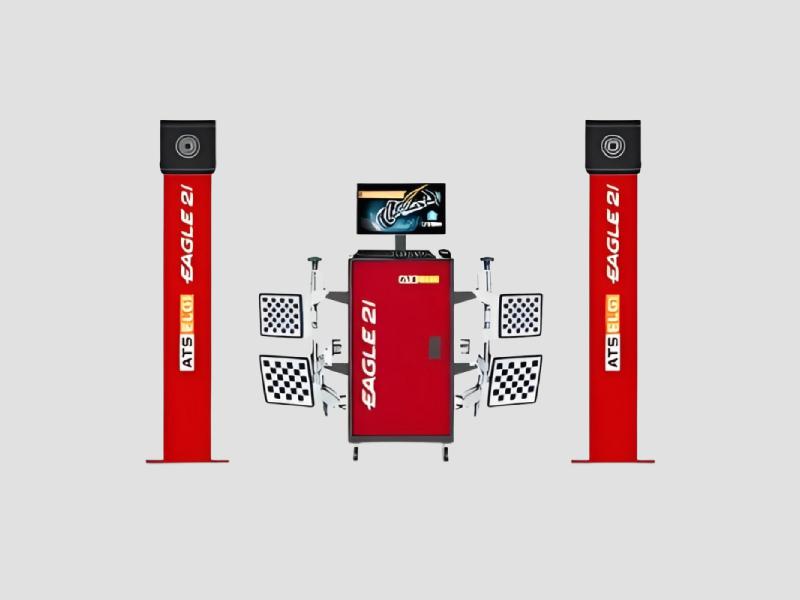
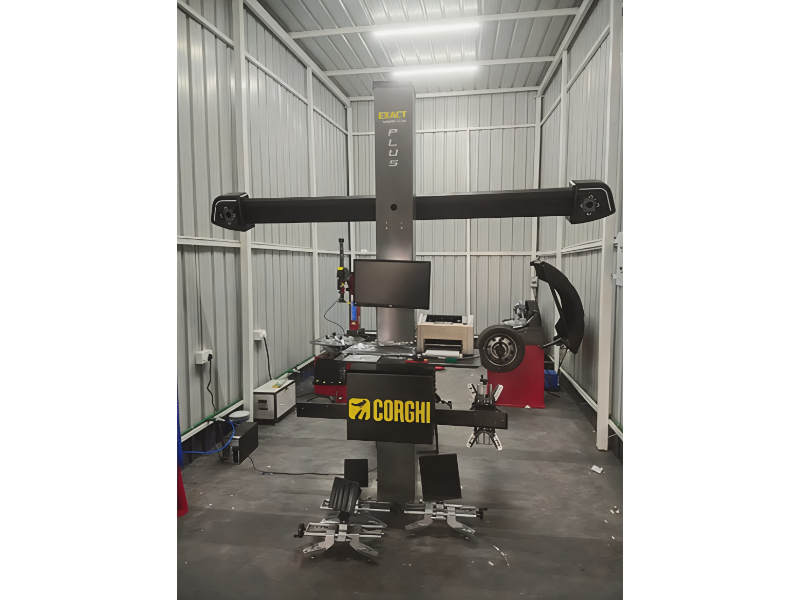
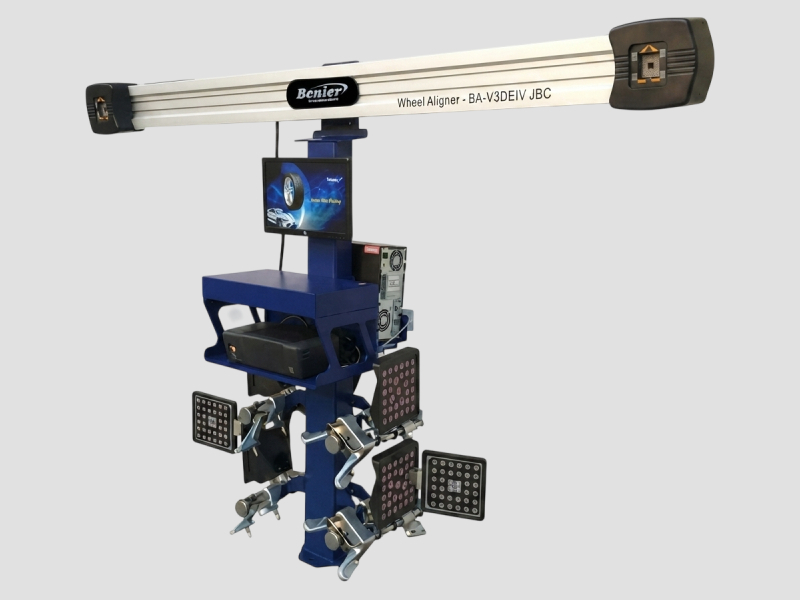
Advanced 3D Wheel Alignment Machines: These high-tech systems use 3D imaging technology for precise measurements. They are suited for shops looking to provide cutting-edge alignment services.
Benefits and Advantages
Investing in wheel alignment machines provides numerous advantages for businesses in the automotive sector.
1. Improved Vehicle Performance: Proper alignment enhances driving experience and handling, leading to better vehicle performance.
2. Extended Tire Lifespan: Accurate alignments reduce uneven tire wear, significantly prolonging tire life and reducing replacement costs.
3. Enhanced Fuel Efficiency: Correct wheel alignment can improve fuel consumption, leading to cost savings for vehicle operators.
4. Increased Customer Satisfaction: Offering wheel alignment services can attract more customers, enhancing service offerings and customer loyalty.
5. Reduced Maintenance Costs: By addressing alignment issues promptly, businesses can prevent more significant suspension and steering system repairs.
6. Competitive Advantage: Having advanced alignment technology helps businesses stand out in a competitive automotive service market.
Buying Guide for B2B Buyers
When sourcing wheel alignment machines, several factors should be considered to ensure a successful purchase.
1. Quality Assessment: Evaluate the build quality and durability of the machine. Look for machines with a proven track record of reliability in busy workshop environments.
2. Supplier Verification: Conduct thorough checks on suppliers to ensure they are reputable. Request references and consider their industry experience.
3. Pricing and MOQ: Compare pricing structures across different suppliers. Understand the minimum order quantity (MOQ) to align with your operational needs.
4. Delivery and Lead Times: Inquire about delivery schedules and lead times. Timely delivery is crucial for maintaining service continuity.
5. Compliance Requirements: Ensure that the machines comply with relevant industry standards and regulations. Familiarize yourself with any certifications required in your region.
Compliance and Certifications
Wheel alignment machines must adhere to various quality and safety standards to ensure they meet industry expectations.
ISO 9001 is a widely recognized standard that focuses on quality management systems. Compliance with this standard indicates that a manufacturer maintains consistent quality in their processes and products.
Additionally, CE certification is important for machines sold in Europe, ensuring they meet safety and health requirements. This certification reassures buyers regarding the reliability of the equipment.
Safety and testing requirements are crucial for the operation of wheel alignment machines. Manufacturers should conduct thorough testing to ensure that the machines are safe to use and meet operational standards.
Regional compliance considerations may vary, so it is essential for buyers to be aware of local regulations that apply to the use of such equipment.
Why Source Wheel Alignment Machines from Pepagora?
Pepagora offers a trusted platform for sourcing wheel alignment machines, presenting several key advantages for buyers.
Verified Supplier Network: Pepagora has established a robust network of verified suppliers, ensuring that buyers can access high-quality machines from reputable manufacturers. This verification process helps mitigate risks associated with sourcing equipment.
Streamlined RFQ Process: The platform provides a streamlined request for quotation (RFQ) process. Buyers can easily compare quotes from multiple suppliers, facilitating informed decision-making.
Trade Assurance and Support: Pepagora offers trade assurance that protects buyers throughout the purchasing process. This support provides peace of mind when investing in equipment.
Regional Coverage: With a strong presence in India, the GCC, and Southeast Asia, Pepagora ensures that buyers can find suitable suppliers in their regions, enhancing accessibility to quality wheel alignment machines.

 IN
IN