What are Hydraulic Vehicle Lifts?
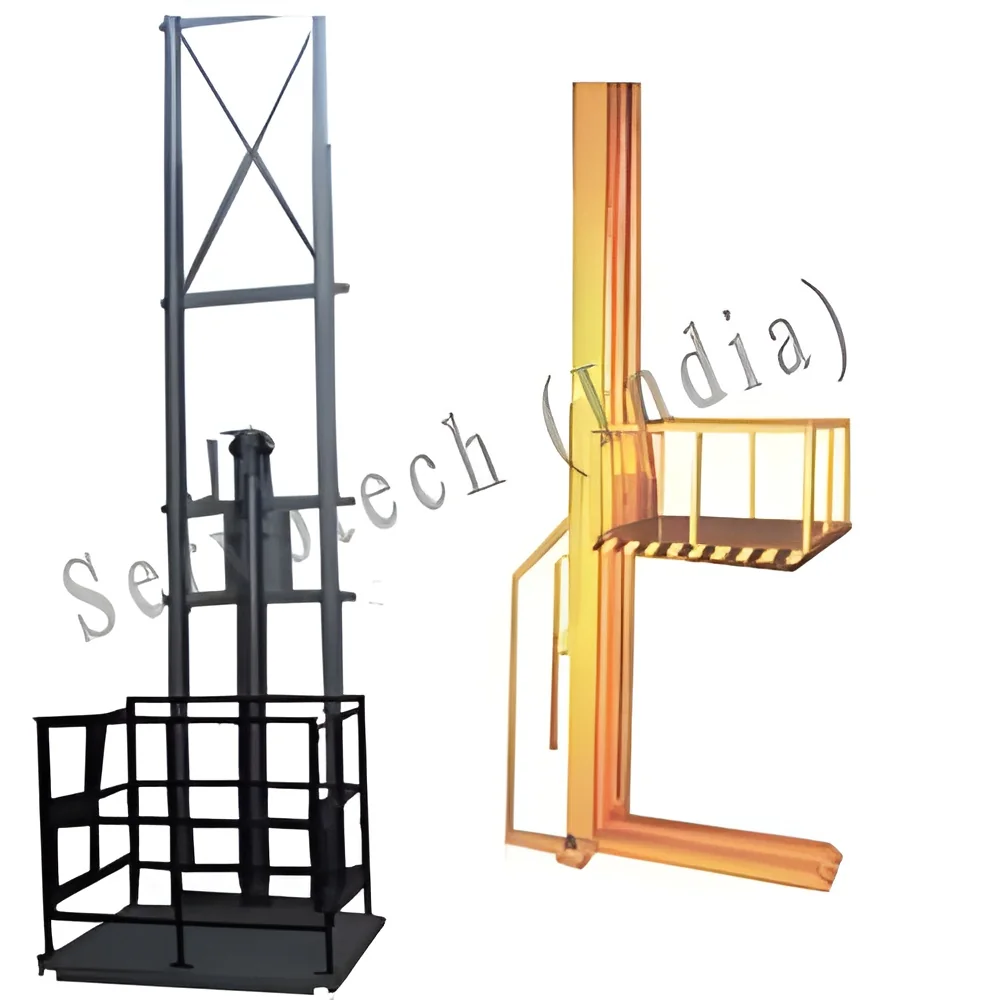
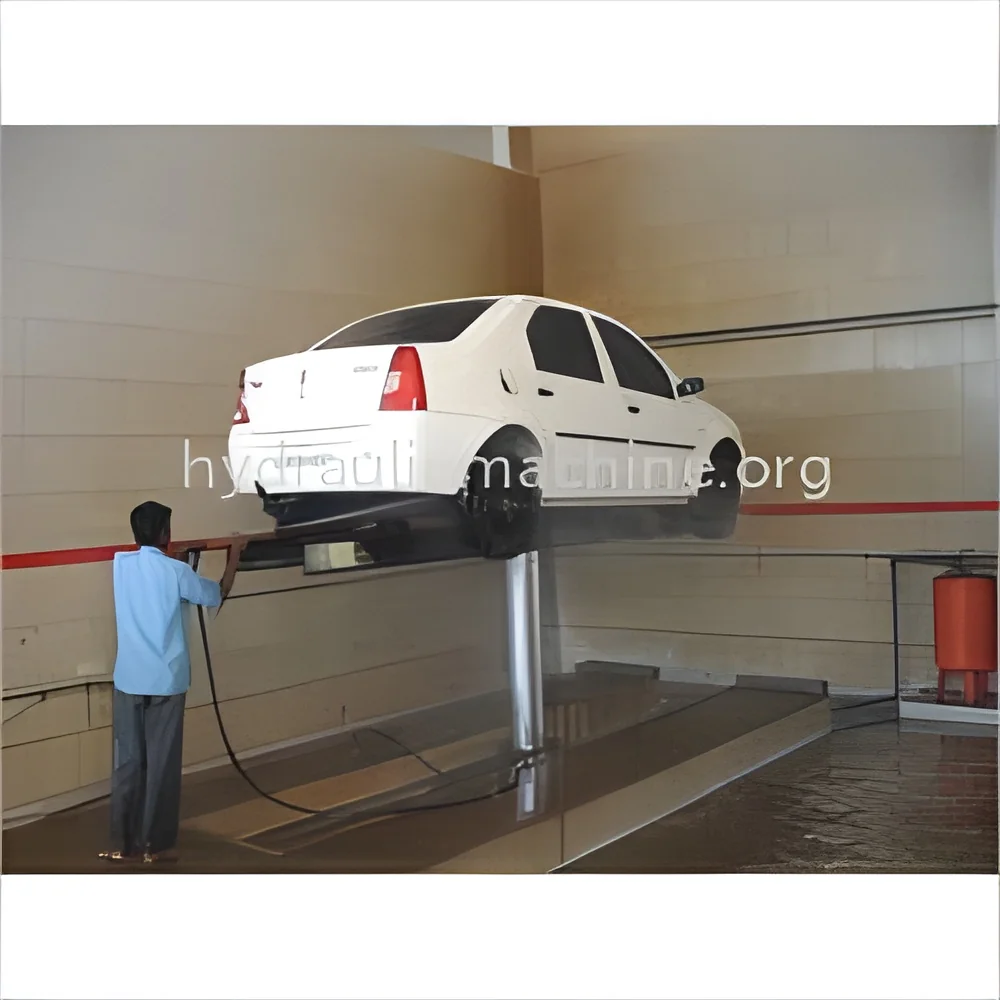
Hydraulic vehicle lifts are essential tools used for raising and lowering vehicles, facilitating maintenance and repair tasks in various automotive settings. These lifts operate using hydraulic systems, which utilize pressurized fluid to create mechanical force. This enables the lifts to raise heavy vehicles quickly and safely, making them invaluable in workshops, garages, and service stations.
Primarily, hydraulic vehicle lifts are used in the automotive industry for tasks such as tire changes, oil changes, and general vehicle inspections. They are also employed in heavy equipment maintenance and by fleet service providers. The ability to lift vehicles off the ground allows technicians to access the undercarriage easily, improving efficiency and safety during repairs.
In the current market context, hydraulic vehicle lifts are increasingly relevant as the automotive industry expands. With the rise of electric vehicles and advanced automotive technologies, the need for specialized equipment like hydraulic lifts is growing. As businesses strive for efficiency and safety, investing in high-quality hydraulic lifts becomes essential for maintaining competitive advantage in the industry.
Key Features and Specifications
Hydraulic vehicle lifts offer several key features that enhance their functionality and reliability. Understanding these specifications is crucial for making informed purchasing decisions.
Key specifications include:
1. Lifting Capacity
- Most lifts can handle between 2,000 to 30,000 pounds, catering to different vehicle sizes and types.
2. Lift Height
- Typical lift heights range from 48 inches to over 72 inches, allowing for adequate clearance for various maintenance tasks.
3. Power Source
- Hydraulic lifts can be powered by electric, pneumatic, or manual systems, providing options for different workshop needs.
4. Platform Dimensions
- Depending on the model, platforms may vary in size, typically ranging from 12 to 20 feet in length, accommodating various vehicles.
5. Safety Features
- Many hydraulic lifts come equipped with safety locks, automatic shut-off systems, and overload protection to ensure user safety.
6. Construction Material
- Common materials include heavy-duty steel, which offers durability and long-lasting performance under heavy loads.
7. Mobility Options
- Some lifts are fixed, while others are portable, allowing flexibility in workshop layout and space utilization.
8. Warranty and Support
- Most manufacturers offer warranties ranging from one to five years, highlighting the quality and reliability of the product.
In summary, understanding these features and specifications is vital for selecting the right hydraulic vehicle lift to meet specific business needs.
Common Applications and Use Cases
Hydraulic vehicle lifts serve various industries, providing critical support for maintenance and repair tasks.
1. Automotive Repair: These lifts are commonly used in auto repair shops for routine maintenance, inspections, and repairs, enabling mechanics to work efficiently and safely.
2. Fleet Services: Companies managing fleets utilize hydraulic lifts to handle regular servicing of their vehicles, ensuring that they remain operational and compliant with safety standards.
3. Heavy Equipment Maintenance: In construction and industrial sectors, hydraulic lifts are used to service heavy machinery, allowing for efficient repairs and maintenance checks.
4. Body Shops: Collision repair centers rely on hydraulic lifts to access vehicles’ undercarriages and side panels, facilitating bodywork and paint jobs.
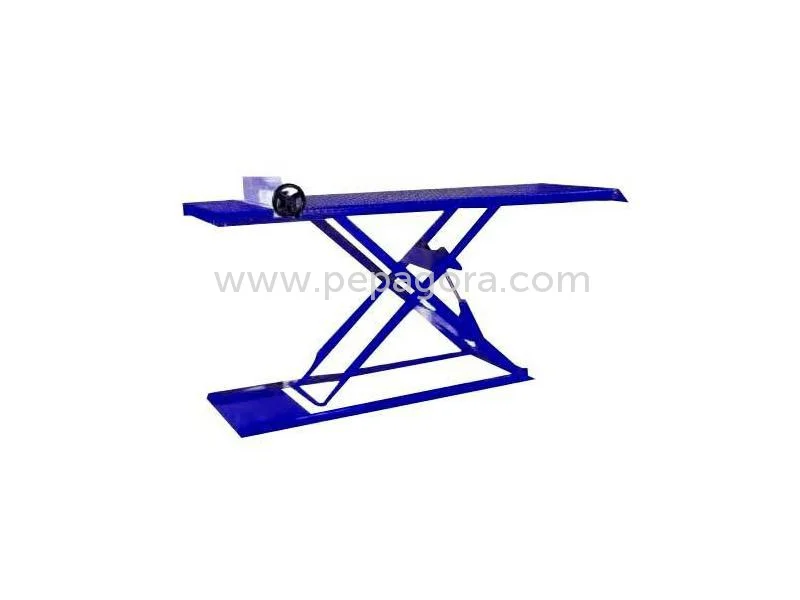
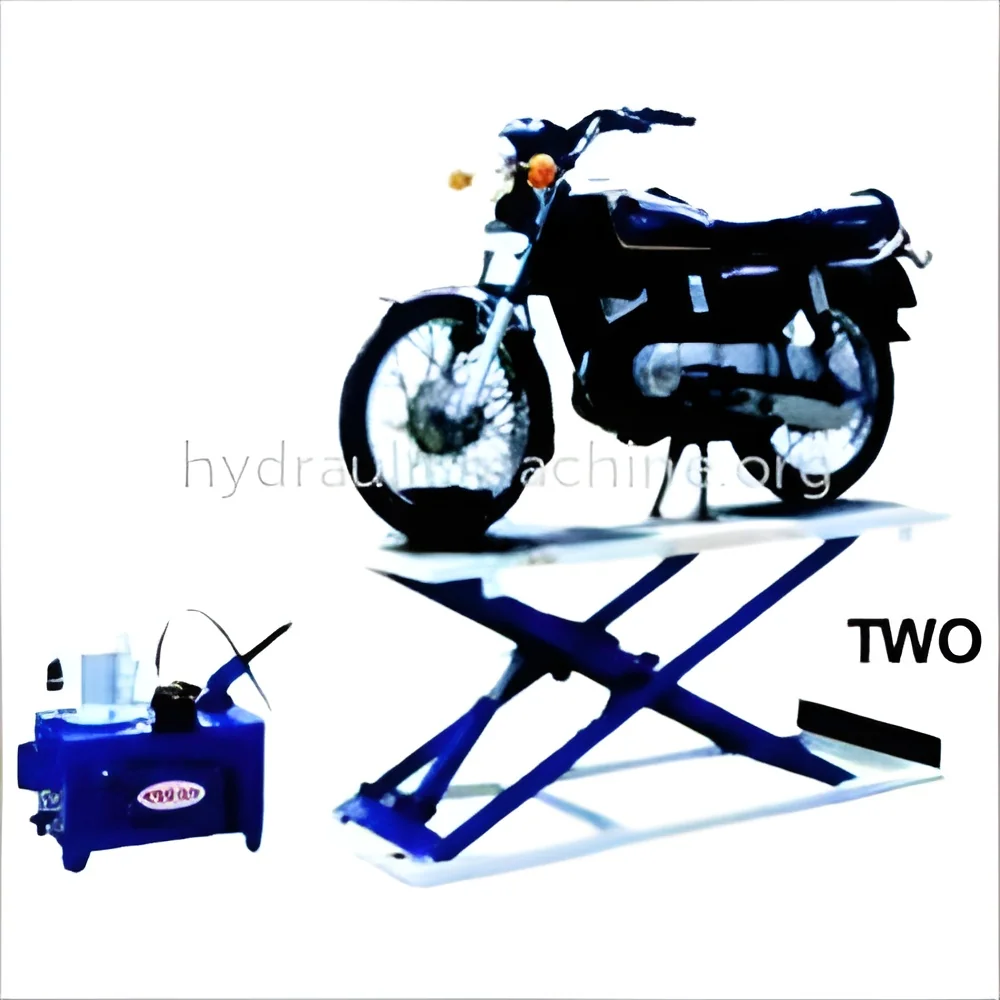
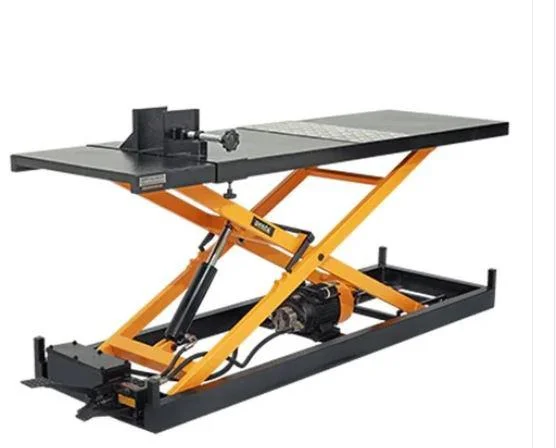
5. Motorcycle Shops: Specialized hydraulic lifts for motorcycles enable technicians to perform repairs and maintenance at comfortable working heights.
6. Aviation Maintenance: Some hydraulic lifts are adapted for aircraft maintenance, supporting the servicing of smaller planes and helicopters.
7. Marine Applications: Hydraulic lifts are also used in boat repair facilities to lift vessels for maintenance below the waterline.
Product Variants and Subcategories
Hydraulic vehicle lifts come in various types, each designed for specific applications and environments.
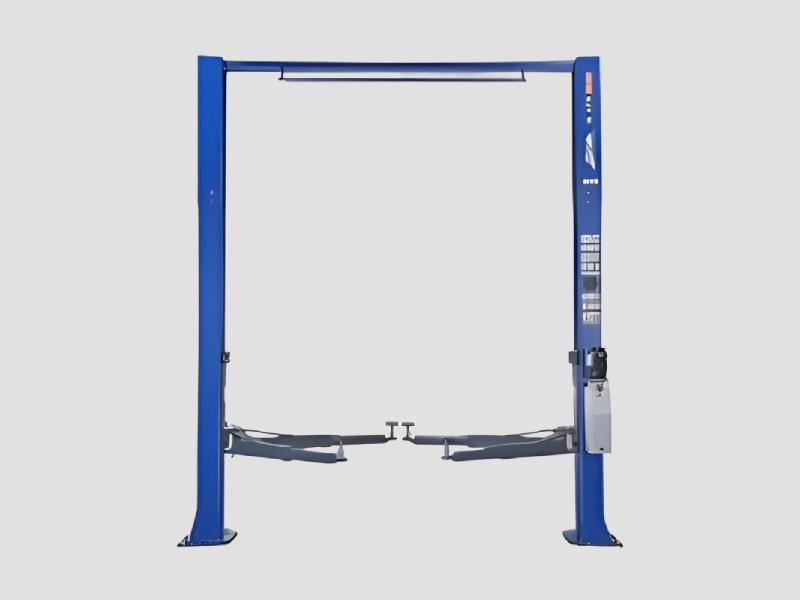
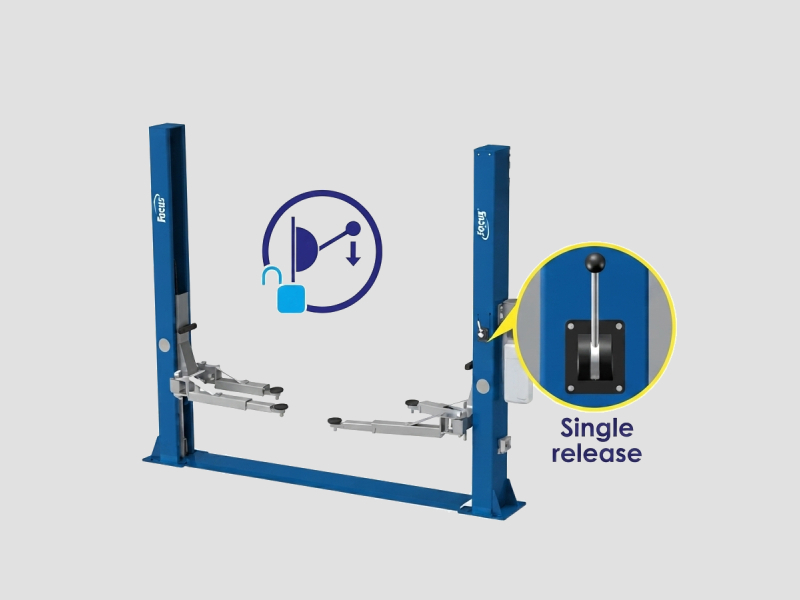
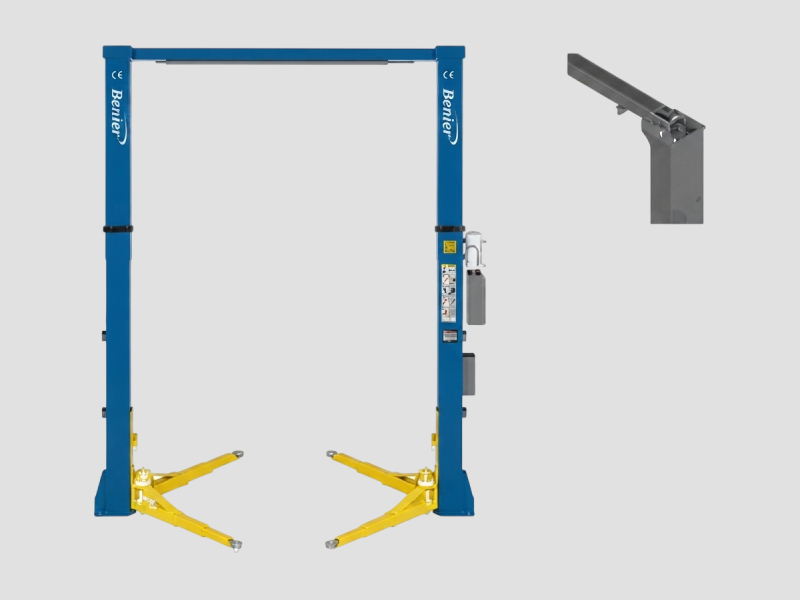
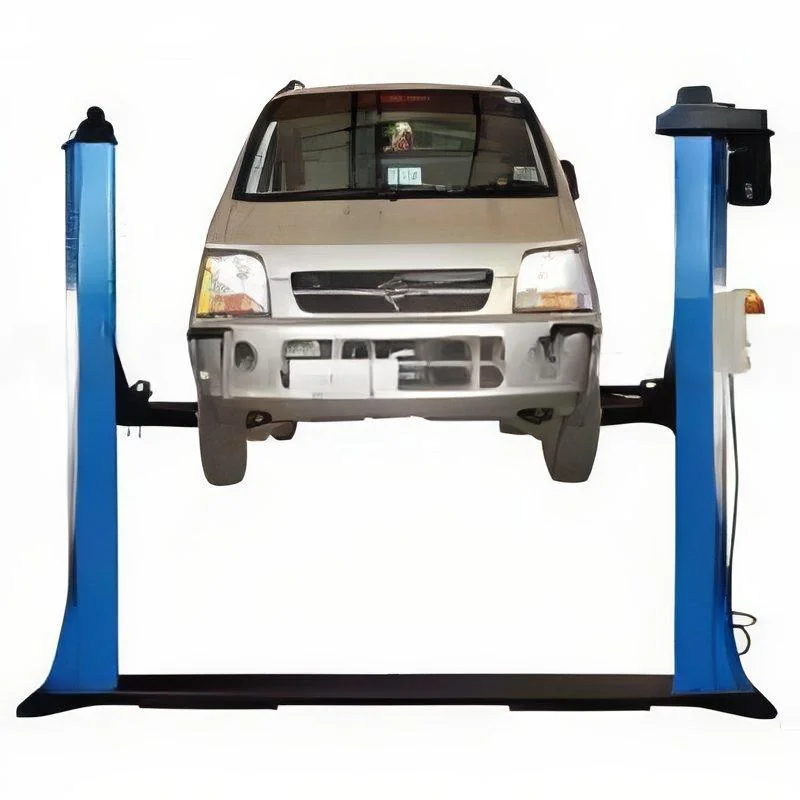
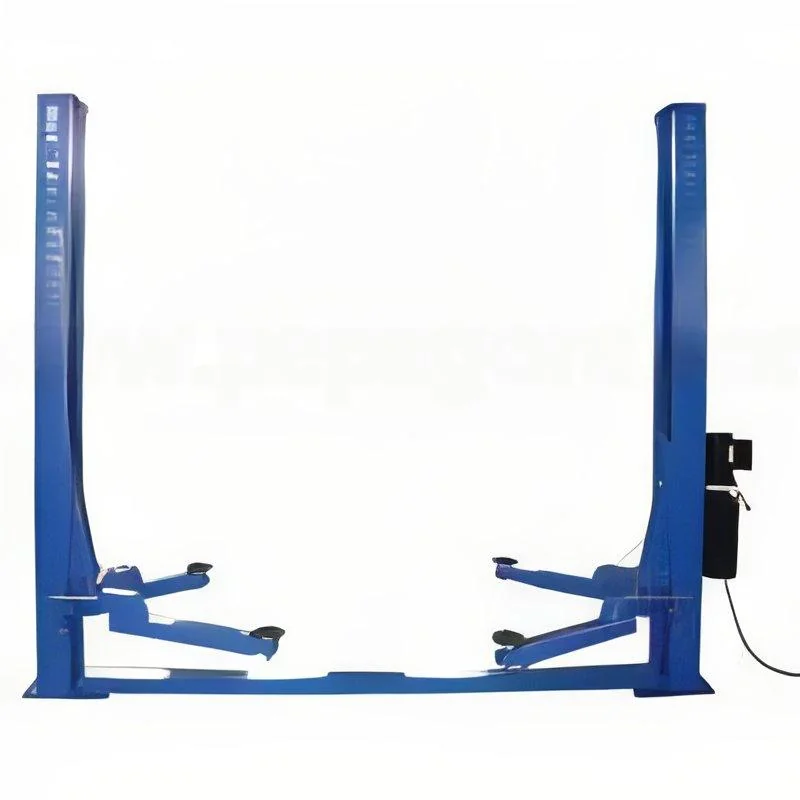
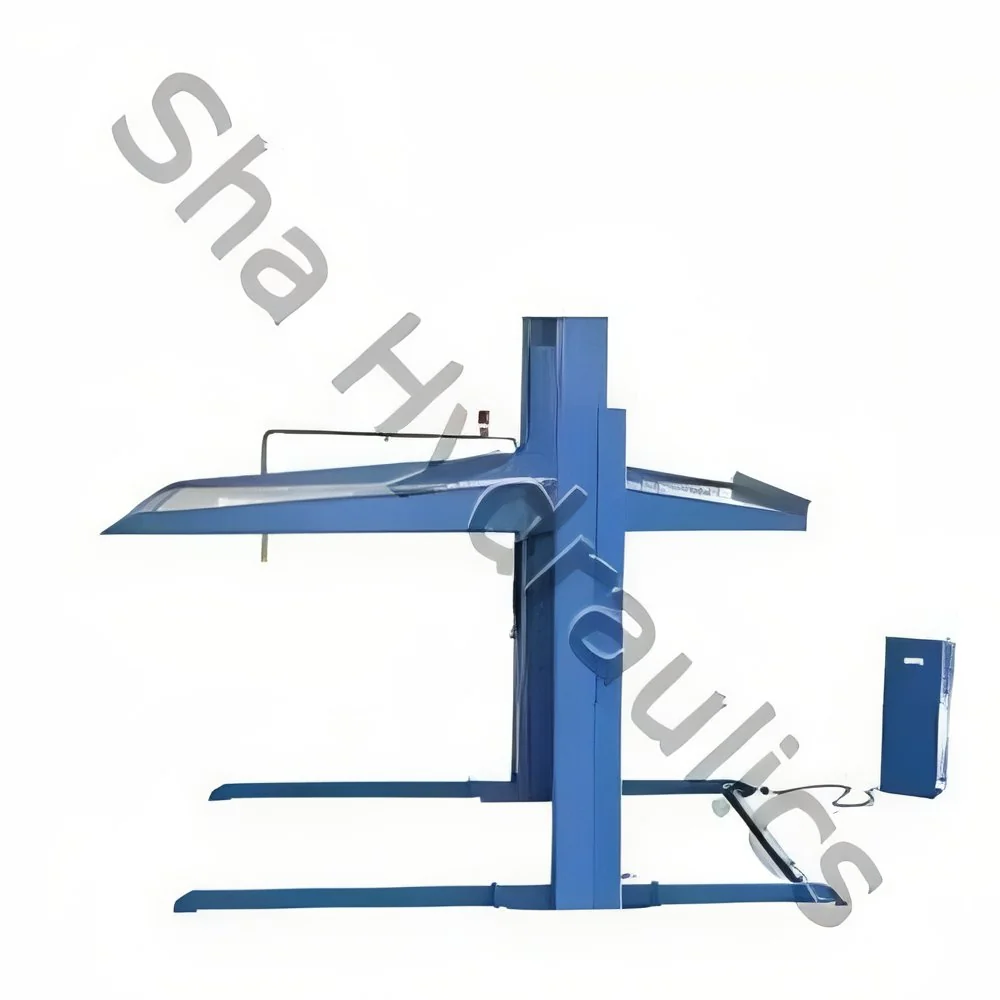
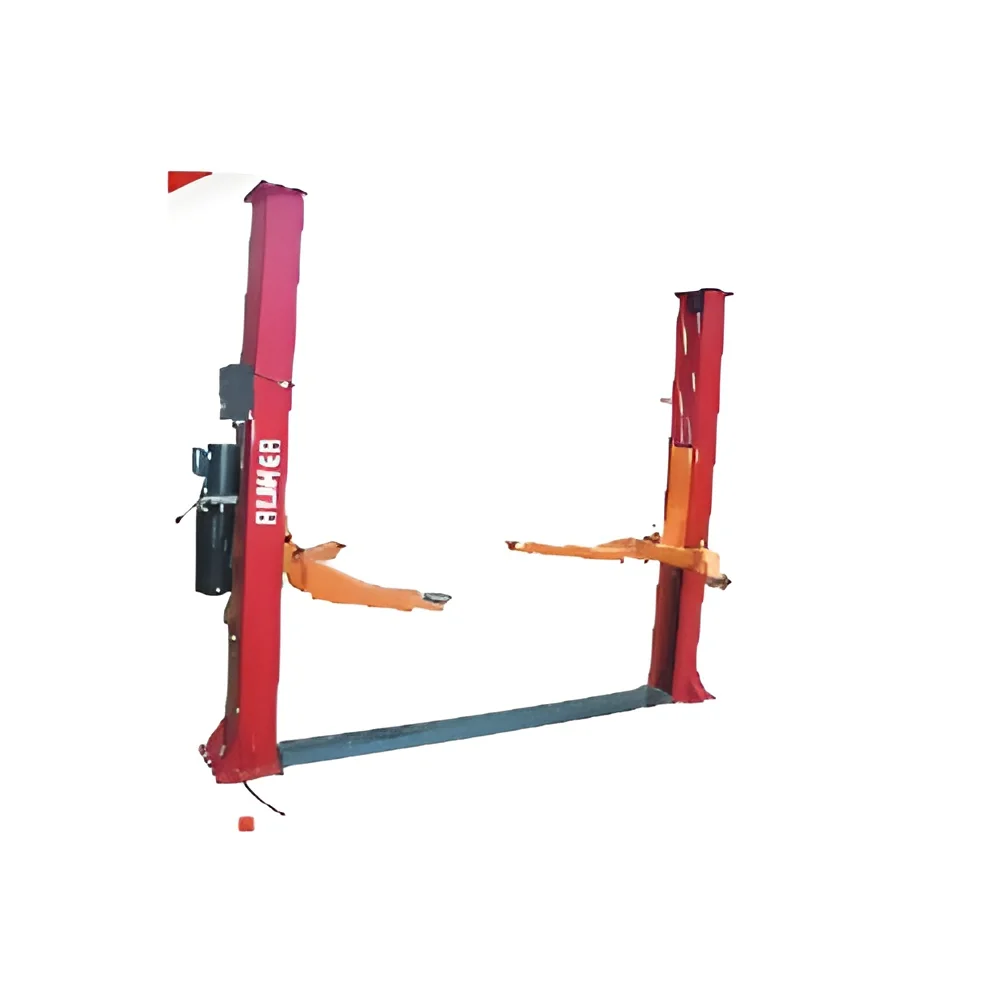
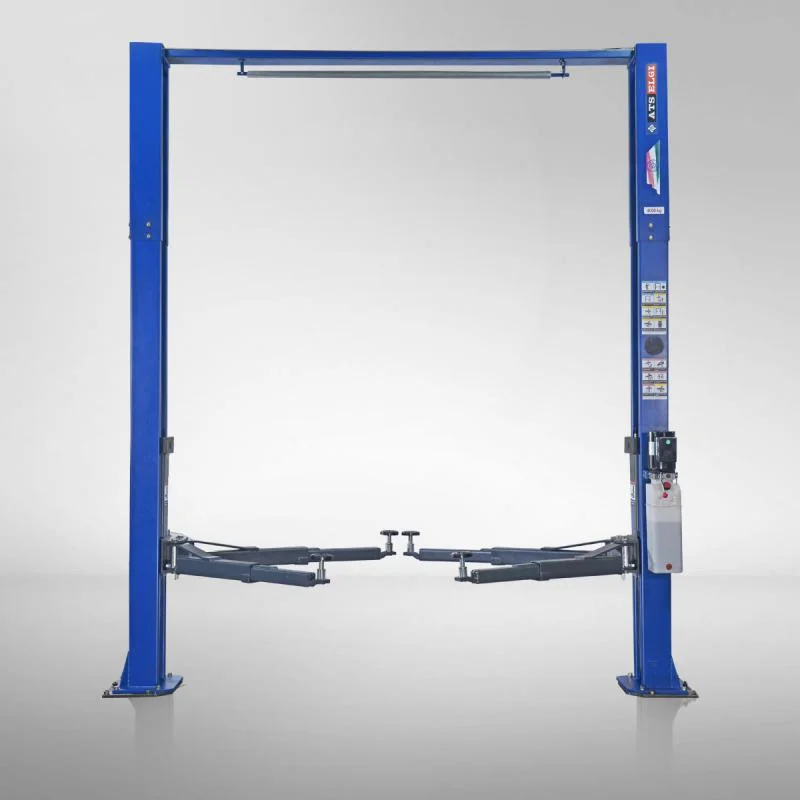
Two-Post Lifts
These lifts are designed for light to medium-duty vehicles and provide excellent access to the undercarriage. They are commonly used in automotive service centers due to their space-saving design.
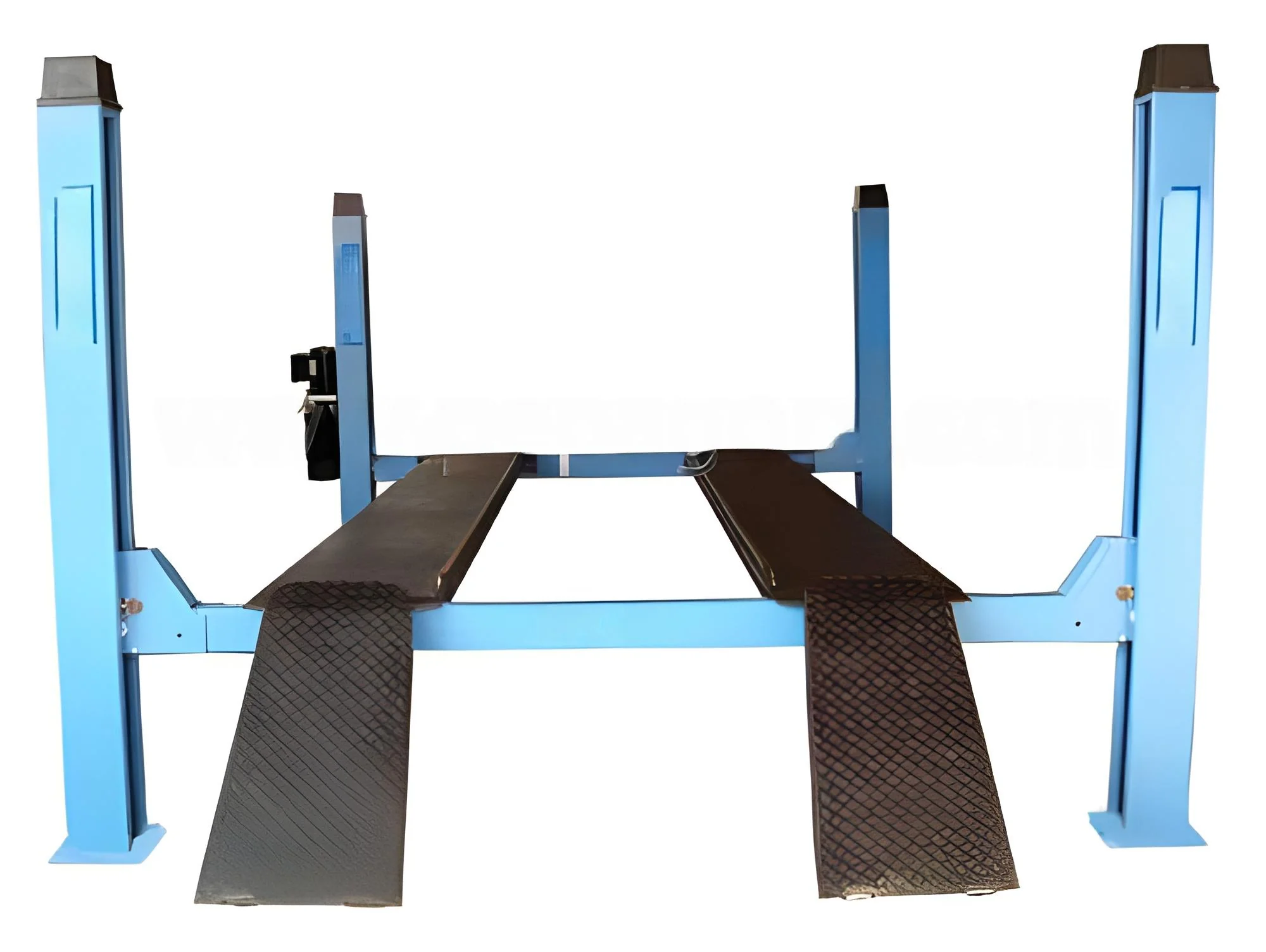
Four-Post Lifts
Suitable for heavier vehicles, four-post lifts offer stability and ease of use. They are often used in storage applications as well as repair environments, allowing vehicles to be stored above ground.
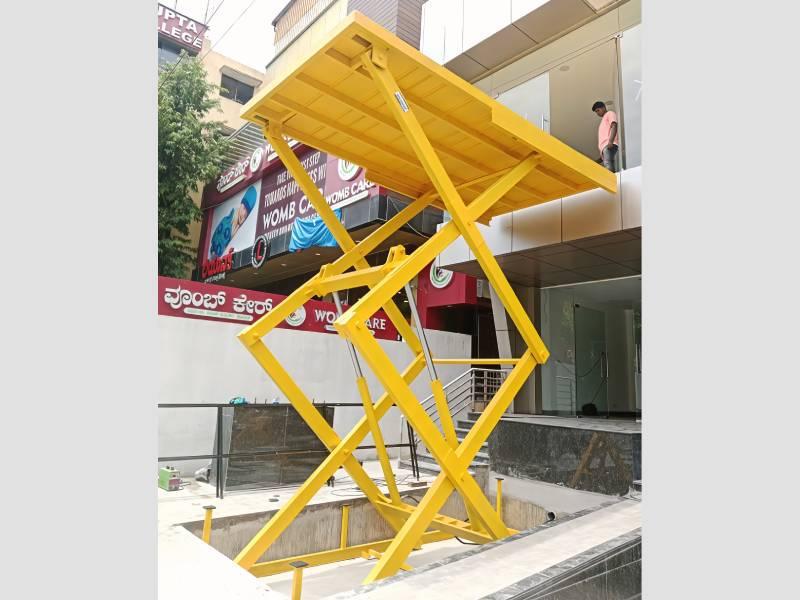
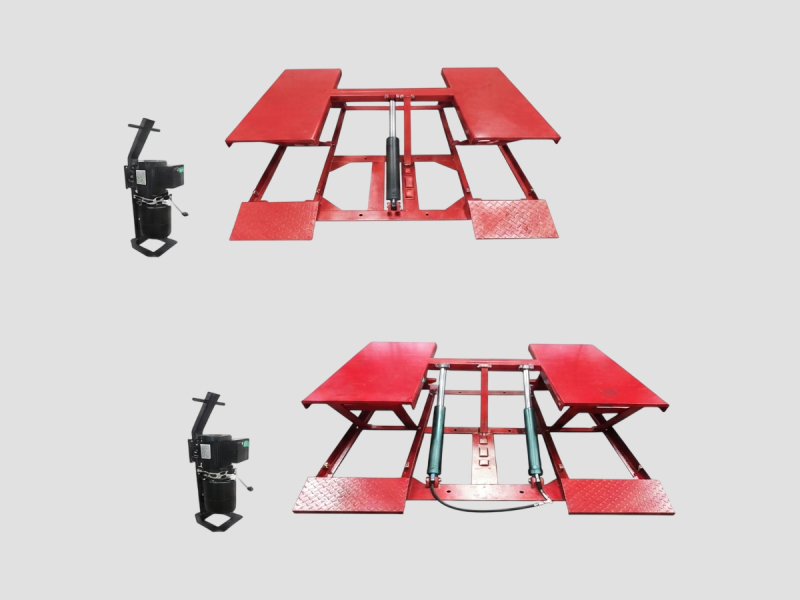
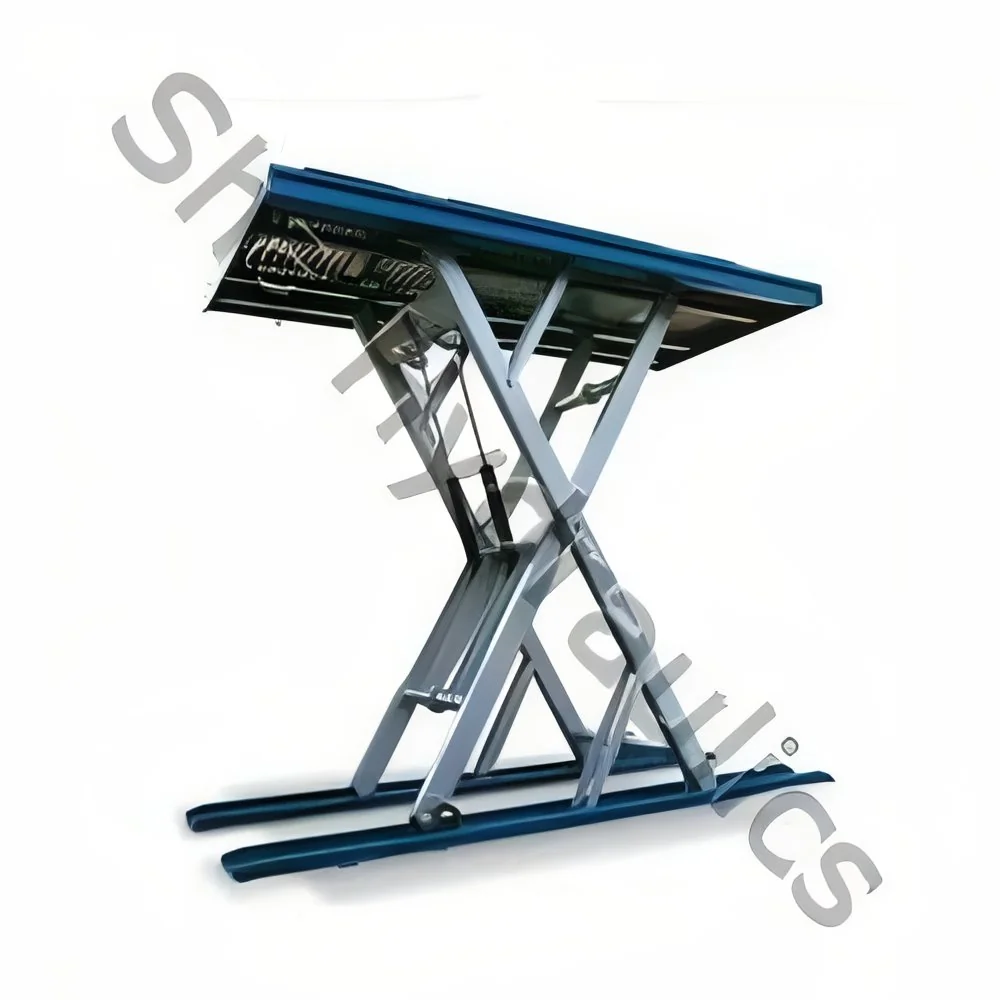
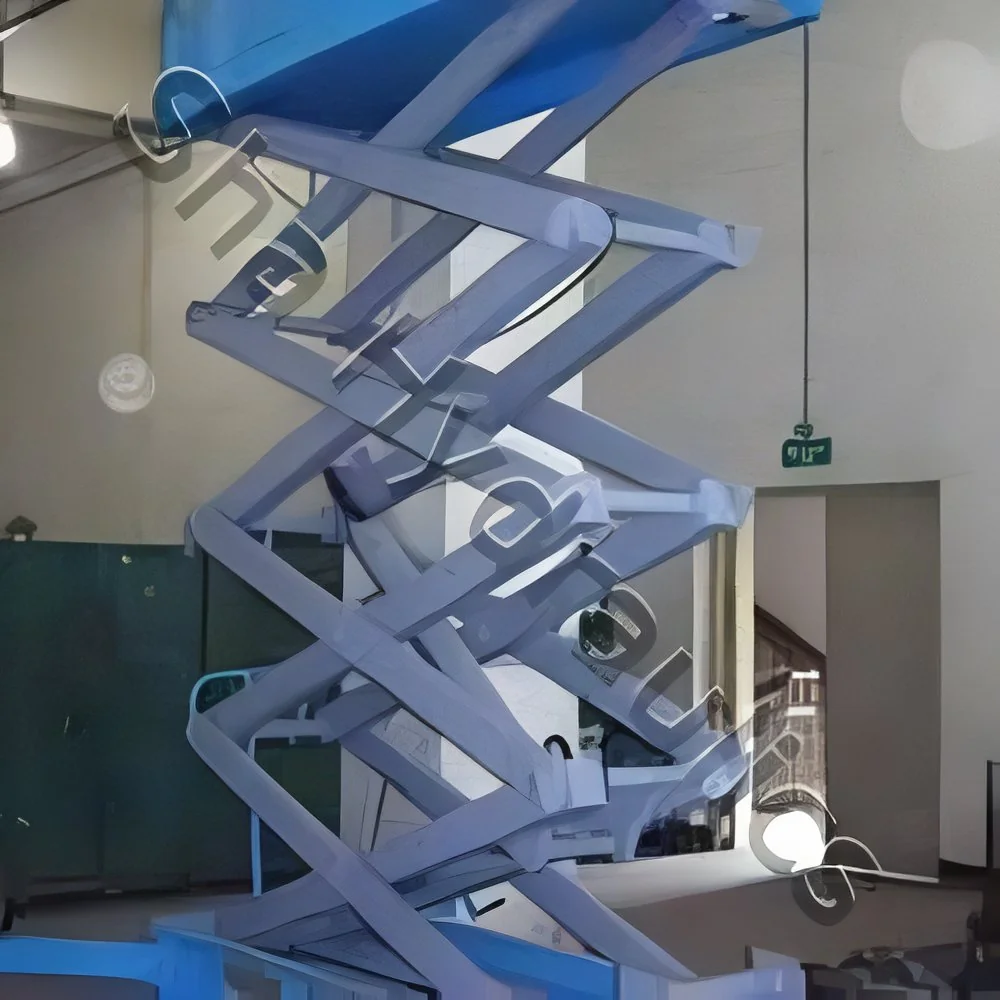
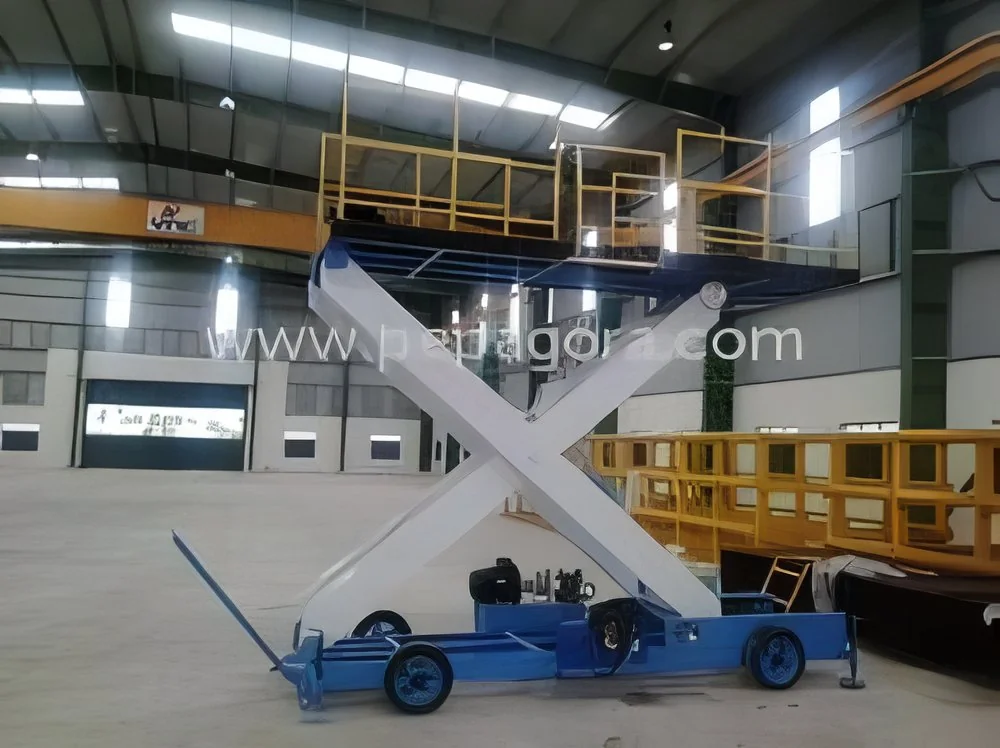
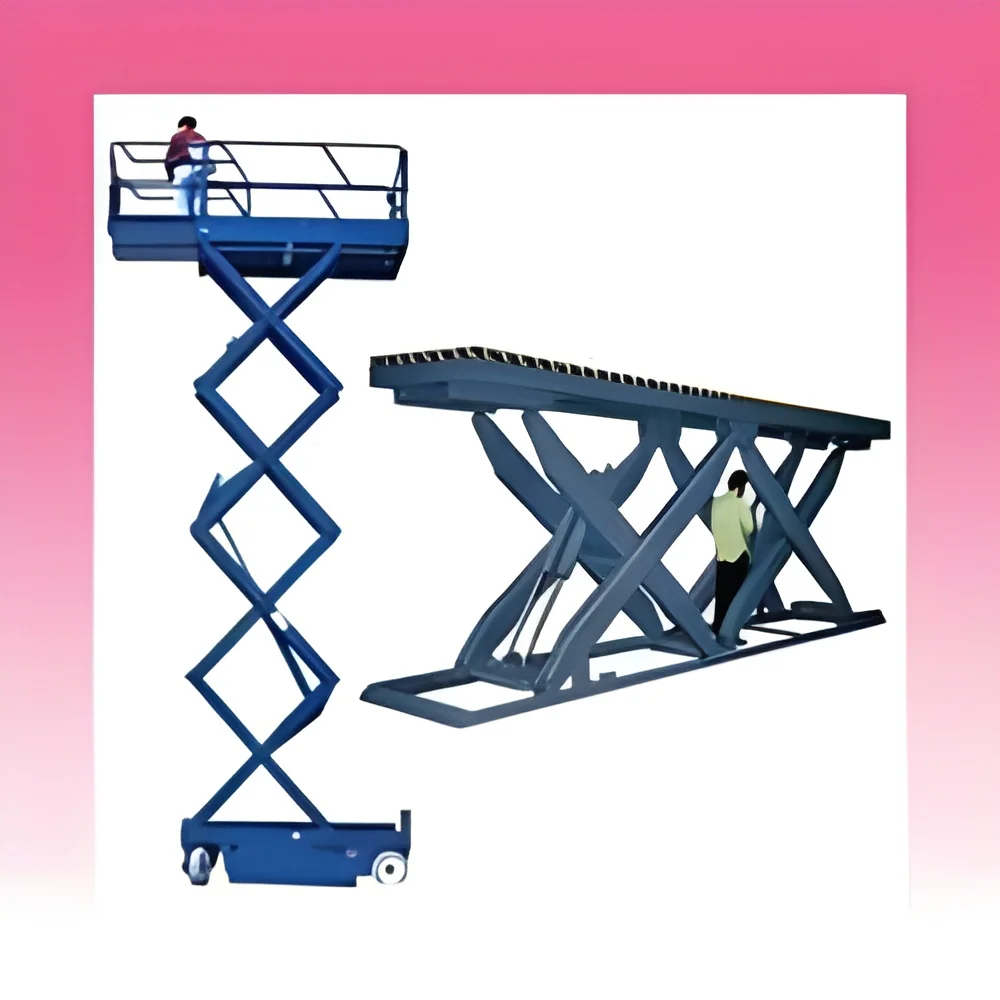
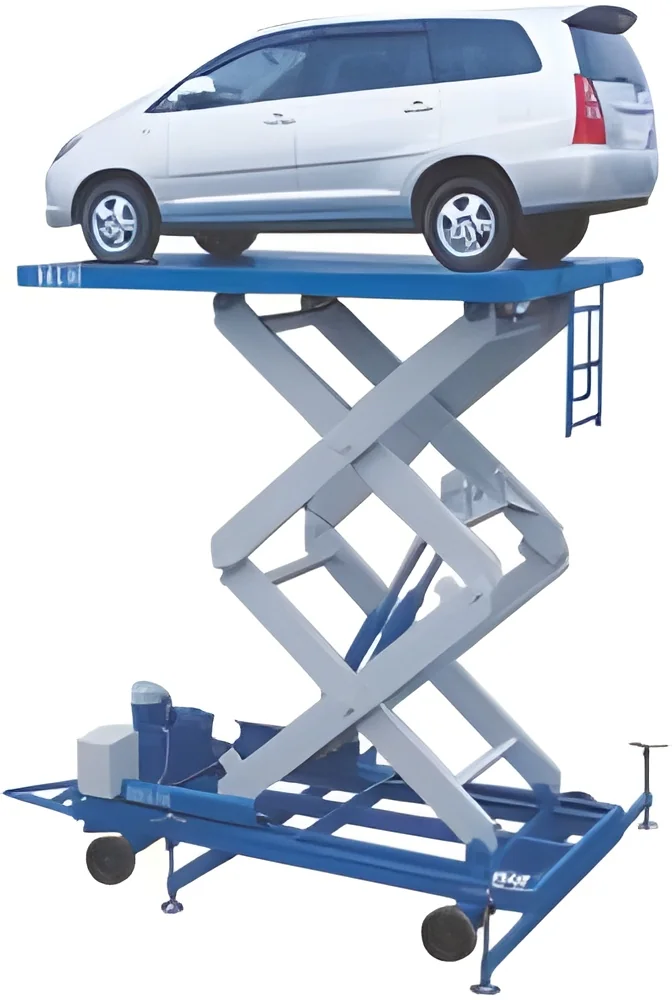
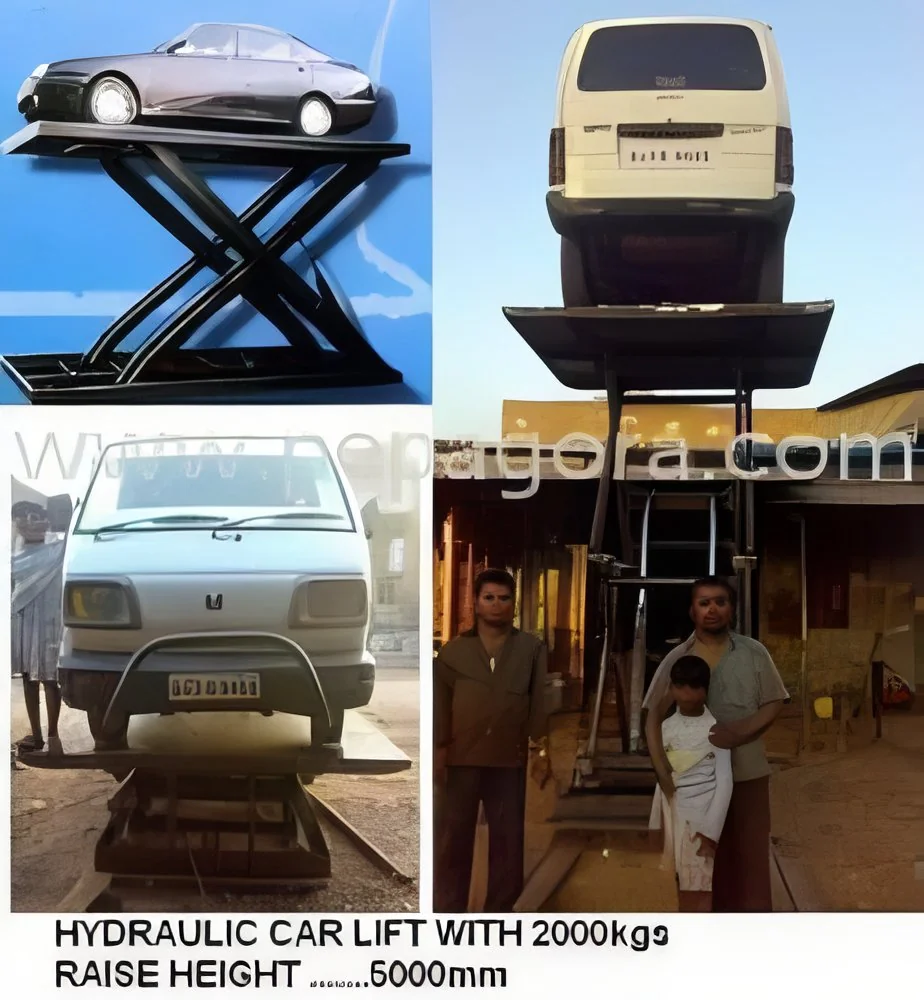
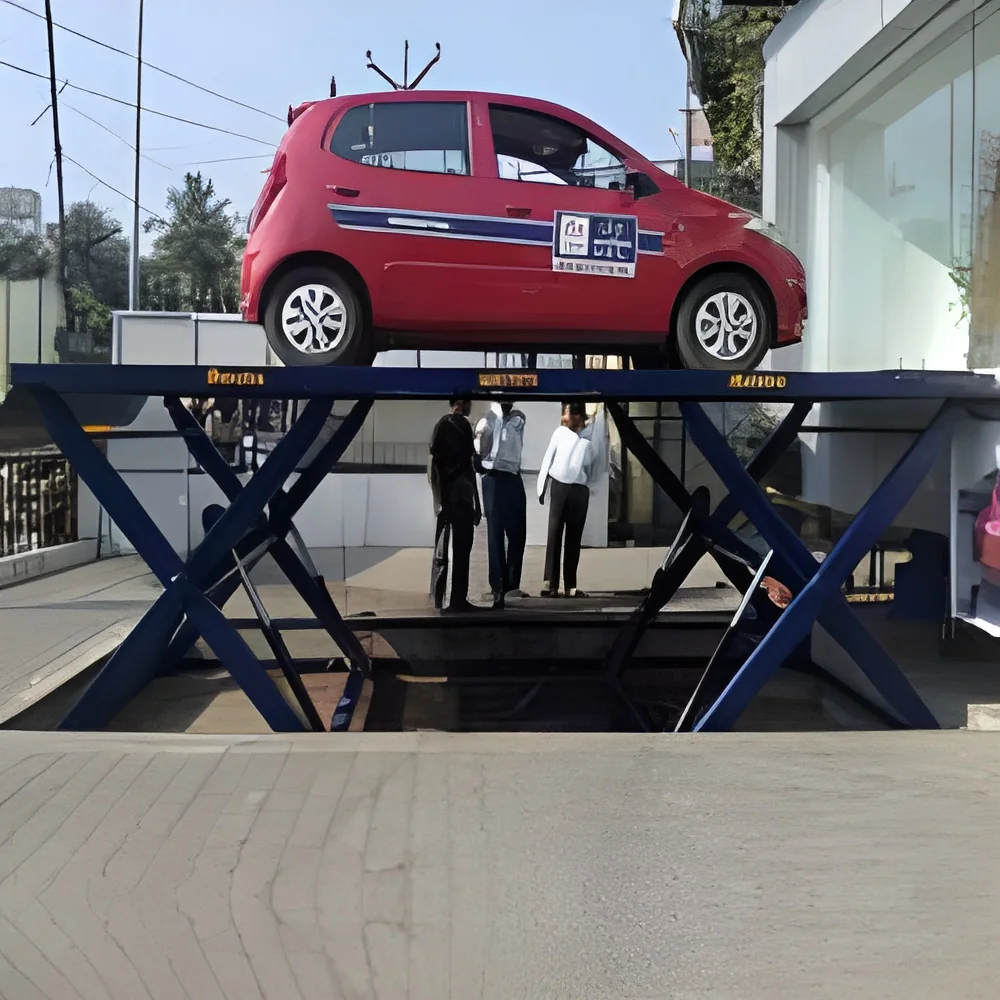
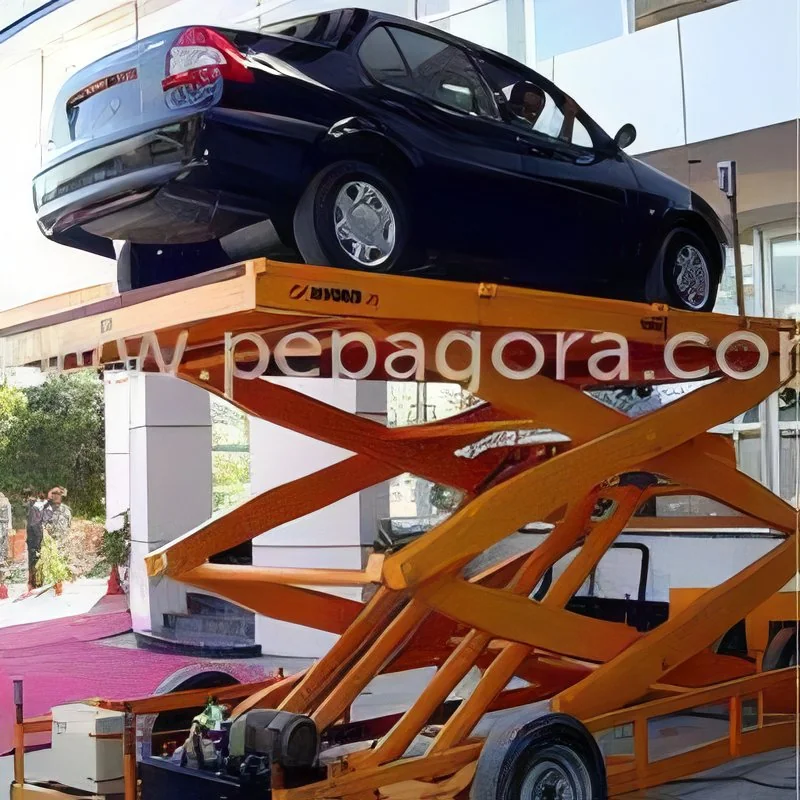
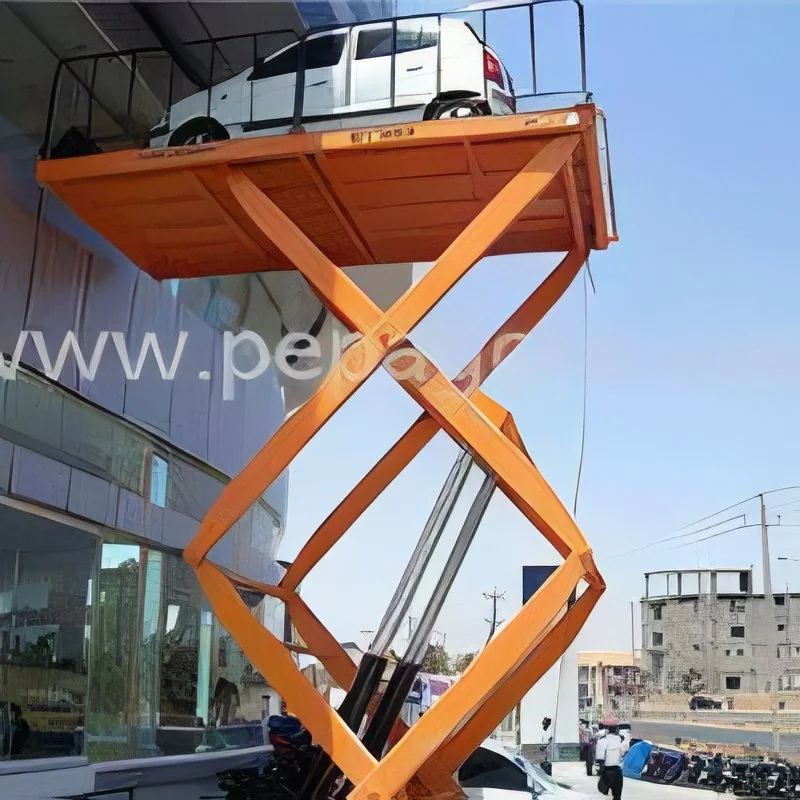
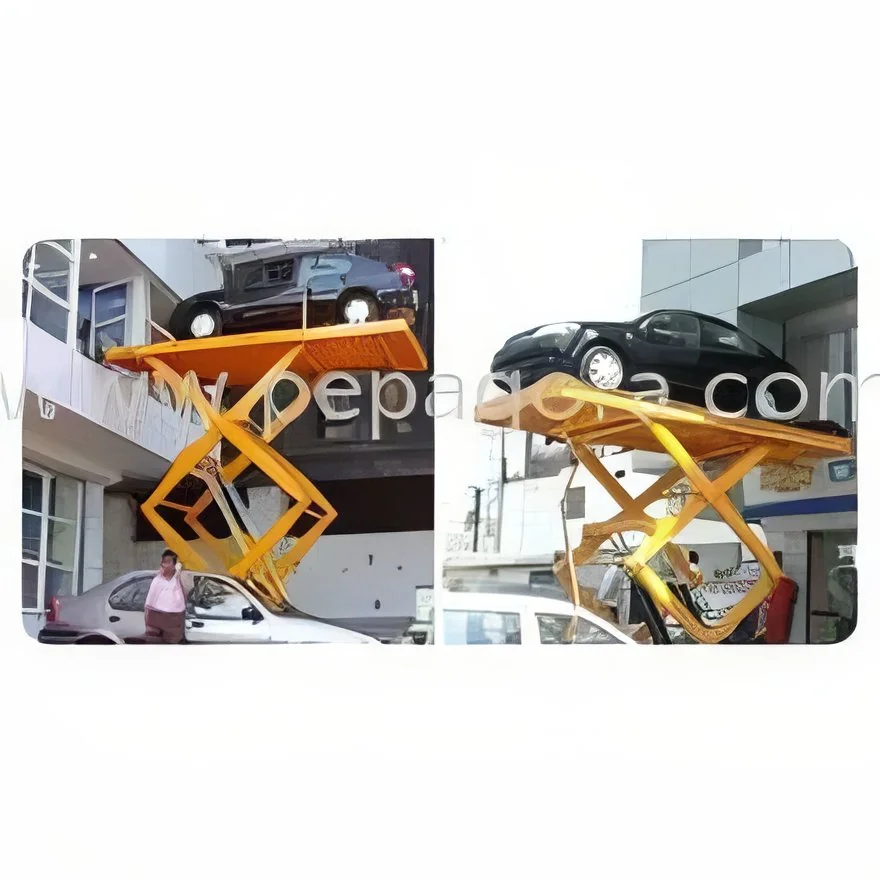
Scissor Lifts
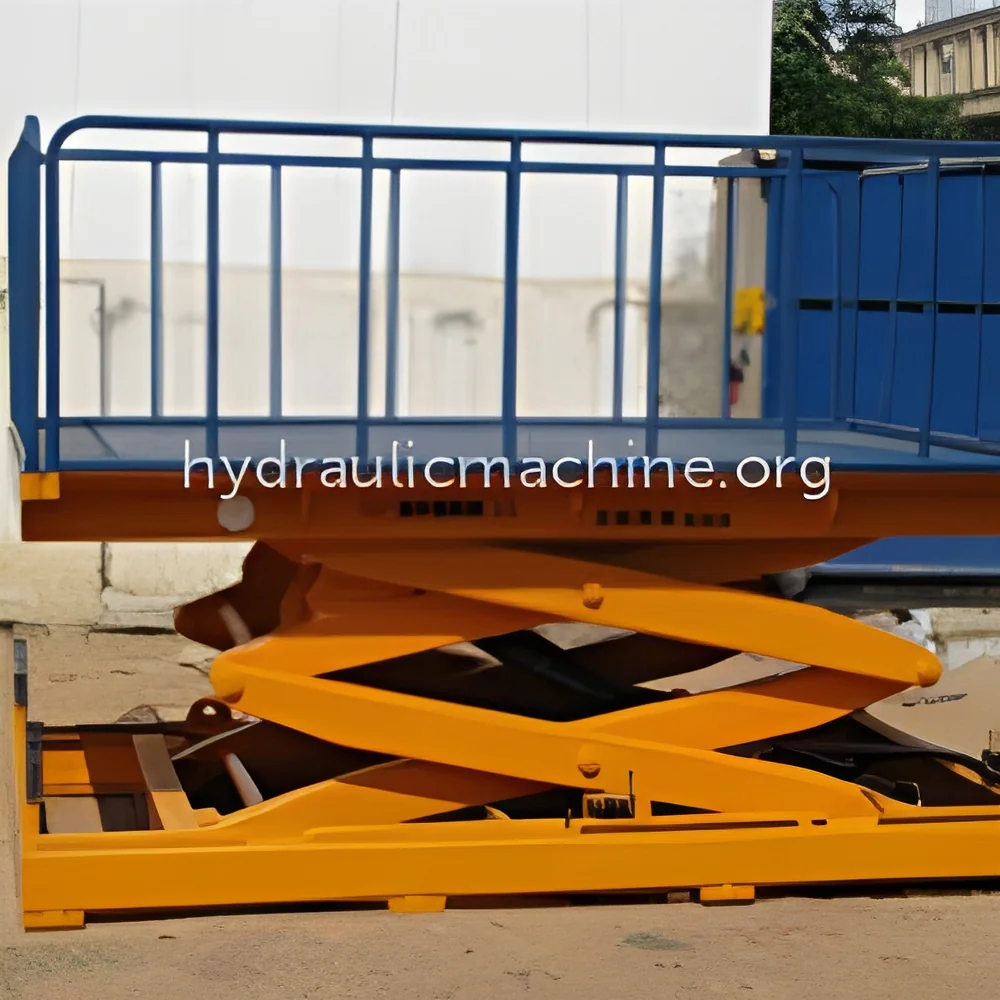
Scissor lifts provide a compact option for servicing vehicles in tight spaces. Their design allows them to raise vehicles vertically, making them ideal for smaller workshops.
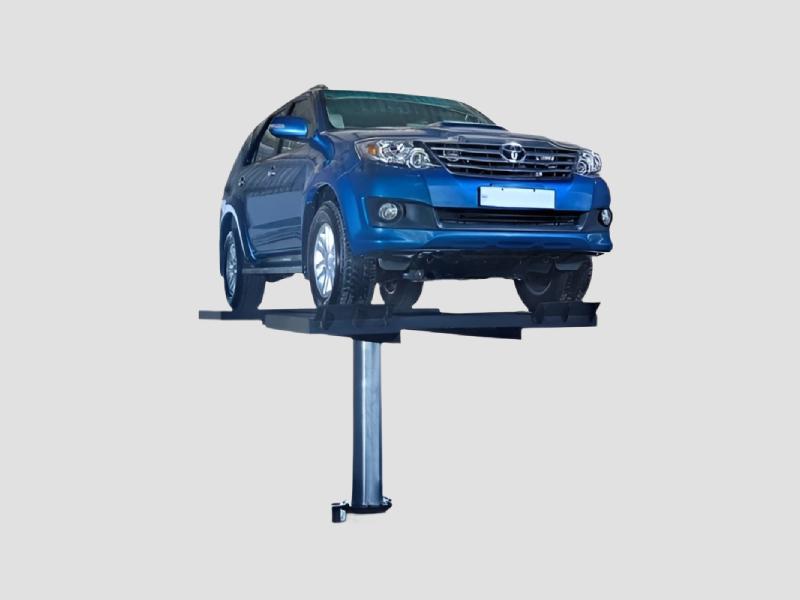
Alignment Lifts
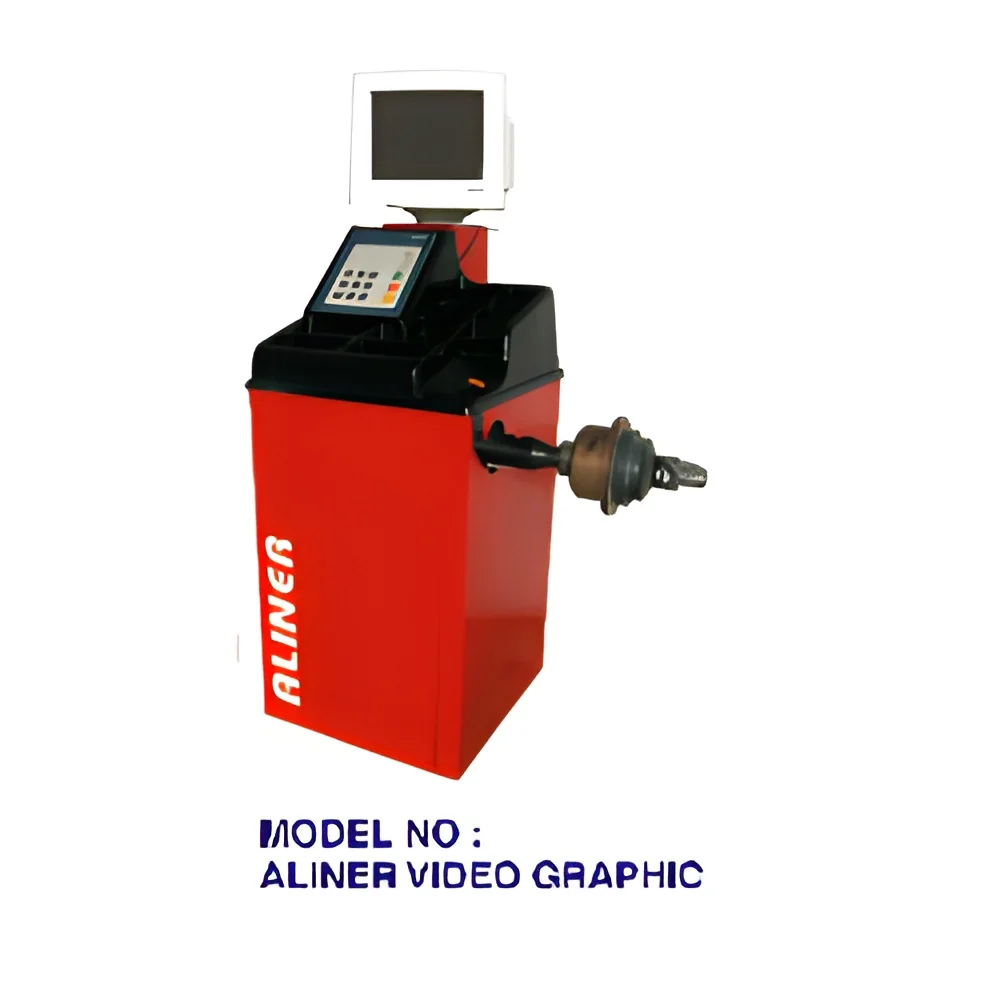
These specialized lifts are used in alignment and suspension work, offering precise adjustments for wheel alignment and other related services.
Benefits and Advantages
Investing in hydraulic vehicle lifts offers several key benefits for businesses in the automotive and related industries.
1. Improved Efficiency: Hydraulic lifts significantly reduce the time required for maintenance tasks by providing easy access to vehicle undercarriages.
2. Enhanced Safety: The use of hydraulic systems minimizes the risk of accidents during vehicle lifting and lowering, ensuring a safer working environment.
3. Space Optimization: Many hydraulic lifts are designed to save floor space, making them ideal for workshops with limited room.
4. Versatility: These lifts can accommodate a wide range of vehicles, from cars to trucks and even heavy equipment, making them suitable for diverse applications.
5. Cost-Effectiveness: Investing in hydraulic lifts can lead to reduced labor costs and increased productivity, ultimately improving the bottom line.
6. Durability: High-quality hydraulic lifts are built to withstand heavy use, offering long-lasting performance and reliability.
Buying Guide for B2B Buyers
When sourcing hydraulic vehicle lifts, it is essential to consider several important factors to ensure a successful purchase.
1. Quality Assessment: Evaluate the construction quality and material used in the lifts. Look for certifications and manufacturer reputation to ensure reliability.
2. Supplier Verification: Conduct a thorough background check on suppliers. Look for reviews, certifications, and previous customer feedback to verify their credibility.
3. Pricing and MOQ: Understand the price range for different lift models and inquire about minimum order quantities to find solutions that fit your budget.
4. Delivery and Lead Times: Discuss logistics with suppliers to ensure timely delivery and efficient setup of the hydraulic lifts in your facilities.
5. Compliance Requirements: Familiarize yourself with local regulations and safety standards applicable to hydraulic lifts to ensure compliance and avoid potential issues.
Compliance and Certifications
Hydraulic vehicle lifts must meet several relevant quality standards and certifications to ensure safety and reliability. Compliance with ISO 9001 is crucial, as it signifies adherence to quality management principles. Additionally, certifications such as CE and UL indicate that the lifts meet essential safety and performance standards recognized internationally.
Safety and testing requirements are stringent, often involving rigorous testing to ensure that lifts can handle specified loads without risk of failure. Regional compliance considerations may also vary, depending on local regulations regarding equipment installation and operation in workshops and service centers.
Why Source Hydraulic Vehicle Lifts from Pepagora?
Pepagora provides a trusted platform for sourcing hydraulic vehicle lifts, offering several key advantages to B2B buyers.
Verified Supplier Network: Pepagora ensures that all suppliers are thoroughly vetted, providing businesses with access to reliable and reputable manufacturers of hydraulic lifts.
Streamlined RFQ Process: The request for quotation (RFQ) system is designed to simplify the procurement process, allowing buyers to receive competitive pricing and evaluate options efficiently.
Trade Assurance and Support: Pepagora offers buyer protection through trade assurance, ensuring that transactions are secure and that buyers receive quality products as promised.
Regional Coverage: With a strong presence in India, GCC, and Southeast Asia, Pepagora connects buyers with local suppliers, facilitating faster delivery and better support.
By choosing Pepagora, businesses can streamline their sourcing process for hydraulic vehicle lifts while ensuring quality and reliability.

 IN
IN