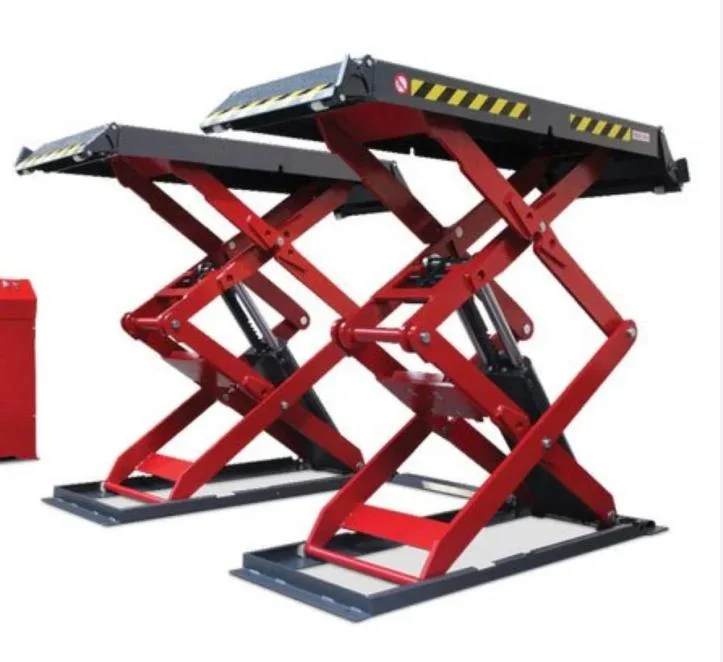
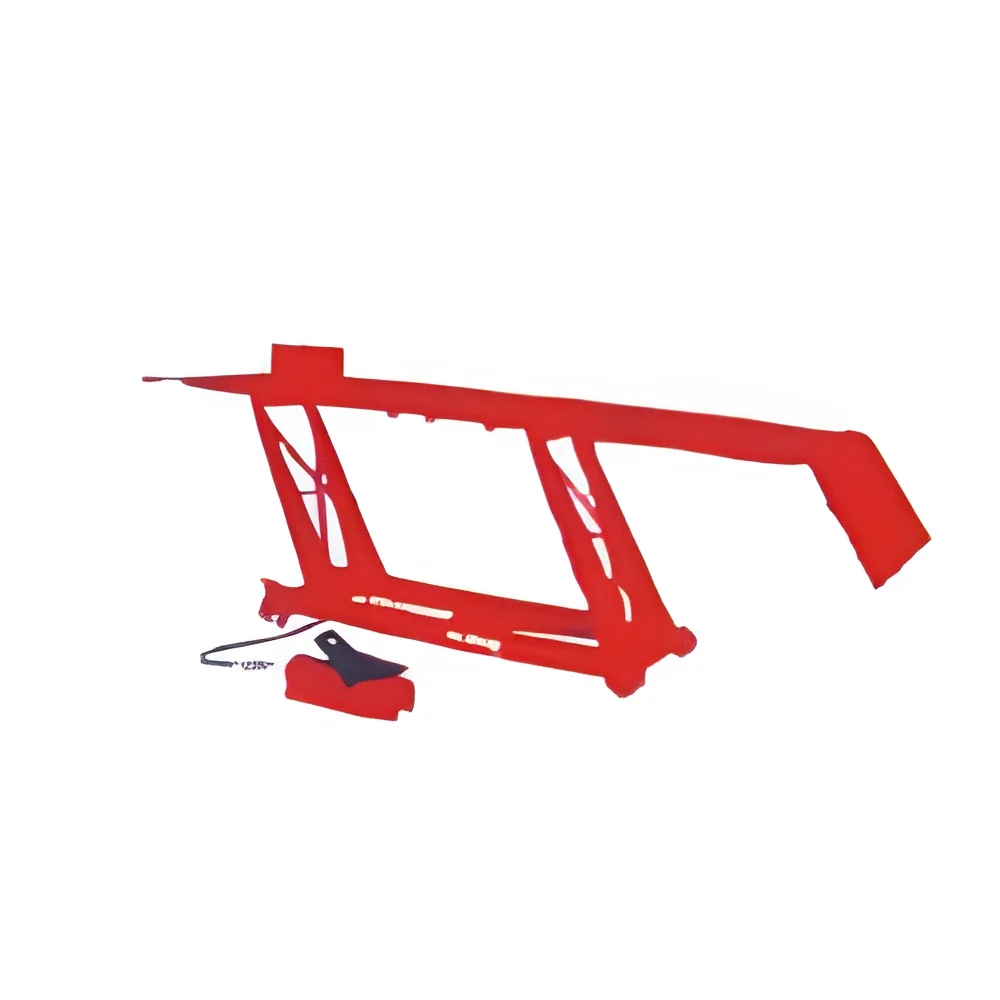
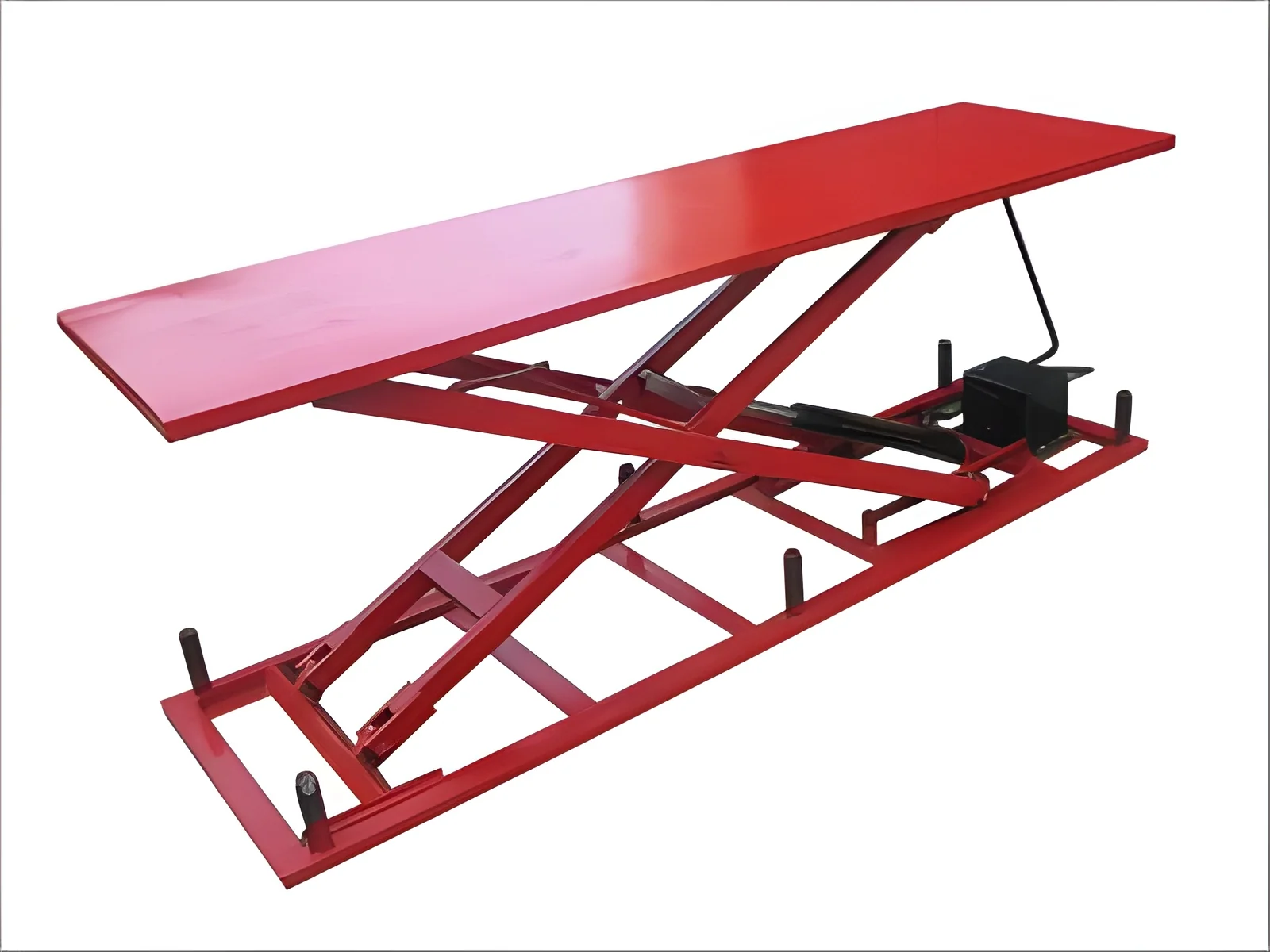
What are Scissor Lifts?
Scissor lifts are a type of aerial work platform that provides a safe and efficient means of elevating personnel and equipment to various heights. They operate using a crisscrossing mechanism that extends and retracts vertically, allowing the platform to rise and fall. This design is particularly advantageous for accessing hard-to-reach areas in construction, maintenance, and industrial settings.
These lifts are primarily used in situations where vertical mobility is required, such as in warehouses, construction sites, and maintenance tasks. They can accommodate multiple workers and a variety of tools or materials, making them versatile across different industries. The increasing demand for safe and efficient lifting solutions has solidified their relevance in the market, catering to businesses that prioritize both productivity and worker safety.
The industry has seen significant advancements in scissor lift technology, leading to enhanced safety features, improved energy efficiency, and better maneuverability. As businesses increasingly focus on optimizing operational efficiency, scissor lifts have become a staple in various sectors, including construction, manufacturing, and logistics.
Key Features and Specifications
Scissor lifts offer a range of features that enhance their functionality and safety. Understanding these specifications is crucial for selecting the right model for your needs.
Key specifications include:
1. Maximum Platform Height
- Typically ranges from 10 to 60 feet
- Determines the maximum reach for workers and equipment
2. Load Capacity
- Generally varies from 500 to 2,500 pounds
- Ensures safety and stability when lifting personnel and tools
3. Platform Size
- Standard sizes range between 3 to 8 feet in width
- Provides sufficient space for multiple workers and equipment
4. Power Source
- Available options include electric, diesel, and hybrid
- Affects operational costs and suitability for indoor or outdoor use
5. Weight
- Varies based on model, typically between 1,500 to 5,000 pounds
- Impacts transportation and maneuverability on job sites
6. Travel Speed
- Generally ranges from 0.5 to 3 miles per hour
- Affects the efficiency of moving to and from work areas
7. Safety Features
- Equipped with guardrails, emergency stop buttons, and tilt sensors
- Enhances worker safety during operation
8. Steering Type
- Options include front-wheel or rear-wheel steering
- Influences maneuverability in tight spaces
In summary, understanding these features and specifications helps businesses choose the right scissor lift to enhance workplace safety and efficiency.
Common Applications and Use Cases
Scissor lifts are utilized across a variety of industries, allowing for efficient vertical access in multiple settings.
1. Construction: In construction, scissor lifts facilitate tasks such as installation, maintenance, and inspections, providing workers with safe access to elevated areas.
2. Warehousing: In warehousing and distribution centers, scissor lifts enable workers to reach high shelves for inventory management and order fulfillment.
3. Manufacturing: Manufacturing plants use scissor lifts for assembly line tasks, maintenance of equipment, and general facility upkeep, enhancing productivity.
4. Retail: Retail environments leverage scissor lifts for setting up displays and performing maintenance tasks in high areas, ensuring a safe shopping experience.
5. Telecommunications: In telecommunications, scissor lifts are essential for installing and maintaining equipment on tall structures such as cell towers.
6. Film and Entertainment: In the film industry, scissor lifts are used to position lights and cameras at various heights for optimal filming angles.
7. Event Planning: For events, scissor lifts assist in setting up stages, lights, and sound equipment, enhancing production quality.
Product Variants and Subcategories
Scissor lifts come in various designs to meet specific operational needs.
Electric Scissor Lifts: These lifts are ideal for indoor use, featuring quiet operation and zero emissions. They are commonly used in warehouses and manufacturing facilities for tasks that require frequent vertical access.
Diesel Scissor Lifts: Designed for outdoor use, diesel models provide greater power and can navigate rough terrain. They are suited for construction sites where mobility and reach are essential.
Rough Terrain Scissor Lifts: These variants are equipped with larger tires and enhanced stability systems. They are perfect for uneven surfaces, making them ideal for outdoor construction applications.
Benefits and Advantages
Using scissor lifts offers numerous advantages to businesses.
1. Enhanced Safety: Scissor lifts are designed with numerous safety features, reducing the risk of workplace accidents.
2. Increased Efficiency: The ability to elevate multiple workers and equipment simultaneously boosts productivity in various tasks.
3. Versatility: Scissor lifts can be used in multiple industries, making them a valuable investment for diverse applications.
4. Cost-Effectiveness: Their durability and functionality can lead to long-term savings on labor and operational costs.
5. Improved Accessibility: Scissor lifts provide access to hard-to-reach areas, enhancing maintenance and operational capabilities.
6. Reduced Labor Costs: By allowing more workers to operate at elevated heights simultaneously, scissor lifts can decrease overall labor time.
Buying Guide for B2B Buyers
When sourcing scissor lifts, it is essential to consider several factors to ensure that you make an informed decision.
1. Quality Assessment: Look for lifts that meet industry standards and have a proven track record of reliability and safety. Quality certifications such as CE can indicate compliance with safety regulations.
2. Supplier Verification: Vet suppliers by checking their reputation, customer reviews, and the availability of support services. A reliable supplier can help secure the best equipment for your needs.
3. Pricing and MOQ: Understand the pricing structure and minimum order quantities, as these factors can significantly impact your budget and procurement strategy.
4. Delivery and Lead Times: Assess the supplier's logistics capabilities to ensure timely delivery. Delays in receiving equipment can hinder project timelines.
5. Compliance Requirements: Familiarize yourself with local regulations and compliance standards that may affect your purchase and operation of scissor lifts.
Compliance and Certifications
Scissor lifts are subject to several quality standards and regulations that ensure their safety and reliability in various applications.
Relevant quality standards include ISO 9001, which establishes criteria for quality management systems, ensuring consistent performance and customer satisfaction. Companies that adhere to these standards demonstrate a commitment to quality and continuous improvement.
Additionally, scissor lifts often carry industry certifications, such as CE, indicating compliance with European safety standards. This certification assures users that the equipment has met rigorous safety testing and reliability benchmarks.
Safety and testing requirements are paramount in the manufacturing of scissor lifts. They must undergo thorough testing for stability, load capacity, and operational safety features. Regional compliance considerations can also vary, necessitating that buyers understand specific regulations applicable in their area, ensuring that the equipment meets local safety and operational standards.
Why Source Scissor Lifts from Pepagora?
Pepagora offers a trusted platform for sourcing scissor lifts, providing several key advantages to B2B buyers.
Verified Supplier Network: Pepagora's extensive network of verified suppliers ensures that buyers have access to high-quality products from reputable manufacturers. This verification process includes assessing supplier credentials and product quality, instilling confidence in purchasing decisions.
Streamlined RFQ Process: The platform features a user-friendly request for quotation (RFQ) system, enabling buyers to efficiently gather quotes from multiple suppliers. This streamlined process saves time and allows for better comparison of options.
Trade Assurance and Support: Pepagora provides trade assurance, protecting buyers from potential risks associated with transactions. Their support team is available to assist with inquiries and issues, enhancing the overall purchasing experience.
Regional Coverage: With a strong presence in India, the GCC, and Southeast Asia, Pepagora offers extensive geographic coverage. This regional reach allows buyers to access local suppliers and products tailored to their market needs, ensuring timely delivery and support.
In conclusion, sourcing scissor lifts through Pepagora connects businesses with quality products and reliable support, making it an ideal choice for B2B buyers seeking efficient lifting solutions.

 IN
IN