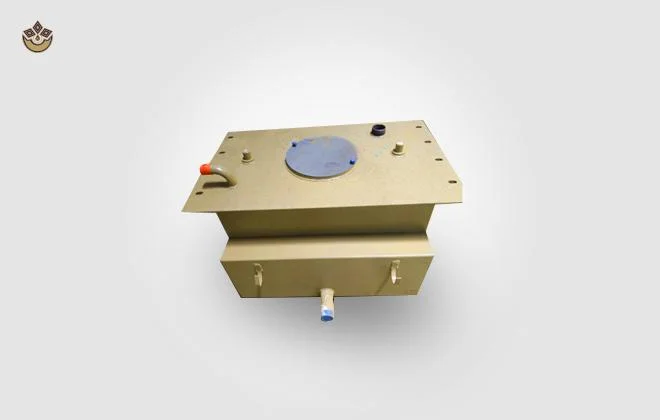
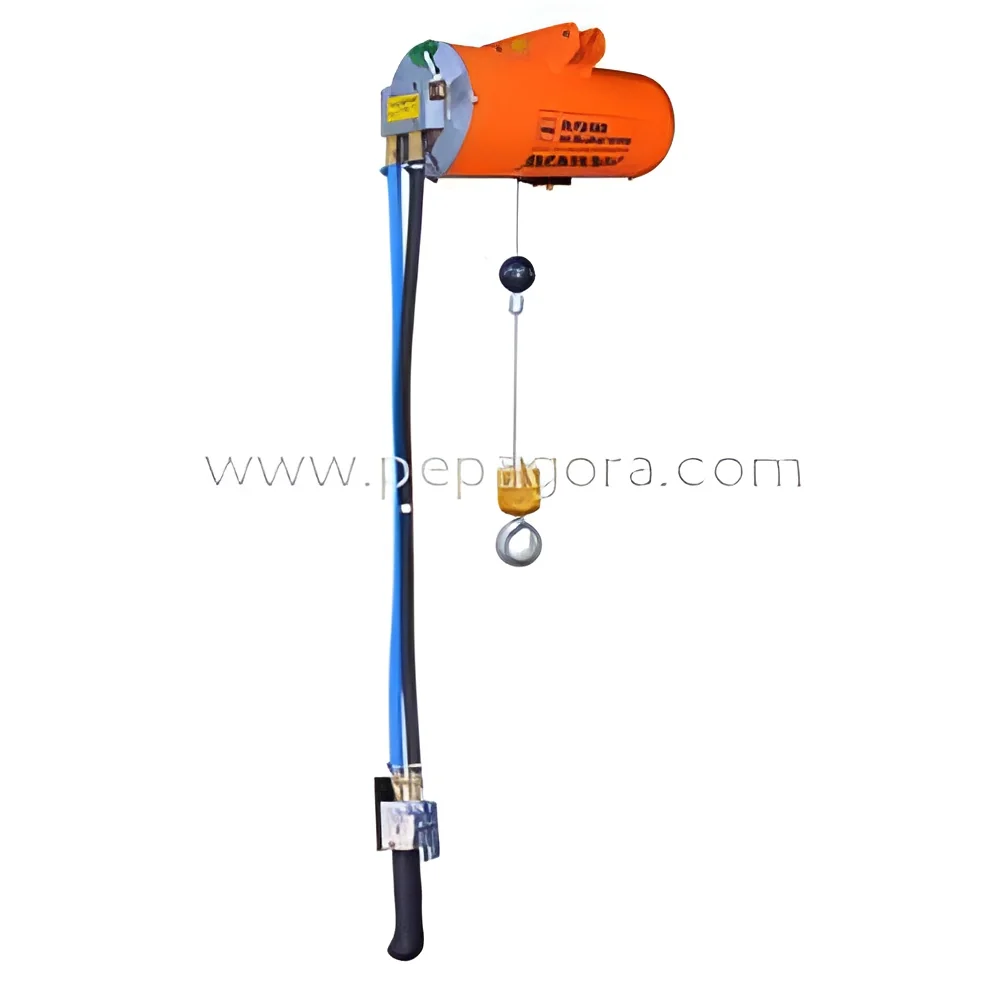
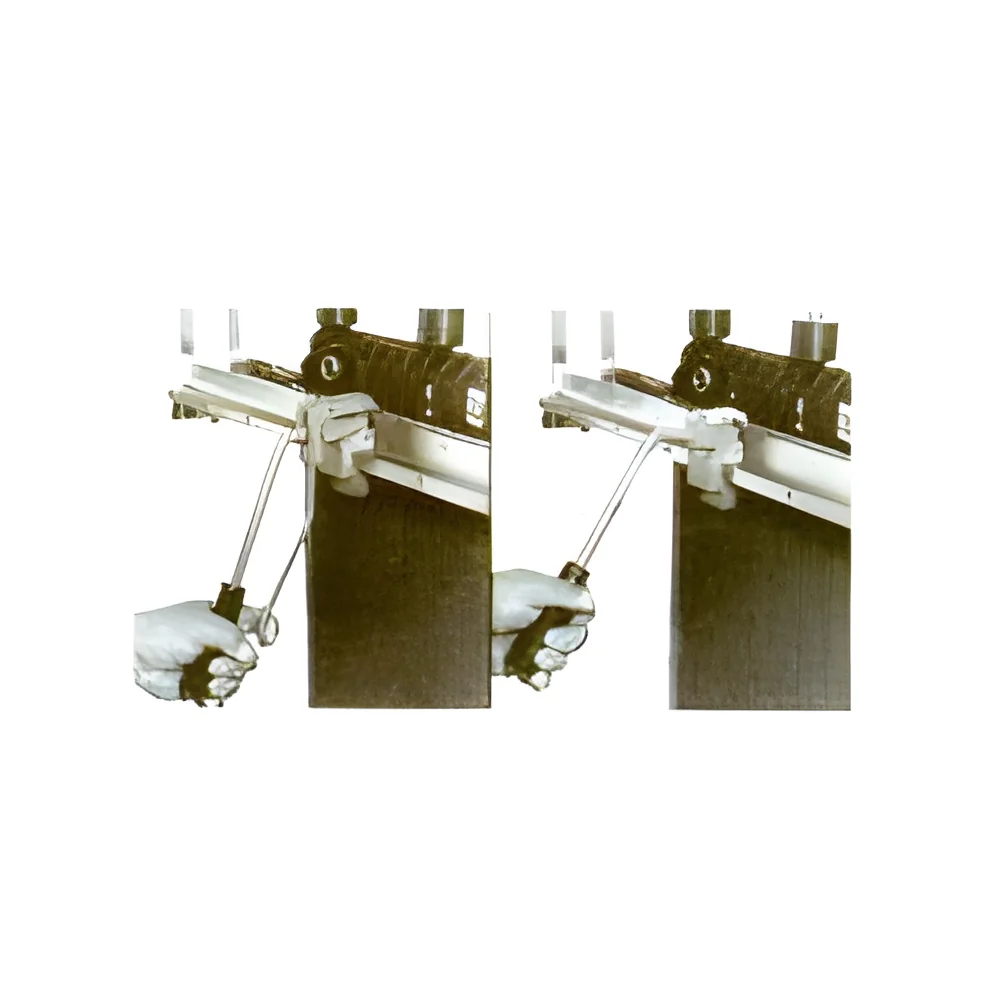
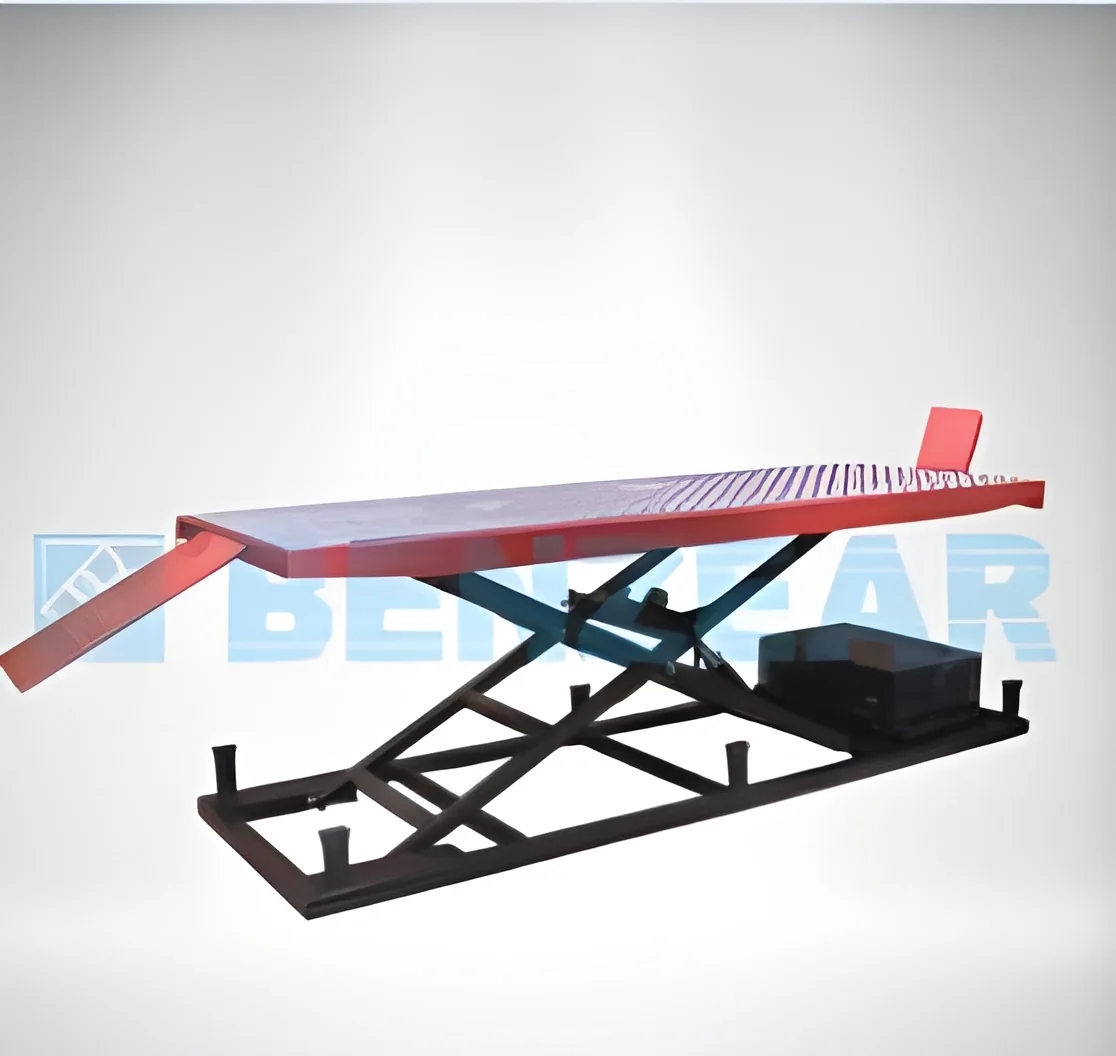
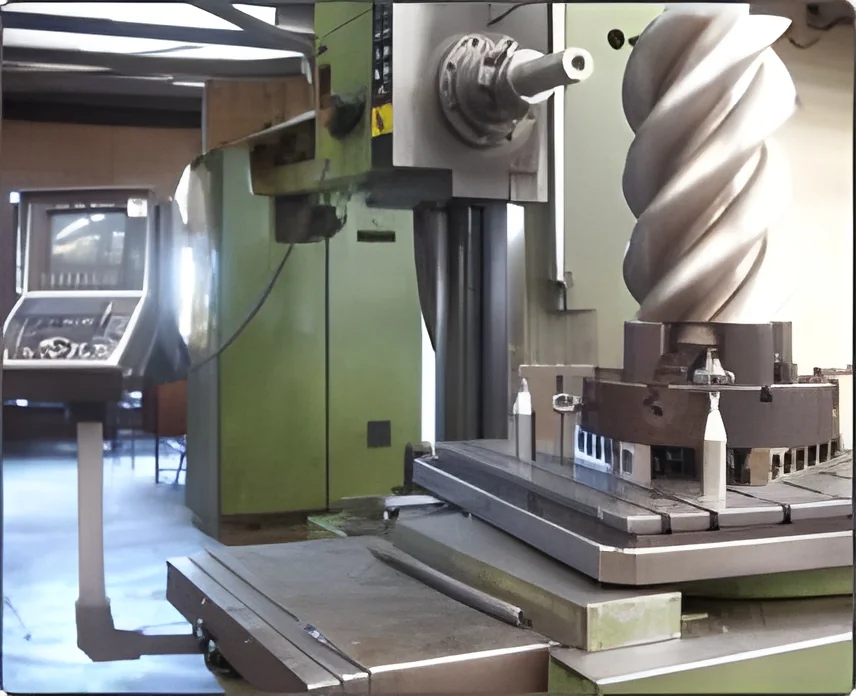
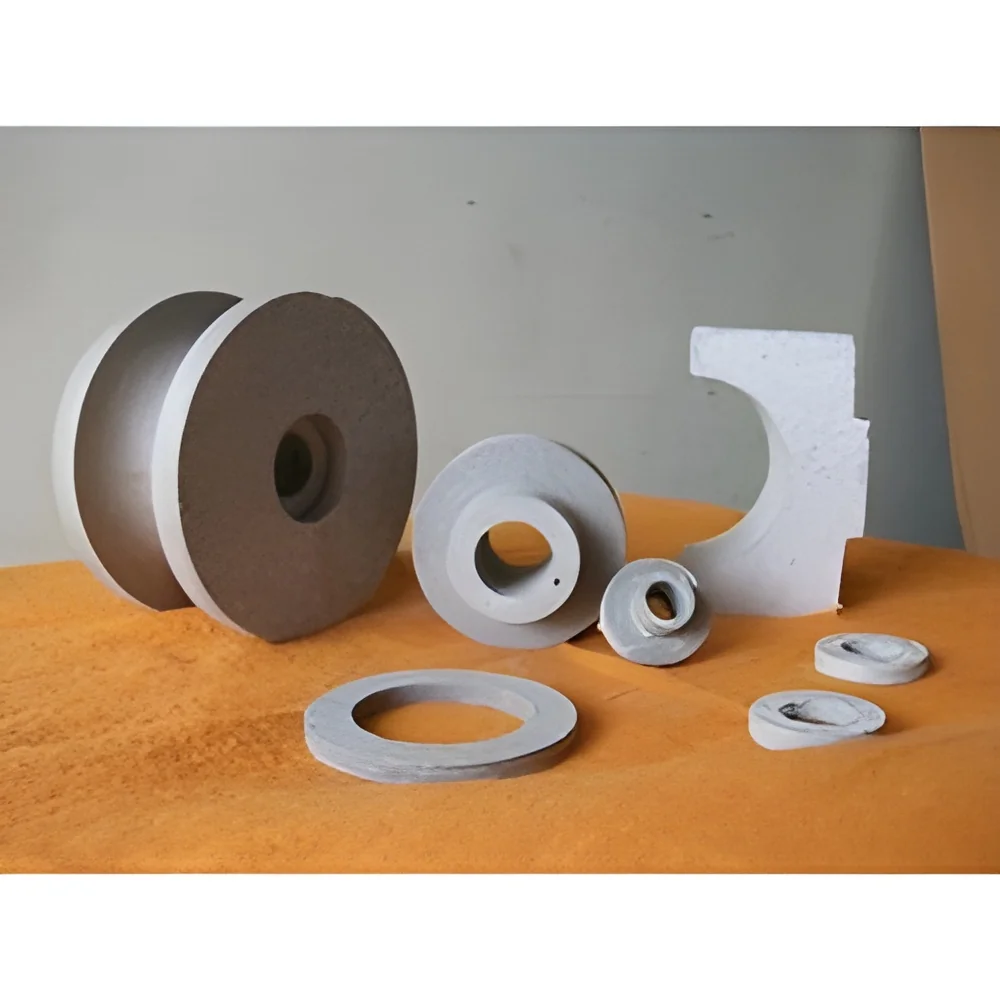
What are OEM Workshop Equipment Suppliers?
OEM Workshop Equipment Suppliers are specialized companies that manufacture and supply equipment designed for original equipment manufacturers (OEMs). These suppliers provide a range of workshop tools and machinery that are crucial in the production process for various industries. Their products are tailored to meet the specific needs of OEMs, ensuring that they can produce high-quality end products efficiently and effectively.
The primary uses of OEM workshop equipment include assembly, testing, and maintenance operations within manufacturing facilities. Businesses across sectors like automotive, electronics, and machinery heavily rely on these suppliers for high-performance tools that enable them to streamline operations and enhance productivity. As the manufacturing landscape evolves, the demand for advanced workshop equipment continues to grow, making OEM suppliers integral to industry success.
In the current market context, OEM workshop equipment suppliers play a vital role in supporting the rapid advancements in technology and manufacturing processes. They must adapt to changing industry standards and customer needs while maintaining a competitive edge. This relevance underscores the importance of selecting the right OEM supplier to ensure operational efficiency and product quality.
Key Features and Specifications
OEM workshop equipment is characterized by several key features that enhance performance and usability. These specifications are critical for businesses to understand when evaluating potential suppliers.
Key specifications include:
1. Equipment Type
- Various types of workshop equipment are available, including assembly stations, testing machines, and maintenance tools.
- Each type is designed to meet specific operational needs within manufacturing processes.
2. Operational Capacity
- Equipment is designed to handle different workload capacities, ensuring it meets the demands of production schedules.
- Parameters can vary widely depending on the machinery type.
3. Durability Standards
- OEM workshop equipment typically adheres to high durability standards, ensuring longevity under rigorous operating conditions.
- This is essential to minimize downtime and maintenance costs.
4. Customization Options
- Many suppliers offer customization options to tailor equipment to specific operational requirements.
- This flexibility allows businesses to optimize their production processes.
5. Compliance with Industry Standards
- Equipment often complies with relevant industry standards, ensuring safety and reliability.
- Adherence to these standards is crucial for regulatory compliance.
6. Energy Efficiency
- Many modern OEM workshop tools are designed with energy efficiency in mind, reducing operational costs.
- This feature is increasingly important as companies seek to minimize their environmental impact.
7. Technological Integration
- Equipment often includes advanced technologies for monitoring and automation.
- This integration can enhance productivity and precision in manufacturing processes.
In summary, understanding the key features and specifications of OEM workshop equipment is essential for businesses aiming to enhance their production capabilities and ensure compliance with industry standards.
Common Applications and Use Cases
OEM workshop equipment serves a diverse range of industries, each with unique applications.
1. Automotive Industry: Equipment is used for assembly line processes, testing vehicle components, and maintenance operations. This ensures that vehicles meet safety and quality standards.
2. Electronics Manufacturing: Tools are utilized for assembling, testing, and packaging electronic components. Precision and reliability are critical in this fast-paced environment.
3. Aerospace Sector: Workshop equipment is essential for manufacturing aircraft components, requiring stringent quality controls and compliance with safety regulations.
4. Heavy Machinery Production: Equipment assists in assembling and maintaining large machinery, ensuring that heavy-duty components are built to last and function effectively.
5. Medical Device Manufacturing: Specialized tools are used for the assembly and testing of medical devices, where adherence to regulatory standards is paramount.
6. Consumer Goods Manufacturing: OEM equipment aids in the production and quality assurance of household products, ensuring consistency and safety.
7. Construction Equipment: Tools are necessary for the assembly of construction machinery, where durability and performance are vital.
In conclusion, OEM workshop equipment is integral to multiple industries, enabling businesses to meet their production goals while adhering to strict quality standards.
Product Variants and Subcategories
The diversity of OEM workshop equipment allows for various product variants tailored to specific needs.
Precision Assembly Tools: These tools are designed for detailed assembly tasks in industries such as electronics and automotive. They often include features for accuracy and ease of use.
Testing and Measurement Equipment: This variant is crucial for quality assurance processes, enabling manufacturers to test product specifications and performance standards.
Maintenance Tools: These are essential for the upkeep of machinery and equipment, ensuring longevity and reliability in production operations.
Custom Solutions: Many suppliers offer bespoke equipment tailored to specific operational requirements, providing an edge in competitive markets.
Benefits and Advantages
Sourcing OEM workshop equipment comes with several key benefits that can significantly enhance operational efficiency.
1. Improved Productivity: Quality equipment can streamline production processes, reducing time and labor costs.
2. Enhanced Quality Control: Reliable tools ensure that products meet stringent quality standards, minimizing defects and returns.
3. Cost Efficiency: Investing in durable equipment reduces the need for frequent replacements and repairs, leading to long-term savings.
4. Flexibility in Production: Customizable solutions allow businesses to adapt quickly to changing market demands.
5. Compliance Assurance: Equipment that meets industry standards helps businesses stay compliant with regulations, reducing the risk of penalties.
6. Access to Technical Support: Established suppliers often provide robust customer support, assisting businesses in troubleshooting and optimizing equipment performance.
In summary, the advantages of sourcing OEM workshop equipment are manifold, contributing to overall business success and sustainability.
Buying Guide for B2B Buyers
When sourcing OEM Workshop Equipment Suppliers, it is essential to consider several critical factors to ensure a successful partnership.
1. Quality Assessment: Evaluate the quality of equipment by reviewing supplier certifications, customer feedback, and product performance metrics. Quality is paramount in maintaining operational standards.
2. Supplier Verification: Conduct thorough research to verify potential suppliers. This includes checking their business history, reputation, and customer references to ensure reliability.
3. Pricing and MOQ: Understand the pricing structure and minimum order quantities. This helps in budgeting and ensures that the supplier can meet your volume needs.
4. Delivery and Lead Times: Inquire about delivery schedules and lead times to ensure they align with your production timelines. Timely delivery is crucial for maintaining workflow.
5. Compliance Requirements: Ensure that the equipment meets all relevant industry regulations and safety standards. This protects your business from compliance-related issues.
Compliance and Certifications
Compliance and certifications play a crucial role in the selection of OEM workshop equipment suppliers. Relevant quality standards such as ISO 9001 are vital as they ensure that suppliers adhere to systematic quality management practices. This certification signifies a commitment to continuous improvement and customer satisfaction.
In addition to ISO, industry-specific certifications such as CE are essential in the European market. CE marking indicates that products meet EU safety, health, and environmental protection standards. Suppliers must ensure that their equipment complies with these regulations to facilitate market entry and acceptance.
Safety and testing requirements are also paramount. Equipment must undergo rigorous testing to meet safety standards, reducing risks associated with operational use. Furthermore, regional compliance considerations may vary, requiring suppliers to adapt their products to meet local regulations. Understanding these compliance factors is essential for businesses to mitigate risks and ensure a safe working environment.
Why Source OEM Workshop Equipment Suppliers from Pepagora?
Pepagora offers a trusted platform for sourcing OEM Workshop Equipment Suppliers with several key advantages that can enhance the procurement process.
Verified Supplier Network: Pepagora conducts thorough verification processes to ensure that all suppliers meet industry standards for quality and reliability. This instills confidence in buyers looking for dependable partners.
Streamlined RFQ Process: The platform simplifies the request for quotation (RFQ) process, allowing businesses to compare multiple suppliers quickly. This efficiency helps in making informed purchasing decisions.
Trade Assurance and Support: Pepagora provides trade assurance to protect buyers, ensuring that transactions are secure and that support is available for any issues that may arise. This adds an extra layer of security for businesses.
Regional Coverage: The platform boasts a wide geographic reach, servicing regions such as India, the GCC, and Southeast Asia. This extensive coverage allows businesses to connect with local suppliers who understand regional market dynamics.
In conclusion, sourcing OEM workshop equipment suppliers through Pepagora offers businesses a reliable and efficient solution to meet their manufacturing needs while ensuring quality and compliance.

 IN
IN