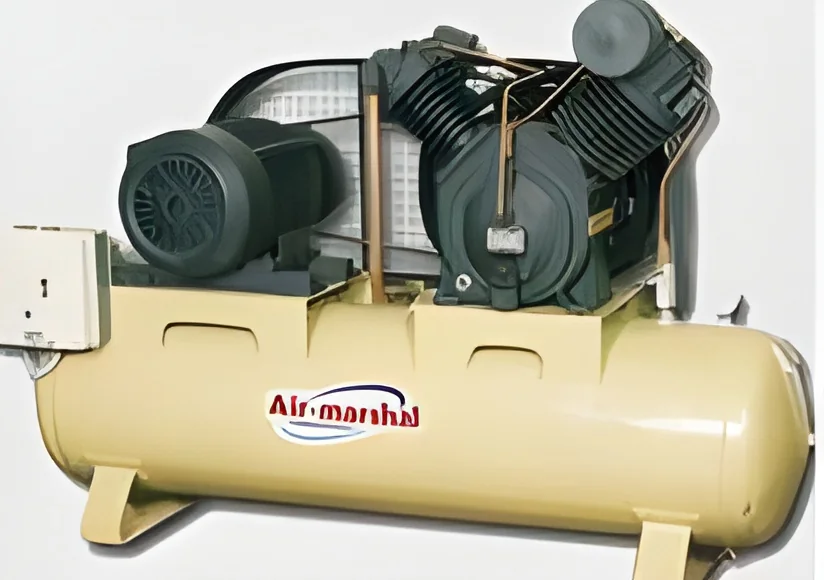
What are Automotive Air Compressors?
Automotive air compressors are devices that convert power into potential energy stored in pressurized air. They achieve this by drawing in air from the atmosphere and compressing it into a smaller volume, creating high-pressure air that can be used in various applications. These compressors are essential in automotive settings, where they provide a reliable source of compressed air for a variety of tools and systems.
The primary uses of automotive air compressors include powering pneumatic tools, inflating tires, and servicing air conditioning systems. In automotive repair shops, these compressors are vital for tasks such as painting, cleaning, and operating air-powered machinery. The market for automotive air compressors is significant, with increasing demand driven by the growth of the automotive industry and the rising need for efficient and effective tools in maintenance and repair operations.
Key Features and Specifications
Automotive air compressors come with a variety of features and specifications that cater to different business needs. Understanding these key specifications is crucial for selecting the right compressor for your applications.
Key specifications include:
1. Power Source
- Electric or gas-powered options
- Typically ranges from 1 HP to over 10 HP
2. Tank Capacity
- Storage capacity for compressed air
- Common sizes range from 1 gallon to 80 gallons
3. Maximum Pressure
- The highest pressure the compressor can achieve
- Usually ranges from 90 PSI to 175 PSI
4. Air Delivery Rate
- Measured in CFM (Cubic Feet per Minute)
- Typical rates vary from 2 CFM to over 30 CFM
5. Noise Level
- Sound output during operation
- Commonly ranges from 60 dB to 90 dB
6. Portability
- Design for easy transport and maneuverability
- Options include wheeled models and compact designs
7. Durability
- Material and build quality
- Often constructed from steel or aluminum for longevity
8. Safety Features
- Built-in safety mechanisms
- Includes pressure relief valves and thermal overload protection
In summary, choosing the right automotive air compressor requires careful consideration of these specifications to ensure optimal performance for your specific applications.
Common Applications and Use Cases
Automotive air compressors are utilized across various industries, each with unique applications.
1. Automotive Repair: In garages and workshops, these compressors are used for powering air tools, inflating tires, and performing engine diagnostics.
2. Manufacturing: In production lines, air compressors drive pneumatic machinery and assist in assembly processes, improving efficiency and productivity.
3. Construction: Air compressors are essential for operating tools such as nail guns and jackhammers, facilitating construction and renovation projects.
4. Painting: In automotive refinishing, these compressors provide the necessary air pressure for spray painting equipment, ensuring smooth and even coatings.
5. Agriculture: Used for powering tools and irrigation systems, air compressors play a role in enhancing productivity in farming operations.
6. HVAC Services: Air compressors are critical in the installation and maintenance of heating, ventilation, and air conditioning systems, ensuring proper functioning.
7. Food and Beverage: In this industry, air compressors help in packaging and food processing, ensuring compliance with hygiene standards.
Product Variants and Subcategories
Automotive air compressors come in various designs, each tailored for specific uses and environments.
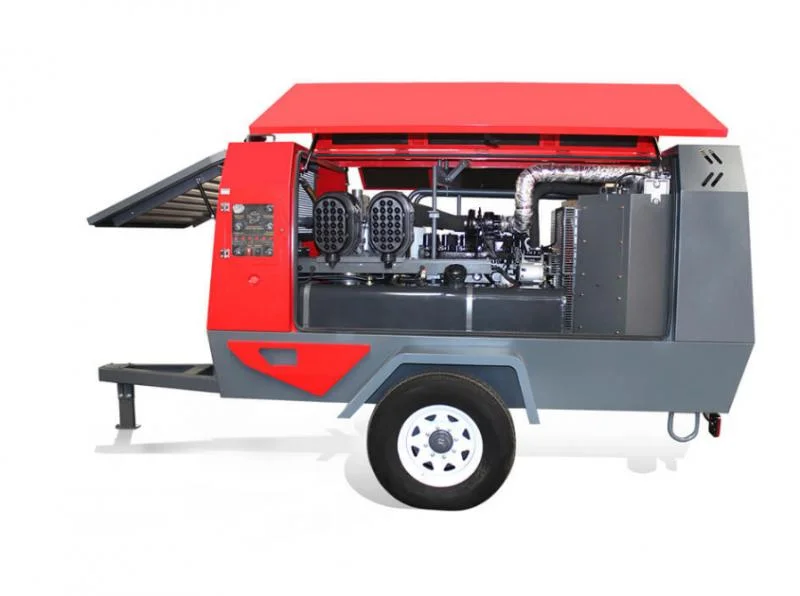
Portable Compressors: These lightweight and compact units are ideal for mobile applications and small workshops. They are easy to transport and perfect for inflating tires or powering small tools.
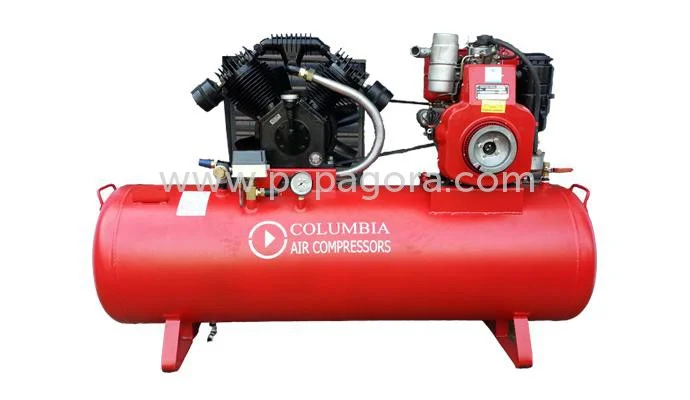
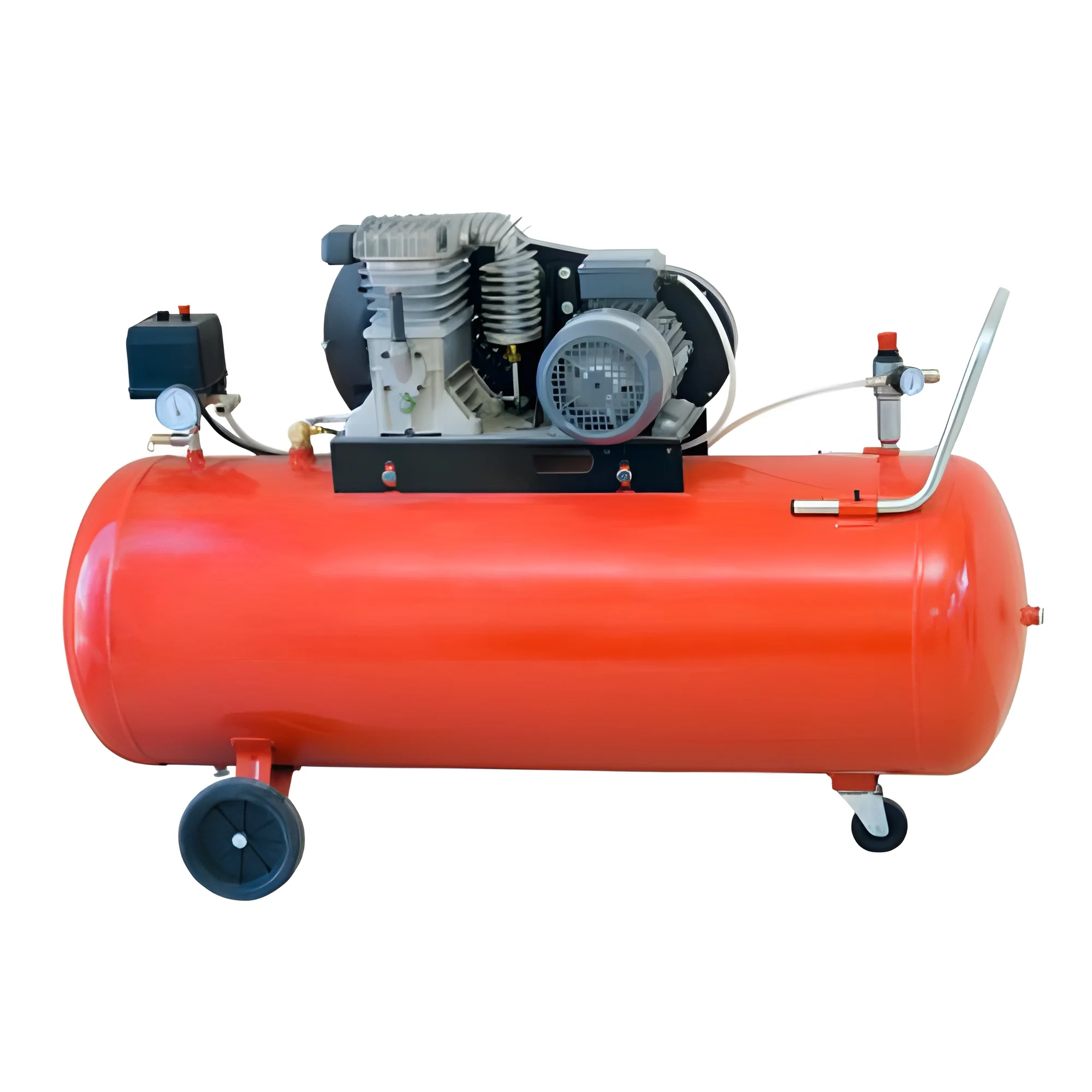
Stationary Compressors: Designed for permanent installation in workshops, these larger units provide high volumes of air and are suitable for heavy-duty applications in garages and manufacturing facilities.
Oil-Free Compressors: These compressors operate without oil, making them ideal for applications requiring clean air, such as food processing or medical equipment.
Belt-Driven Compressors: Known for their durability and efficiency, these compressors are often used in industrial settings for continuous operation.
Benefits and Advantages
Automotive air compressors offer numerous benefits that make them essential tools in various industries.
1. Efficiency: They provide a reliable source of compressed air, enabling the use of multiple tools simultaneously and enhancing productivity.
2. Versatility: These compressors can power a wide range of pneumatic tools, making them suitable for various applications in different industries.
3. Cost-Effectiveness: Investing in an air compressor can reduce the dependency on manual labor, leading to long-term savings in operational costs.
4. Enhanced Performance: With consistent air pressure, automotive air compressors ensure tools operate at optimal efficiency, improving the quality of work.
5. Compact Design: Many models are designed to save space, making them suitable for small workshops or mobile applications.
6. Improved Safety: Built-in safety features help prevent accidents, ensuring a safer working environment.
Buying Guide for B2B Buyers
When sourcing automotive air compressors, it is essential to consider specific factors that will influence your purchasing decision.
1. Quality Assessment: Evaluate the build quality and reliability of compressors. Look for manufacturers that adhere to quality standards to ensure durability and performance.
2. Supplier Verification: Vet suppliers thoroughly to ensure they have a reputable history and can provide necessary documentation regarding their products.
3. Pricing and MOQ: Understand the pricing structure and minimum order quantities. This will help you budget effectively for your purchases.
4. Delivery and Lead Times: Consider logistics and delivery schedules, as timely access to equipment can impact your operations.
5. Compliance Requirements: Ensure that the air compressors meet local and international regulatory standards to avoid legal issues and ensure safety.
Compliance and Certifications
Automotive air compressors must adhere to several compliance and certification standards to ensure quality and safety.
Relevant quality standards include ISO 9001, which emphasizes quality management systems. Compliance with these standards ensures manufacturers maintain high-quality production processes.
Industry certifications such as CE indicate compliance with European health, safety, and environmental protection standards. This certification is crucial for products sold in European markets.
Safety and testing requirements are critical in ensuring that compressors operate safely under specified conditions. Regular testing helps identify potential issues before they become significant problems.
Regional compliance considerations may vary, and understanding local regulations is essential for businesses operating in different geographic areas. Compliance with these standards ensures that products meet necessary legal and operational requirements.
Why Source Automotive Air Compressors from Pepagora?
Pepagora provides a trusted platform for sourcing automotive air compressors, offering several key advantages for B2B buyers.
The verified supplier network at Pepagora ensures that buyers connect with reputable manufacturers and suppliers. This verification process helps mitigate risks associated with sourcing products.
Pepagora features a streamlined RFQ process that simplifies obtaining quotes from multiple suppliers. This efficiency allows buyers to compare options and make informed purchasing decisions quickly.
Trade assurance and support from Pepagora provide an additional layer of security for buyers. This assurance helps protect investments and ensures that transactions are conducted smoothly.
With regional coverage across India, the GCC, and Southeast Asia, Pepagora connects buyers with local and international suppliers, facilitating easier access to automotive air compressors and enhancing supply chain efficiency.

 IN
IN