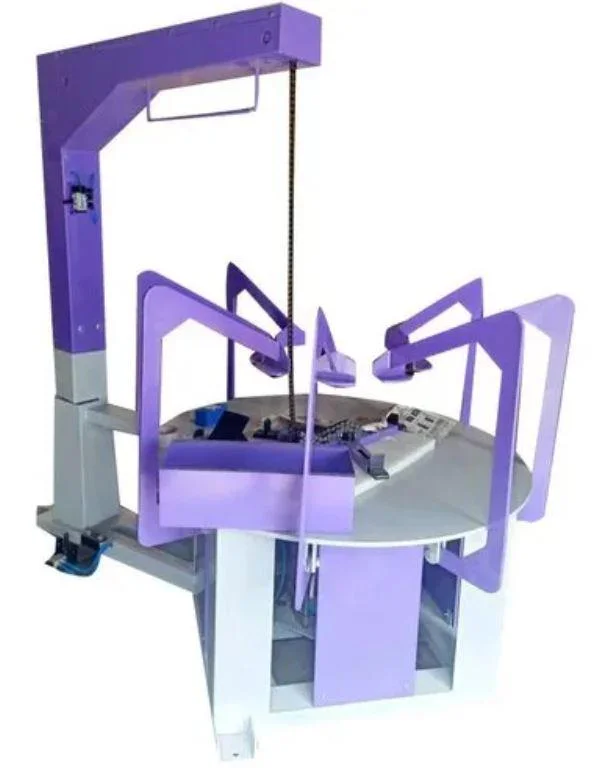
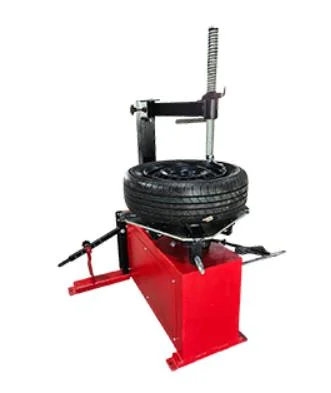
What are Tyre Changers?
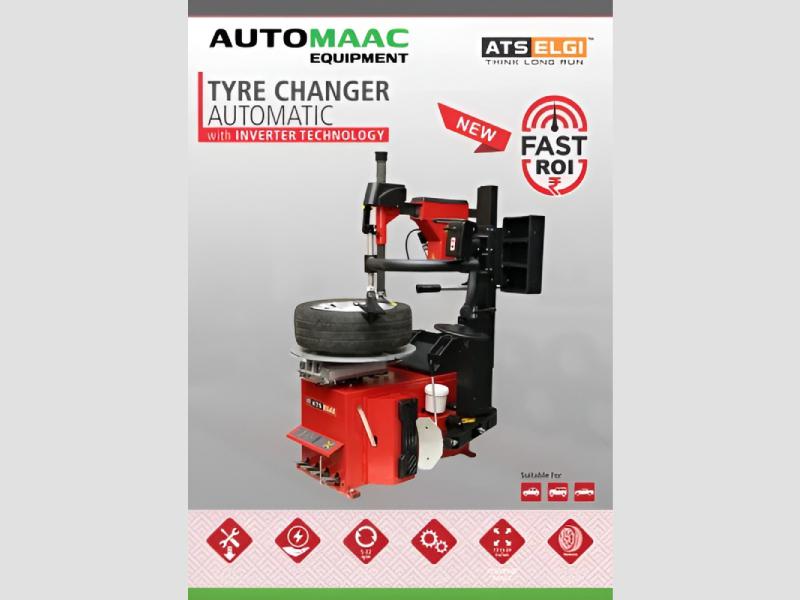
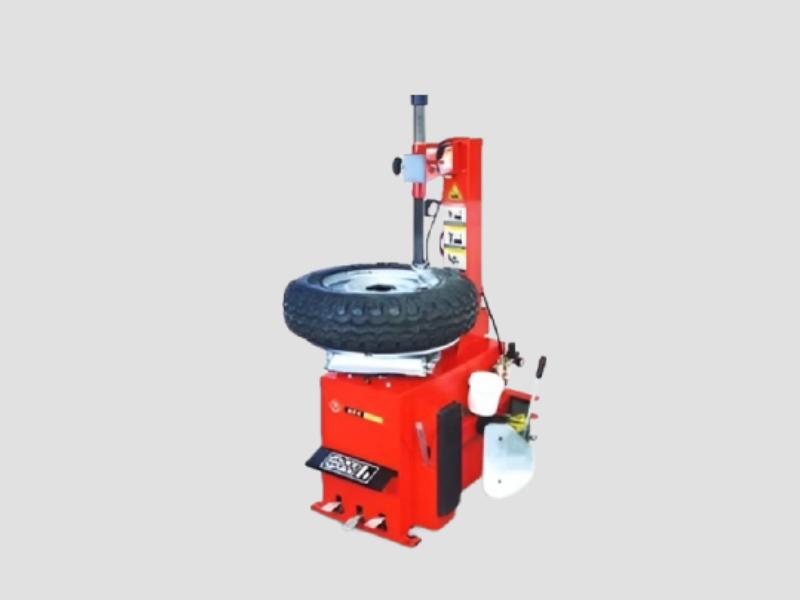
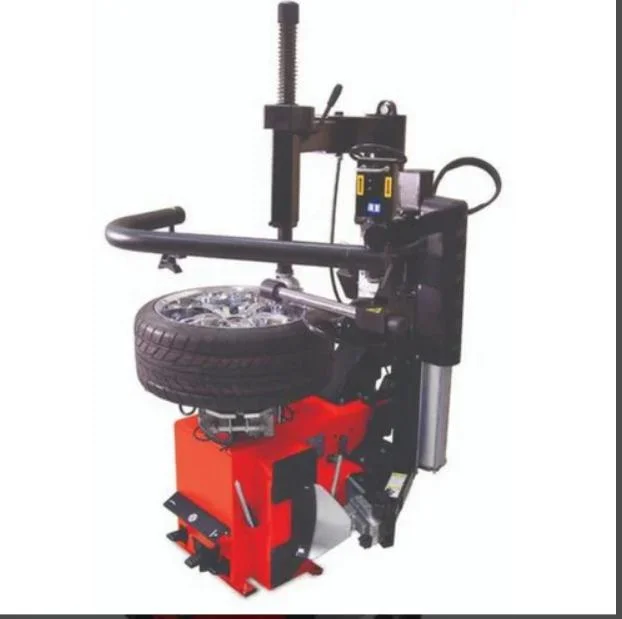
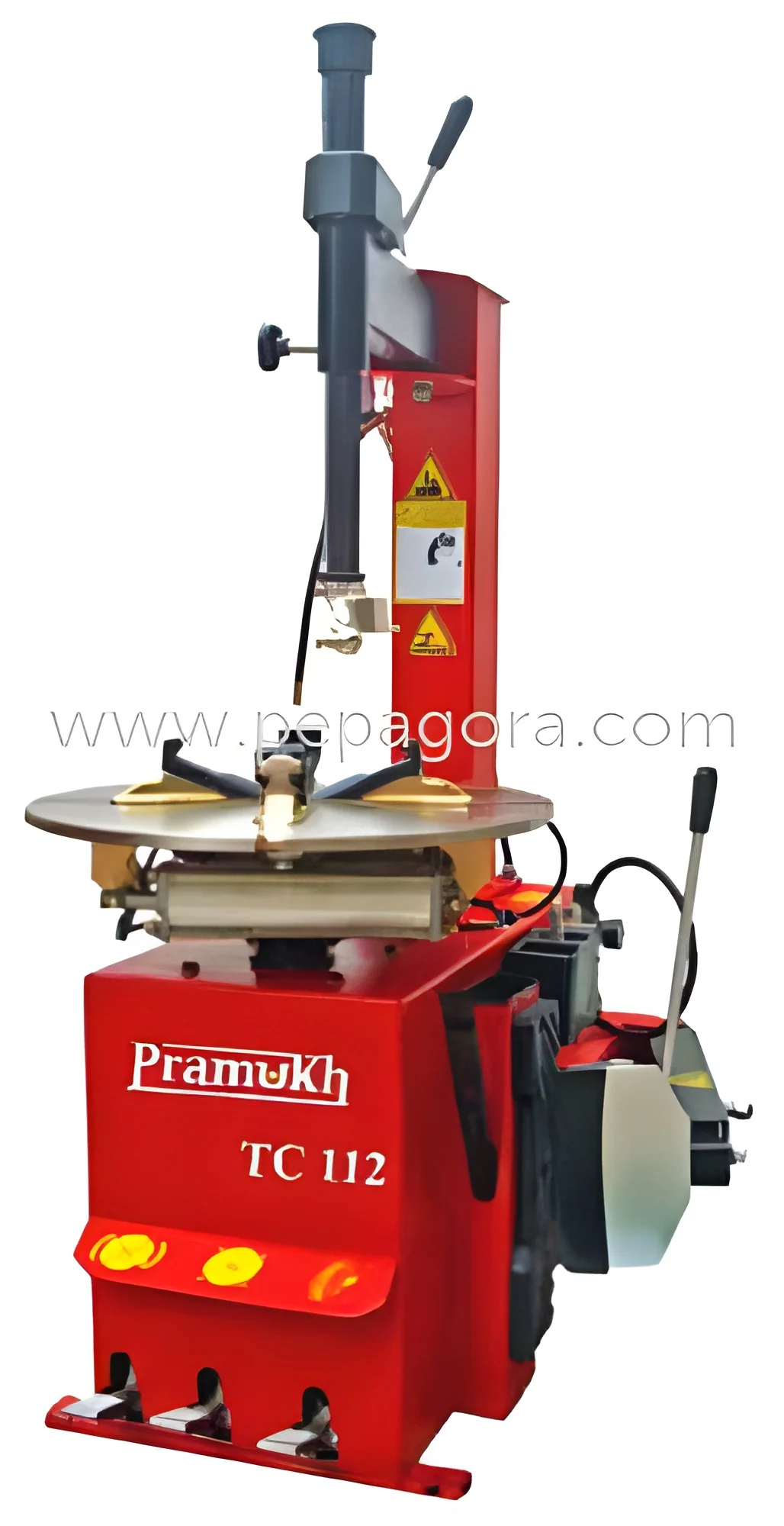
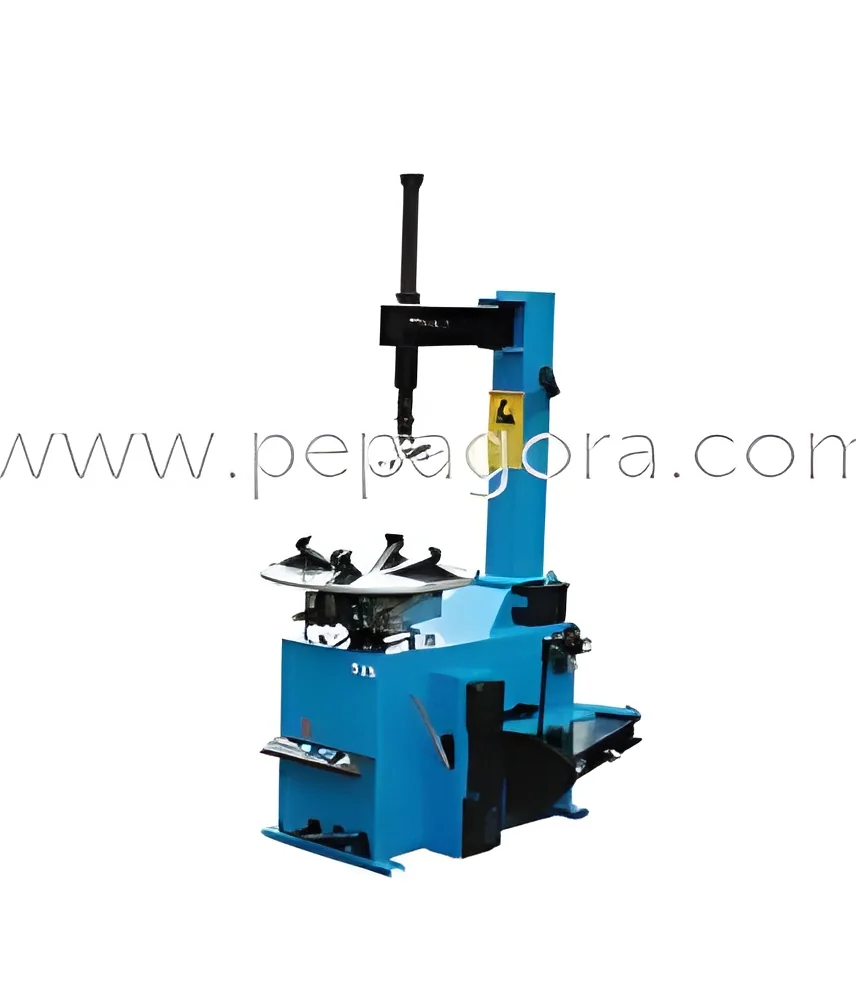
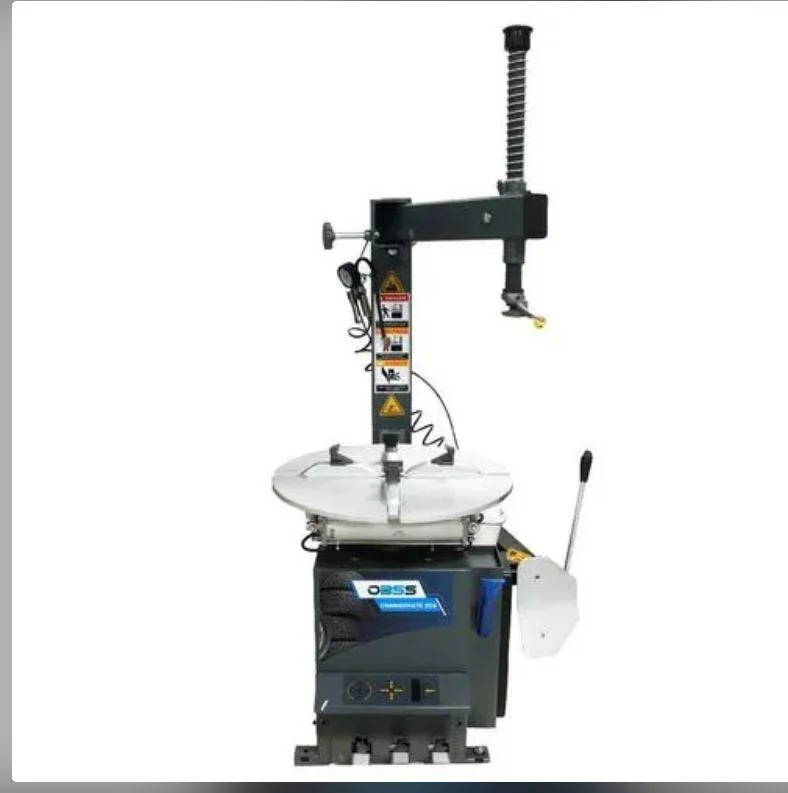
Tyre changers are specialized machines designed to facilitate the removal and installation of tyres on wheels. These machines streamline the tyre replacement process, making it faster and more efficient than manual methods. Tyre changers are equipped with various features, such as clamps and levers, that securely hold the wheel in place while the tyre is changed. They can handle a range of tyre sizes, and some models are even equipped with advanced technology to suit specific needs.
Tyre changers are primarily used in automotive repair shops, service stations, and tyre retail outlets. They are essential for businesses that require frequent tyre changes, such as those specializing in vehicle maintenance or tyre sales. By using tyre changers, businesses can enhance their service speed, reduce the risk of damage to tyres, and improve overall customer satisfaction. The relevance of tyre changers in the automotive industry is underscored by the growing demand for efficient and reliable tyre services, especially as vehicle usage continues to rise globally.
Key Features and Specifications
Tyre changers come with various features and specifications that cater to different operational needs. Understanding these specifications is vital for selecting the right machine for your business.
Key specifications include:
1. Wheel Size Compatibility
- Suitable for a range of wheel sizes, typically from 10 inches to 30 inches.
2. Power Source
- Electric, pneumatic, or hydraulic options available, with power ratings varying based on model.
3. Clamp Type
- Manual or automatic clamping systems, with varying grip strengths for different tyre types.
4. Speed of Operation
- Time taken for tyre changing, usually measured in minutes, with some models capable of completing the task in under 5 minutes.
5. Safety Features
- Emergency stop buttons and safety guards to protect operators during use.
6. Weight Capacity
- Maximum weight limits for wheels, ensuring the machine can handle heavy-duty tyres.
7. User Interface
- Control panels may include digital displays for ease of operation and diagnostics.
8. Portability
- Some models are designed with wheels for easy relocation within a workshop.
In summary, the right tyre changer should align with the specific needs of your business, taking into account the operational scale and types of vehicles serviced.
Common Applications and Use Cases
Tyre changers are versatile machines that find applications across various industries.
1. Automotive Repair Shops: These facilities utilize tyre changers for routine tyre replacements and repairs, ensuring fast service for customers.
2. Tyre Retail Outlets: Retailers use tyre changers to quickly install new tyres for customers, enhancing sales and customer satisfaction.
3. Fleet Management Companies: Businesses managing fleets of vehicles rely on tyre changers for efficient maintenance and quick turnaround times.
4. Bus and Truck Services: Heavy-duty tyre changers are essential for servicing larger vehicles, allowing for quick tyre changes to minimize downtime.
5. Construction Equipment Maintenance: These machines are used to maintain the tyres of construction vehicles, ensuring that they remain operational on job sites.
6. Agricultural Equipment Services: Tyre changers help in servicing agricultural machinery, which often has large and heavy tyres.
7. Recreational Vehicle Dealers: Dealers use tyre changers to maintain and sell recreational vehicles, ensuring they are ready for customer use.
Product Variants and Subcategories
Tyre changers come in various designs and functionalities to meet diverse customer needs.
Manual Tyre Changers: These variants require manual operation for changing tyres, making them suitable for smaller workshops looking to minimize costs.
Automatic Tyre Changers: Designed for high efficiency, these machines automate the tyre changing process, reducing labor costs and speeding up service times.
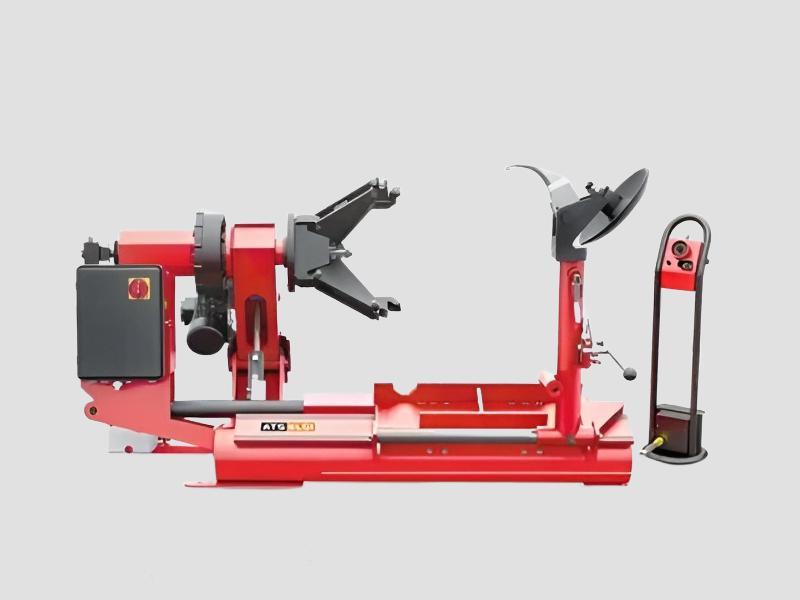
Heavy-Duty Tyre Changers: Built to handle larger tyres, these changers are ideal for truck and bus services, providing robust performance for heavy vehicles.
Portable Tyre Changers: Lightweight and easy to move, these changers are perfect for mobile tyre services and smaller workshops needing flexibility.
Benefits and Advantages
Investing in tyre changers offers several advantages for businesses.
1. Increased Efficiency: Tyre changers speed up the tyre changing process, allowing businesses to serve more customers in less time.
2. Reduced Risk of Damage: These machines minimize the risk of tyre and wheel damage compared to manual handling.
3. Enhanced Safety: Equipped with safety features, tyre changers protect operators and reduce workplace accidents.
4. Versatility: Capable of handling various tyre sizes and types, tyre changers adapt to different operational needs.
5. Cost-Effective: By increasing operational efficiency, tyre changers can lead to cost savings in labor and time.
6. Improved Customer Satisfaction: Faster service and reduced risk of damage contribute to a better customer experience.
Buying Guide for B2B Buyers
When sourcing tyre changers, several factors should be considered to ensure a suitable purchase.
1. Quality Assessment: Evaluate the build quality and performance features of tyre changers. Look for established brands with a reputation for reliability.
2. Supplier Verification: Vet suppliers carefully to ensure they provide quality products and support. Checking references and reviews can be beneficial.
3. Pricing and MOQ: Understand the pricing structure and minimum order quantities. This helps in budgeting and planning for your inventory needs.
4. Delivery and Lead Times: Inquire about delivery schedules and lead times to avoid disruptions in your operations.
5. Compliance Requirements: Check for compliance with relevant industry standards and certifications, ensuring the tyre changers meet safety and operational regulations.
Compliance and Certifications
Tyre changers must meet various compliance and certification standards to ensure safety and reliability.
ISO 9001 is a quality management standard that many tyre changer manufacturers adhere to, assuring customers of consistent quality in production and service.
CE certification is crucial in Europe, indicating that the equipment meets health, safety, and environmental protection standards.
Additionally, tyre changers must comply with safety and testing requirements relevant to specific regions. This may include local regulations that govern machinery safety and operational standards.
Regional compliance considerations should also be taken into account, as different countries may have varying requirements that affect the purchase and use of tyre changers.
Why Source Tyre Changers from Pepagora?
Pepagora offers a reliable platform for sourcing tyre changers, providing several key advantages for B2B buyers.
Verified Supplier Network: Pepagora connects buyers with a network of verified suppliers, ensuring that only quality products are offered. This reduces the risk associated with purchasing from unknown sources.
Streamlined RFQ Process: The request for quotation system simplifies the procurement process, allowing buyers to easily compare prices and features from different suppliers.
Trade Assurance and Support: Pepagora provides trade assurance, offering protection for buyers against potential issues during the transaction. This includes support services to address any concerns that may arise.
Regional Coverage: Pepagora has a strong presence in India, the GCC, and Southeast Asia, making it easier for businesses in these regions to access quality tyre changers and receive timely support.

 IN
IN