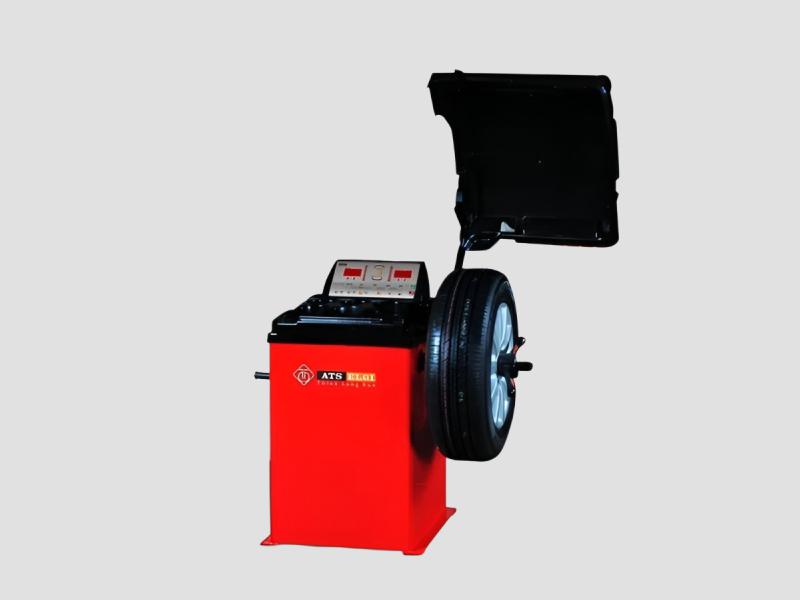
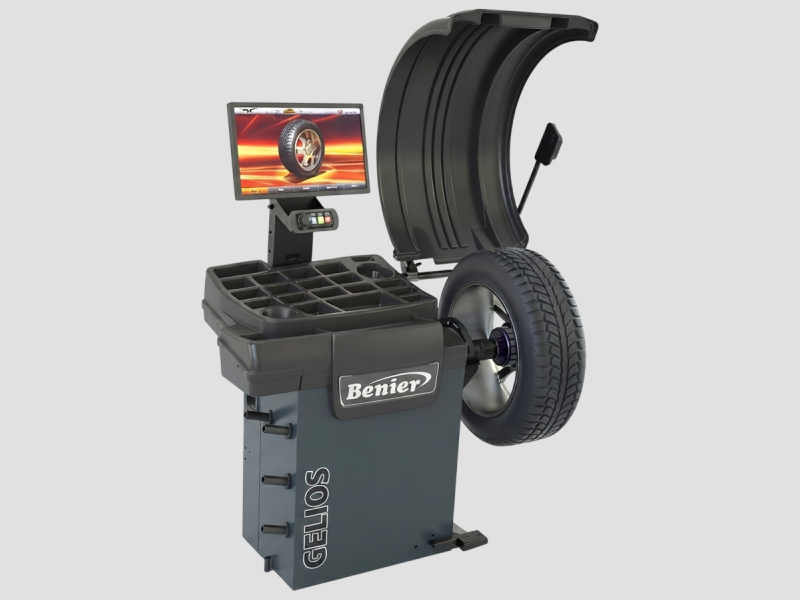
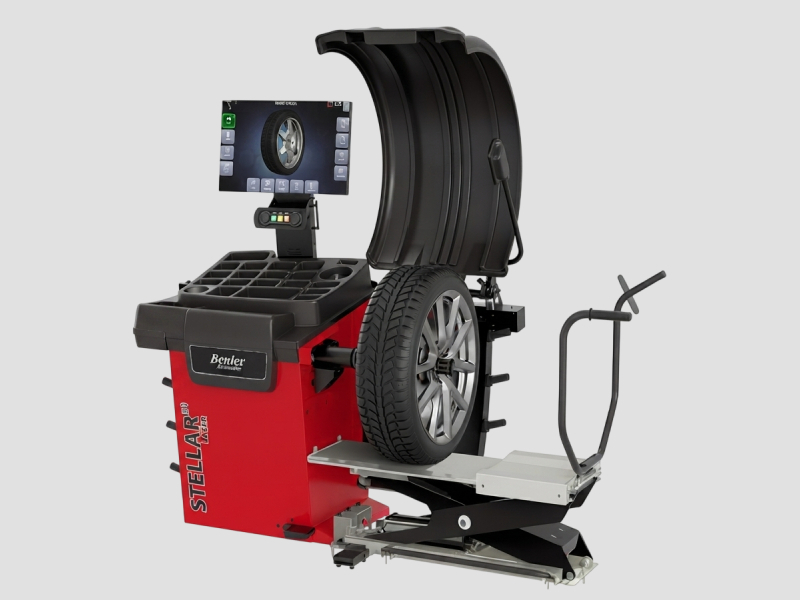
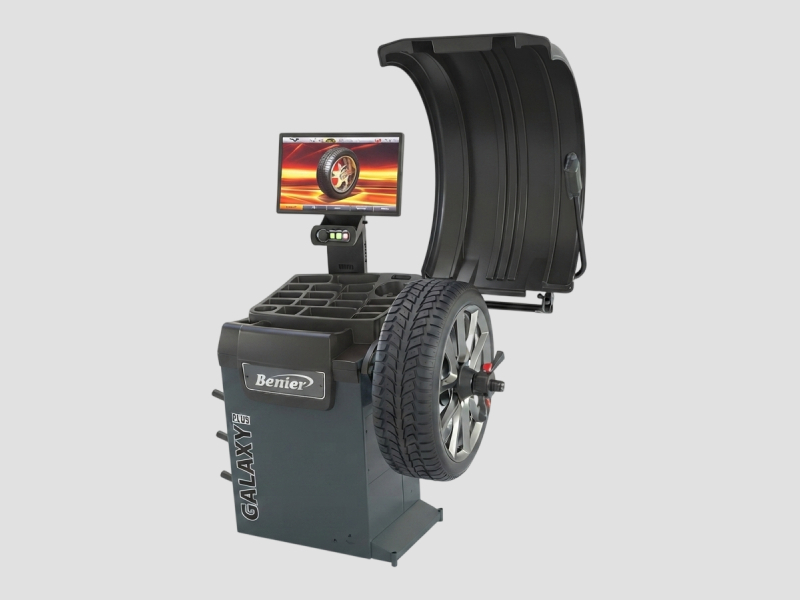
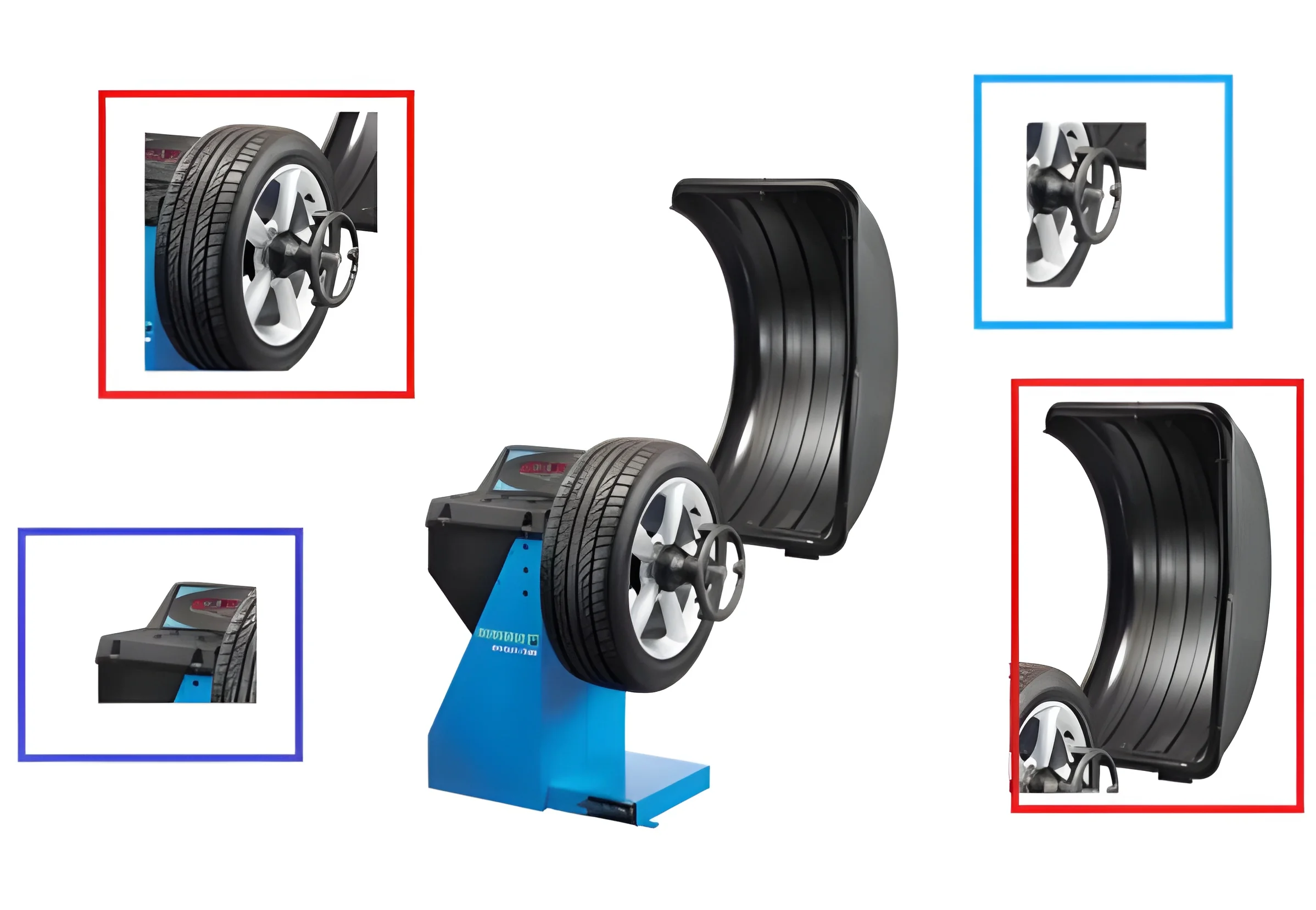
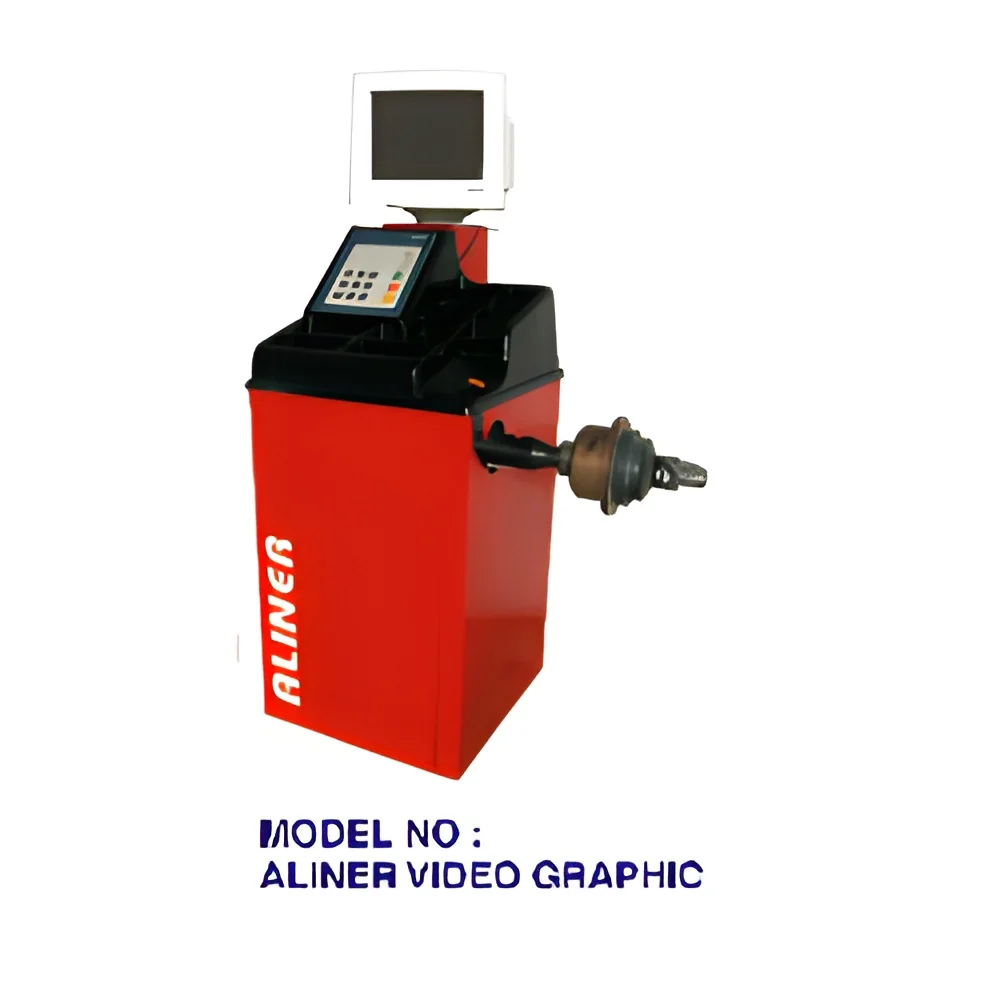
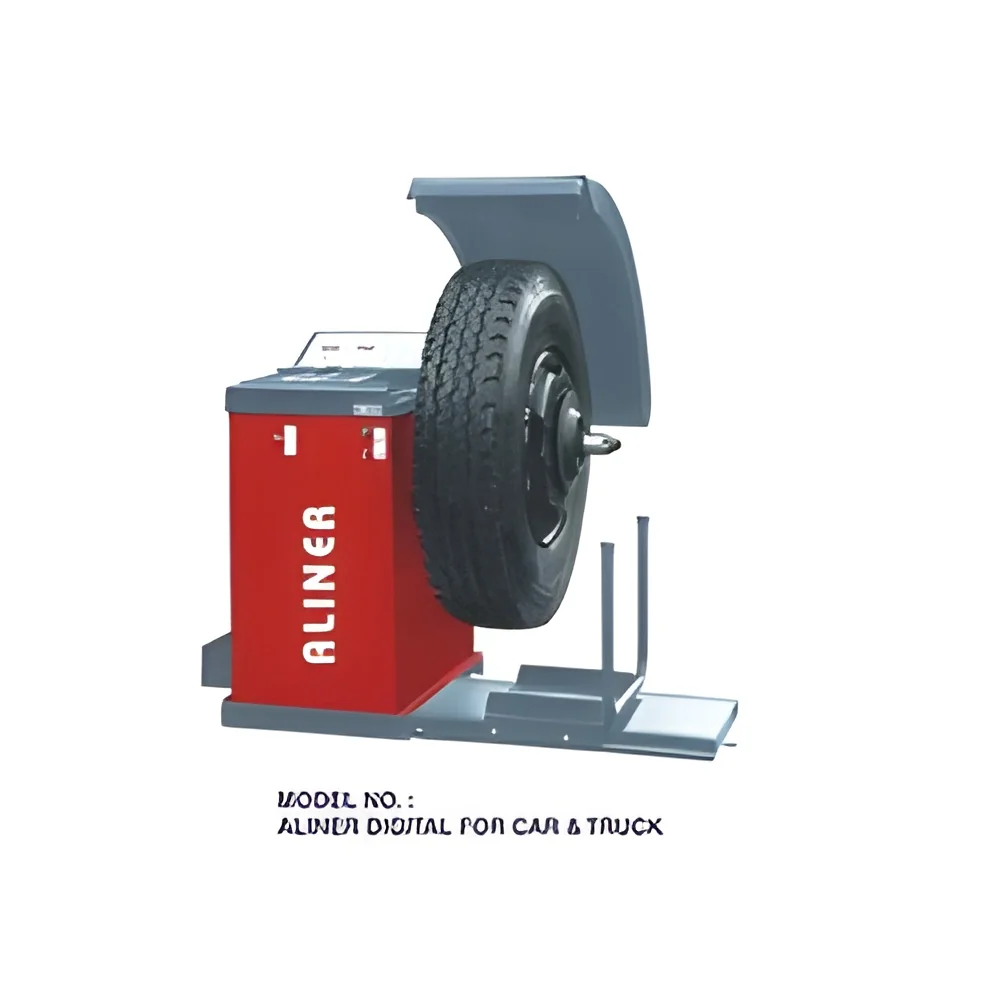
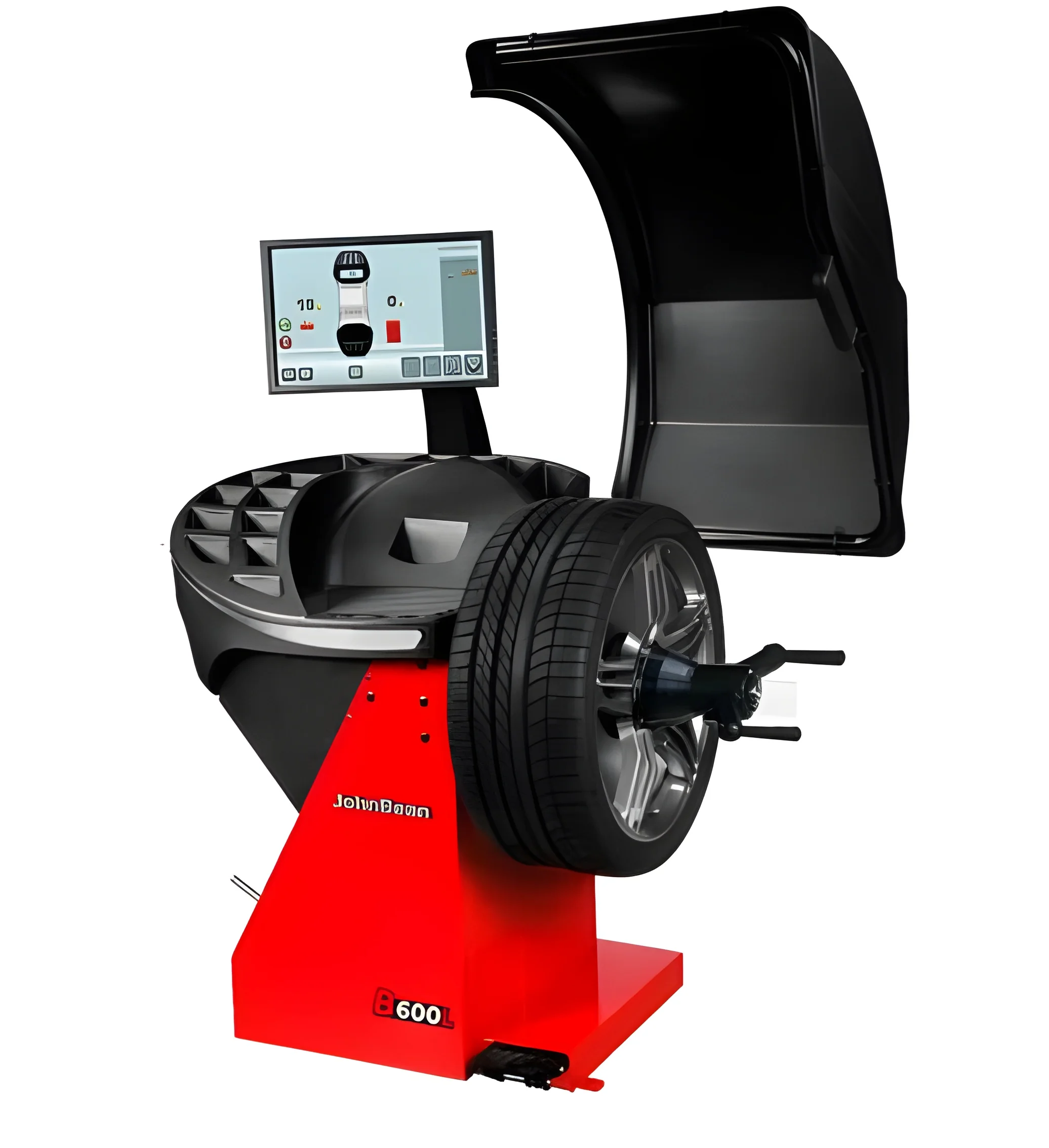
What are Wheel Balancers?
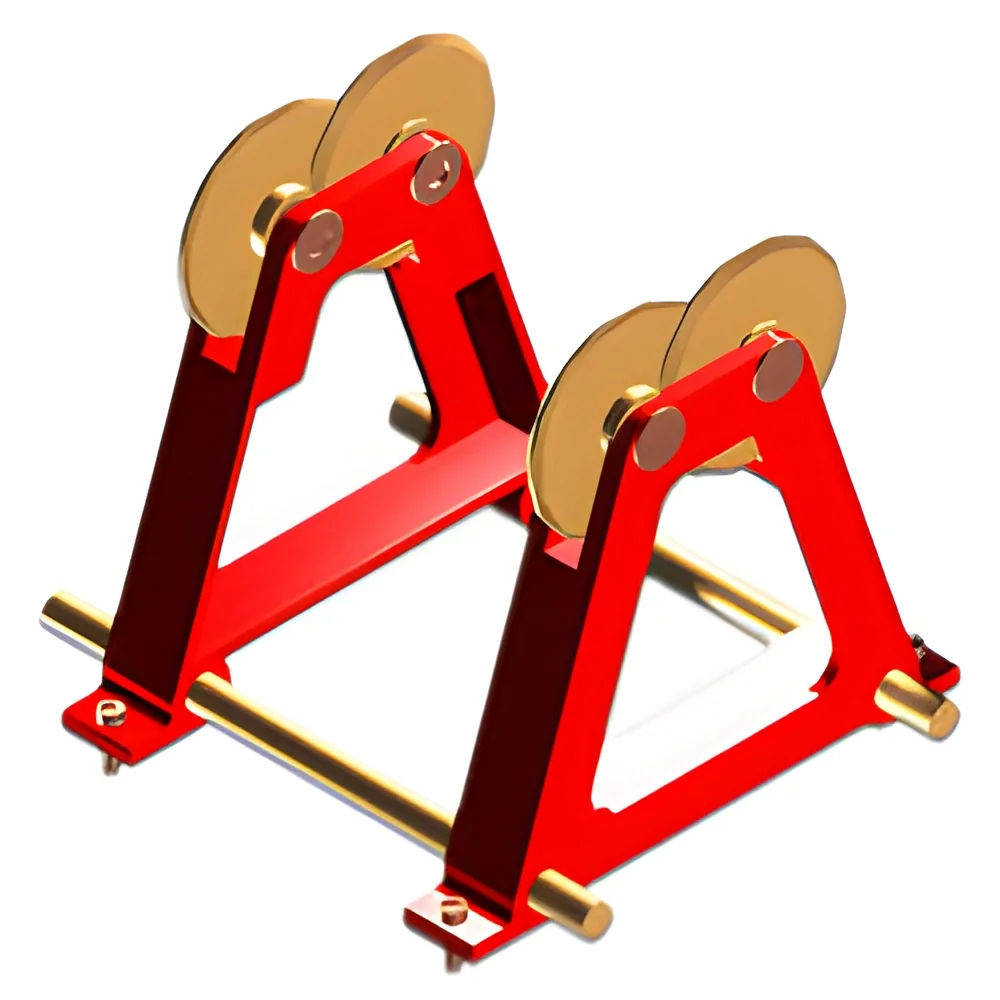
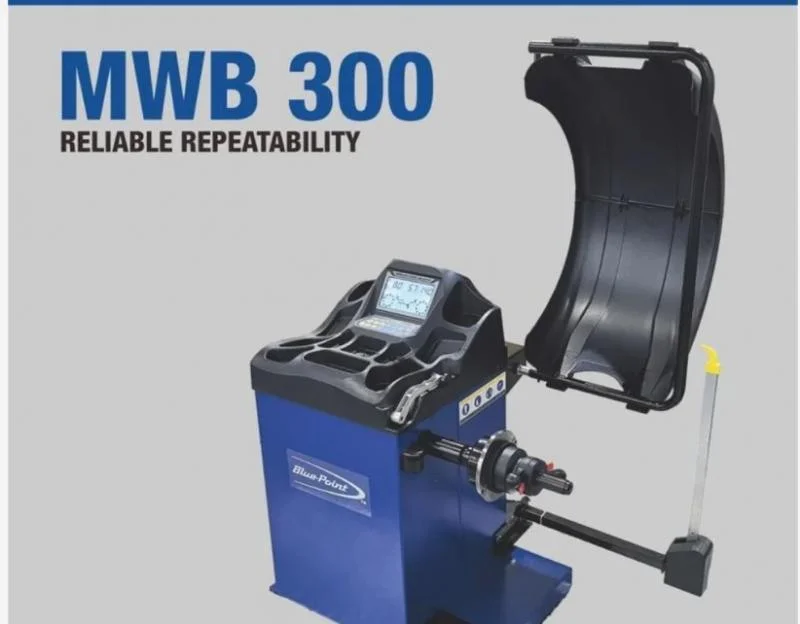
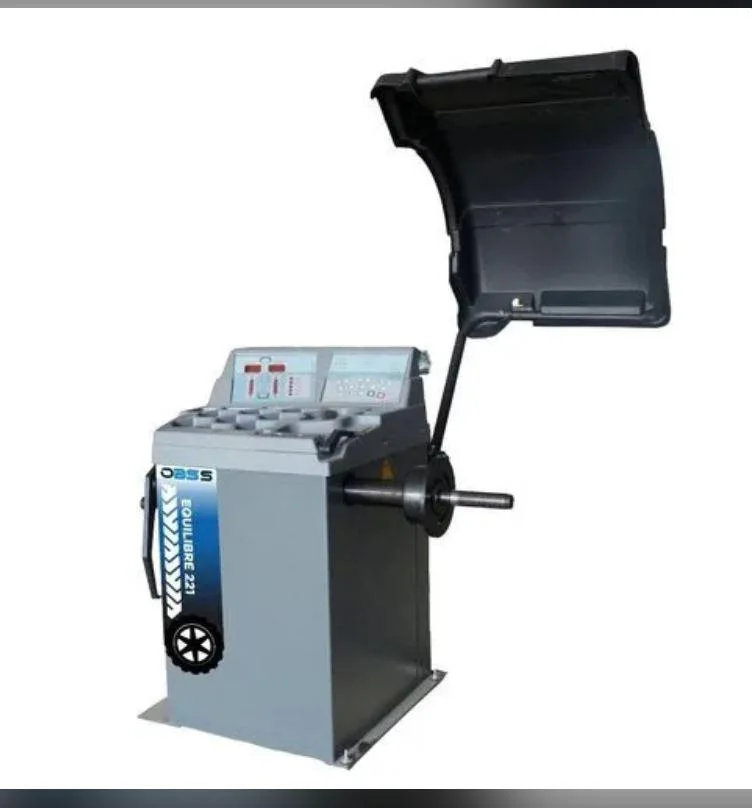
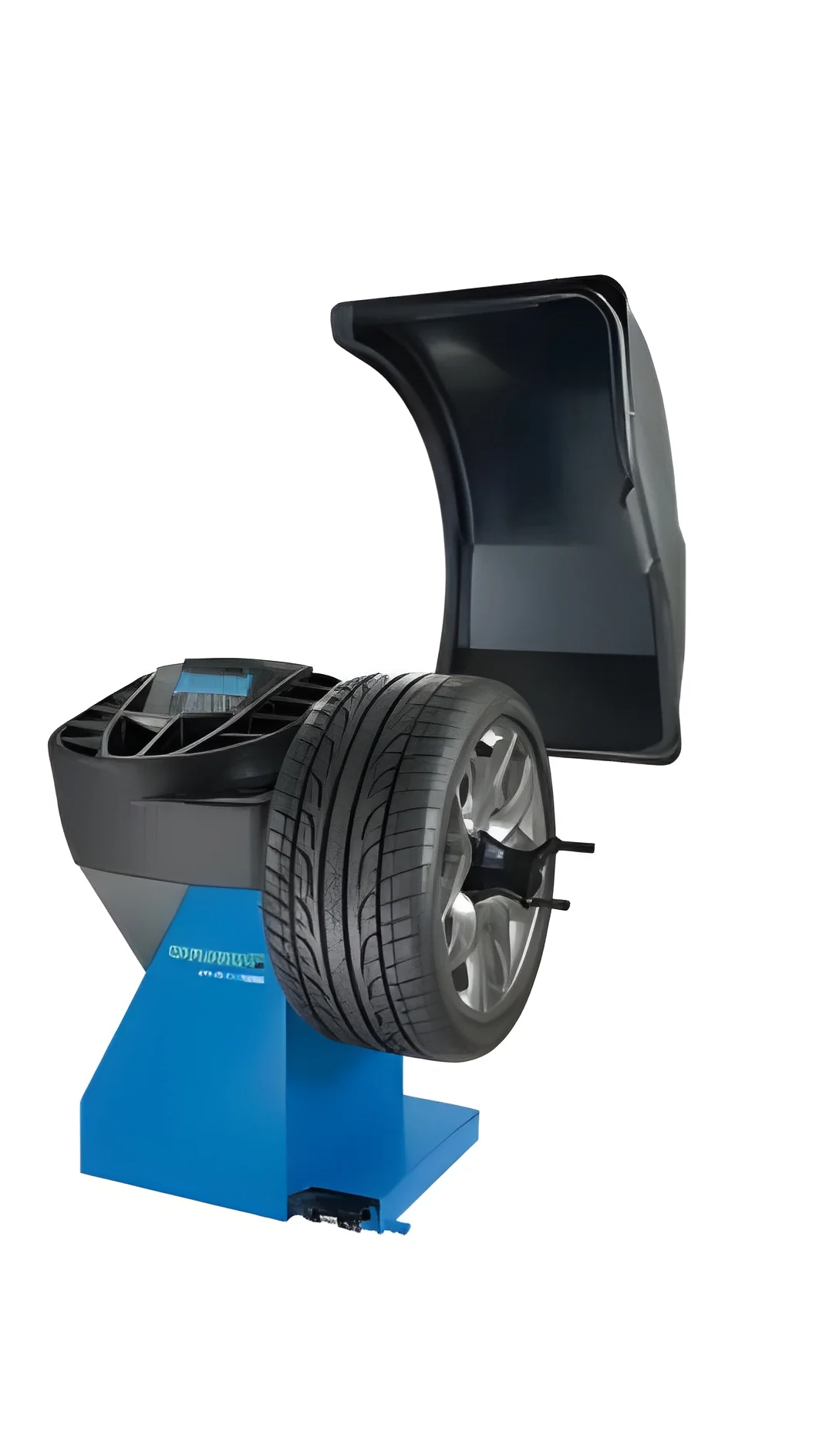
Wheel balancers are specialized machines designed to ensure that wheels rotate smoothly and evenly by correcting any imbalances in weight distribution. This is crucial for vehicles as an unbalanced wheel can lead to uneven tire wear, vibrations during driving, and compromised safety. Wheel balancers work by measuring the weight distribution of a wheel and providing precise measurements to help technicians make adjustments.
These machines are primarily used in automotive service centers, tire shops, and manufacturing facilities where wheel assemblies are produced or serviced. They have become essential for maintaining vehicle performance and prolonging the lifespan of tires. In the context of the automotive industry, wheel balancers play a vital role in enhancing driving comfort and safety, thereby improving customer satisfaction and operational efficiency.
In recent years, the demand for wheel balancers has grown, driven by the increase in vehicle ownership and advancements in automotive technology. As the automotive sector continues to evolve, the relevance of wheel balancers remains significant, with businesses seeking more efficient and accurate balancing solutions to meet the needs of modern vehicles.
Key Features and Specifications
Wheel balancers come equipped with various features designed to improve usability and efficiency. These machines vary in complexity, ranging from manual units to fully automated systems with advanced technology.
Key specifications include:
1. Type of Balancer
- Static or dynamic balancing
- Suitable for different wheel sizes and types
2. Load Capacity
- Maximum weight the balancer can handle
- Typically ranges from 30 to 150 kg
3. Speed of Operation
- RPM of the unit during balancing
- Standard operational speeds are between 100 and 300 RPM
4. Display Type
- Digital or analog readouts
- Enhanced features in digital displays for user-friendly operation
5. Calibration Methods
- Automatic or manual calibration capabilities
- Importance of regular calibration for accuracy
6. Noise Level
- Measurement in decibels (dB)
- Ideally, units should operate at a noise level below 70 dB
7. Power Supply
- Voltage requirements for operation
- Commonly 110V or 220V options available
8. Dimensions
- Physical size of the unit
- Important for space considerations in workshops
In summary, understanding these specifications helps businesses select the right wheel balancer for their operational needs and ensure high-quality performance.
Common Applications and Use Cases
Wheel balancers are vital tools across various industries, addressing specific needs in each sector.
1. Automotive Service Centers: These facilities utilize wheel balancers for tire installation and maintenance, ensuring vehicles operate smoothly and safely.
2. Tire Manufacturing: In tire production, balancers are essential for quality control, helping manufacturers maintain precise specifications for tire performance.
3. Fleet Maintenance: Companies managing large fleets use wheel balancers to optimize tire life and vehicle performance, reducing operational costs over time.
4. Racing Teams: High-performance racing teams rely on advanced wheel balancers to ensure perfect wheel balance, maximizing speed and handling on the track.
5. Heavy Equipment: In industries utilizing heavy machinery, wheel balancers help maintain operational efficiency and safety by ensuring balanced wheels on equipment.
6. E-commerce and Retail: Retailers offering tire services use wheel balancers to provide comprehensive installation packages for customers purchasing tires online.
7. Agricultural Equipment: Farms with large vehicles depend on wheel balancers to ensure that tractors and other equipment operate efficiently, reducing wear and tear.
Product Variants and Subcategories
Wheel balancers come in various forms to cater to different user needs and operational environments.
Manual Wheel Balancers: These variants require manual input and adjustments, making them suitable for smaller shops with budget constraints. They provide basic balancing features and are easy to operate.
Automatic Wheel Balancers: These advanced units automate the balancing process, offering precise measurements and easy operation. They are ideal for high-volume tire shops and larger service centers.
Mobile Wheel Balancers: Designed for flexibility, these portable units allow technicians to perform balancing tasks on-site, providing convenience for mobile tire services.
Benefits and Advantages
Investing in wheel balancers offers numerous advantages for businesses in the automotive industry.
1. Enhanced Safety: Properly balanced wheels improve vehicle stability and handling, reducing the risk of accidents caused by vibration or poor tire wear.
2. Increased Tire Lifespan: Regular balancing helps prevent uneven tire wear, extending the life of tires and saving costs on replacements.
3. Improved Driving Comfort: Balanced wheels contribute to a smoother ride, enhancing overall driver and passenger comfort during travel.
4. Operational Efficiency: Businesses can complete tire installations and maintenance quicker with efficient wheel balancers, leading to increased productivity.
5. Reduced Maintenance Costs: By utilizing wheel balancers, companies can minimize ongoing maintenance expenses related to tire wear and vehicle repairs.
6. Customer Satisfaction: Providing well-balanced tires enhances customer experience and satisfaction, leading to repeat business and referrals.
Buying Guide for B2B Buyers
When sourcing wheel balancers for business use, several factors should be considered to ensure the best investment.
1. Quality Assessment: Evaluate the build quality and durability of the wheel balancer. Look for reputable brands known for reliability in the automotive service industry.
2. Supplier Verification: Vet suppliers carefully to ensure they provide high-quality products and reliable customer service. Check for customer reviews and industry certifications.
3. Pricing and MOQ: Understand the price range for wheel balancers and minimum order quantities. Compare different suppliers to find a balance between cost and quality.
4. Delivery and Lead Times: Consider logistics and the expected delivery timeframe. Ensure that suppliers can meet your operational needs without delays.
5. Compliance Requirements: Verify that the wheel balancers meet relevant safety and quality standards in your region, which may include certifications like CE.
Compliance and Certifications
Wheel balancers must adhere to specific quality standards and certifications to ensure safety and performance.
ISO 9001 is a widely recognized standard that assesses the quality management systems of manufacturers. Compliance with ISO 9001 indicates that the manufacturer consistently meets customer and regulatory requirements.
CE certification is essential for products sold in European markets. It signifies that the wheel balancer complies with health, safety, and environmental protection standards.
Manufacturers must also adhere to safety and testing requirements to ensure their products are reliable and safe for use. This includes rigorous testing protocols to verify performance under various conditions.
Finally, regional compliance considerations may vary. Buyers should understand the specific regulations in their area to ensure that the wheel balancers they purchase are compliant.
Why Source Wheel Balancers from Pepagora?
Pepagora provides a trusted platform for sourcing wheel balancers, offering several key advantages for B2B buyers.
Verified Supplier Network: Pepagora collaborates with well-established suppliers, ensuring that businesses have access to high-quality wheel balancers. Each supplier undergoes rigorous verification to maintain standards.
Streamlined RFQ Process: The platform simplifies the request for quotation process, allowing buyers to compare multiple suppliers easily. This helps buyers make informed decisions quickly.
Trade Assurance and Support: Pepagora offers trade assurance, providing protection for buyers throughout the purchasing process. They also provide support to resolve any issues that may arise.
Regional Coverage: With a strong presence across India, the GCC, and Southeast Asia, Pepagora enables businesses to source wheel balancers from a wide geographic area, ensuring competitive pricing and availability.

 IN
IN