
 IN
Vehicle Washing Systems
21 products available
What are Vehicle Washing Systems?
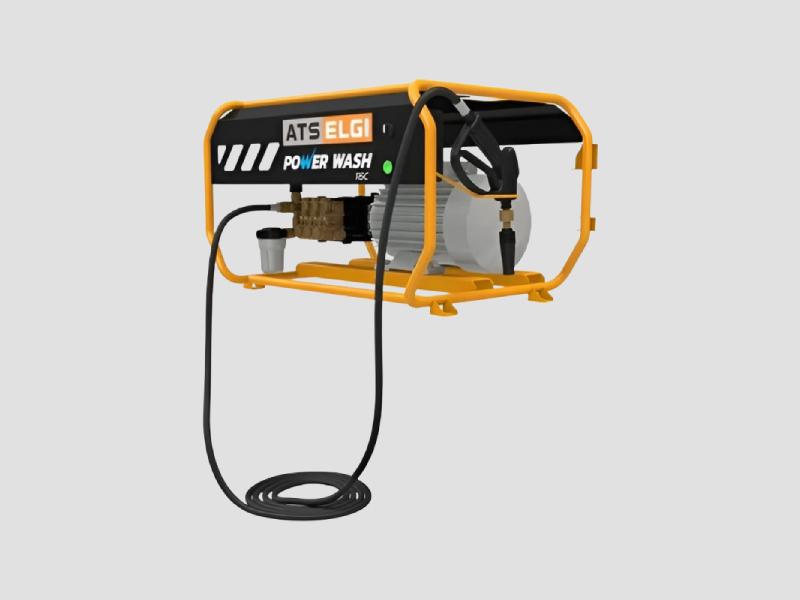
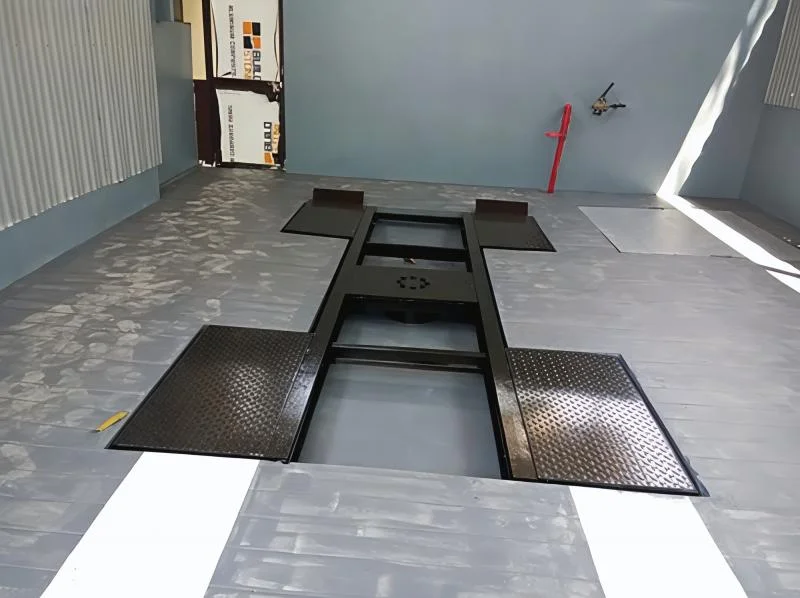
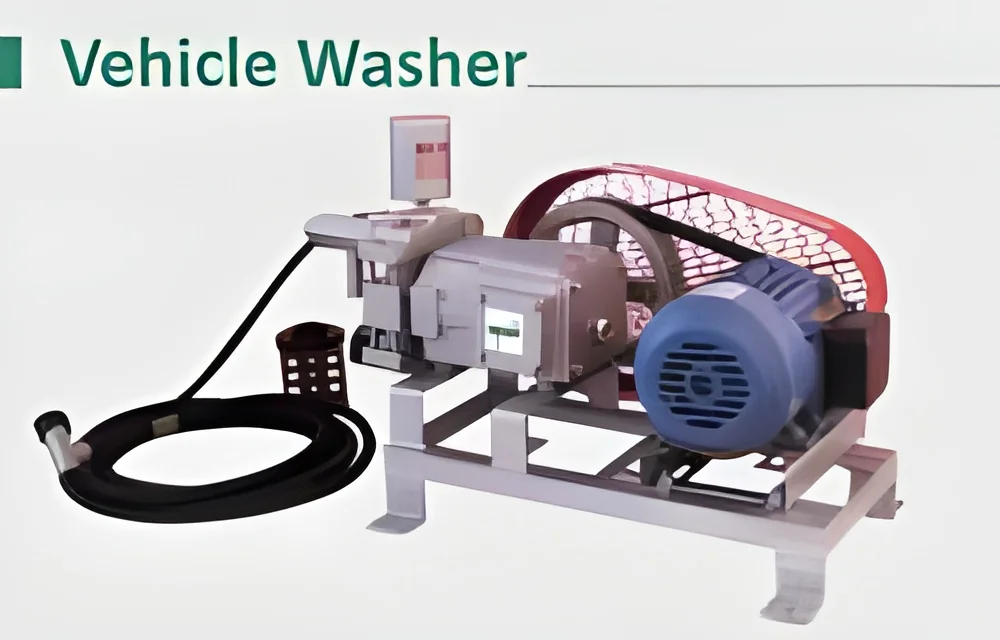
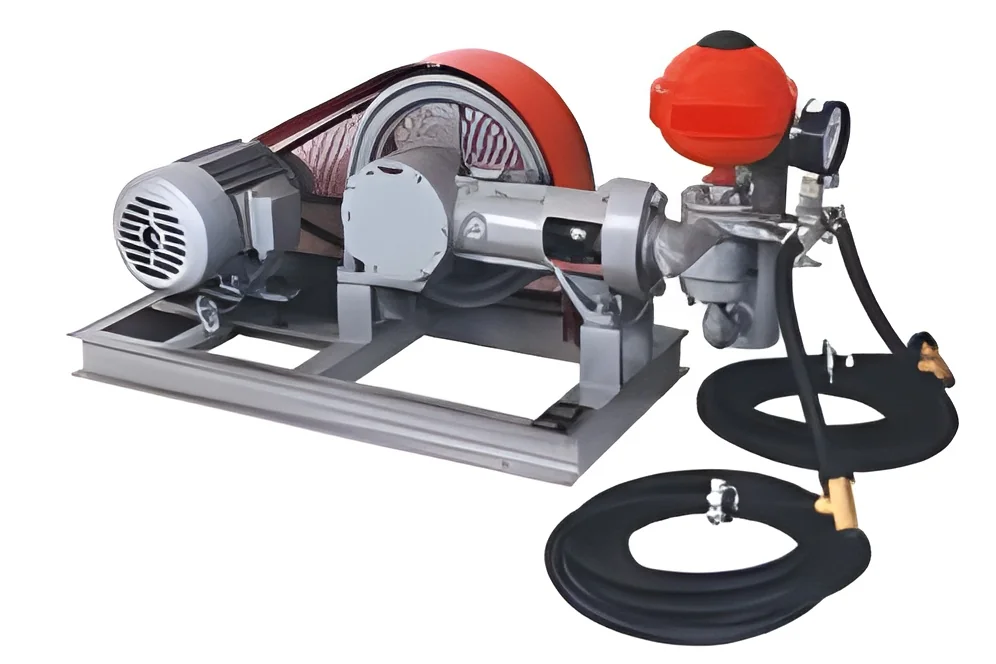
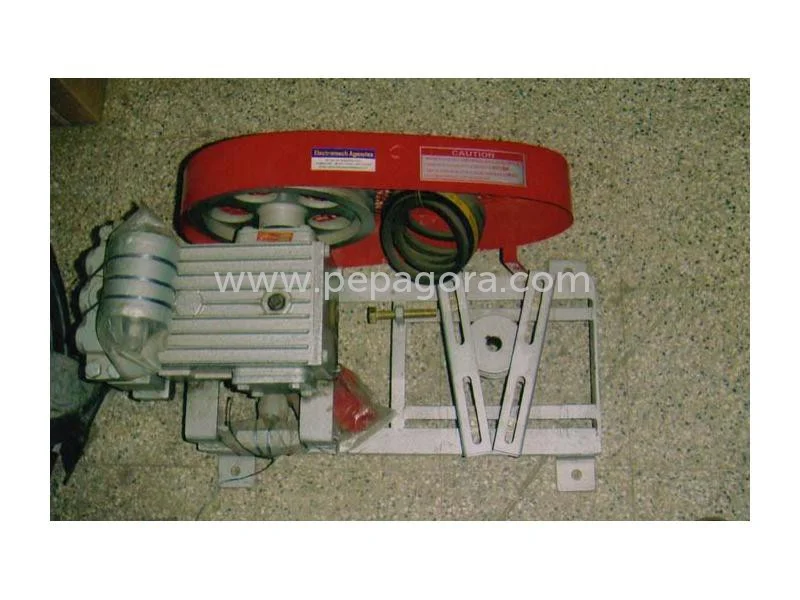
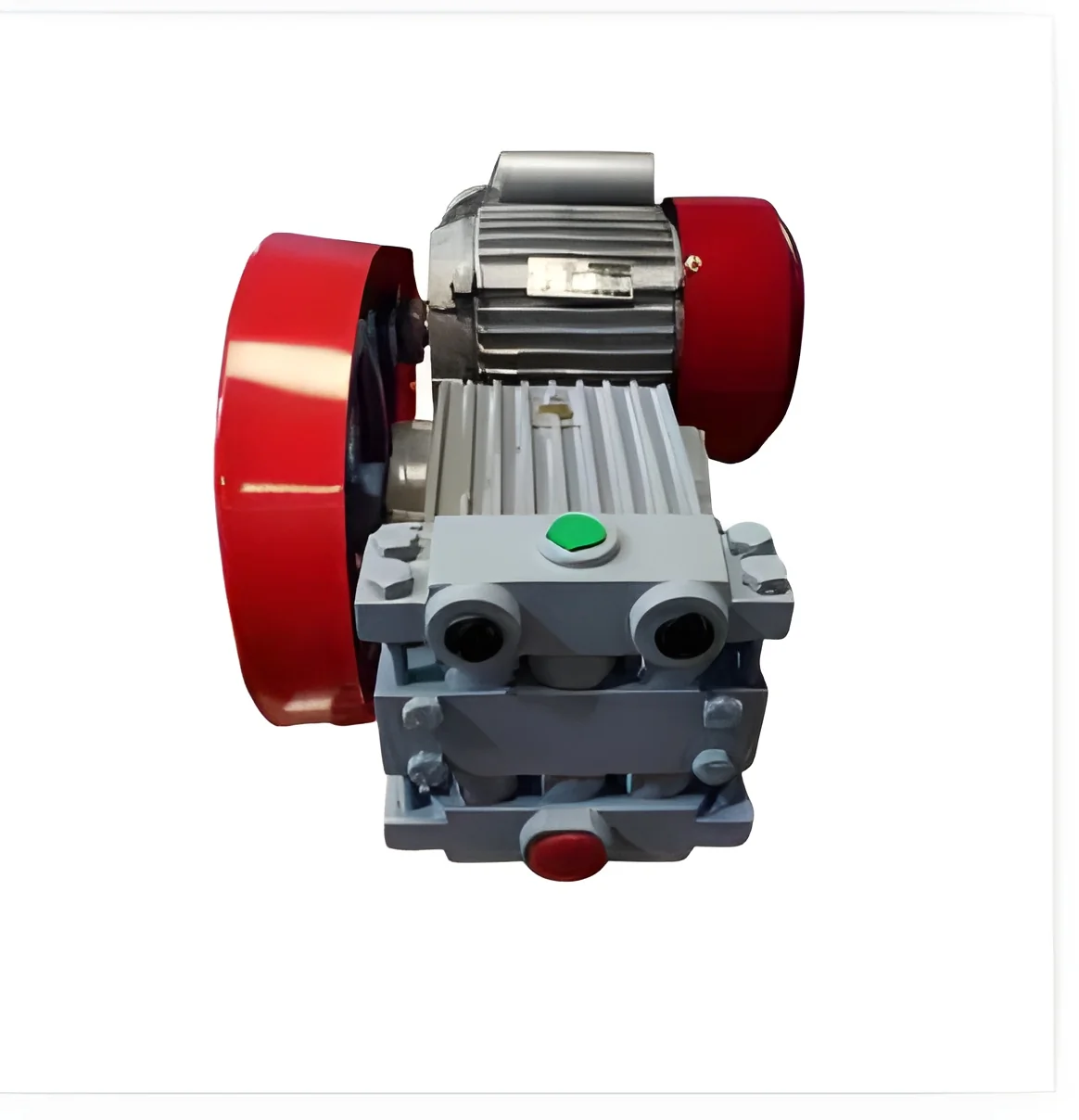
Vehicle Washing Systems are specialized equipment designed to clean vehicles efficiently and effectively. These systems utilize various technologies and methods, such as high-pressure water jets, brushes, and detergents, to remove dirt, grime, and other contaminants from vehicles. They can accommodate different types of vehicles, including cars, trucks, buses, and heavy machinery, making them versatile tools for a variety of businesses.
These systems are primarily used in commercial settings such as car washes, fleet maintenance operations, and transport depots. They help maintain the appearance and hygiene of vehicles while also supporting operational efficiency. In a market context, the demand for Vehicle Washing Systems has grown due to increased awareness of vehicle maintenance, environmental regulations, and the need for efficient cleaning solutions. Industries such as automotive, logistics, and public transportation significantly rely on these systems to ensure their fleets remain clean and presentable.
Key Features and Specifications
Vehicle Washing Systems come equipped with several key features that enhance their performance and usability. Understanding these specifications is crucial for businesses looking to invest in such systems.
Key specifications include:
1. Cleaning Method
- High-pressure washing, foam cleaning, and automatic brush systems
- Capable of adjusting pressure and flow rates for different vehicle types
2. Capacity
- Designed to wash multiple vehicles per hour
- Varies based on system size and specifications
3. Water Usage
- Efficient water consumption rates
- Typically ranges from 10 to 20 gallons per vehicle
4. Power Supply
- Operates on standard electricity or optional gas-powered systems
- Voltage and power ratings can vary by model
5. Control Systems
- User-friendly interfaces for easy operation
- Options for manual or automated controls
6. Construction Material
- Made from durable materials such as stainless steel or heavy-duty plastic
- Designed to withstand harsh cleaning chemicals
7. Safety Features
- Emergency stop buttons and safety interlocks
- Compliance with industry safety standards
8. Maintenance Requirements
- Low maintenance with easy access to key components
- Regular maintenance schedules recommended
In summary, understanding the key features and specifications of Vehicle Washing Systems helps businesses select the right equipment that meets their cleaning needs while ensuring reliable performance.
Common Applications and Use Cases
Vehicle Washing Systems find applications across various industries, each with specific cleaning needs.
1. Automotive Industry: Automotive dealerships and service centers use these systems to maintain the cleanliness of vehicles on the lot and during servicing.
2. Public Transportation: Bus and transit services rely on Vehicle Washing Systems to keep their fleets clean and presentable, enhancing customer satisfaction and safety.
3. Logistics and Transportation: Freight companies utilize these systems for regular cleaning of trucks and trailers, ensuring compliance with cleanliness standards.
4. Construction: Construction companies have heavy machinery that requires regular washing to maintain equipment performance and longevity.
5. Rental Services: Vehicle rental companies employ these systems to keep their fleet clean and ready for customers, improving the overall rental experience.
6. Waste Management: Garbage collection services use Vehicle Washing Systems to clean their vehicles, which helps in maintaining hygiene and reducing odor.
7. Agriculture: Agricultural businesses utilize these systems to clean farm vehicles and equipment, ensuring they operate efficiently and remain in good condition.
Product Variants and Subcategories
Vehicle Washing Systems come in various configurations to suit different operational needs.
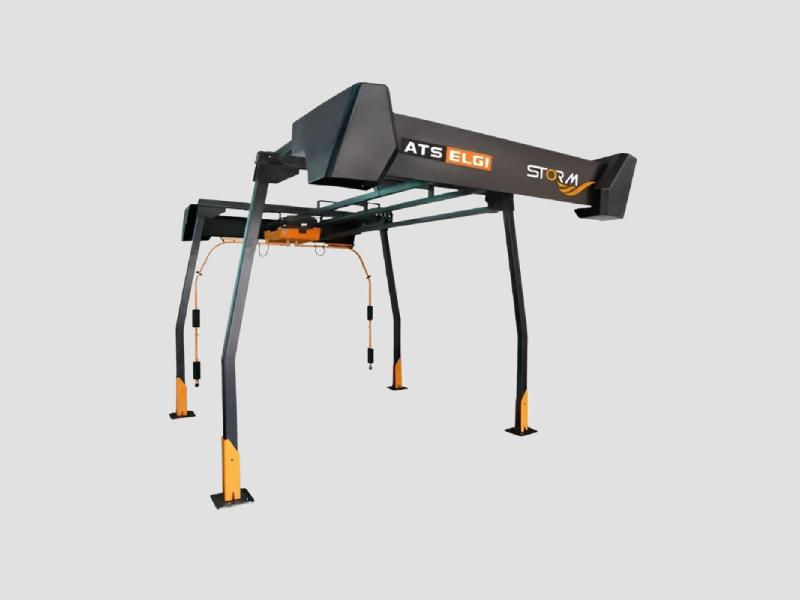
Automatic Wash Systems
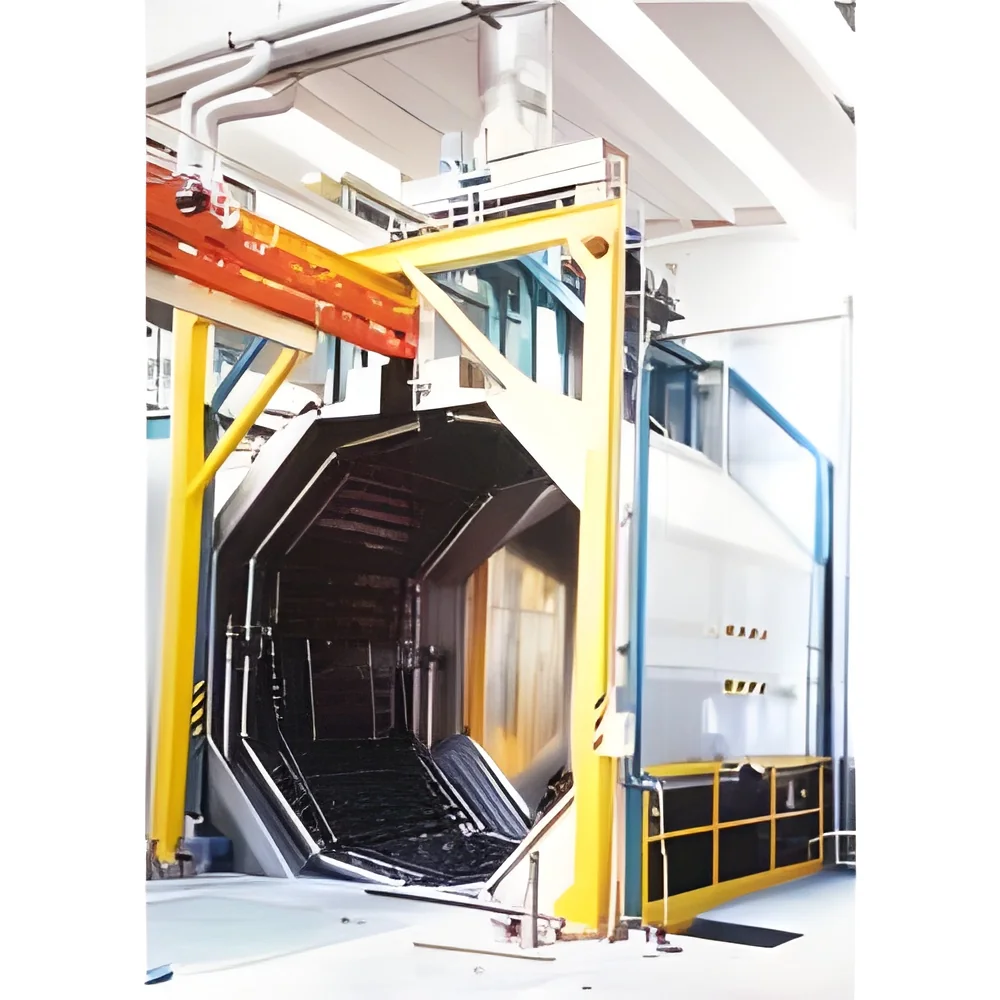
These systems provide a fully automated washing experience, using advanced sensors and controls to wash vehicles with minimal human intervention. They are ideal for high-volume car washes and fleet operations.
Touchless Wash Systems
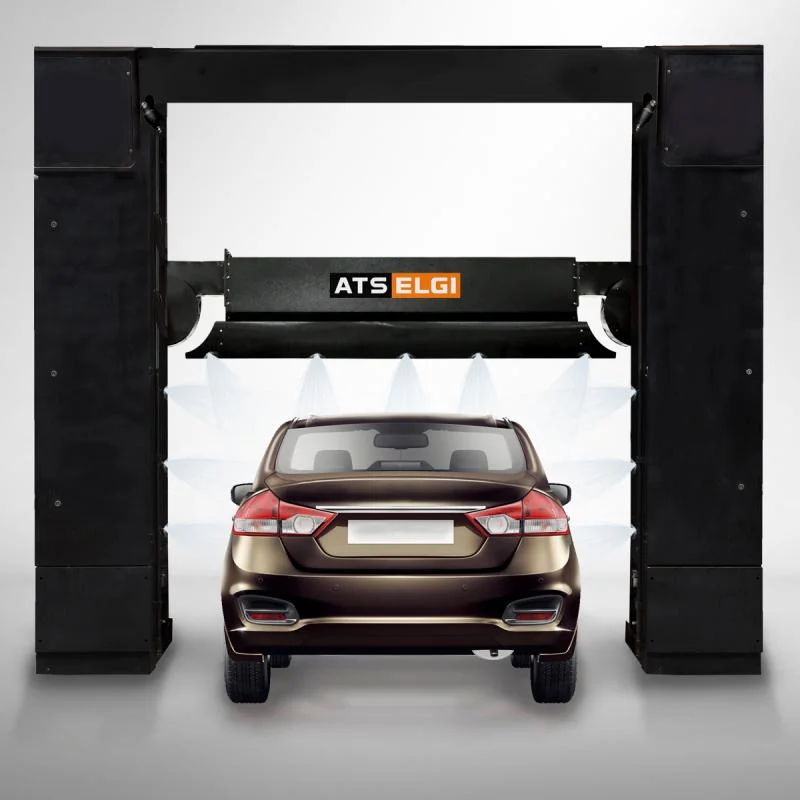
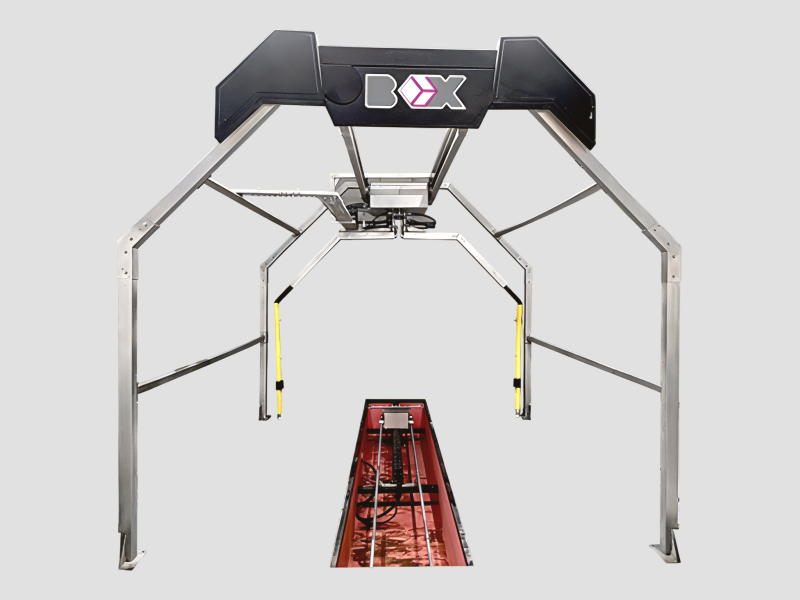
Designed to minimize physical contact with the vehicle's surface, touchless systems use high-pressure water jets and specialized detergents. They are perfect for delicate finishes and help prevent scratches.
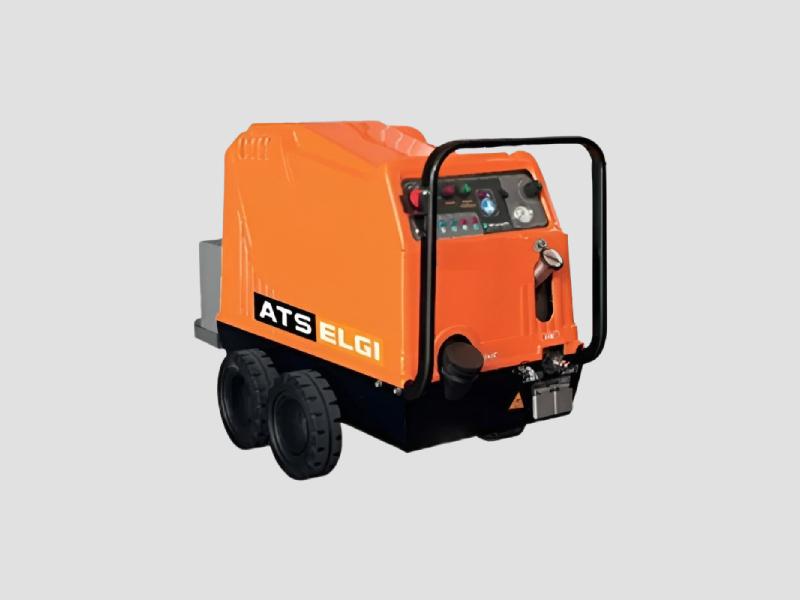
Mobile Washing Units
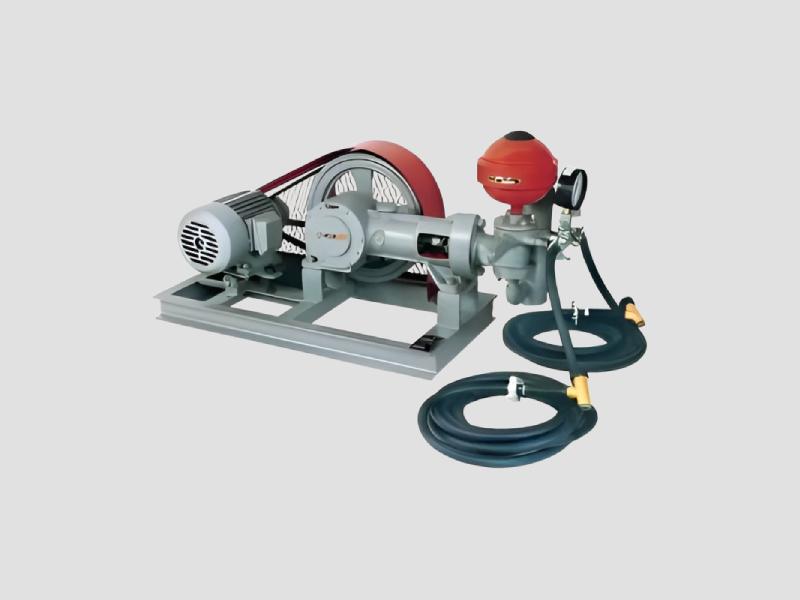
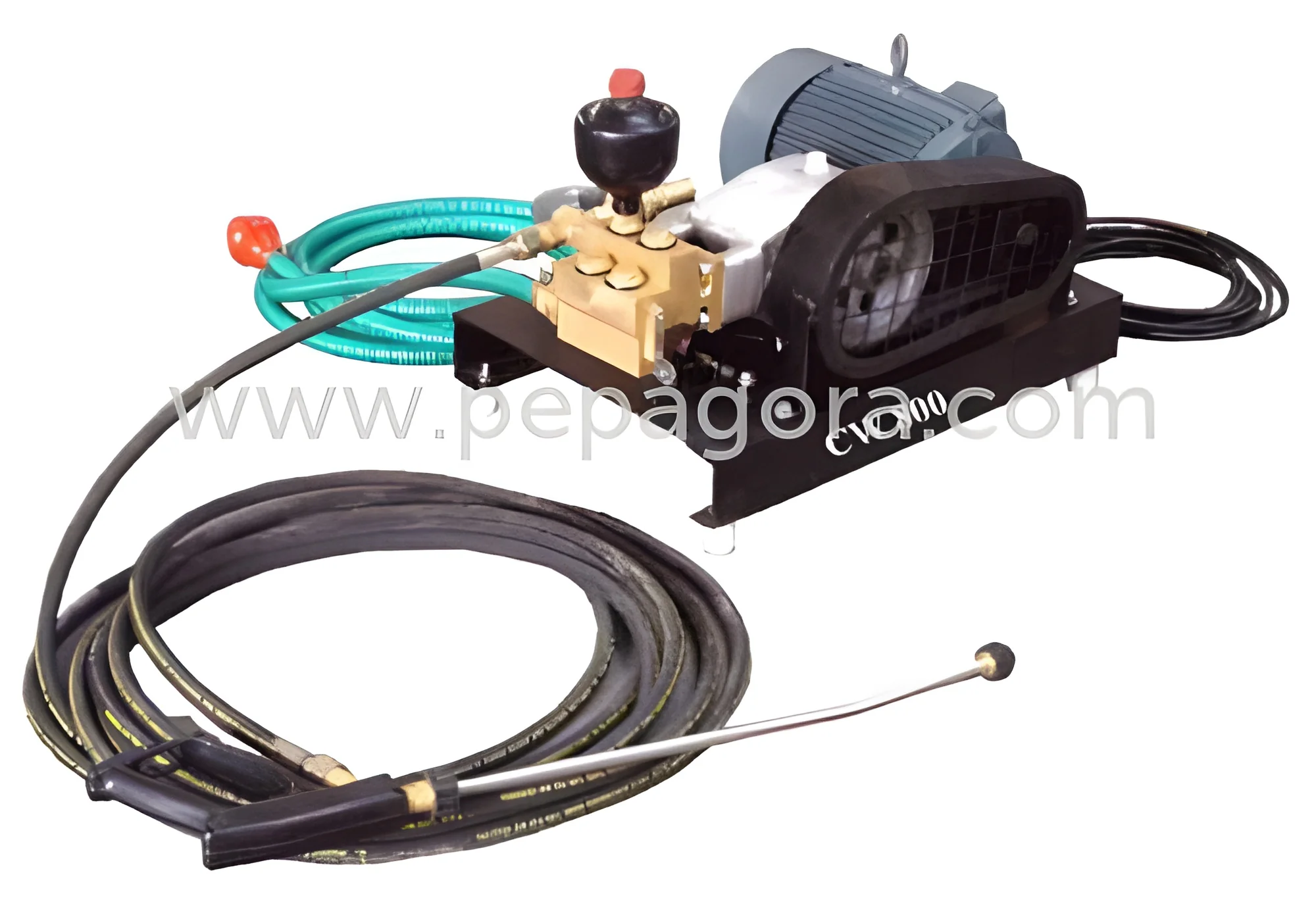
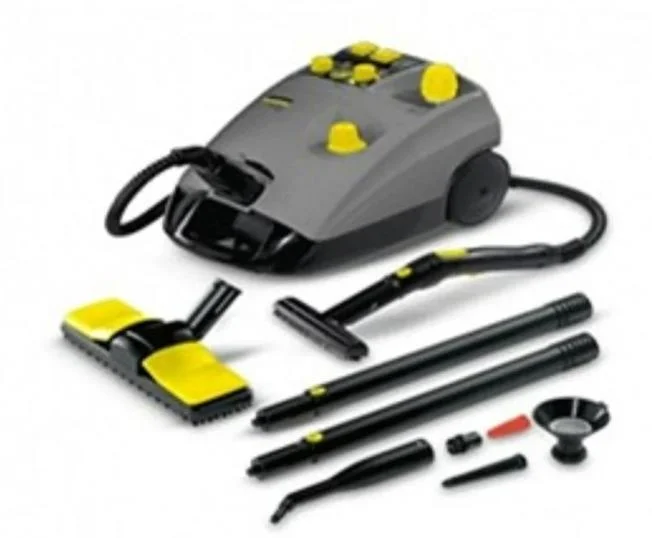
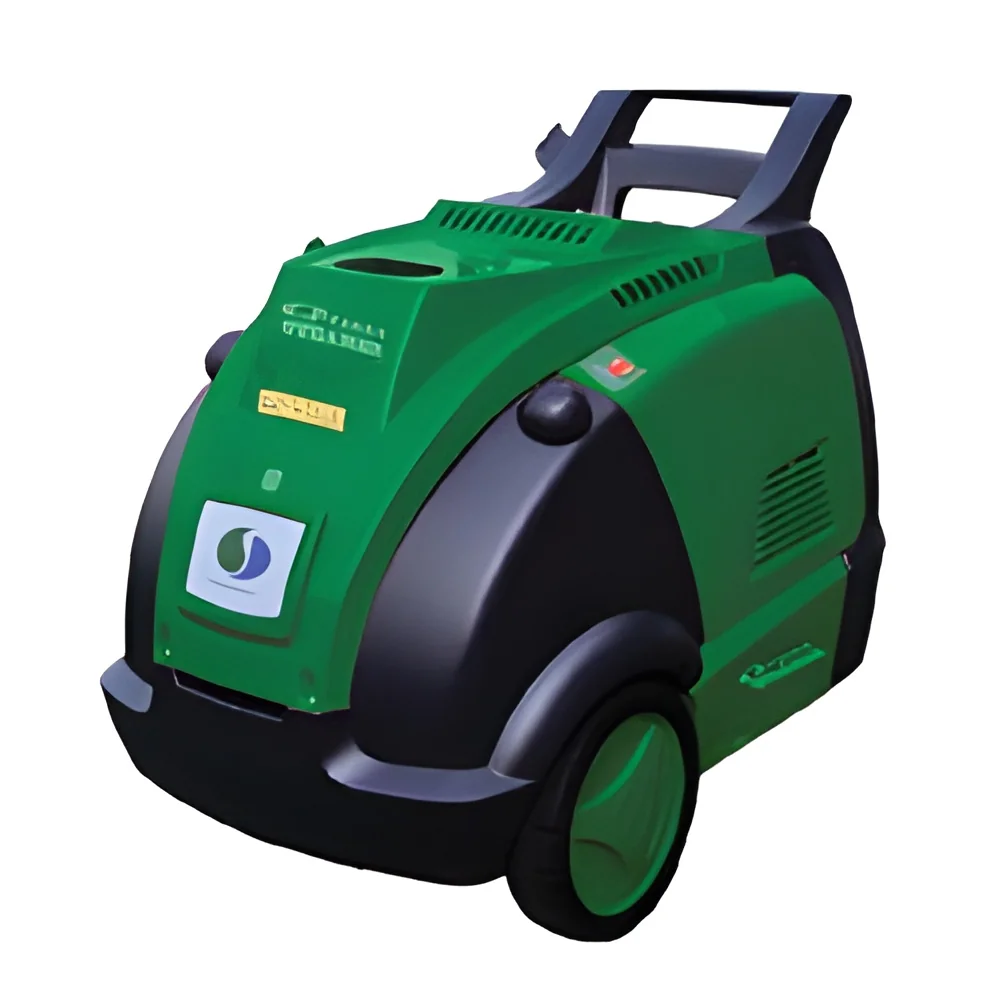
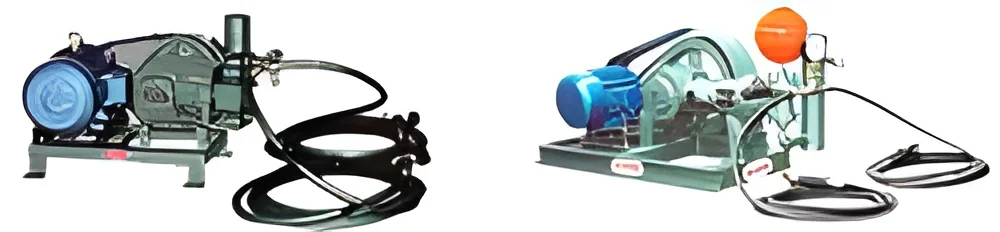
Mobile washing units offer flexibility for businesses that need to wash vehicles on-site. These portable systems can be easily transported and set up wherever needed, making them ideal for fleet services and remote locations.
Benefits and Advantages
Investing in Vehicle Washing Systems offers several key advantages for businesses.
1. Efficiency: These systems significantly reduce the time needed to clean vehicles, allowing businesses to service more vehicles in a shorter period.
2. Cost Savings: By using water and cleaning solutions more efficiently, businesses can reduce operational costs associated with vehicle maintenance.
3. Enhanced Image: Regularly cleaned vehicles present a professional image, improving customer perceptions and trust.
4. Environmental Compliance: Many modern Vehicle Washing Systems are designed to minimize water usage and incorporate eco-friendly cleaning solutions, helping businesses meet regulatory requirements.
5. Equipment Longevity: Keeping vehicles clean can extend their lifespan and reduce maintenance costs, ultimately saving businesses money.
6. Improved Safety: Clean vehicles are safer, as they provide better visibility and reduce the risk of accidents caused by dirty windshields or mirrors.
Buying Guide for B2B Buyers
When sourcing Vehicle Washing Systems, it is essential to consider several key factors to ensure a successful purchase.
1. Quality Assessment: Evaluate the quality of materials and construction to ensure durability and effective cleaning performance. Look for systems that meet industry standards.
2. Supplier Verification: Vet potential suppliers by checking their reputation, customer reviews, and certifications. A reliable supplier will provide quality products and post-purchase support.
3. Pricing and MOQ: Understand the pricing structure, including any minimum order quantities. Compare prices among suppliers while considering the quality and features offered.
4. Delivery and Lead Times: Clarify delivery schedules and lead times to ensure timely installation and operation. Factor in any potential delays due to shipping or production.
5. Compliance Requirements: Ensure the system complies with relevant industry regulations and safety standards. Familiarize yourself with local regulations to avoid any compliance issues.
Compliance and Certifications
Vehicle Washing Systems must adhere to various quality standards and certifications to ensure safety and reliability.
ISO 9001 is a widely recognized standard that covers quality management systems. Manufacturers of Vehicle Washing Systems should comply with this standard to ensure consistent quality in their products.
CE certification indicates that the product meets European safety and environmental protection standards. This certification is essential for systems sold in European markets.
Safety and testing requirements are critical for Vehicle Washing Systems to ensure they operate safely and efficiently. Regular testing and maintenance help identify any potential issues before they become significant problems.
Regionally, compliance considerations may vary. Buyers should be aware of local regulations regarding water usage, wastewater disposal, and environmental impact when selecting a system.
Why Source Vehicle Washing Systems from Pepagora?
Pepagora offers a trusted platform for sourcing Vehicle Washing Systems, boasting several key advantages for B2B buyers.
Verified Supplier Network: Pepagora connects buyers with a network of verified suppliers, ensuring that businesses can find quality systems from reputable manufacturers.
Streamlined RFQ Process: The Request for Quotation system allows buyers to easily compare prices and features from multiple suppliers, simplifying the decision-making process and enhancing transparency.
Trade Assurance and Support: Pepagora provides trade assurance, giving buyers peace of mind with protections against potential issues. The platform also offers support throughout the purchasing process.
Regional Coverage: With a strong presence in India, the GCC, and Southeast Asia, Pepagora facilitates access to Vehicle Washing Systems across diverse markets, catering to the needs of businesses in various regions.
By choosing Pepagora, buyers can confidently source Vehicle Washing Systems that meet their requirements while benefiting from a comprehensive support system.


Frequently Asked Questions
What are Vehicle Washing Systems?
Vehicle Washing Systems are automated or semi-automated systems designed to clean vehicles efficiently. They typically include various components such as brushes, high-pressure jets, and drying systems, ensuring thorough cleaning of cars, trucks, and other vehicles.
What are the different types of Vehicle Washing Systems?
There are several types of Vehicle Washing Systems, including automatic touchless systems, friction-based systems, and manual wash bays. Each type has its unique features and benefits, catering to different cleaning needs and preferences.
How do I choose the right Vehicle Washing Systems?
To choose the right Vehicle Washing System, consider factors such as the type of vehicles you will be washing, the space available, and your budget. Additionally, assess the system's efficiency, ease of use, and maintenance requirements.
What are the standard specifications for Vehicle Washing Systems?
Standard specifications for Vehicle Washing Systems may include water pressure, power consumption, cleaning speed, and dimensions. It's essential to review the technical specifications provided by manufacturers to ensure the system meets your requirements.
What is the price range for Vehicle Washing Systems?
The price range for Vehicle Washing Systems can vary significantly based on the type and features, typically ranging from INR 50,000 to several lakhs. Factors such as brand reputation, technology, and additional features also influence the pricing.
What quality standards apply to Vehicle Washing Systems?
Vehicle Washing Systems should comply with relevant industry quality standards, such as ISO certifications and local safety regulations. Ensuring that the system meets these standards can help guarantee its reliability and efficiency.
Where can I find Vehicle Washing Systems suppliers in India?
You can find Vehicle Washing Systems suppliers in India through online B2B marketplaces like Pepagora.com, trade shows, and industry directories. Researching and comparing different suppliers can help you identify the best options for your needs.
Can Vehicle Washing Systems be customized?
Yes, many manufacturers offer customization options for Vehicle Washing Systems to cater to specific cleaning requirements or business needs. Customizations may include size, features, and additional components based on your preferences.
What is the typical minimum order quantity for Vehicle Washing Systems?
The typical minimum order quantity (MOQ) for Vehicle Washing Systems can vary by supplier and product type. Generally, the MOQ may range from one unit for standard systems to larger quantities for customized orders.
What is the typical lead time for Vehicle Washing Systems?
The typical lead time for Vehicle Washing Systems can range from a few weeks to several months, depending on the supplier, customization requirements, and production schedules. It is advisable to confirm the lead time with the supplier before placing an order.
Why Businesses Trust Pepagora
Thousands of companies trust Pepagora to source smarter and sell faster
Expand Your Sales Globally

Source Smarter,Grow Faster
