What are Two Post & Four Post Lifts?
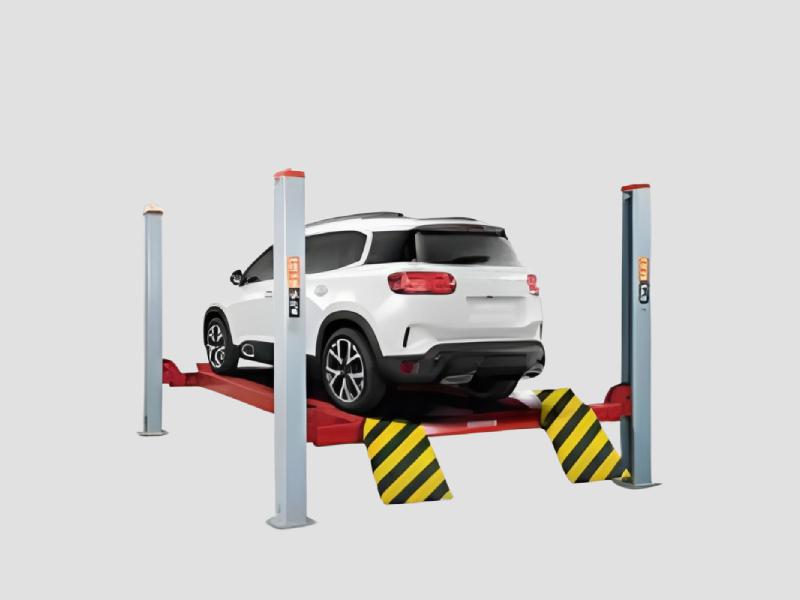
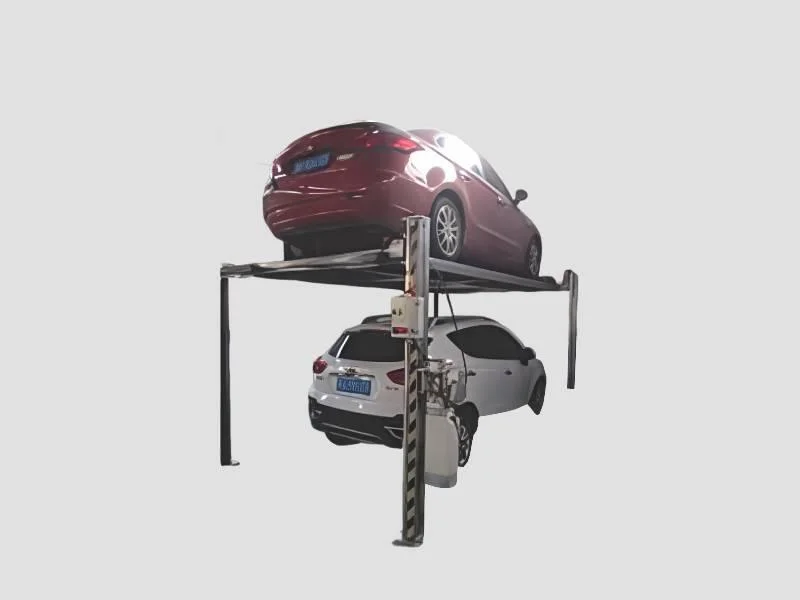
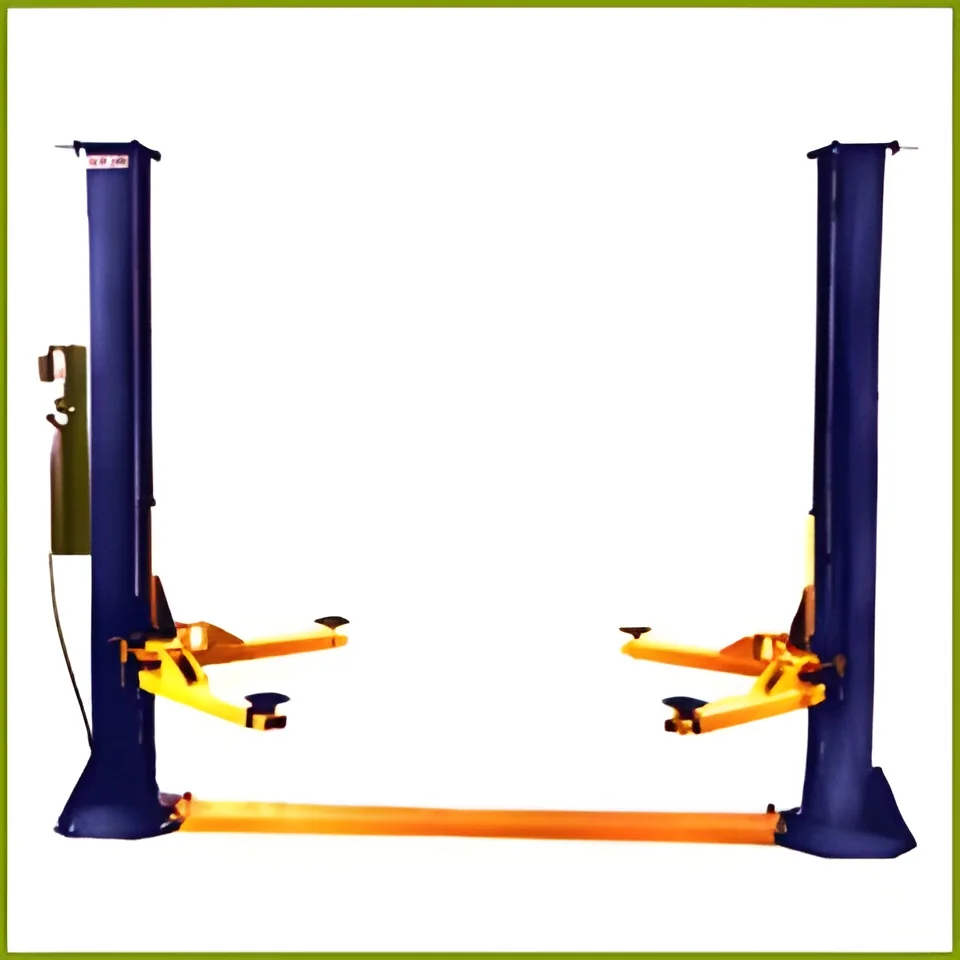
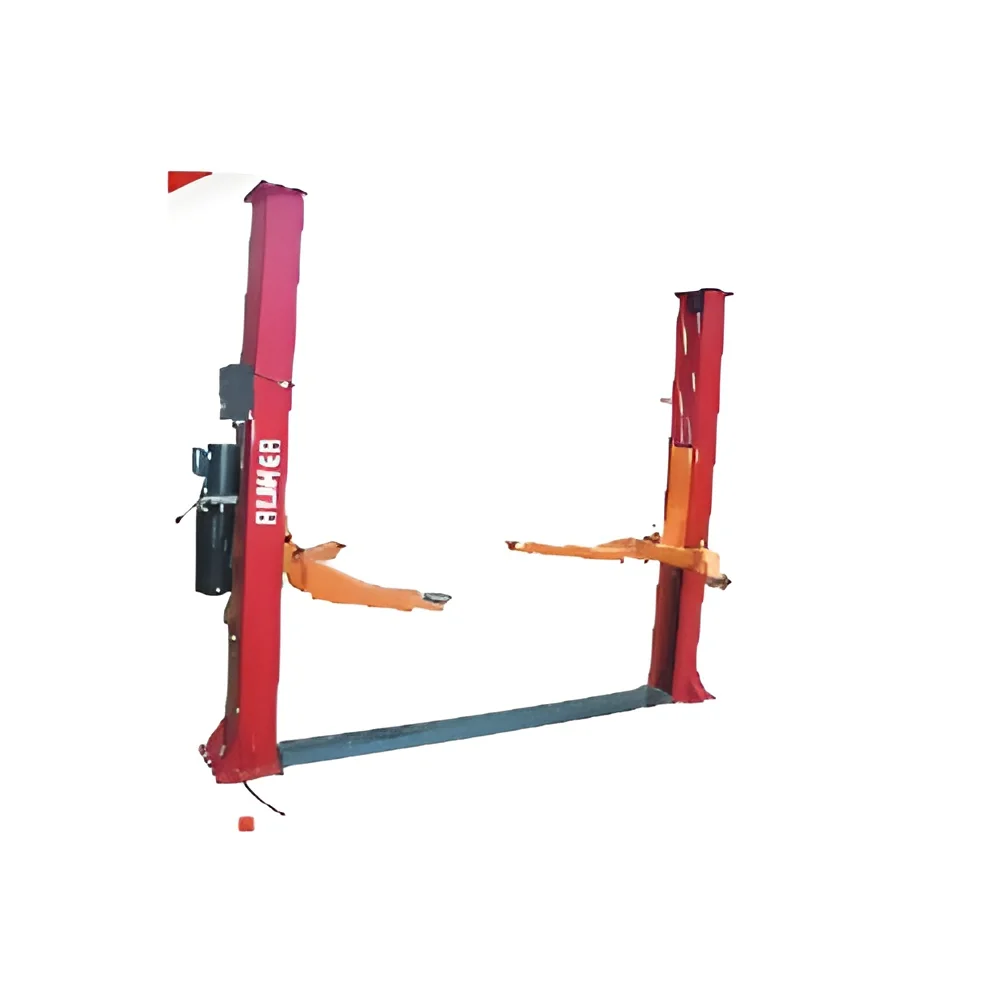
Two Post and Four Post Lifts are specialized equipment used primarily in automotive service centers, garages, and industrial facilities. These lifts are designed to elevate vehicles or heavy equipment, allowing for maintenance, inspections, and repairs. Two Post Lifts feature two vertical posts and are typically used for lifting lighter vehicles, while Four Post Lifts have four posts and provide greater stability, making them suitable for heavier vehicles and equipment.
The primary applications of these lifts extend beyond automotive use. They are utilized in various industries including manufacturing, logistics, and construction for lifting equipment, machinery, and even storage solutions. With their ability to streamline operations and enhance safety, both Two Post and Four Post Lifts have become essential tools in many business environments. The increasing demand for efficient lifting solutions in the industrial sector has contributed to a growing market for these products.
As the automotive and industrial sectors continue to evolve, the relevance of Two Post and Four Post Lifts remains significant. Businesses are increasingly investing in advanced lifting technologies to improve productivity and reduce downtime. The market for these lifts is expanding due to the rise in vehicle ownership and the need for regular maintenance, ensuring a steady demand in the years to come.
Key Features and Specifications
Two Post and Four Post Lifts come with a variety of features that enhance their functionality and safety. Understanding these specifications is crucial for businesses looking to invest in lifting equipment.
Key specifications include:
1. Load Capacity
- The maximum weight the lift can safely handle, typically ranging from 6,000 to 20,000 pounds.
2. Lifting Height
- The maximum height the lift can achieve, generally between 48 to 72 inches.
3. Platform Size
- Dimensions of the lift platform, often varying from 8 to 12 feet in length.
4. Power Source
- Most lifts operate on either hydraulic or electric systems, providing reliable lifting capability.
5. Safety Features
- Includes automatic safety locks, emergency stop buttons, and overload protection systems.
6. Drive System
- Options for front-wheel drive or all-wheel drive, accommodating different vehicle types.
7. Installation Requirements
- Specifications related to space and concrete thickness needed for optimal installation.
8. Warranty and Support
- Length and terms of warranties provided by manufacturers, which can vary significantly.
In summary, understanding the key features and specifications of Two Post and Four Post Lifts allows businesses to select the right model for their operational needs.
Common Applications and Use Cases
Two Post and Four Post Lifts serve a variety of industries beyond automotive service.
1. Automotive Repair: These lifts are essential for mechanics performing maintenance and repairs, offering easy access to the undercarriage of vehicles.
2. Manufacturing: Used for lifting heavy machinery for inspection and maintenance, ensuring operational efficiency.
3. Logistics: Ideal for warehouses that require lifting equipment or pallets for loading and unloading processes.
4. Construction: Used to elevate building materials, making it easier to access higher levels of construction sites.
5. Aviation: Support maintenance operations for small aircraft, providing the necessary height and stability.
6. Heavy Equipment: Used in construction and farming to lift and service large machinery and vehicles.
7. Tire Shops: Commonly found in tire repair shops to facilitate tire changes and alignments.
Product Variants and Subcategories
The diversity of Two Post and Four Post Lifts allows businesses to choose products that best fit their specific needs.
Two Post Lift
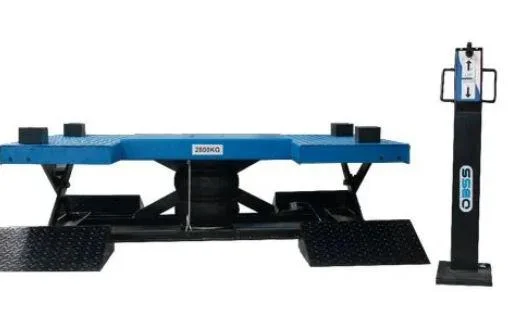
This variant is designed for lighter vehicles and features a compact design for limited spaces. It is ideal for small automotive shops where efficiency is key.
Four Post Lift
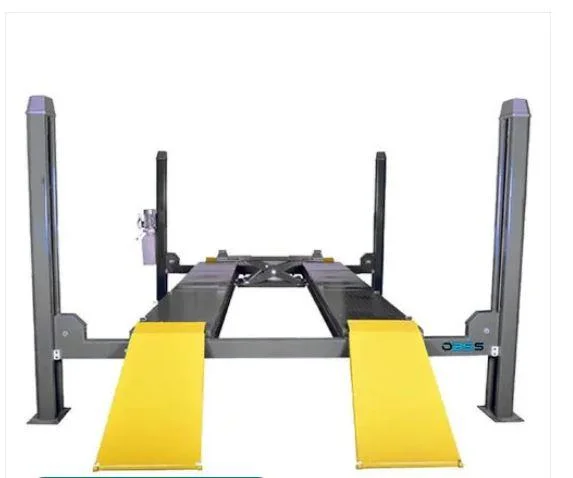
This model is suitable for heavy vehicles and offers increased stability due to its four-post design. It is commonly used in larger garages and service centers for multiple vehicle types.
Portable Lift
These lifts are versatile and can be moved easily, making them perfect for mobile mechanics or smaller shops requiring flexibility.
Alignment Lift
Specifically designed for tire alignment processes, these lifts help in achieving precise adjustments while providing stability and safety.
Benefits and Advantages
Investing in Two Post and Four Post Lifts offers numerous advantages for businesses.
1. Increased Efficiency: These lifts allow for quick access to vehicles, reducing the time spent on maintenance tasks.
2. Enhanced Safety: Equipped with safety features, they minimize risks associated with lifting heavy loads.
3. Space Optimization: Their design allows for better use of garage space, accommodating more vehicles.
4. Versatility: Suitable for various applications, making them valuable assets in different industries.
5. Improved Productivity: With quicker service times, businesses can handle more clients and increase revenue.
6. Long-Term Investment: Durable construction ensures that these lifts provide reliable service over many years.
Buying Guide for B2B Buyers
When sourcing Two Post and Four Post Lifts, buyers need to consider several key factors to ensure they make an informed decision.
1. Quality Assessment: Look for lifts that meet industry standards and have positive reviews. Consider the materials used and the build quality for durability.
2. Supplier Verification: Vet suppliers by checking their reputation, customer feedback, and certifications to ensure they are reliable and trustworthy.
3. Pricing and MOQ: Evaluate the pricing structures and minimum order quantities to find options that fit your budget and needs.
4. Delivery and Lead Times: Confirm logistics details, including shipping times and any potential delays to ensure timely delivery.
5. Compliance Requirements: Understand any regulatory and safety requirements specific to your region to ensure the lifts meet necessary guidelines.
Compliance and Certifications
Compliance and certifications are critical aspects of Two Post and Four Post Lifts. Manufacturers often adhere to quality standards such as ISO 9001, ensuring consistent quality management across production processes.
Additionally, industry certifications like CE demonstrate compliance with European safety standards, indicating that the lifts are safe for use. Safety and testing requirements are essential to guarantee that the lifts can handle the specified weights and operate securely under various conditions.
Regional compliance considerations may vary, so businesses should familiarize themselves with local regulations to ensure that their lifting equipment meets all necessary legal requirements.
Why Source Two Post & Four Post Lifts from Pepagora?
Pepagora provides a trusted platform for sourcing Two Post and Four Post Lifts, offering several key advantages for B2B buyers.
Verified Supplier Network: Pepagora ensures that all suppliers in their network are thoroughly vetted, providing buyers with peace of mind regarding the quality and reliability of the products.
Streamlined RFQ Process: The quotation system simplifies the procurement process, allowing buyers to easily request information and compare offers from multiple suppliers.
Trade Assurance and Support: Pepagora offers buyer protection measures, ensuring that transactions are secure and that buyers receive the support they need throughout the purchasing process.
Regional Coverage: With a strong presence in India, the GCC, and Southeast Asia, Pepagora provides access to a vast network of suppliers, making it easier for businesses to find the right lifting solutions tailored to their regional needs.

 IN
IN