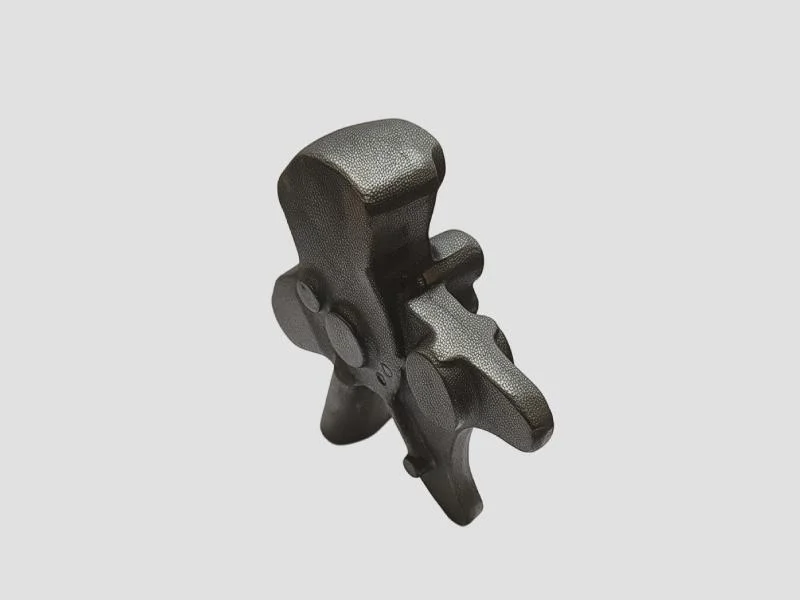
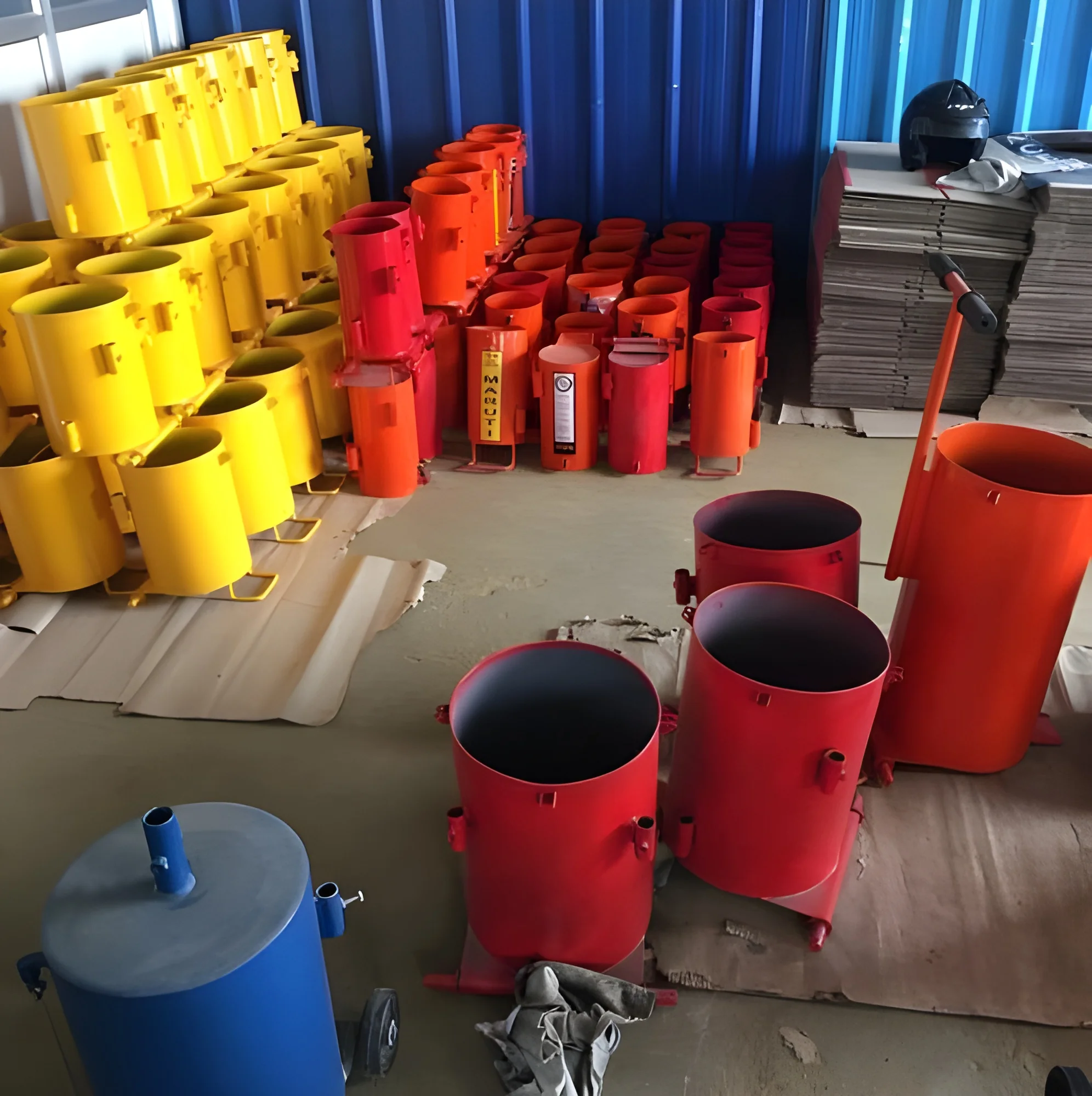
What are Greasing Systems & Lubrication Equipment?
Greasing systems and lubrication equipment are essential tools in various industrial settings designed to apply lubricants to machinery, components, and moving parts. These systems ensure that equipment operates smoothly and efficiently by reducing friction and wear. Proper lubrication is crucial for extending the lifespan of machinery and maintaining optimal performance.
These systems are commonly used across multiple industries, including manufacturing, automotive, and agriculture. Their primary function is to prevent equipment failure and downtime caused by inadequate lubrication. From automated grease dispensers to manual grease guns, the variety of lubrication equipment available caters to different machinery types and operational requirements. In today's competitive market, efficient greasing and lubrication systems are integral to maintaining productivity and reducing operational costs.
As industries continue to evolve, the demand for reliable greasing systems and lubrication equipment increases. Companies are increasingly recognizing the importance of investing in high-quality lubrication solutions to ensure their operations run smoothly and to minimize the risk of equipment breakdowns.
Key Features and Specifications
Greasing systems and lubrication equipment often come with a range of features designed to enhance performance and reliability. Understanding these specifications is crucial for selecting the right equipment for specific applications.
Key specifications include:
1. Lubrication Method
- Manual or automatic dispensing options
- Suitability for various lubricants
2. Pressure Rating
- Maximum operating pressure levels
- Compatibility with high-pressure applications
3. Capacity
- Size of lubricant reservoir
- Range of lubricant volumes for different applications
4. Material Construction
- Durable materials used for longevity
- Resistance to corrosion and wear
5. Temperature Range
- Operating temperature thresholds
- Adaptability to extreme environments
6. Connectivity
- Options for remote monitoring and control
- Integration with existing machinery systems
7. Maintenance Requirements
- Frequency and ease of maintenance checks
- Replacement part availability
8. Safety Features
- Built-in safety mechanisms to prevent leaks
- Compliance with safety regulations
These specifications help ensure that the chosen lubrication equipment meets operational demands and industry standards.
Common Applications and Use Cases
Greasing systems and lubrication equipment find applications in various sectors, each with unique requirements and challenges.
1. Manufacturing: In manufacturing, lubrication equipment is used to maintain machinery such as conveyor belts and robotic arms. Continuous lubrication helps prevent wear and increases the lifespan of critical components.
2. Automotive: In the automotive industry, grease dispensers are essential for maintaining vehicles. They ensure that moving parts like bearings and joints are adequately lubricated, enhancing vehicle performance and safety.
3. Agriculture: Agricultural machinery relies heavily on lubrication systems to operate efficiently. Greasing equipment is used to service tractors and harvesters, ensuring they function smoothly during demanding tasks.
4. Construction: Construction equipment, such as excavators and bulldozers, requires regular lubrication to prevent mechanical failures. Greasing systems help maintain these heavy machines under extreme conditions.
5. Mining: In the mining sector, lubrication equipment is critical for maintaining machinery that operates in harsh environments. Regular lubrication helps minimize breakdowns and enhances equipment reliability.
6. Food Processing: Hygiene and safety are paramount in food processing. Specialized lubrication systems are designed to meet strict sanitation standards while ensuring equipment operates effectively.
7. Power Generation: Lubrication systems in power plants help ensure the reliability of turbines and generators. Proper lubrication reduces wear, enhancing efficiency and output.
Product Variants and Subcategories
Greasing systems and lubrication equipment come in diverse forms to cater to various industrial needs. Each variant is tailored to specific applications and user requirements.
Manual Grease Guns: These are portable devices that allow for precise application of grease. They are ideal for small-scale lubrication tasks and are user-friendly.
Automatic Grease Dispensers: These systems provide automated lubrication for machinery, ensuring consistent application without manual intervention. They are perfect for high-volume operations.
Pneumatic Greasing Systems: Designed for high-pressure applications, these systems utilize compressed air to deliver lubricant efficiently. They are often used in heavy machinery and industrial settings.
Electro-mechanical Lubrication Systems: These systems integrate electric components for precise control over lubrication processes. They are suitable for applications requiring high accuracy.
Centralized Lubrication Systems: These systems supply lubricant to multiple points simultaneously, making them ideal for large machinery with multiple lubrication needs.
Benefits and Advantages
Investing in greasing systems and lubrication equipment provides numerous advantages for businesses.
1. Enhanced Equipment Longevity: Regular and proper lubrication significantly extends the life of machinery, reducing the frequency of replacements.
2. Improved Operational Efficiency: Well-lubricated machines operate more efficiently, resulting in lower energy consumption and increased productivity.
3. Reduced Downtime: By preventing equipment failures, lubrication systems minimize downtime, allowing for continuous operations and increased output.
4. Cost Savings: Longer-lasting equipment and reduced maintenance costs lead to overall savings for businesses.
5. Safety Assurance: Proper lubrication reduces the risk of accidents caused by equipment failures, promoting a safer working environment.
6. Environmental Compliance: Many modern lubrication systems are designed to minimize spills and waste, supporting environmental sustainability initiatives.
Buying Guide for B2B Buyers
When sourcing greasing systems and lubrication equipment, various factors should be considered to ensure you make informed purchasing decisions.
1. Quality Assessment: Evaluate the quality of the equipment based on manufacturer reputation and user reviews. Look for equipment that meets industry standards for reliability and durability.
2. Supplier Verification: Vet suppliers by checking their credentials, certifications, and customer feedback. A reliable supplier will have a proven track record of delivering quality products.
3. Pricing and MOQ: Understand the pricing structures and minimum order quantities (MOQ) set by suppliers. Compare costs across different suppliers to find the best value.
4. Delivery and Lead Times: Confirm delivery timelines and logistics capabilities. Ensure that the supplier can meet your operational deadlines.
5. Compliance Requirements: Be aware of local and international compliance standards that the equipment must meet. This may include safety, environmental, and industry-specific regulations.
Compliance and Certifications
Greasing systems and lubrication equipment must adhere to specific quality standards and certifications to ensure safety and reliability. Relevant standards include ISO 9001 for quality management systems, which ensures that manufacturers maintain high-quality processes.
Certifications like CE indicate that the equipment meets European safety, health, and environmental protection standards. Compliance with safety and testing requirements is crucial, particularly in industries where equipment failure can lead to significant risks.
Regional compliance considerations may vary, so it is essential to understand local regulations governing lubrication equipment in your area. Ensuring compliance not only enhances safety but also protects businesses from potential liabilities.
Why Source Greasing Systems & Lubrication Equipment from Pepagora?
Pepagora offers a trusted platform for sourcing greasing systems and lubrication equipment, providing several key advantages to buyers.
Verified Supplier Network: Pepagora connects buyers with a network of verified suppliers, ensuring that you have access to high-quality products and reliable manufacturers. This reduces the risk associated with sourcing equipment.
Streamlined RFQ Process: The request for quotation (RFQ) process on Pepagora is designed to be straightforward and efficient. Buyers can quickly receive quotes from multiple suppliers, making it easier to compare options.
Trade Assurance and Support: Pepagora provides trade assurance to protect buyers throughout the purchasing process. This includes support for any disputes or issues that may arise, ensuring a secure transaction.
Regional Coverage: With a strong presence in India, the GCC, and Southeast Asia, Pepagora offers extensive regional coverage. This allows businesses in these areas to easily access lubrication solutions tailored to their needs.

 IN
IN