
 IN
Wire Ropes
38 products available
What are Wire Ropes?
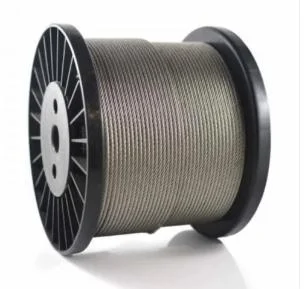
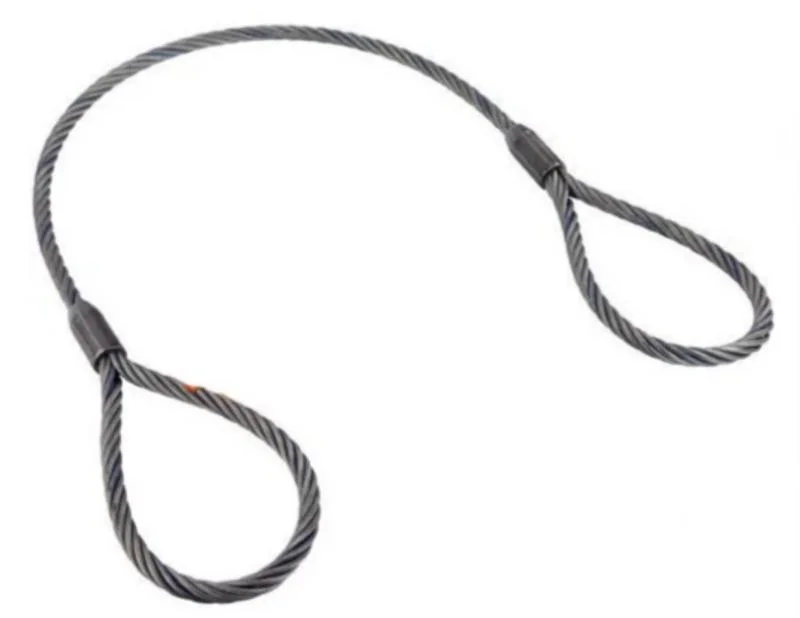
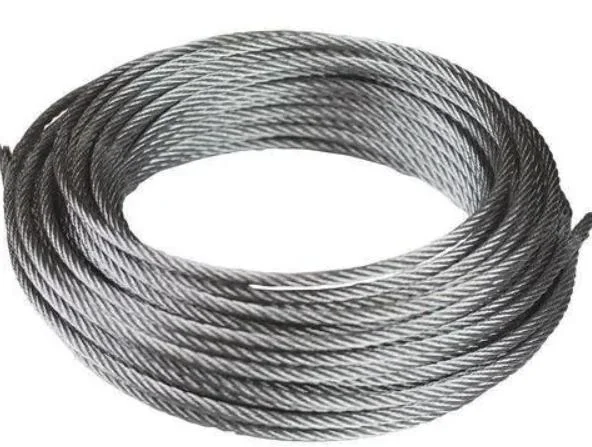
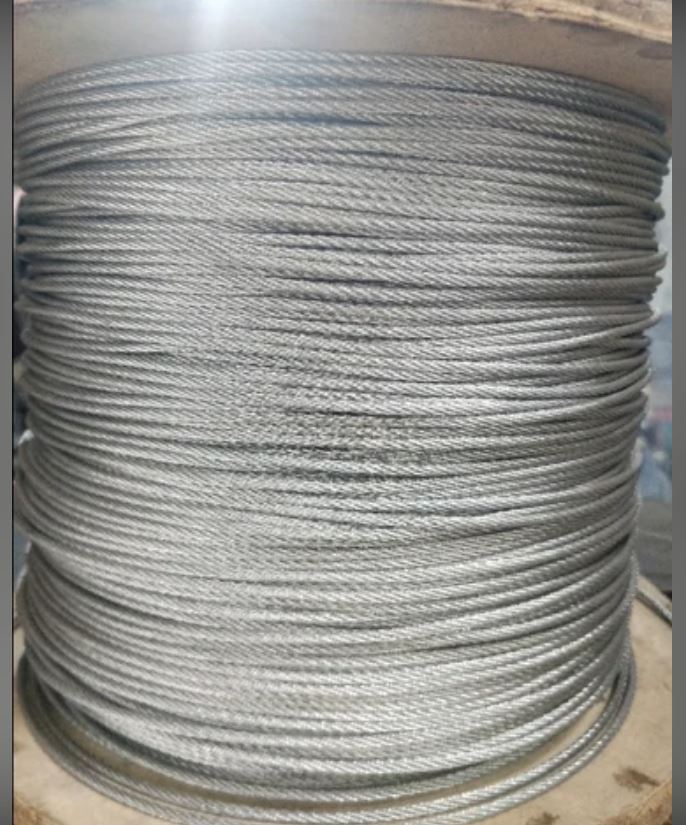
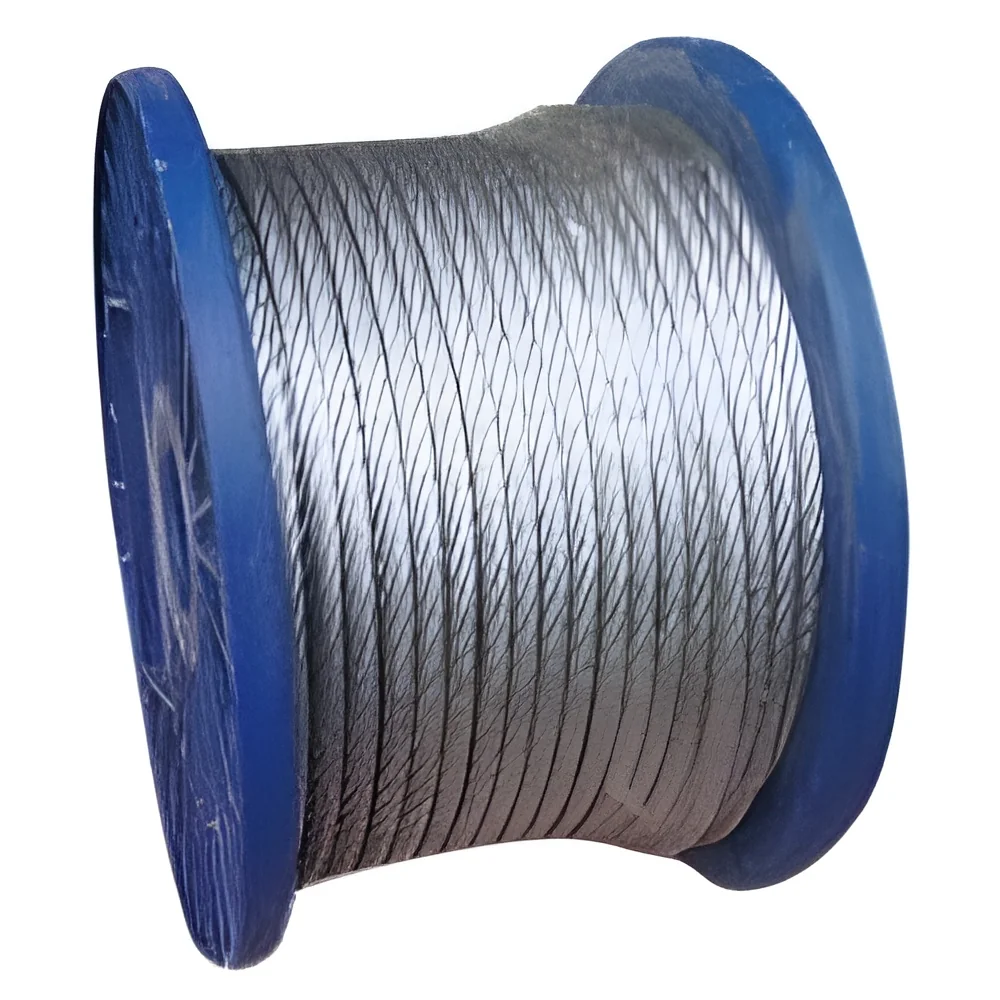
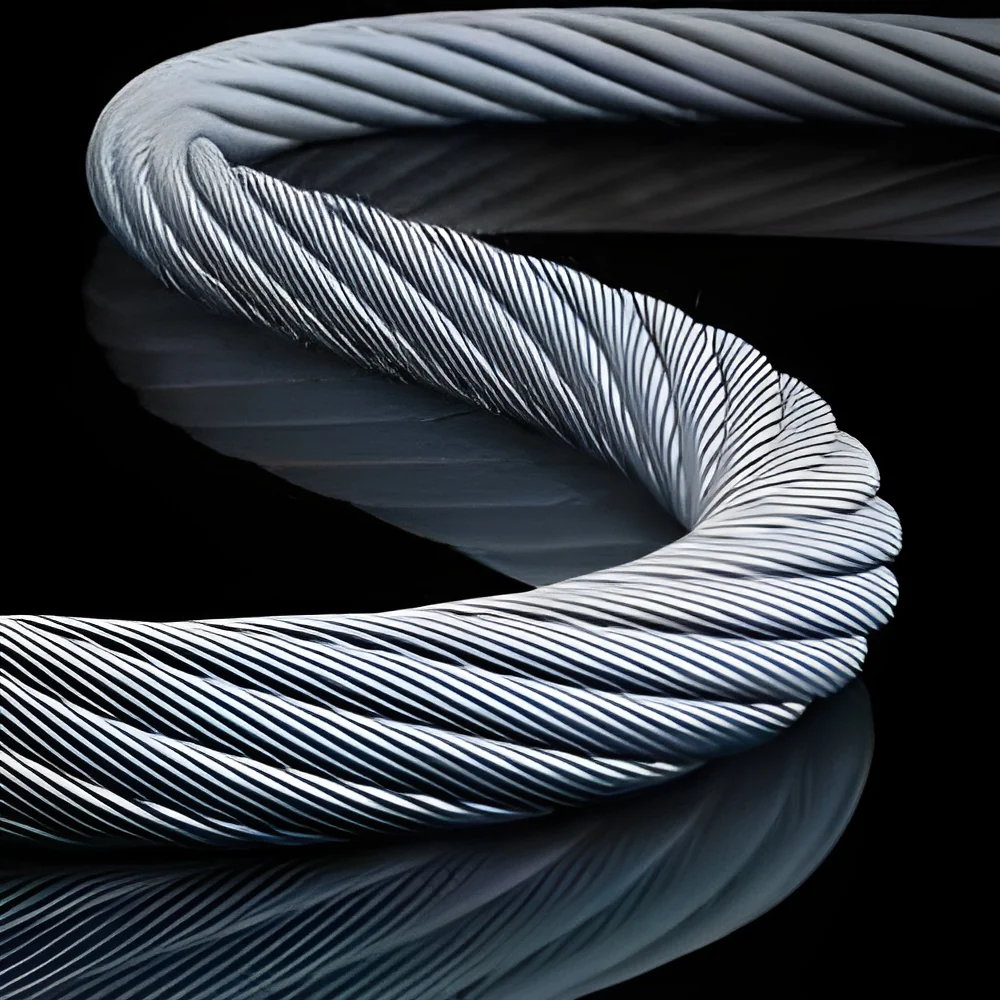
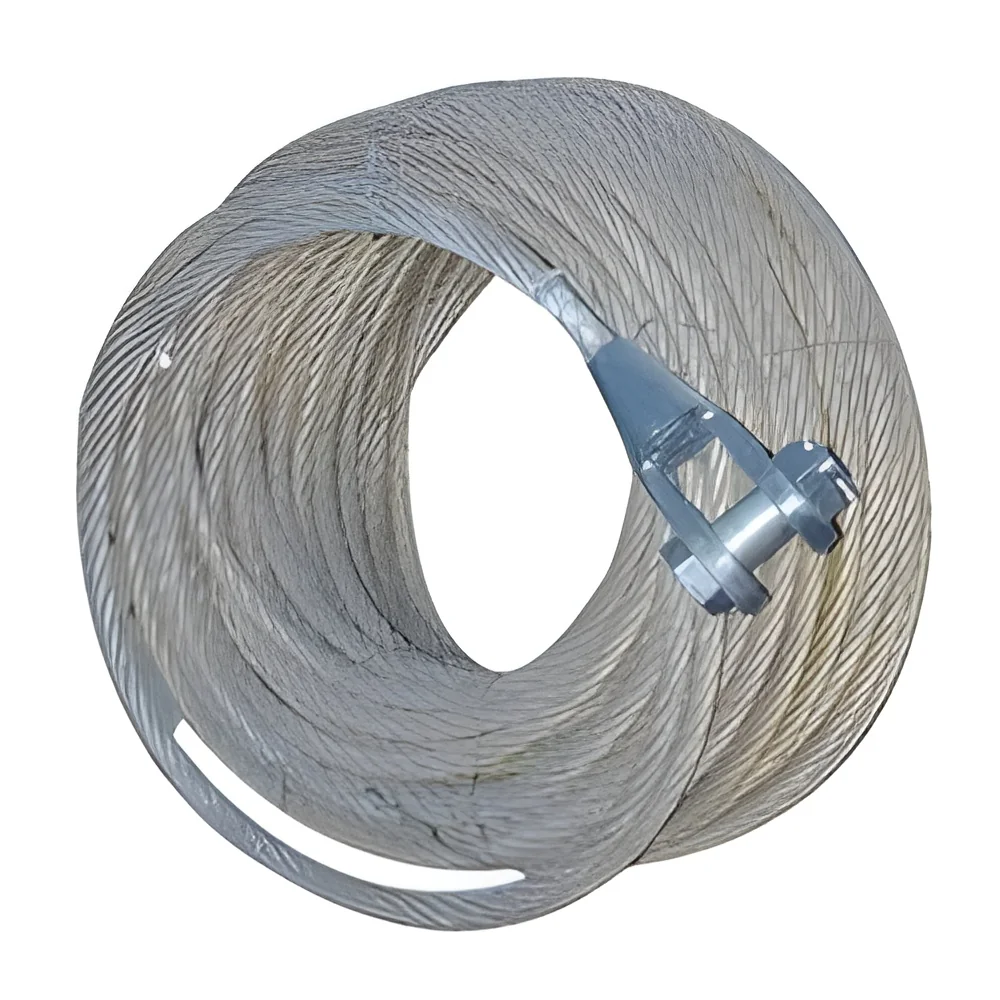
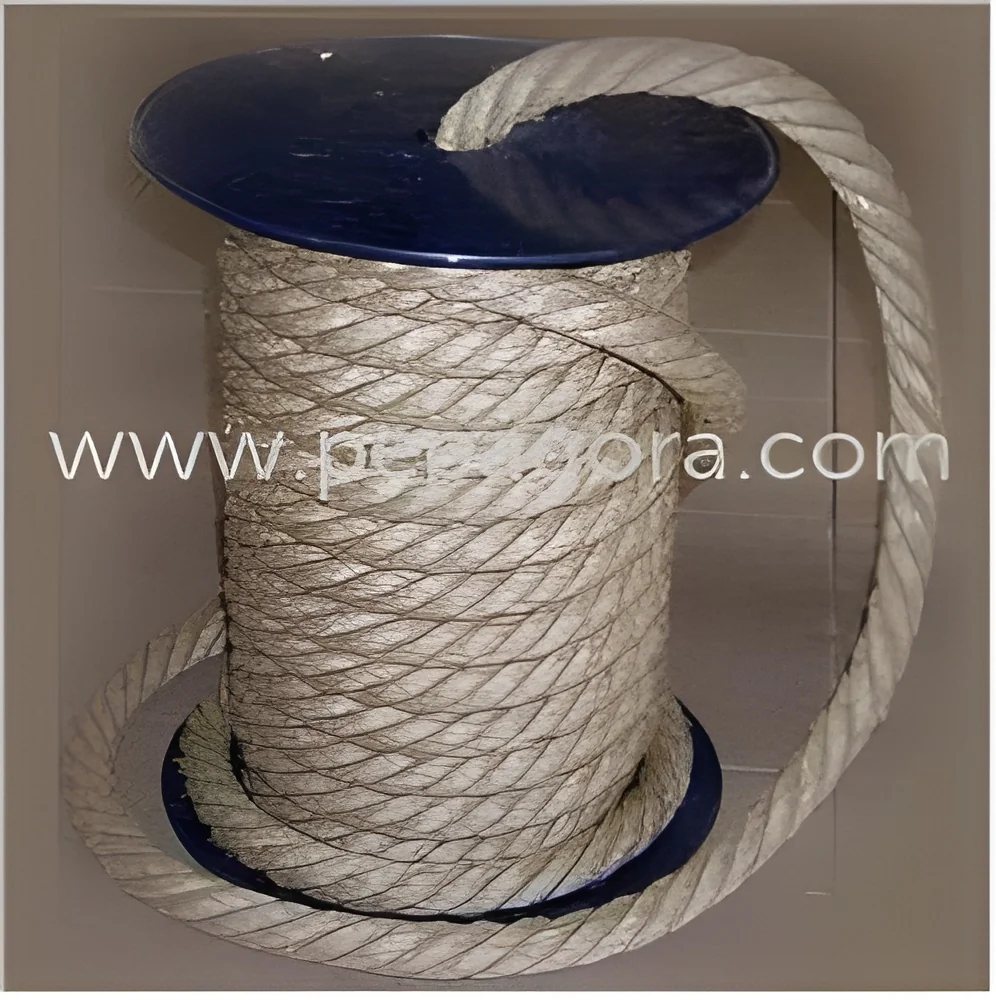
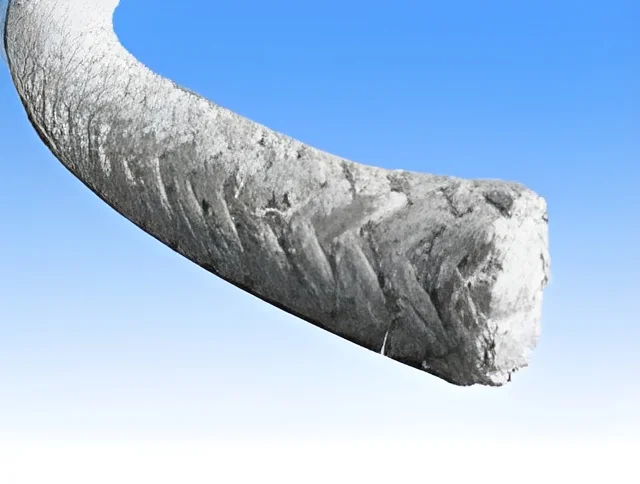
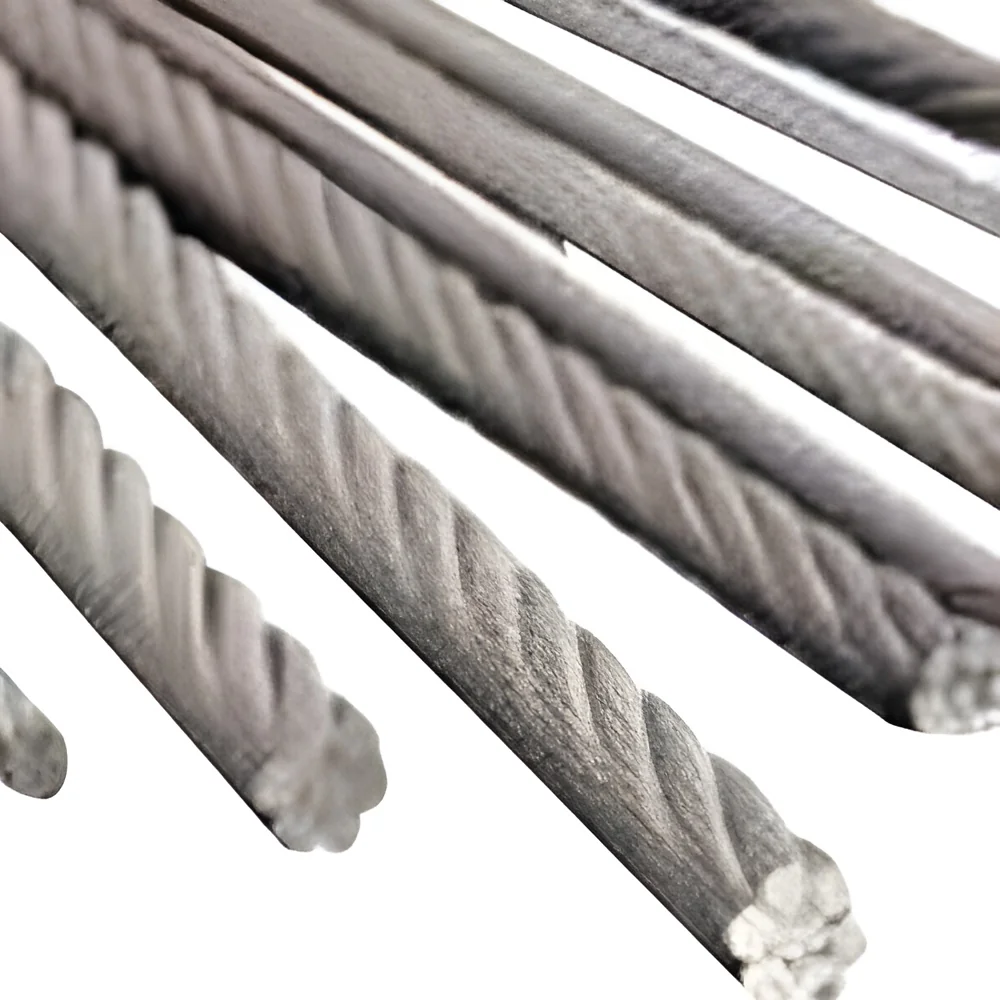
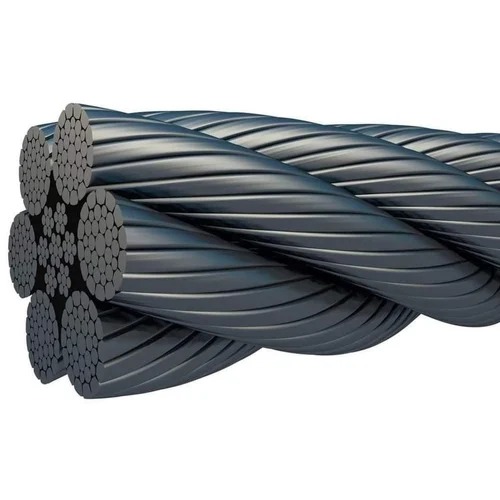
Wire ropes are essential components in various industrial applications, designed for lifting, pulling, and securing loads. Made from numerous strands of wire twisted together, they offer high tensile strength and flexibility. This unique construction allows wire ropes to withstand heavy loads while maintaining durability and resistance to wear.
Wire ropes are widely used in industries such as construction, mining, shipping, and manufacturing. They serve critical roles in cranes, elevators, hoists, and other machinery that require reliable lifting solutions. The versatility of wire ropes makes them suitable for diverse applications, from lifting heavy equipment to securing cargo during transport. As industries evolve, the demand for high-quality wire ropes continues to grow, highlighting their importance in modern manufacturing and logistics.
Key Features and Specifications
Wire ropes are engineered with various features and specifications to meet a range of industrial needs. Understanding these specifications is crucial for selecting the right wire rope for specific applications.
Key specifications include:
1. Diameter
- The diameter of wire ropes varies, typically ranging from a few millimeters to several centimeters, affecting their load capacity and flexibility.
2. Material
- Common materials include carbon steel, stainless steel, and other alloys, chosen for their strength and corrosion resistance.
3. Construction Type
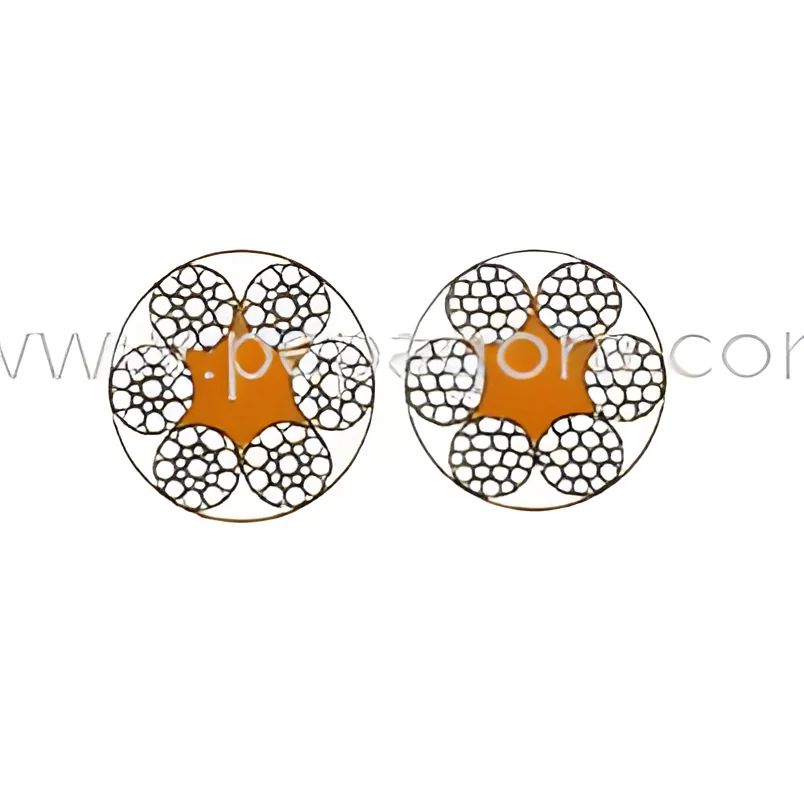
- Wire ropes can be classified as 6x19, 6x37, or other constructions, which denote the number of strands and wires, impacting flexibility and strength.
4. Breaking Strength
- This specification indicates the maximum load a wire rope can bear before failing, essential for safety and performance.
5. Weight
- Weight per unit length varies based on diameter and material, influencing handling and installation.
6. Length Options
- Wire ropes are available in various lengths to accommodate different applications, often customizable to meet specific project needs.
7. Coating
- Coatings such as galvanization enhance corrosion resistance, prolonging the rope's lifespan in harsh environments.
8. Certification
- Compliance with industry standards and certifications ensures reliability and safety in use.
In summary, the selection of wire ropes revolves around understanding these key specifications, which influence performance and application suitability.
Common Applications and Use Cases
Wire ropes find application across multiple industries, each requiring specific characteristics to meet operational demands.
1. Construction: Wire ropes are used in cranes and hoists for lifting heavy materials on construction sites, ensuring safe and efficient operations.
2. Mining: In mining operations, wire ropes are essential for transporting mined materials and operating machinery such as draglines.
3. Marine: Wire ropes are utilized in shipping for securing cargo and operating winches and cranes on vessels.
4. Manufacturing: In manufacturing facilities, wire ropes assist in overhead lifting systems and assembly lines, enhancing productivity.
5. Oil and Gas: Wire ropes are critical in drilling operations and transporting materials in offshore and onshore activities.
6. Logging: In the logging industry, wire ropes are used for logging winches and cable systems to transport timber.
7. Transportation: Wire ropes are essential in elevators and escalators, ensuring safe vertical transport in buildings.
Product Variants and Subcategories
Wire ropes come in a variety of forms to cater to specific industry requirements, showcasing their adaptability.
Steel Wire Rope
This variant is known for its exceptional strength and durability. Steel wire ropes are widely used in construction and heavy lifting applications.
Stainless Steel Wire Rope
Ideal for corrosive environments, stainless steel wire ropes are utilized in applications such as marine and food processing industries due to their resistance to rust and corrosion.
Galvanized Wire Rope
Galvanized wire ropes are coated to enhance protection against corrosion. They are commonly used in outdoor applications and environments subject to moisture.
Flexible Wire Rope
Designed for applications requiring high flexibility, this variant is often used in scenarios like cable cars and movable structures.
Benefits and Advantages
Choosing wire ropes offers numerous benefits that enhance operational efficiency and safety.
1. High Load Capacity: Wire ropes are capable of lifting and securing heavy loads, making them essential for various industrial applications.
2. Durability: Their robust construction ensures longevity and resistance to wear, reducing the need for frequent replacements.
3. Flexibility: Wire ropes can bend and twist without breaking, allowing for adaptability in dynamic applications.
4. Corrosion Resistance: Many wire ropes come with protective coatings, prolonging their lifespan in harsh environments.
5. Customization: Wire ropes can be tailored to specific lengths, diameters, and materials, meeting the unique needs of different projects.
6. Safety Assurance: Compliance with industry standards and certifications ensures that wire ropes perform reliably under specified conditions.
Buying Guide for B2B Buyers
When sourcing wire ropes, several factors should be considered to ensure the right choice for industrial needs.
1. Quality Assessment: Evaluate the material and construction of wire ropes to ensure they meet performance standards and safety requirements.
2. Supplier Verification: Conduct thorough research on potential suppliers to confirm their reliability and reputation in the industry.
3. Pricing and MOQ: Understand the pricing structure and minimum order quantities to align with budget constraints and project demands.
4. Delivery and Lead Times: Assess the supplier's ability to meet delivery schedules, as timely availability is crucial for project timelines.
5. Compliance Requirements: Ensure that the wire ropes comply with relevant industry regulations and certifications to guarantee safety and quality.
Compliance and Certifications
Wire ropes must adhere to various quality standards and regulations to ensure their reliability in critical applications. Common standards include ISO 9001, which establishes criteria for quality management systems, ensuring consistent product quality.
Industry certifications such as CE indicate that the wire ropes meet European safety, health, and environmental protection standards. These certifications provide assurance to buyers regarding the safety and performance of the products.
Additionally, wire ropes are subject to safety and testing requirements, which may include tensile tests and fatigue tests to evaluate their strength and durability. Regional compliance considerations may also apply, depending on local regulations and industry practices.
Why Source Wire Ropes from Pepagora?
Pepagora provides a trusted platform for sourcing wire ropes, offering a range of advantages for B2B buyers.
Verified Supplier Network: Pepagora connects buyers with a network of verified suppliers, ensuring that all listed products meet quality standards and reliability. This verification process enhances buyer confidence in sourcing decisions.
Streamlined RFQ Process: The platform offers a straightforward Request for Quotation (RFQ) process, allowing buyers to easily request pricing and information from multiple suppliers. This efficient system saves time and simplifies the procurement process.
Trade Assurance and Support: Pepagora provides trade assurance measures to protect buyers, offering support throughout the purchasing process. This includes assistance with negotiations and resolving any issues that may arise.
Regional Coverage: With a strong presence in regions such as India, the GCC, and Southeast Asia, Pepagora facilitates access to wire ropes from diverse suppliers, catering to a wide range of industrial needs. This geographic reach ensures that buyers can find suitable products regardless of their location.

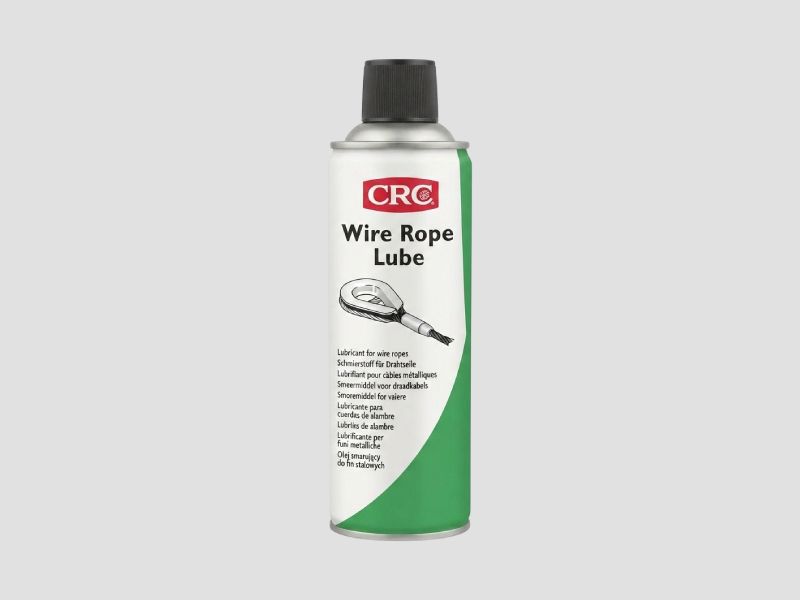

 India
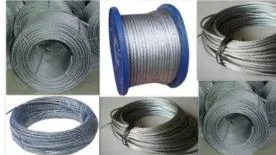
 India
 India
 India
 India
 India
 India
 India
 India
 India
 India
 India
 India
 India
 India



Frequently Asked Questions
What are Wire Ropes?
Wire ropes are versatile and strong cables made from multiple strands of wire twisted together. They are commonly used in various applications such as construction, mining, and marine industries for lifting and pulling heavy loads.
What are the different types of Wire Ropes?
There are several types of wire ropes, including rotation-resistant ropes, general-purpose ropes, and special-purpose ropes designed for specific applications. Each type varies in construction, such as the number of strands and wires, making them suitable for different load capacities and conditions.
How do I choose the right Wire Ropes?
Choosing the right wire rope depends on factors such as the intended application, load capacity, and environmental conditions. It's essential to consider the diameter, construction type, and any specific industry standards applicable to your use case.
What are the standard specifications for Wire Ropes?
Standard specifications for wire ropes often include diameter, construction type (like 6x19, 6x37), breaking strength, and weight per unit length. Additionally, manufacturers may comply with international standards such as ISO or ASTM for performance and safety.
What is the price range for Wire Ropes?
The price of wire ropes can vary significantly based on factors like diameter, material, and construction type. Typically, prices range from a few hundred to several thousand Indian Rupees per unit, depending on the specifications and supplier.
What quality standards apply to Wire Ropes?
Wire ropes are subject to various quality standards, including ISO 2408 and ASTM A1023, which ensure their strength, durability, and safety. Compliance with these standards helps guarantee that the wire ropes perform reliably in their intended applications.
Where can I find Wire Ropes suppliers in India?
You can find wire ropes suppliers in India through B2B marketplaces like Pepagora, industry trade shows, and online directories. It's advisable to compare suppliers based on their reputation, product range, and customer reviews to ensure quality.
Can Wire Ropes be customized?
Yes, many manufacturers offer customization options for wire ropes, allowing you to specify dimensions, construction type, and materials according to your requirements. Customization may also include unique coatings or finishes for enhanced performance.
What is the typical minimum order quantity for Wire Ropes?
The typical minimum order quantity (MOQ) for wire ropes can vary by supplier but often ranges from 100 meters to 1,000 meters. It's best to check with individual suppliers for their specific MOQ requirements.
What is the typical lead time for Wire Ropes?
The typical lead time for wire ropes can vary depending on the supplier and order size, but it usually ranges from 2 to 6 weeks. Custom orders may take longer, so it's advisable to confirm lead times when placing your order.
Why Businesses Trust Pepagora
Thousands of companies trust Pepagora to source smarter and sell faster
Expand Your Sales Globally

Source Smarter,Grow Faster
