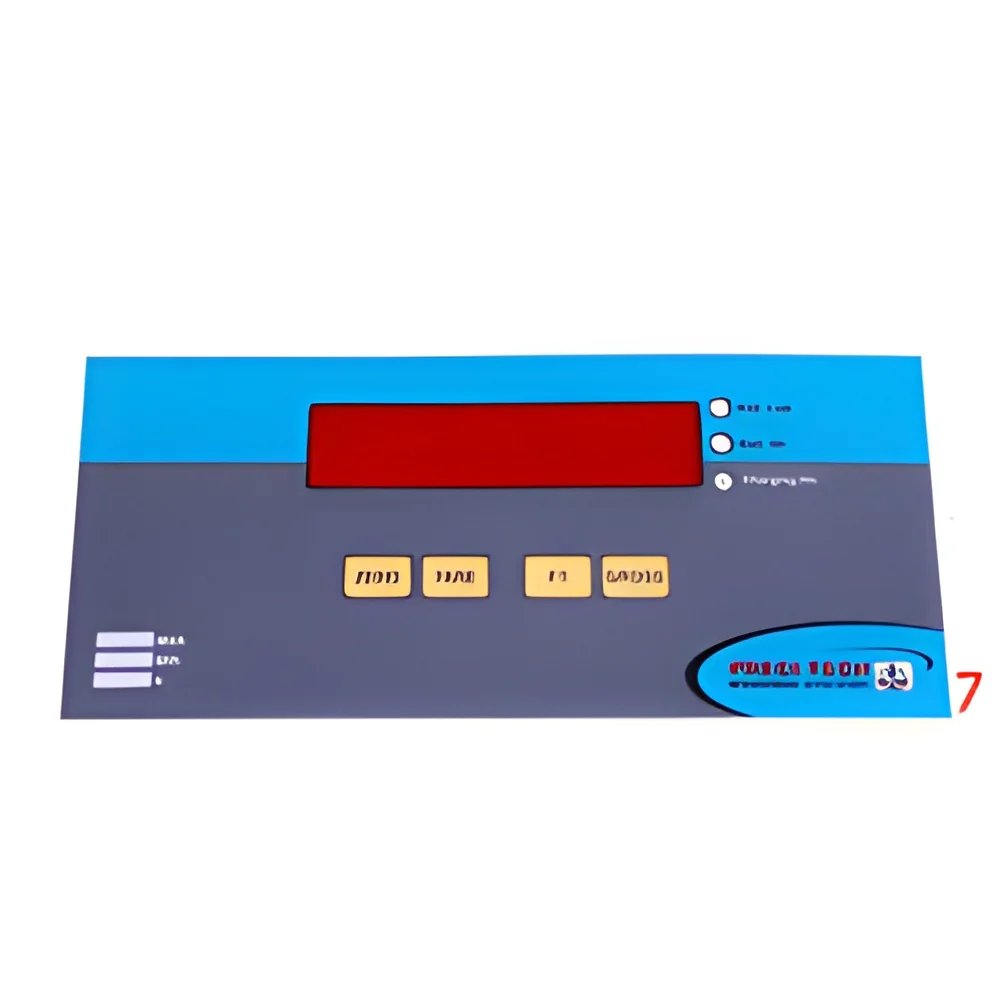
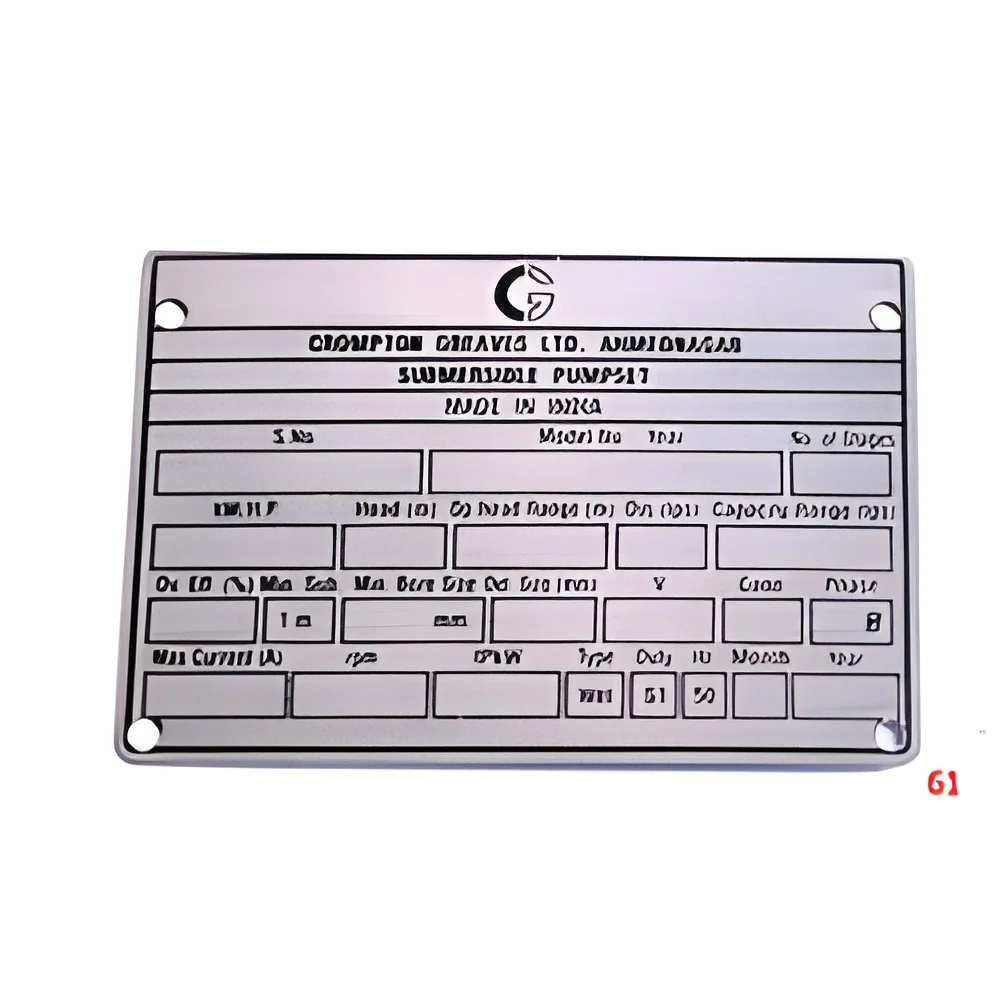
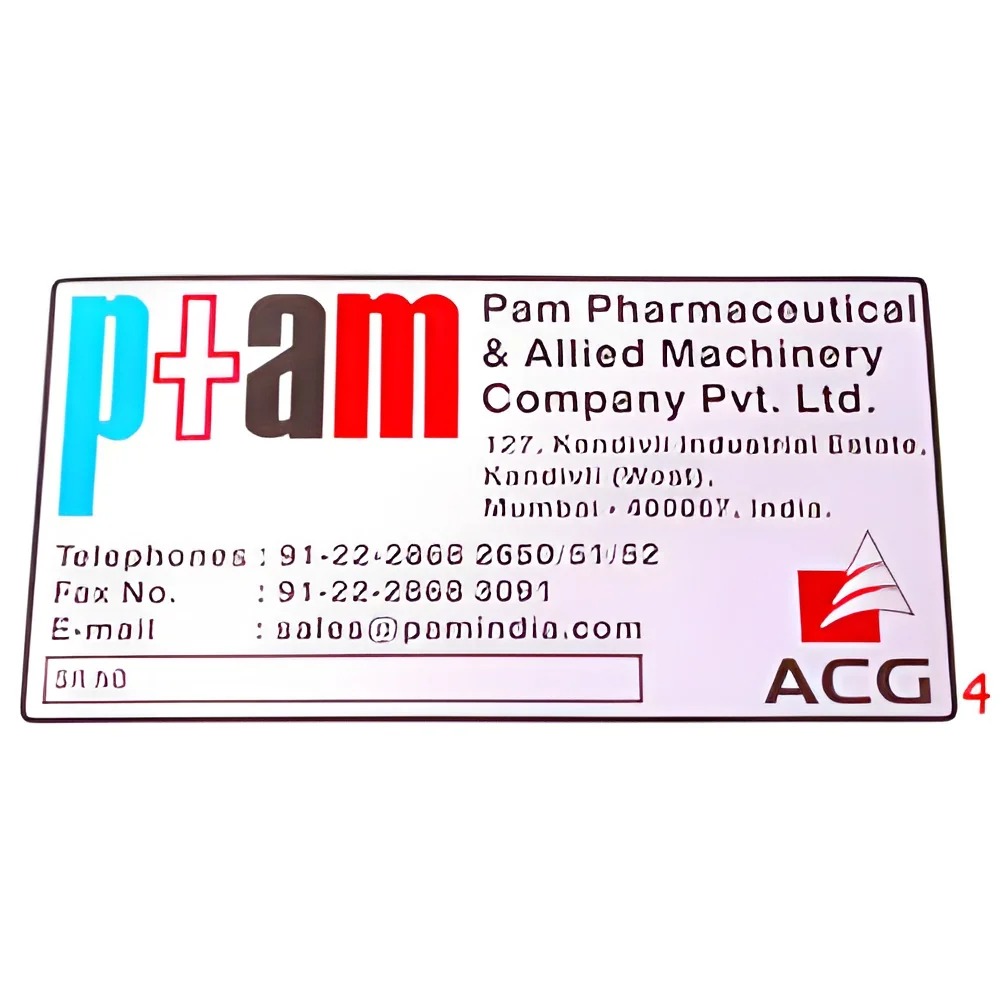
What are Warehouse Inventory Labels?
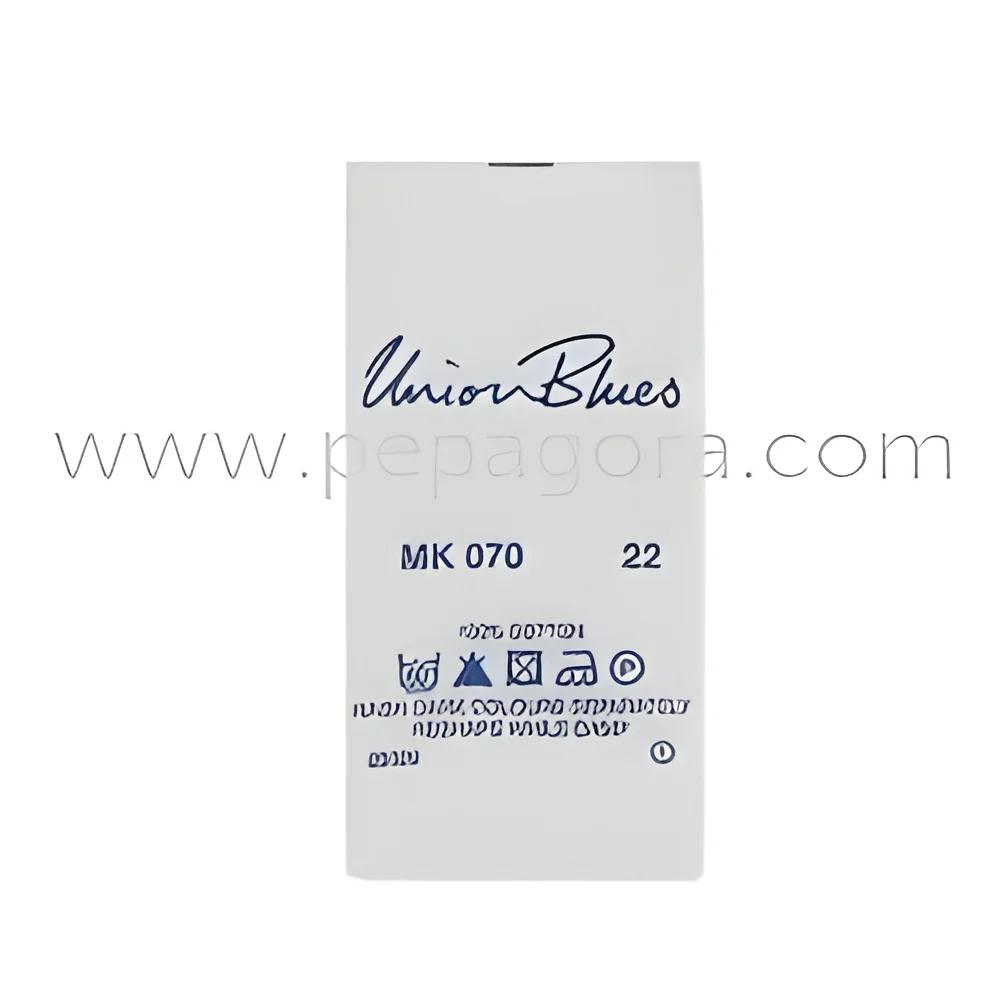
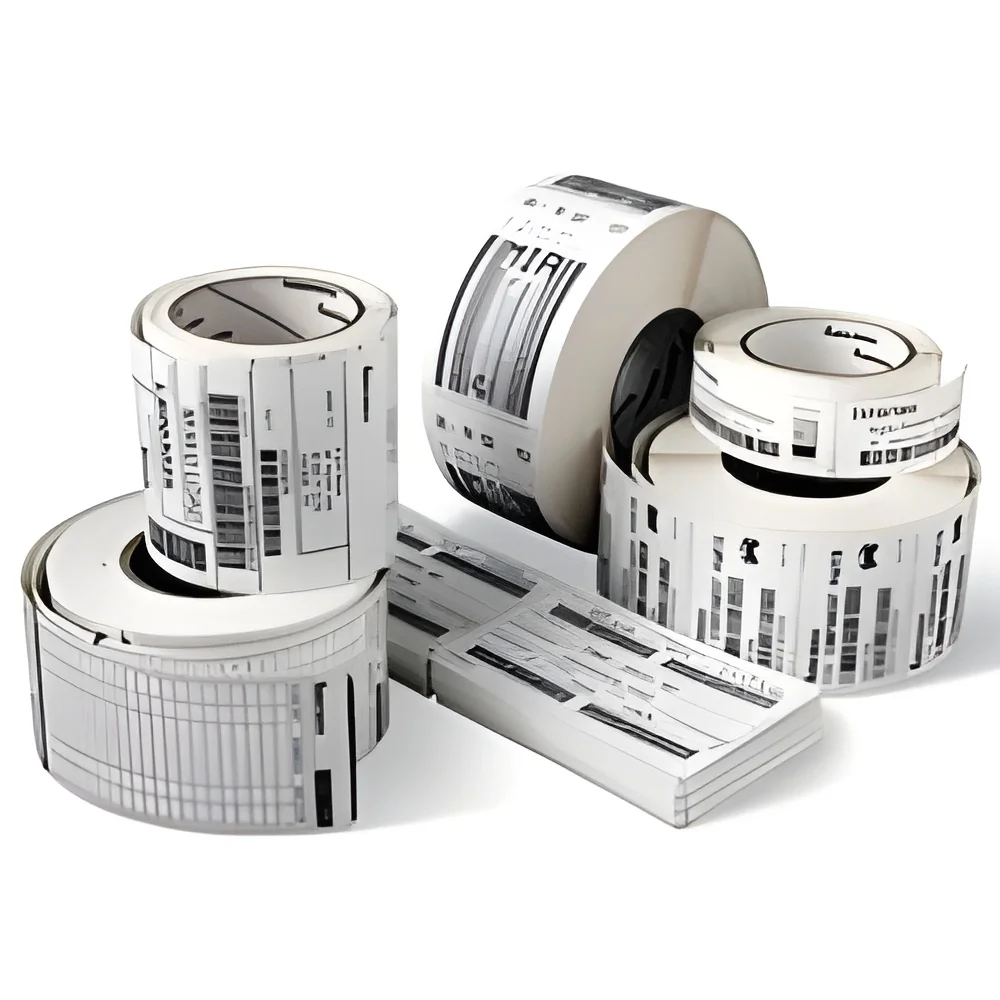
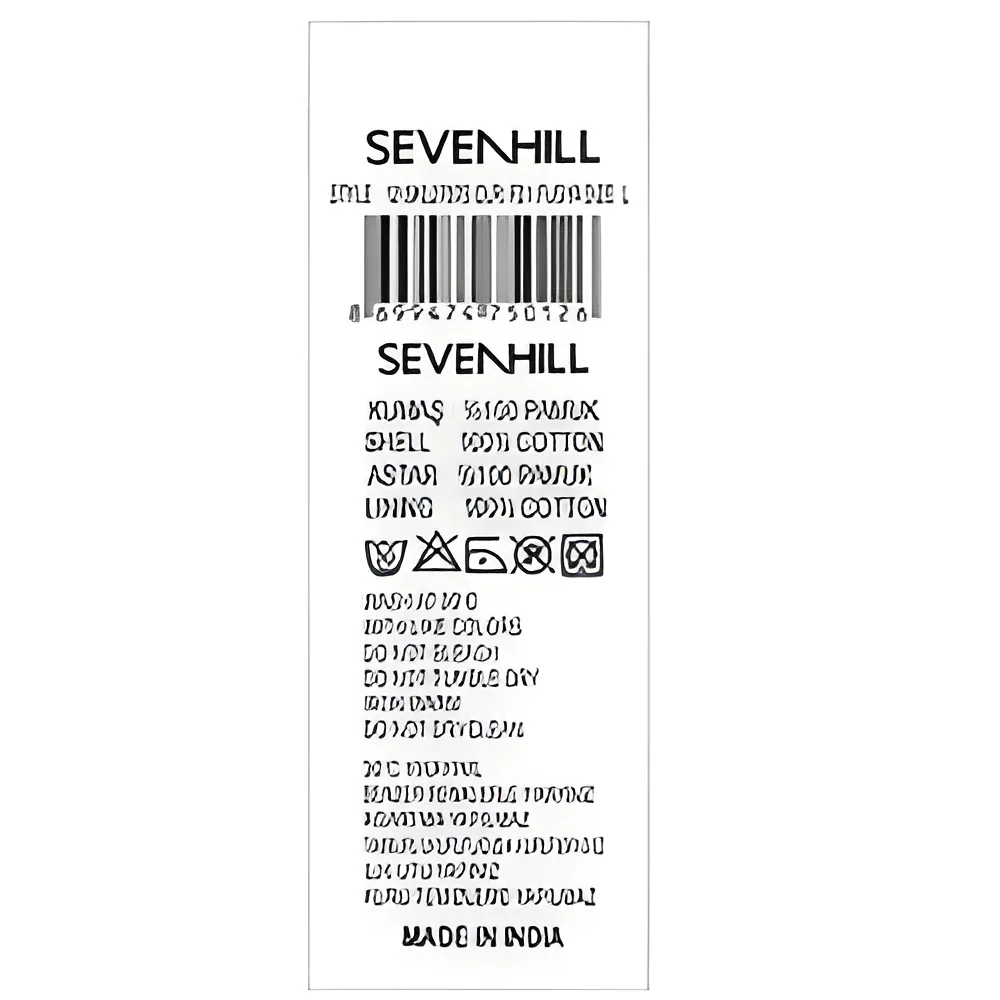
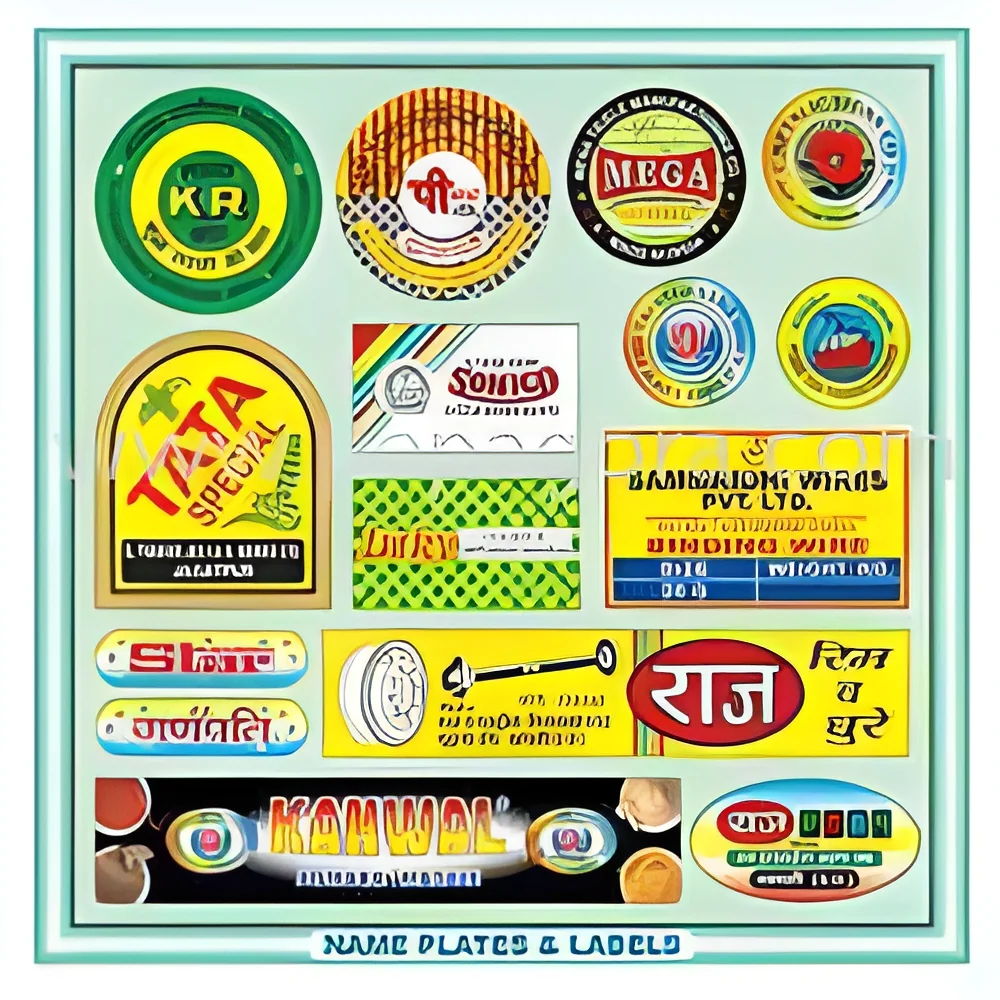
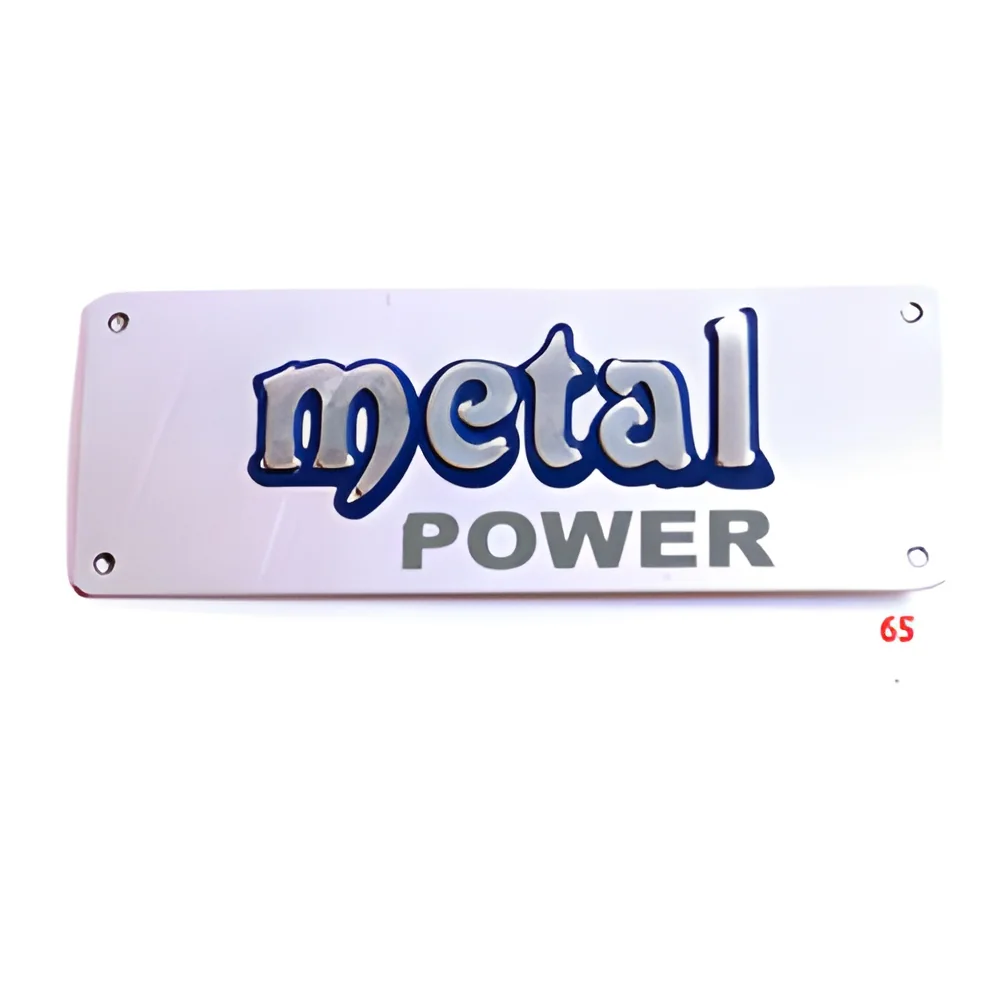
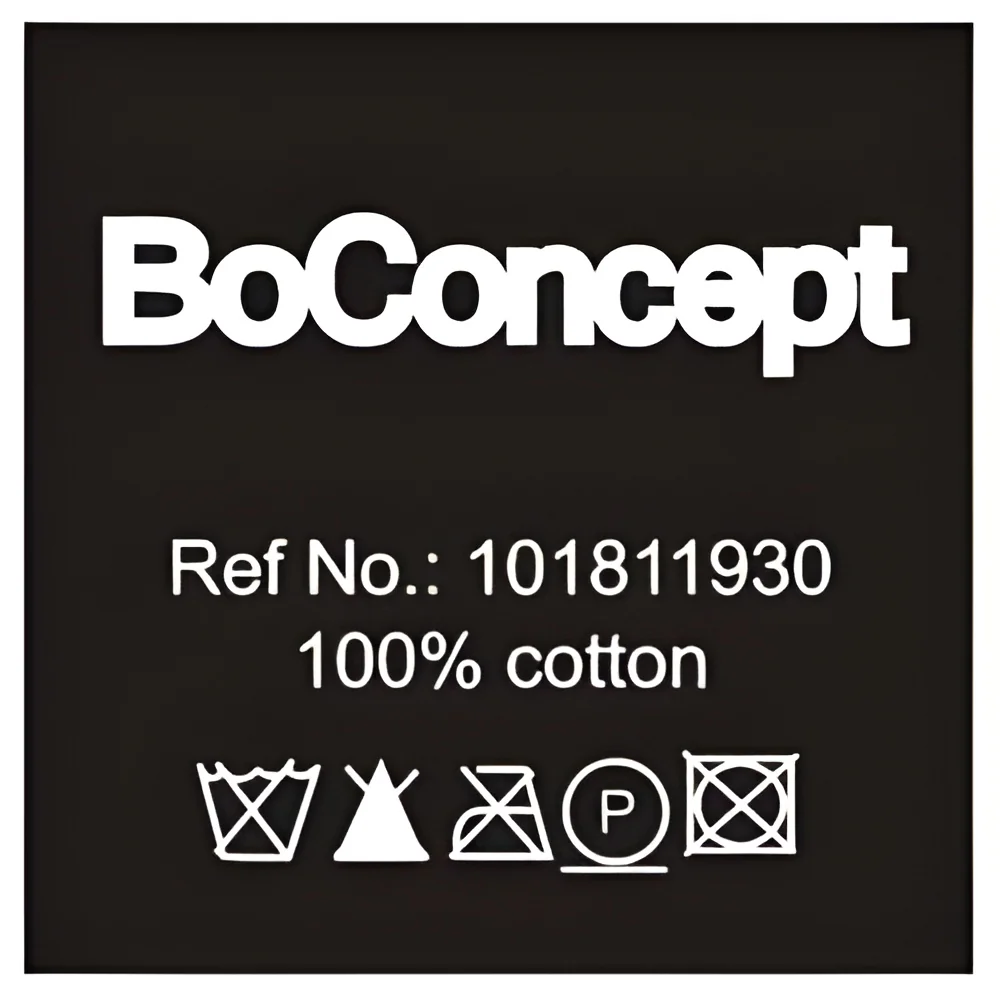
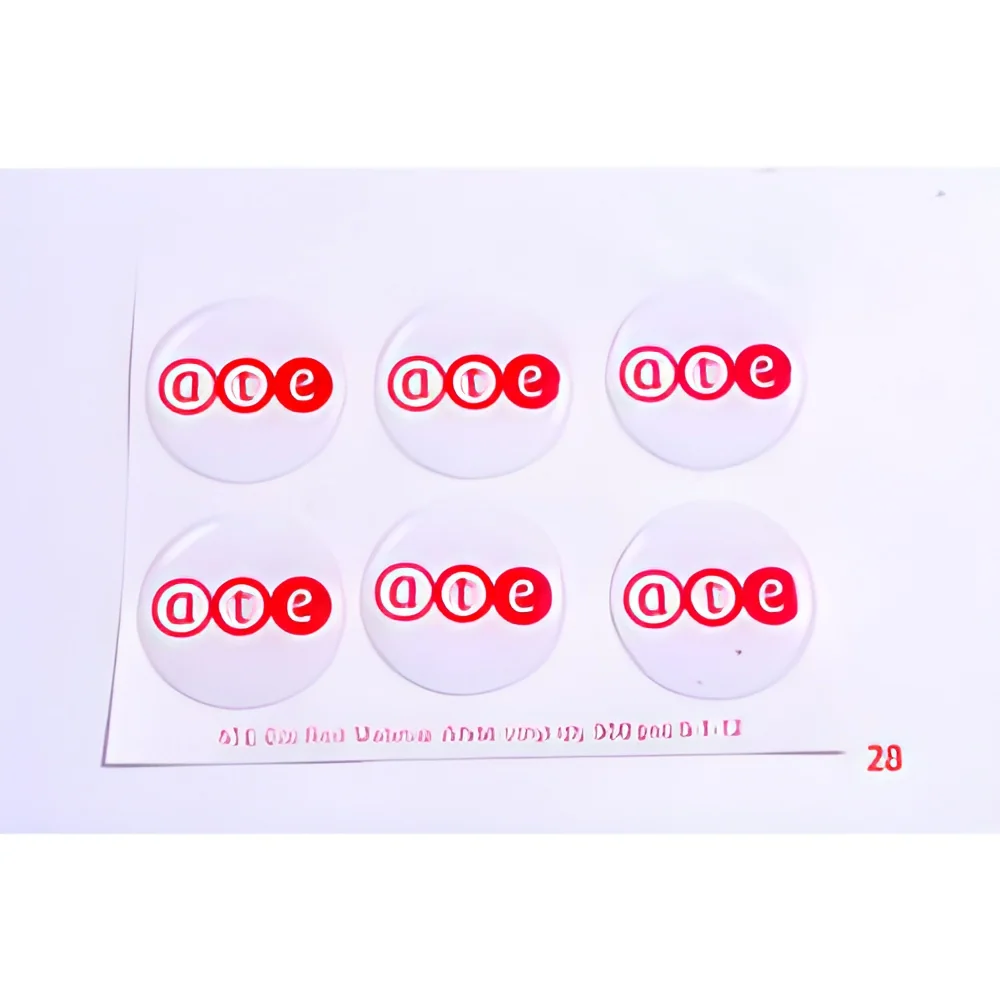
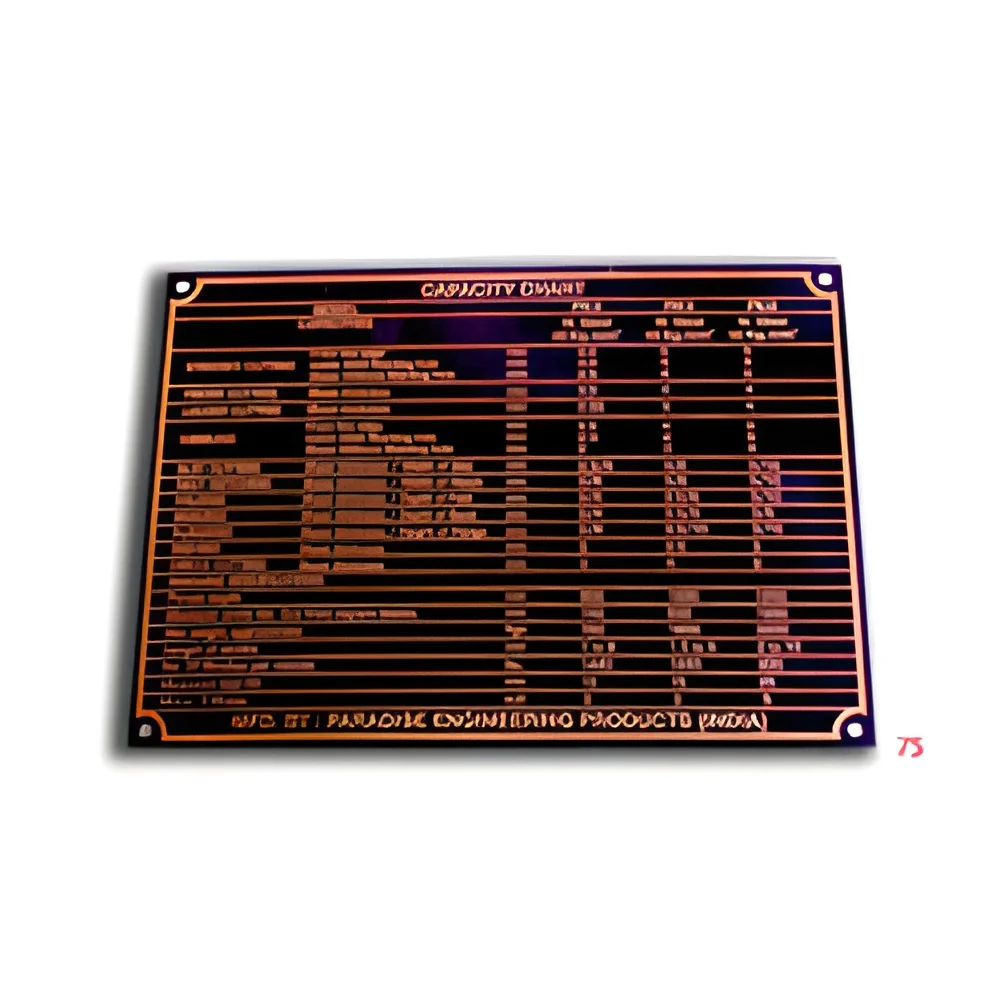
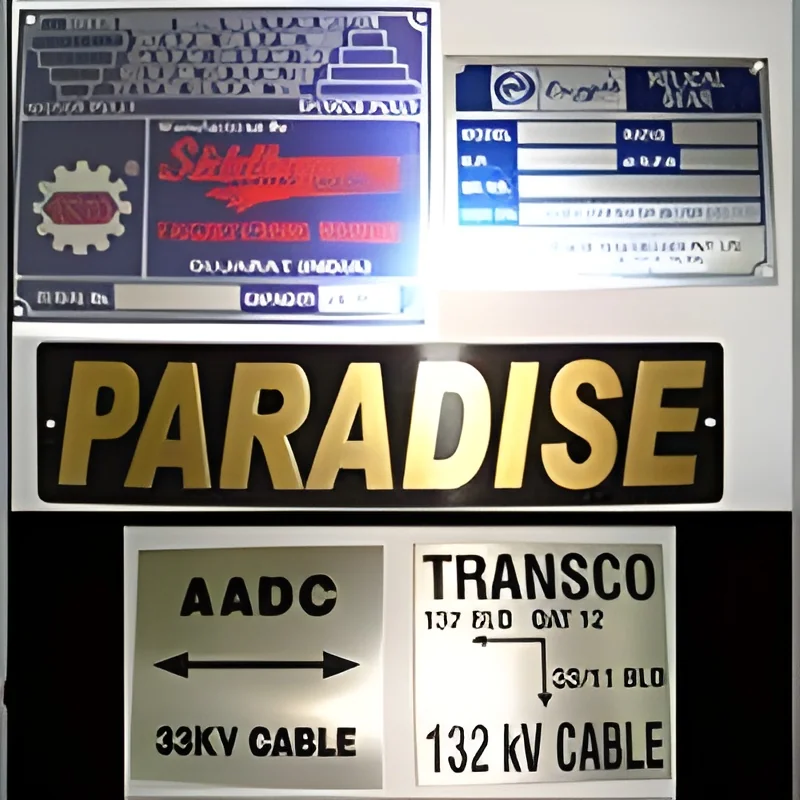
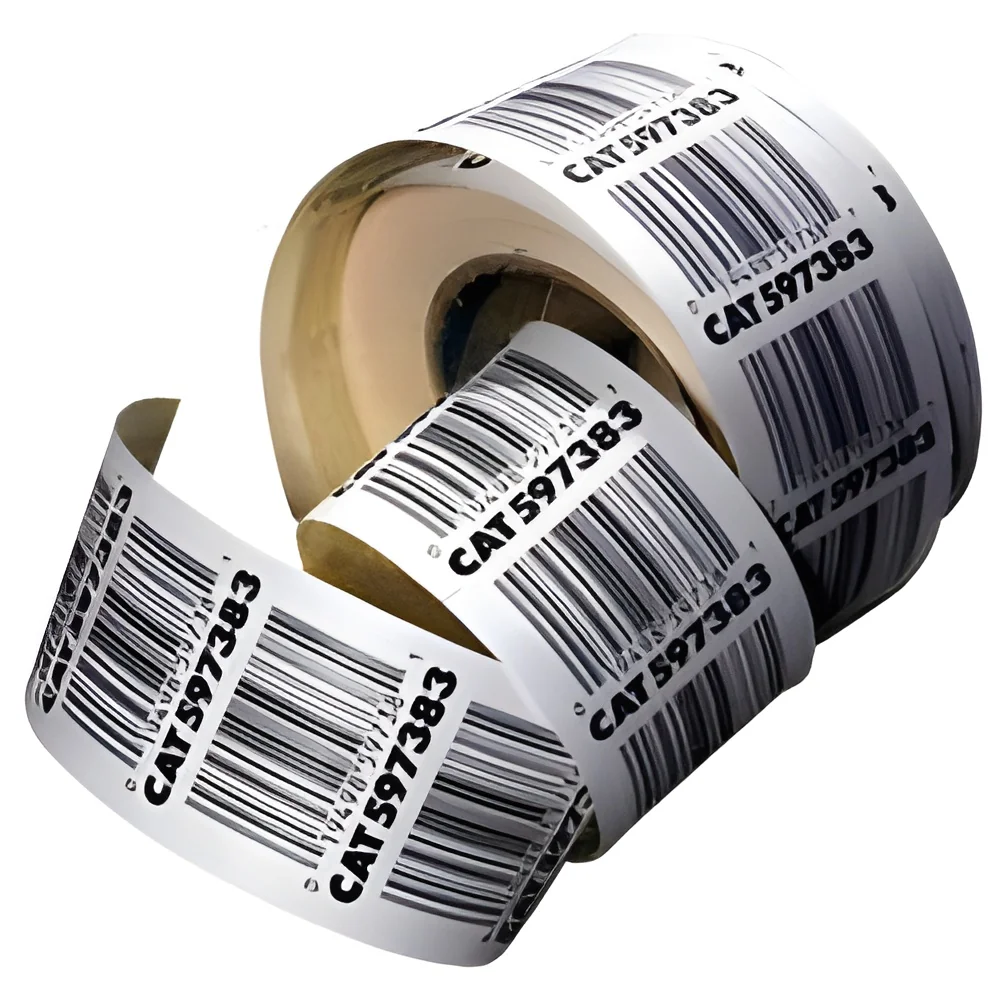
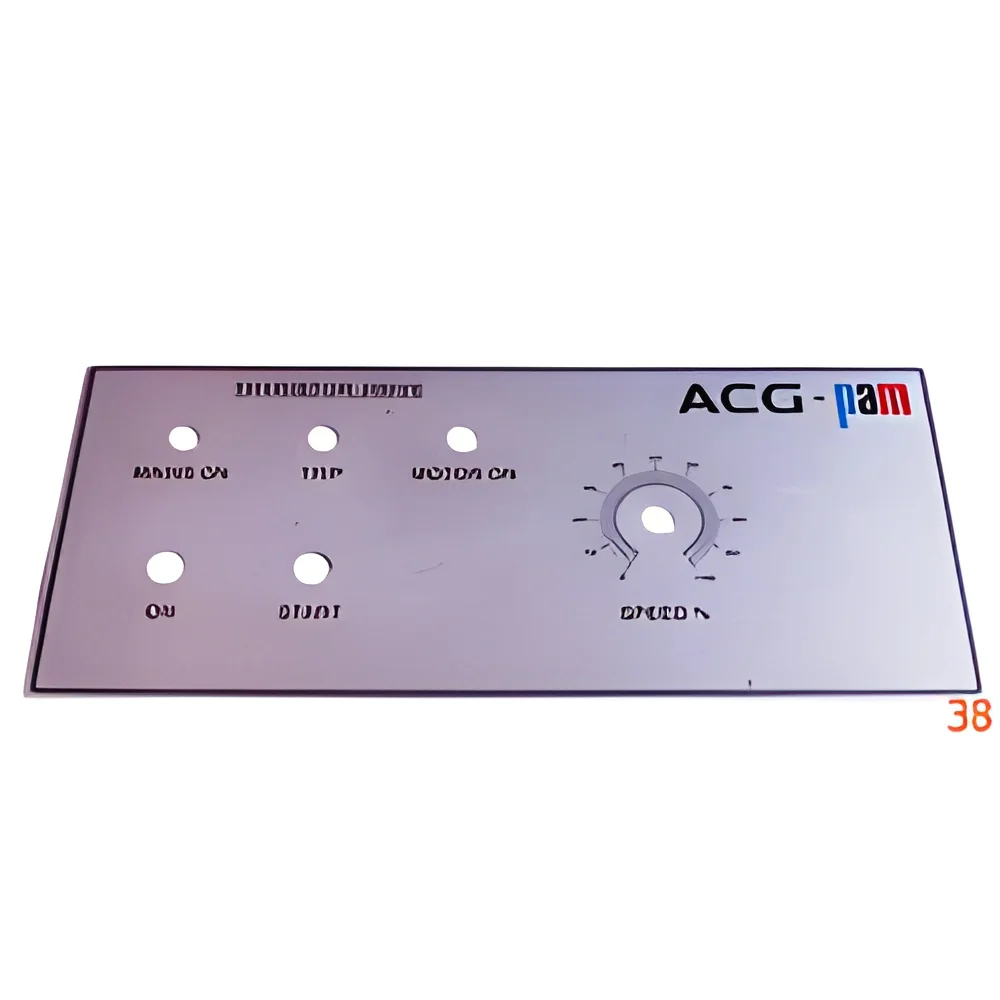
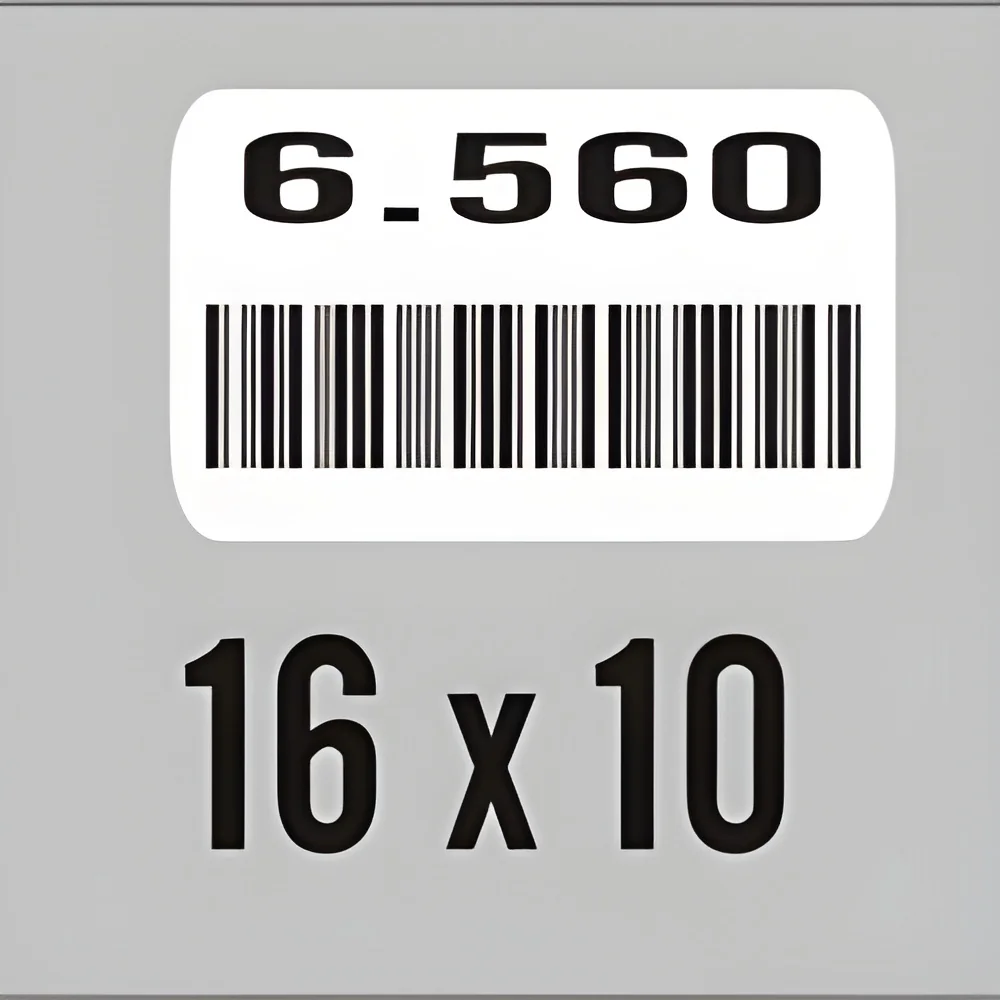
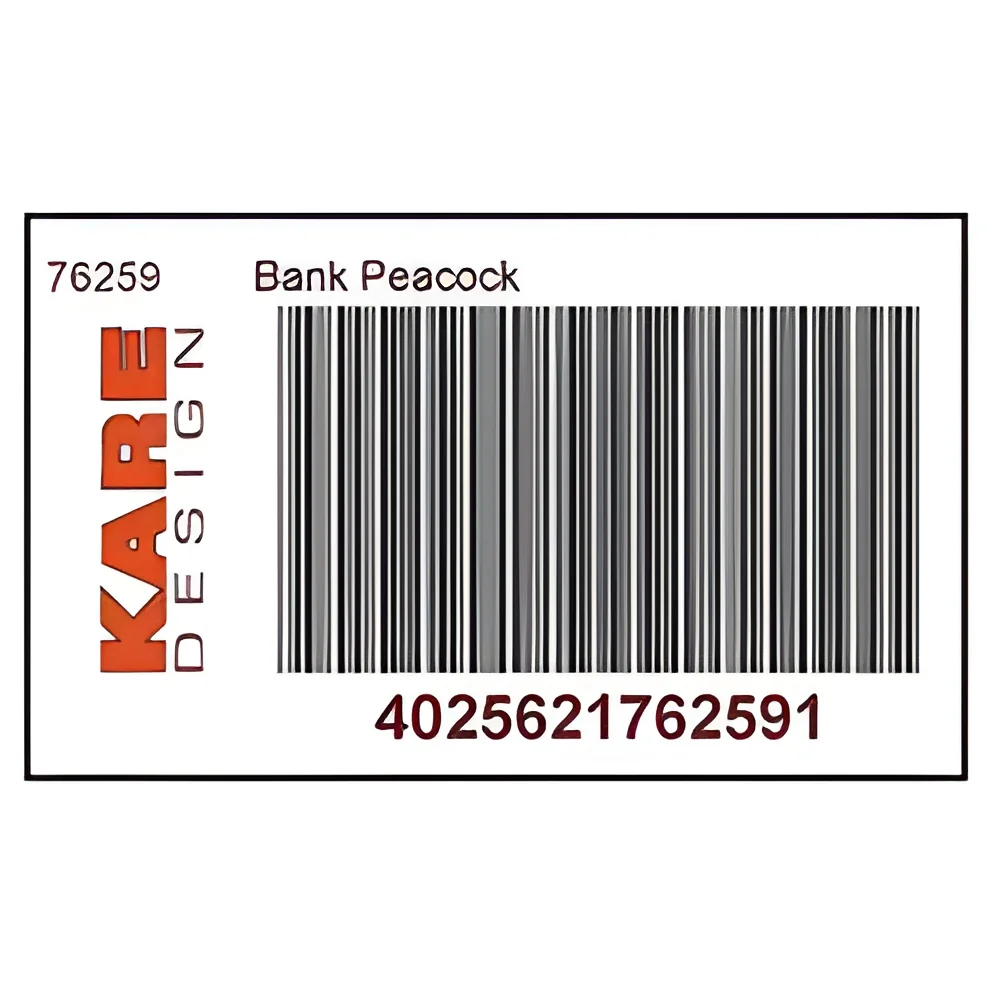
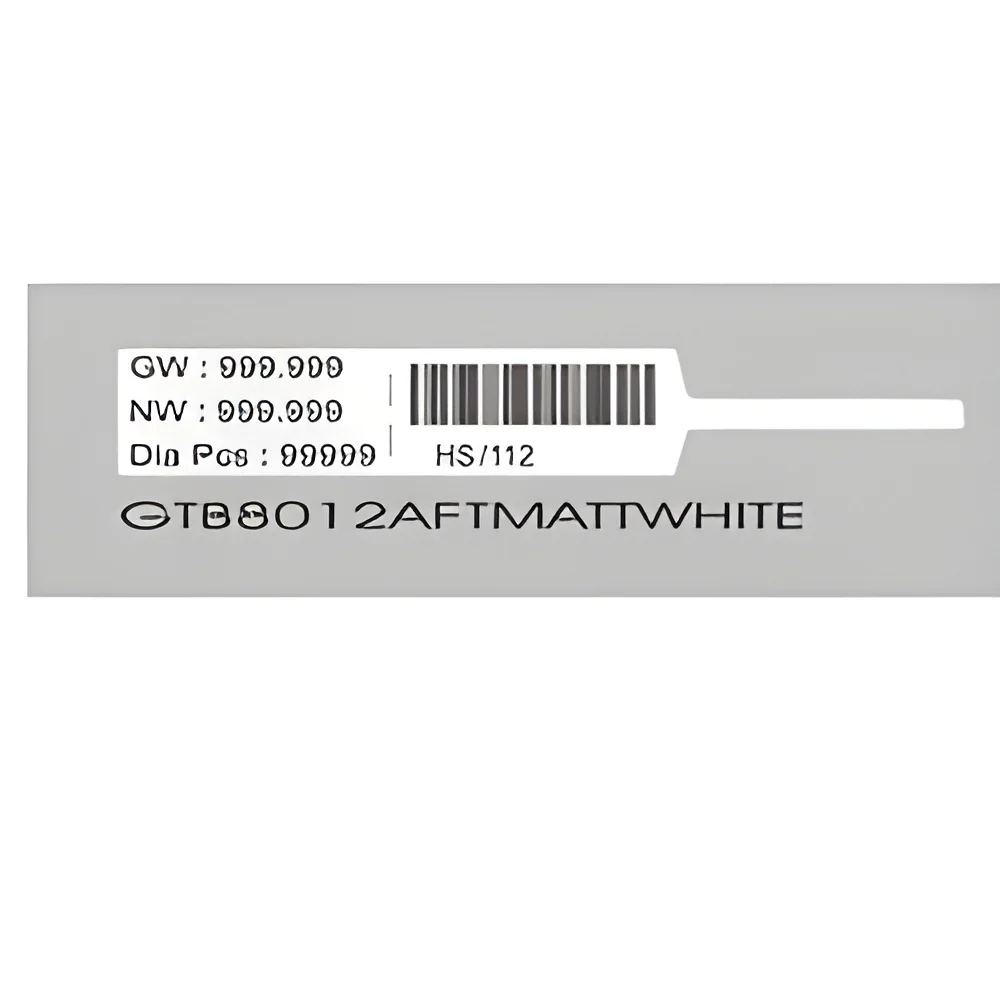
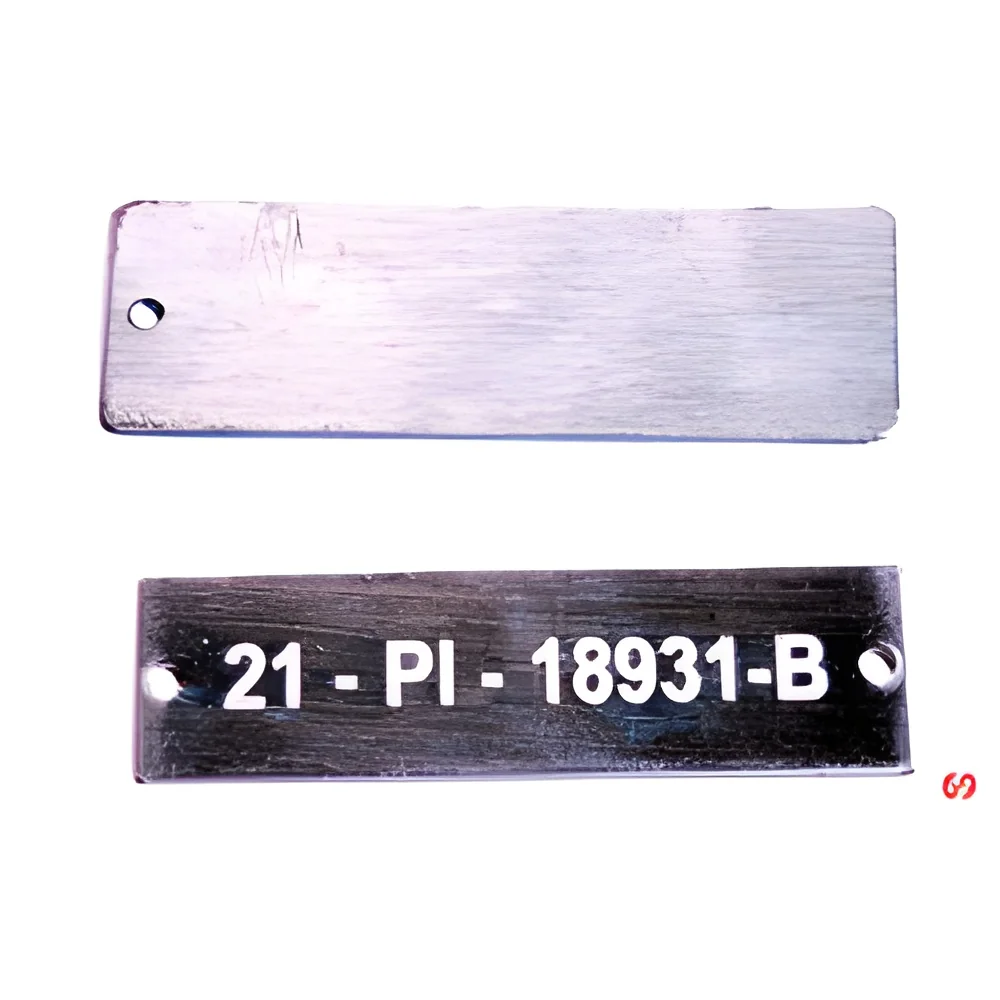
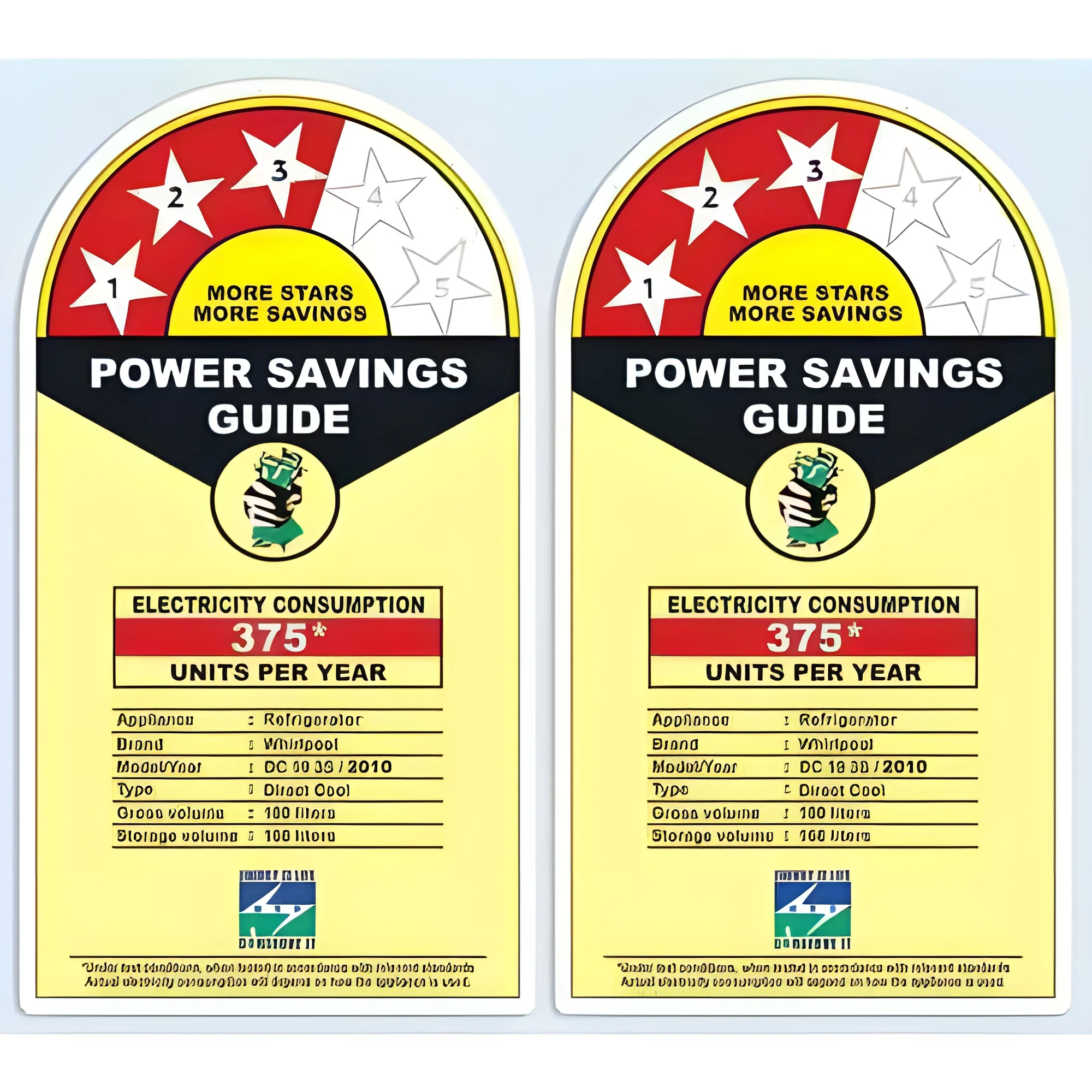
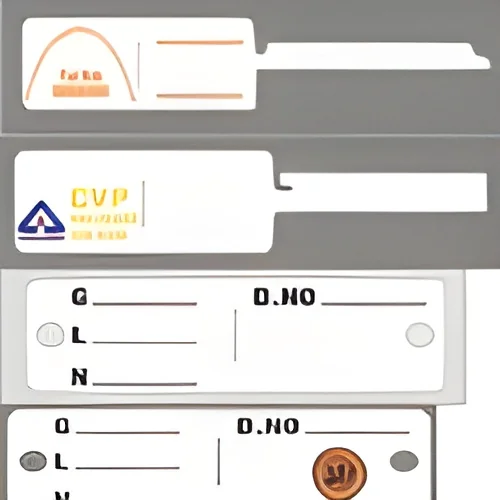
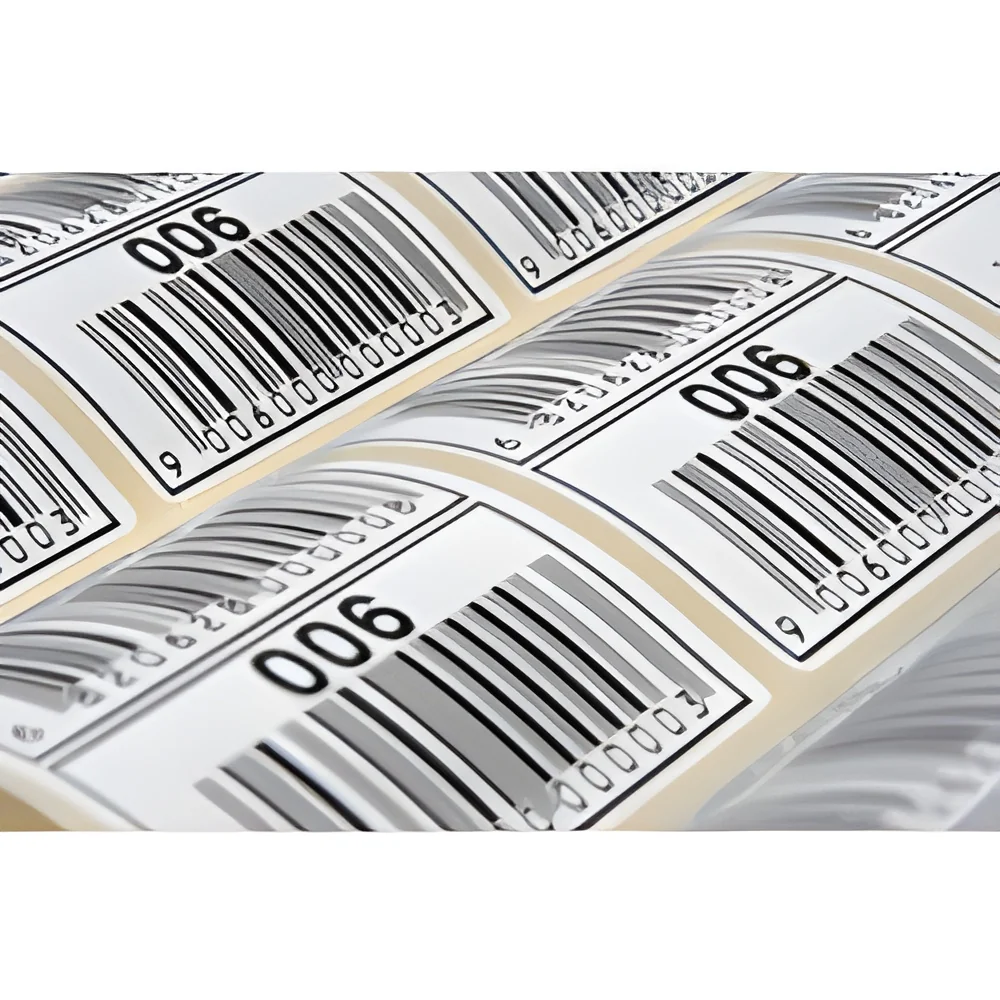
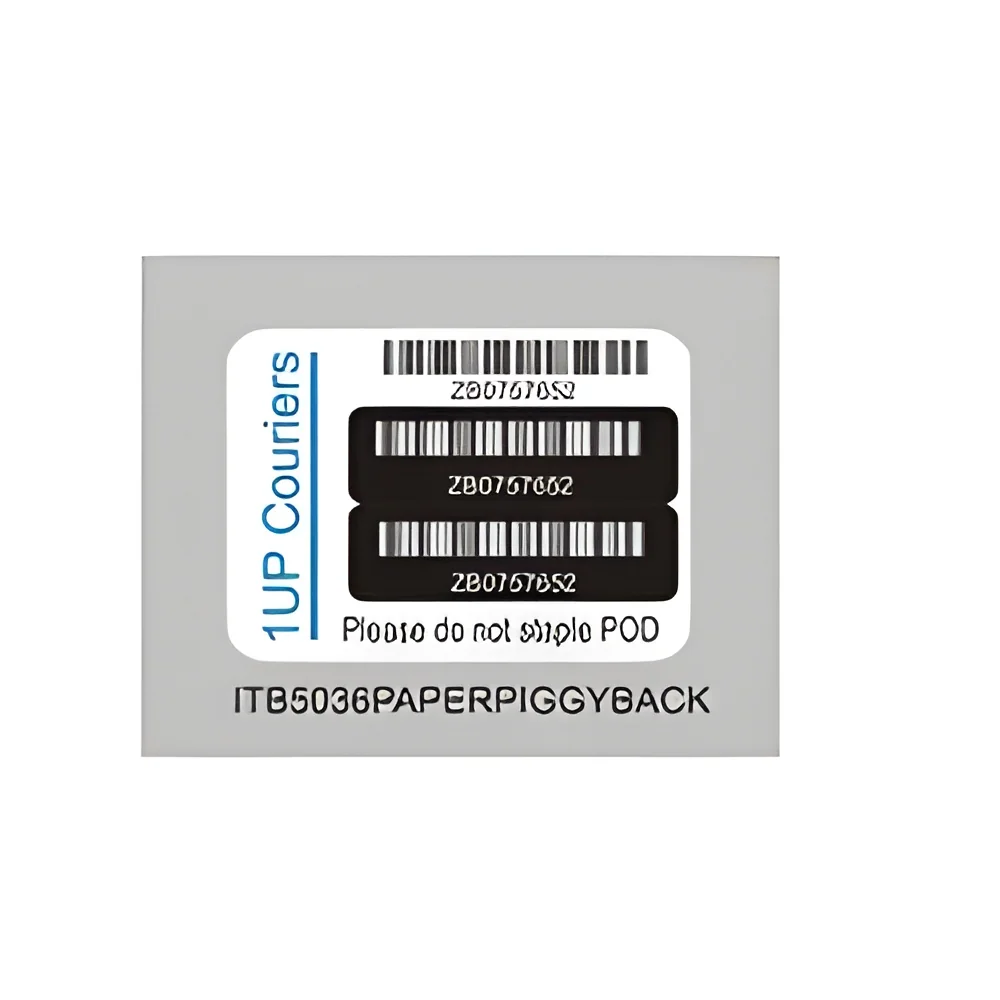
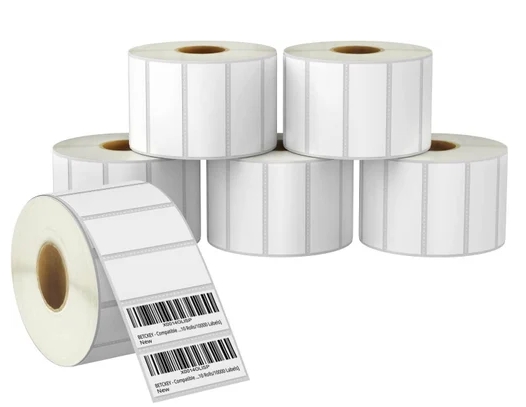
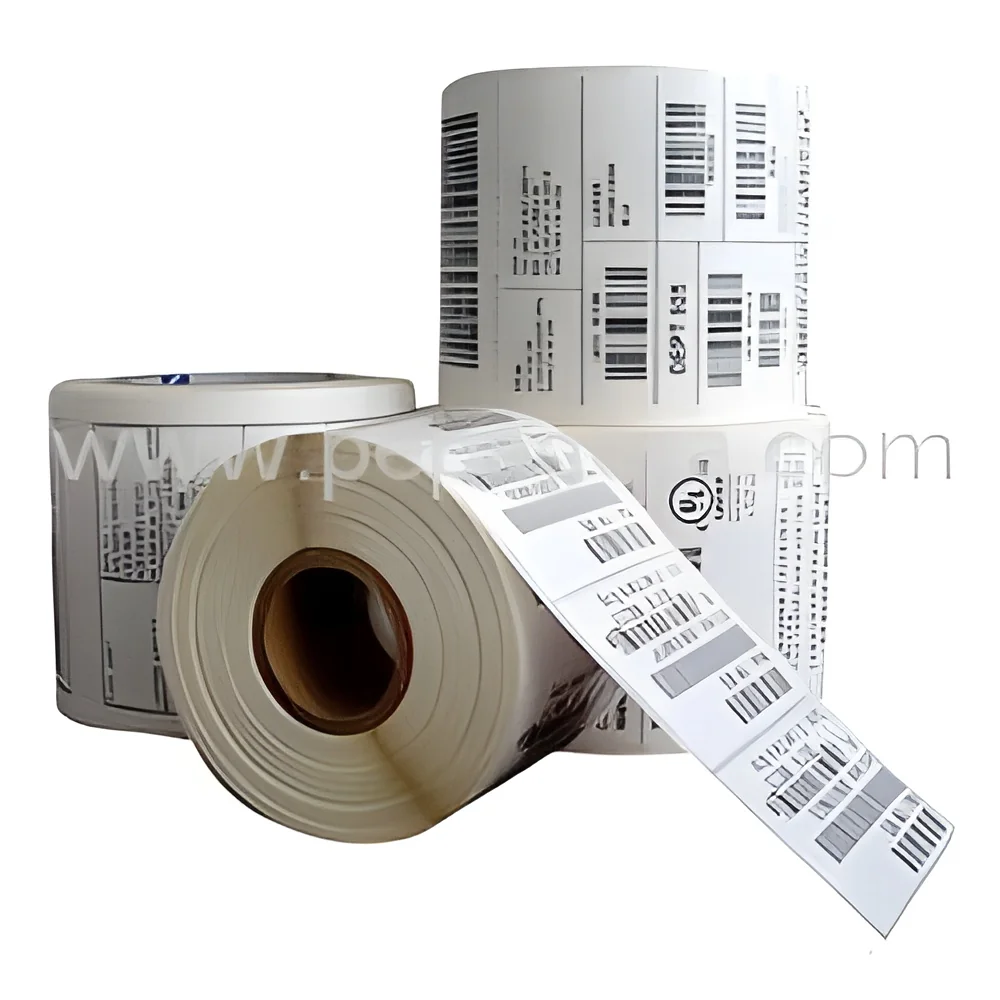
Warehouse inventory labels are essential tools used in various storage and logistics environments to identify and track products and materials. These labels can include barcodes, QR codes, or alphanumeric codes that allow for quick scanning and retrieval of item information. They facilitate efficient inventory management by providing visibility into stock levels, locations, and statuses, which helps streamline operations.
Primarily, warehouse inventory labels are used in settings such as distribution centers, manufacturing facilities, and retail warehouses. They support the organization of inventory by categorizing items, which aids in reducing errors during picking and shipping processes. The efficiency gained from using these labels can significantly enhance operational productivity and improve accuracy in inventory control.
In the current market context, warehouse inventory labels are increasingly relevant due to the rising emphasis on automation and data-driven decision-making in supply chain management. As businesses continue to integrate technology into their operations, the demand for effective labeling solutions that enable real-time tracking and inventory visibility is expected to grow.
Key Features and Specifications
Warehouse inventory labels come with various features and specifications that enhance their functionality and usability. These specifications are crucial for ensuring that labels meet the needs of different business environments and applications.
Key specifications include:
1. Material Composition
- Typically made from durable materials such as polyester or vinyl.
- Resistant to wear and tear, suitable for various warehouse conditions.
2. Adhesive Type
- Can feature permanent or removable adhesives based on application needs.
- Ensures labels stay affixed during handling and transport.
3. Printing Compatibility
- Compatible with thermal transfer and direct thermal printing methods.
- Provides flexibility in label production based on equipment availability.
4. Size Options
- Available in a range of sizes to fit different products and shelving.
- Custom sizes can also be ordered to meet specific needs.
5. Barcode Formats
- Supports multiple barcode formats, including UPC, EAN, and Code 128.
- Enhances compatibility with various scanning systems.
6. Weather Resistance
- Some labels are designed to withstand extreme temperatures and humidity.
- Ideal for use in cold storage or outdoor environments.
7. Customization Options
- Offers printing of logos, colors, and specific information for branding.
- Tailored solutions for unique operational requirements.
In summary, the features and specifications of warehouse inventory labels are designed to enhance functionality, durability, and versatility, making them essential tools for effective inventory management.
Common Applications and Use Cases
Warehouse inventory labels are used across numerous industries to improve efficiency and accuracy in inventory management.
1. Retail: In retail settings, these labels help in tracking stock levels, managing replenishment, and organizing merchandise on shelves.
2. Manufacturing: Labels are used to identify raw materials, components, and finished goods throughout the production process, ensuring seamless operations.
3. Logistics: In logistics, inventory labels facilitate the tracking of goods during transportation and storage, improving supply chain visibility.
4. Food and Beverage: Labels play a critical role in managing inventory in food warehouses, ensuring compliance with safety regulations and proper rotation of stock.
5. Pharmaceuticals: In pharmaceutical settings, inventory labels help in maintaining accurate records of medications, ensuring traceability and compliance with industry standards.
6. E-commerce: Online retailers utilize inventory labels to manage stock efficiently, enabling accurate order fulfillment and inventory tracking.
7. Automotive: In the automotive industry, labels help track parts and components, ensuring timely assembly and distribution.
Product Variants and Subcategories
Warehouse inventory labels come in various forms to cater to specific business needs.
Standard Labels
These are the most common type of inventory labels, suitable for general use in warehouses. They are typically pre-printed or customizable and can include barcodes or QR codes for easy scanning.
Custom Labels
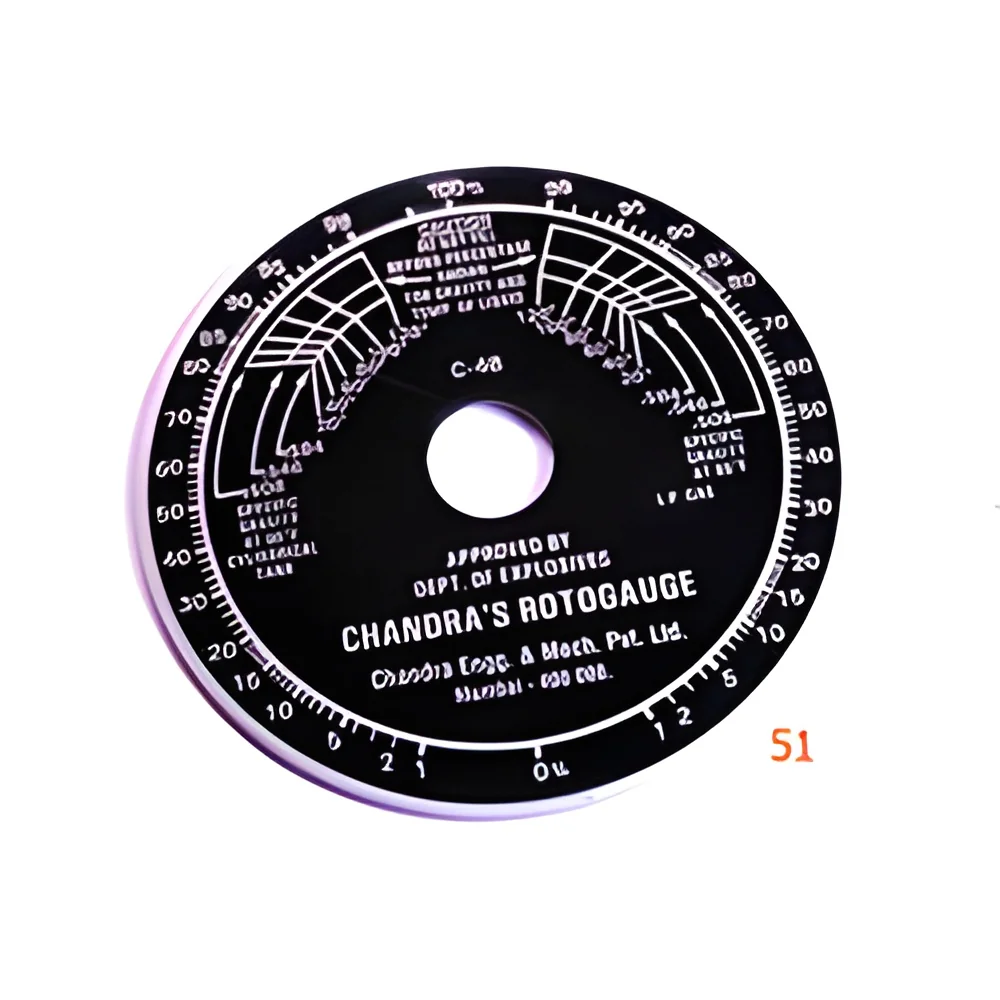
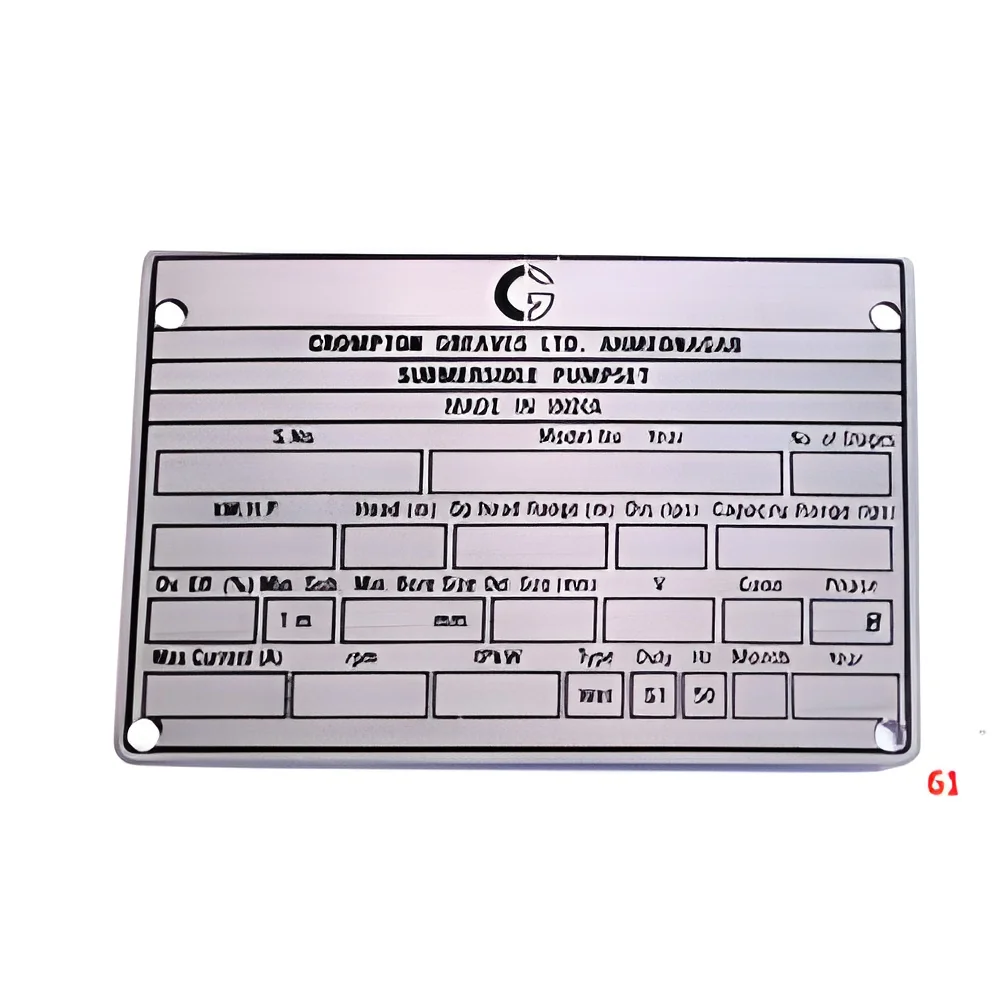
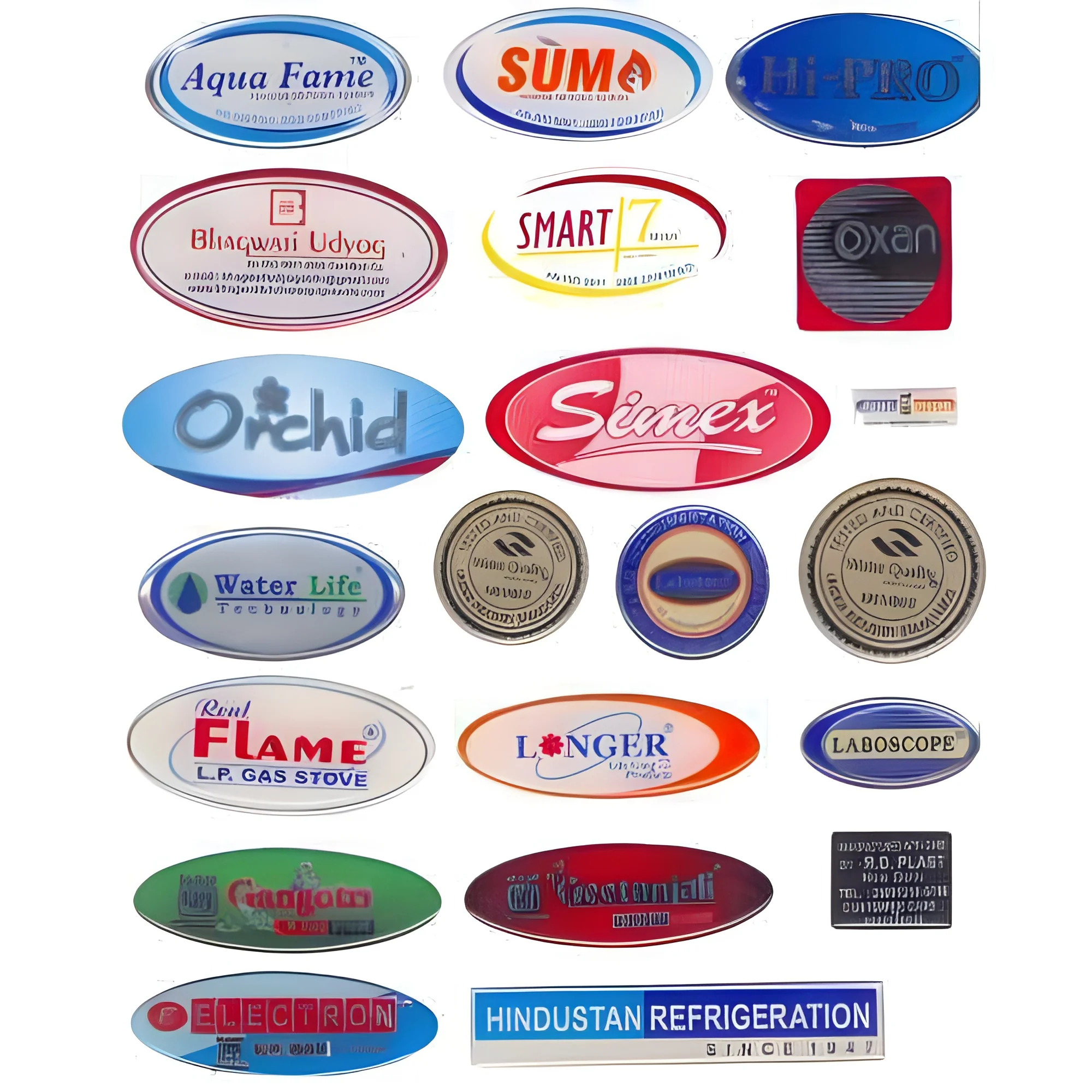
Custom labels offer businesses the flexibility to design labels tailored to their specific requirements. This can include unique sizes, colors, and information relevant to their operations.
Durable Labels
Designed for harsh environments, durable labels are made from robust materials that withstand extreme conditions. They are ideal for outdoor use or in areas with high humidity.
Color-Coded Labels
These labels help in organizing inventory visually. Different colors can signify various categories, making it easier for warehouse staff to identify and locate items quickly.
Benefits and Advantages
Utilizing warehouse inventory labels comes with significant advantages for businesses seeking to improve their operational efficiency.
1. Improved Accuracy: Labels reduce human error in inventory tracking by providing clear identification of items, minimizing mispicks.
2. Enhanced Productivity: Quick scanning and identification of products streamline the picking and shipping processes, leading to faster order fulfillment.
3. Better Inventory Management: Real-time tracking capabilities enable businesses to maintain optimal stock levels, reducing overstock and stockouts.
4. Cost Efficiency: By improving accuracy and efficiency, businesses can save on labor costs and reduce the risk of inventory discrepancies.
5. Compliance Support: Labels can assist in meeting industry regulations by ensuring proper labeling of products, especially in sectors like food and pharmaceuticals.
6. Customization Flexibility: The ability to customize labels allows businesses to create a branding strategy while ensuring operational needs are met.
Buying Guide for B2B Buyers
When sourcing warehouse inventory labels, businesses should consider several key factors to ensure they select the right solution.
1. Quality Assessment: Evaluate label material and printing quality to ensure durability and visibility in your specific environment. High-quality labels will resist wear and fading over time.
2. Supplier Verification: Vet potential suppliers by checking their reputation, customer reviews, and previous work to ensure reliability and quality in their products.
3. Pricing and MOQ: Understand the pricing structure and minimum order quantities (MOQ) to find options that fit your budget while meeting your inventory needs.
4. Delivery and Lead Times: Assess the supplier's delivery capabilities to ensure timely receipt of labels, which is crucial for maintaining operational flow.
5. Compliance Requirements: Ensure that the labels comply with relevant industry standards and regulations to avoid legal issues and maintain operational integrity.
Compliance and Certifications
Warehouse inventory labels must adhere to various quality standards and certifications to ensure reliability and safety in their applications.
Relevant quality standards, such as ISO 9001, focus on maintaining consistent quality management systems. Compliance with these standards ensures that suppliers have robust processes for producing high-quality labels.
Additionally, certifications like CE indicate that products meet essential health and safety requirements within the European Economic Area. This is particularly important for businesses that operate in regulated industries, such as food and pharmaceuticals.
Safety and testing requirements also play a crucial role in the production of inventory labels. Labels must be tested for durability, print quality, and resistance to environmental factors to ensure they perform effectively in real-world applications.
Regional compliance considerations may vary, so businesses should verify that their labels meet local regulations and standards specific to their operational regions.
Why Source Warehouse Inventory Labels from Pepagora?
Pepagora provides a trusted platform for sourcing warehouse inventory labels, offering several key advantages that cater to B2B buyers.
Verified Supplier Network: Pepagora connects buyers with a network of verified suppliers, ensuring that all products meet industry standards and quality requirements. This reduces the risk associated with sourcing from unknown vendors.
Streamlined RFQ Process: The platform features an efficient Request for Quotation (RFQ) process, allowing buyers to easily compare prices and specifications from multiple suppliers. This simplifies decision-making and enhances procurement efficiency.
Trade Assurance and Support: Pepagora offers trade assurance, providing buyers with added protection against potential issues during transactions. This includes support services to assist with any challenges that may arise.
Regional Coverage: With a presence in key markets such as India, the GCC, and Southeast Asia, Pepagora ensures that businesses can find suitable suppliers that cater to their regional needs, enhancing accessibility and reducing lead times.
Overall, Pepagora stands out as a reliable source for warehouse inventory labels, ensuring that businesses can make informed purchasing decisions while benefiting from a range of protective and supportive services.

 IN
IN