What are Blank Barcode Labels?
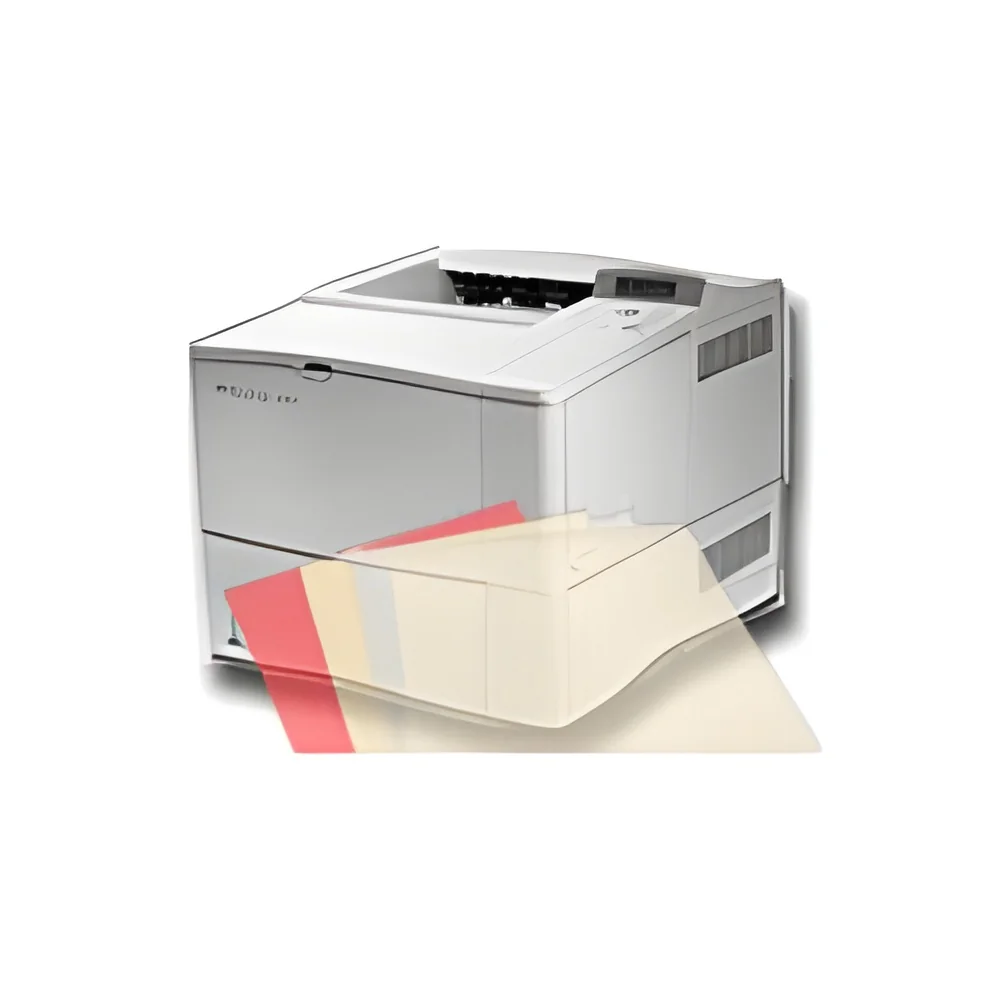
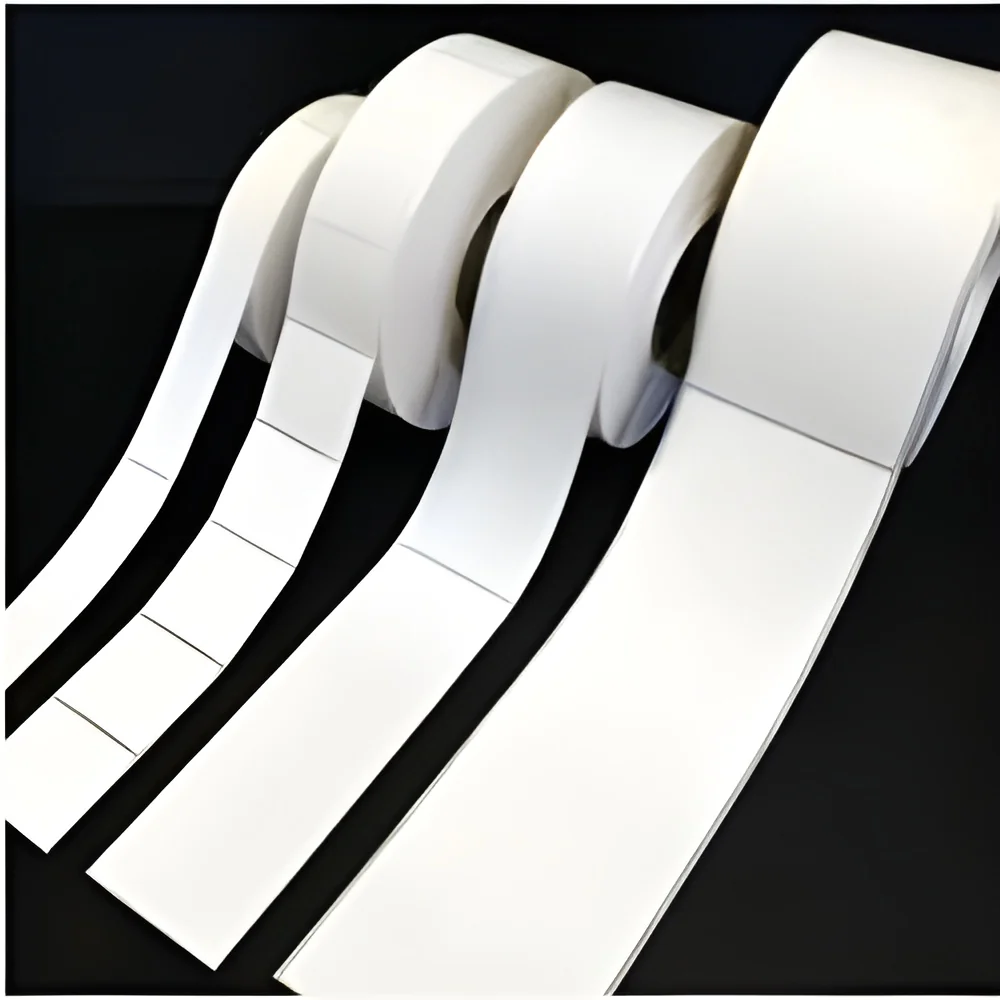
Blank barcode labels are adhesive labels that do not have any printed information, allowing businesses to customize them according to their specific needs. These labels can be printed with barcodes, QR codes, text, or images using various printing methods, such as thermal transfer or direct thermal printing. The flexibility of blank barcode labels makes them an essential tool in inventory management, shipping, and retail environments.
The primary uses of blank barcode labels include tracking inventory, labeling products, and managing shipments. Businesses can print unique barcodes for each item, helping to streamline operations and reduce errors associated with manual entry. Blank barcode labels are widely utilized in warehouses, retail stores, and logistics companies, ensuring that items are easily identifiable and traceable throughout their lifecycle.
In today's market, the demand for blank barcode labels continues to grow as businesses increasingly adopt automated systems for inventory and asset management. Industries such as manufacturing, healthcare, and retail rely on these labels to enhance operational efficiency and improve accuracy in tracking products. As technology evolves, the relevance of blank barcode labels remains strong, providing businesses with a reliable solution for their labeling needs.
Key Features and Specifications
Blank barcode labels come with a variety of features and specifications that make them versatile for different applications. Understanding these specifications is crucial for selecting the right labels for your business.
Key specifications include:
1. Label Material
- Common materials include paper, polyester, and vinyl.
- Each material offers different durability and adhesion properties.
2. Adhesive Type
- Permanent adhesive for long-term applications.
- Removable adhesive for temporary labeling needs.
3. Size and Dimensions
- Available in various sizes to accommodate different products.
- Common sizes include 1"x2", 2"x4", and custom dimensions.
4. Print Technology Compatibility
- Compatible with thermal transfer and direct thermal printing.
- Ensure that labels are designed for your specific printer type.
5. Finish
- Glossy or matte finishes available for aesthetic preferences.
- Finish can affect print quality and barcode readability.
6. Color Options
- Typically available in white, but can be customized in other colors.
- Color may impact barcode scanning efficiency.
7. Quantity per Roll
- Rolls can contain varying quantities, typically ranging from 100 to 1000 labels.
- Important for determining inventory and usage rates.
8. Environmental Resistance
- Some labels offer resistance to moisture, chemicals, and extreme temperatures.
- Suitable for specific applications in harsh environments.
In summary, understanding the key features and specifications of blank barcode labels enables businesses to choose the most suitable options for their labeling requirements.
Common Applications and Use Cases
Blank barcode labels are used across various industries to enhance operational efficiency through effective labeling and tracking.
1. Retail: Retail businesses use blank barcode labels to label products on shelves. This helps in managing inventory, facilitating easy checkout, and ensuring accurate pricing.
2. Warehousing: In warehouses, these labels assist in tracking items during storage and retrieval. They help streamline the picking process and reduce errors in order fulfillment.
3. Manufacturing: Manufacturers utilize blank barcode labels for product identification and tracking throughout the production process. This ensures quality control and traceability of each item.
4. Healthcare: Hospitals and clinics rely on these labels to track medical supplies, patient information, and medication. Accurate labeling is crucial for patient safety and inventory management.
5. Logistics: In the logistics sector, blank barcode labels are essential for tracking shipments. They enable quick scanning and verification of packages during transit and delivery.
6. Food Industry: Food manufacturers use blank barcode labels to ensure compliance with labeling regulations. They can track ingredients and expiration dates efficiently.
7. Office Supplies: Companies use blank barcode labels to manage office supplies and equipment inventory. This helps in maintaining organization and reducing waste.
Product Variants and Subcategories
Blank barcode labels come in various types, each designed for specific applications and requirements.
Standard Blank Barcode Labels
These labels are the most common variant and are suitable for general-purpose labeling. They are available in various sizes and materials, making them versatile for different industries.
Waterproof Blank Barcode Labels
Designed for use in environments where exposure to moisture is a concern, these labels are made from durable materials that resist water damage. They are ideal for outdoor applications or in settings like the food industry.
High-Temperature Blank Barcode Labels
These labels can withstand extreme temperatures, making them suitable for industrial applications. They are often used in manufacturing settings where products may be exposed to heat during processing.
Custom Blank Barcode Labels
Businesses can request custom sizes, shapes, and colors for their barcode labels. This variant allows for tailored solutions that fit specific branding or operational needs.
Benefits and Advantages
The use of blank barcode labels presents significant benefits to businesses, improving efficiency and accuracy in various operations.
Key benefits include:
1. Customization: Blank barcode labels offer the flexibility to print information as needed, allowing for tailored labeling solutions.
2. Cost-Effective: They are often more economical than pre-printed labels, enabling businesses to print only what they require.
3. Improved Accuracy: Using barcodes reduces the chances of human error in data entry, leading to more accurate inventory management.
4. Enhanced Efficiency: Quick scanning of barcodes speeds up processes like checkout and inventory audits, improving overall operational efficiency.
5. Easy Integration: Blank barcode labels can be easily integrated into existing inventory management systems, making them suitable for a wide range of applications.
6. Versatility: These labels can be used in diverse industries, from retail to manufacturing, highlighting their adaptability to different needs.
Buying Guide for B2B Buyers
When sourcing blank barcode labels, it is essential for B2B buyers to consider several factors to ensure they select the right product.
1. Quality Assessment: Evaluate the quality of materials and adhesion properties. Consider factors like durability, printability, and resistance to environmental conditions.
2. Supplier Verification: Vet suppliers to ensure they provide high-quality products and reliable service. Look for certifications and positive customer reviews.
3. Pricing and MOQ: Understand the pricing structure and minimum order quantities. Compare prices across different suppliers to find the best value.
4. Delivery and Lead Times: Check the supplier's lead times for delivery. Timely delivery is crucial for maintaining inventory levels and meeting business needs.
5. Compliance Requirements: Ensure that the labels meet industry-specific regulations and standards. Compliance is vital for industries like healthcare and food services.
Compliance and Certifications
Blank barcode labels must adhere to specific quality standards and certifications to ensure they meet industry requirements. Relevant standards include ISO 9001, which outlines quality management principles, ensuring consistent quality and customer satisfaction.
Industry certifications such as CE indicate that the labels comply with European safety and health standards. Compliance with these standards is crucial for businesses operating in regulated industries.
Additionally, safety and testing requirements may vary based on the intended use of the labels. For example, labels used in food industries must meet food safety regulations. Regional compliance considerations may also apply, depending on the geographic location of the business and its operational requirements.
Why Source Blank Barcode Labels from Pepagora?
Pepagora provides a trusted platform for sourcing blank barcode labels, offering several key advantages to B2B buyers.
Verified Supplier Network: Pepagora has established a network of verified suppliers who meet strict quality and service standards. This ensures that buyers can confidently source high-quality labels.
Streamlined RFQ Process: The request for quotation process is user-friendly, allowing buyers to quickly receive quotes from multiple suppliers. This saves time and helps in making informed purchasing decisions.
Trade Assurance and Support: Pepagora offers trade assurance and support, protecting buyers from potential risks. This includes assistance in resolving disputes and ensuring that orders are fulfilled as expected.
Regional Coverage: With a strong presence in India, GCC, and Southeast Asia, Pepagora caters to a wide range of businesses across different regions. This geographic reach enables buyers to find local suppliers that meet their specific needs.

 IN
IN