𝗪𝗵𝗮𝘁 𝗮𝗿𝗲 𝗛𝗮𝗻𝗱𝗵𝗲𝗹𝗱 𝗕𝗮𝗿𝗰𝗼𝗱𝗲 𝗦𝗰𝗮𝗻𝗻𝗲𝗿𝘀?
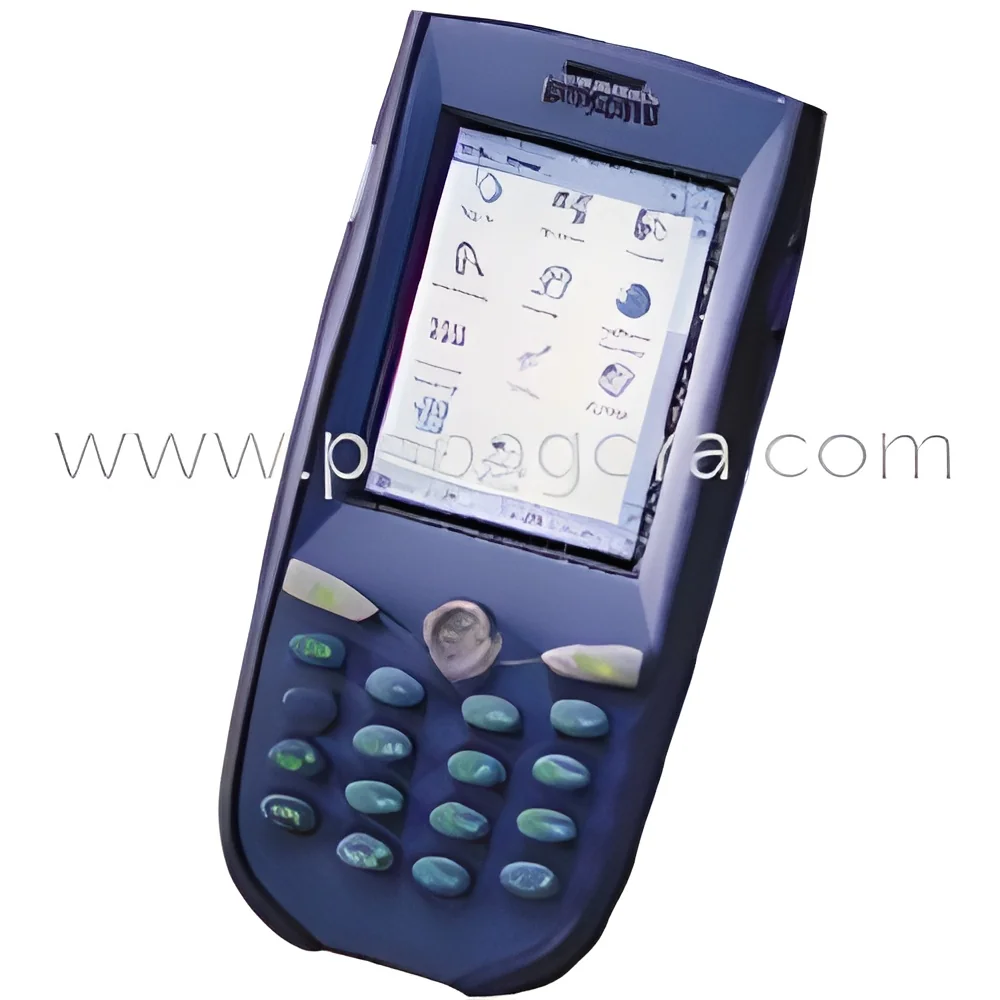
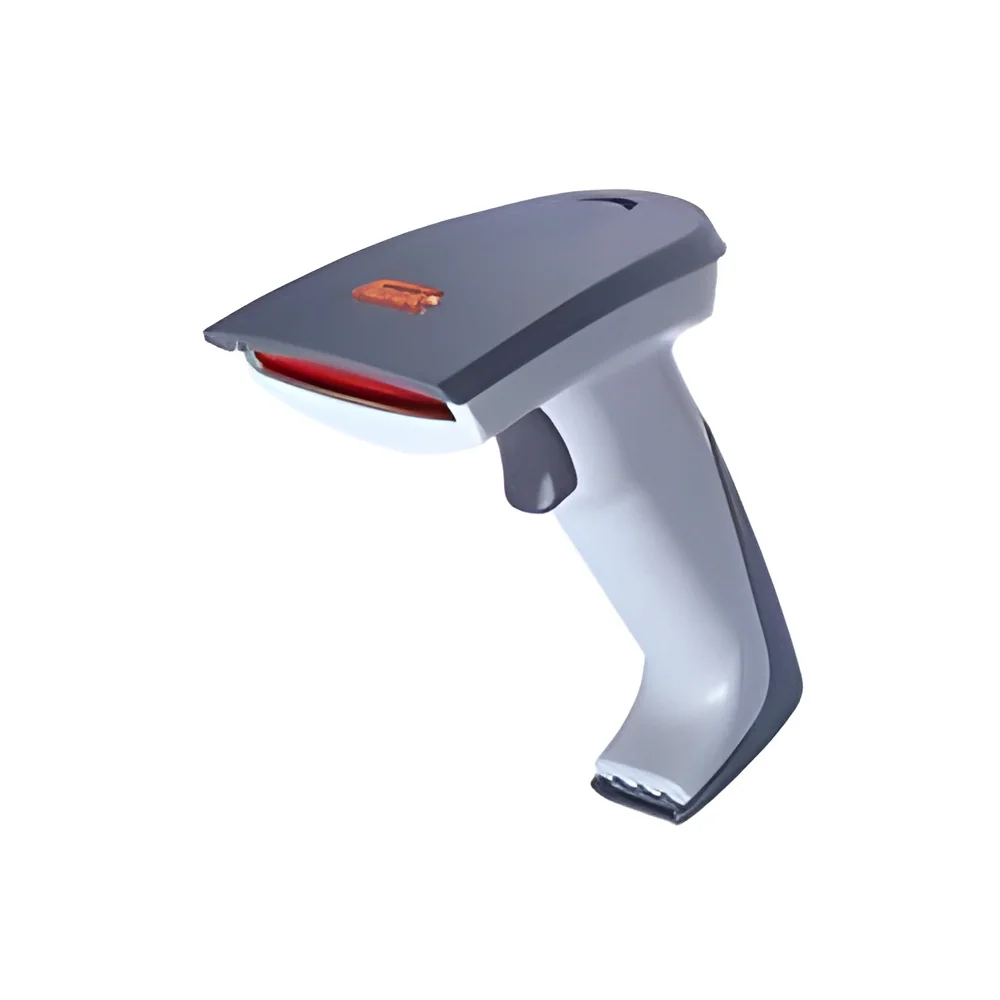
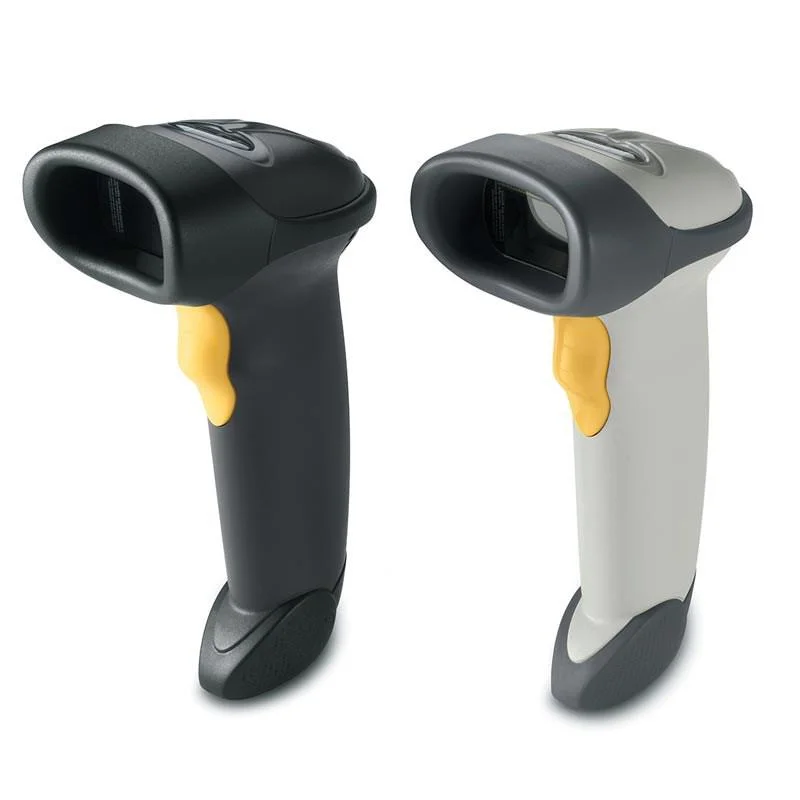
Handheld barcode scanners are portable devices designed to read and interpret barcodes, which are graphical representations of data. These scanners use laser or imaging technology to capture barcode information and convert it into a digital format. This process allows businesses to automate data entry, streamline operations, and improve accuracy in inventory management and point-of-sale transactions.
These scanners are widely used across various industries, including retail, logistics, healthcare, and manufacturing. They facilitate quick and efficient data collection, enabling businesses to track products, manage stock levels, and enhance customer service. With the increasing demand for automation and efficiency in business operations, handheld barcode scanners have become essential tools for enhancing productivity and operational efficiency in the marketplace.
The market for handheld barcode scanners continues to grow, driven by advancements in technology and the rising need for efficient data management solutions. As industries adopt more automated processes, the relevance of these devices increases, making them a vital component in the supply chain and retail ecosystems.
𝗞𝗲𝘆 𝗙𝗲𝗮𝘁𝘂𝗿𝗲𝘀 𝗮𝗻𝗱 𝗦𝗽𝗲𝗰𝗶𝗳𝗶𝗰𝗮𝘁𝗶𝗼𝗻𝘀
Handheld barcode scanners come with various features and specifications that cater to diverse business needs. Understanding these specifications can help buyers select the right device for their requirements.
Key specifications include:
1. Scanning Technology
- Laser or imaging (camera-based) technology
- Different technologies may affect scanning speed and accuracy
2. Scanning Range
- Varies from a few inches to several feet depending on the model
- Ideal for different operational environments
3. Connectivity Options
- USB, Bluetooth, or Wi-Fi connectivity for seamless integration
- Compatibility with various devices and systems
4. Durability
- Rugged designs to withstand drops and harsh environments
- IP ratings indicating dust and water resistance
5. Battery Life
- Varies based on usage; typically lasts from several hours to a full day
- Rechargeable options available
6. User Interface
- LCD screens for easy navigation and data display
- Ergonomic designs for comfortable handling during prolonged use
7. Software Compatibility
- Compatible with various operating systems and software applications
- Ability to integrate with inventory management and POS systems
8. Weight and Size
- Lightweight and compact designs for portability
- Varying sizes to suit different handling preferences
In summary, when selecting a handheld barcode scanner, consider the technology, connectivity, durability, and compatibility to ensure it meets your business needs.
𝗖𝗼𝗺𝗺𝗼𝗻 𝗔𝗽𝗽𝗹𝗶𝗰𝗮𝘁𝗶𝗼𝗻𝘀 𝗮𝗻𝗱 𝗨𝘀𝗲 𝗖𝗮𝘀𝗲𝘀
Handheld barcode scanners are utilized in numerous industries for various applications.
1. Retail: In retail environments, these scanners are used at checkout counters for quick item scanning, inventory management, and sales tracking. They enhance customer service by speeding up transaction times.
2. Warehousing: In warehouses, handheld scanners facilitate efficient stock management by allowing workers to quickly scan items during receiving, picking, and shipping processes, ensuring accurate inventory counts.
3. Healthcare: In healthcare settings, barcode scanners help track patient medications and manage medical supplies. They enhance safety and reduce errors in medication administration.
4. Manufacturing: In manufacturing, handheld scanners are used for tracking parts and materials throughout the production process. They support quality control and inventory management.
5. Logistics: Logistics companies use handheld scanners to track shipments and manage delivery processes. They provide real-time data on package location and status.
6. Field Service: Handheld barcode scanners are also used in field service operations to streamline work order management and inventory tracking on-site.
7. Libraries: In libraries, these devices assist in checking in and out books, managing inventory, and tracking patron activity.
𝗣𝗿𝗼𝗱𝘂𝗰𝘁 𝗩𝗮𝗿𝗶𝗮𝗻𝘁𝘀 𝗮𝗻𝗱 𝗦𝘂𝗯𝗰𝗮𝘁𝗲𝗴𝗼𝗿𝗶𝗲𝘀
Handheld barcode scanners come in various types, each designed for specific applications and environments.
General Purpose Barcode Scanners: These scanners are versatile and suitable for a range of applications across retail, logistics, and healthcare. They typically offer a balance of speed, accuracy, and durability.
Industrial Barcode Scanners: Designed for use in harsh environments, these scanners are rugged and often have features such as water and dust resistance. They are ideal for manufacturing and warehousing applications.
Bluetooth Barcode Scanners: These wireless scanners provide flexibility and mobility, allowing users to scan items without being tethered to a computer. They are especially useful in retail and field service.
𝗕𝗲𝗻𝗲𝗳𝗶𝘁𝘀 𝗮𝗻𝗱 𝗔𝗱𝘃𝗮𝗻𝘁𝗮𝗴𝗲𝘀
Handheld barcode scanners offer several key advantages that can enhance business operations.
1. Improved Efficiency: These devices automate data entry processes, significantly reducing the time spent on manual entry and minimizing errors.
2. Enhanced Accuracy: Scanning barcodes eliminates human error, leading to more accurate inventory management and record-keeping.
3. Cost Savings: By streamlining operations and reducing labor costs associated with manual data entry, businesses can achieve long-term cost savings.
4. Real-Time Data Access: Handheld scanners provide immediate access to data, enabling quick decision-making and better inventory control.
5. Versatility: These devices can be used in various industries and applications, making them a flexible solution for different business needs.
6. Increased Customer Satisfaction: Faster transaction times and accurate inventory tracking lead to improved customer experiences, fostering loyalty and repeat business.
𝗕𝘂𝘆𝗶𝗻𝗴 𝗚𝘂𝗶𝗱𝗲 𝗳𝗼𝗿 𝗕𝟮𝗕 𝗕𝘂𝘆𝗲𝗿𝘀
When sourcing handheld barcode scanners, B2B buyers should consider several important factors to ensure they select the right product.
1. Quality Assessment: Evaluate the quality of the scanners based on durability, reliability, and performance reviews. Look for models that meet industry standards and have a proven track record.
2. Supplier Verification: Vet suppliers by checking their credentials, customer reviews, and previous experience in the industry. Reliable suppliers should have a reputation for quality products and good customer service.
3. Pricing and MOQ: Understand the pricing structure and minimum order quantities (MOQ) required by suppliers. Ensure that the pricing aligns with your budget while considering the total cost of ownership.
4. Delivery and Lead Times: Confirm delivery options and lead times to ensure that the scanners can be delivered when needed. Consider logistics and any potential delays that may affect operations.
5. Compliance Requirements: Ensure that the scanners meet any relevant regulatory and compliance standards applicable to your industry. This may include certifications such as CE for safety and performance.
𝗖𝗼𝗺𝗽𝗹𝗶𝗮𝗻𝗰𝗲 𝗮𝗻𝗱 𝗖𝗲𝗿𝘁𝗶𝗳𝗶𝗰𝗮𝘁𝗶𝗼𝗻𝘀
Handheld barcode scanners must adhere to various compliance and certification standards to ensure safety and performance.
ISO 9001 is a widely recognized quality management standard that ensures manufacturers maintain high-quality processes in production.
CE certification indicates that the product meets European health, safety, and environmental protection standards. This certification is essential for devices sold within the European Union.
In addition to these standards, manufacturers must comply with safety and testing requirements specific to their industry and region. Compliance with local regulations ensures that products are safe for use and function as intended.
Buyers should also consider regional compliance issues, as different countries may have unique requirements for electronic devices. Understanding these regulations is crucial for ensuring that the products sourced meet all necessary legal standards.
𝗪𝗵𝘆 𝗦𝗼𝘂𝗿𝗰𝗲 𝗛𝗮𝗻𝗱𝗵𝗲𝗹𝗱 𝗕𝗮𝗿𝗰𝗼𝗱𝗲 𝗦𝗰𝗮𝗻𝗻𝗲𝗿𝘀 𝗳𝗿𝗼𝗺 𝗣𝗲𝗽𝗮𝗴𝗼𝗿𝗮?
Pepagora provides a trusted platform for sourcing handheld barcode scanners with several key advantages that benefit B2B buyers.
Verified Supplier Network: Pepagora has a robust network of verified suppliers who are committed to quality and reliability. This network ensures that buyers can find reputable manufacturers and products that meet their specific needs.
Streamlined RFQ Process: The request for quotation (RFQ) process on Pepagora is designed to be efficient and user-friendly. Buyers can easily submit their requirements and receive competitive quotes from multiple suppliers, saving time and effort.
Trade Assurance and Support: Pepagora offers trade assurance, providing buyers with confidence in their purchases. This includes support for resolving issues and ensuring that transactions are secure.
Regional Coverage: With a focus on markets in India, the GCC, and Southeast Asia, Pepagora provides extensive regional coverage. This makes it easier for businesses to source products that are tailored to their local market needs, enhancing accessibility and convenience.

 IN
IN