What are Logistics & Asset Tracking RFID Tags?
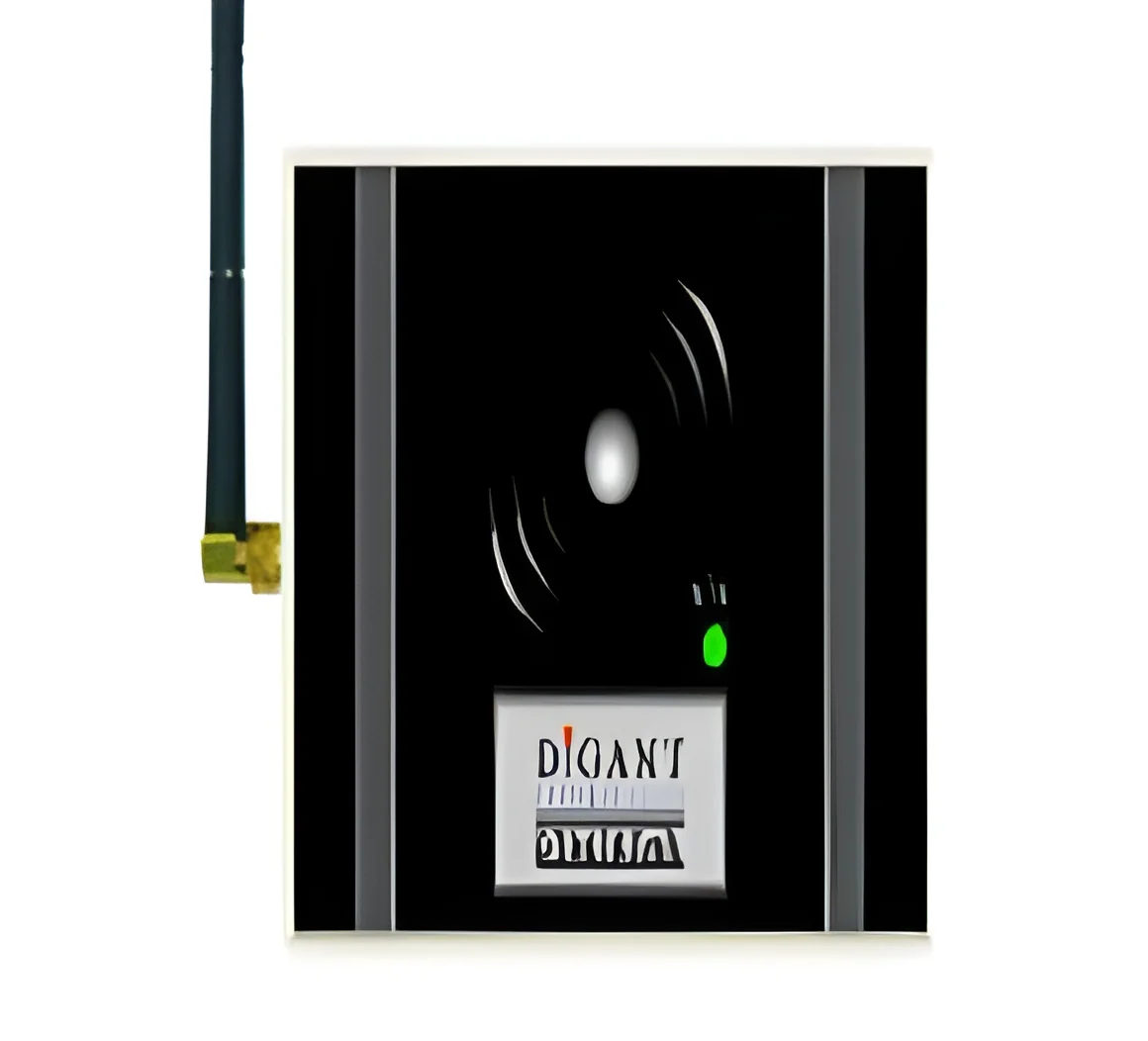
Logistics and Asset Tracking RFID Tags are advanced identification tools that utilize radio frequency identification technology to manage and monitor assets. These tags are attached to products, equipment, or other assets to facilitate automatic identification and data capture. RFID tags consist of a microchip and an antenna, enabling them to communicate with RFID readers. This technology allows for real-time tracking and inventory management, enhancing operational efficiency.
These tags are primarily used in various sectors, including supply chain management, manufacturing, and retail. Businesses deploy RFID tags to streamline inventory processes, reduce theft, and enhance asset visibility. The ability to quickly locate and track items in real time is invaluable for optimizing logistics operations. As industries increasingly adopt automation and digital solutions, RFID technology plays a crucial role in driving efficiency and accuracy.
In the current market, the relevance of RFID technology is growing rapidly. Companies are seeking innovative ways to improve their supply chain operations, and RFID tags offer a competitive edge. The rise of e-commerce and the need for effective inventory management are further pushing the demand for these tracking solutions.
Key Features and Specifications
Logistics and Asset Tracking RFID Tags come equipped with features that enhance their functionality and usability. These tags can vary widely in specifications, depending on their intended use and operational environment. Understanding these details is essential for businesses looking to implement RFID technology effectively.
Key specifications include:
1. Frequency Range
- RFID tags operate at low, high, or ultra-high frequencies.
- Typical ranges include low frequency (LF: 125-134 kHz), high frequency (HF: 13.56 MHz), and ultra-high frequency (UHF: 860-960 MHz).
2. Read Range
- The distance at which an RFID tag can be read varies based on the frequency and type of tag.
- UHF tags can typically be read from distances of up to 12 meters, while LF tags have shorter read ranges.
3. Memory Capacity
- RFID tags can store varying amounts of data.
- Memory can range from a few bytes to several kilobytes, depending on the application.
4. Tag Size and Form Factor
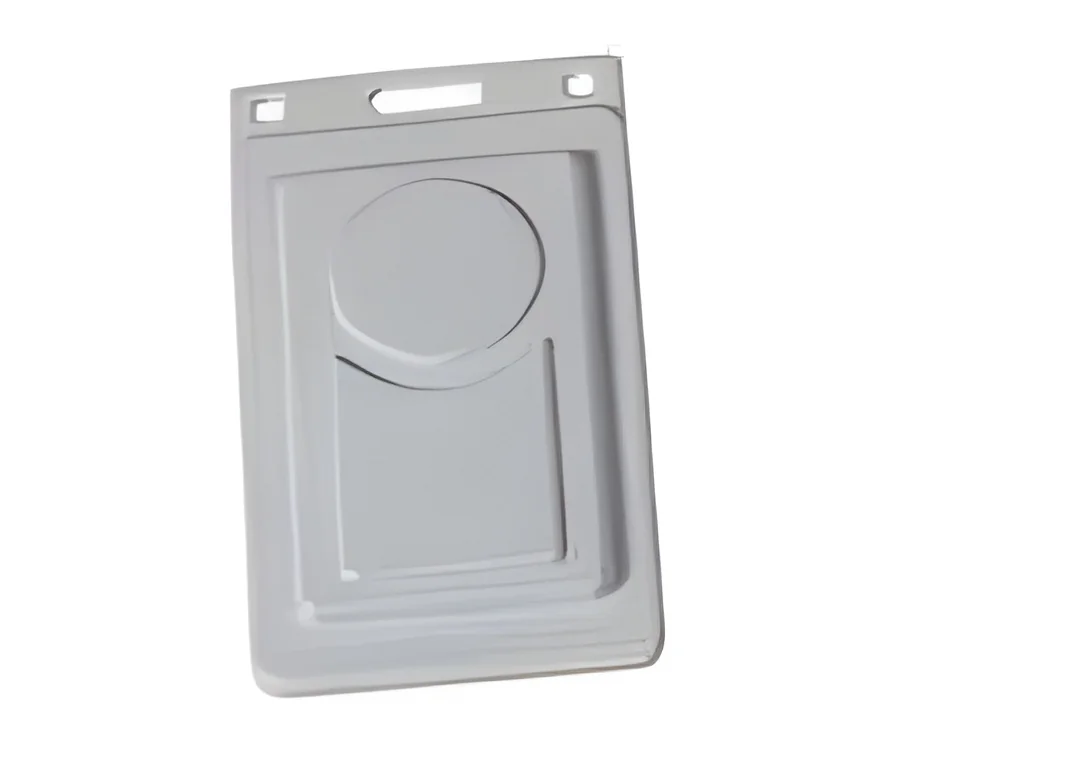
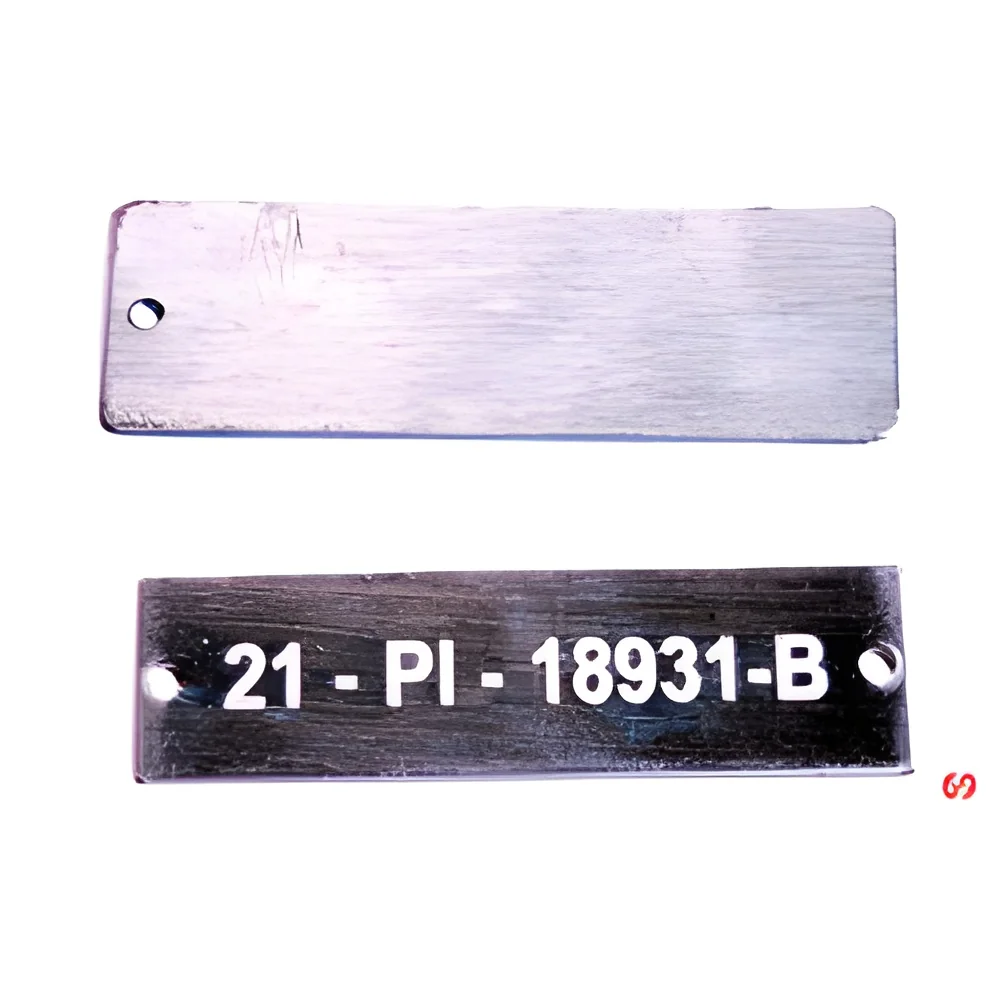
- RFID tags come in various sizes and shapes, including labels, cards, and embedded tags.
- The choice of form factor depends on the asset being tracked.
5. Environmental Resistance
- Many RFID tags are designed to withstand harsh conditions.
- Tags may be rated for temperature extremes, humidity, and exposure to chemicals.
6. Power Source
- RFID tags can be passive, active, or semi-passive.
- Passive tags draw power from the RFID reader, while active tags have their own power source.
7. Data Encryption
- Advanced RFID tags offer data encryption for enhanced security.
- This feature protects sensitive information during transmission.
8. Monitoring Features
- Some RFID tags come with built-in monitoring capabilities.
- This enables tracking of environmental conditions such as temperature and humidity.
In summary, understanding the specifications of RFID tags is vital for businesses aiming to leverage this technology effectively. Selecting the right tags based on their features can significantly enhance asset tracking and management processes.
Common Applications and Use Cases
Logistics and Asset Tracking RFID Tags are utilized across various industries, enhancing efficiency and accuracy in asset management.
1. Retail: RFID tags are widely used for inventory management in retail environments. They enable real-time tracking of products on shelves, reducing stock discrepancies and improving customer service.
2. Manufacturing: In manufacturing, RFID tags facilitate the tracking of components and finished goods throughout the production process. This leads to improved workflow and reduced downtime.
3. Healthcare: RFID tags are employed in healthcare settings to track medical equipment, pharmaceuticals, and patient records. This ensures quick access to critical information and enhances patient safety.
4. Transportation and Logistics: RFID technology is essential in transportation for tracking shipments and managing warehouse inventory. This streamlines logistics operations and reduces losses.
5. Automotive: In the automotive industry, RFID tags are used to track parts and ensure quality control during manufacturing processes. They help maintain efficient supply chain management.
6. Aerospace: Aerospace companies utilize RFID tags to track components and ensure compliance with stringent safety regulations. This enhances accountability and traceability.
7. Agriculture: RFID technology is increasingly being used in agriculture for tracking livestock and monitoring crop conditions, improving overall farm management.
Product Variants and Subcategories
Logistics and Asset Tracking RFID Tags offer a diverse range of options to meet different business needs. Each variant is designed with specific features tailored to various applications.
Passive RFID Tags: These tags do not have their own power source and rely on the RFID reader for energy. They are commonly used for inventory management and asset tracking due to their cost-effectiveness and durability.
Active RFID Tags: Unlike passive tags, active RFID tags come with their own power source, allowing for longer read ranges and more extensive data storage. They are ideal for tracking high-value assets over larger distances.
Semi-Passive RFID Tags: These tags combine features of both passive and active tags. They have a battery for powering the onboard circuitry but rely on an external reader for communication. They are suitable for environments that require both data logging and passive tracking.
Benefits and Advantages
Logistics and Asset Tracking RFID Tags provide numerous advantages that can significantly enhance business operations.
1. Improved Accuracy: RFID technology minimizes human error in inventory tracking, leading to more accurate data and fewer discrepancies.
2. Increased Efficiency: Automated tracking reduces the time spent on manual inventory management, allowing staff to focus on more strategic tasks.
3. Enhanced Visibility: Real-time tracking provides businesses with insights into asset locations, improving visibility across the supply chain.
4. Cost Reduction: By streamlining processes and reducing losses, RFID technology can lead to significant cost savings for businesses.
5. Better Security: RFID tags can include encryption and monitoring features, enhancing the security of sensitive assets.
6. Scalability: RFID technology can easily be scaled to accommodate growing business needs, making it a future-proof investment.
Buying Guide for B2B Buyers
When sourcing Logistics and Asset Tracking RFID Tags, it is essential for businesses to consider several factors to ensure they make an informed decision.
1. Quality Assessment: Evaluate the quality of RFID tags based on durability, performance, and reliability. Look for suppliers that adhere to industry standards.
2. Supplier Verification: Conduct thorough research to verify suppliers' credibility. Check for customer reviews and industry certifications to ensure they meet required standards.
3. Pricing and MOQ: Understand the pricing structure and minimum order quantities (MOQ) to align with your budget and inventory needs. Compare quotes from multiple suppliers.
4. Delivery and Lead Times: Assess the supplier's ability to meet your delivery timelines. Ensure they can provide quick lead times to avoid disruptions in your operations.
5. Compliance Requirements: Verify that the RFID tags meet relevant regulatory compliance requirements for your industry. This includes safety standards and environmental regulations.
Compliance and Certifications
Compliance is crucial for Logistics and Asset Tracking RFID Tags to ensure they meet industry standards and regulations. Relevant quality standards include ISO 9001, which focuses on quality management systems, and HACCP, which is essential in food safety management.
Additionally, RFID tags may have certifications such as CE, indicating compliance with European health, safety, and environmental protection standards. Compliance with safety and testing requirements is vital for guaranteeing the reliability of RFID technology in various applications.
Regional compliance considerations should also be taken into account, especially for businesses operating in multiple countries. Understanding local regulations can prevent potential legal issues and ensure smooth operations.
Why Source Logistics & Asset Tracking RFID Tags from Pepagora?
Pepagora provides a trusted platform for sourcing Logistics and Asset Tracking RFID Tags, offering several key advantages that make it an ideal choice for businesses.
Verified Supplier Network: Pepagora has a robust network of verified suppliers, ensuring that buyers can find reliable sources for high-quality RFID tags. This verification process helps mitigate risks associated with sourcing.
Streamlined RFQ Process: The platform simplifies the quotation process, allowing buyers to easily request and compare offers from multiple suppliers. This transparency fosters competitive pricing and informed decision-making.
Trade Assurance and Support: Pepagora offers trade assurance and support, providing buyers with protection throughout the purchasing process. This enhances buyer confidence and mitigates risks.
Regional Coverage: With a strong presence in India, the GCC, and Southeast Asia, Pepagora ensures that businesses can access a wide range of solutions tailored to their regional needs. This geographic reach enhances sourcing flexibility and efficiency.

 IN
IN