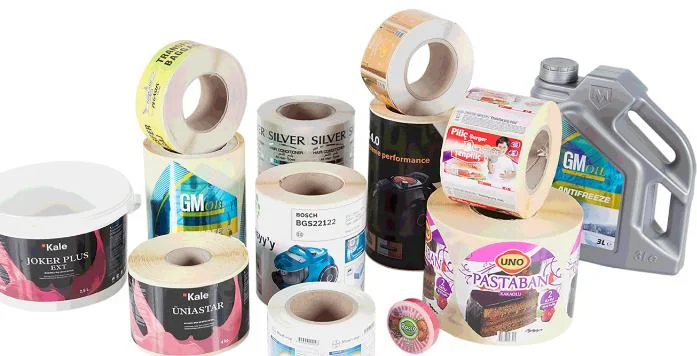
What are QR Code Labels?
QR Code Labels are specialized labels that include a Quick Response (QR) code, which can be scanned using smartphones or dedicated QR code readers. These labels serve as a bridge between the physical and digital worlds, allowing businesses to provide instant access to information, links, or multimedia content. QR codes can store various types of data, including URLs, text, and contact information, making them versatile tools for information sharing.
The primary uses of QR Code Labels span across marketing, inventory management, and product tracking. In marketing, businesses utilize these labels to direct customers to promotional content, websites, or product details. In inventory management, they help streamline processes by providing real-time access to product information, enhancing efficiency. The growing prevalence of mobile devices has further accelerated the adoption of QR codes in various sectors, making them relevant in retail, logistics, and beyond.
As industries evolve, QR Code Labels have become increasingly important in enhancing customer engagement and operational efficiency. The market for QR codes has grown significantly, especially since the rise of e-commerce and digital marketing strategies. Companies that leverage this technology can offer more interactive experiences to their customers while optimizing their internal processes.
Key Features and Specifications
QR Code Labels come with several key features that enhance their usability and effectiveness. Understanding these features is vital for businesses looking to incorporate them into their operations.
Key specifications include:
1. Print Quality
- High-resolution printing ensures that QR codes remain scannable.
- Typically ranges from 300 to 600 DPI.
2. Material Type
- Labels can be made from various materials such as paper, vinyl, or synthetic options.
- Each material offers different durability and performance characteristics.
3. Adhesive Strength
- Varies based on application needs, from standard to high-tack adhesives.
- Ensures labels stay affixed in different environments.
4. Size and Shape
- Available in various sizes and shapes to accommodate different products.
- Custom sizing options are often available.
5. Customization Options
- Ability to customize QR codes with logos or colors.
- Helps brands maintain visual identity.
6. Durability
- Options for weatherproof and tear-resistant labels.
- Ideal for outdoor or rugged use.
7. Compliance with Standards
- Adherence to relevant industry standards, such as CE certification.
- Ensures quality and safety.
8. Data Capacity
- QR codes can store a significant amount of data, typically up to 7,089 numeric characters.
- Allows for comprehensive information to be encoded.
These specifications ensure that businesses can select the right QR Code Labels to meet their specific requirements.
Common Applications and Use Cases
QR Code Labels are utilized across a variety of industries, providing practical solutions for many business needs.
1. Retail: In retail environments, QR Code Labels are often used for product information, promotions, and customer engagement. They allow customers to quickly access details about products or special offers.
2. Logistics: In logistics, QR Code Labels streamline inventory management by tracking shipments and providing real-time updates on product location and status.
3. Manufacturing: Manufacturers use QR Code Labels for asset tracking, quality control, and compliance documentation, facilitating smoother operations.
4. Healthcare: In healthcare, these labels provide crucial patient information, medication details, and tracking for medical equipment, enhancing safety and efficiency.
5. Event Management: QR Code Labels are used for ticketing and event access, allowing quick scanning for entry and reducing wait times.
6. Food and Beverage: In the food industry, QR Code Labels can provide detailed product information, including ingredients and sourcing, to enhance transparency with consumers.
7. Education: Educational institutions use QR Code Labels for interactive learning materials, linking students to additional resources or assignments.
Product Variants and Subcategories
QR Code Labels come in a diverse range of variants to suit various applications and preferences. Each variant is designed to cater to specific needs.
Standard QR Code Labels
These labels feature basic QR codes that can be printed on a variety of materials. They are suitable for general use, including product labeling and marketing.
Custom QR Code Labels
With customization options available, these labels allow businesses to incorporate logos and colors. They enhance brand visibility while maintaining the functionality of a QR code.
Durable QR Code Labels
These labels are designed for rugged environments, made from weatherproof and tear-resistant materials. They are ideal for outdoor applications or industries where durability is essential.
Benefits and Advantages
QR Code Labels offer numerous benefits that can enhance business operations and customer experiences.
1. Enhanced Engagement: QR codes provide instant access to information, encouraging customer interaction and engagement with products or services.
2. Improved Efficiency: By streamlining processes such as inventory management and tracking, businesses can save time and resources.
3. Cost-Effective Marketing: QR Code Labels serve as low-cost marketing tools that can direct customers to online content without the need for printed materials.
4. Versatility: These labels can be used across different industries and applications, making them a flexible solution for businesses.
5. Increased Transparency: By providing detailed information about products, businesses can build trust with consumers, especially in sectors like food and healthcare.
6. Easy Updates: Information linked to QR codes can be easily updated, ensuring that customers always have access to the latest data without needing new labels.
Buying Guide for B2B Buyers
When sourcing QR Code Labels, it is important for businesses to consider several key factors to ensure they select the best option for their needs.
1. Quality Assessment: Review print quality, material durability, and adhesive strength to ensure the labels will perform well in their intended environments.
2. Supplier Verification: Vet potential suppliers for reliability and reputation. Look for reviews, certifications, and previous client experiences to ensure quality.
3. Pricing and MOQ: Understand the pricing structure and minimum order quantities (MOQs) to align your purchase with budget constraints and operational needs.
4. Delivery and Lead Times: Confirm logistics and lead times with suppliers to ensure timely delivery that meets your project timelines.
5. Compliance Requirements: Verify that the labels comply with relevant industry standards and regulations to ensure safety and quality.
Compliance and Certifications
QR Code Labels must meet specific compliance and certification standards to guarantee their quality and safety in various applications.
Relevant quality standards, such as ISO 9001, ensure that manufacturing processes uphold high-quality management principles. This certification indicates that the products meet customer and regulatory requirements consistently.
Additionally, CE certification is important, particularly in European markets, as it demonstrates compliance with health, safety, and environmental protection standards.
Safety and testing requirements may vary by industry, but generally, labels should undergo rigorous testing to ensure they can withstand environmental factors and maintain functionality.
Lastly, regional compliance considerations may play a role in sourcing decisions. Different regions may have specific regulations governing labeling, which businesses must adhere to.
Why Source QR Code Labels from Pepagora?
Pepagora provides a trusted platform for sourcing QR Code Labels, offering several key advantages for businesses.
Verified Supplier Network: Pepagora connects buyers with a network of verified suppliers. This ensures that businesses can find reputable manufacturers that meet their quality standards.
Streamlined RFQ Process: The platform features an efficient Request for Quotation (RFQ) system, allowing buyers to easily request quotes from multiple suppliers. This simplifies the procurement process and promotes competitive pricing.
Trade Assurance and Support: Pepagora offers trade assurance and buyer protection, giving businesses peace of mind when sourcing products. This support includes ensuring timely delivery and adherence to quality standards.
Regional Coverage: With a strong presence in India, the GCC, and Southeast Asia, Pepagora provides extensive regional coverage, making it easier for businesses to find suitable suppliers in their geographical area. This broad reach enhances accessibility for companies looking to source QR Code Labels.

 IN
IN