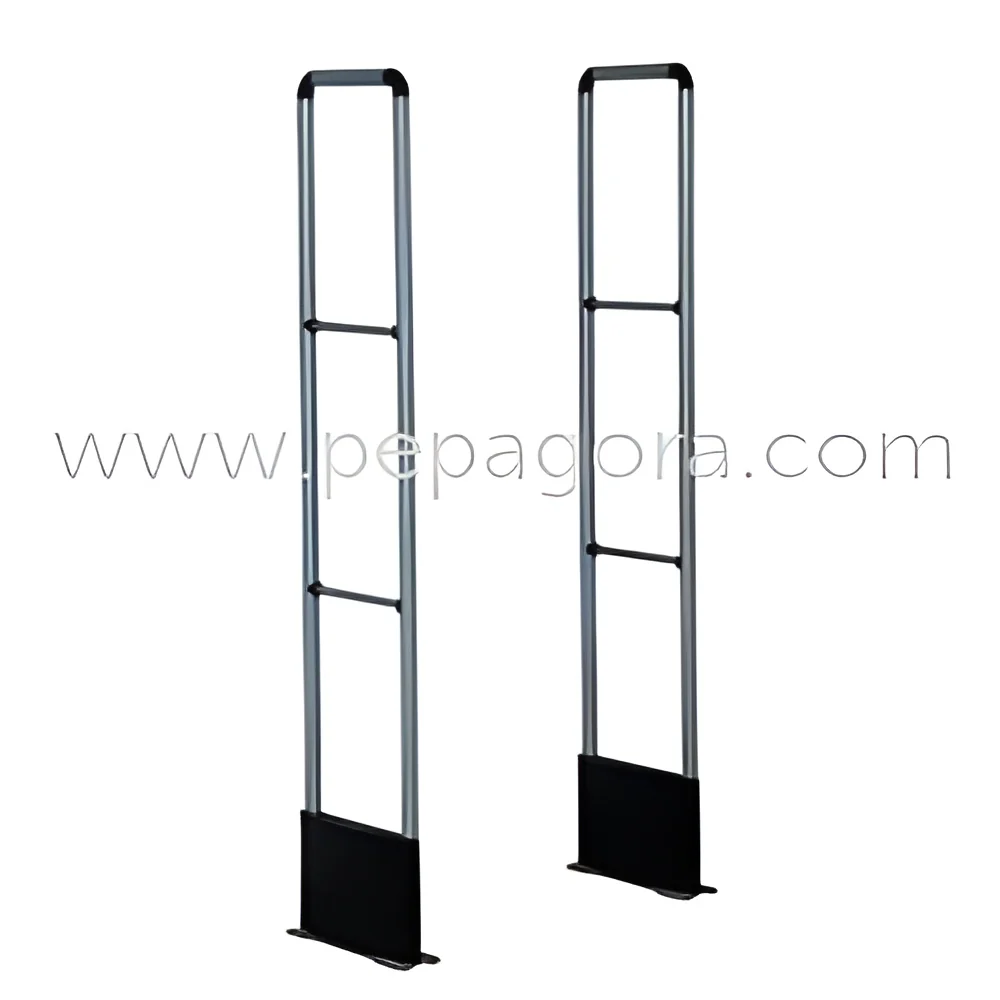
Key Features and Specifications
Retail Security Tags (RFID) come with several key features that enhance their functionality and effectiveness. Understanding these specifications is crucial for businesses looking to implement RFID solutions.
Key specifications include:
1. Tag Type
- Passive RFID tags are powered by the reader and do not require a battery.
- Active RFID tags have their own power source, allowing for longer read ranges.
2. Frequency Range
- Common RFID frequencies include low frequency (LF), high frequency (HF), and ultra-high frequency (UHF).
- UHF tags are widely used in retail for their long read distances.
3. Read Range
- The typical read range for RFID retail security tags varies from a few centimeters to several meters, depending on the tag type and reader specifications.
4. Material Composition
- RFID tags can be made from various materials, including plastic and paper, which affect their durability and application.
5. Customizability
- Many RFID tags can be customized with logos or specific information to meet branding and operational needs.
6. Data Storage Capacity
- RFID tags can store varying amounts of data, from simple identifiers to more complex information about the product.
7. Environmental Resistance
- Some RFID tags are designed to withstand extreme temperatures and humidity, making them suitable for various retail environments.
8. Security Features
- Enhanced security features may include encryption and anti-tamper mechanisms to protect against unauthorized access.
In summary, RFID retail security tags offer a range of features and specifications that enhance their effectiveness in preventing theft and managing inventory.
Common Applications and Use Cases
Retail Security Tags (RFID) are utilized across various industries, providing solutions tailored to specific operational needs.
1. Apparel Retail: In clothing stores, RFID tags help monitor inventory levels and prevent theft. They allow for efficient stocktaking and improve overall inventory accuracy.
2. Electronics: Retailers of electronics use RFID tags to protect high-value items. The tags not only deter theft but also help manage stock levels effectively.
3. Cosmetics: In the beauty industry, RFID tags are used to secure products and streamline checkout processes, enhancing customer satisfaction.
4. Grocery Stores: RFID technology assists in tracking perishables and managing inventory, reducing waste and ensuring freshness.
5. Footwear: Retailers of footwear utilize RFID tags to combat shrinkage, streamline inventory management, and enhance customer experiences.
6. Home Goods: In stores selling home goods, RFID tags help keep track of a diverse range of products and enhance supply chain efficiency.
7. Luxury Goods: High-end retailers leverage RFID tags to prevent theft of valuable items while improving inventory accuracy.
Product Variants and Subcategories
Retail Security Tags (RFID) come in various formats to suit different needs within the retail sector. Each variant offers distinct features and applications.
Standard RFID Tag
These are the most common type of RFID retail security tags. They are lightweight, easy to attach, and suitable for a wide range of products. Their versatility makes them a popular choice among retailers.
Hard Tag
Hard tags are more robust and provide enhanced security for high-value items. They are often used in electronics and luxury goods, ensuring products remain secured until checkout.
Soft Tag
Soft tags are designed for use on clothing and other fabric items. They are flexible and can be easily attached or removed during the sales process.
Benefits and Advantages
Retail Security Tags (RFID) deliver numerous benefits that can enhance retail operations and security.
1. Theft Prevention: RFID tags significantly reduce shrinkage by deterring theft and providing greater security for merchandise.
2. Inventory Accuracy: These tags improve inventory management by providing real-time data on stock levels and locations, reducing discrepancies.
3. Efficient Checkouts: RFID technology streamlines the checkout process, allowing for faster transactions and improved customer satisfaction.
4. Enhanced Data Management: RFID tags enable retailers to collect valuable data on consumer behavior and inventory turnover, assisting in strategic decision making.
5. Reduced Labor Costs: Automation of inventory tracking reduces the need for manual stocktaking, leading to lower labor costs and increased efficiency.
6. Customization Opportunities: Retailers can customize RFID tags to incorporate branding and specific product information, enhancing marketing efforts.
Buying Guide for B2B Buyers
When sourcing Retail Security Tags (RFID), businesses should consider several critical factors to ensure optimal selection.
1. Quality Assessment: Evaluate the quality of the tags based on durability, reliability, and performance. Look for tags that meet industry standards and have a proven track record.
2. Supplier Verification: Vet potential suppliers thoroughly to ensure they have a history of reliability and customer satisfaction. Check for references and reviews to gauge their reputation.
3. Pricing and MOQ: Understand the pricing structure and minimum order quantities, as these can vary significantly among suppliers. Ensure the pricing aligns with your budget and needs.
4. Delivery and Lead Times: Assess logistics capabilities and lead times for delivery. Timely delivery is crucial to maintaining inventory levels and fulfilling customer demand.
5. Compliance Requirements: Ensure that the RFID tags comply with relevant industry regulations and standards to avoid legal and operational issues.
Compliance and Certifications
Retail Security Tags (RFID) must adhere to various compliance standards and certifications to ensure quality and safety.
Relevant quality standards include ISO 9001, which outlines requirements for a quality management system, and HACCP, ensuring food safety practices are maintained. Though specific standards for RFID tags are not detailed, adherence to general quality management principles is essential.
Industry certifications such as CE signify that products meet European safety and environmental requirements. Additionally, safety and testing requirements are crucial for ensuring RFID tags function correctly and do not pose risks to users.
Regional compliance considerations must also be taken into account. Different regions may have specific regulations governing electronic devices and security technologies, necessitating thorough research and adherence to local laws.
Why Source Retail Security Tags (RFID) from Pepagora?
Pepagora is a trusted platform for sourcing Retail Security Tags (RFID), offering several key advantages for B2B buyers.
Verified Supplier Network: Pepagora features a network of verified suppliers who have undergone thorough vetting processes. This ensures that buyers can source high-quality products from reliable manufacturers.
Streamlined RFQ Process: The platform simplifies the request for quotation process, enabling buyers to obtain competitive pricing and product options quickly. This efficiency saves time and streamlines procurement.
Trade Assurance and Support: Pepagora provides trade assurance to protect buyers during transactions. Their dedicated support team assists buyers in navigating the sourcing process, ensuring a smooth experience.
Regional Coverage: With a strong presence in India, the GCC, and Southeast Asia, Pepagora offers extensive geographic reach. This allows businesses to source RFID solutions tailored to their specific regional needs and market dynamics.

 IN
IN