𝗪𝗵𝗮𝘁 𝗮𝗿𝗲 𝗕𝗮𝗿𝗰𝗼𝗱𝗲 𝗟𝗮𝗯𝗲𝗹𝘀 & 𝗥𝗙𝗜𝗗 𝗧𝗮𝗴𝘀?
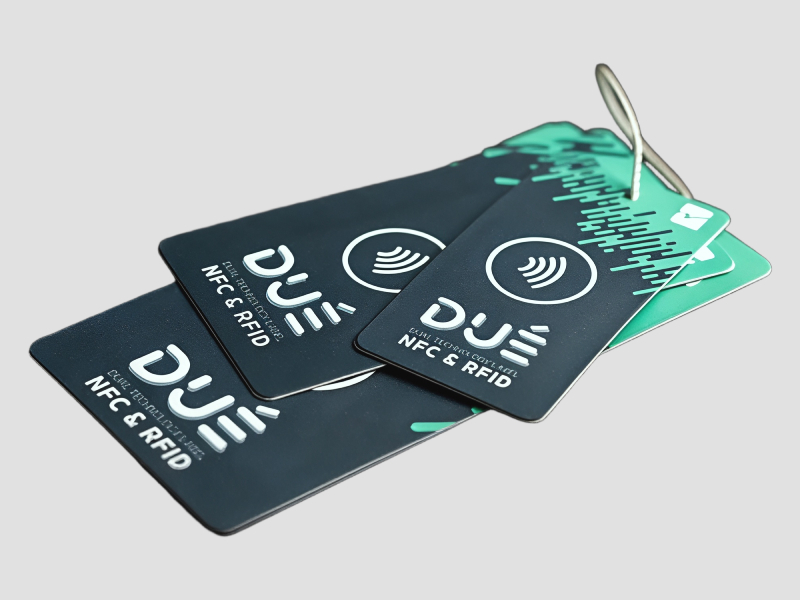
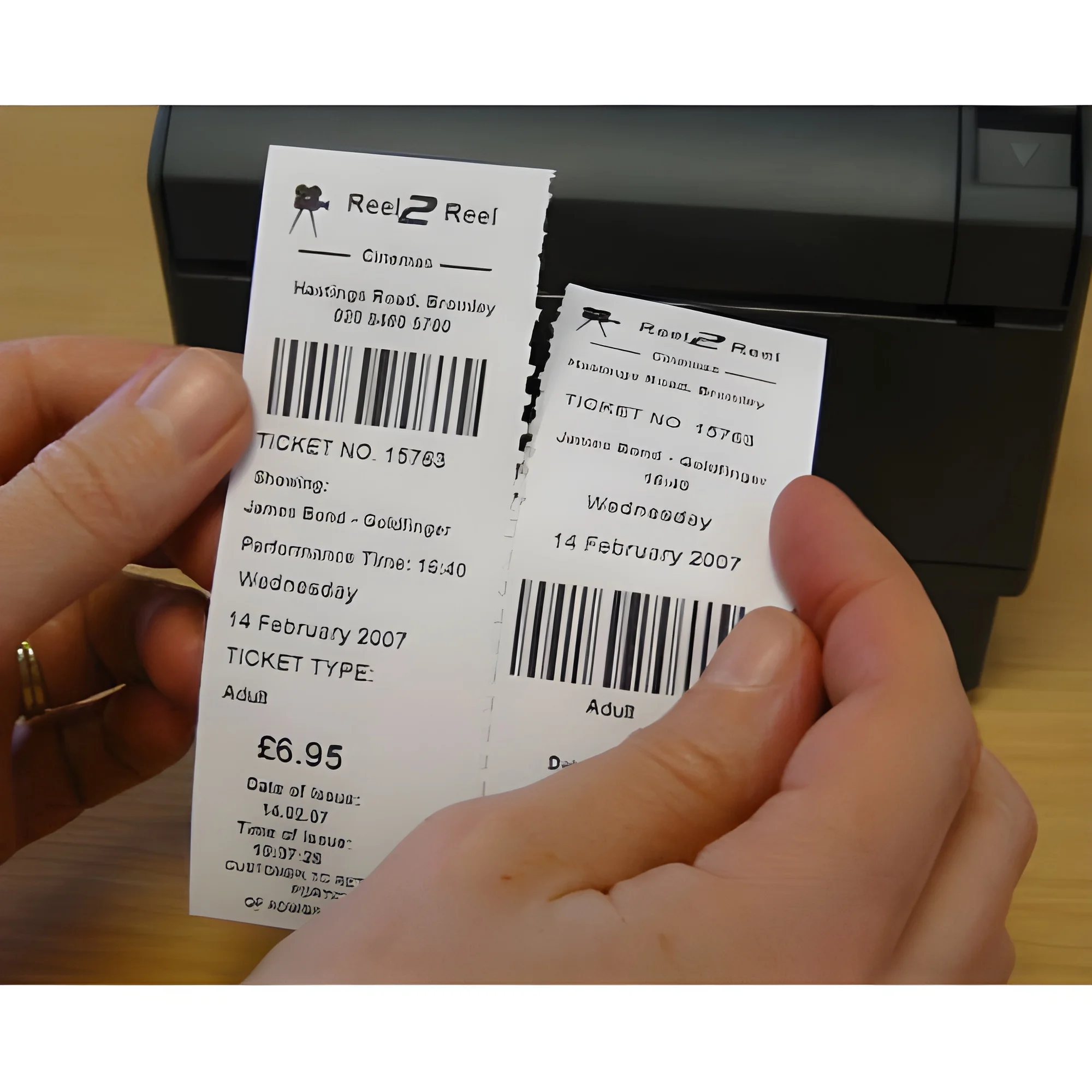
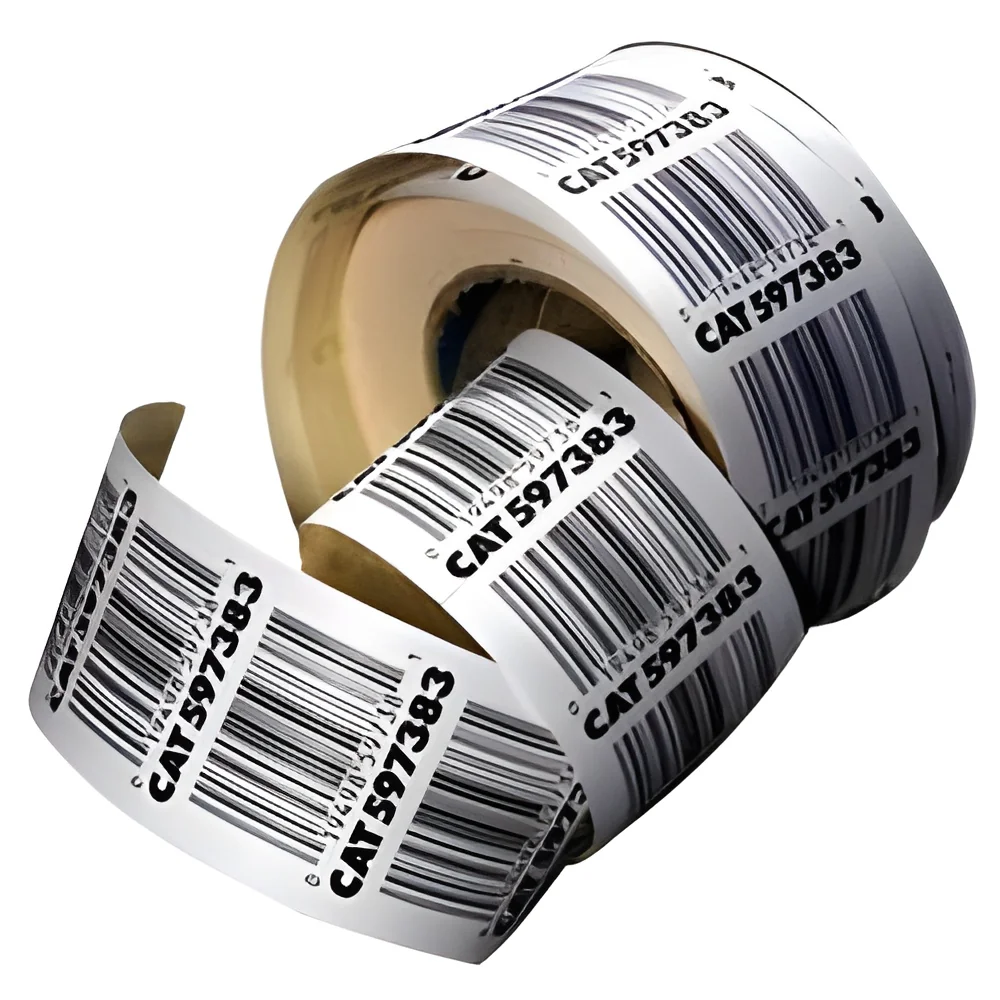
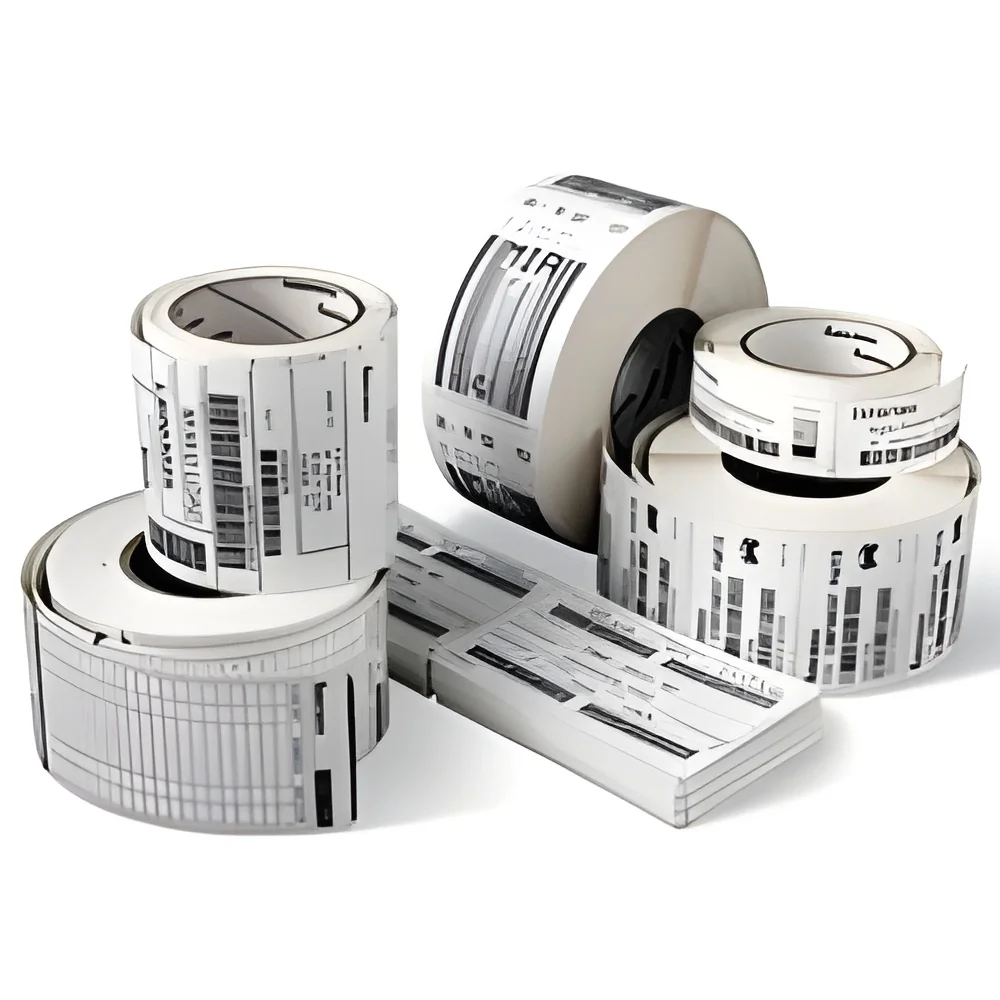
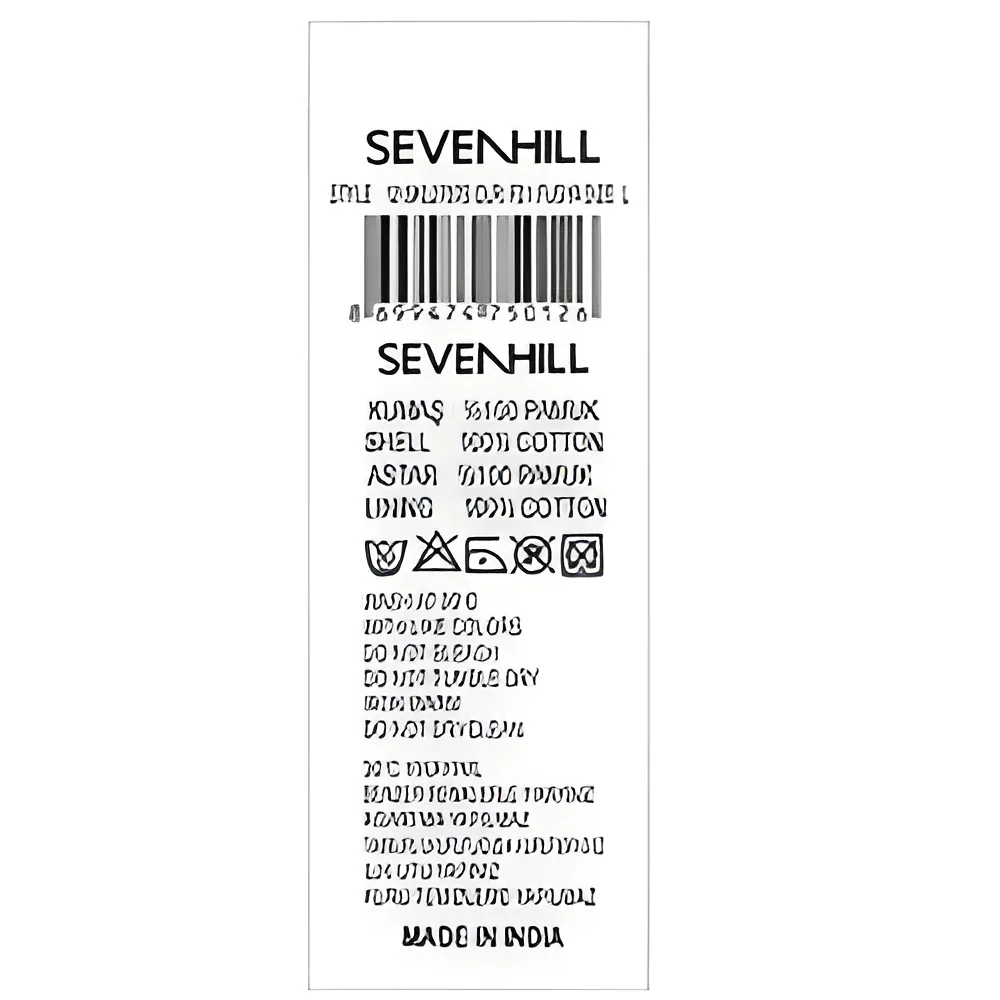
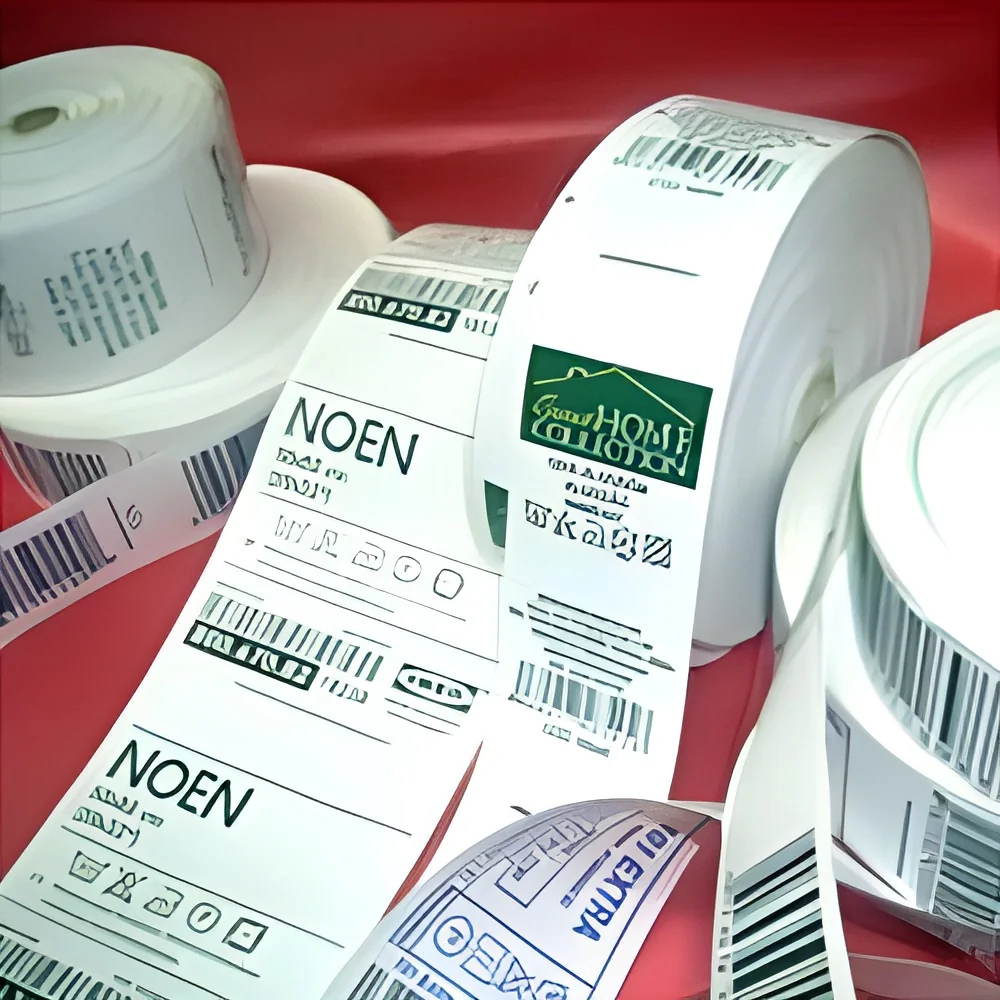
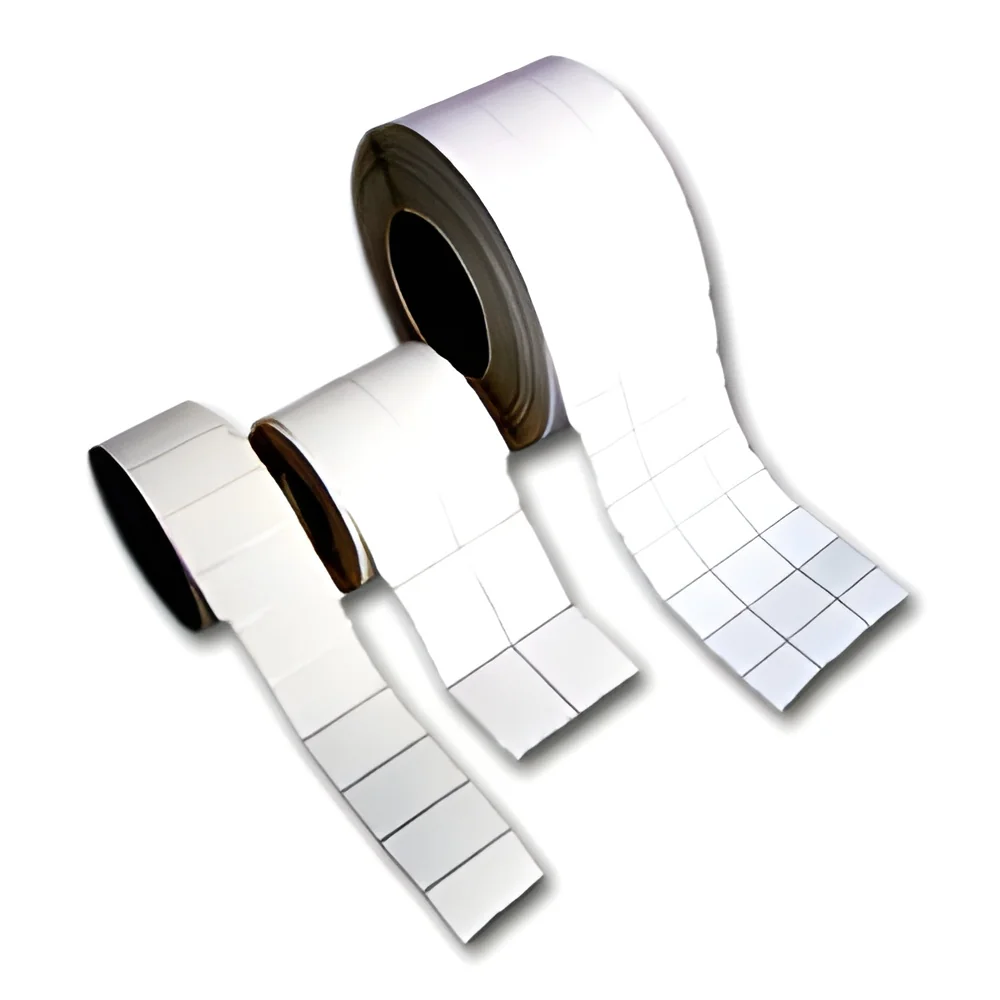
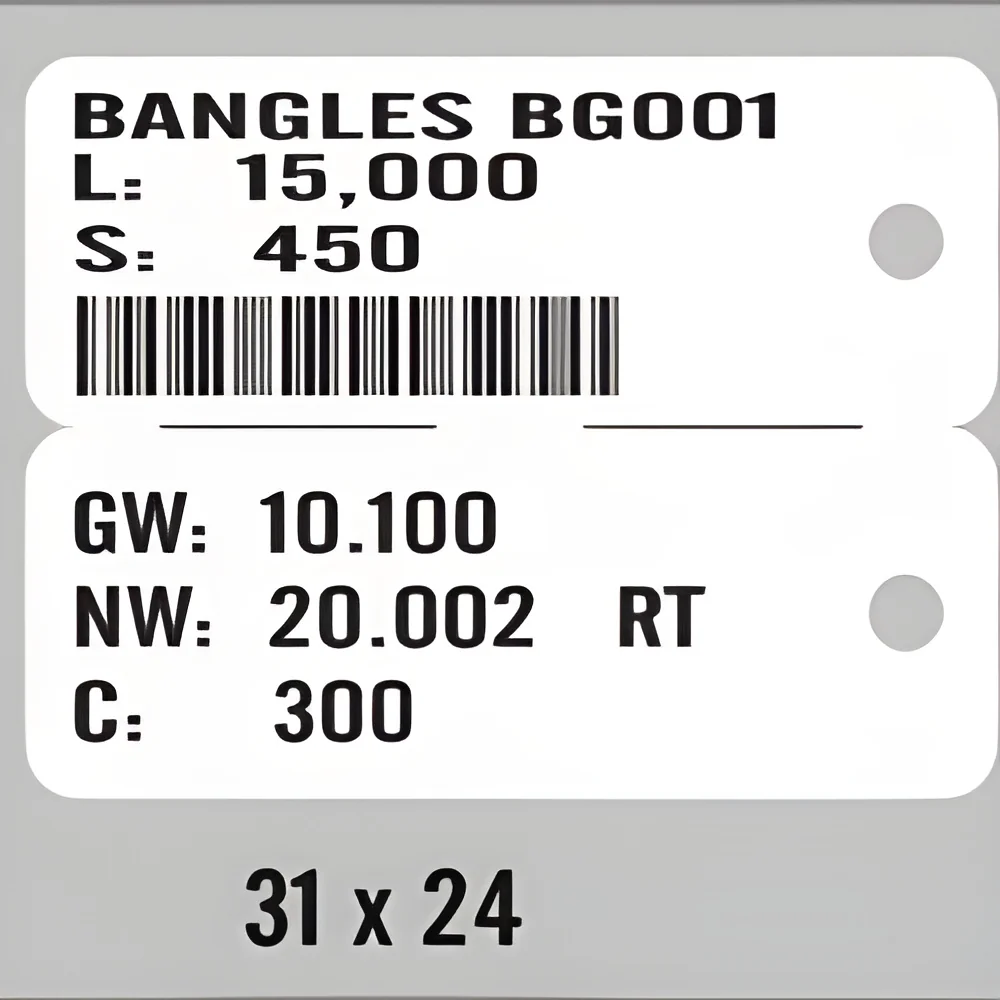
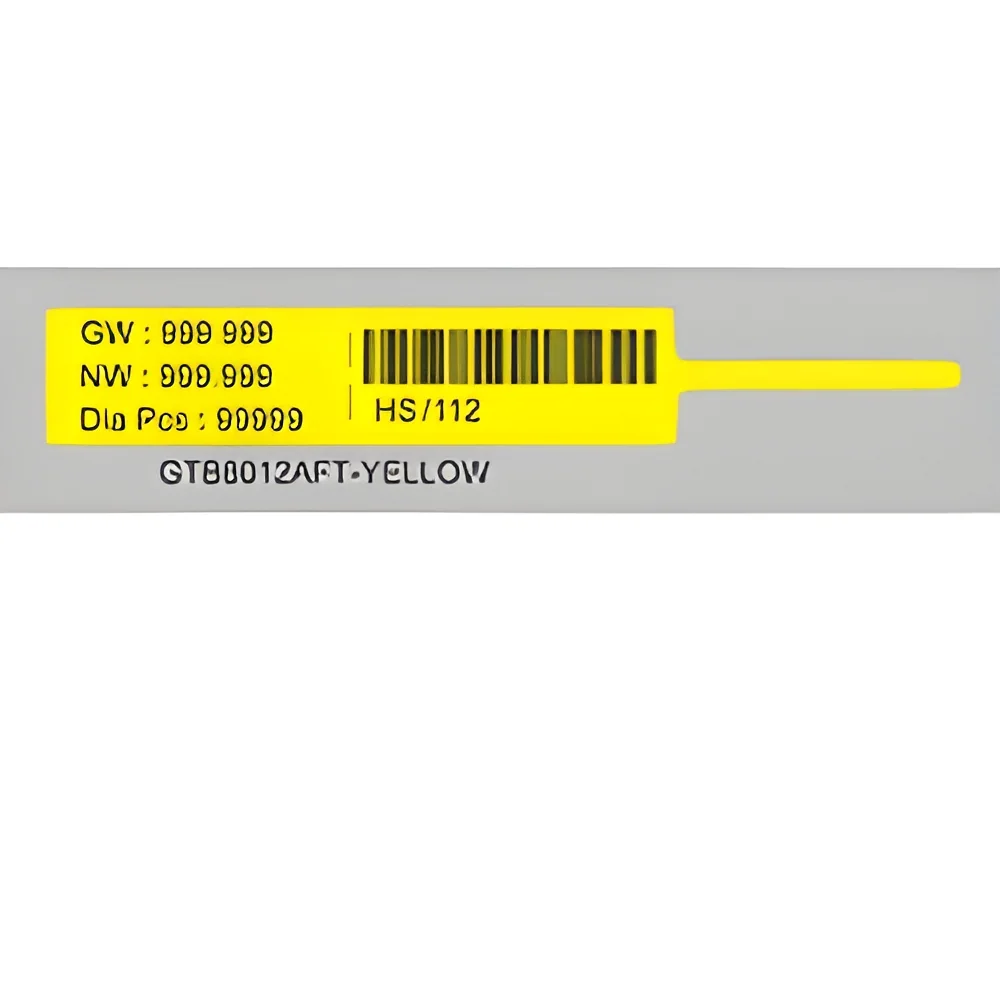
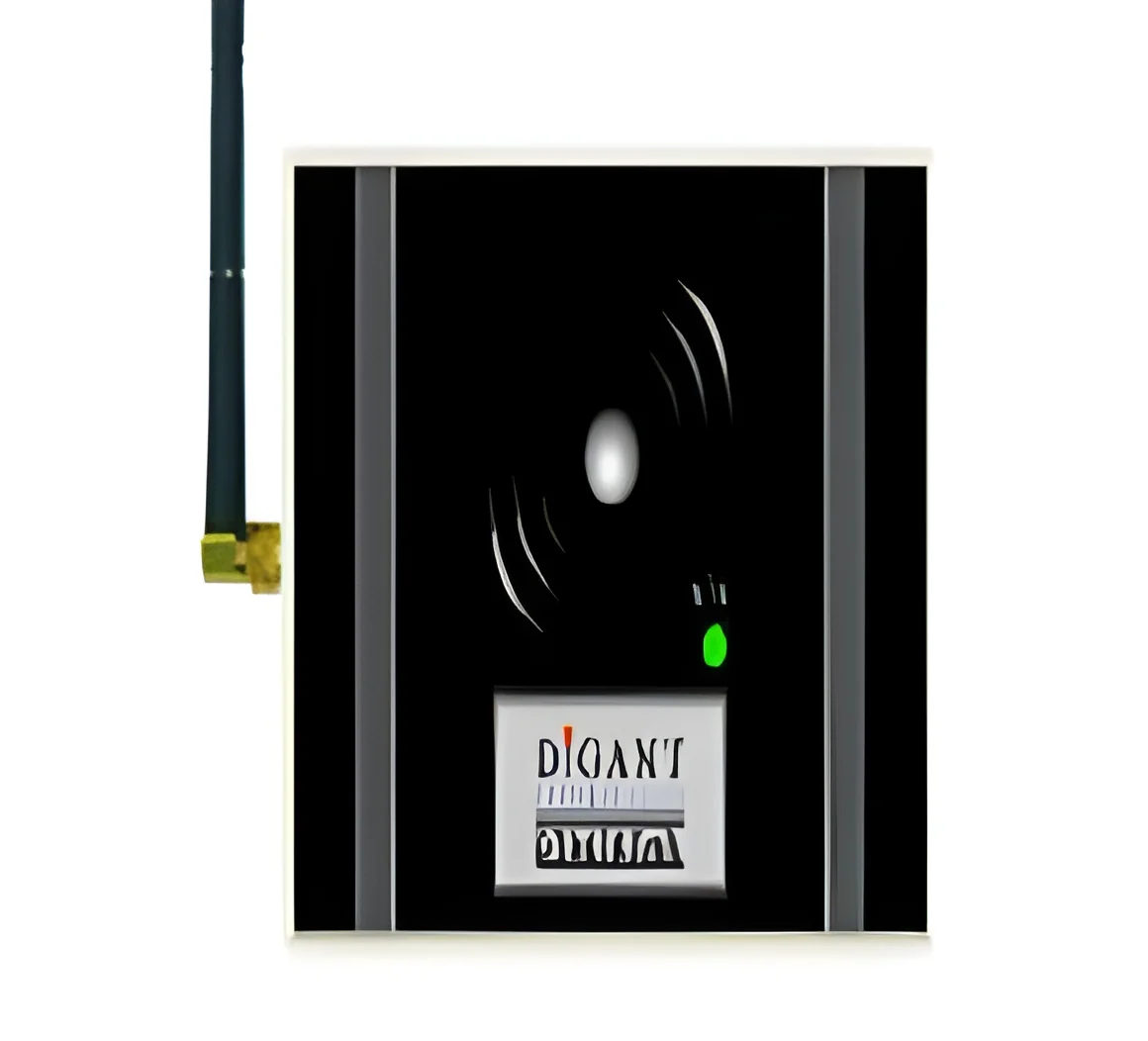
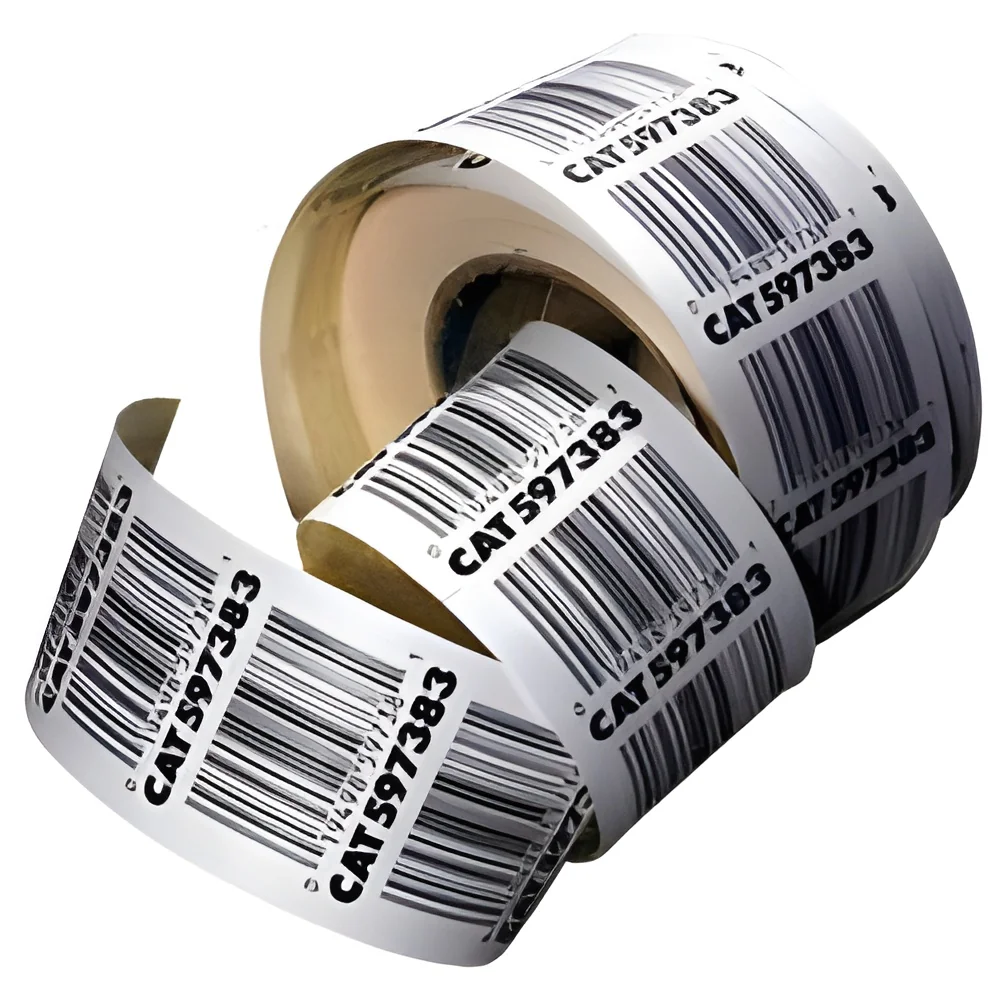
Barcode labels and RFID tags are essential tools in inventory management and tracking systems. Barcode labels are printed labels with a series of parallel lines, which can be scanned using a barcode reader to quickly retrieve information about a product. RFID tags, on the other hand, use radio frequency identification technology to communicate wirelessly with RFID readers. This allows for automatic identification and tracking of items without the need for line-of-sight scanning.
The primary uses of barcode labels and RFID tags span various business applications, including inventory control, asset management, and supply chain logistics. Businesses utilize these tools to improve accuracy, reduce human error, and streamline operations. Industries such as retail, manufacturing, healthcare, and logistics heavily rely on these technologies to manage products efficiently. With the growing need for real-time data and automation, the market for barcode labels and RFID tags continues to expand, making them vital components for modern business operations.
𝗞𝗲𝘆 𝗙𝗲𝗮𝘁𝘂𝗿𝗲𝘀 𝗮𝗻𝗱 𝗦𝗽𝗲𝗰𝗶𝗳𝗶𝗰𝗮𝘁𝗶𝗼𝗻𝘀
Barcode labels and RFID tags come with various features and specifications tailored to meet different business needs. Understanding these key specifications helps businesses choose the right product for their applications.
Key specifications include:
1. Material Type
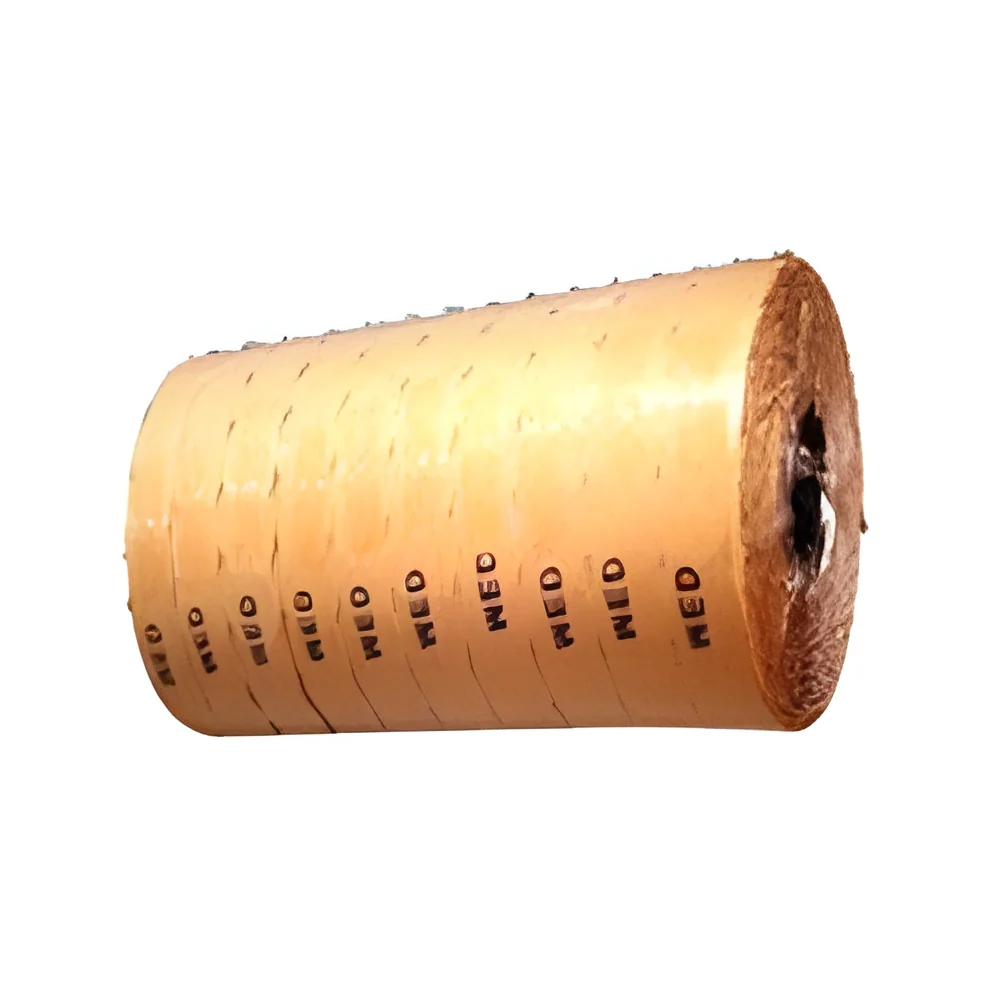
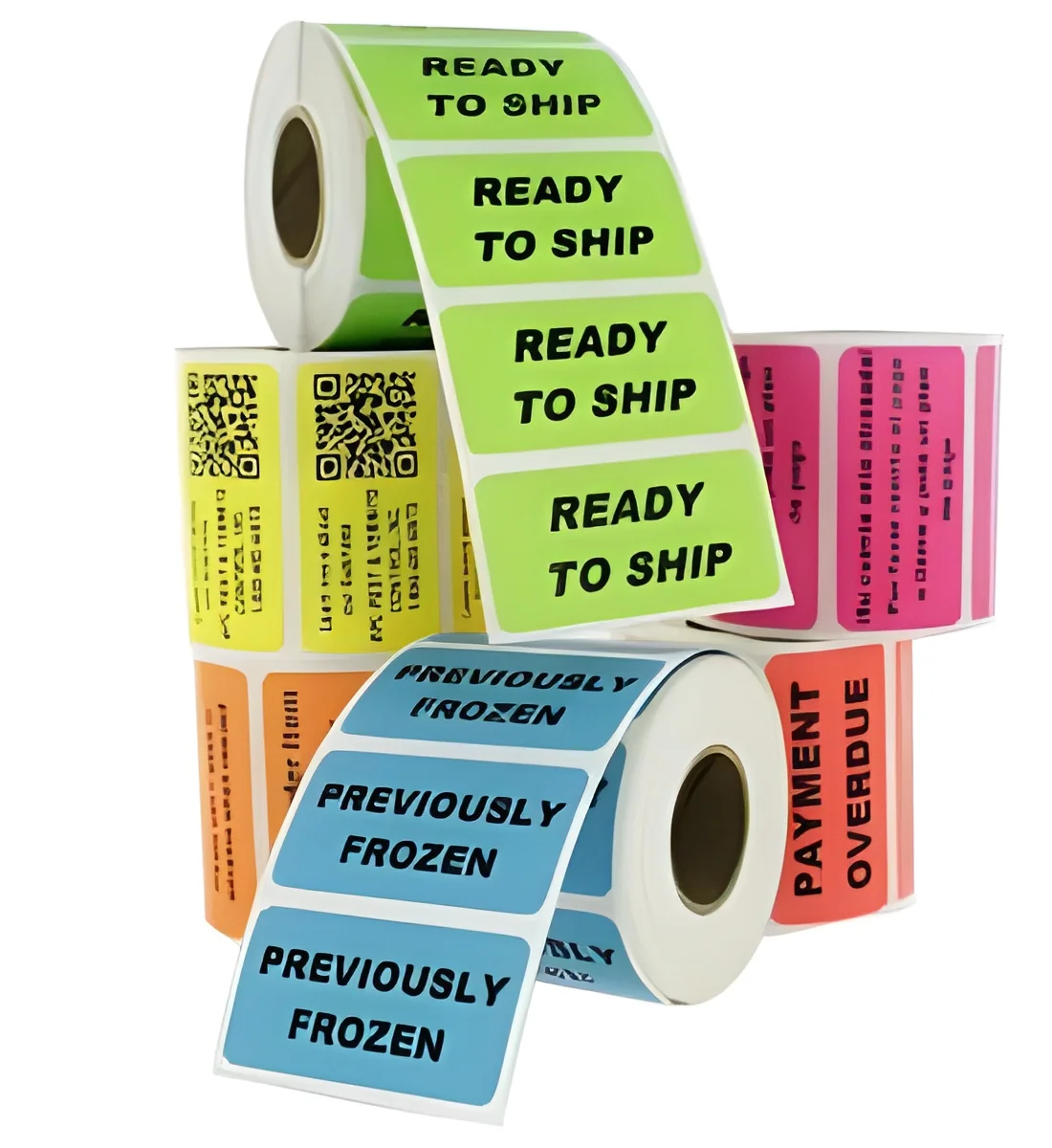
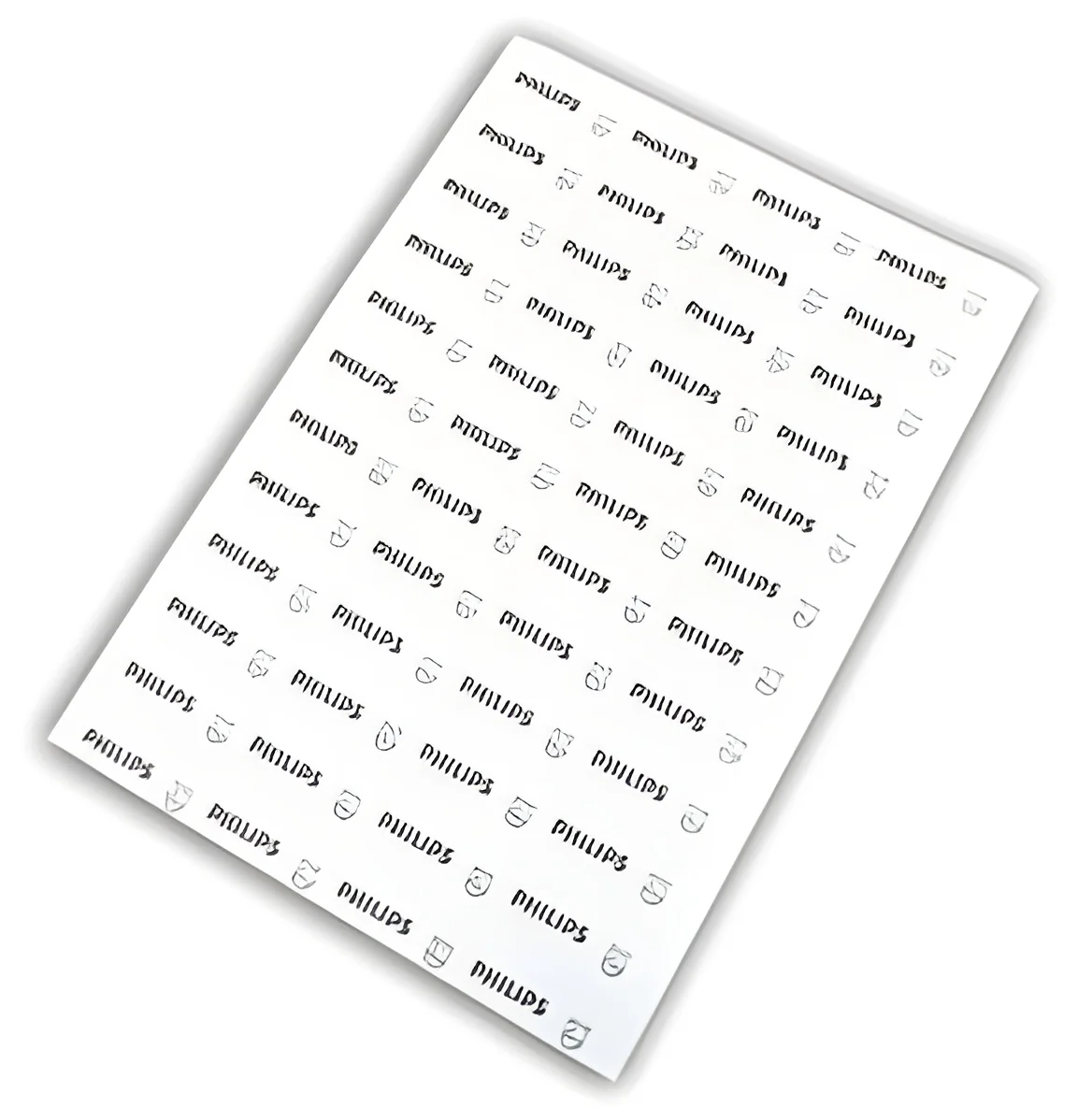
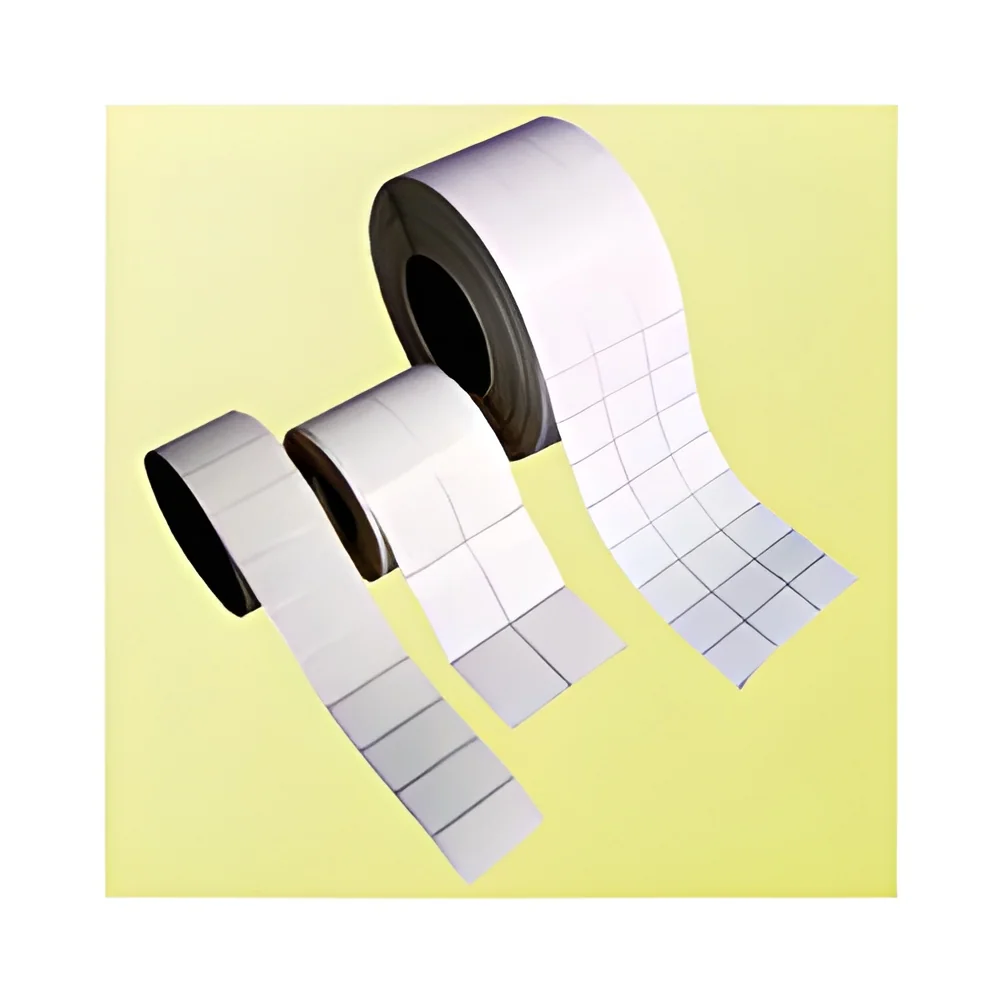
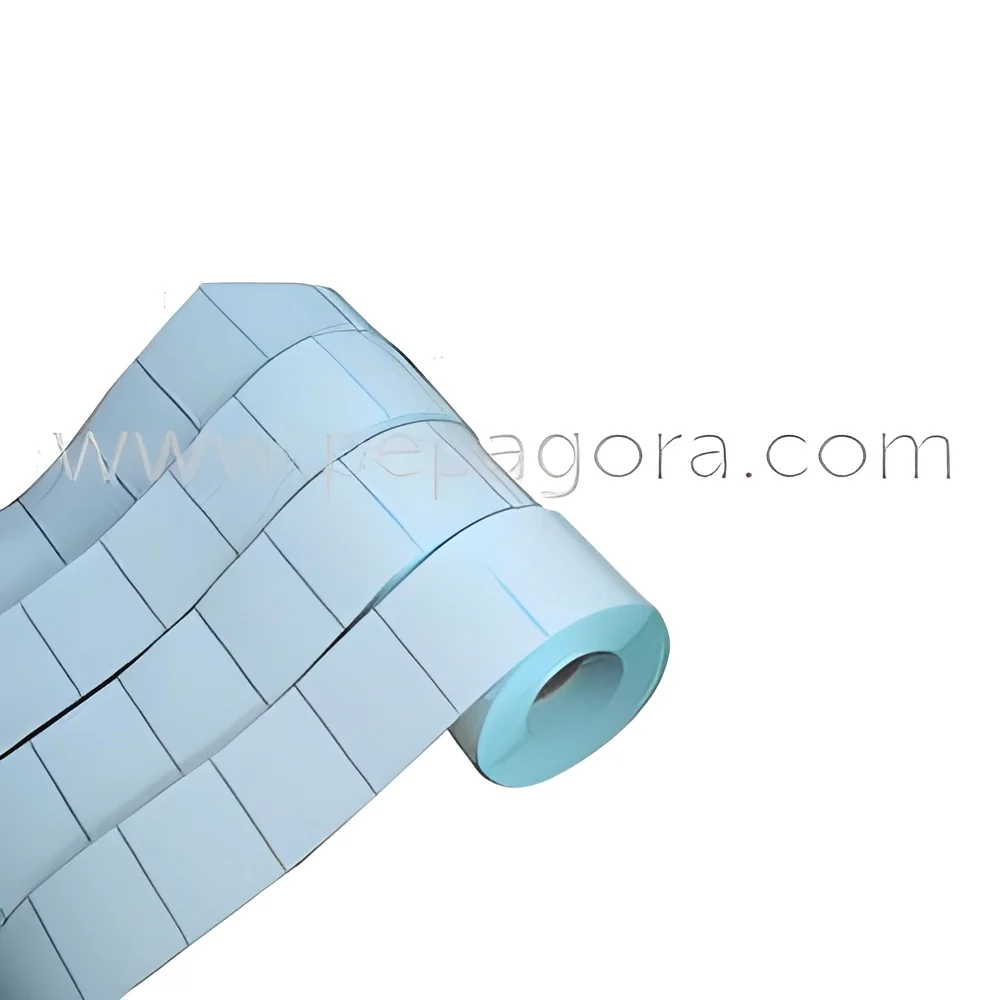
- Barcode labels can be made from paper, plastic, or synthetic materials.
- RFID tags may be passive, active, or semi-passive depending on their power source.
2. Adhesive Strength
- Labels may have removable or permanent adhesive options.
- The choice of adhesive affects the label's durability and application.
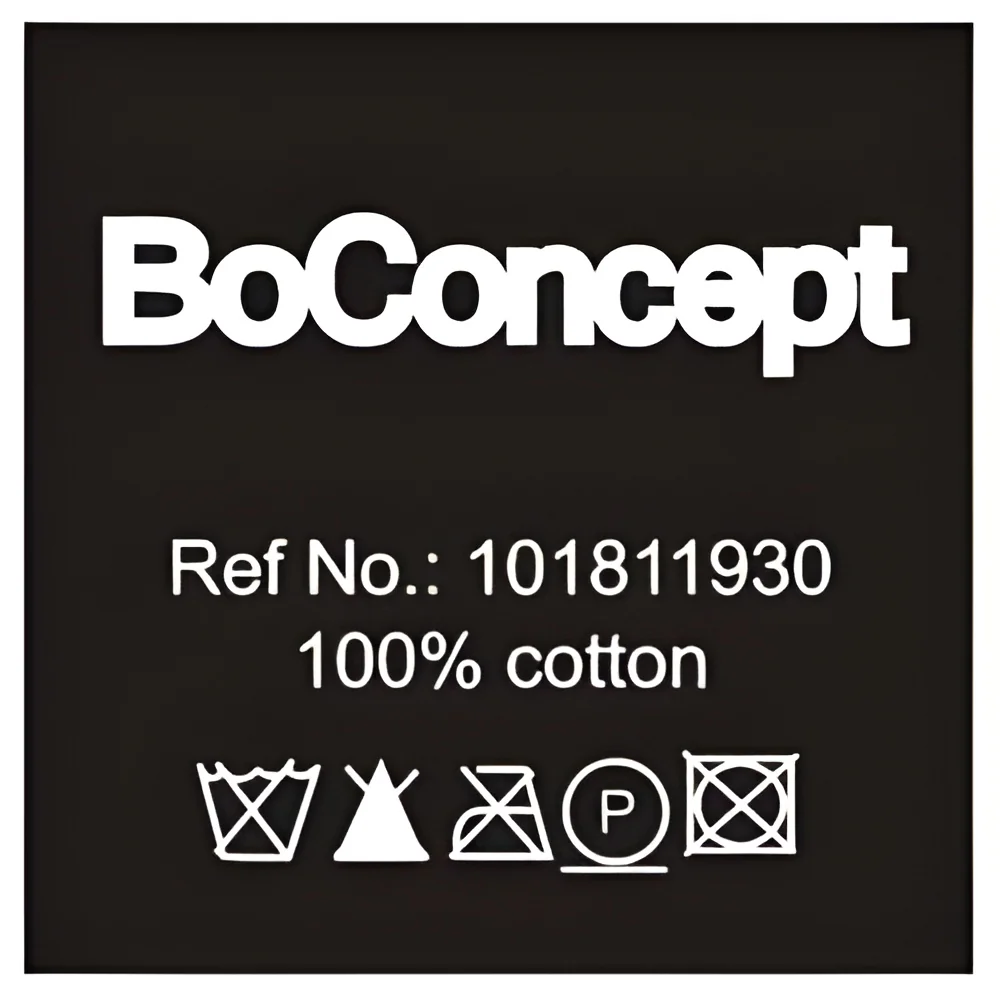
3. Size and Shape
- Barcode labels and RFID tags are available in different sizes and shapes to fit specific products.
- Custom sizes may be available based on client requirements.
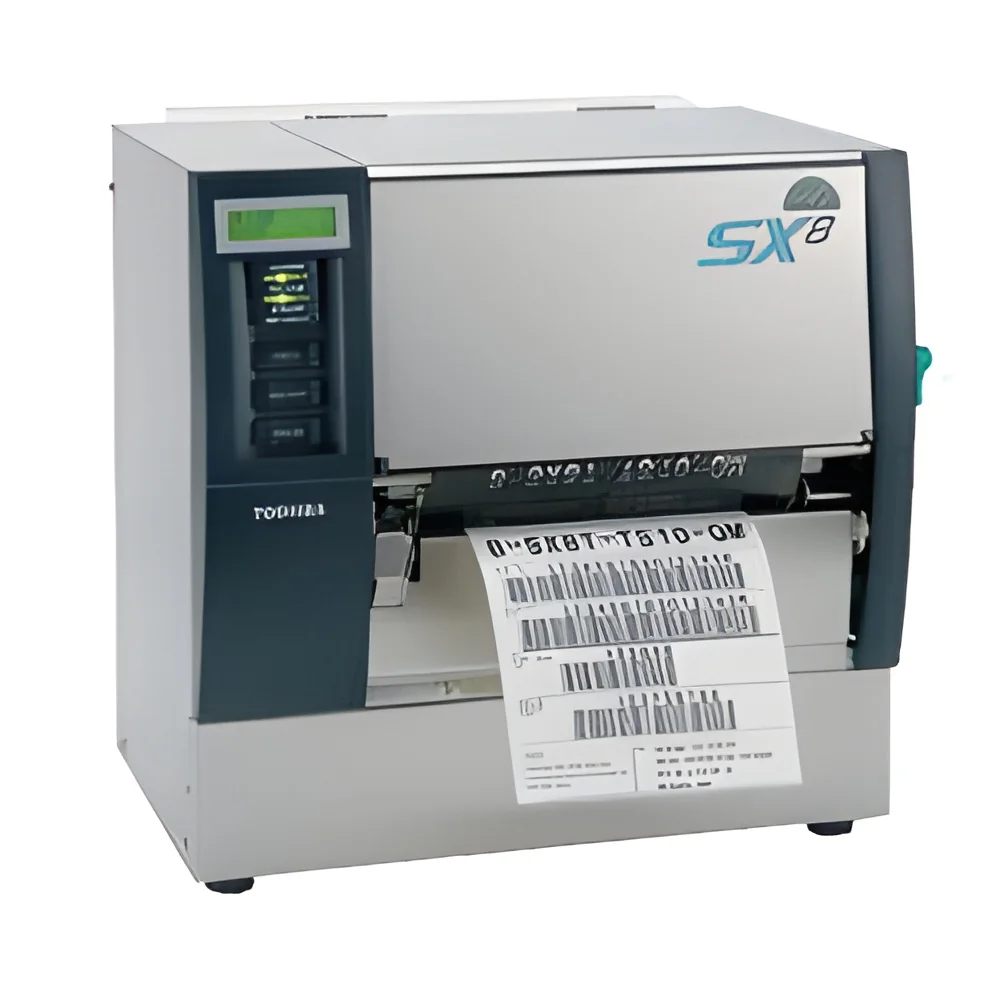
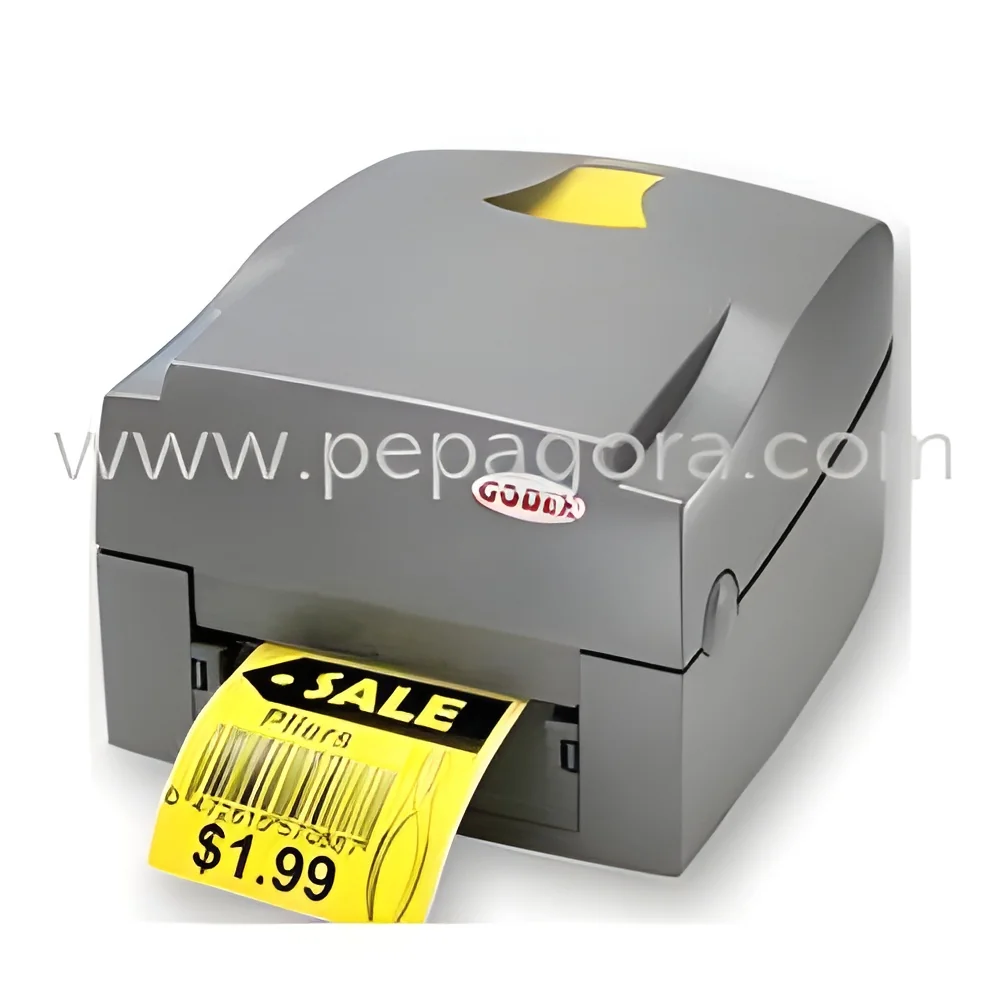
4. Printing Technology
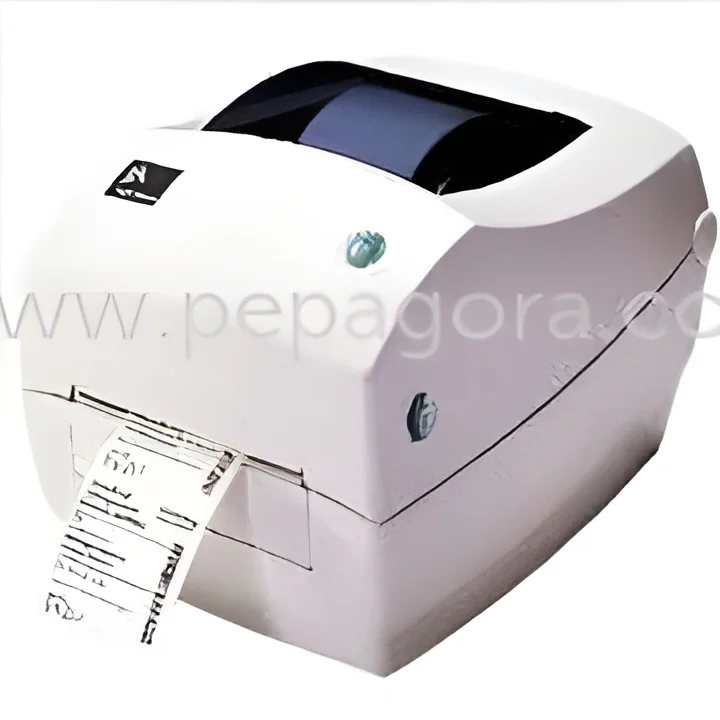
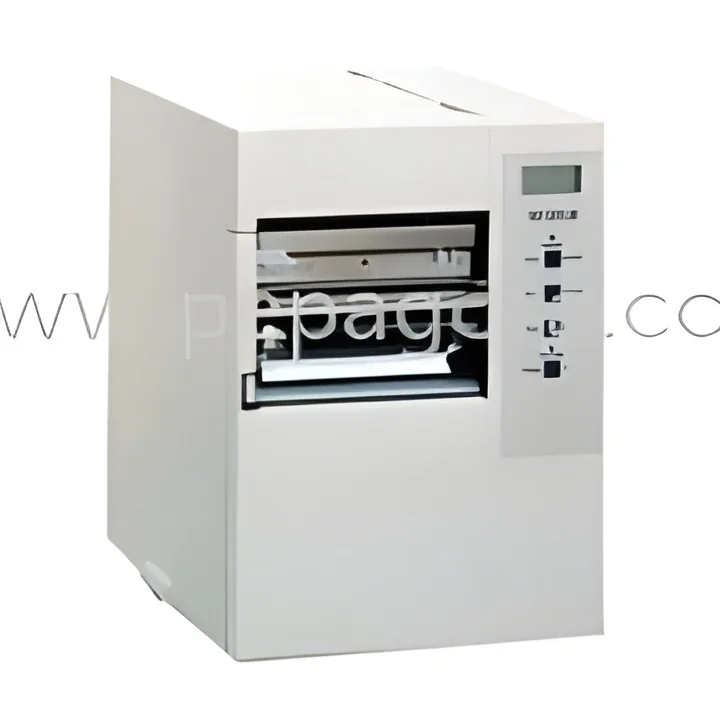
- Options include thermal transfer, direct thermal, and inkjet printing.
- Each technology has different durability and print quality characteristics.
5. Encoding Capacity
- Barcode labels can hold various amounts of data based on the barcode format.
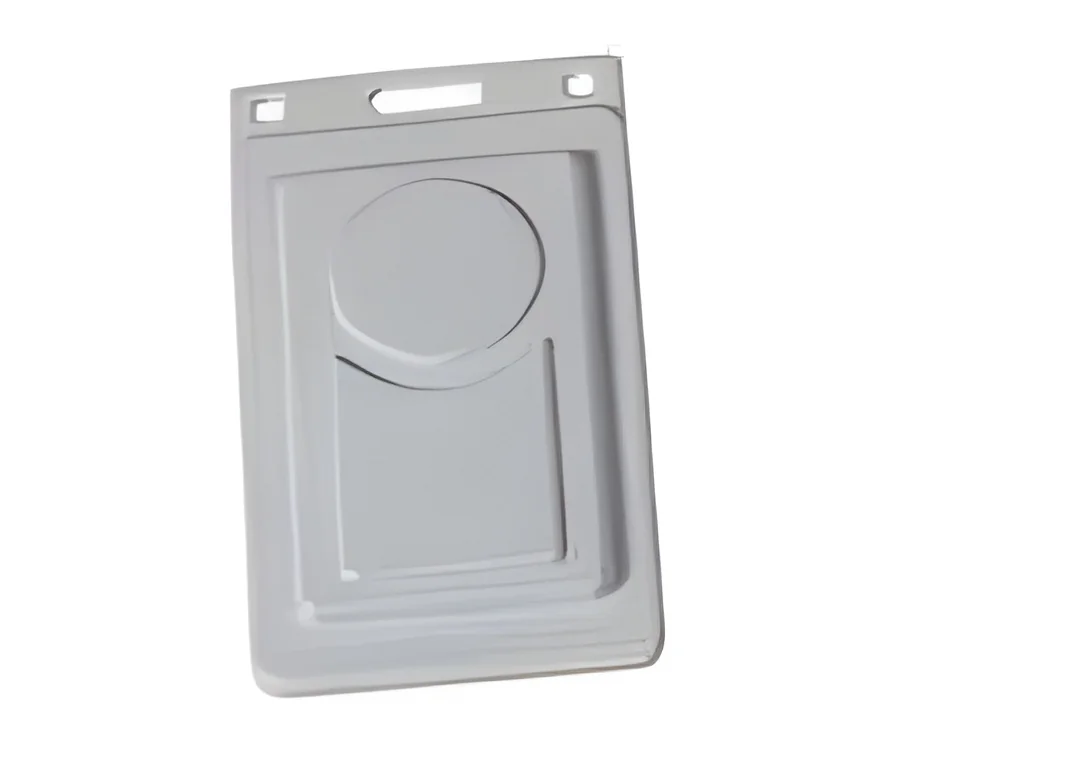
- RFID tags can store more information, including a unique identifier and additional data.
6. Environmental Resistance
- Some labels and tags are designed to withstand extreme temperatures, humidity, or exposure to chemicals.
- Selecting the right environmental specifications ensures longevity in challenging conditions.
7. Frequency Range
- RFID tags operate on different frequency bands: low frequency, high frequency, and ultra-high frequency.
- The frequency impacts read range and data transmission speed.
8. Compliance and Certifications
- Many barcode labels and RFID tags meet industry standards and certifications such as CE.
- Ensuring compliance is crucial for regulatory requirements in various industries.
In summary, understanding these features and specifications allows businesses to select barcode labels and RFID tags that best match their operational needs.
𝗖𝗼𝗺𝗺𝗼𝗻 𝗔𝗽𝗽𝗹𝗶𝗰𝗮𝘁𝗶𝗼𝗻𝘀 𝗮𝗻𝗱 𝗨𝘀𝗲 𝗖𝗮𝘀𝗲𝘀
Barcode labels and RFID tags are utilized across a wide range of industries, each with specific applications that enhance efficiency and accuracy.
1. Retail: Barcode labels facilitate quick scanning at checkout, improving customer service and inventory tracking. RFID tags help manage stock levels and reduce theft.
2. Manufacturing: Barcode labels are used to track components and finished products throughout the production process. RFID tags can provide real-time data on equipment status and maintenance needs.
3. Healthcare: Barcode labels are essential for tracking medications and patient information, ensuring safety and compliance. RFID tags are used to manage medical equipment and inventory.
4. Logistics: Barcode labels streamline the shipping and receiving processes by allowing quick scanning of packages. RFID tags enhance visibility throughout the supply chain, providing accurate tracking of shipments.
5. Warehousing: Barcode labels help in organizing inventory and managing stock locations. RFID tags enable automated inventory counts and reduce manual errors during stocktaking.
6. Food and Beverage: Barcode labels assist in tracking expiration dates and batch numbers for quality control. RFID tags can monitor temperature and storage conditions for perishable goods.
7. Library and Information Management: Barcode labels are widely used for cataloging and tracking books and resources. RFID tags allow for efficient check-in and check-out processes.
𝗣𝗿𝗼𝗱𝘂𝗰𝘁 𝗩𝗮𝗿𝗶𝗮𝗻𝘁𝘀 𝗮𝗻𝗱 𝗦𝘂𝗯𝗰𝗮𝘁𝗲𝗴𝗼𝗿𝗶𝗲𝘀
Barcode labels and RFID tags come in a diverse range of variants to cater to different applications and environments.
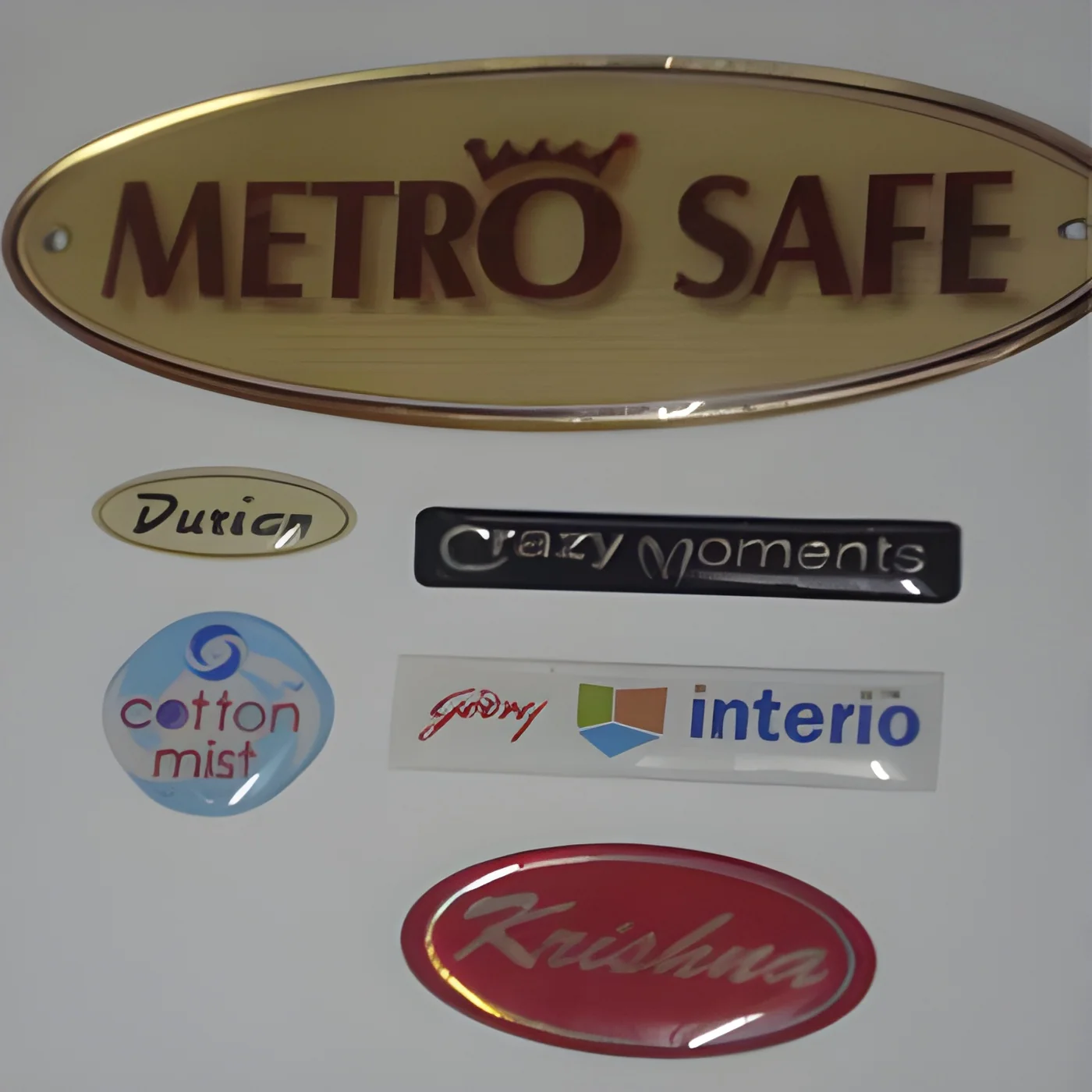
Paper Barcode Labels
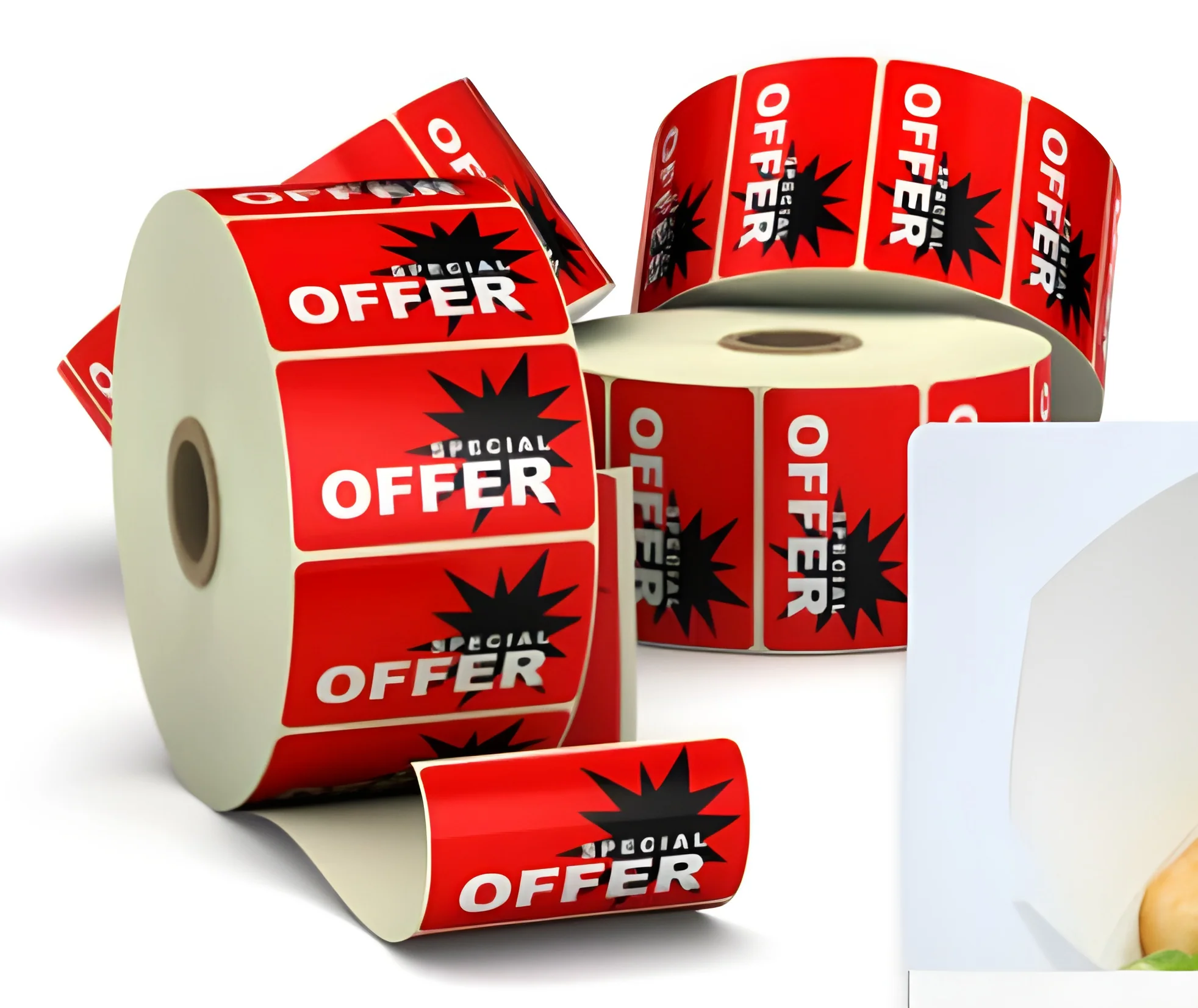
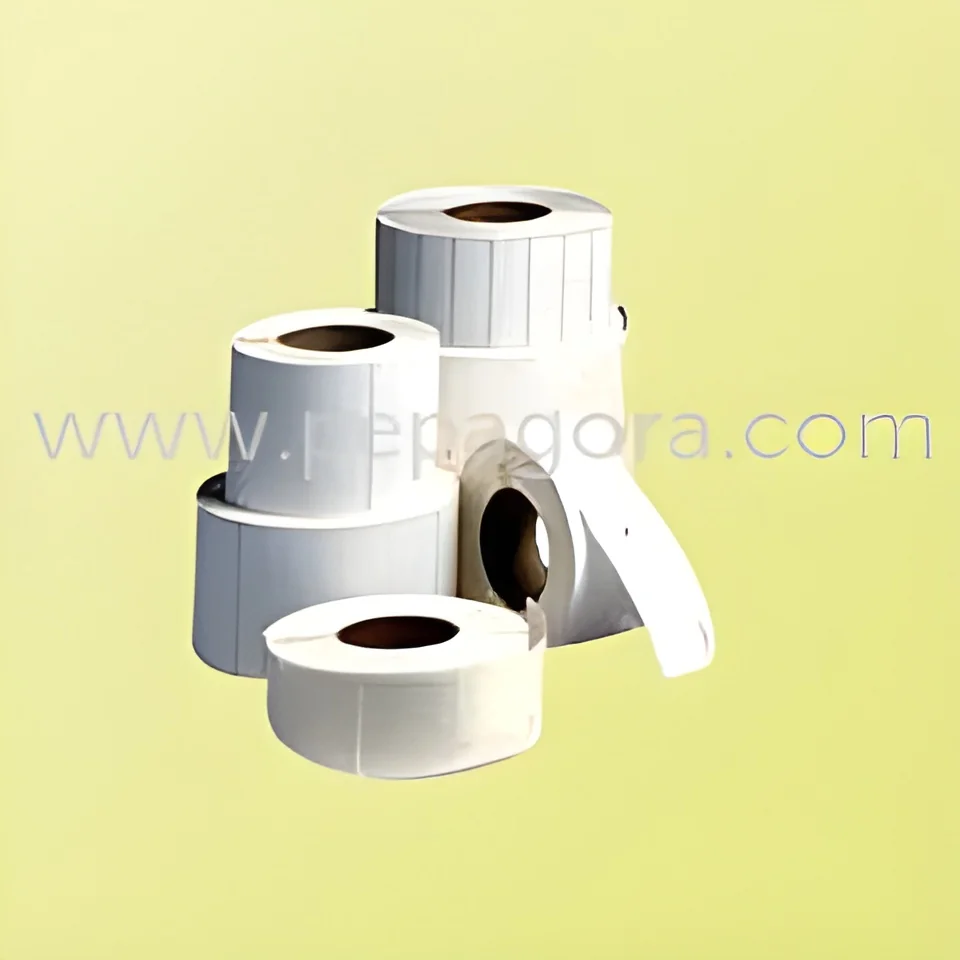
These labels are cost-effective and suitable for short-term use in retail and office environments. They come in various sizes and can be printed on-demand.
Synthetic Barcode Labels
Made from durable materials, these labels are resistant to moisture and chemicals. They are ideal for industrial and outdoor applications where durability is critical.
Passive RFID Tags
These tags do not have a battery and rely on the reader's signal for power. They are commonly used in inventory management and supply chain applications.
Active RFID Tags
Equipped with their own power source, these tags can transmit signals over longer distances. They are ideal for tracking high-value assets and equipment.
𝗕𝗲𝗻𝗲𝗳𝗶𝘁𝘀 𝗮𝗻𝗱 𝗔𝗱𝘃𝗮𝗻𝘁𝗮𝗴𝗲𝘀
Investing in barcode labels and RFID tags provides numerous benefits for businesses seeking to optimize their operations.
1. Improved Accuracy: Automated scanning reduces human error in inventory management, leading to more accurate data.
2. Enhanced Efficiency: Quick scanning and tracking streamline processes, saving time and improving productivity.
3. Real-Time Data: RFID technology allows for real-time tracking of inventory and assets, facilitating quicker decision-making.
4. Cost Savings: Reducing manual processes and errors leads to lower operational costs and increased profitability.
5. Better Inventory Control: Accurate tracking of stock levels helps prevent overstocking or stockouts, enhancing customer satisfaction.
6. Increased Visibility: RFID tags provide better visibility of assets throughout the supply chain, improving logistics management.
𝗕𝘂𝘆𝗶𝗻𝗴 𝗚𝘂𝗶𝗱𝗲 𝗳𝗼𝗿 𝗕𝟮𝗕 𝗕𝘂𝘆𝗲𝗿𝘀
When sourcing barcode labels and RFID tags, B2B buyers should consider several critical factors to ensure they make informed decisions.
1. Quality Assessment: Evaluate the quality standards of the labels and tags, including durability, print quality, and environmental resistance. Look for products that meet relevant certifications.
2. Supplier Verification: Vet suppliers based on their reputation, experience, and reliability. Check for customer reviews and industry affiliations to ensure you are dealing with reputable sources.
3. Pricing and MOQ: Understand the pricing structure and minimum order quantities (MOQ) required by suppliers. This helps in budgeting and aligning with your operational needs.
4. Delivery and Lead Times: Inquire about delivery schedules and lead times to ensure your supply chain is not disrupted. Timely delivery is crucial for maintaining inventory levels.
5. Compliance Requirements: Ensure that the barcode labels and RFID tags meet industry-specific compliance and regulatory requirements to avoid potential issues.
𝗖𝗼𝗺𝗽𝗹𝗶𝗮𝗻𝗰𝗲 𝗮𝗻𝗱 𝗖𝗲𝗿𝘁𝗶𝗳𝗶𝗰𝗮𝘁𝗶𝗼𝗻𝘀
Compliance and certifications play a crucial role in the use of barcode labels and RFID tags across different industries. Adhering to quality standards such as ISO 9001 ensures that products meet customer and regulatory requirements consistently. These standards focus on quality management systems and continuous improvement.
Industry certifications like CE indicate that products comply with European safety and health standards. This is especially important for businesses operating in regions where compliance is mandatory. Companies must also adhere to safety testing requirements to ensure that materials used in the production of labels and tags are non-toxic and safe for their intended applications.
Regional compliance considerations vary significantly and can influence the selection of barcode labels and RFID tags. Businesses operating internationally must be aware of different regional regulations that may affect product labeling and tracking.
𝗪𝗵𝘆 𝗦𝗼𝘂𝗿𝗰𝗲 𝗕𝗮𝗿𝗰𝗼𝗱𝗲 𝗟𝗮𝗯𝗲𝗹𝘀 & 𝗥𝗙𝗜𝗗 𝗧𝗮𝗴𝘀 𝗳𝗿𝗼𝗺 𝗣𝗲𝗽𝗮𝗴𝗼𝗿𝗮?
Pepagora provides a trusted platform for sourcing barcode labels and RFID tags, offering several key advantages to businesses looking to enhance their operations.
Verified Supplier Network: Pepagora ensures a robust supplier verification process, connecting buyers with reputable manufacturers. This helps businesses find reliable sources for their products.
Streamlined RFQ Process: The request for quotation (RFQ) system simplifies the procurement process, allowing buyers to receive competitive pricing and options tailored to their needs.
Trade Assurance and Support: Pepagora offers trade assurance, providing buyers with protection against potential disputes. This support enhances buyer confidence in their purchasing decisions.
Regional Coverage: With a wide geographic reach across India, the GCC, and Southeast Asia, Pepagora connects businesses with suppliers that meet their regional needs, ensuring access to essential products.
By choosing Pepagora, businesses can effectively source barcode labels and RFID tags while benefiting from a comprehensive support system and a network of verified suppliers.

 IN
IN