
 IN
Direct Thermal Labels
6 products available
What are Direct Thermal Labels?
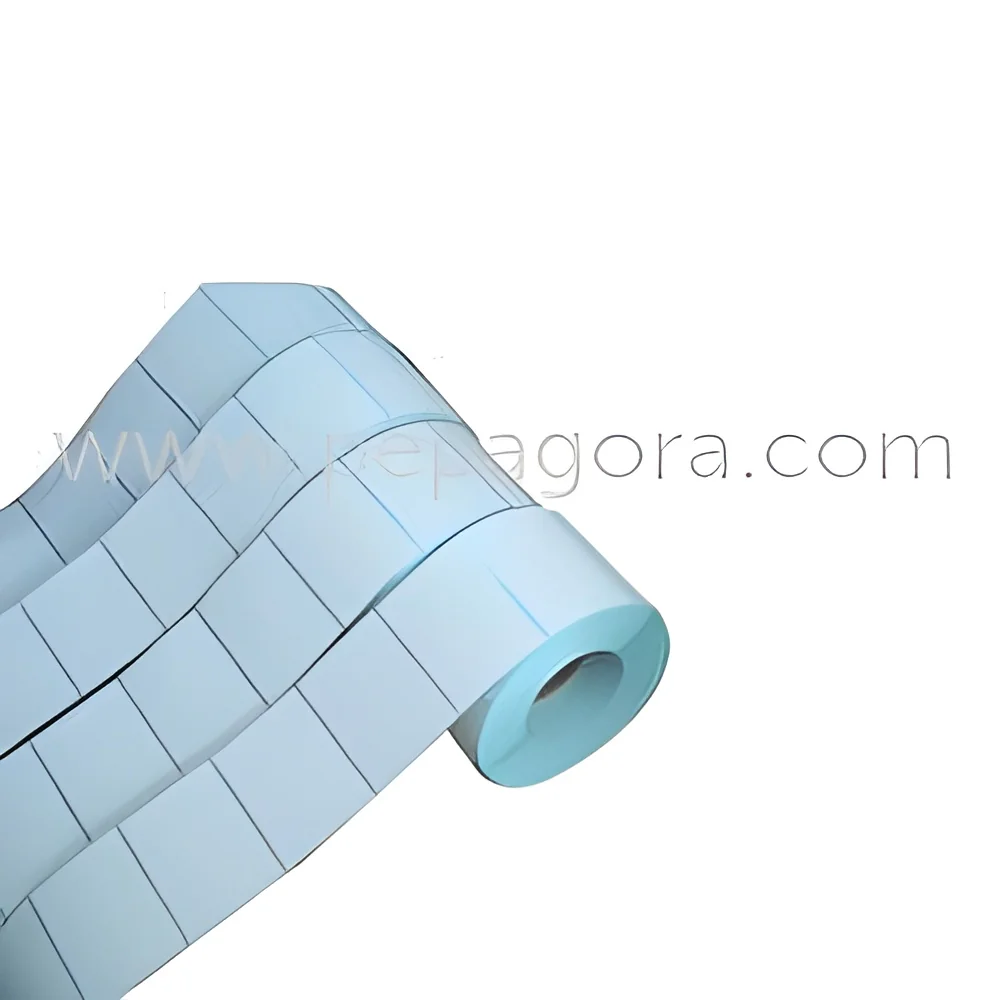
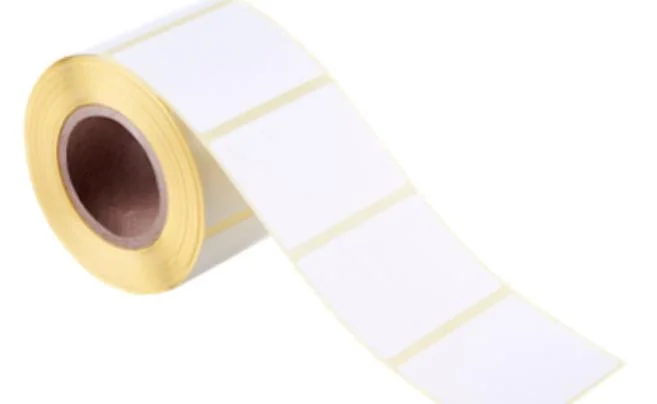
Direct Thermal Labels are specialized labels that utilize a heat-sensitive coating to produce images or text when exposed to the heat from a thermal printhead. This process allows for printing without the need for ink, toner, or ribbons, making it a cost-effective and efficient option for many labeling needs. The printed image is created by applying heat to the label material, which results in a darkened area that forms the desired text or graphics.
These labels are widely used in various business applications, including shipping and logistics, retail pricing, inventory management, and laboratory labeling. Their ability to generate high-quality prints quickly and effectively makes them ideal for environments where speed and efficiency are critical. Moreover, they are commonly found in industries that require immediate printing solutions, such as warehousing, healthcare, and manufacturing.
As businesses continue to seek efficient labeling solutions, the market for Direct Thermal Labels has expanded significantly. With advancements in printing technology and materials, these labels are becoming increasingly relevant across a variety of sectors. They offer a reliable option for businesses looking to streamline operations and enhance productivity.
Key Features and Specifications
Direct Thermal Labels come with a range of features that cater to diverse labeling needs. They are designed to withstand various environmental conditions while ensuring high-quality prints. Understanding these specifications is crucial for businesses when selecting the right labels for their applications.
Key specifications include:
1. Material Type
- Made from heat-sensitive paper or synthetic materials
- Suitable for different printing environments
2. Adhesive Properties
- Permanent or removable adhesive options available
- Ensures labels adhere securely to surfaces
3. Print Quality
- High-resolution printing capabilities
- Crisp and clear images with fine detail
4. Size and Dimensions
- Available in various sizes and formats
- Custom sizes can be provided based on business needs
5. Roll Size
- Standard roll sizes for compatibility with most printers
- Custom roll sizes can be requested
6. Shelf Life
- Typically designed for short to medium-term use
- Best used within a specific time frame for optimal performance
7. Compliance
- Labels can meet specific industry standards such as CE
- Ensures adherence to regulations in various sectors
8. Print Speed
- Capable of fast printing speeds to enhance productivity
- Ideal for high-volume printing environments
In summary, Direct Thermal Labels offer a variety of features that make them suitable for numerous applications. Their specifications allow businesses to select the most appropriate labels for their specific requirements.
Common Applications and Use Cases
Direct Thermal Labels are versatile and serve various industries with specific applications.
1. Retail: Used for price labeling, product tagging, and promotional displays, enhancing efficiency at checkout.
2. Shipping and Logistics: Ideal for shipping labels and barcode printing, ensuring smooth tracking and inventory management.
3. Healthcare: Utilized for patient identification, specimen labeling, and medication management to improve accuracy and safety.
4. Manufacturing: Employed for product labeling, inventory management, and compliance markings on the production floor.
5. Food and Beverage: Used for date labeling, nutritional information, and barcodes on packaging, ensuring compliance with food safety regulations.
6. Warehouse Management: Essential for labeling shelves, bins, and pallets, facilitating efficient organization and retrieval of items.
7. Transportation: Applied for tracking and identification of goods during transit, helping to streamline supply chain processes.
Product Variants and Subcategories
Direct Thermal Labels come in various forms to cater to distinct needs. Although specific subcategories are not available, the diversity in features and applications allows for a broad range of options.
Standard Direct Thermal Labels
These labels are designed for general use, offering good print quality and adhesion for everyday labeling tasks.
Custom Direct Thermal Labels
Tailored to meet specific business needs, these labels can be manufactured in unique sizes and formats, ensuring they fit a variety of applications.
Weather-Resistant Direct Thermal Labels
Designed for outdoor use, these labels can withstand varying environmental conditions, making them suitable for shipping and storage outside.
Benefits and Advantages
Choosing Direct Thermal Labels offers several key advantages that can enhance operational efficiency.
1. Cost-Effective: Eliminates the need for ink or toner, reducing overall printing costs for businesses.
2. Fast Printing: Direct thermal printing technology allows for quick production of labels, increasing efficiency in high-demand environments.
3. High-Quality Prints: Produces sharp, crisp images that are easy to read, ensuring effective communication of important information.
4. Easy to Use: Simple setup and operation with thermal printers, minimizing training and operational downtime.
5. Versatile Applications: Suitable for a wide range of industries and labeling needs, providing flexibility for various business environments.
6. Environmentally Friendly: Often made from recyclable materials, contributing to sustainable business practices.
Buying Guide for B2B Buyers
When sourcing Direct Thermal Labels, B2B buyers should consider several important factors to ensure they make informed decisions.
1. Quality Assessment: Evaluate the quality of the labels based on print clarity, adhesion properties, and durability. Look for samples to test in your specific application.
2. Supplier Verification: Research potential suppliers to confirm their reliability and reputation in the industry. Check for reviews and past client experiences.
3. Pricing and MOQ: Analyze pricing structures and minimum order quantities (MOQ). Ensure the pricing aligns with your budget and volume needs.
4. Delivery and Lead Times: Confirm the supplier’s delivery capabilities and lead times to ensure you receive labels on schedule, minimizing disruptions to your operations.
5. Compliance Requirements: Be aware of any regulatory requirements specific to your industry. Ensure the labels meet necessary compliance standards to avoid any legal issues.
Compliance and Certifications
Direct Thermal Labels must adhere to various quality standards and certifications to ensure their reliability and safety. Relevant standards include ISO 9001, which focuses on quality management systems, ensuring consistent product quality across manufacturers.
Additionally, certain industries may require compliance with HACCP (Hazard Analysis Critical Control Point) standards, particularly in food-related applications, to guarantee safety and traceability. The CE certification is also essential, signifying that the labels meet European safety, health, and environmental protection standards.
Companies should also consider safety and testing requirements applicable to their specific region or industry. This may involve ensuring that labels can withstand certain environmental conditions or comply with specific usage regulations.
Understanding these compliance measures is crucial for businesses aiming to maintain quality and safety in their labeling processes.
Why Source Direct Thermal Labels from Pepagora?
Pepagora offers a trusted platform for sourcing Direct Thermal Labels, presenting several key advantages for B2B buyers.
Verified Supplier Network: Pepagora connects buyers with verified suppliers who meet stringent quality and reliability standards. This ensures that businesses can source products with confidence.
Streamlined RFQ Process: The platform features a streamlined Request For Quotation (RFQ) process, allowing buyers to receive competitive pricing and options tailored to their specific needs efficiently.
Trade Assurance and Support: Pepagora provides trade assurance to protect buyers throughout the purchasing process, ensuring that transactions are secure and reliable.
Regional Coverage: With a geographic reach that includes India, the GCC, and Southeast Asia, Pepagora can facilitate sourcing for companies operating in diverse markets, providing comprehensive support for international buyers.
This combination of advantages makes Pepagora an ideal choice for businesses looking to source high-quality Direct Thermal Labels effectively.


Frequently Asked Questions
What are Direct Thermal Labels?
Direct Thermal Labels are a type of label that uses heat-sensitive materials to print text and images. When exposed to heat from a thermal print head, the label darkens to create the desired print. They are commonly used for shipping, product labeling, and inventory management.
What are the different types of Direct Thermal Labels?
Direct Thermal Labels come in various types, including paper labels, synthetic labels, and thermal transfer labels. Paper labels are ideal for short-term applications, while synthetic labels offer greater durability and water resistance. Additionally, various adhesives are available to suit different surfaces and environments.
How do I choose the right Direct Thermal Labels?
Selecting the right Direct Thermal Labels involves considering factors such as the intended application, surface type, and environmental conditions. It's important to assess the durability requirements, print quality, and compatibility with your thermal printer. Consulting with suppliers can also provide valuable insights to make an informed choice.
What are the standard specifications for Direct Thermal Labels?
Standard specifications for Direct Thermal Labels include label size, thickness, adhesive type, and core diameter. Common sizes vary based on application, with thickness typically ranging from 60 to 150 microns. It's essential to ensure that the labels are compatible with your printing equipment.
What is the price range for Direct Thermal Labels?
The price range for Direct Thermal Labels can vary significantly based on factors like size, material, and quantity. Generally, prices can start from a few hundred rupees for smaller rolls and can go up to several thousand rupees for bulk orders. It's advisable to compare prices from multiple suppliers to find the best deal.
What quality standards apply to Direct Thermal Labels?
Quality standards for Direct Thermal Labels often include adherence to ISO specifications and industry-specific requirements. Labels should be tested for print durability, adhesion, and resistance to environmental factors such as moisture and temperature. Compliance with these standards ensures performance and reliability.
Where can I find Direct Thermal Labels suppliers in India?
You can find Direct Thermal Labels suppliers in India through B2B marketplaces like Pepagora.com, trade shows, and local business directories. Online platforms often provide a comprehensive list of manufacturers and suppliers, allowing you to compare options and read reviews from other buyers.
Can Direct Thermal Labels be customized?
Yes, Direct Thermal Labels can be customized based on size, design, and adhesive type. Customization options may include printing specific logos, barcodes, or text to meet unique branding and operational needs. It's advisable to discuss your requirements with suppliers to explore available customization options.
What is the typical minimum order quantity for Direct Thermal Labels?
The typical minimum order quantity (MOQ) for Direct Thermal Labels varies by supplier but usually ranges from 100 to 1000 labels per order. Larger orders often result in better pricing per label. It's best to check with specific manufacturers for their MOQ requirements.
What is the typical lead time for Direct Thermal Labels?
The typical lead time for Direct Thermal Labels can range from a few days to several weeks, depending on the supplier and order size. Custom orders may require additional time for design and production. It's advisable to confirm lead times with suppliers during the ordering process.
Why Businesses Trust Pepagora
Thousands of companies trust Pepagora to source smarter and sell faster
Expand Your Sales Globally

Source Smarter,Grow Faster
