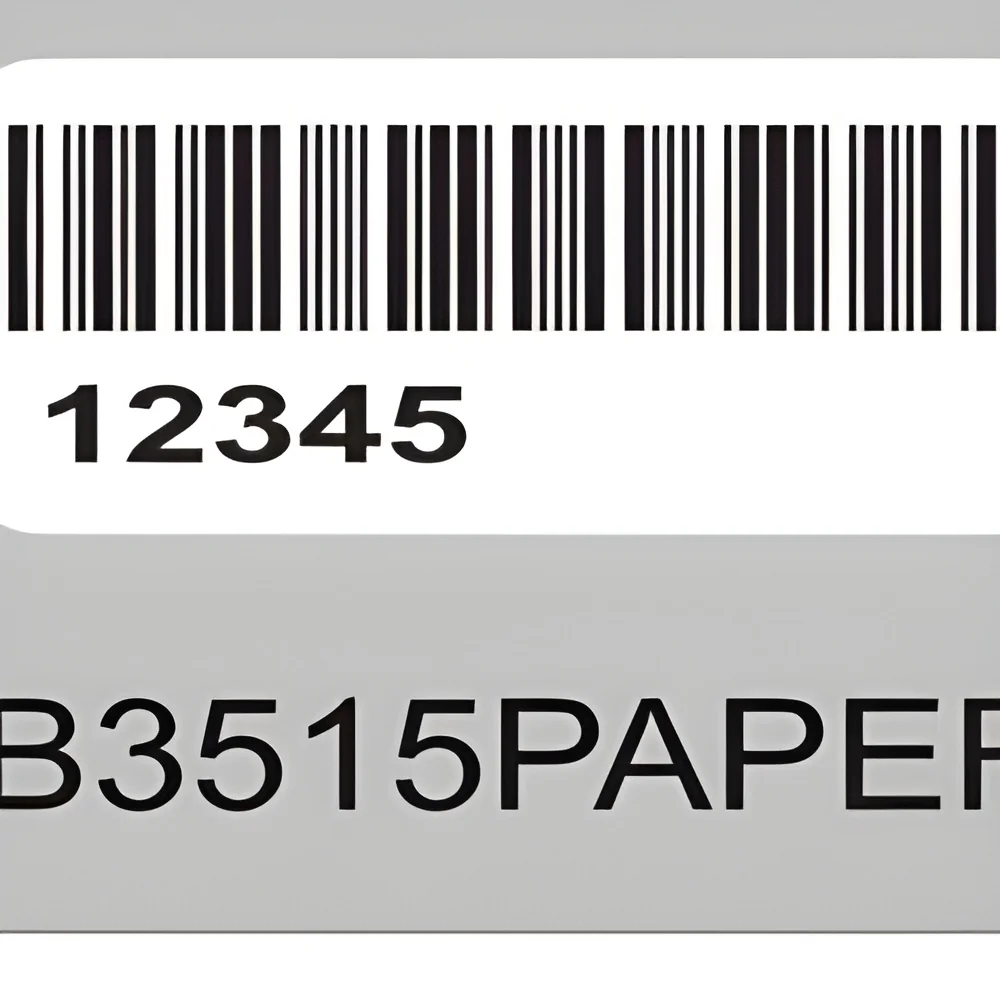
What are Thermal Barcode Labels?
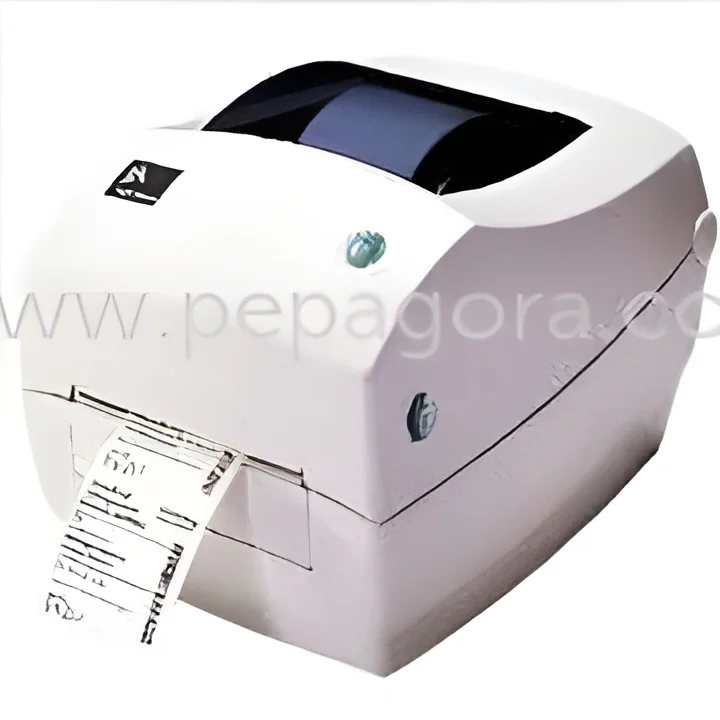
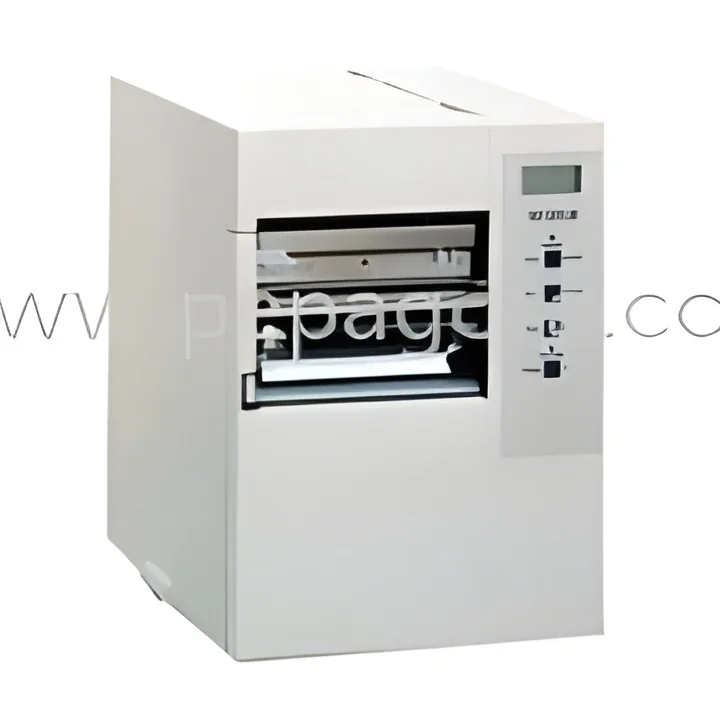
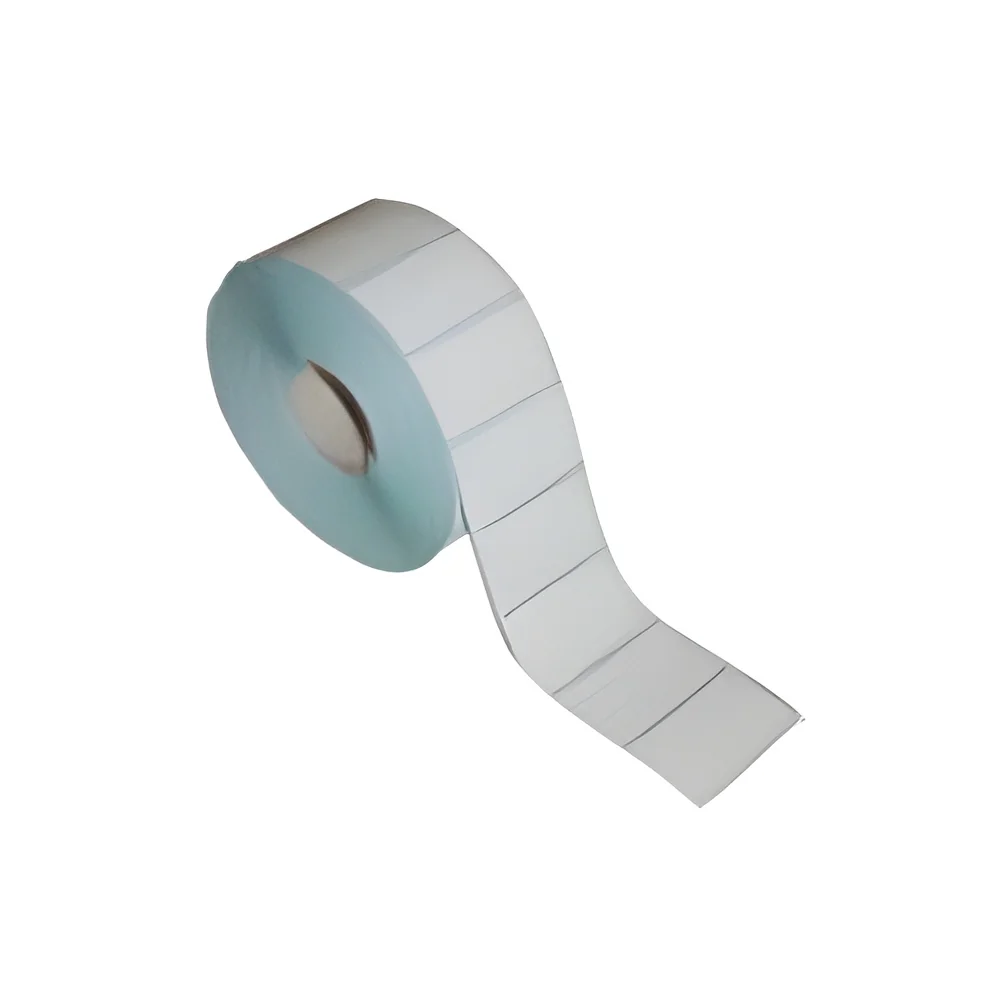
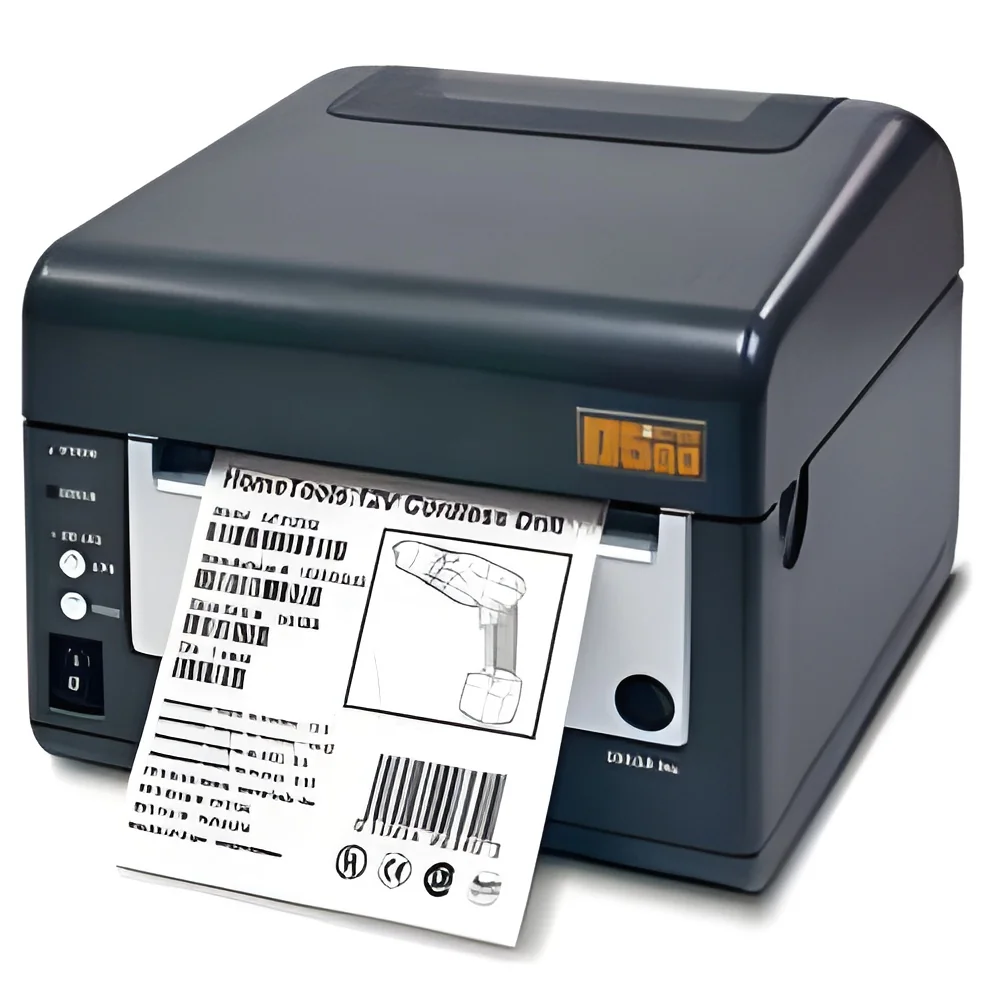
Thermal barcode labels are specialized adhesive labels that utilize thermal printing technology to create high-quality barcodes. These labels are designed to be printed using thermal printers, which generate images by applying heat to a thermal-sensitive material. This technology ensures that the barcodes are clear and durable, making them suitable for various applications in industries such as retail, logistics, and manufacturing.
The primary use of thermal barcode labels is in labeling products, tracking inventory, and managing shipments. Businesses rely on these labels to streamline operations, improve accuracy in inventory management, and enhance customer satisfaction. Thermal barcode labels are particularly relevant in industries where quick and reliable identification of products is essential, such as in supply chain management and retail settings. The market for these labels continues to grow as businesses increasingly adopt automation and digital solutions for tracking and managing their inventory.
Key Features and Specifications
Thermal barcode labels are characterized by several essential features that cater to diverse business needs. Understanding these specifications can help in selecting the right labels for specific applications.
Key specifications include:
1. Print Technology
- Utilizes direct thermal or thermal transfer printing methods.
- Direct thermal requires no ink, while thermal transfer uses ribbons.
2. Adhesive Type
- Available in permanent, removable, and freezer-grade adhesives.
- Selection based on the application and surface compatibility.
3. Material Type
- Common materials include paper, polyester, and vinyl.
- Each material offers different durability and environmental resistance.
4. Label Size
- Various sizes available to suit different applications.
- Standard sizes range from 1 inch to several inches wide.
5. Barcode Compatibility
- Supports multiple barcode formats, including QR codes, UPC, and EAN.
- Ensures versatility across different industries.
6. Temperature Resistance
- Labels designed to withstand varying temperature ranges.
- Suitable for applications in both cold and heat environments.
7. Humidity Resistance
- Some labels offer water-resistant features.
- Ideal for environments with high moisture levels.
8. Print Quality
- High-resolution printing for clear, scannable barcodes.
- Ensures maximum readability and compliance with standards.
In summary, understanding the key features and specifications of thermal barcode labels is critical for businesses to choose the right product that meets their operational needs.
Common Applications and Use Cases
Thermal barcode labels are versatile and find application across various industries.
1. Retail: In retail, these labels are used for pricing, promotions, and inventory management. They help streamline checkout processes and enhance customer experience.
2. Logistics: In logistics, thermal barcode labels are essential for tracking shipments and managing warehouse inventory. They facilitate quick scanning and accurate shipping information.
3. Manufacturing: In manufacturing, these labels are used for labeling parts and products on assembly lines. They assist in quality control and tracking production processes.
4. Healthcare: In healthcare settings, thermal barcode labels are vital for patient identification, medication tracking, and lab specimen labeling. They enhance safety and accuracy.
5. Food and Beverage: In the food industry, these labels are used for product labeling, tracking expiration dates, and ensuring compliance with safety standards.
6. Transportation: In transportation, thermal barcode labels assist in tracking cargo and managing logistics. They ensure efficient operations and minimize errors.
7. Electronics: In the electronics industry, these labels are used for inventory management and tracking of components. They help in maintaining accurate records.
Product Variants and Subcategories
Thermal barcode labels come in various forms to cater to diverse needs.
Direct Thermal Labels
These labels do not require any ink or ribbon, as they are printed using heat-sensitive materials. They are ideal for short-term applications such as shipping labels and receipts.
Thermal Transfer Labels
These labels use a ribbon to transfer ink onto the label. They are highly durable and suitable for long-term applications in environments where labels may be exposed to chemicals or extreme temperatures.
Colored Thermal Labels
Available in various colors, these labels are used for color-coding inventory or for promotional purposes. They enhance visibility and can be used in retail for quick identification.
Benefits and Advantages
Thermal barcode labels offer numerous advantages that enhance operational efficiency.
1. Cost-Effective: These labels reduce printing costs as they require no ink, leading to lower operational expenses.
2. High Durability: Thermal barcode labels are designed to withstand various environmental conditions, ensuring longevity and reliability.
3. Quick Printing: Thermal printers produce labels rapidly, which streamlines the labeling process and increases productivity.
4. Versatile Applications: These labels are compatible with various barcode formats, allowing for diverse applications across industries.
5. Improved Accuracy: Using barcode labels minimizes human errors in tracking and inventory management, leading to better accuracy.
6. Easy to Use: Thermal barcode labels are user-friendly and can be integrated into existing systems without significant adjustments.
Buying Guide for B2B Buyers
When sourcing thermal barcode labels, it is crucial to consider several factors to ensure a successful purchase.
1. Quality Assessment: Evaluate the quality of labels by checking for durability, print clarity, and compatibility with printers. Conduct tests to ensure they meet your specific needs.
2. Supplier Verification: Vet suppliers by checking their reputation, customer reviews, and certifications. Ensure they have a reliable track record in providing high-quality labels.
3. Pricing and MOQ: Consider the pricing structure and minimum order quantities. Compare multiple suppliers to find the best value without compromising quality.
4. Delivery and Lead Times: Assess the suppliers’ logistics to ensure timely delivery. Confirm lead times to avoid disruptions in your operations.
5. Compliance Requirements: Be aware of industry-specific compliance standards, such as safety regulations and labeling requirements. Ensure that the labels meet these criteria.
Compliance and Certifications
Thermal barcode labels must adhere to various compliance and certification standards to ensure quality and safety. Relevant quality standards include ISO 9001, which outlines requirements for a quality management system. This standard ensures that products consistently meet customer and regulatory requirements.
Industry certifications such as CE indicate that the labels comply with European health, safety, and environmental protection standards. Meeting these certifications ensures that the labels are safe for use in multiple applications.
Safety and testing requirements are also essential, particularly for labels used in sensitive industries like healthcare and food. Companies should ensure that their thermal barcode labels comply with regulations pertinent to their industry.
Regional compliance considerations are crucial as different regions may have specific requirements. Businesses should verify that their labels meet local regulations to avoid penalties and ensure smooth operations.
Why Source Thermal Barcode Labels from Pepagora?
Pepagora provides a trusted platform for sourcing thermal barcode labels, offering numerous advantages to B2B buyers.
Verified Supplier Network: Pepagora ensures a robust supplier verification process, allowing buyers to connect with reliable suppliers. This reduces the risk of sourcing low-quality products.
Streamlined RFQ Process: The platform simplifies the request for quotation process, enabling buyers to receive competitive quotes from multiple suppliers efficiently. This feature saves time and facilitates informed decision-making.
Trade Assurance and Support: Buyers benefit from trade assurance, which protects their purchases and fosters trust in transactions. Pepagora also offers dedicated support to address any concerns or inquiries.
Regional Coverage: Pepagora has a wide geographic reach, covering regions such as India, the GCC, and Southeast Asia. This extensive network allows buyers to source thermal barcode labels efficiently, regardless of their location.

 IN
IN