What are Sequential Barcode Labels?
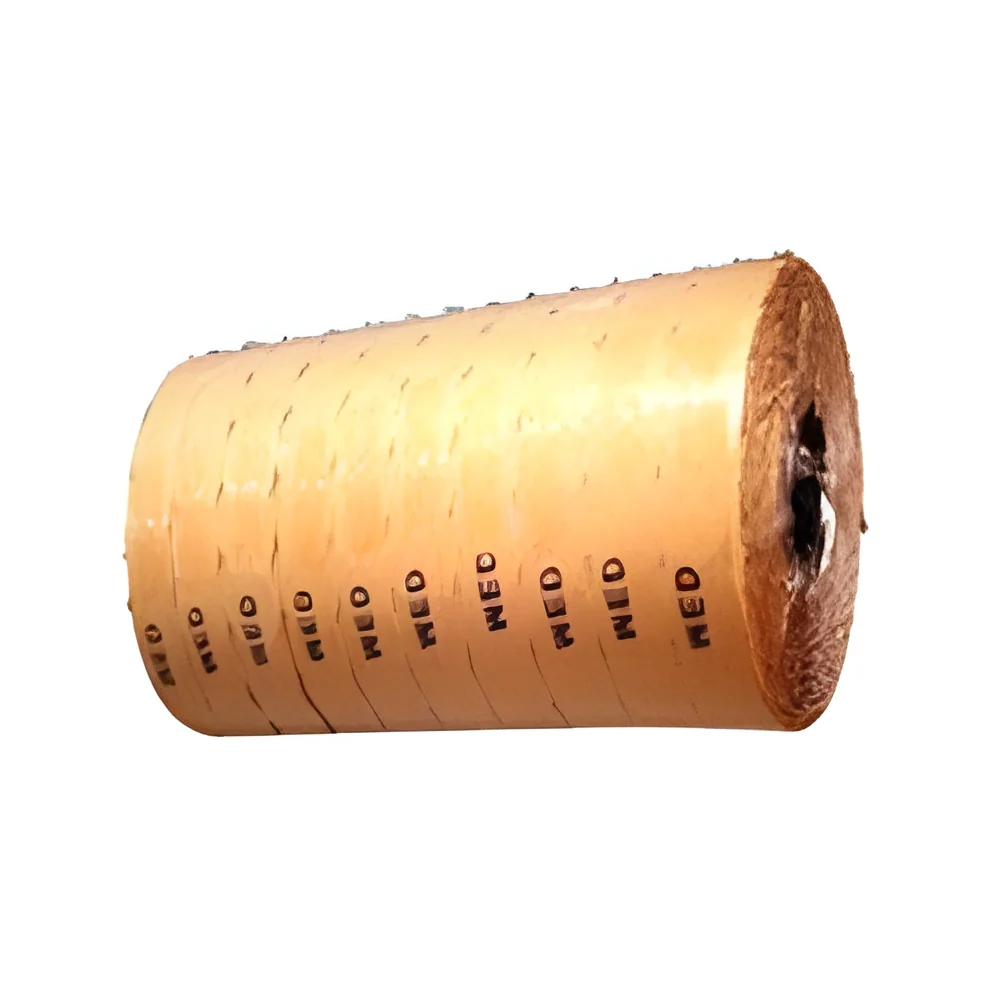
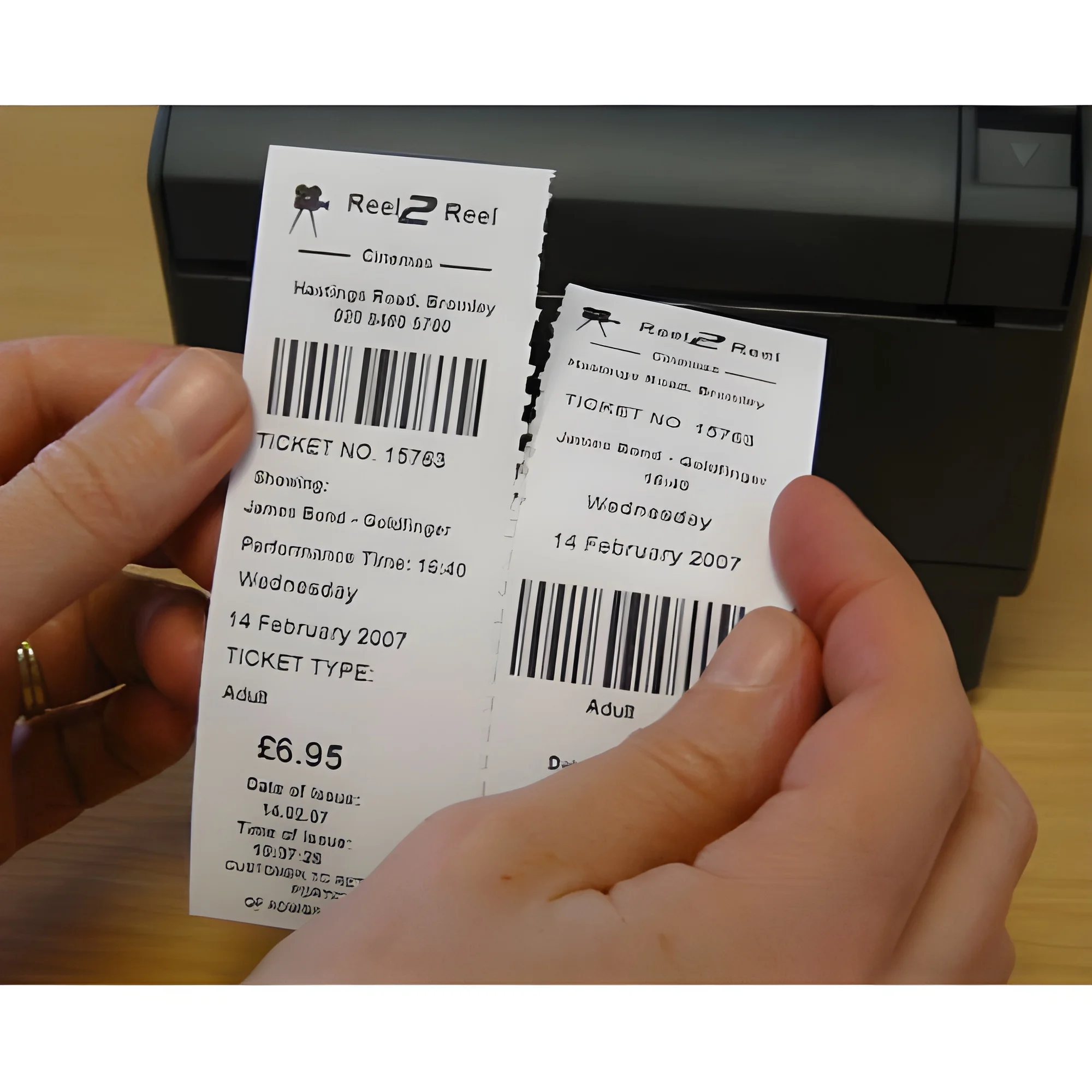
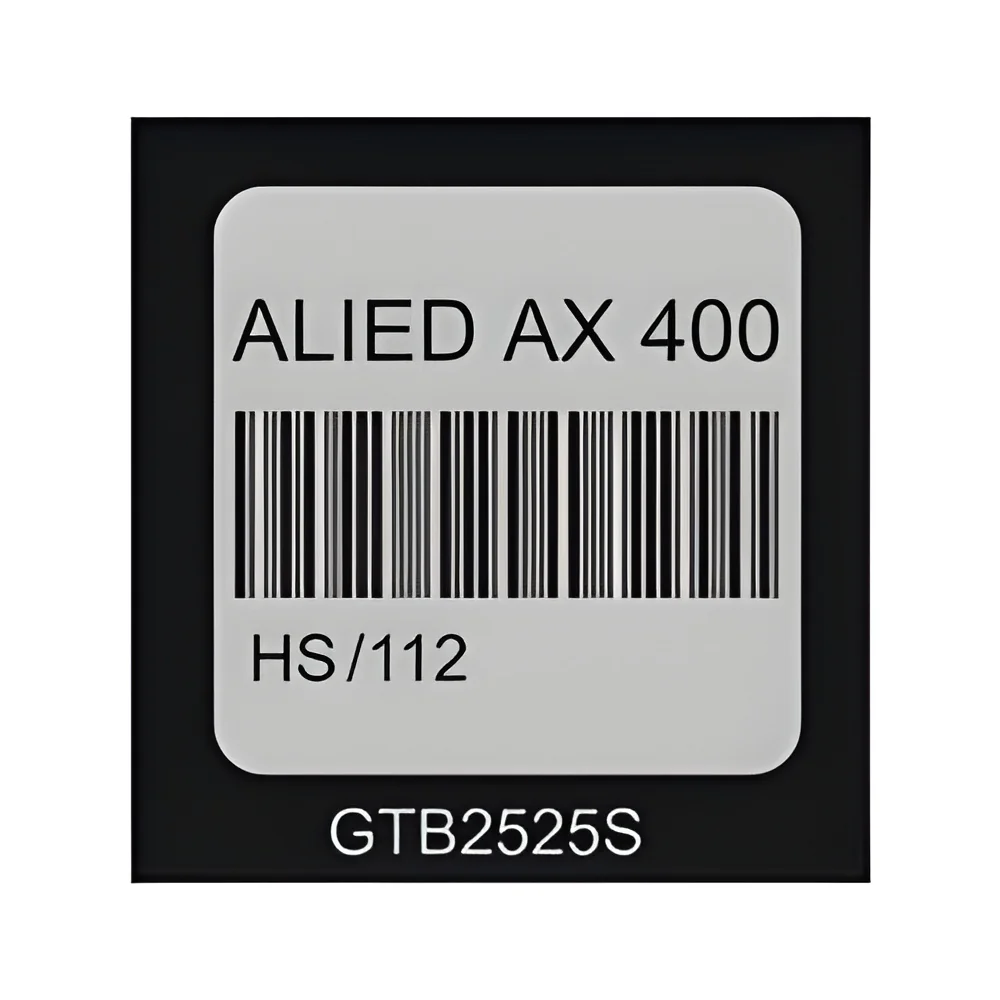
Sequential Barcode Labels are specialized labels that feature unique barcodes printed in a consecutive order. Each label in the sequence is distinctly numbered, making them ideal for tracking and managing inventory. These labels can be printed on various materials and are designed for easy application on products, packages, or assets. This systematic approach to labeling enhances organization and efficiency within a business setting.
The primary uses of Sequential Barcode Labels span multiple business applications, including inventory management, asset tracking, and order fulfillment. Businesses utilize these labels to streamline operations by assigning unique identifiers to products, which simplifies the tracking process. In warehouses and retail environments, these labels play a crucial role in ensuring accurate stock levels and improving overall workflow.
In today’s competitive market, Sequential Barcode Labels have gained relevance across various industries. Companies that prioritize efficiency and accuracy in their operations are increasingly adopting these labels to ensure compliance with industry standards and improve inventory visibility. As businesses transition to more automated processes, the demand for effective labeling solutions continues to grow.
Key Features and Specifications
Sequential Barcode Labels are designed with several key features that enhance their effectiveness in various applications. These labels come with distinct specifications that cater to specific business needs.
Key specifications include:
1. Material Type
- Typically made from paper or synthetic materials.
- Suitable for both indoor and outdoor use.
2. Adhesive Strength
- Features permanent or removable adhesive options.
- Ensures labels stay securely attached under various conditions.
3. Print Technology
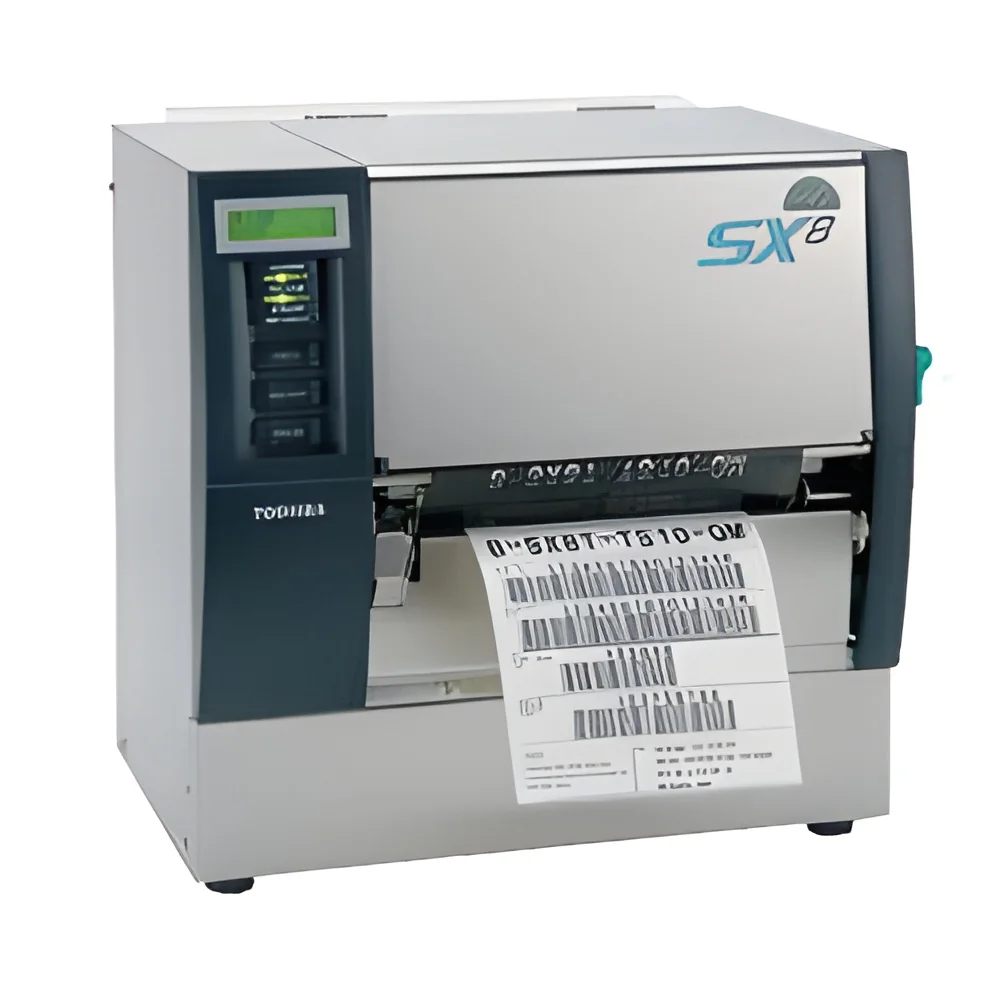
- Compatible with thermal transfer and direct thermal printing.
- Supports high-resolution printing for clear barcodes.
4. Barcode Types
- Supports various barcode formats, including UPC, EAN, and QR codes.
- Customizable to meet specific tracking requirements.
5. Size Options
- Available in a range of sizes to accommodate different products.
- Custom sizes can be provided based on client specifications.
6. Sequential Numbering
- Each label is printed with a unique sequential number.
- Ensures traceability and accurate inventory management.
7. Environmental Resistance
- Options available for water, oil, and chemical resistance.
- Suitable for harsh environments where durability is essential.
8. Compliance Standards
- Adheres to industry standards for labeling.
- Can be produced to meet specific regulatory requirements.
In summary, Sequential Barcode Labels are versatile products that cater to various business requirements. Their features ensure reliability and efficiency in tracking and managing inventory across industries.
Common Applications and Use Cases
Sequential Barcode Labels find applications in a wide array of industries, enhancing operational efficiency and accuracy.
1. Retail: In retail environments, these labels are used for pricing, inventory management, and promotions. They streamline checkout processes and improve stock visibility.
2. Logistics: Companies in logistics utilize Sequential Barcode Labels to track shipments and manage warehouse inventory. They facilitate real-time updates on stock levels and order statuses.
3. Manufacturing: In manufacturing settings, these labels are essential for tracking parts and components through production lines. They help ensure quality control and minimize errors.
4. Healthcare: Hospitals and clinics use Sequential Barcode Labels for patient identification, medication tracking, and asset management. They enhance safety and compliance in healthcare operations.
5. Education: Educational institutions implement these labels for managing library books, equipment, and student records. They simplify tracking and inventory processes.
6. Automotive: In the automotive industry, Sequential Barcode Labels are used for parts tracking and inventory management. They help streamline production and improve quality assurance.
7. Food and Beverage: Businesses in this sector utilize these labels for tracking products and ensuring compliance with safety regulations. They aid in traceability and quality control.
Product Variants and Subcategories
Sequential Barcode Labels come in various forms to meet the diverse needs of different industries. Although specific subcategories are not available, there are numerous variants within the product line.
Standard Sequential Barcode Labels
These labels are designed for general use across industries. They feature clear barcodes and can be customized with different sizes and adhesive types to suit various applications.
Custom Sequential Barcode Labels
These labels can be tailored to meet specific business requirements. Customization options include size, material, and printing specifications, allowing businesses to create unique labeling solutions.
Durable Sequential Barcode Labels
Engineered for harsh environments, these labels offer enhanced resistance to water, chemicals, and abrasion. They are ideal for outdoor use or in industrial settings.
Benefits and Advantages
Using Sequential Barcode Labels offers numerous benefits that enhance operational efficiency and accuracy within organizations.
1. Improved Inventory Management: Sequential Barcode Labels facilitate real-time tracking of products, ensuring accurate stock levels and reducing the risk of stockouts.
2. Enhanced Traceability: Each label’s unique identifier allows for efficient tracing of items throughout the supply chain, improving accountability and compliance.
3. Increased Operational Efficiency: Streamlining processes with Sequential Barcode Labels minimizes manual entry errors and accelerates workflow, leading to higher productivity.
4. Customization Options: Businesses can tailor labels to their specific needs, ensuring they meet unique requirements for various products.
5. Cost-Effective Solution: Implementing Sequential Barcode Labels can reduce labor costs associated with inventory management and improve overall resource allocation.
6. Regulatory Compliance: These labels can be produced to meet industry standards, ensuring businesses remain compliant with regulations.
Buying Guide for B2B Buyers
When sourcing Sequential Barcode Labels, B2B buyers should consider several key factors to ensure they select the right product for their needs.
1. Quality Assessment: Evaluate the materials and printing quality to ensure durability and legibility in various conditions. Consider how the label will perform in the intended environment.
2. Supplier Verification: Vet suppliers thoroughly to ensure they have a reliable reputation and can provide quality products. Look for testimonials and case studies from previous clients.
3. Pricing and MOQ: Understand the pricing structure and minimum order quantities. Consider bulk purchases for cost savings while ensuring that the quantity aligns with your business needs.
4. Delivery and Lead Times: Discuss logistics and lead times with suppliers to ensure that products can be delivered promptly. Timely delivery is crucial for maintaining operations.
5. Compliance Requirements: Confirm that the labels meet any regulatory or industry-specific standards. This ensures the product will be suitable for your intended applications.
Compliance and Certifications
Sequential Barcode Labels must adhere to various quality standards and certifications to ensure reliability and effectiveness in different applications. Key quality standards include ISO 9001, which outlines requirements for a quality management system, ensuring that products meet customer and regulatory requirements.
Industry certifications, such as CE, indicate that these labels comply with European safety standards, providing assurance of their quality and safety. Compliance with safety and testing requirements is essential, particularly in industries such as healthcare and food services, where labeling accuracy is critical.
Regional compliance considerations may also apply, depending on the market in which these labels are used. Understanding local regulations and standards ensures that businesses remain compliant and can avoid potential penalties associated with non-compliance.
Why Source Sequential Barcode Labels from Pepagora?
Pepagora offers a trusted platform for sourcing Sequential Barcode Labels, providing several key advantages to B2B buyers.
Verified Supplier Network: Pepagora has established a network of verified suppliers, ensuring that businesses can source high-quality products with confidence. This network undergoes rigorous vetting processes to maintain quality standards.
Streamlined RFQ Process: The platform features a streamlined request for quotation (RFQ) process, allowing buyers to easily compare options and receive competitive pricing from multiple suppliers.
Trade Assurance and Support: Pepagora provides buyer protection and support throughout the purchasing process, ensuring that transactions are secure and disputes are managed effectively.
Regional Coverage: With a strong presence in India, the GCC, and Southeast Asia, Pepagora can facilitate sourcing for businesses across these regions, ensuring access to quality labels tailored to various market needs.

 IN
IN