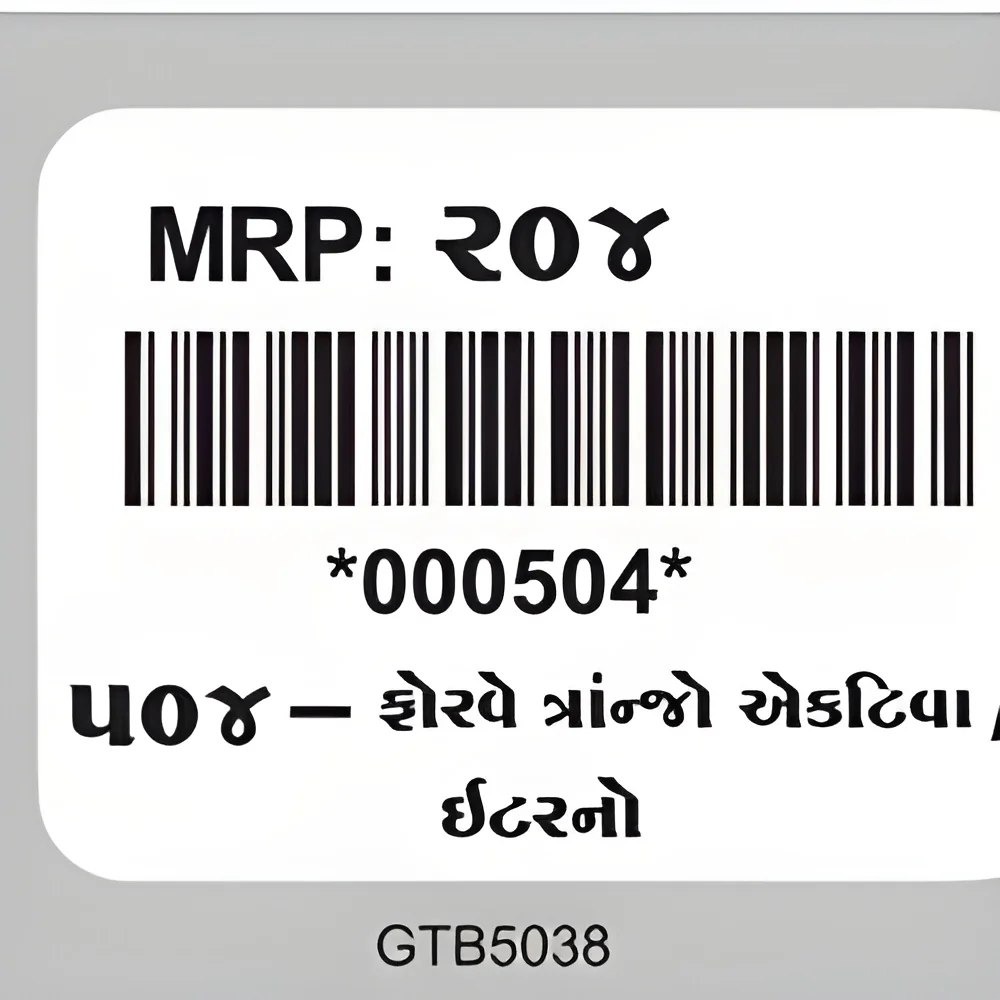
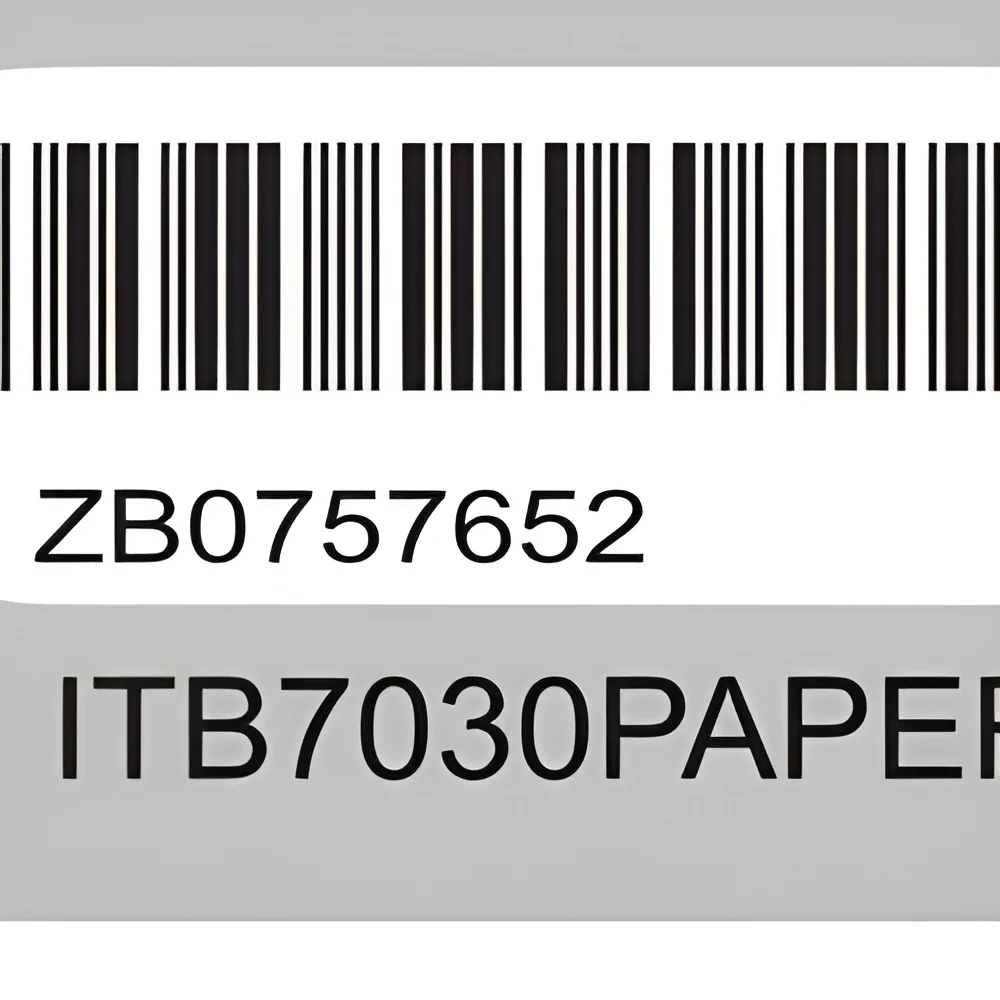
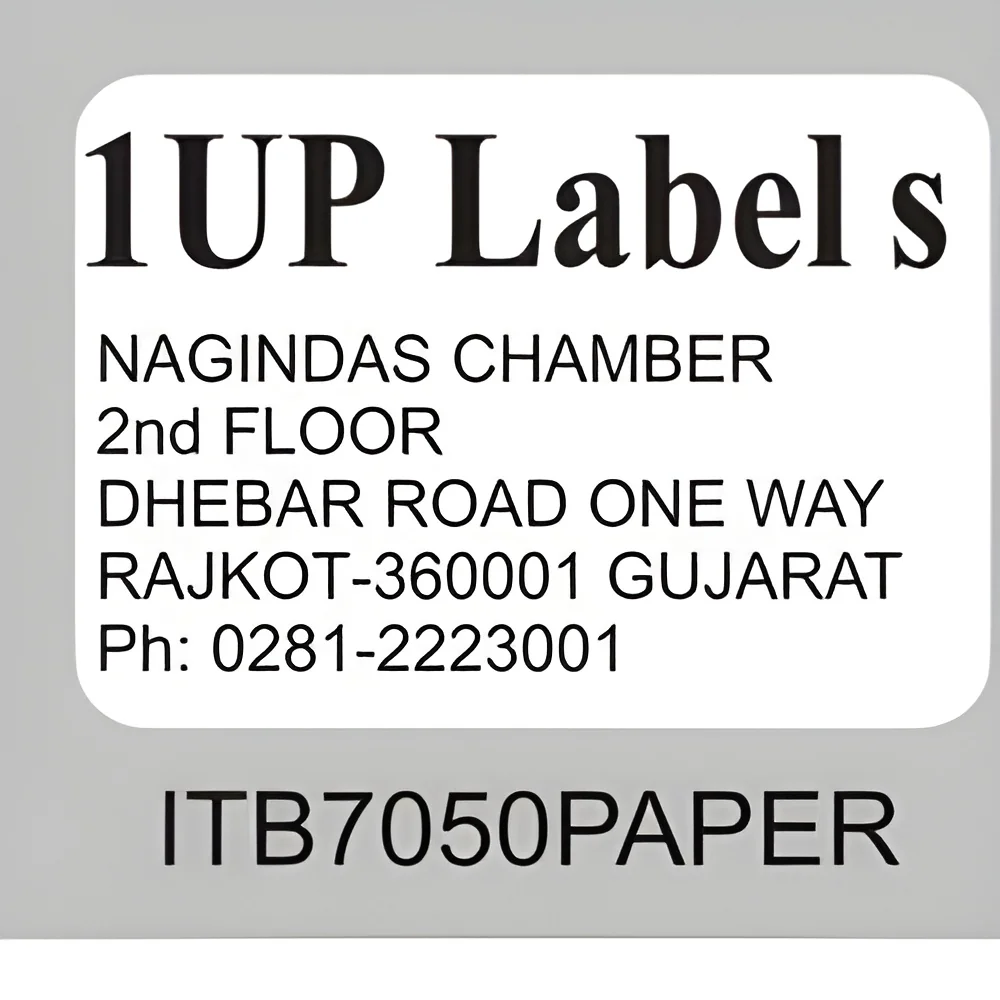
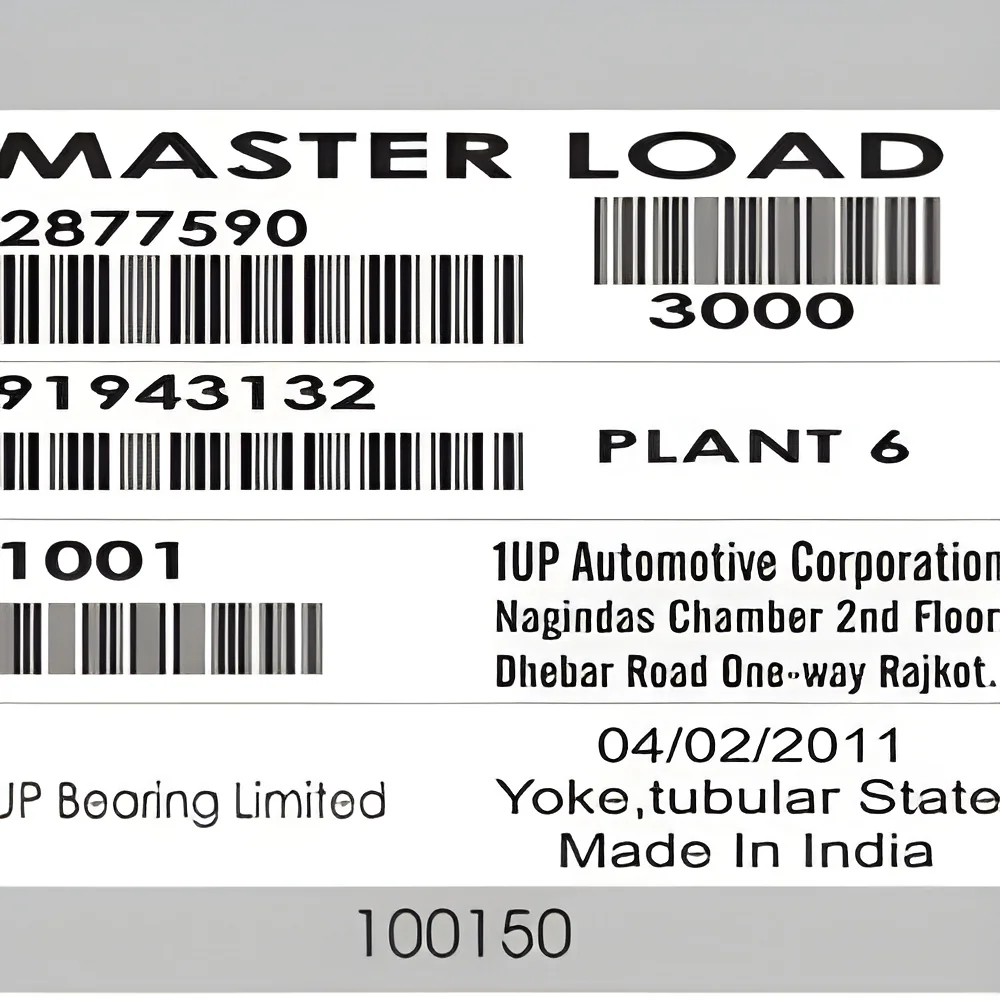
What are Thermal Transfer Labels?
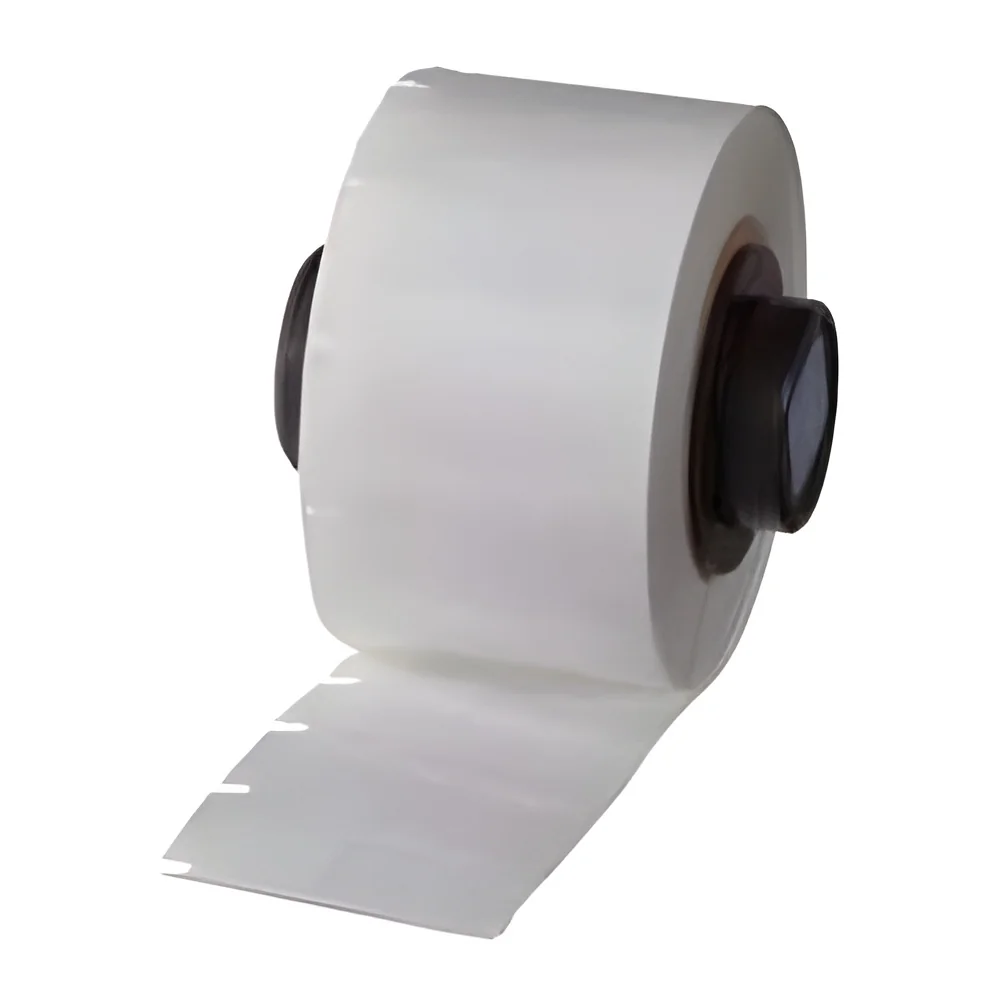
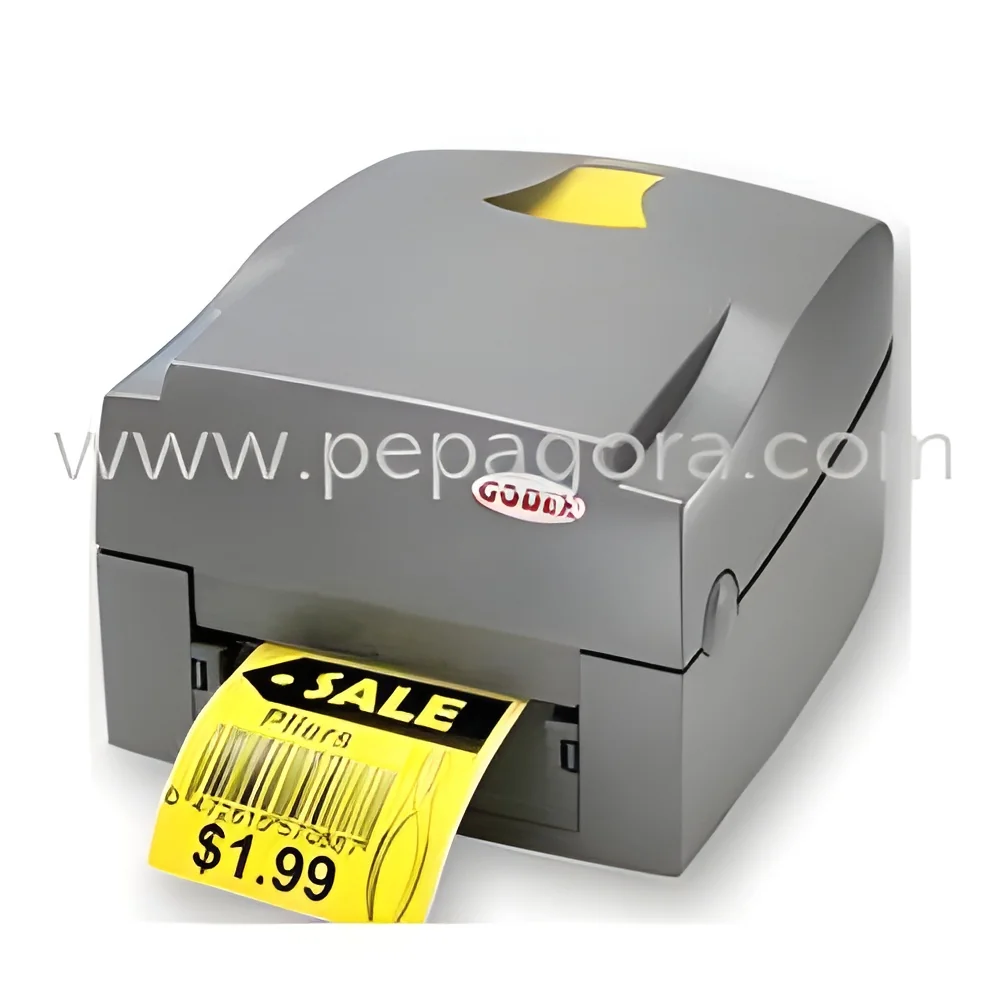
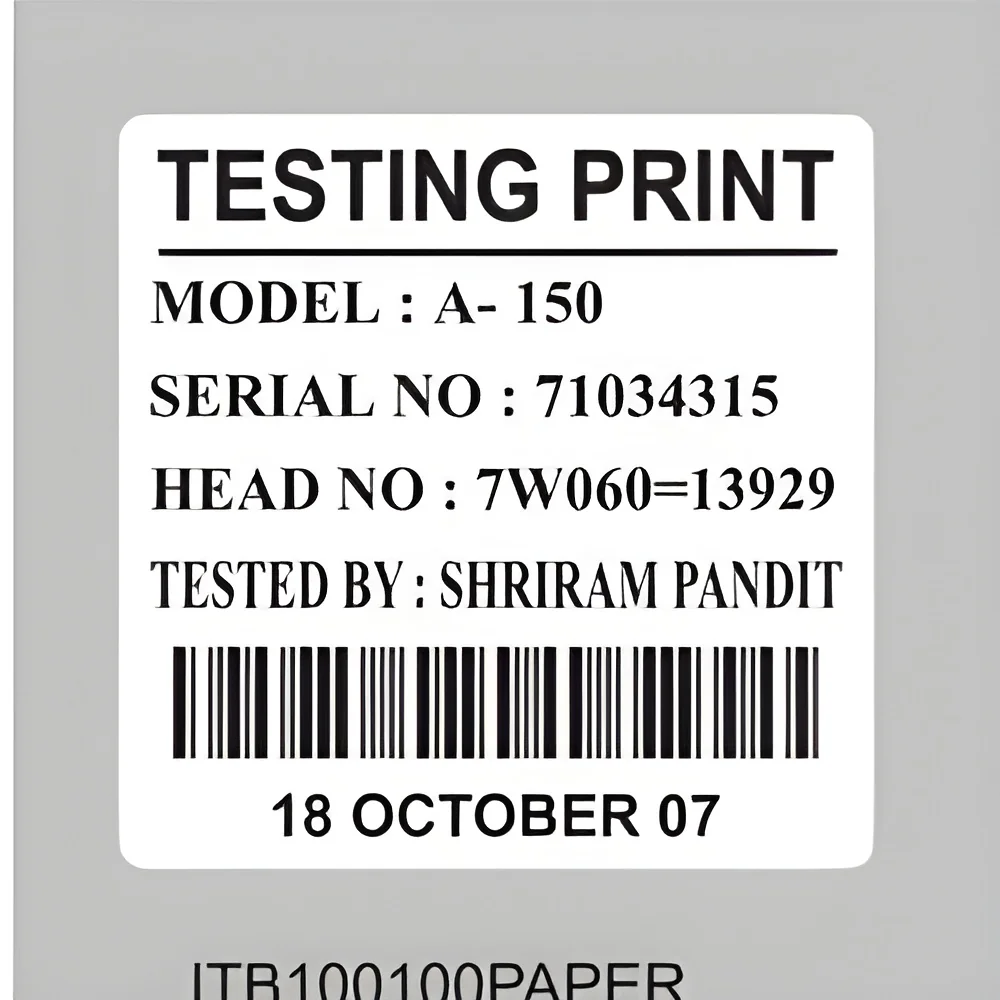
Thermal transfer labels are specialized printing media used in various industrial applications. They are created using a thermal transfer printer, which utilizes heat to transfer ink from a ribbon onto the label material. This process results in high-quality, durable prints that are resistant to smudging, fading, and scratching. Thermal transfer labels are commonly made from materials such as paper, polyester, and vinyl, making them suitable for a wide range of environments and uses.
These labels find extensive applications across multiple industries. They are particularly useful in sectors such as logistics, healthcare, manufacturing, and retail. Businesses use thermal transfer labels for product labeling, shipping labels, barcoding, and inventory management. As companies focus on efficiency and accuracy in their operations, the demand for reliable labeling solutions like thermal transfer labels continues to grow, reflecting their importance in modern industrial processes.
Key Features and Specifications
Thermal transfer labels come with several distinctive features that enhance their usability and effectiveness. Understanding these specifications is crucial for businesses looking to implement labeling solutions that meet their operational needs.
Key specifications include:
1. Material Type
- Common materials include paper, polyester, and vinyl.
- Each material offers different durability and application suitability.
2. Adhesive Strength
- Labels can feature permanent or removable adhesives.
- The choice depends on the intended use and surface compatibility.
3. Print Resolution
- Typical resolutions range from 200 to 600 DPI.
- Higher resolutions provide more detailed prints, ideal for small text or intricate graphics.
4. Size Variability
- Available in various sizes to fit different applications.
- Custom sizes can often be requested based on specific needs.
5. Roll Configuration
- Offered in different roll diameters and core sizes.
- Compatibility with various thermal transfer printers is essential.
6. Environmental Resistance
- Some labels are designed to withstand harsh conditions, such as extreme temperatures or moisture.
- This feature is crucial for outdoor and industrial settings.
7. Color Options
- Available in multiple colors for easy identification and branding.
- Custom printing options may also be available.
8. Compatibility with Ribbons
- Thermal transfer labels require specific ribbons for printing.
- The choice of ribbon affects print quality and durability.
In summary, understanding the key features and specifications of thermal transfer labels helps businesses select the right product for their labeling needs.
Common Applications and Use Cases
Thermal transfer labels serve a multitude of industries, enhancing operational efficiency and accuracy.
1. Logistics: In logistics, thermal transfer labels are used for shipping and tracking purposes. They help in managing inventory and ensuring the accurate delivery of packages.
2. Healthcare: In the healthcare sector, these labels are vital for patient identification, specimen labeling, and medication tracking. The durability and clarity of prints are essential for safety and compliance.
3. Manufacturing: Manufacturers utilize thermal transfer labels for product identification and quality control. They support barcode labeling and compliance with industry regulations.
4. Retail: Retail businesses rely on thermal transfer labels for price tagging and inventory management. The high-quality prints enhance branding and customer experience.
5. Food and Beverage: In the food industry, these labels are used for packaging and compliance with labeling regulations. They ensure product traceability and safety.
6. Chemical Industry: Thermal transfer labels are used to label hazardous materials clearly. Their resistance to chemicals and moisture is critical in this sector.
7. Electronics: In electronics manufacturing, these labels help in tracking components and finished products. They ensure quality control and efficient inventory management.
Product Variants and Subcategories
Thermal transfer labels come in various forms, catering to diverse business needs.
Standard Thermal Transfer Labels
These are the most commonly used labels, designed for general labeling applications. They offer a balance of durability and print quality, making them suitable for a wide range of industries.
Waterproof Thermal Transfer Labels
These labels are specifically designed for environments where moisture is a concern. They are ideal for outdoor use and in industries such as food and beverage, where labels may come into contact with liquids.
High-Temperature Thermal Transfer Labels
These labels can withstand extreme temperatures, making them suitable for applications in manufacturing and logistics where heat exposure is common.
Colored Thermal Transfer Labels
Available in various colors, these labels are often used for color-coding systems in warehouses and retail environments. They enhance visual identification and organization.
Benefits and Advantages
Utilizing thermal transfer labels offers several key advantages for businesses.
1. Durability: Thermal transfer labels are highly resistant to smudging, scratching, and fading, ensuring long-lasting legibility.
2. High Print Quality: The technology produces sharp and clear prints, making them ideal for detailed graphics and small text.
3. Versatility: These labels can be used on various surfaces and in diverse environments, from warehouses to retail settings.
4. Cost-Effectiveness: With their durability, thermal transfer labels reduce the need for frequent replacements, resulting in lower long-term costs.
5. Customization: Many suppliers offer customizable options, allowing businesses to tailor labels according to their specific needs.
6. Increased Efficiency: Accurate labeling helps streamline operations, improve inventory management, and reduce errors in logistics.
Buying Guide for B2B Buyers
When sourcing thermal transfer labels, it is essential to consider several factors to ensure the right choice.
1. Quality Assessment: Evaluate the quality of labels based on durability, print quality, and material. Look for suppliers that meet industry standards to ensure reliability.
2. Supplier Verification: Conduct thorough research to verify the credibility of suppliers. Check their reputation, customer reviews, and compliance with relevant regulations.
3. Pricing and MOQ: Understand the pricing structure and minimum order quantities (MOQ) set by suppliers. Compare prices across different vendors to find a competitive deal.
4. Delivery and Lead Times: Inquire about delivery options and lead times to ensure that labels arrive when needed. Timely delivery is critical for maintaining operational efficiency.
5. Compliance Requirements: Ensure that the labels meet industry-specific compliance standards. Familiarize yourself with applicable regulations to avoid potential issues.
Compliance and Certifications
Thermal transfer labels must adhere to various compliance and certification standards to ensure quality and safety.
Many manufacturers follow ISO 9001, which focuses on quality management systems. This certification assures buyers that the products are made with consistent quality.
HACCP certification is also relevant, particularly in industries like food and beverage. It ensures that labeling processes meet safety and hygiene standards.
In addition to these, CE certification indicates conformity with health, safety, and environmental protection standards within the European market.
Understanding safety and testing requirements is crucial for businesses. Labels must be tested for durability and resistance to various environmental factors.
Finally, regional compliance considerations may vary, so it is essential to be aware of local regulations that may impact labeling requirements in specific markets.
Why Source Thermal Transfer Labels from Pepagora?
Pepagora stands out as a reliable platform for sourcing thermal transfer labels, offering a range of advantages that benefit B2B buyers.
Verified Supplier Network: Pepagora provides access to a network of verified suppliers. This ensures that buyers can trust the quality and reliability of the products they are purchasing.
Streamlined RFQ Process: The platform simplifies the request for quotation process, allowing buyers to quickly receive competitive quotes from multiple suppliers. This feature saves time and enhances decision-making.
Trade Assurance and Support: Buyers benefit from trade assurance programs that protect their investment. Pepagora offers support throughout the purchasing process, ensuring a smooth experience.
Regional Coverage: With a strong presence in India, the GCC, and Southeast Asia, Pepagora facilitates sourcing across a wide geographic area. This broad reach helps businesses find the right suppliers for their specific needs, regardless of location.

 IN
IN